
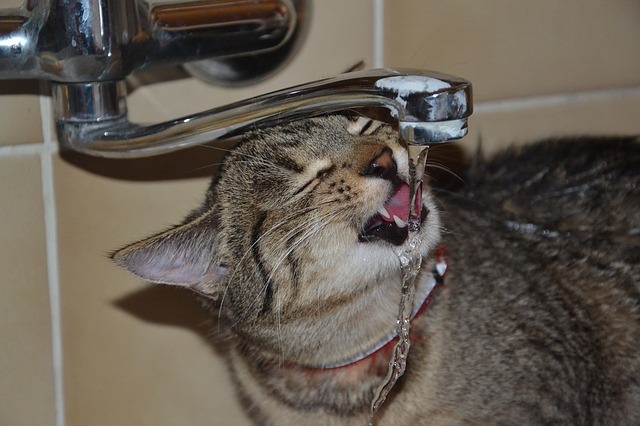
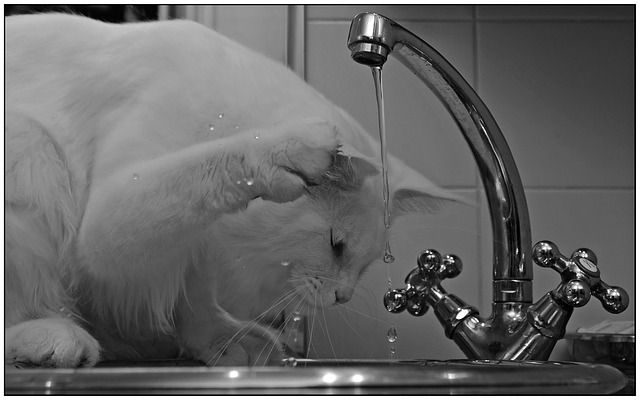
Cats drink from faucets and showers because moving water is instinctively safer, cooler, and easier for them to sense than the still water in a bowl. Domestic cats descended from desert-dwelling wildcats that evolved to distrust standing water as a contamination risk, and cats’ whiskers and poor close-up vision make a still bowl harder to judge than a visible, audible stream. Tap water itself is generally safe for cats to drink in the same way it’s safe for people, but letting a cat lap directly from the faucet or tub long-term isn’t ideal.
It offers no way to monitor intake, and in homes with hard or mineral-heavy water it can add to the net mineral load relevant to bladder stones. A pet water fountain gives cats the moving water they want while keeping water intake visible and filtered.
Evidence-reviewed, not hands-on tested.
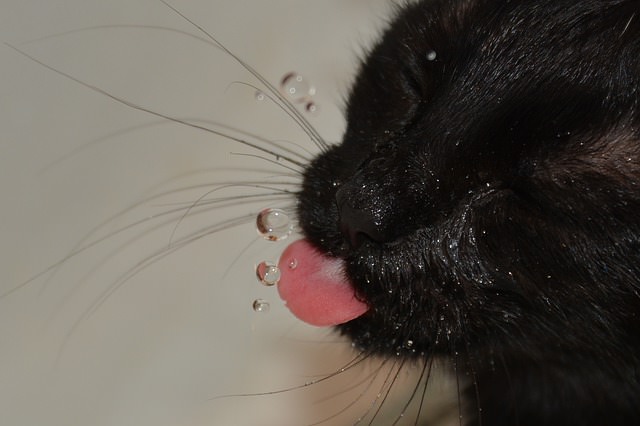
6 Reasons Cats Prefer Running Water
Our domestic felines’ oldest ancestors hailed from desert climates and were able to subsist on little water. To this day, our cats’ bodies conserve water by producing relatively dry stools and highly concentrated urine, a trait feline-medicine researchers still document (Cornell Feline Health Center, last reviewed 2024).
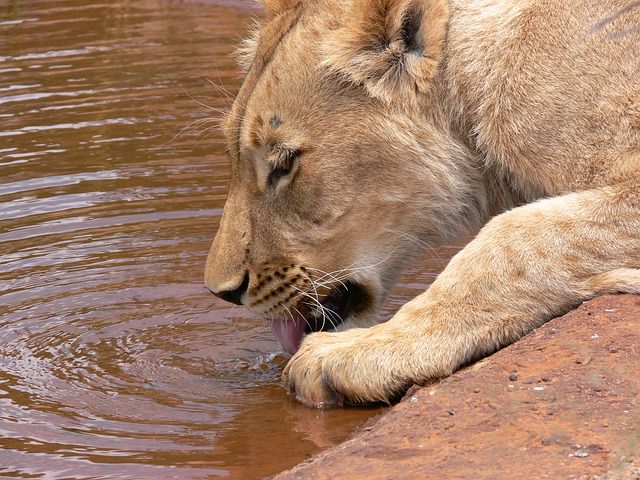
When cats are in need of a good, cool drink there are several reasons they may choose to skip the water bowl and head for the tap.
1. It’s instinctive for them to avoid standing water, which in the wild is a much higher risk for harmful contaminants than a flowing stream. This avoidance response is documented in domestic cats (International Cat Care, reviewed 2023).
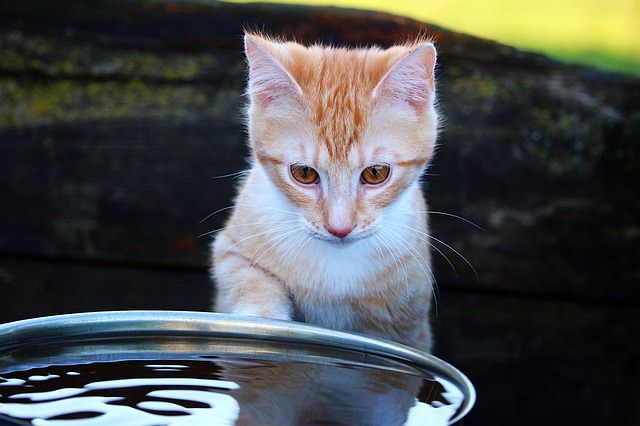
2. Felines have great night vision, but their ability to see the standing water in their bowl is poor. Rather than relying on sight to locate a still pool, cats prefer to use their excellent hearing to sense the familiar sound of running water.
3. Most owners tend to place food and water bowls against a wall, making cats feel vulnerable to a rear attack. Although there probably aren’t too many predators waiting to ambush your kitty in the kitchen, it’s a natural tendency for them to avoid being cornered.
4. Water from the tap tends to be cooler, cleaner and more oxygenated, improving the taste for our finicky felines.
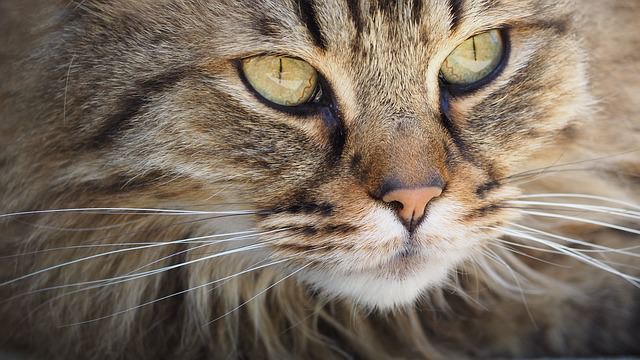
5. Many cats simply dislike the way their sensitive whiskers brush against the rim of their bowls. Vets call this reaction whisker fatigue (American Animal Hospital Association, reviewed 2022).
6. Aside from all these practical reasons, some cats just really like to play with running water! They love creeping into the shower or batting at the stream from a flowing sink.
Is It Safe for Cats to Drink Tap Water?
Tap water itself is generally safe for cats to drink, just as it is for people, and an occasional lap from the faucet or tub won’t hurt a healthy cat. The concern is long-term, unmonitored drinking straight from the tap. Our tap water can contain minerals and heavy metals that, in homes with hard or mineral-heavy water, may add to the net mineral load linked to urinary tract infections, bladder stones, and kidney issues in cats (American Animal Hospital Association, reviewed 2023). These conditions are painful and expensive to treat, and in severe cases they can be life threatening.
So it’s worth keeping an eye on how much your cat drinks and from where. A few signs your tap water may be worth a second look:
- Visible hard-water stains around your faucets or drains
- Living in an area with known high mineral content in the water supply
- A cat who seems to be drinking excessively or visiting the water bowl far more than usual
If any of these apply to your home, a quick chat with your vet and a filtered fountain are good next steps.
What to Do If Your Cat Won’t Drink From Their Bowl
If your favorite feline has a flowing water fetish, try a high-quality pet fountain filled with filtered or distilled water. An added benefit of fountains is that cats tend to drink more water than those who rely on standing bowls, which supports better hydration and urinary health (VCA Animal Hospitals, reviewed 2023). There are several different options on the market, and keeping up with regular pump cleaning keeps the water fresh and appealing once you pick one.
If your cat still isn’t drinking enough, adding water to their kibble is another simple way to boost intake. If you’d rather keep your cat out of the sink between uses, a simple sink cover can block access without changing their water setup. Do your research or consult your vet for help choosing the right fountain for your cat.
If you found this interesting, check out 10 Reasons Cats Don’t Like Drinking Out Of Water Bowls.