
Cats do like humans. Research on cat-human attachment (Vitale, Behnke, & Udell, 2019, published in Current Biology) found that most cats form secure attachment bonds with their caregiver, similar to the bonds seen in human infants and dogs. Within a household, a cat usually bonds most strongly with one person because cats choose companions based on who respects their autonomy, matches their energy level, and has never startled, grabbed, or handled them roughly, not based on who feeds them.
Evidence-reviewed, not hands-on tested.
The person who feeds them and cleans out their litter isn’t always the one who the cat prefers. It can seem unfair, but for your cat, bonding with humans is about more than meeting basic needs. They’re independent animals and don’t necessarily need a human to take care of them. When they choose their favorite people, they’re thinking about more than where they’re getting their next meal.
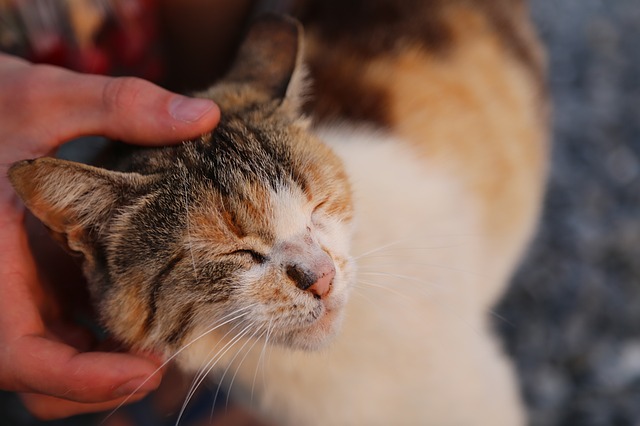
Why Do Cats Like People Who Respect Their Space?
Cats like people who respect their space and let them decide when to be touched. One second they want you to scratch behind their ears, and the next, they’re swatting your hand away in annoyance. Cats are known for being moody, and they want what they want only when they want it. In most cases, the person who can best interpret those mood swings is also the person who wins the cat’s heart. Cats won’t take kindly to someone backing them into a corner or petting them when they’re not in the mood for interaction.
You’ll have a better chance of forming a good relationship with your cat if you let them stay in control. If someone does that, the cat will learn to appreciate their restraint and reward them with attention later on when their mood changes. That same patience is part of why cats choose to touch noses with people they trust, it’s a signal they’re comfortable closing the distance on their own terms.
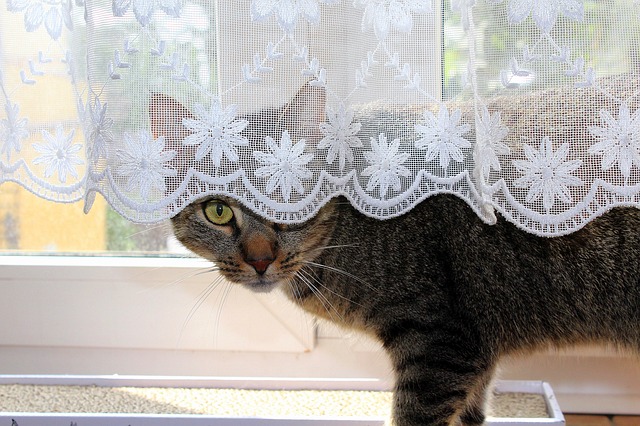
Does a Cat’s Personality Affect Who It Bonds With?
Yes, a cat’s personality strongly shapes who it bonds with, because cats tend to pick companions whose energy matches their own. Some are always up to wrestle, and others are comfortable only when it’s quiet. Regardless of what they’re like, cats choose their friends based on who best matches their own personalities.
Cats pick up on routine and energy within a household, and they gravitate toward whoever moves and reacts the way they do. A calm cat is more likely to seek out the calmest person in the room, while a playful cat often shadows whoever starts the games, and they’ll act more standoffish toward everyone else.
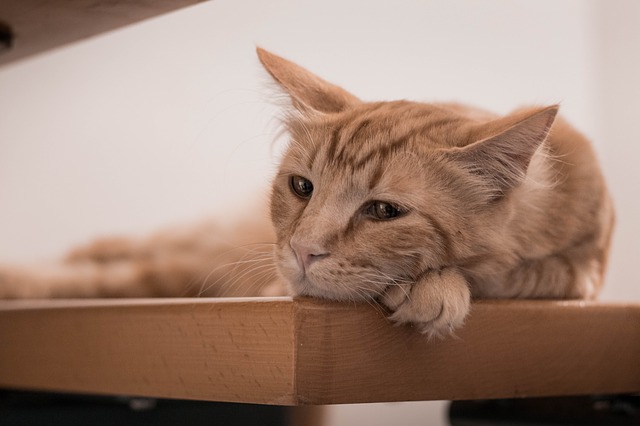
Can a Cat Learn Not to Trust Someone?
Yes, cats can learn not to trust a specific person, and that distrust can follow you around even if you didn’t cause it. If your cat is a rescue and you’re having trouble bonding, there might be something from their past getting in the way. They could have had a bad experience with a person of your same gender, height, age, or hair color. You could do everything right, but it’ll be hard to separate you from the untrustworthy person in their past.
The same concept applies if you’ve ever done something your cat didn’t like. Step on their tail one too many times, treat them roughly, or force them into a hug they don’t want, and your cat will remember, according to the Cornell Feline Health Center (last reviewed 2023). Cats pick their favorite people based on who they can trust. If you’re left out in the cold, it could be because your actions have proved unpredictable in the past. Watching for early trust signals, like a cat choosing to stay close to you on its own, can tell you where you stand before it ever plays favorites out loud.
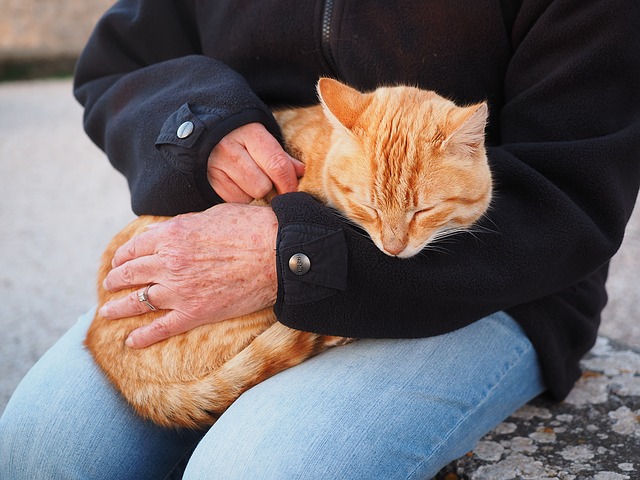
Do Certain Cat Breeds Only Bond With One Person?
Some breeds, including Siamese, Himalayan, Bengal, and Norwegian Forest Cats, often get labeled “one-person cats” because they tend to be especially vocal and clingy with their favorite person. That reputation is part observation, part folklore. Attachment research, including the 2019 cat-caregiver bonding study published in Current Biology, points to the bond forming between an individual cat and an individual person rather than being a fixed breed trait, so a cat’s pedigree matters less than the history you’ve built together (Vitale, Behnke, & Udell, 2019).
All cats, regardless of breed, are individuals. Mixed-breed cats are just as likely to play favorites as their purebred cousins, including some of the more independent breeds that would rather be left alone most of the time. It’s more a state of mind where the cat is satisfied with a certain amount of interaction and doesn’t feel the need to seek other relationships.
Not being your cat’s number one pick can be frustrating, but just because you’re not first in their heart doesn’t mean they don’t care about you. They might pick someone else’s lap over yours and react differently when you initiate playtime, but you represent a vital role in their family dynamic. Try being more relaxed about earning their attention, and they might even have a change of heart.
Can You Become Your Cat’s Favorite Person?
If you’re not currently your cat’s favorite, don’t worry, feline hearts aren’t set in stone. Building a bond takes time, consistency, and respect. Speak softly, respect their boundaries, and engage with them in ways they enjoy, like gentle play or calm companionship. Over time, even the most selective cats can warm up to a new favorite. The key is to let the relationship develop on their terms, because when a cat chooses you, it’s all the more rewarding.