
Cats that follow you from room to room, sleep pressed against your chest, stare at you with slow blinks, and position themselves near doors or windows while you sleep are showing the seven most commonly cited guardian cat behaviors: shadowing, chest sleeping, gift bringing, intent staring, mood sensing, sentry sleeping, and face rubbing (scent marking). These behaviors are rooted in real feline instincts, including territorial bonding, scent marking, and heightened sensitivity to human posture and voice tone, that many cat owners interpret as spiritual protection or guardianship. Evidence-reviewed, not hands-on tested: here’s what the behavior research actually supports for each sign, and what’s folklore layered on top.
They Follow You Everywhere
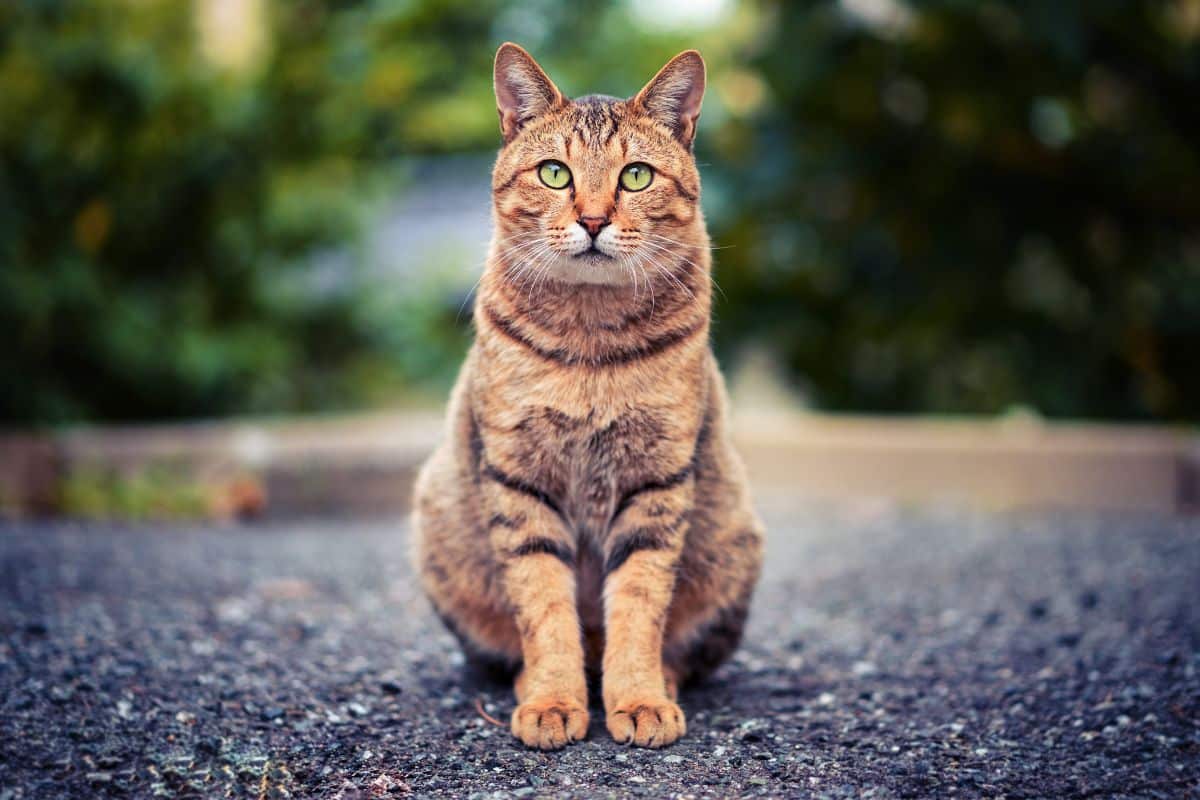
Does your cat act like your tiny, furry shadow? Whether you’re moving from the kitchen to the couch or even heading to the bathroom, they’re always one step behind. This is rooted in territorial and social attachment: cats bond closely with the humans who feed and shelter them, and following you keeps their territory, you included, within sight. Many owners read this shadowing as a sign their cat is standing guard, a protective, guardian-like interpretation layered onto real feline attachment behavior, rather than a proven one.
They Sleep on Your Chest
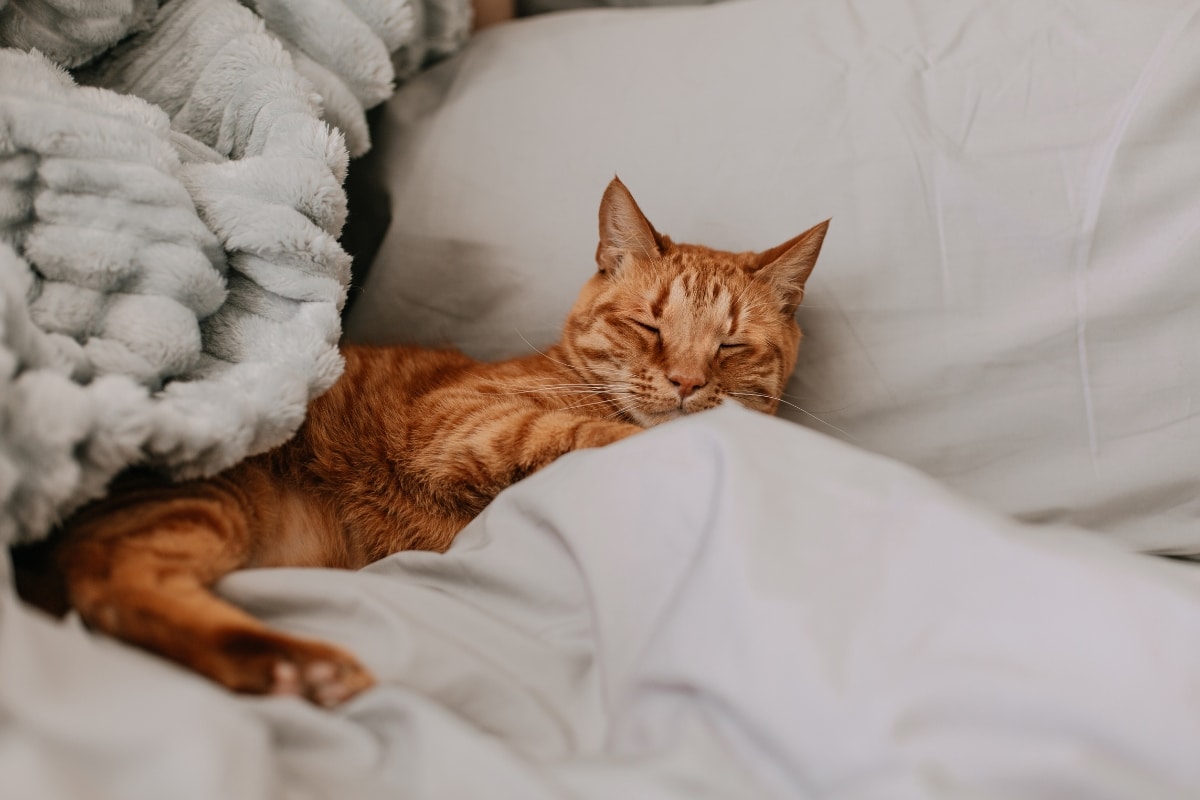
If your cat loves to curl up on your chest, it’s about more than warmth. Cats are drawn to the rhythm of your heartbeat and breathing, and chest sleeping is a classic bonding and comfort-seeking behavior between a cat and a trusted person. Some owners interpret this closeness as their cat absorbing negative energy or offering emotional support, a spiritual reading layered on top of a very physical comfort-seeking habit.
They Bring You “Gifts”
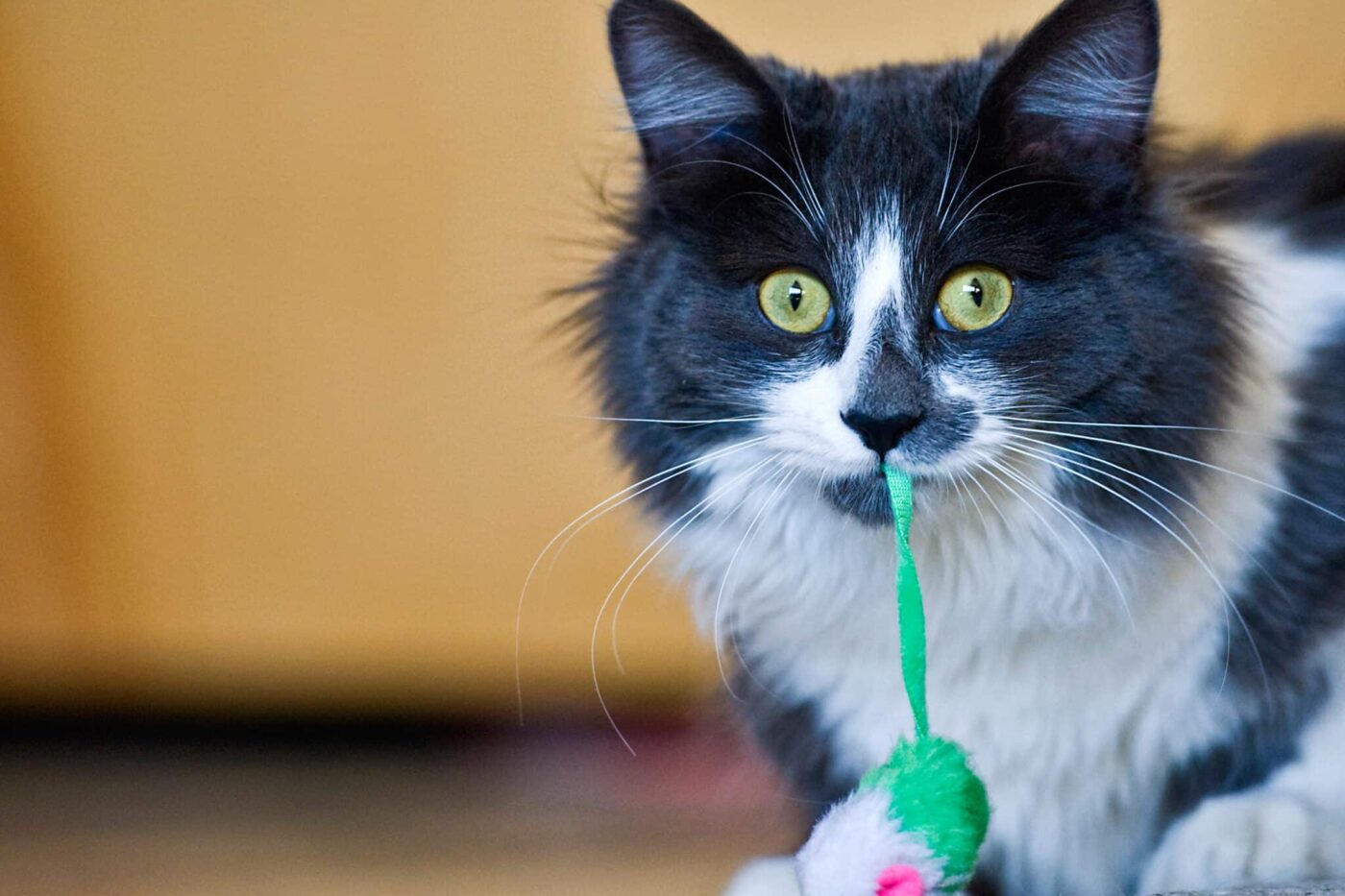
Sure, a dead mouse on your doorstep isn’t the most appealing present, but to your cat, it’s a provisioning instinct at work. Wild and feral cats bring food back to their family group, so when your cat gifts you a toy, a leaf, or a very unlucky bug, they’re treating you as part of that group. Many owners read this as their cat looking out for them, a guardian-style interpretation of a behavior that’s really about instinct and teaching.
They Stare at You Intently
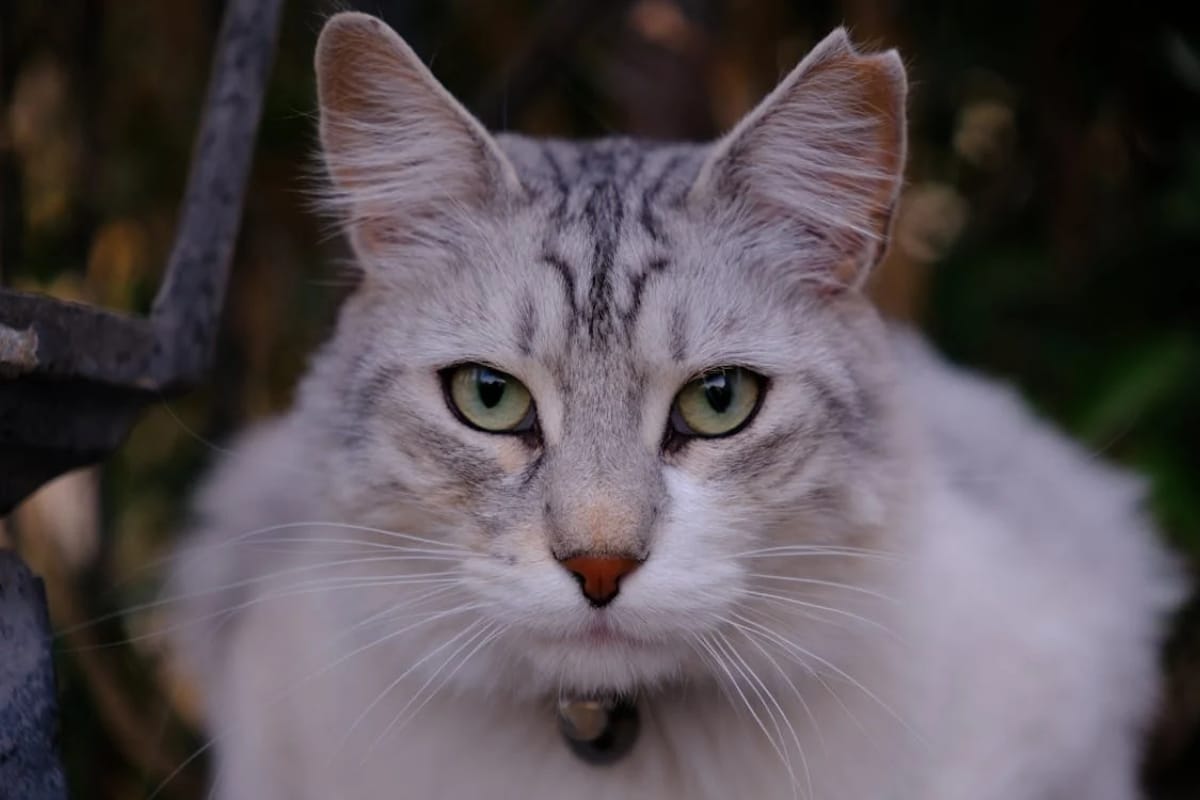
Ever felt like your cat is reading your mind? That steady stare is often a trust signal rather than simple curiosity. Cats use slow blinking, sometimes called a cat kiss, to communicate positive emotion toward people they trust, according to a 2020 study from the University of Sussex and Portsmouth published in Scientific Reports (Humphrey et al., 2020). Many cat owners read that same behavior as their cat sensing and reflecting their emotions, a comforting, more spiritual interpretation of a documented trust signal.
They Sense When You’re Sad
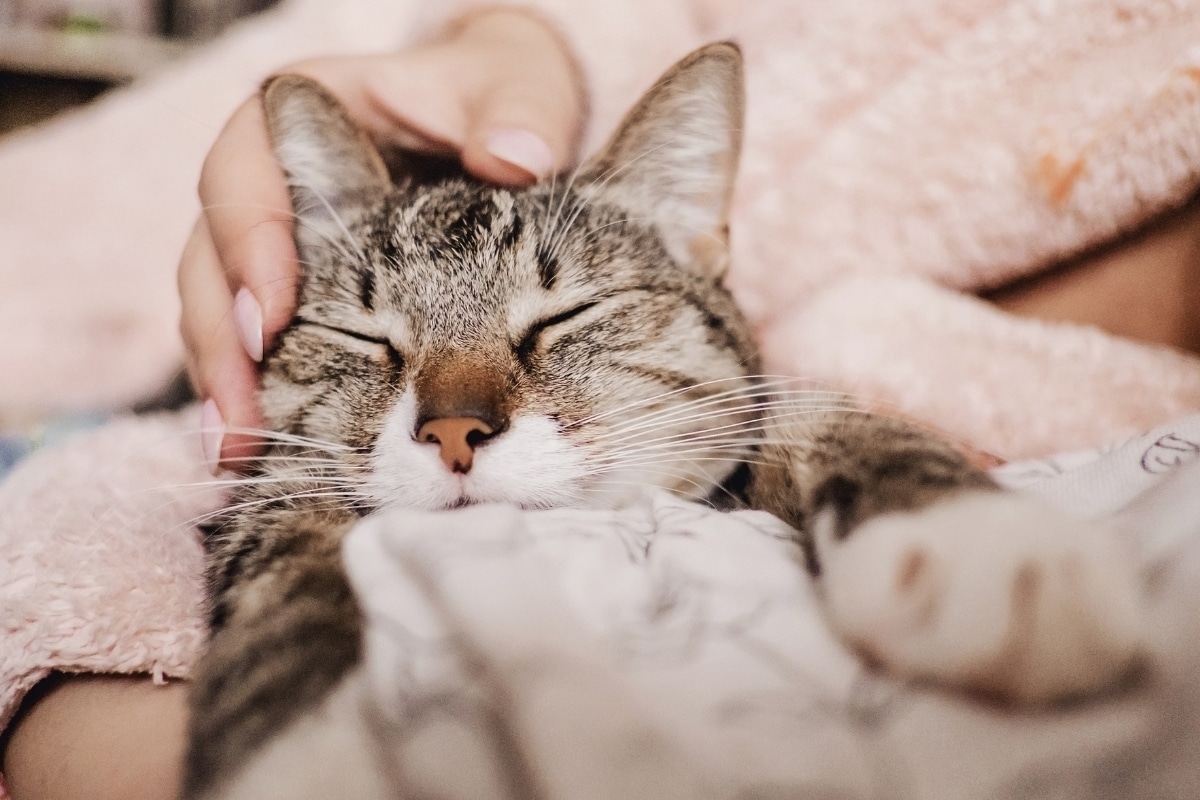
Your cat seems to appear out of nowhere when you’re feeling low, purring and rubbing against you like they just know something is wrong. Cats do pick up on changes in your vocal tone, posture, and facial expression; a 2020 study on feline emotion recognition found cats respond differently to happy and angry human cues (Quaranta et al., 2020, Animals). The idea that a cat’s purr carries a specific healing frequency is popular folklore rather than confirmed science, so take that part as a nice idea, not a fact. Whether they cuddle up next to you or simply stay close, their presence is a real, observable response to your mood.
They Guard You While You Sleep
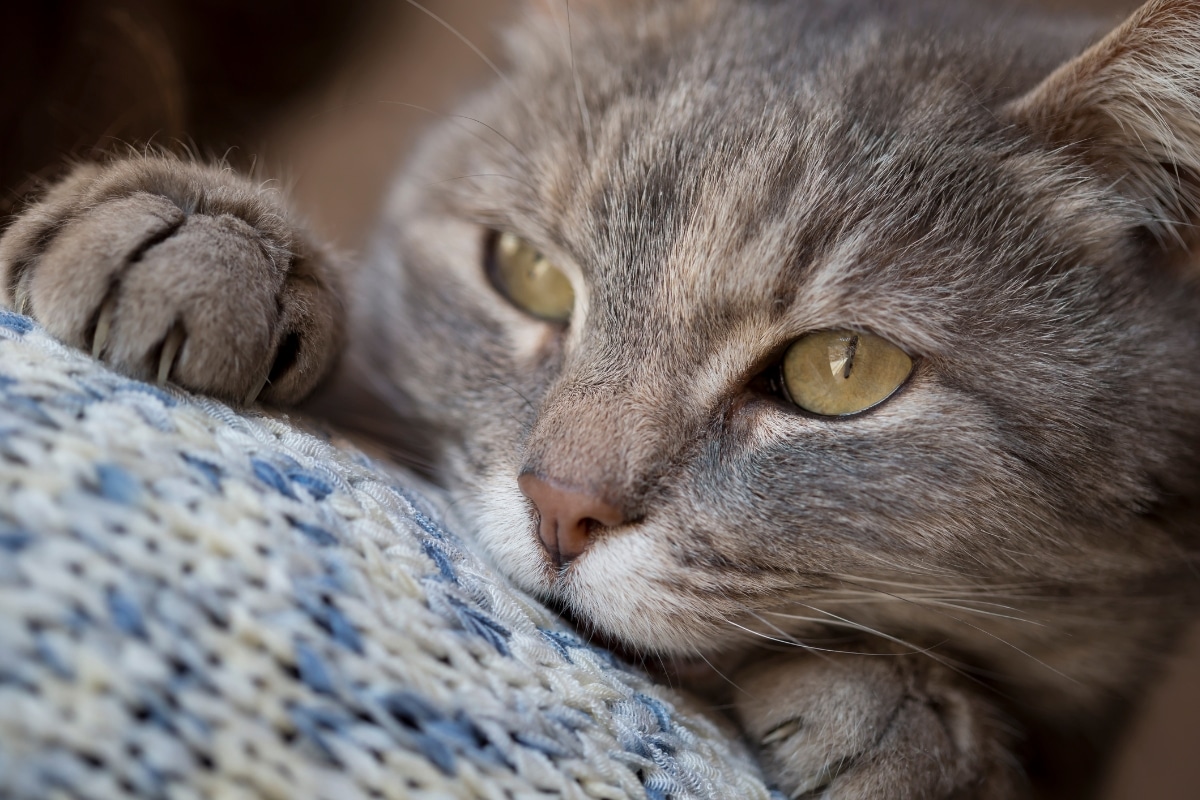
Have you ever woken up to find your cat perched at the foot of your bed, watching the door? This is territorial vigilance: cats stay alert to sounds and movement at the edges of their space, and that space includes you and your bedroom. Many owners interpret this nighttime sentry behavior as spiritual protection, their cat warding off negative energy rather than simply guarding territory. Either way, their quiet watchfulness at night is a real, observable habit, not just a story.
They Rub Their Face on You
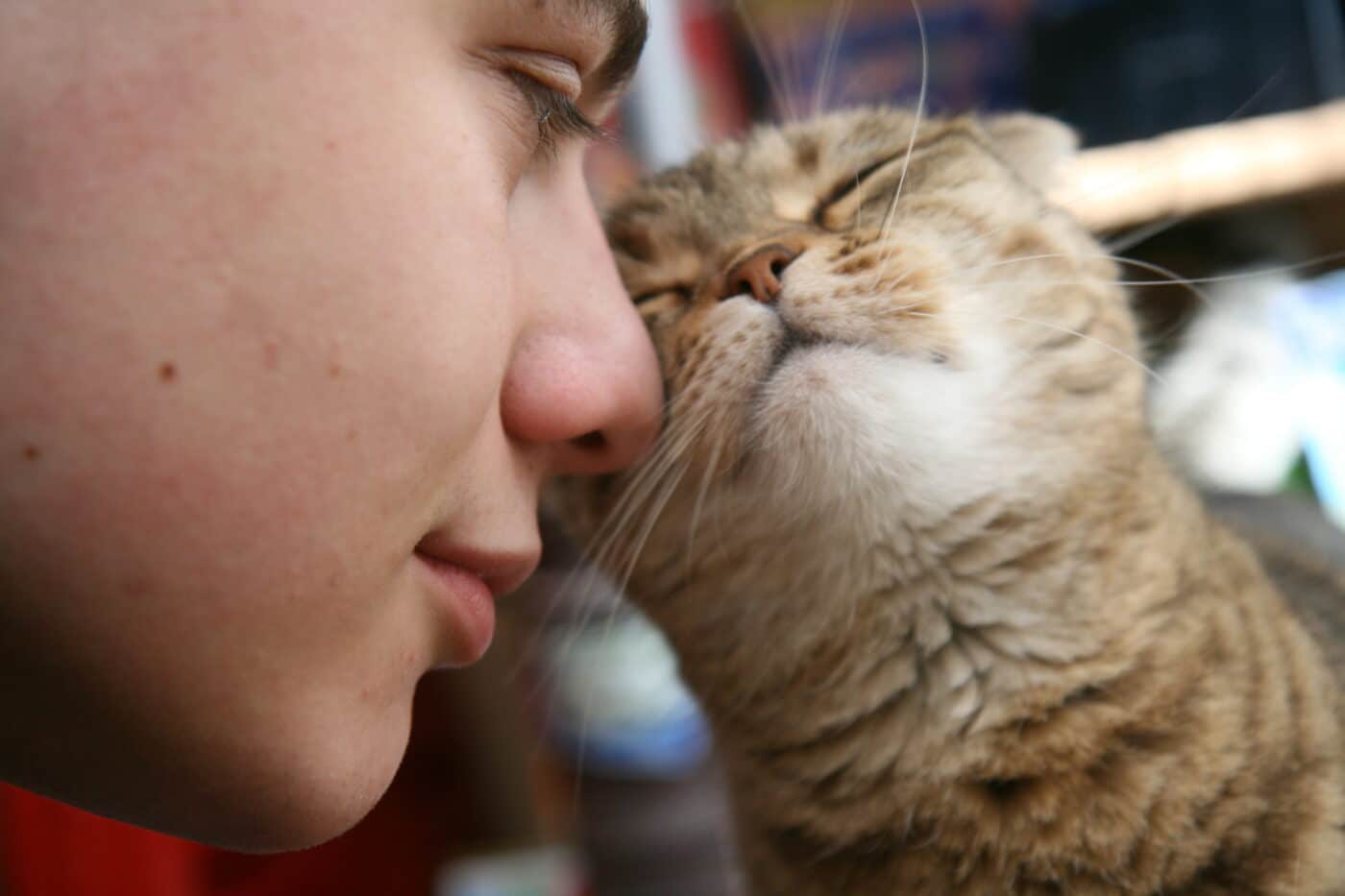
That adorable head bump isn’t just affection, it’s bunting: cats have scent glands on their cheeks and head, and rubbing them on you deposits their scent as a way of marking you as part of their group (ASPCA, last reviewed 2024). Many owners read this as their cat claiming them and warding off bad energy, a spiritual layer added onto a well-documented scent-marking behavior. Cats reserve this gesture, like their related habit of nose-touching, for people and animals they trust, so if your cat bunts you often, take it as a real sign of closeness.
Your Guardian Angel in Fur Form
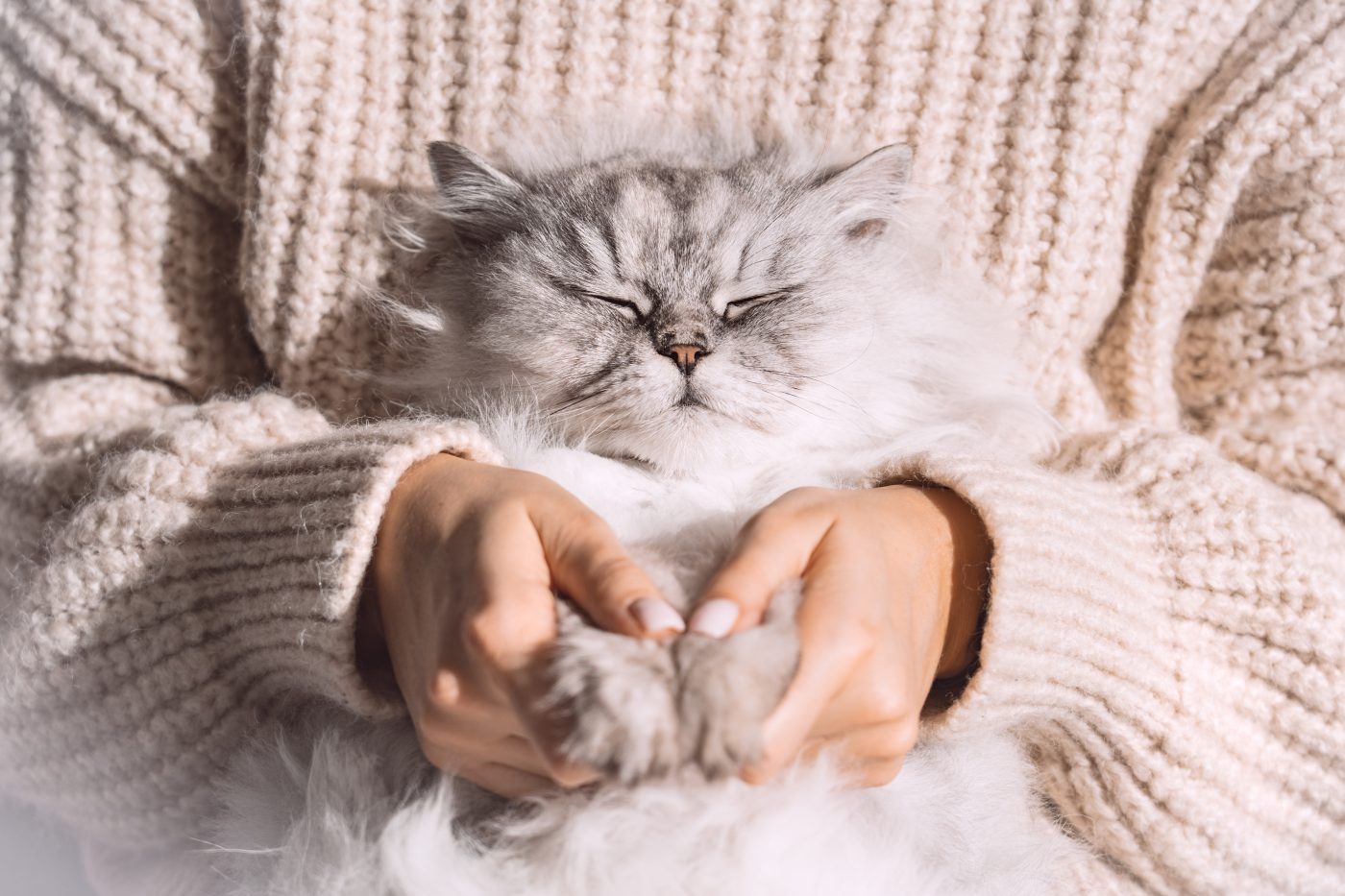
Whether they’re watching over you as you sleep or showing up right when you need a cuddle, your cat may be more than just a pet-they might be your fluffy little guardian angel. Their protective instincts and loving gestures go beyond simple companionship. Some might call it instinct, but to a cat lover, it feels like something deeper. So next time your cat does something peculiar, remember: they might just be looking out for you in their own magical way.