
Cats most often poop outside the litter box for one of three reasons: the box itself is wrong (too small, too dirty, or hard to reach), the location is stressful (too exposed, too close to food, or guarded by another pet), or there’s an underlying medical issue (arthritis, constipation, or a painful GI condition). Vets recommend one litter box per cat plus one extra, each box at least 1.5 times the cat’s body length, scooped at least once daily. If the behavior started suddenly, rule out illness first: a vet visit, not a new litter box, is the right first step. This guidance is evidence-reviewed, not hands-on tested.
If your kitty is leaving stinky presents outside of his or her litter box, consider the following ten possible causes for the behavior.
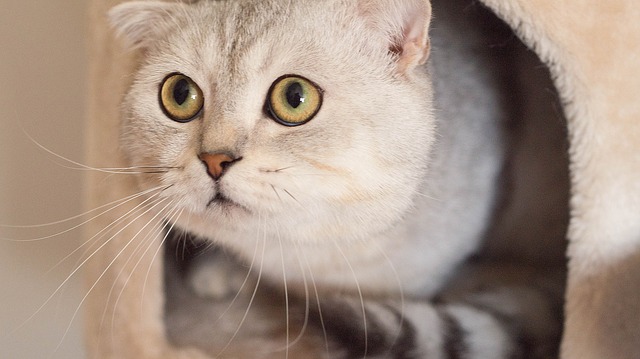
Note: If your cat is also urinating outside of the litter box, having trouble producing urine or stool, crying in the box, or showing additional signs of distress, seek veterinary attention right away. These symptoms could indicate a life-threatening urinary blockage or other serious medical issue, which the Cornell Feline Health Center notes can become fatal within 24 to 48 hours without treatment.
Understanding the Message Behind the Mess
1. The litter box is too small.
A standard rule of thumb, backed by the AAFP and ISFM Feline Environmental Needs Guidelines (last reviewed 2021), is to choose a litter box one-and-a-half times your cat’s body length. If your kitty has experienced a growth spurt or put on some weight, it may be awkward or uncomfortable to use her current box. Along the same lines, the box may be too shallow or not filled with enough litter to adequately satisfy her dig-and-bury instinct.
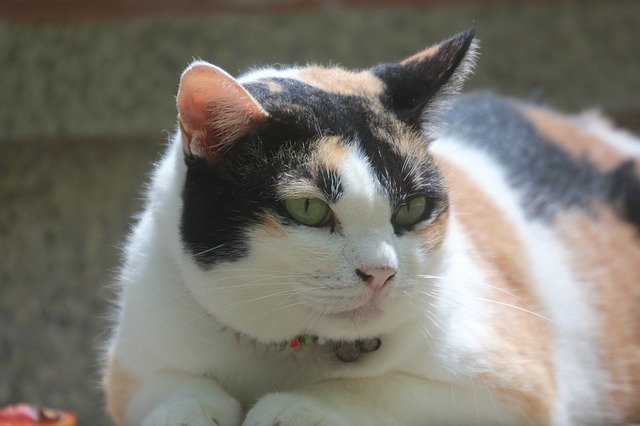
2. The box is difficult for your cat to access due to pain or physical limitations.
Many senior or disabled cats defecate outside their litter box because of its size, depth or location. Joint pain and arthritis often occur in aging cats, and climbing in and out of deep or covered litter boxes may become increasingly difficult, a pattern documented by the Cornell Feline Health Center. It is also a good idea to ensure that your senior kitty has a litter box on the level of your home where she spends the majority of her time so she can avoid difficult stairs.
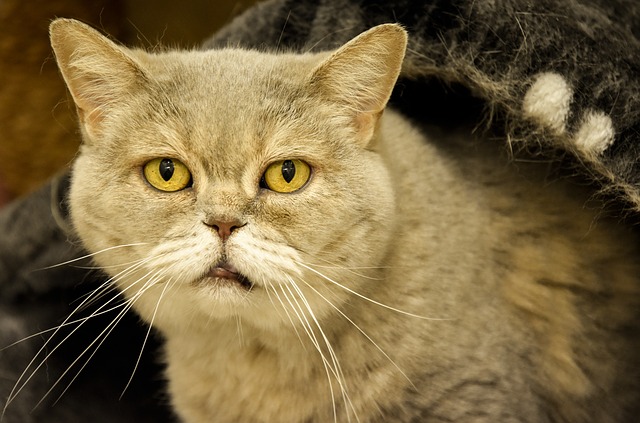
3. The box is offensive to your cat’s senses.
Cats are finicky critters, and their aversion to a specific object often has to do with a sensation they find unappealing. Have you placed a new mat beneath the box or started using plastic liners? Kitties generally spend about 20 seconds pawing around in the litter box. If your cat is in a hurry to hang over the edge, do her business and skedaddle, there may be a tactile reason.
4. Your cat does not like the location of the box.
Nobody wants to have their cat’s litter box in the middle of their living room, but many of the tucked-away spots in our homes come with scary sights, sounds and smells. It may be too warm by the furnace, or the noisy appliances in the laundry room may be frightening. Similarly, boxes placed near doors may lead to disturbances as people enter and exit. Many cats also refuse to use a box that is placed in close proximity to their food and water. (Check out the best and worst spots in your home for your cat’s litter box for more tips.)
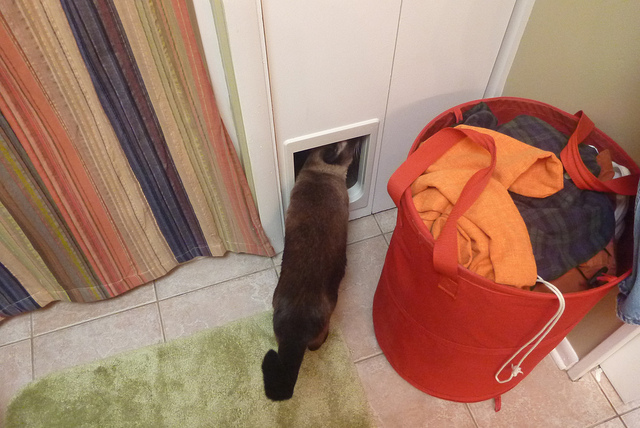
Why is my cat pooping in or near the food bowl?
If the mess keeps showing up next to, or inside, the food and water dishes, the cause is usually location, not spite. A cat who finds the litter box too far away, too dirty, or stuck in a spot she already avoids will often default to whatever flat, familiar surface is closest, and in an open kitchen that is frequently the food station. The Cornell Feline Health Center describes this kind of substitute-site elimination as a displacement behavior tied to litter box aversion or stress, not a targeted attack on the bowl itself.
Start by moving the litter box at least a few feet from the food and water, since many cats will not toilet where they eat. If your cat is already a messy eater, check whether spilled kibble or a damp spot near a water fountain has turned that corner into the only clean-feeling spot in the room. Inappropriate elimination like this is also one of the top reasons cats are surrendered to shelters, according to the ASPCA, which is exactly why it’s worth fixing the location before assuming your cat is being difficult. If the stool itself looks loose, bloody, or unusually frequent, treat it as a medical question first and call your vet.
5. The box is too stinky or dirty.
This one may seem like a no-brainer, but for some cats, “too dirty” could mean a single dab of urine in an otherwise spotless box. Some finicky felines are so prim and proper that only pristine litter will do!
6. Another pet is “guarding” the box.
Multi-pet households could result in bullying. While some cats guard the food bowl, others act as bouncers outside their favorite potty spot. Make sure a particularly dominant cat or dog is not preventing a more timid kitty from accessing the box.
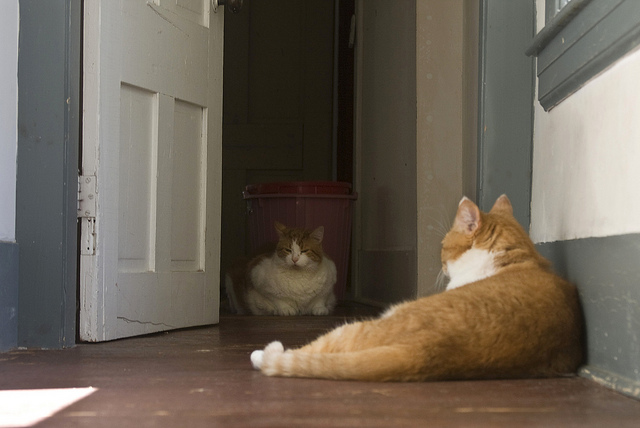
7. There are not enough litter boxes in the home.
Another general rule of thumb, outlined by Ohio State University’s Indoor Pet Initiative, is to have one litter box for each cat in the household, plus one extra for good measure. Be sure to place them in different, easily accessible spots throughout the house, including at least one box per floor in multi-level homes.
8. Your cat dislikes your litter choice.
Cats tend to prefer finely ground litter granules, and some may have aversions to scented or highly dusty products, as this walnut-shell litter review found when testing options across nine boxes. Once you find a litter both you and your cat can agree on, stick with it!
9. Your cat has had a painful or frightening experience involving the litter box.
Has your cat suffered from constipation or diarrhea recently? Did something startle her while she was doing her business? It could be that an unpleasant incident has caused her to associate her litter box with pain or fear, and she is now avoiding it.
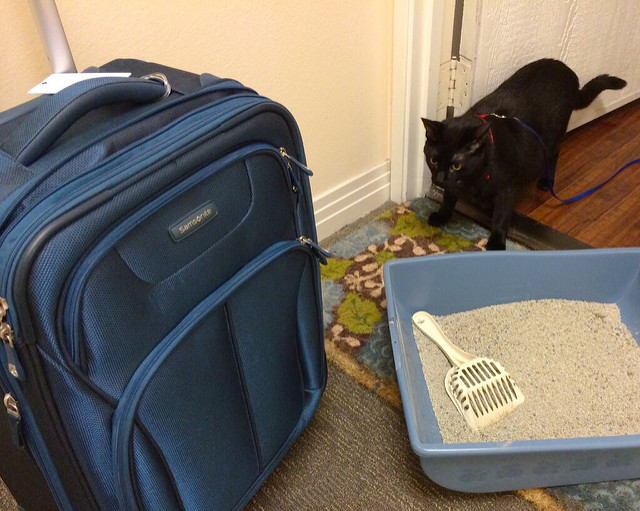
10. Your cat has a health problem.
In addition to painful aging changes, many medical conditions could cause your kitty to defecate outside of her box. She could be experiencing pain or fatigue that makes it difficult for her to make her way to the box or climb inside. If you suspect this may be the case, schedule an appointment with your veterinarian.
(Note: to help detect health issues inside the litter box, check out the litter that changes colors by reacting to your cat’s urine.)
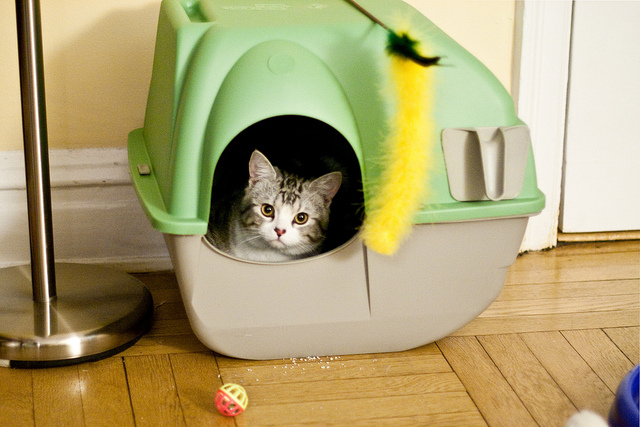
Tips to help resolve inappropriate pooping:
- Clean all litter boxes daily – or twice daily if necessary.
- Set up a “litter-lineup” with three or more temporary boxes lined with different brands of litter to determine your cat’s favorite.
- Try covered versus uncovered boxes.
- Take a closer look at the litter box location.
- Clean up inappropriate poop-sites with an enzymatic cleaner to deter your cat from using that spot again.
- Deny access to these sites by closing the room off, spraying cat repellant or placing a blockade over the area.
- Additionally, you can try placing your cat’s food, bed or litter box over the location to deter her from using it as a “bathroom”.
- Consult your veterinarian or an animal behaviorist for additional help if needed.
Help Your Cat Get Back on Track-One Paw at a Time
Litter box issues can be frustrating, but your cat isn’t being spiteful. She’s trying to tell you something. Whether it’s a health concern, a dirty box, or stress from changes in the home, there’s always a reason behind the behavior. With patience, observation, and a few thoughtful adjustments, you can get things back on track.
Every cat deserves a clean, safe, and stress-free space to do her business. By tuning into your kitty’s needs and making a few litter box upgrades, you’re not just solving a messy problem. You’re building a better bond.
And remember, when in doubt, never hesitate to consult your vet. Sometimes, the best way to show love is to get to the bottom of the poop problem. Literally.