

A cat that feels secure at home often reveals it through quiet, everyday behaviors. They may nap in exposed places, stretch comfortably across the floor, respond calmly to familiar sounds, or settle into predictable routines. Safety is closely connected to familiar scents, reliable resources, control, and confidence in their surroundings. Every cat expresses comfort differently, but relaxed body language and consistent habits offer valuable clues. When home feels dependable, cats can rest, explore, play, groom, and interact without remaining constantly alert for possible threats.
They Sleep Out in the Open
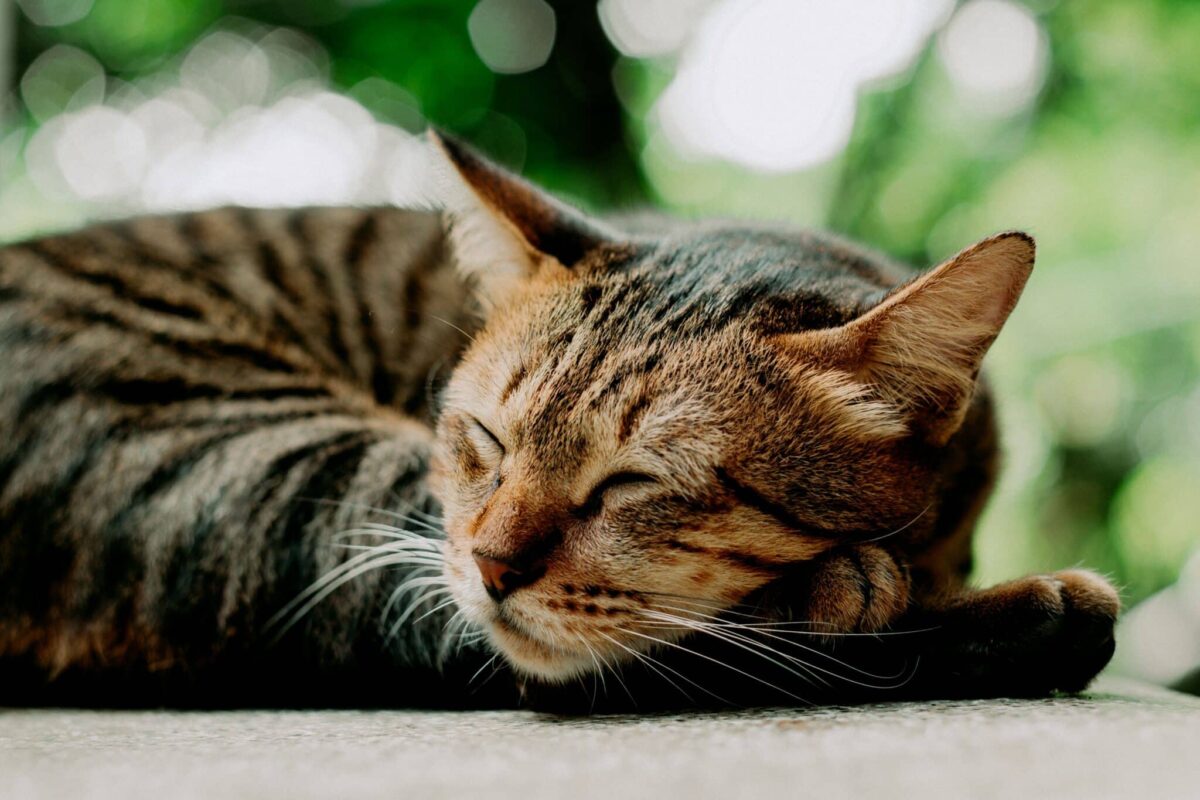
Sleep leaves cats less prepared to respond instantly to potential threats, so choosing an exposed resting place can reflect considerable confidence in the surrounding environment. A cat that regularly naps in the middle of the sofa, across a bed, or on an open patch of floor may feel little need to remain hidden while resting. This does not mean cats that prefer enclosed beds or quiet corners feel unsafe, since sleeping preferences vary naturally between individuals. Still, repeatedly choosing visible locations while displaying loose muscles, peaceful breathing, and relaxed posture suggests that the home feels predictable enough for deeper relaxation. Feeling secure allows a cat to lower some of the vigilance that would be useful in a less familiar or uncertain environment.
They Stretch Out Instead of Staying Tucked Up
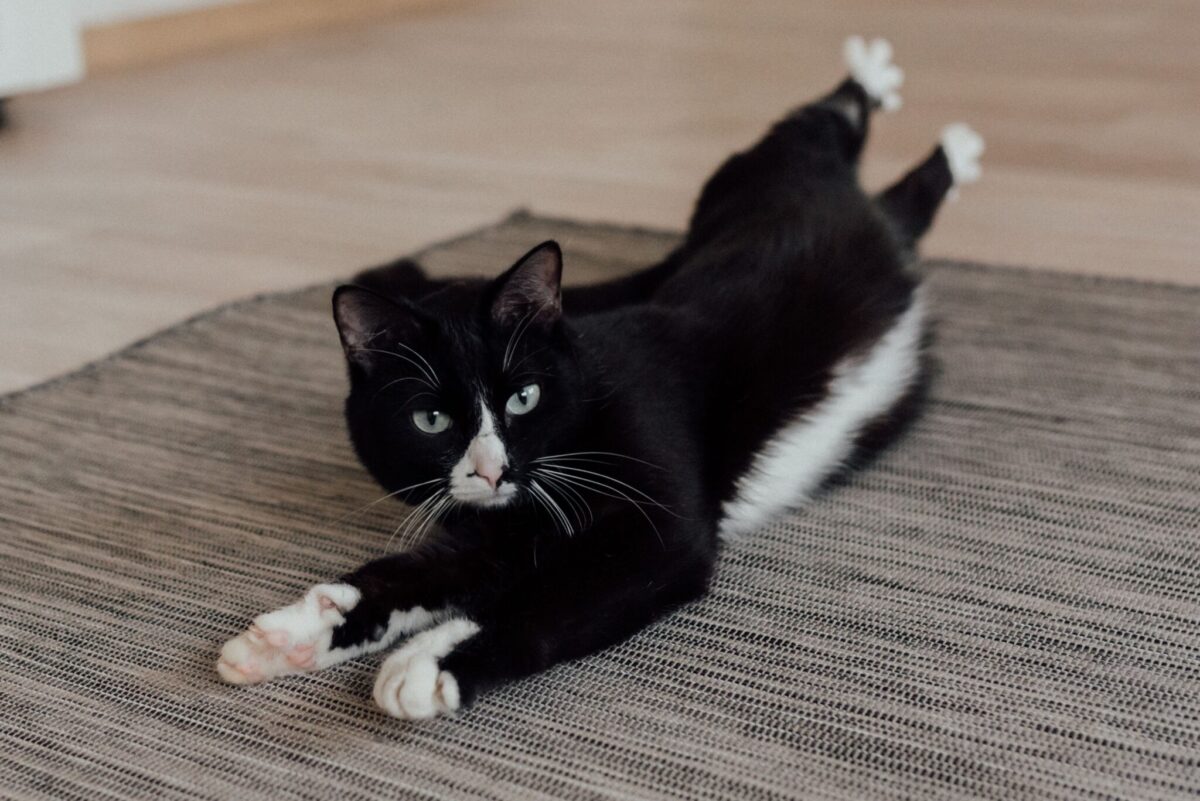
A long, loose stretch can reveal quite a bit about how comfortable a cat feels in a particular place. Remaining tightly crouched keeps the body compact and ready for movement, while sprawling across a floor or couch requires less immediate preparedness. Cats may lie on their sides, extend all four legs, or twist into surprisingly relaxed positions when they feel secure enough to let their guard down. Temperature also influences sleeping posture, so stretching out can help a cat cool off in warm surroundings. Context matters, but an animal repeatedly choosing loose, open positions in familiar rooms is usually demonstrating physical ease. A home that feels safe gives them the freedom to prioritize comfort instead of constantly positioning themselves for a quick escape.
They Groom Themselves Calmly Around You
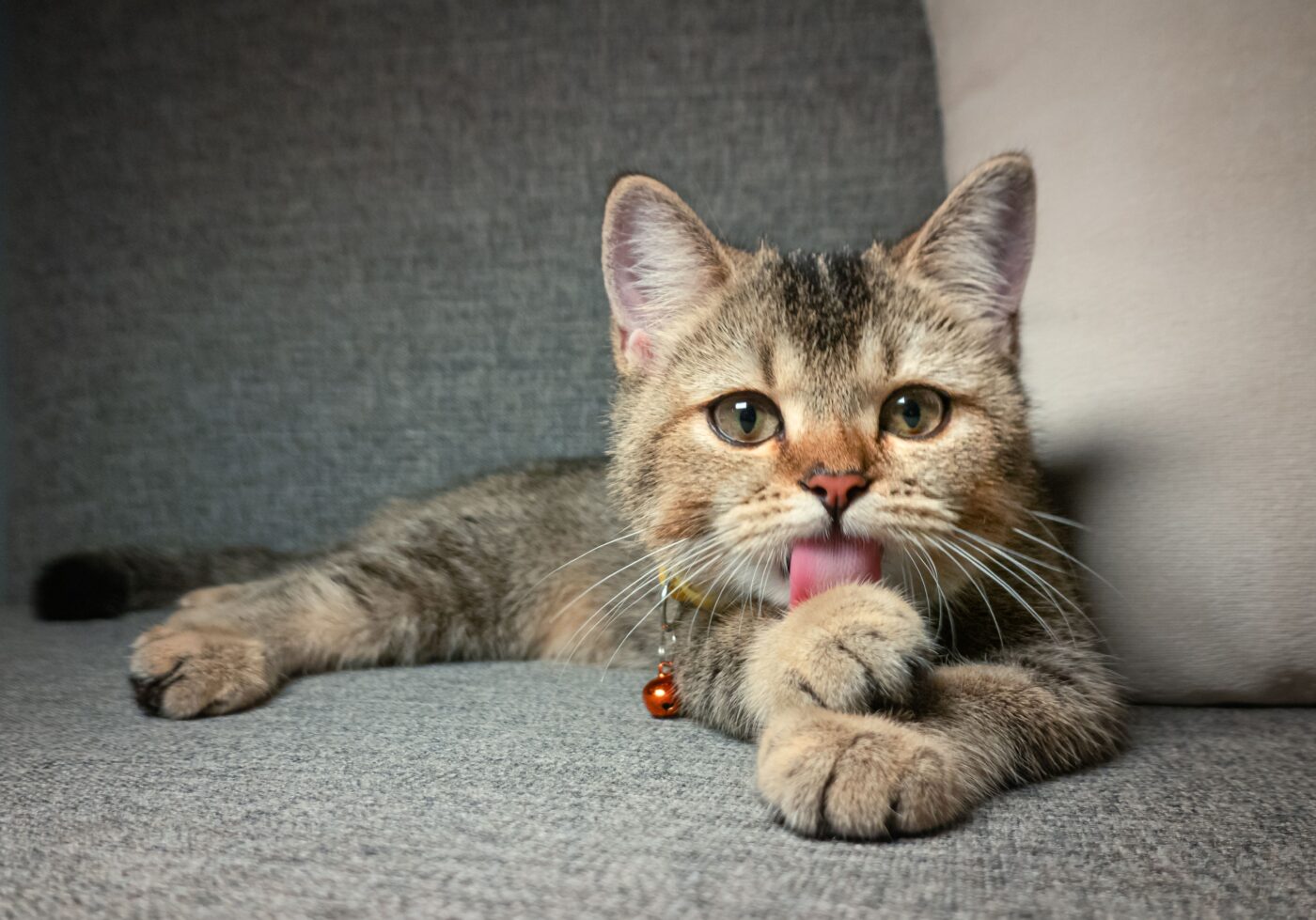
Regular grooming is part of normal feline maintenance, but the setting in which it happens can reveal useful information. A relaxed cat may stop beside familiar people, settle onto a favorite surface, and spend several peaceful minutes washing their face, paws, and coat. Grooming requires attention, making it easier when the cat does not feel compelled to monitor every movement or sound around them. Some grooming also occurs after stressful experiences, so the action alone should not automatically be interpreted as complete relaxation. The broader picture matters. When grooming happens alongside normal eating, sleeping, playing, and social behavior, it often fits comfortably into a secure daily routine. Calm self-care can be one small sign that the surrounding environment feels predictable.
They Have Favorite Sleeping Spots
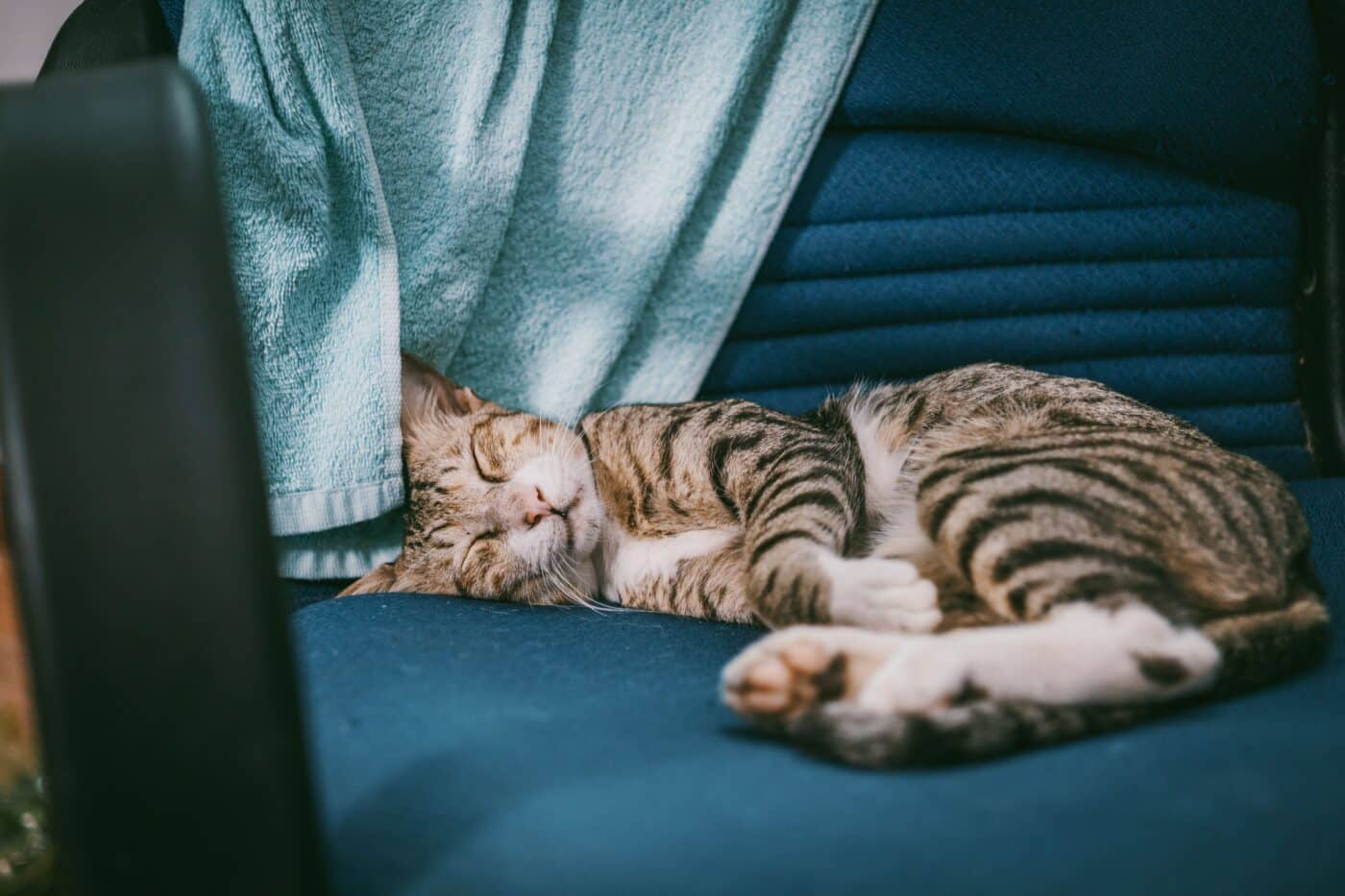
Cats tend to build detailed mental maps of the environments they use every day. Favorite sleeping locations often emerge because those spots offer a useful combination of comfort, temperature, visibility, scent, and protection. Returning repeatedly to the same chair, windowsill, bed, or shelf suggests the cat has identified dependable areas where they can relax without unpleasant surprises. Some individuals maintain several preferred locations and rotate between them according to time of day or household activity. Establishing these routines requires familiarity with the environment and confidence about what usually happens there. A cat that confidently moves among trusted resting spots is demonstrating that the home has become more than a collection of rooms. It has become recognizable territory with reliable places for rest.
They Play Freely
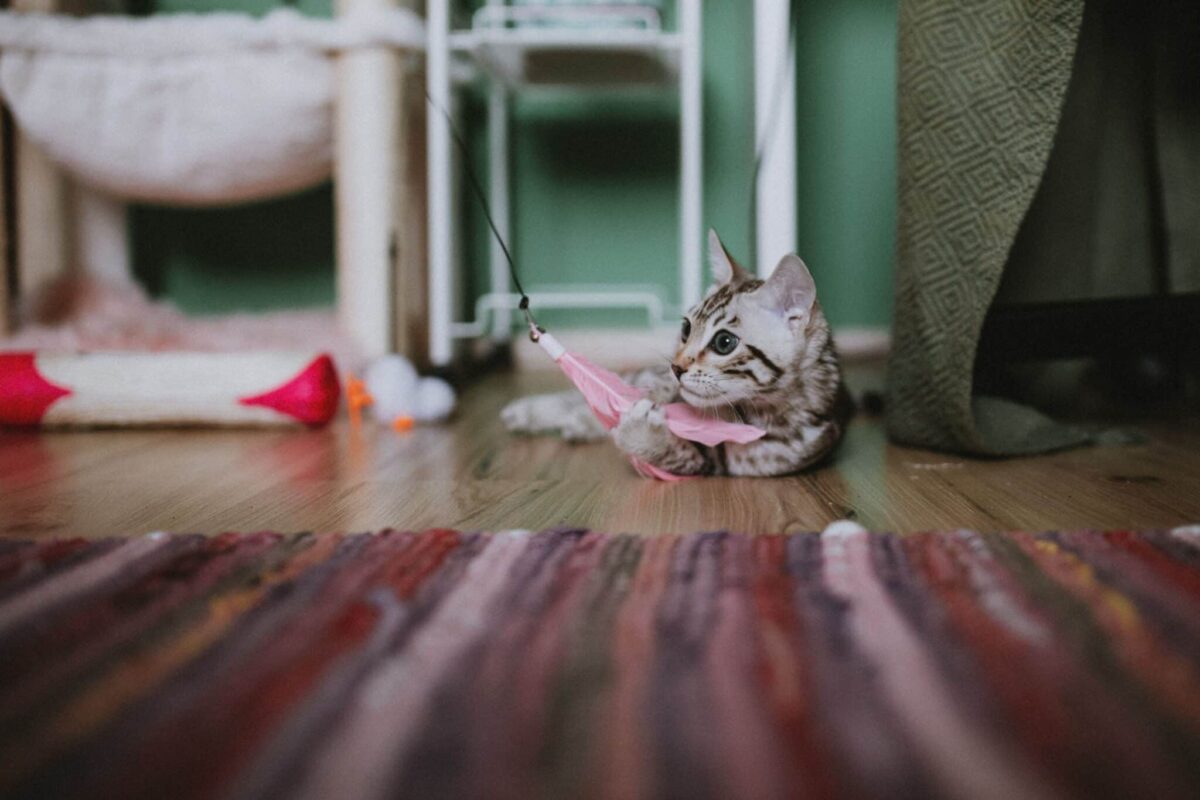
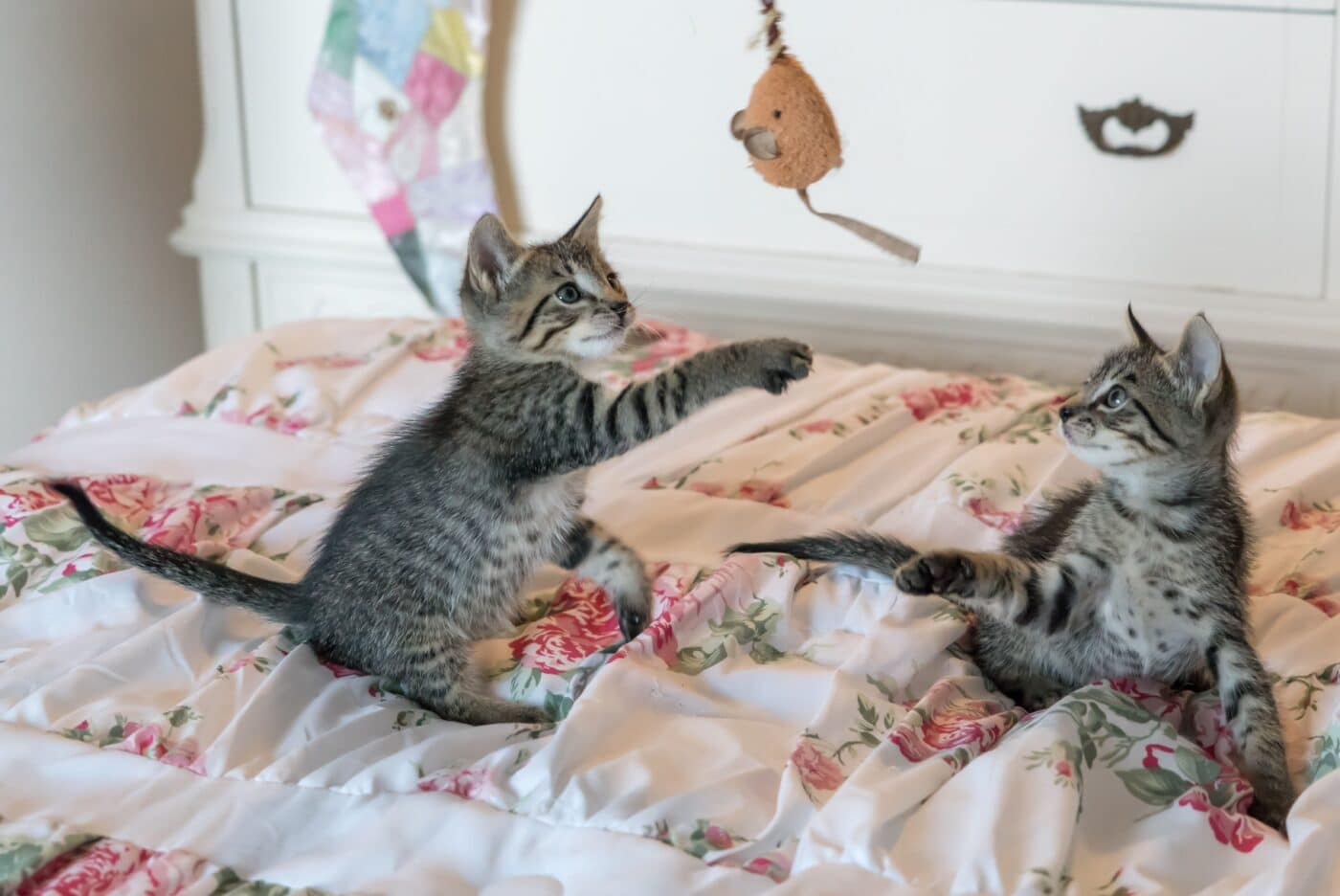
Play is more than entertainment for cats because it engages hunting sequences, coordination, curiosity, and problem-solving skills. A cat that regularly chases toys, pounces on moving objects, ambushes from behind furniture, or races enthusiastically through familiar rooms usually has enough confidence to devote energy to playful behavior. Fear and persistent environmental stress can interfere with play because staying alert becomes more important than chasing something for fun. Individual energy levels vary enormously, particularly with age, health, and personality, so a quieter cat is not automatically insecure. Still, spontaneous play in familiar surroundings can be an encouraging sign. It suggests the cat feels comfortable enough to explore movement, excitement, and harmless unpredictability without treating every sudden motion as a potential threat.
They Show Their Belly While Relaxing
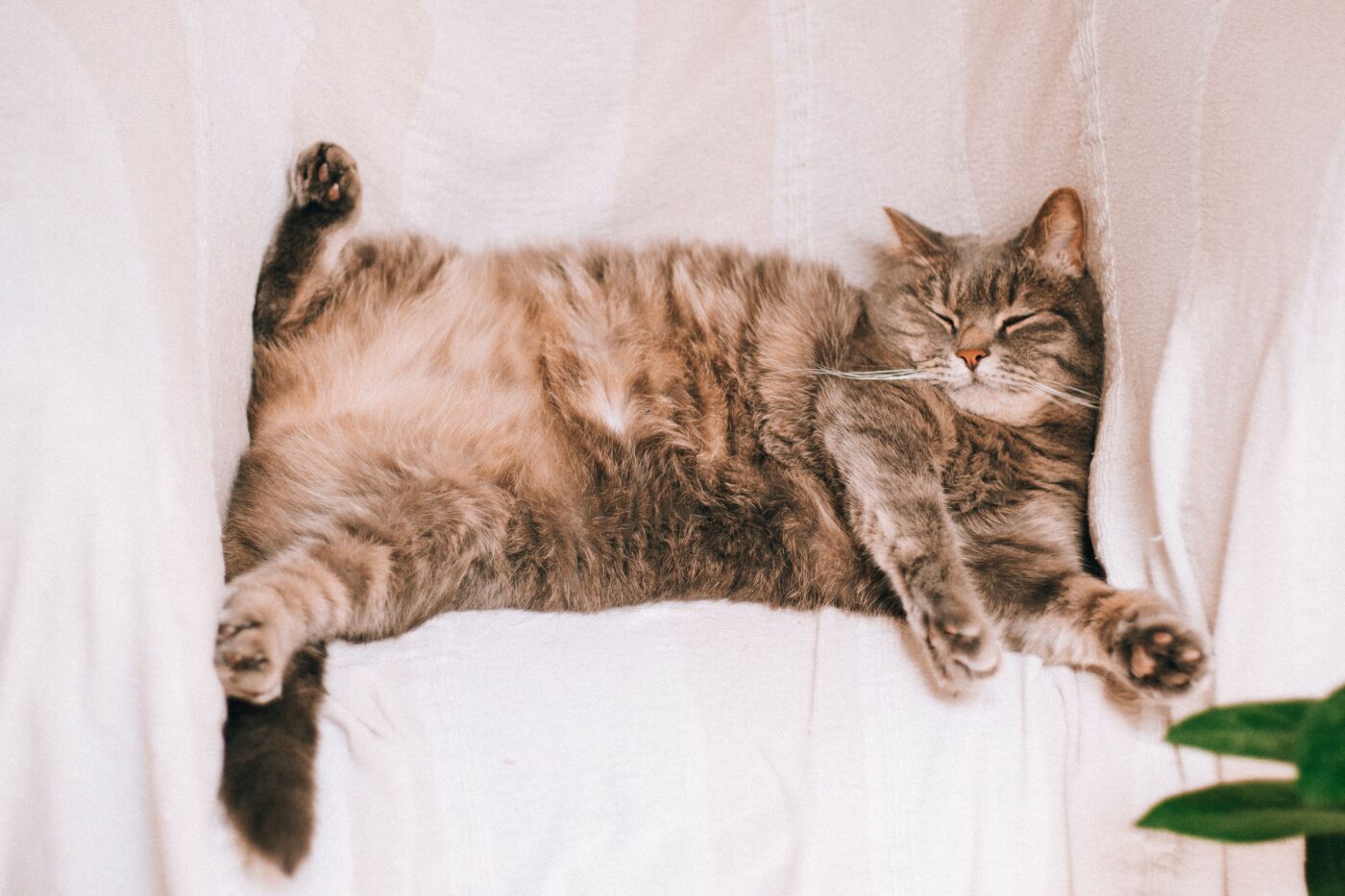
The abdomen is a vulnerable part of a cat’s body, so exposing it while resting can reflect considerable physical comfort. A cat might roll onto their back, sleep partially belly-up, or stretch sideways with the stomach completely visible when the surroundings feel secure. Importantly, exposing the belly is not automatically an invitation for petting. Many cats become defensive when someone touches that sensitive area even though they were perfectly comfortable displaying it. The posture is better understood as relaxed body language than as a request for contact. Context matters as always, but a loose body, softly positioned paws, and peaceful expression generally suggest ease rather than tension. Feeling safe often allows cats to adopt positions they would avoid if they expected something threatening to happen.
They Move Around the Home Confidently
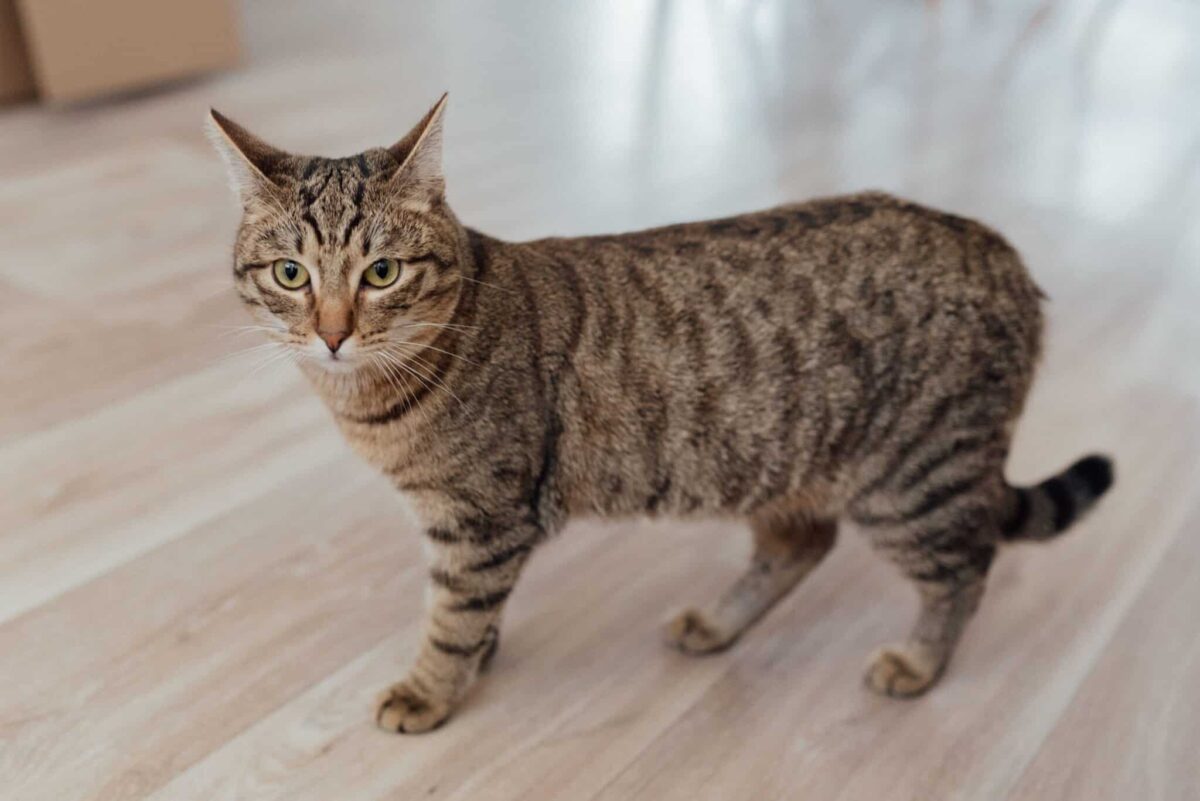
A secure cat generally learns how to navigate the household without treating every doorway or room as uncertain territory. They may walk casually between sleeping areas, food stations, windows, and social spaces while showing relaxed body language rather than constantly creeping along walls or darting between hiding places. Familiar routes become part of daily life, and the cat gains confidence about what sights, sounds, and smells normally belong there. Some cautious individuals naturally move more carefully, especially around visitors or unusual activity, so confidence should always be judged against that cat’s usual personality. Still, relaxed exploration and ordinary movement through shared spaces are positive signs. The home has become predictable enough that simply crossing a room does not require a major security assessment.
They Use Their Scratching Spots Regularly
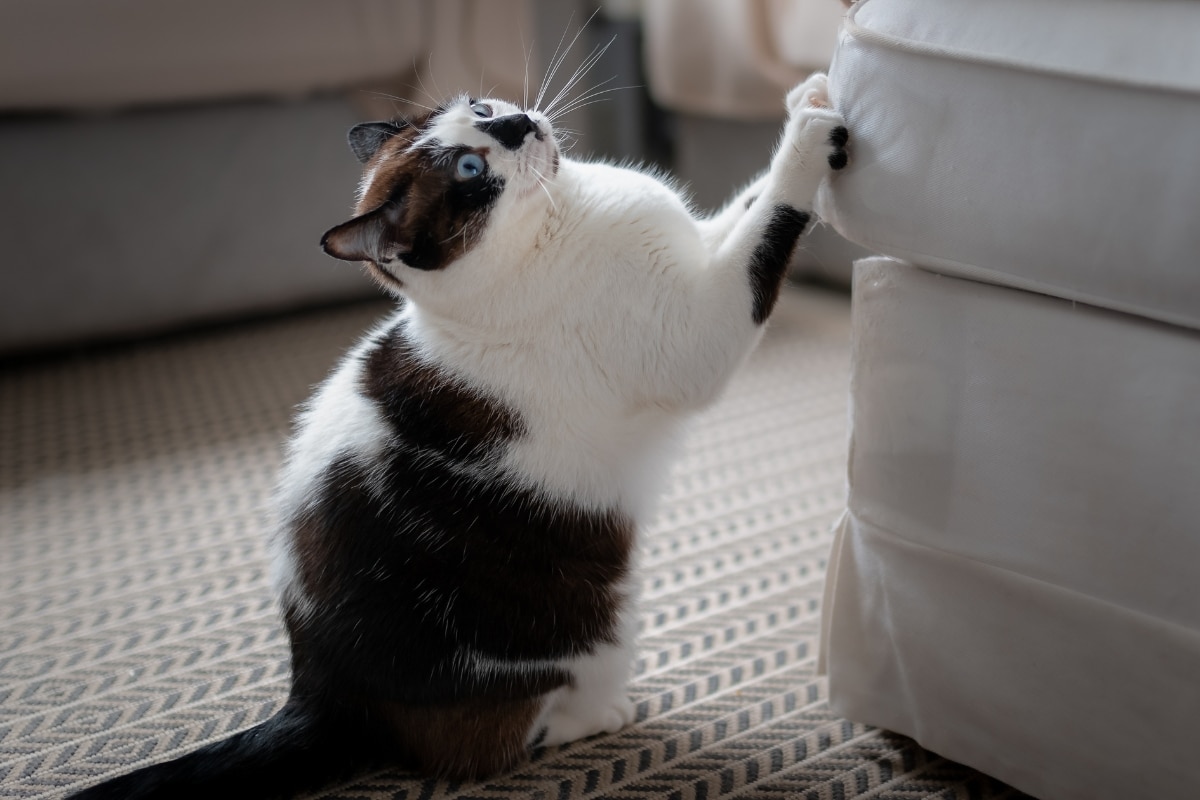
Scratching serves several feline purposes, including claw maintenance, stretching, and communication through both visible marks and scent released from glands in the paws. When cats repeatedly use scratching posts, pads, or other accepted surfaces around the home, they are participating in normal territorial behavior within a familiar environment. Those marks help make spaces feel recognizably theirs and contribute to the scent landscape of the household. This does not mean inappropriate scratching is a sign of confidence, since location, surface preference, stress, and available alternatives all influence where cats scratch. Regular, relaxed scratching in familiar areas simply shows that the cat is comfortable engaging in an instinctive activity rather than suppressing normal behavior. A secure territory is often one where a cat is comfortable leaving their signature on.
They Rub Their Face on Familiar Objects
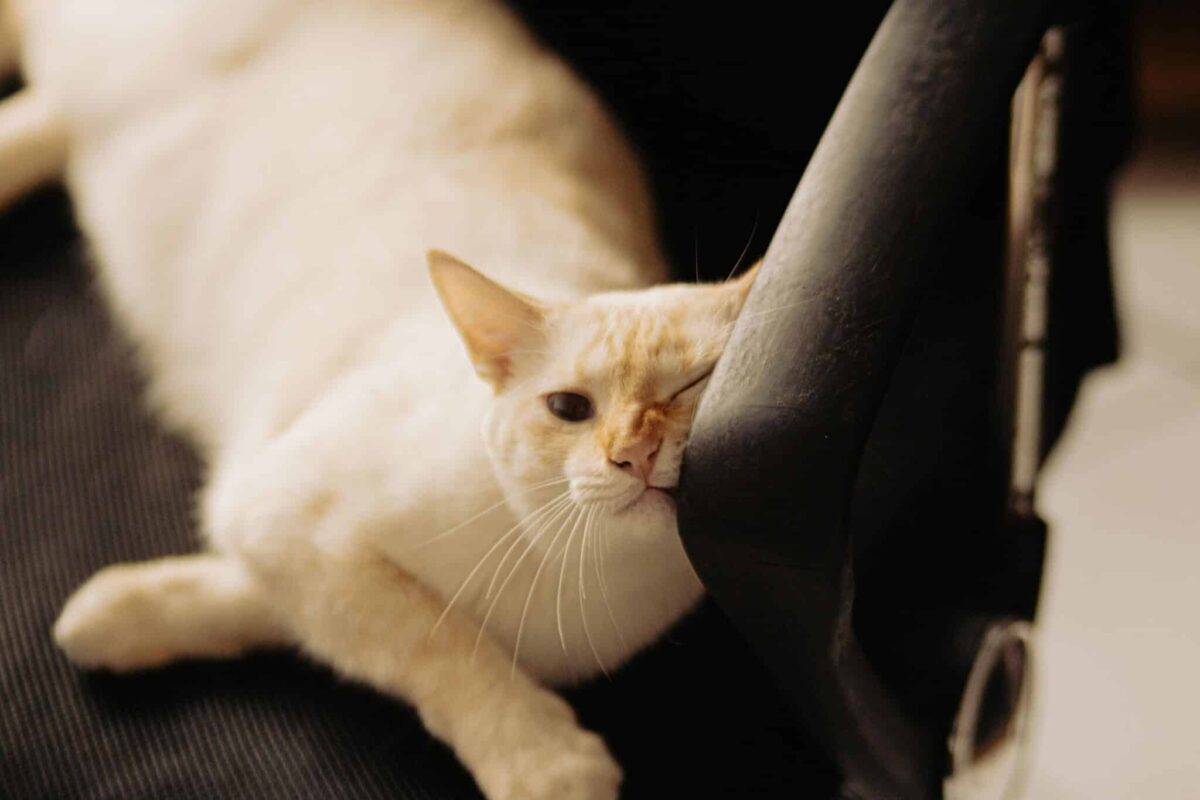
Cheek rubbing can look like a casual, affectionate gesture, but it also plays an important role in feline scent communication. Cats have scent-producing glands around areas of the face, and rubbing familiar objects helps deposit chemical signals throughout their environment. Doorframes, furniture corners, household belongings, and trusted people can all become part of this scent-marked landscape. Repeated rubbing may help reinforce familiarity, making the surroundings smell recognizably safe and predictable. Friendly social interaction can certainly be part of the behavior, especially when a cat rubs against familiar humans, but scent marking remains an important explanation. A home filled with the cat’s own familiar scent information can become easier to navigate emotionally, contributing to the reassuring sense that this territory belongs within their normal world.
They Eat Without Constantly Looking Around
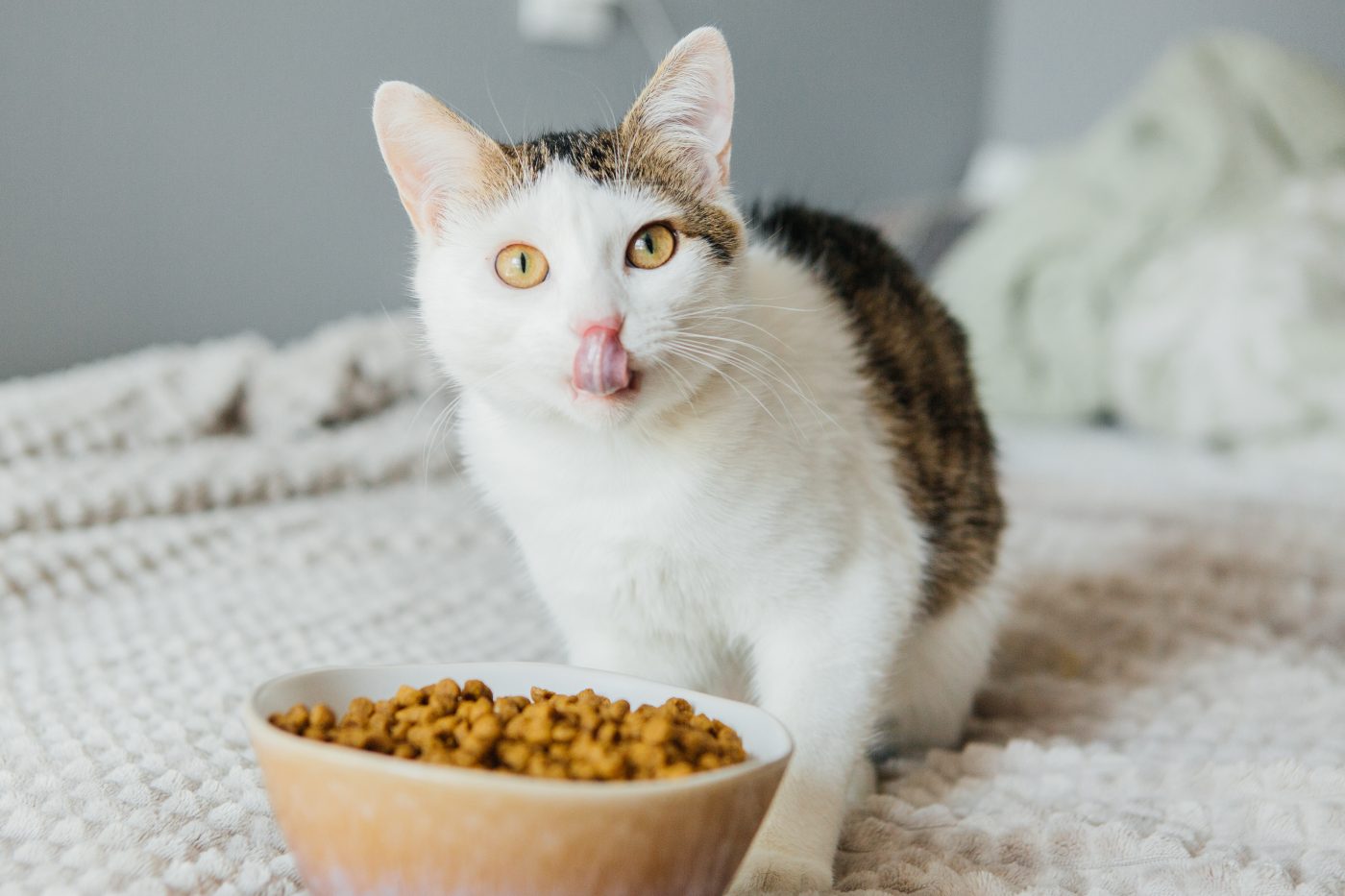
Eating requires a cat to focus attention on food rather than continuously scanning the environment. A comfortable cat may approach their bowl confidently, settle into a normal eating rhythm, and finish without repeatedly startling or abandoning the meal because of ordinary household activity. Feeding behavior varies, and some cats naturally pause often or prefer quiet locations regardless of how secure they feel. Resource competition can also influence eating in multi-cat homes, making thoughtful placement of food and water especially important. Still, calm, predictable eating can be one indicator that the feeding area feels dependable. When a cat trusts that meals are available and the surrounding space is not threatening, they can devote attention to eating instead of balancing every bite against the need to remain constantly vigilant.
They Follow Familiar Household Routines
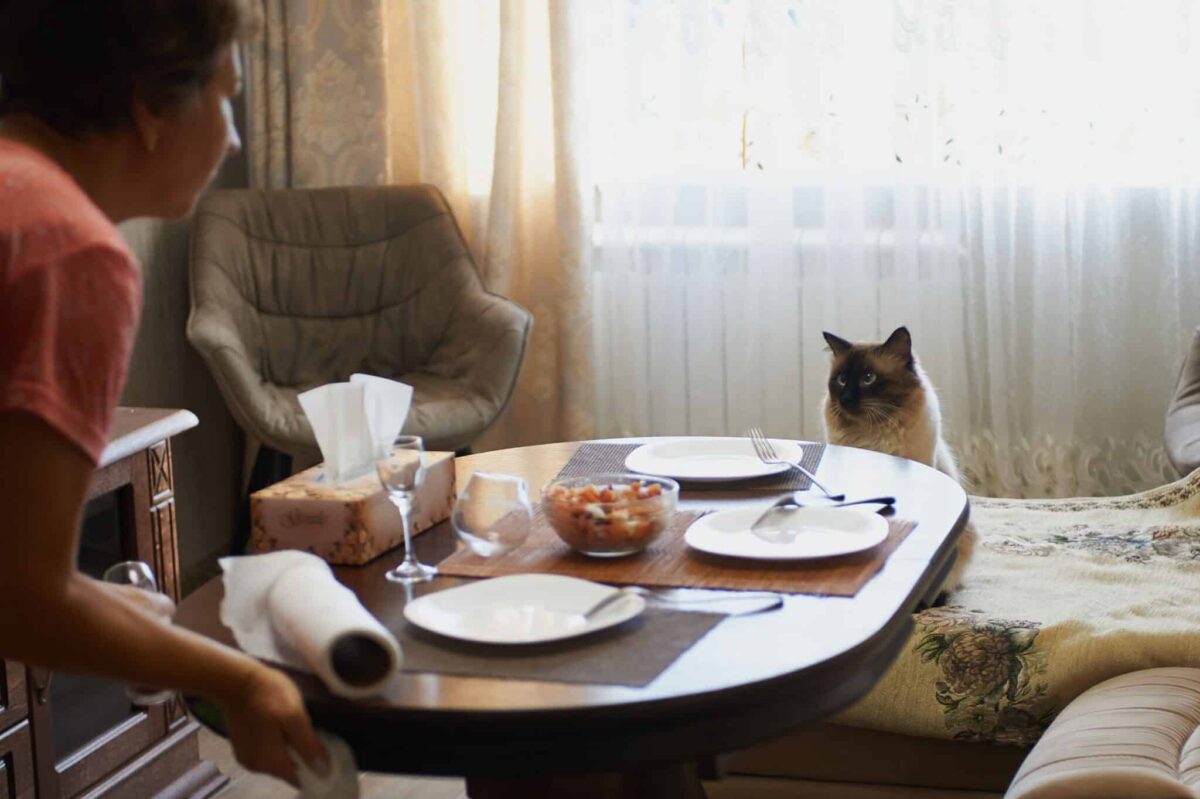
Predictability can be deeply reassuring for cats. Many learn the rhythm of household life and begin appearing at familiar places around feeding time, bedtime, morning routines, or periods when their favorite people usually settle down. Developing these patterns suggests the cat has learned that the environment behaves in reasonably consistent ways. They know where resources appear, which sounds signal ordinary activity, and what typically happens at different points of the day. Routine does not mean every minute must remain identical because healthy cats can adapt to manageable changes. Still, reliable patterns can reduce uncertainty and help the home feel understandable. A cat confidently participating in familiar routines is showing that they have learned to trust the structure of their everyday surroundings.
They Choose to Rest Near Household Activity
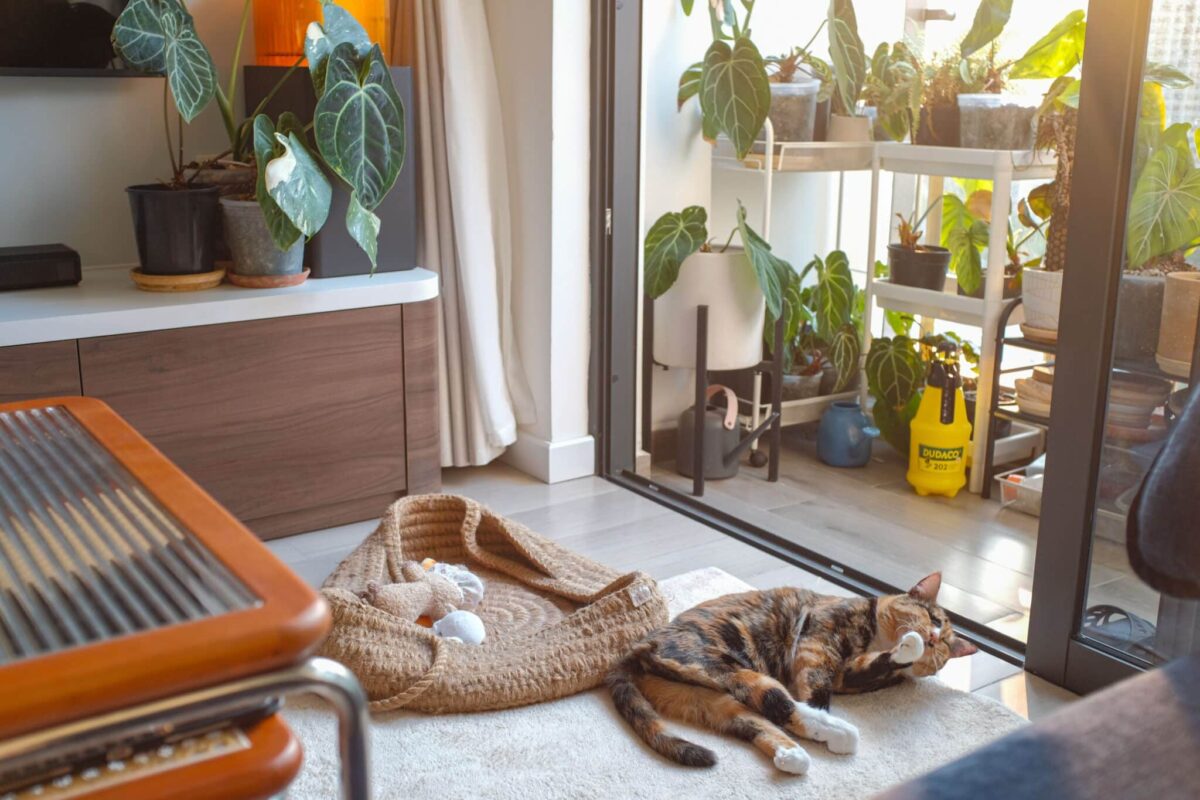
Some cats retreat whenever people move around, while others become comfortable enough to nap beside a desk, lounge near the living room, or settle in a hallway where normal household traffic passes nearby. Choosing to rest around ordinary activity suggests that common sounds and movements have become familiar rather than automatically threatening. This does not require the cat to seek constant physical attention. Many simply prefer being nearby while maintaining their own comfortable distance. Individual sociability matters, so a cat that chooses solitude can still feel completely secure. For those who routinely relax near familiar household members, however, peaceful proximity can show confidence in both the people and the environment. They have learned that everyday activity does not require them to remain hidden or prepared to flee.
They Recover Quickly After Small Surprises
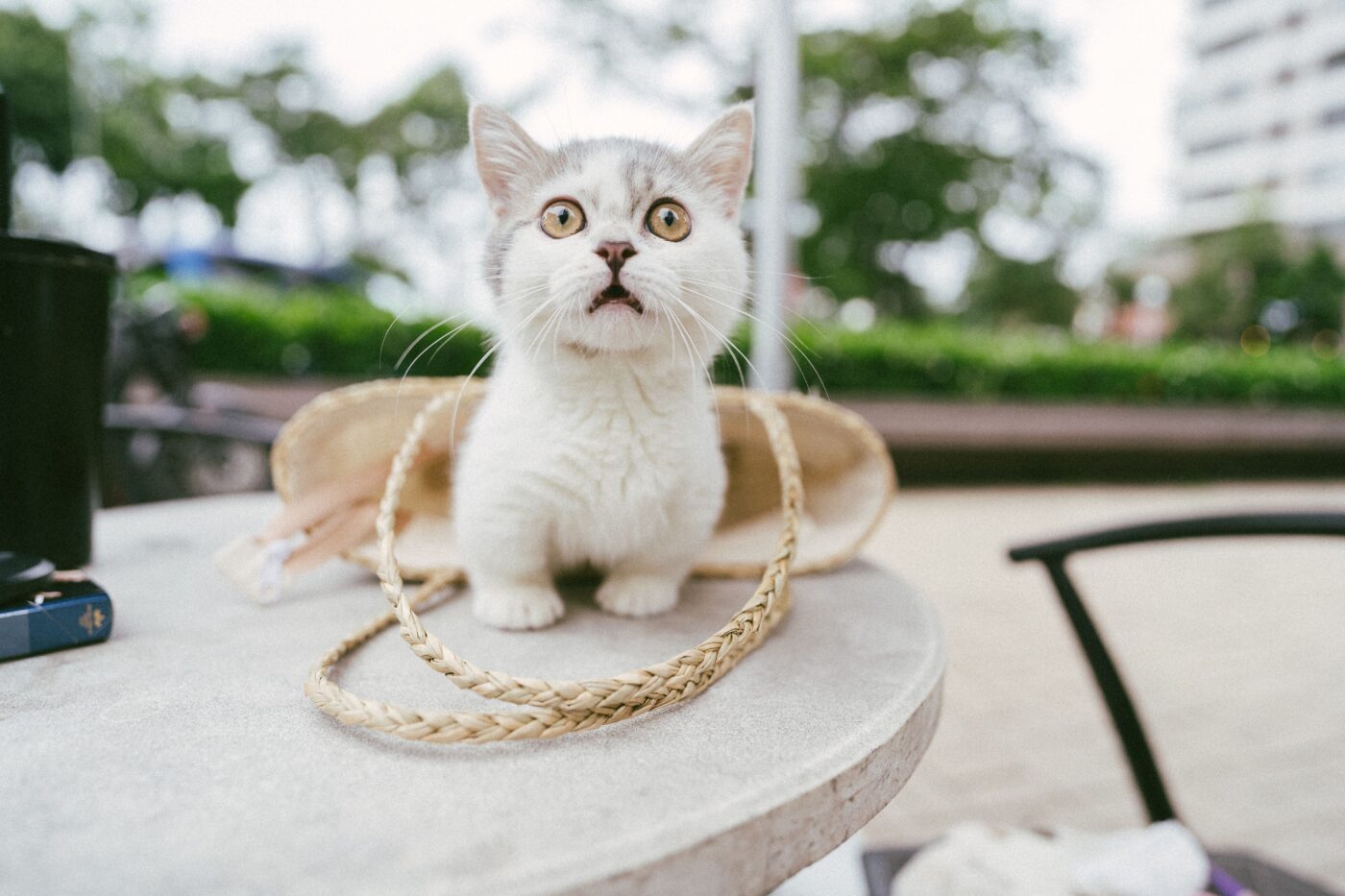
Even secure cats can jump at a dropped object, sudden knock, unfamiliar noise, or unexpected movement. The more revealing detail is often what happens afterward. A cat that pauses, investigates, and then returns to eating, grooming, playing, or resting may feel confident that the home is generally safe despite occasional surprises. Recovery time varies between individuals, and naturally cautious cats may need longer to settle than bold personalities. Persistent hiding or unusually intense reactions to ordinary events can indicate stress and deserve closer attention, especially when the behavior represents a sudden change. In everyday situations, however, the ability to return fairly quickly to normal activity suggests that one unexpected sound has not fundamentally changed the cat’s sense of security in their environment.
The Safest Place Comes With Whiskers
A secure home does not mean a cat will behave fearlessly every minute. Cats remain naturally alert, and personality, age, past experiences, and daily circumstances influence how they respond to their surroundings. What matters is the broader pattern of comfortable rest, familiar routines, confident movement, healthy play, and natural behavior without constant vigilance. These small signals can reveal how deeply a cat truly trusts their environment. When familiar rooms become places for sleeping, stretching, exploring, playing, and relaxing comfortably without worry, the house becomes something more meaningful: home.