
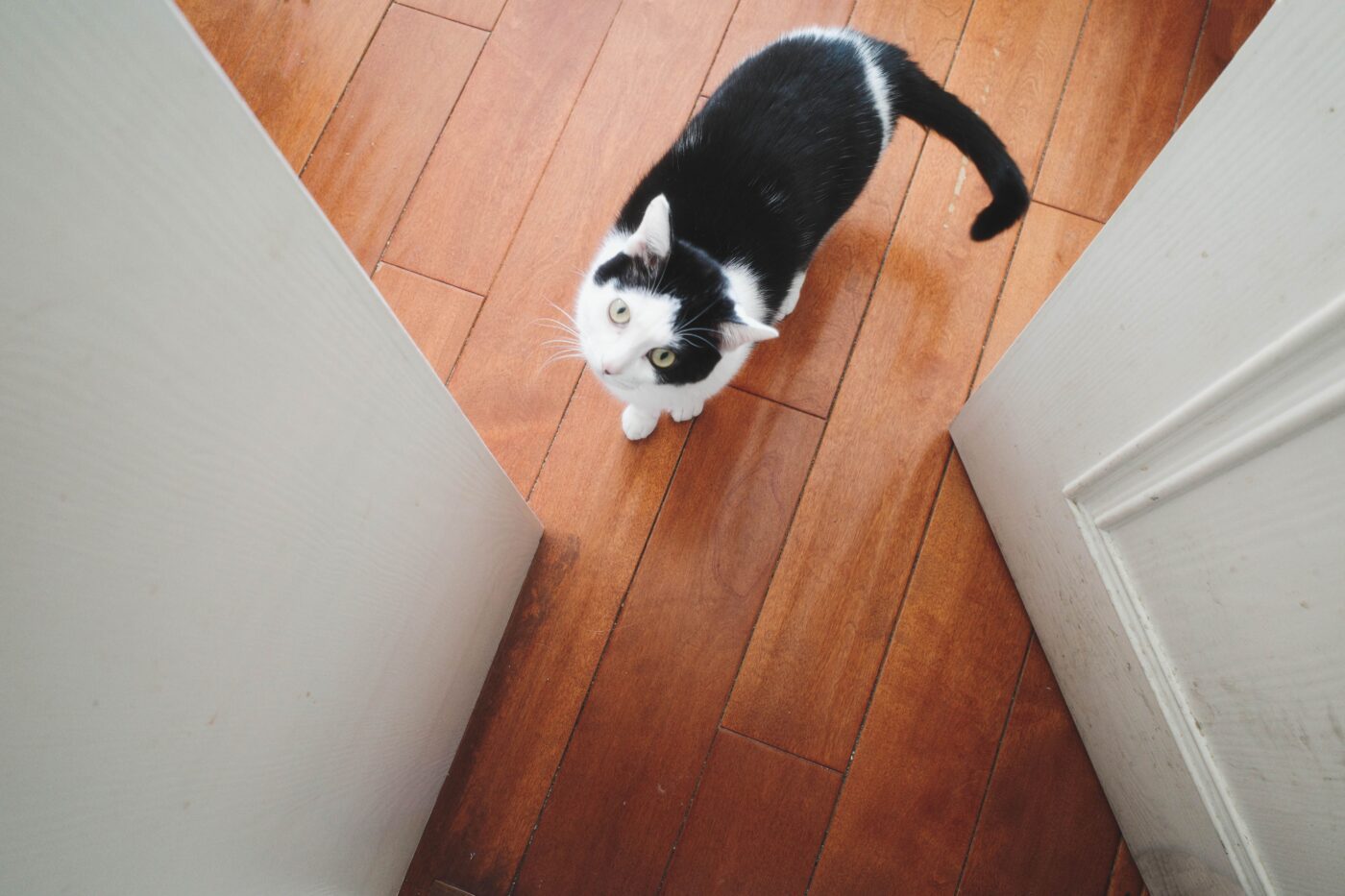
Close the bathroom door, and a familiar pair of paws may appear underneath it within seconds. Some cats sit patiently outside, others meow their objections, and particularly determined companions may scratch at the door until access is restored. The behavior can seem strange, especially from an animal famous for valuing independence, but bathroom surveillance has several sensible explanations. Cats pay close attention to routines, territory, resources, sounds, and the movements of familiar people. Waiting outside that closed door may reflect curiosity, habit, social attachment, learned expectations, or simply a strong desire to know what is happening nearby.
They Want to Know Where You Went
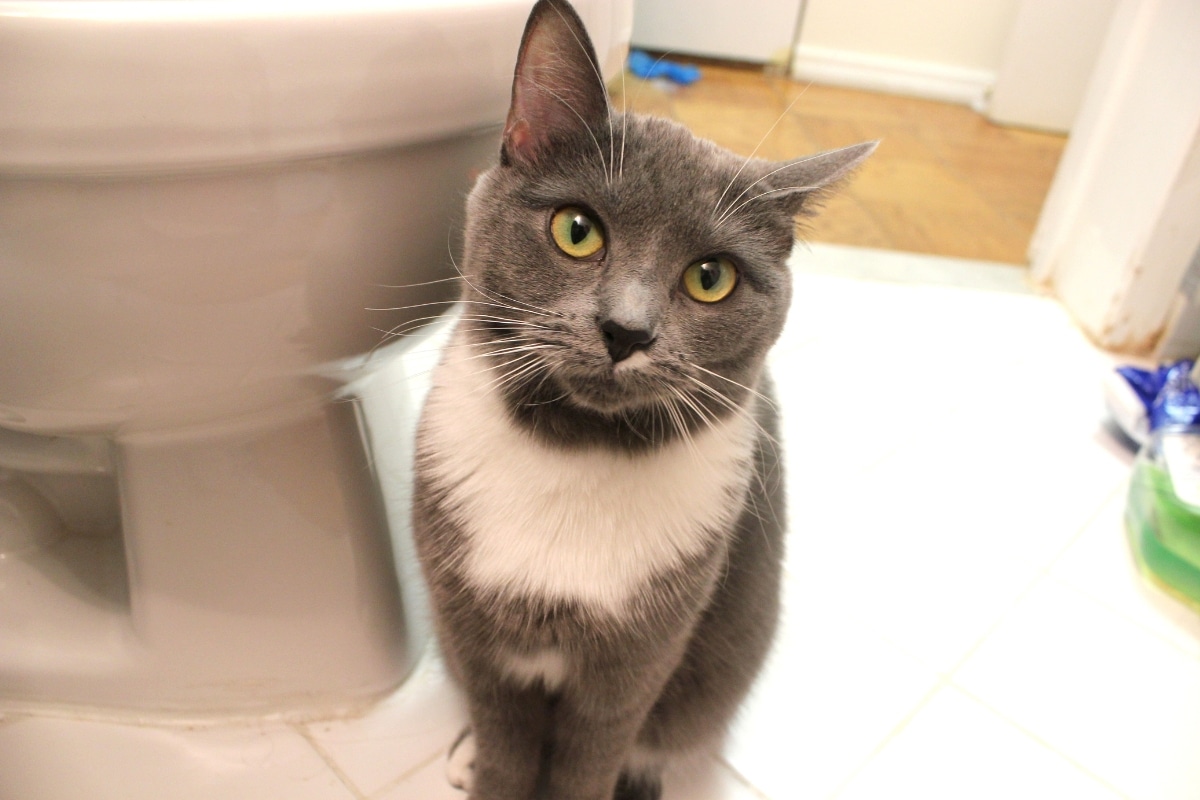
A person disappearing behind a closed door can create an irresistible mystery for a curious cat. Cats pay close attention to movement throughout their territory, particularly when familiar household members suddenly become inaccessible. They may hear footsteps, running water, drawers opening, or other activity without being able to investigate visually, making the situation even more interesting. Waiting outside provides a convenient place to monitor what is happening until the door opens again. Some cats simply sit quietly, while others sniff underneath the door or listen closely. Their persistence does not necessarily signal distress or extraordinary devotion. Sometimes a closed bathroom door creates an information gap that an observant cat would very much like to fill.
The Bathroom Is Part of Their Territory
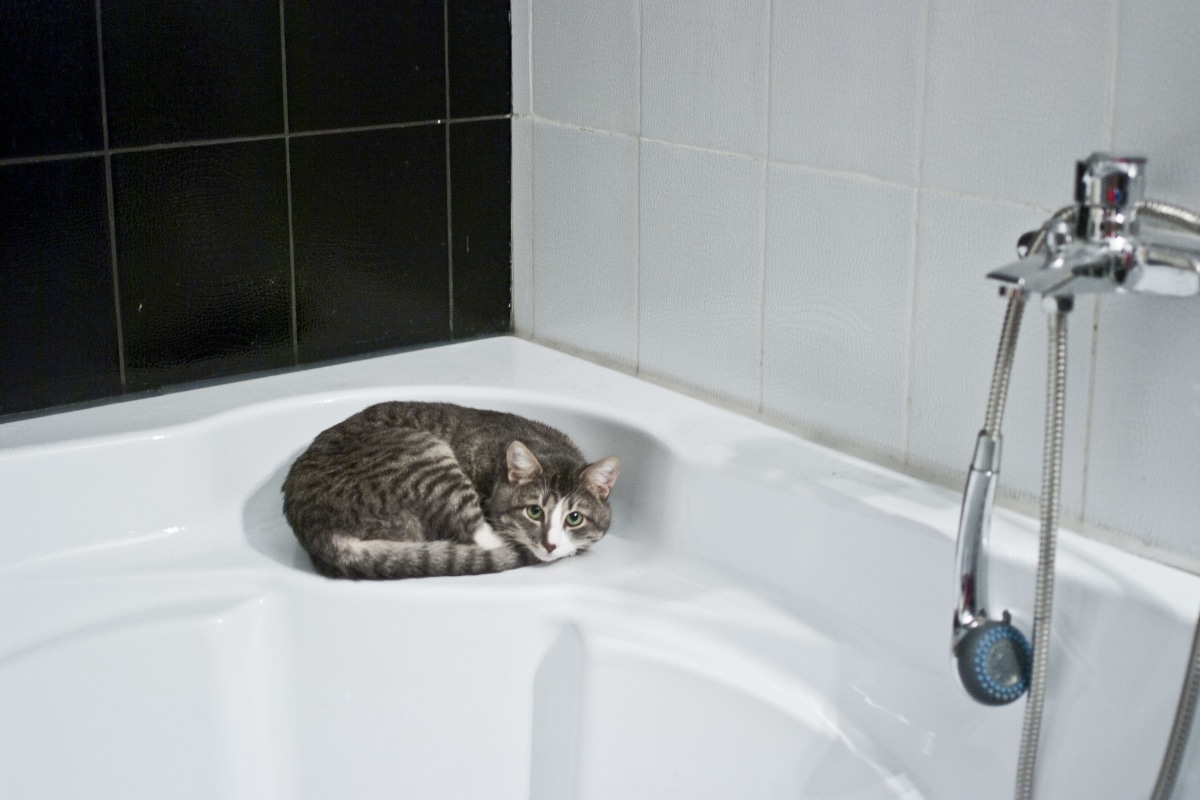
Cats organize much of their daily lives around familiar spaces, pathways, scents, and resources within their environment. A bathroom that is normally available can become part of that established territory, complete with interesting smells, comfortable surfaces, water sources, and predictable places to investigate. Closing the door suddenly blocks access to an area the cat ordinarily considers available. Waiting outside may therefore reflect an interest in regaining access rather than concern about the person behind the door. This can be especially noticeable in cats that regularly patrol rooms or follow consistent routes around the home. From their perspective, the puzzling part may simply be why a perfectly familiar section of their environment has unexpectedly become inaccessible.
They Have Learned Your Routine
Cats are excellent observers of predictable household patterns. They can learn when people wake up, prepare meals, settle down for the evening, and disappear into particular rooms at roughly the same times each day. A bathroom visit can become another recognizable event in that schedule, especially when it regularly happens before breakfast, bedtime, or another activity the cat cares about. Waiting outside may simply mean they know what usually happens next. A cat expecting food, play, or attention has good reason to position themselves nearby rather than wander elsewhere. What appears to be mysterious bathroom guarding can therefore be an impressive demonstration of learned routine. Cats may not read clocks, but many become remarkably skilled at recognizing repeated household patterns.
They Prefer Staying Near You
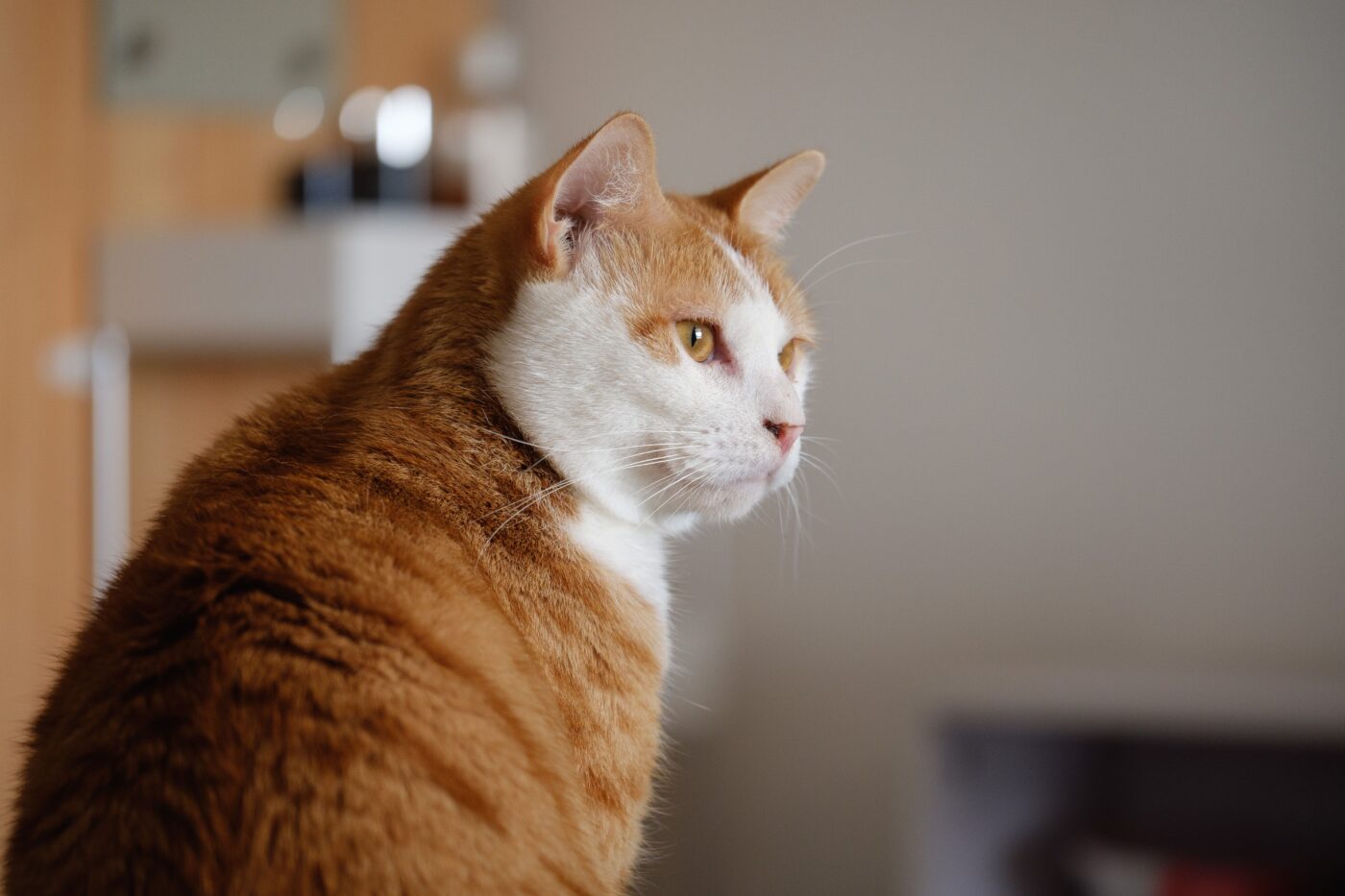
Some cats develop strong social bonds with familiar people and choose to spend considerable amounts of time near them. They may follow someone between rooms, nap beside a desk during work, or settle nearby during quiet activities without constantly requesting physical contact. When a bathroom door interrupts that usual proximity, waiting outside allows the cat to remain close even though direct access is temporarily unavailable. Individual personality matters because some cats are highly social while others prefer considerably more independence. Staying nearby can reflect comfort, familiarity, security, or attachment, but it should not automatically be treated as proof of affection in every situation. For a socially oriented cat, the doorway may simply be the closest available resting place.
Closed Doors Make Them More Curious
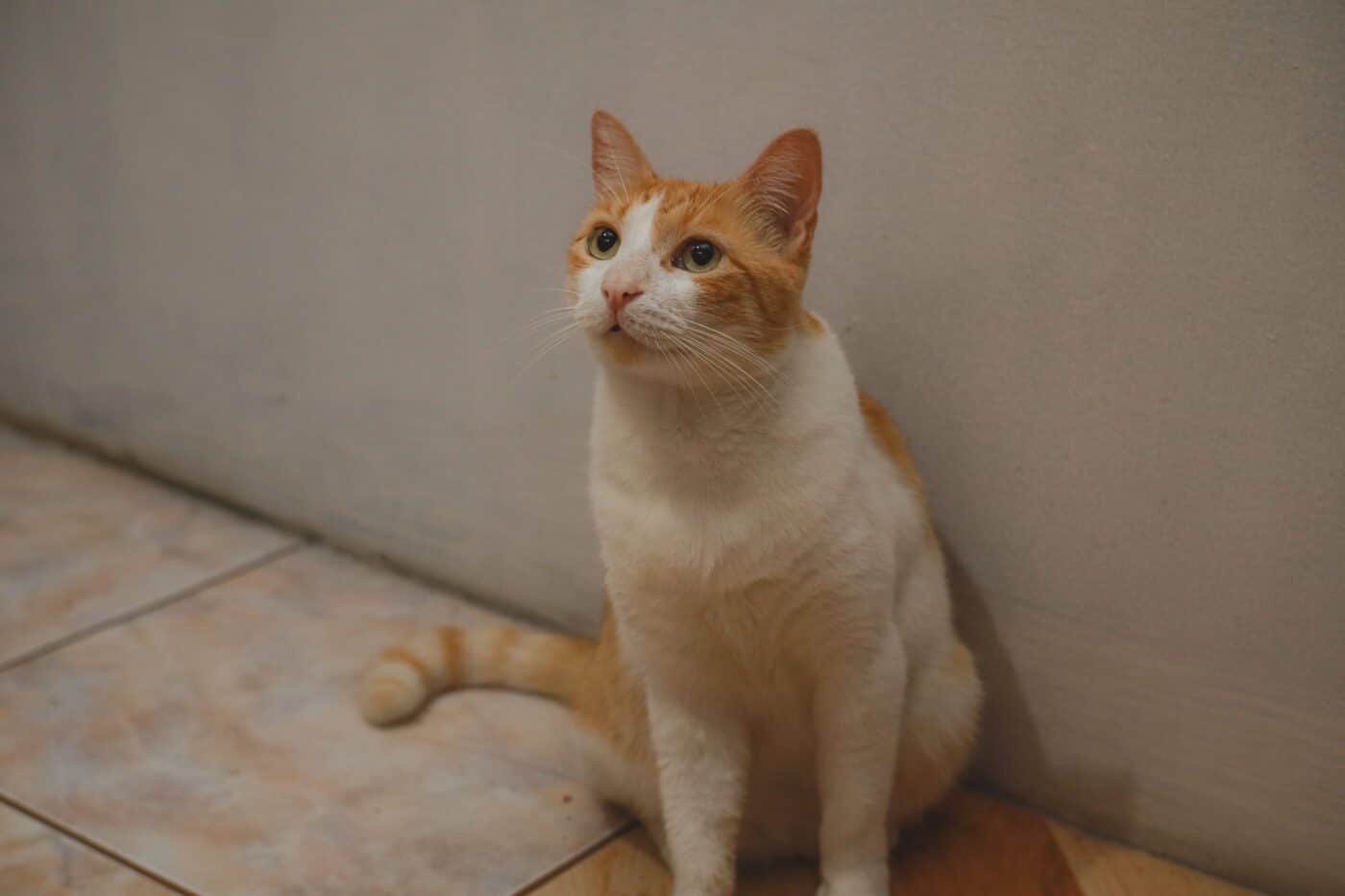
Few household objects can transform an uninterested cat into a determined investigator quite like a closed door. Restricting access removes visual information and prevents exploration, potentially making whatever lies beyond the barrier more interesting than it was moments earlier. A cat that barely notices the bathroom while the door is open may suddenly become fascinated once entry is impossible. They might sniff around the frame, reach underneath with a paw, meow, or wait nearby for another opportunity. This reaction fits naturally with feline curiosity and environmental exploration. The attraction is not necessarily the bathroom itself or even the person inside. Sometimes, the most compelling part of the situation is simply that a previously accessible doorway has suddenly become a boundary they cannot cross.
They Expect Attention When You Come Out
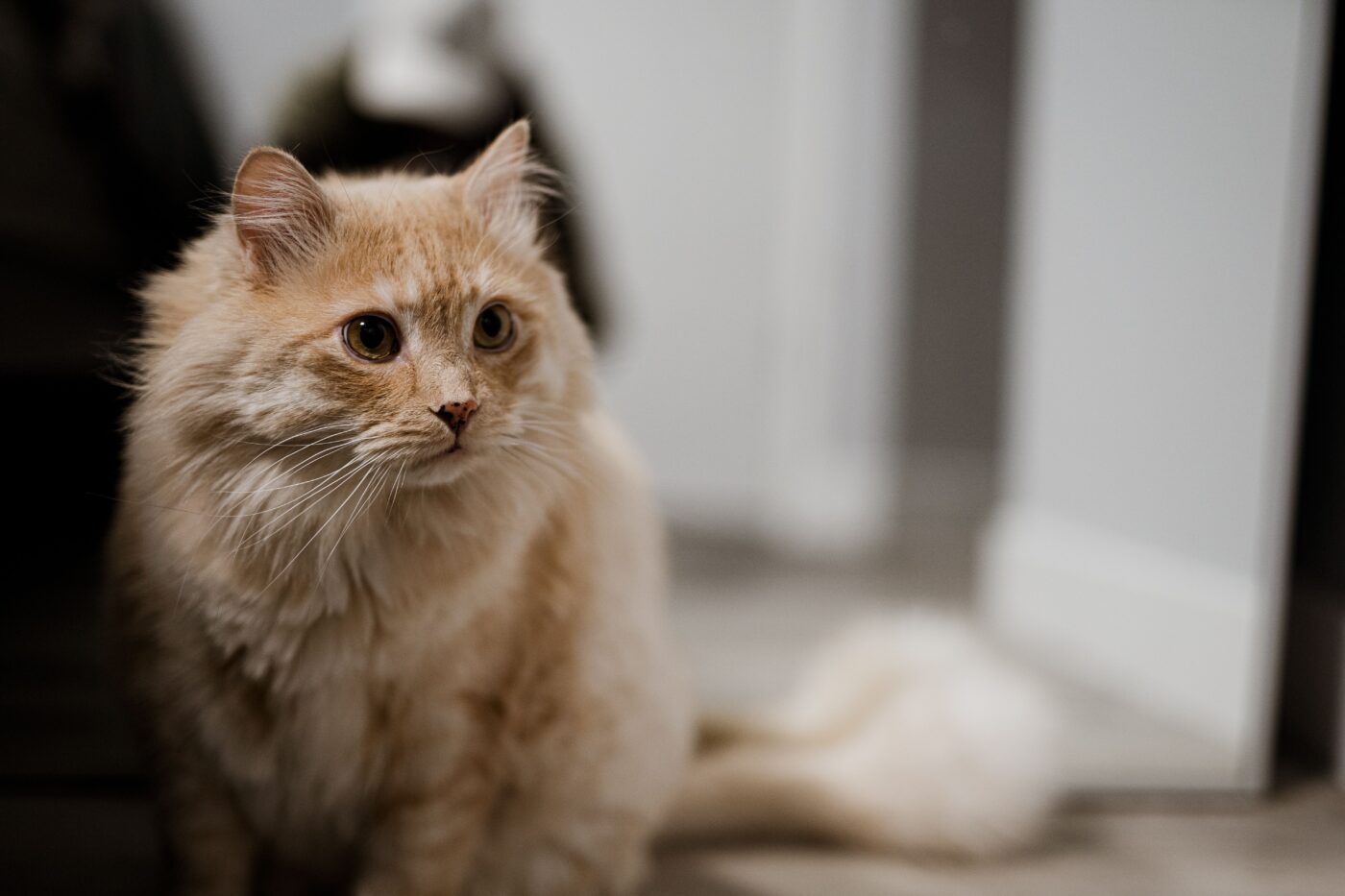
Cats quickly learn which actions lead to rewarding outcomes. When waiting outside the bathroom repeatedly results in petting, conversation, play, or another enjoyable interaction, the habit can become reinforced. The cat does not need to understand why humans visit bathrooms to recognize that waiting beside one often ends with attention. Some individuals greet their person immediately when the door opens, weave around their legs, vocalize, or lead them toward another room. Over time, the sequence can become a predictable household ritual. Learned behavior explains many feline habits that initially seem mysterious because cats are excellent at noticing cause and effect. A patient bathroom-door vigil may continue simply because experience has taught them that something pleasant frequently happens afterward.
Interesting Sounds Are Coming From Inside
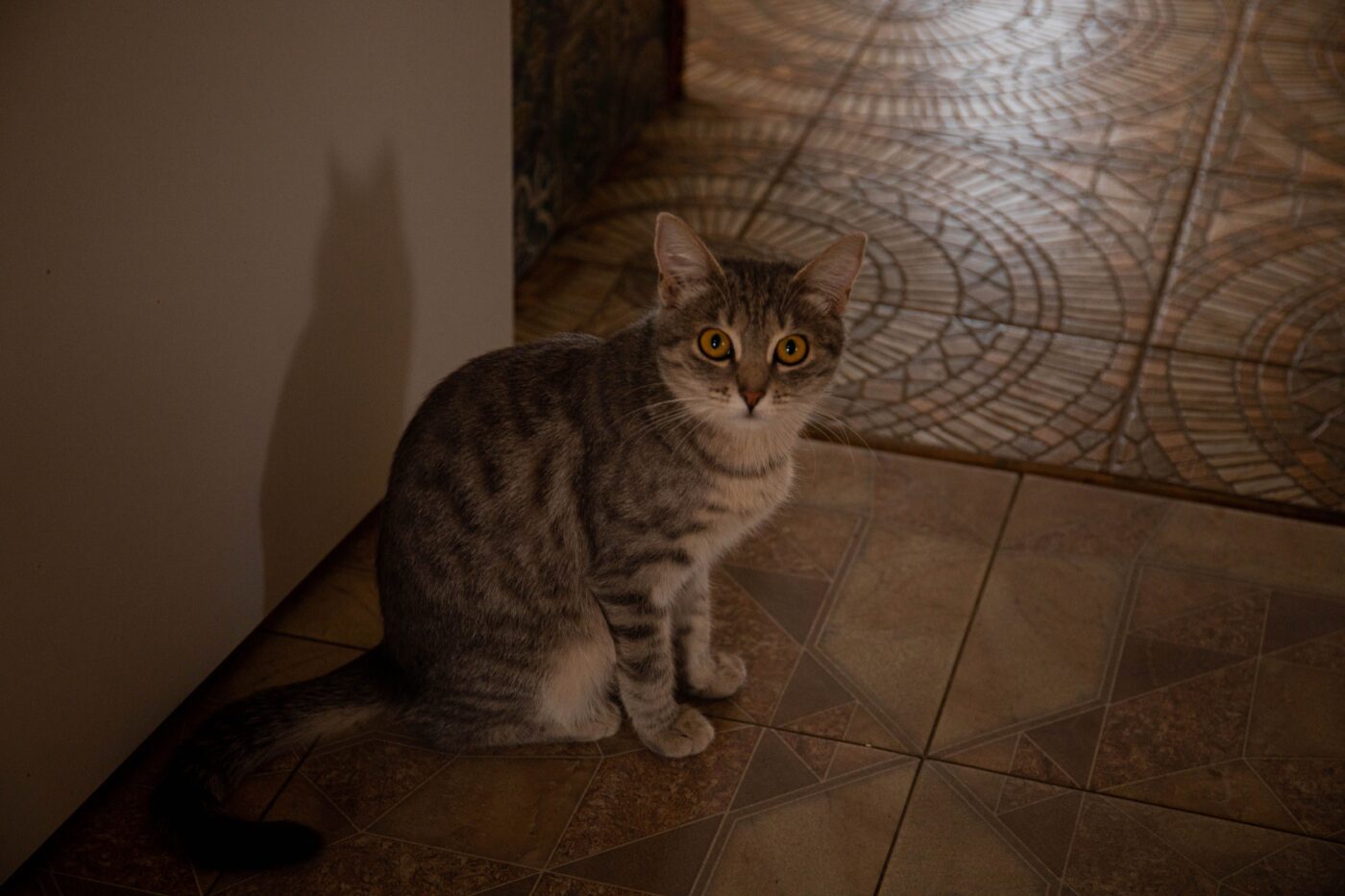
Running faucets, flushing toilets, humming ventilation fans, and objects moving around can create an unusual collection of sounds behind a bathroom door. With sensitive hearing and a natural tendency to investigate changes in their surroundings, cats may find this activity difficult to ignore. Water can be particularly interesting to certain individuals, especially those already fascinated by dripping taps or moving streams. Waiting outside allows them to listen while remaining ready to investigate once access returns. A cat may tilt their head, move their ears toward specific noises, or sniff beneath the door as they gather information. What seems like intense concern about bathroom privacy may simply be careful surveillance of a familiar room producing a surprisingly interesting soundtrack.
They Associate the Bathroom With Something Rewarding
Bathrooms can contain attractions that have nothing to do with following a person. A cat may enjoy drinking from the faucet, lounging on cool flooring, exploring the bathtub, or receiving attention while someone completes a daily routine. When enjoyable experiences regularly occur there, being locked outside temporarily prevents access to a familiar resource or preferred activity. Waiting at the door keeps the cat perfectly positioned for the moment it becomes available again. These associations differ considerably between individuals because cats develop preferences based on their experiences and environments. One may care about dripping water while another wants access to a favorite resting spot. The doorway becomes important because something beyond it has previously proved rewarding enough to remember.
Waiting There Has Become a Habit
Not every feline behavior requires a complicated emotional or instinctive explanation. Repetition itself can turn an action into a familiar routine, particularly when nothing unpleasant happens and the pattern occasionally produces something rewarding. A cat that initially started waiting outside the bathroom because of curiosity may continue long after the original motivation becomes less important. The location and sequence simply become familiar parts of daily life. Cats commonly develop routines around sleeping places, feeding times, household movements, and interactions with familiar people, so bathroom waiting can easily join the schedule. This explains why some cats appear completely relaxed during their vigil. They are not necessarily worried about what is happening behind the door. They may simply be following a routine that now feels normal.
The Bathroom Guard Takes the Job Seriously
A cat stationed outside the bathroom can look remarkably committed to a job nobody assigned them. The habit makes more sense when viewed through feline curiosity, routines, territorial awareness, learning, and social preferences. Motivation can differ between cats and change depending on the situation, making context important when interpreting their actions. A relaxed cat waiting quietly communicates something different from one showing distress. Most of the time, that patient bathroom companion simply notices patterns, values familiar access, and prefers knowing what is happening around their home.
This content was created with AI assistance and edited by the iHeartCats team.