
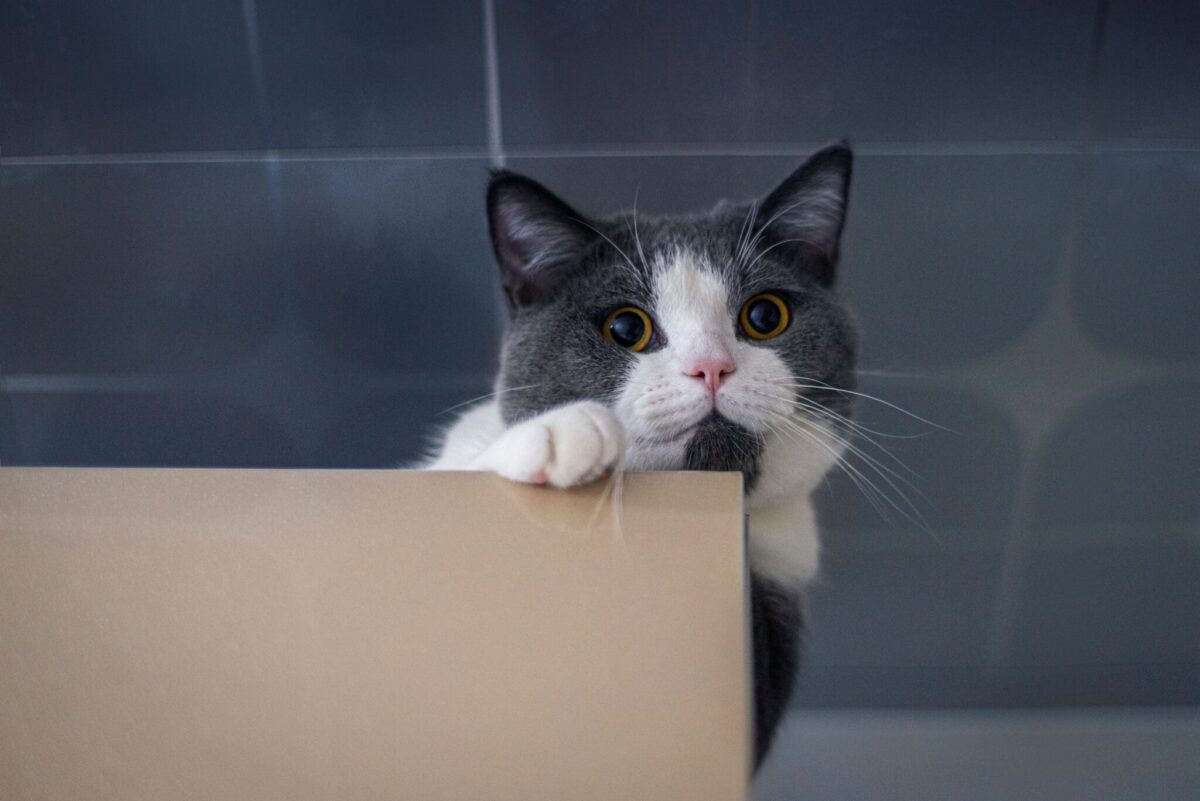
Cats can turn an ordinary afternoon into a collection of wonderfully confusing moments. They squeeze into tiny spaces, race through quiet rooms without warning, stare intensely at blank walls, and knock objects onto the floor with impressive concentration. These habits may seem random through human eyes, but many have practical explanations rooted in feline instincts, communication, comfort, curiosity, and sensory abilities. Looking at these strange routines from a cat’s perspective reveals that much of their apparent weirdness is surprisingly logical, even when their behavior remains endlessly entertaining to watch.
They Squeeze Into Ridiculously Small Boxes

A spacious cat bed can sit untouched while an empty cardboard box instantly becomes prime real estate. Enclosed spaces can provide a sense of security because they offer protection on several sides and limit the directions from which something unexpected might approach. Boxes may also retain body heat, making them appealing places for resting, especially when the surrounding room feels cool. Hiding in confined areas also connects with natural feline behavior, since concealed locations can provide safe resting spots and useful observation points. What looks absurdly cramped to a human may therefore feel warm, protected, and perfectly comfortable to the cat occupying every available inch.
They Suddenly Sprint Around the House
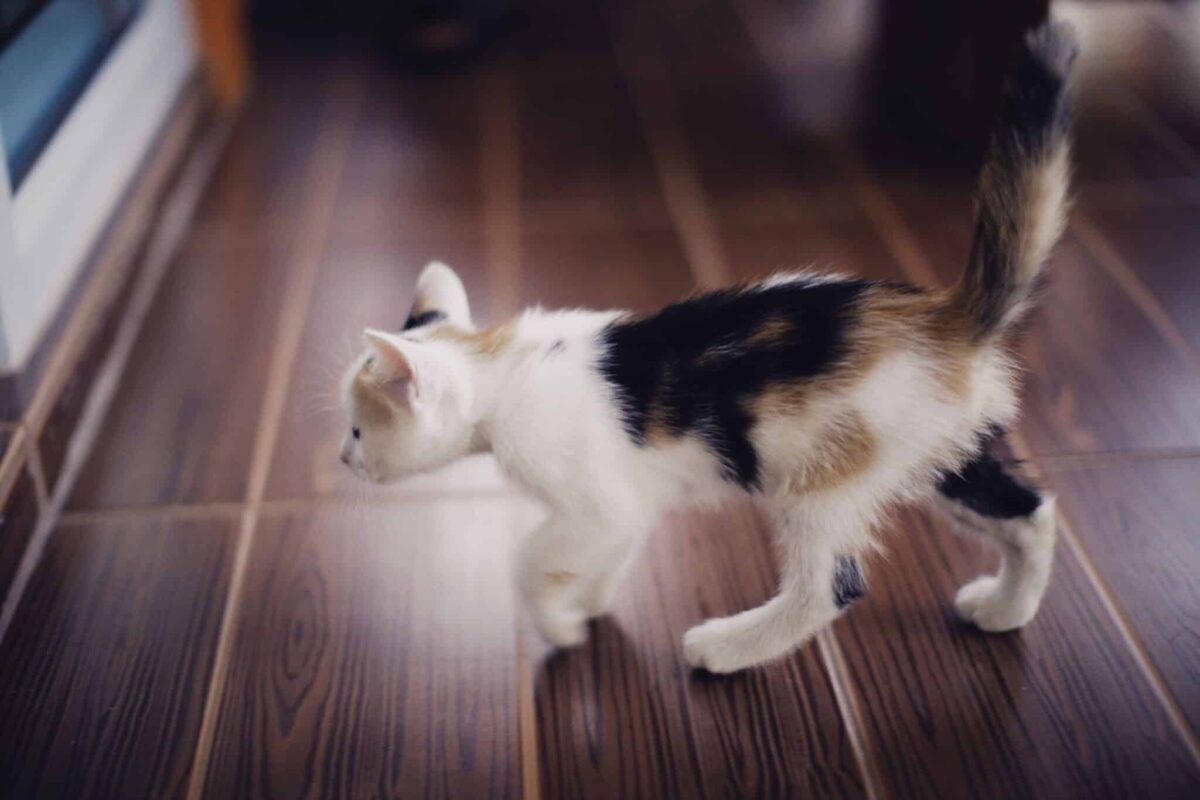
A peaceful evening can change instantly when a cat launches into a high-speed dash through several rooms. These energetic bursts, commonly called zoomies, can provide an outlet for accumulated energy, particularly for indoor cats that spend significant portions of the day resting. Cats are naturally suited to short periods of intense physical activity rather than prolonged endurance, which helps explain the dramatic acceleration followed by an equally dramatic return to relaxation. Play, excitement, or stimulating events may trigger these sprints, and some cats develop predictable zoomie schedules. Regular interactive play can provide additional outlets, although spontaneous racing may remain a perfectly normal part of feline life.
They Knead Blankets With Their Paws
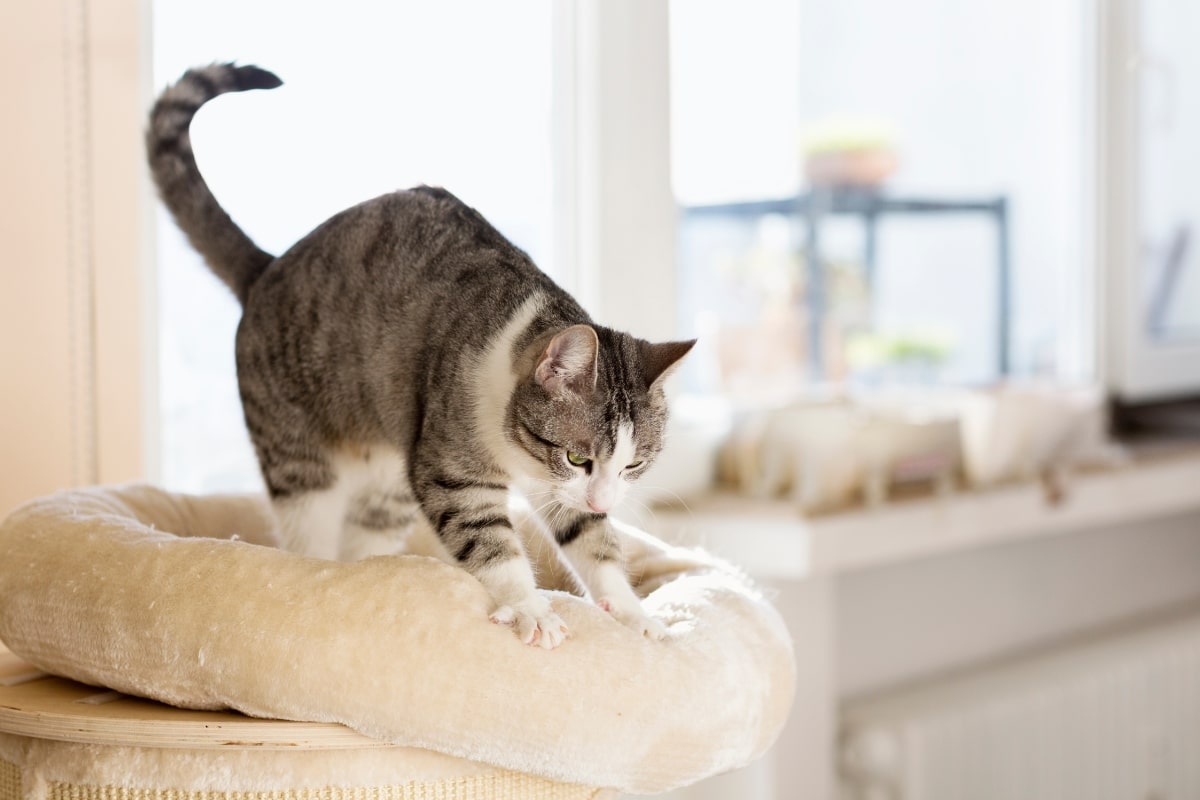
The rhythmic paw-pressing, commonly called “making biscuits,” begins surprisingly early in a cat’s life. Kittens knead around their mother’s mammary glands while nursing, and the movement can remain associated with comfort long after kittenhood ends. Adult cats may knead blankets, beds, or trusted humans when they are relaxed and preparing to settle down. Their paw pads also contain scent glands, so kneading can contribute to scent marking while helping them arrange a comfortable resting area. Some cats purr, drool, or become particularly sleepy during the process. What resembles an extremely serious baking session is usually connected with deeply established behaviors involving comfort, scent, relaxation, and early kittenhood experiences.
They Chatter at Birds Through the Window
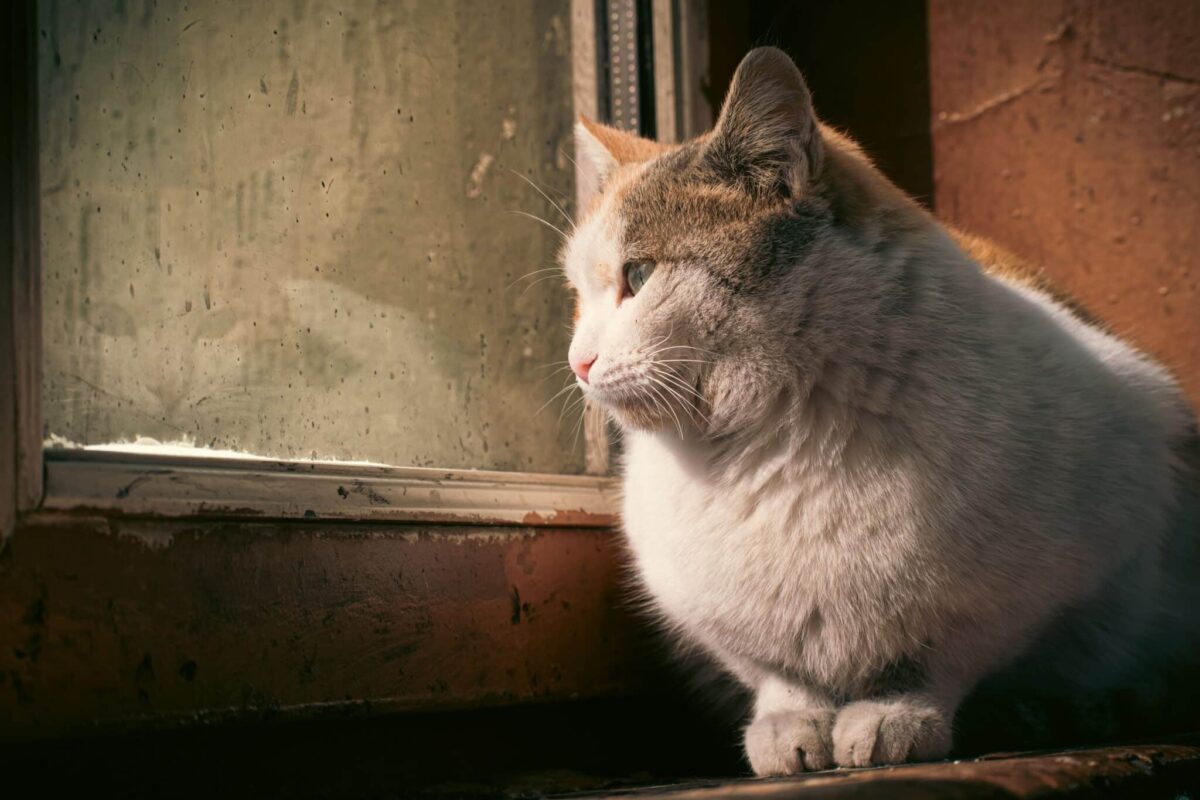
A bird appears outside the window, and suddenly a quiet house cat begins producing rapid clicks, chirps, or unusual jaw movements. The exact purpose of feline chattering is not fully understood, but it often occurs when cats observe visually exciting prey they cannot reach. Hunting arousal, anticipation, and frustration may all contribute to the response. Cats retain strong predatory instincts even when they receive every meal from a bowl, so birds, squirrels, and insects can immediately capture their attention. Chattering makes more sense when considered alongside stalking postures, intense staring, and twitching tails. Dinner may already be guaranteed, but the internal hunting system remains remarkably enthusiastic.
They Knock Things Off Tables

Watching a cat carefully push an object toward the edge of a table can make the act appear suspiciously deliberate. In many cases, pawing at objects is connected with curiosity, exploration, and play rather than a calculated desire to create household chaos. Cats frequently investigate unfamiliar items with their paws, especially objects that roll, wobble, slide, or produce interesting sounds. Moving items may also resemble some of the unpredictable motion that makes prey exciting during play. Human reactions can unintentionally make the activity more rewarding when every fallen object produces immediate attention. The cat may not understand why the pen belongs on the desk, but they certainly notice that pushing it creates an interesting result.
They Stare at Apparently Empty Spaces
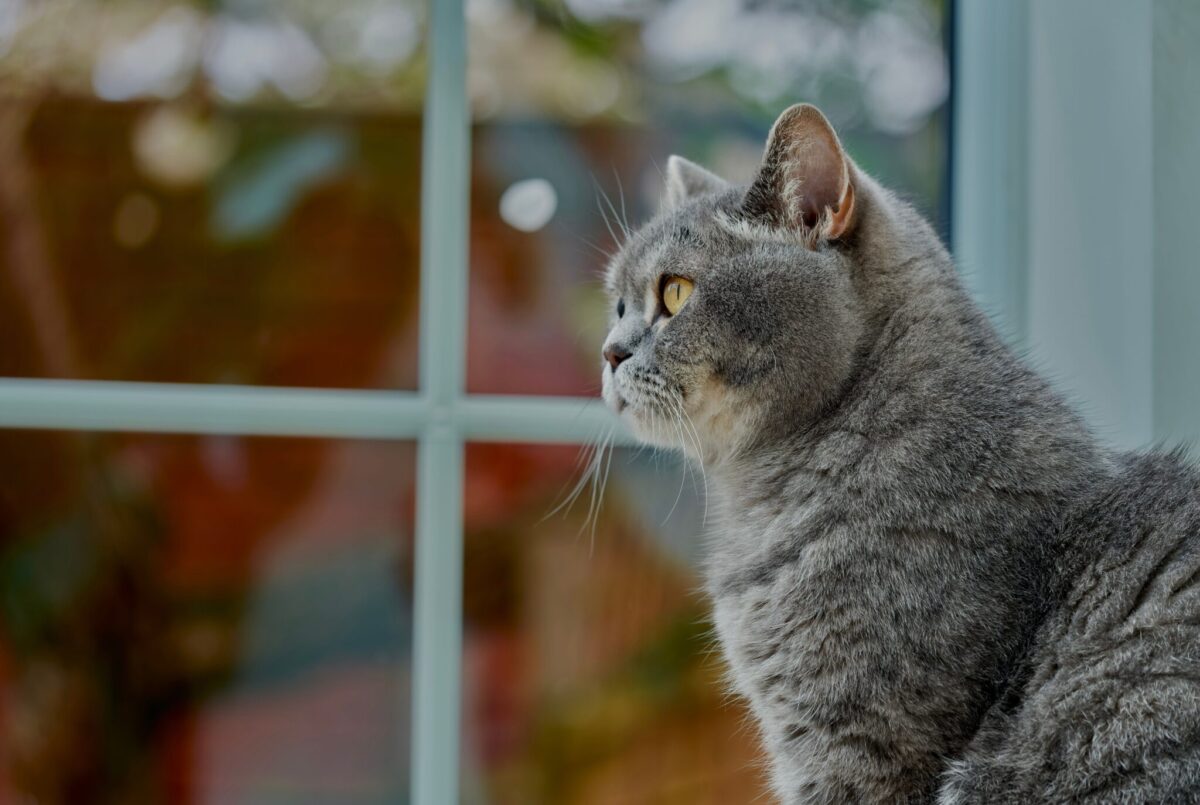
Few feline habits inspire more speculation than prolonged staring at a wall, ceiling, or seemingly empty hallway. Cats have highly sensitive hearing and can detect higher-frequency sounds than humans, allowing them to notice noises people completely miss. Their vision is also particularly effective at detecting subtle movement under relatively low-light conditions. A tiny insect, shifting reflection, faint sound behind a wall, or nearly imperceptible movement may therefore capture their attention while nearby humans see absolutely nothing. Occasional focused staring is unsurprising in such an alert and sensory-driven animal. Persistent unusual staring accompanied by disorientation or other significant behavioral changes, however, deserves attention and may warrant a conversation with a veterinarian.
They Rub Their Face on Everything
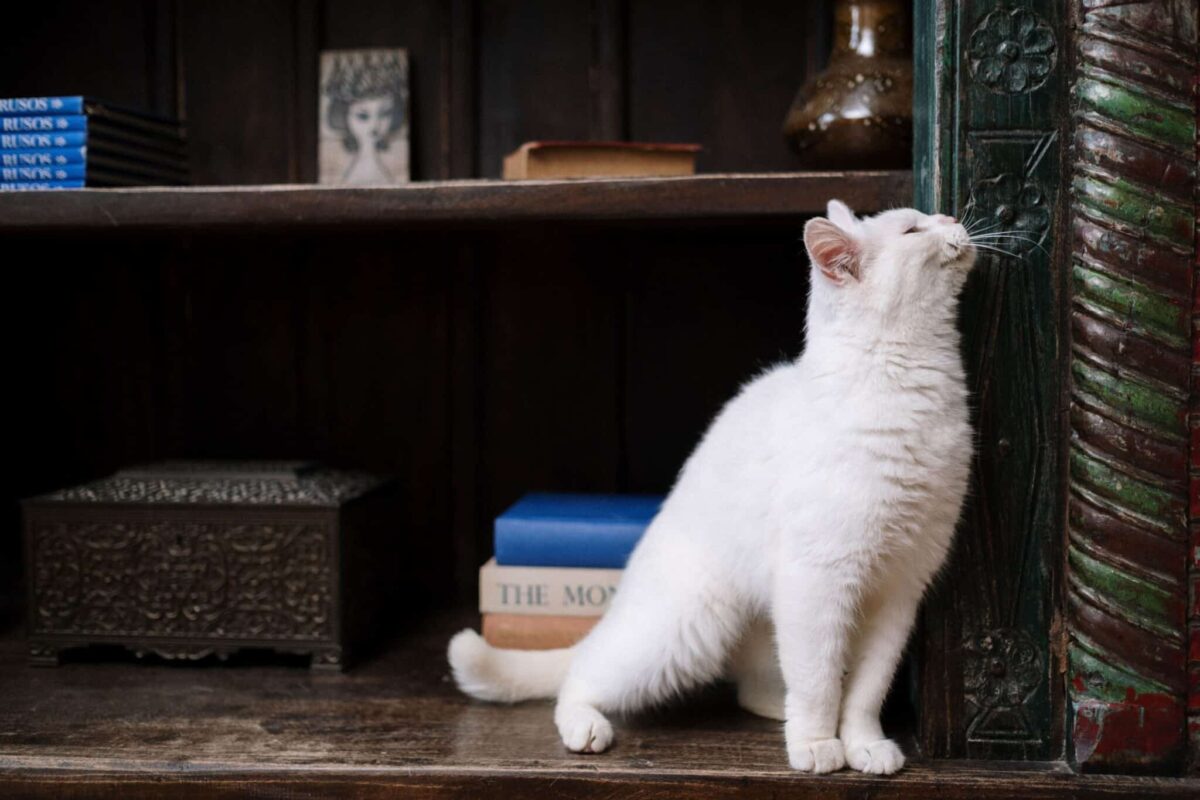
Furniture corners, doorways, household objects, and familiar humans can all receive enthusiastic cheek rubs. Cats have scent glands around areas of their face, including their cheeks and chin, and rubbing helps deposit chemical scent signals onto surfaces. These scents contribute to communication and can help make frequently used spaces smell familiar and secure. Face rubbing against a trusted person can occur during friendly social interactions, although it should not automatically be interpreted as a declaration of affection every time. Greeting behavior, familiarity, scent exchange, and environmental marking can overlap. Humans may see a cat repeatedly polishing the furniture with their cheeks, while the cat is actually distributing meaningful chemical information around familiar territory.
They Sleep in Bizarre Positions
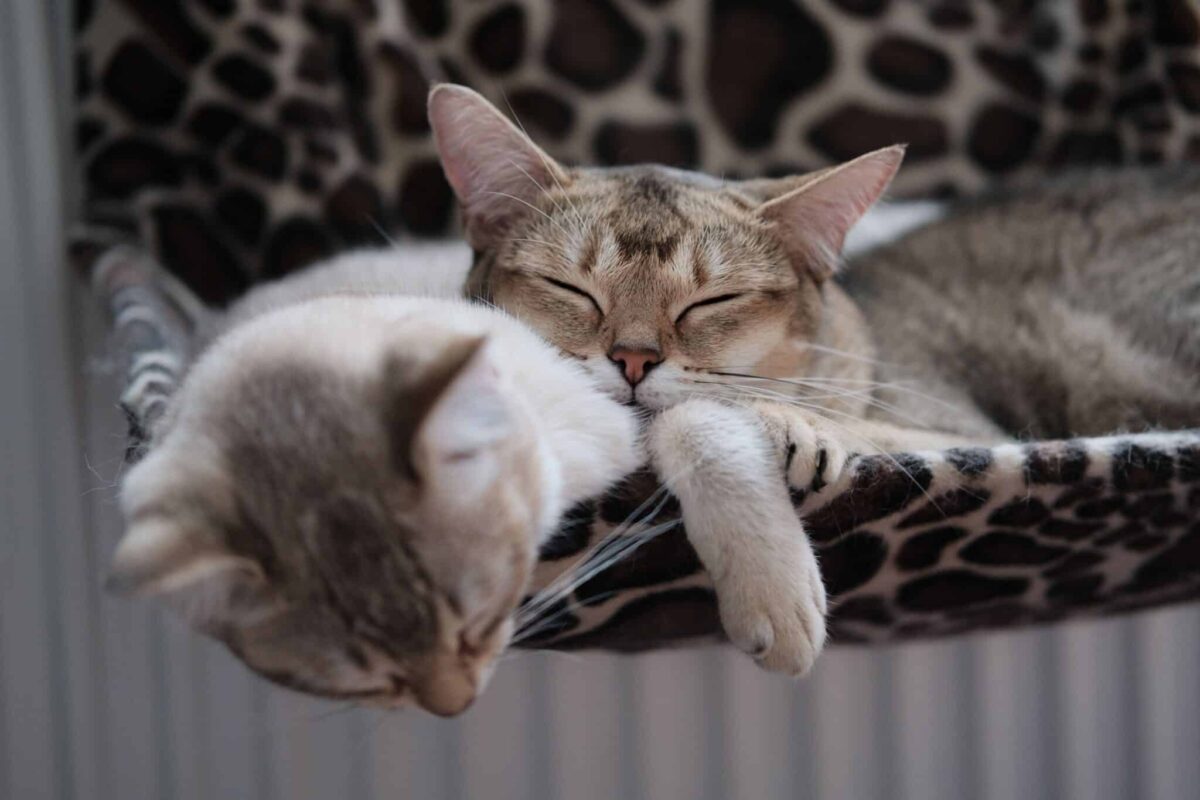
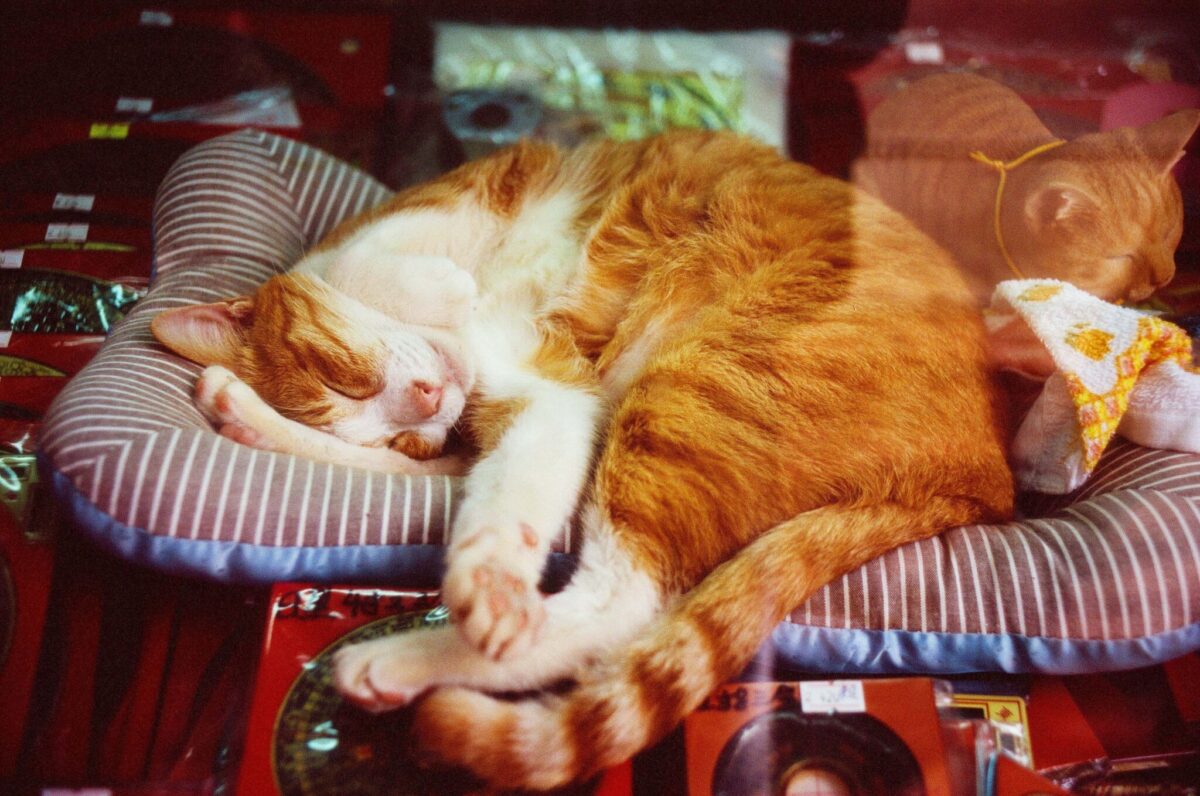
Cats somehow transform positions that look physically impossible into convincing demonstrations of comfort. Their flexible spines, mobile bodies, and ability to curl tightly allow them to rest in arrangements that would leave most humans needing immediate assistance. Sleeping posture can also change according to temperature, comfort, surroundings, and how secure a cat feels. Curling tightly helps conserve warmth and protects vulnerable areas, while stretching across a surface can help release body heat. Some relaxed cats expose their bellies while sleeping, although that does not necessarily mean they want their stomach touched. The strange geometry of feline sleep usually reflects flexibility, temperature regulation, security, and individual preference rather than a mysterious commitment to looking uncomfortable.
They Follow You Into the Bathroom
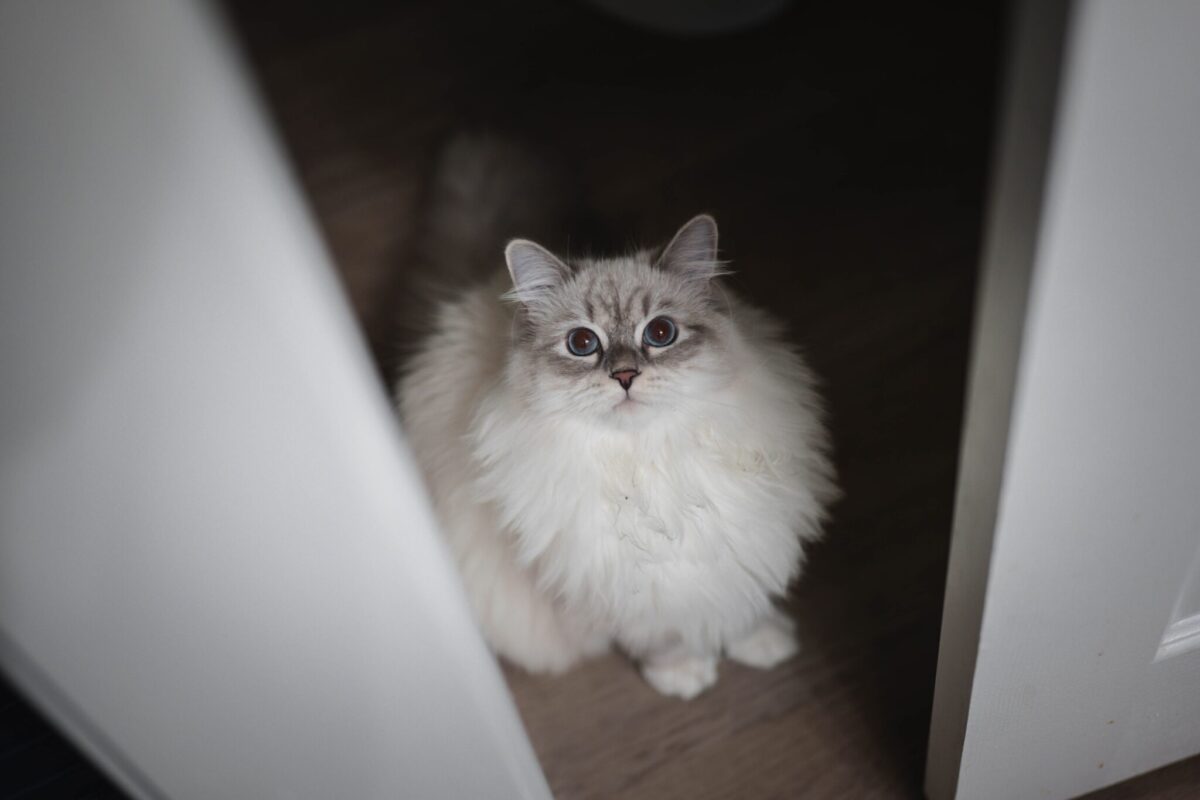
Privacy can become surprisingly difficult once a cat decides household movement deserves supervision. Following someone into the bathroom may result from curiosity, established routine, social interest, or the simple realization that a temporarily stationary human is easier to investigate. Bathrooms can offer additional attractions such as cool surfaces, running water, unusual scents, or predictable opportunities for attention. Cats are skilled at learning household patterns, so repeated daily activities can eventually become part of their routines as well. Some individuals simply enjoy staying close to familiar people, while others become fascinated because a closed door suddenly makes the room more interesting. Feline curiosity rarely recognizes the human concept of needing five minutes alone.
They Sit on Whatever You’re Using

Open a book, unfold paperwork, or begin using a laptop, and a cat may suddenly decide that exact location is the best seat available. Several motivations can make these objects appealing. Laptops produce warmth, paper provides an interesting texture, and anything receiving sustained human attention can become worthy of investigation. Cats may also learn that positioning themselves between a person and an object reliably produces interaction, even when that interaction consists of being gently relocated. Familiar scents can increase the attraction of frequently handled belongings as well. The interruption, therefore, does not require an elaborate plan to sabotage productivity. Warmth, curiosity, scent, learned attention, and proximity can make the least convenient workspace surprisingly appealing.
They Bring You Their Toys
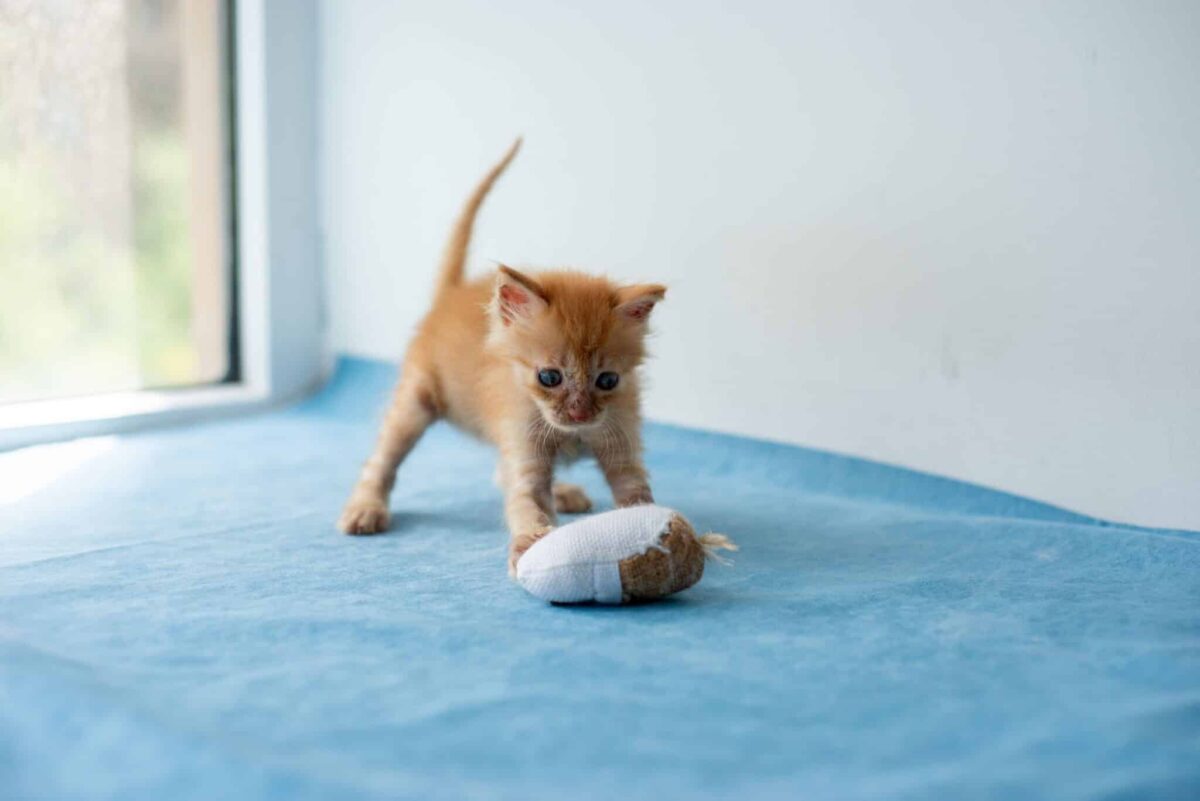
Finding a toy beside the bed or having a stuffed mouse deposited nearby can feel like receiving a tiny feline delivery. Cats carry objects for several possible reasons, including play, hunting-related behavior, attention seeking, or simply moving something valuable to a preferred location. Some learn that bringing a toy to a person starts an entertaining game, especially when humans reliably throw it or begin interactive play. Others carry toys while vocalizing without necessarily requesting participation. The habit can resemble aspects of transporting prey, but individual cats develop their own routines around favorite objects. What appears to be a mysterious gift may instead be an invitation to play, a learned household ritual, or an expression of natural predatory behavior.
The Weirdness Has a Surprisingly Good Explanation
Living with cats becomes more entertaining once their oddest habits are viewed through feline instincts instead of human expectations. A cramped box can offer security, a sudden sprint can release stored energy, and an intense stare may focus on something humans cannot detect. Individual personality matters, and the same action can have different motivations depending on the cat and the situation. Their behavior may sometimes look ridiculous, inconvenient, or mysterious, but beneath much of the weirdness is a capable animal responding logically to the world around them every day.