
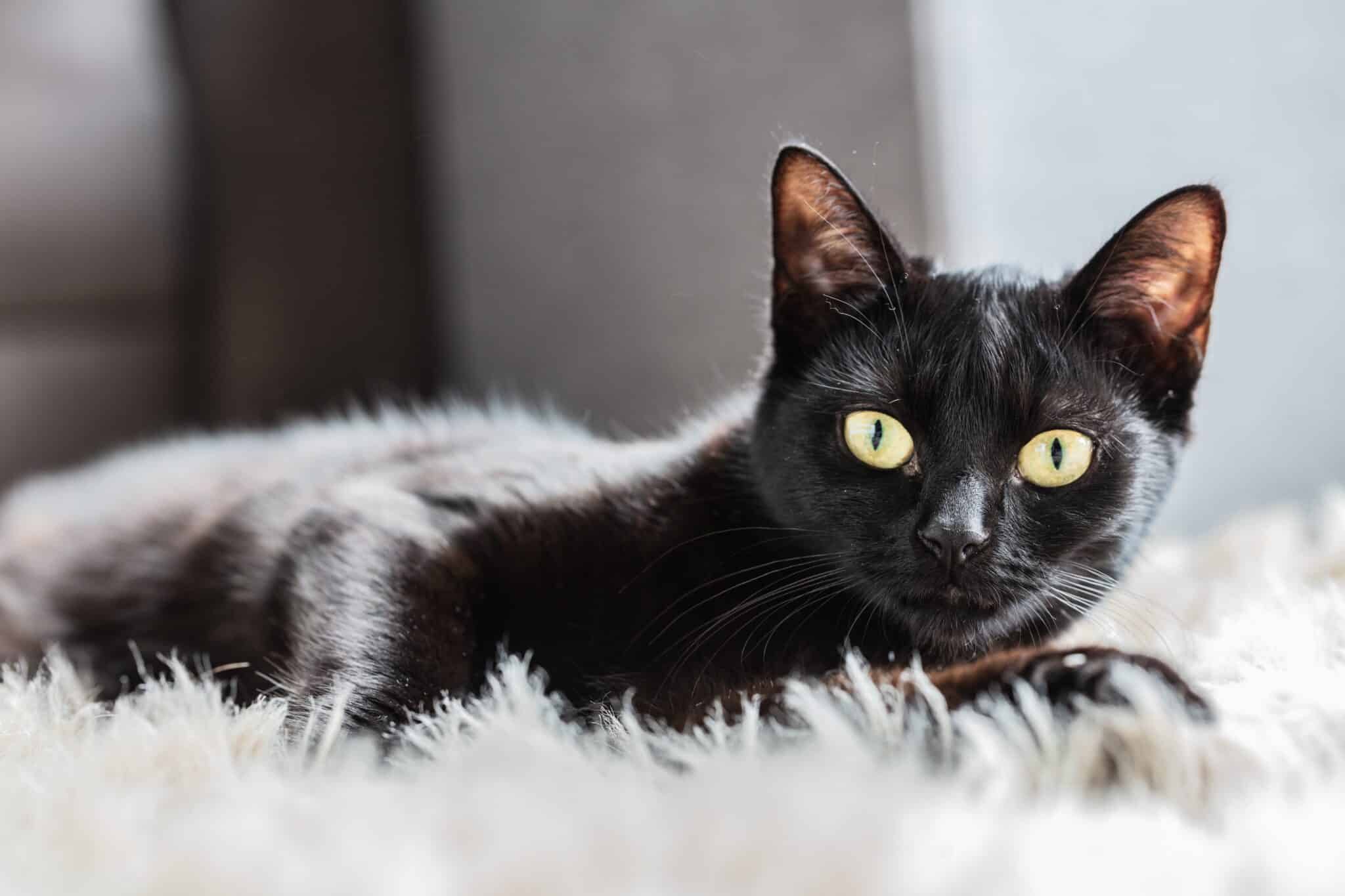
Black cats have prowled through human history for thousands of years, appearing in ancient artwork, folklore, religious traditions, and spooky Halloween decorations. Sometimes admired as symbols of protection and good fortune, they have also been unfairly associated with witches, bad luck, and supernatural powers. Their glossy coats and bright eyes make them striking companions, but the stories surrounding their appearance reveal even more fascinating details about the relationship between people and cats. From ancient Egyptian beliefs to European superstitions and modern adoption campaigns, these animals have experienced remarkable shifts in reputation. Their history is a reminder that cultural beliefs can shape how animals are viewed, sometimes in ways that last for centuries.
Ancient Egyptians Revered Cats as Sacred Animals
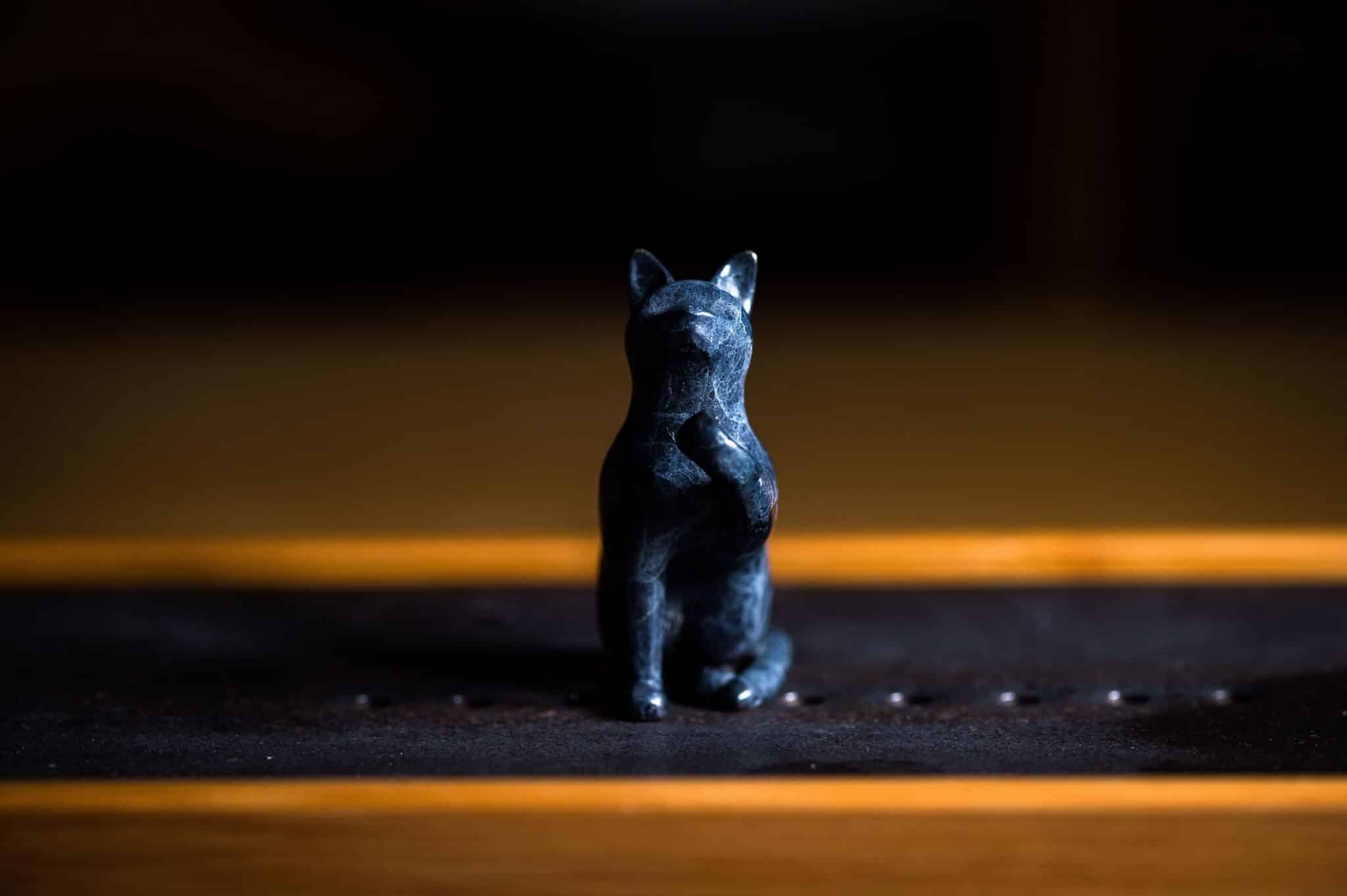
Ancient Egypt is famous for its reverence for cats, which were valued for their ability to protect food stores from rodents and for their place in religious and domestic life. The goddess Bastet, associated with protection, home, fertility, and motherhood, was frequently represented as a lioness or a woman with a cat’s head. Cats became powerful symbols in Egyptian art and religious practices, although the special status of black cats specifically is sometimes exaggerated in modern retellings. Egyptians did not simply worship every black cat as a deity, but their broader respect for cats helped establish a long cultural history of admiration for these animals. Their elegant appearance and mysterious presence have continued to inspire people across generations.
Medieval Europeans Associated Cats With Witchcraft
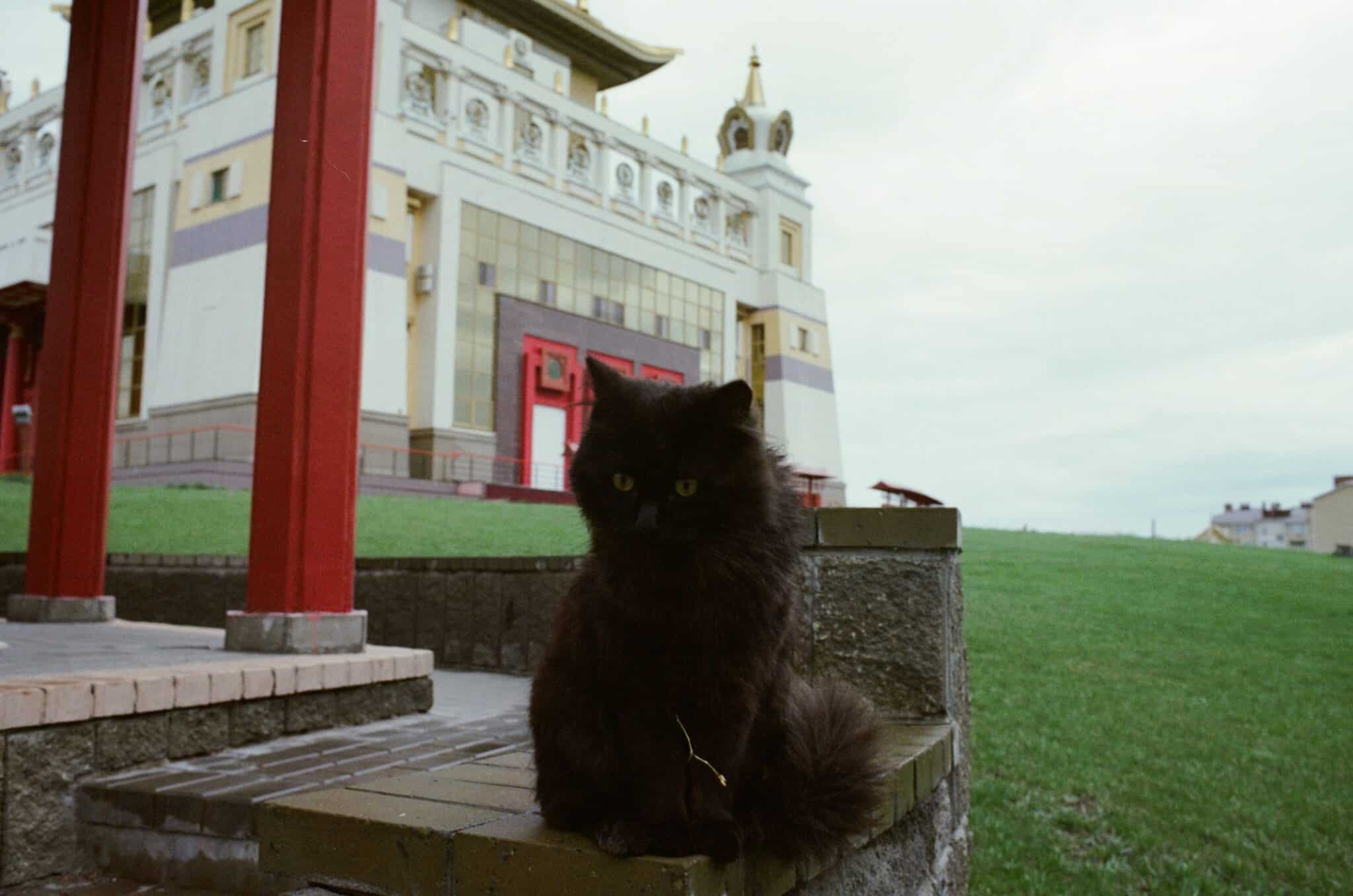
During parts of medieval and early modern Europe, cats became entangled in fears surrounding witchcraft and the supernatural. Religious anxieties and local folklore encouraged some people to associate cats with witches, demons, or supposed magical practices. These beliefs were not universal, and attitudes toward cats varied across communities and periods. Nevertheless, dark-coated cats became especially prominent in stories about witches and their animal companions. The association grew stronger during periods of witchcraft persecution, when ordinary animals could become targets of suspicion alongside people accused of practicing magic. These ideas helped establish the spooky reputation that still appears in Halloween decorations today. The history is a reminder that superstition, rather than anything about a cat’s actual behavior, shaped much of this negative image.
A Papal Document Linked Cats to Heretical Rituals
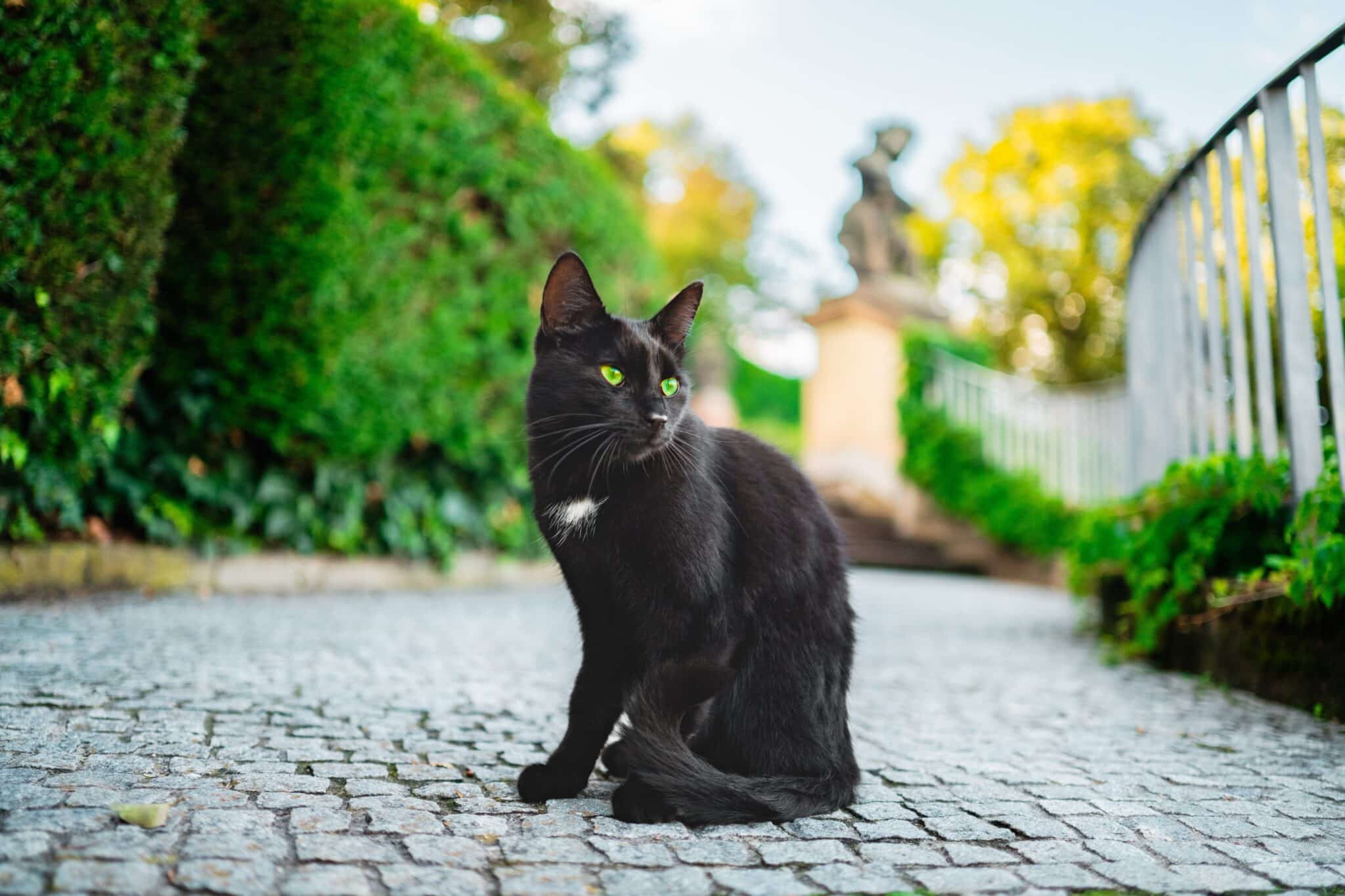
One historical episode frequently mentioned in discussions of cat-related superstitions is Vox in Rama, a papal document issued by Pope Gregory IX in 1233. It described alleged heretical rituals and included a disturbing account of a cat associated with the devil. The document contributed to the broader historical connection between cats, heresy, and supernatural fears, although it did not establish a universal ban on black cats or prove that every European community feared them. Later generations sometimes simplified complicated religious and cultural histories into the claim that the Church condemned black cats everywhere. The actual record is more nuanced. Different regions held different beliefs, and cats continued to live alongside people as useful hunters and household companions despite the spread of negative folklore.
Some Cultures Considered Them Symbols of Good Luck
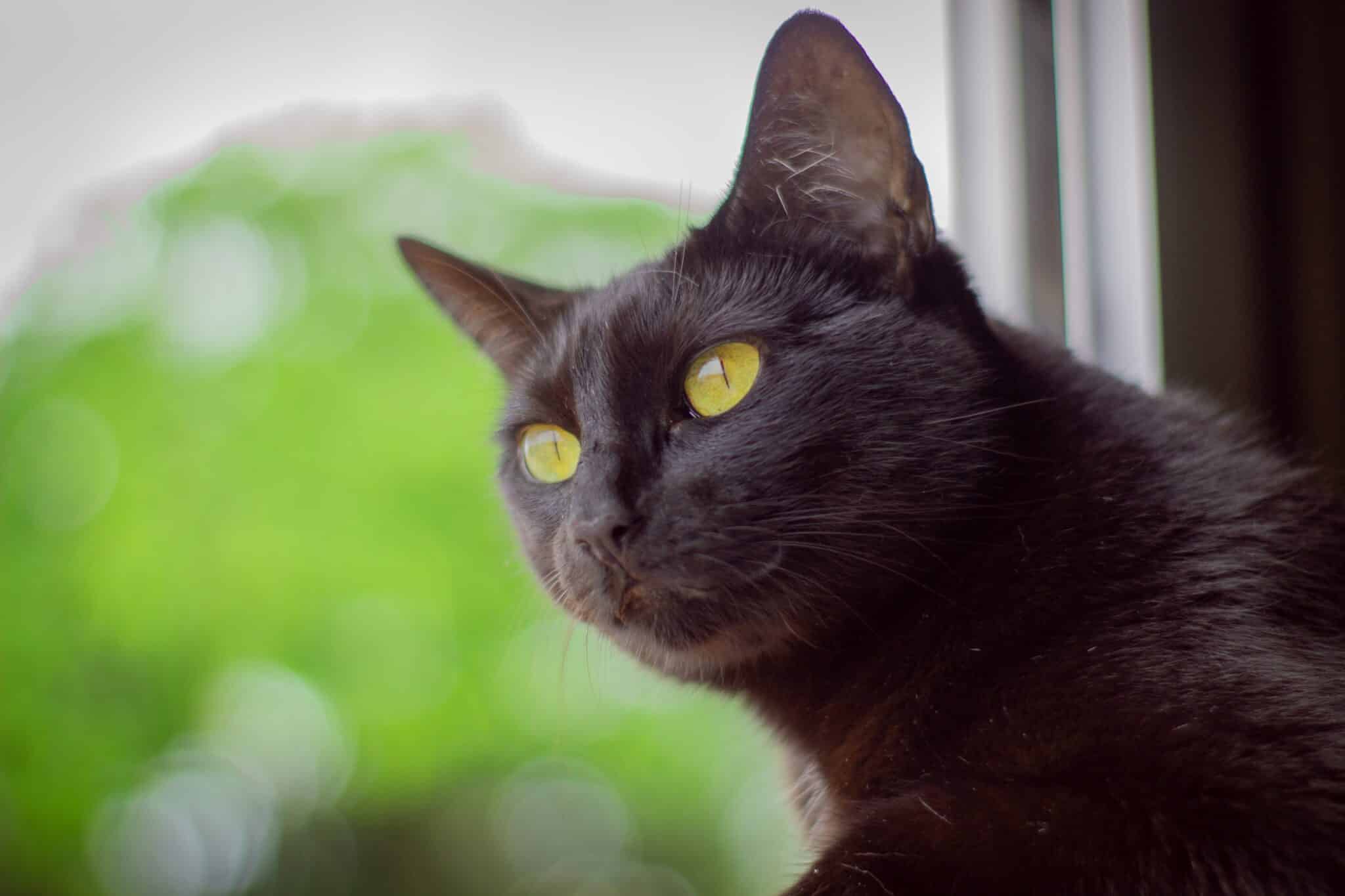
The idea that black cats bring bad luck has never been shared by every culture. In parts of Britain, a black cat crossing someone’s path can be considered fortunate rather than ominous. Scottish folklore has also associated a black cat arriving at a home with prosperity. These traditions offer a striking contrast to the superstitions that developed elsewhere in Europe and North America. Cultural beliefs about animals often reflect local stories, values, and customs rather than any universal meaning. A black cat may represent danger in one tale and good fortune in another. Such contrasting traditions reveal how flexible symbolism can be, especially when it involves an animal whose quiet movements, bright eyes, and dark coat have long captured human imagination.
Sailors Welcomed Cats Aboard Ships for Practical Reasons
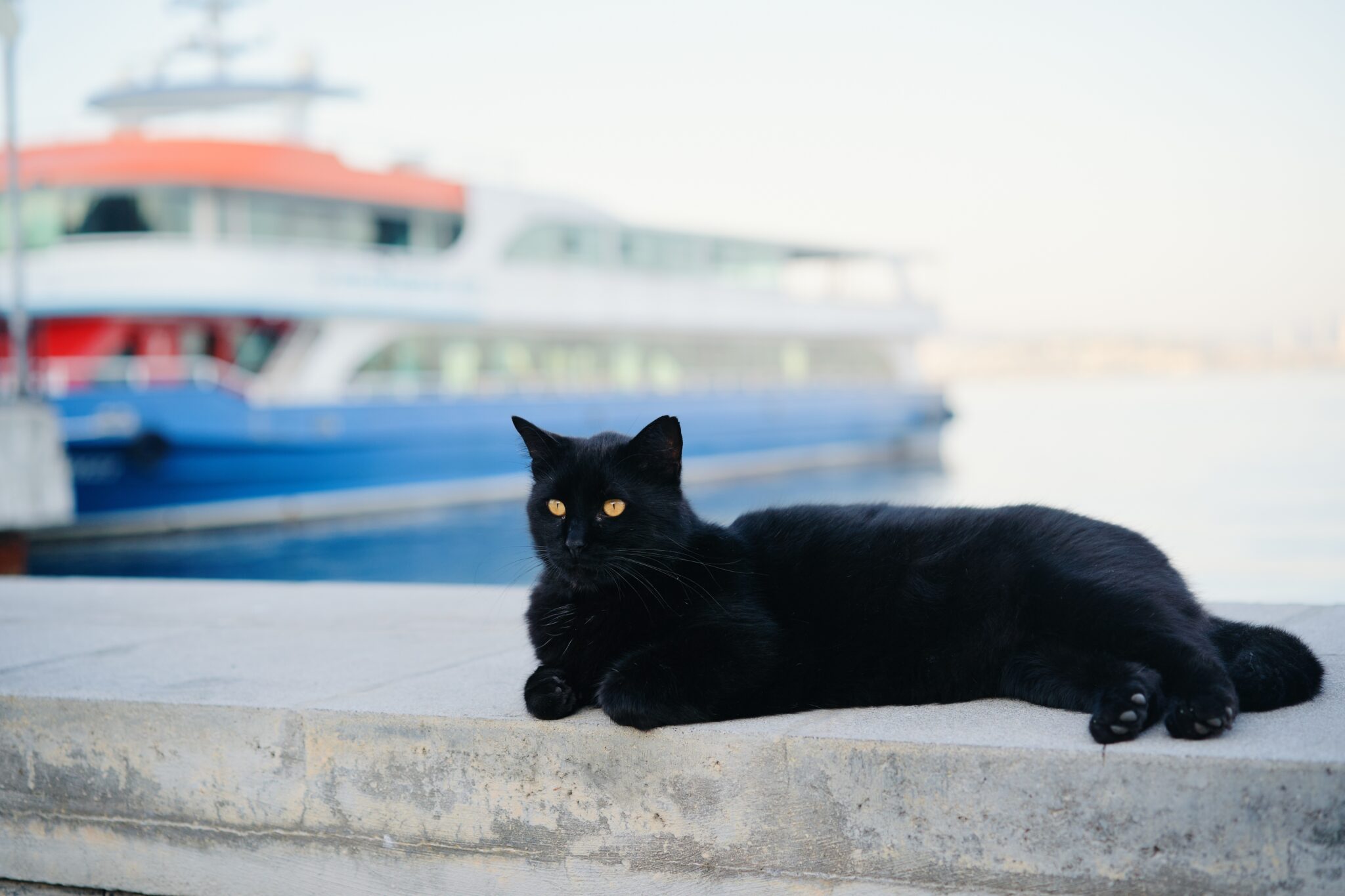
Cats have served aboard ships for centuries, helping control rats and mice that could damage food supplies, ropes, and other stored materials. Sailors also developed superstitions about shipboard cats, with some traditions treating them as signs of good fortune and protection during dangerous voyages. Black cats became part of this folklore, although maritime beliefs differed between crews and regions. Some sailors considered a black cat aboard a ship lucky, while others attached special meanings to a cat’s behavior or movements. Beyond superstition, ship cats provided practical benefits and companionship during long stretches at sea. Their place in maritime history shows that these animals were not always viewed as frightening creatures. In certain settings, their presence could be welcomed as a reassuring part of life aboard a vessel.
Halloween Helped Popularize Their Spooky Image
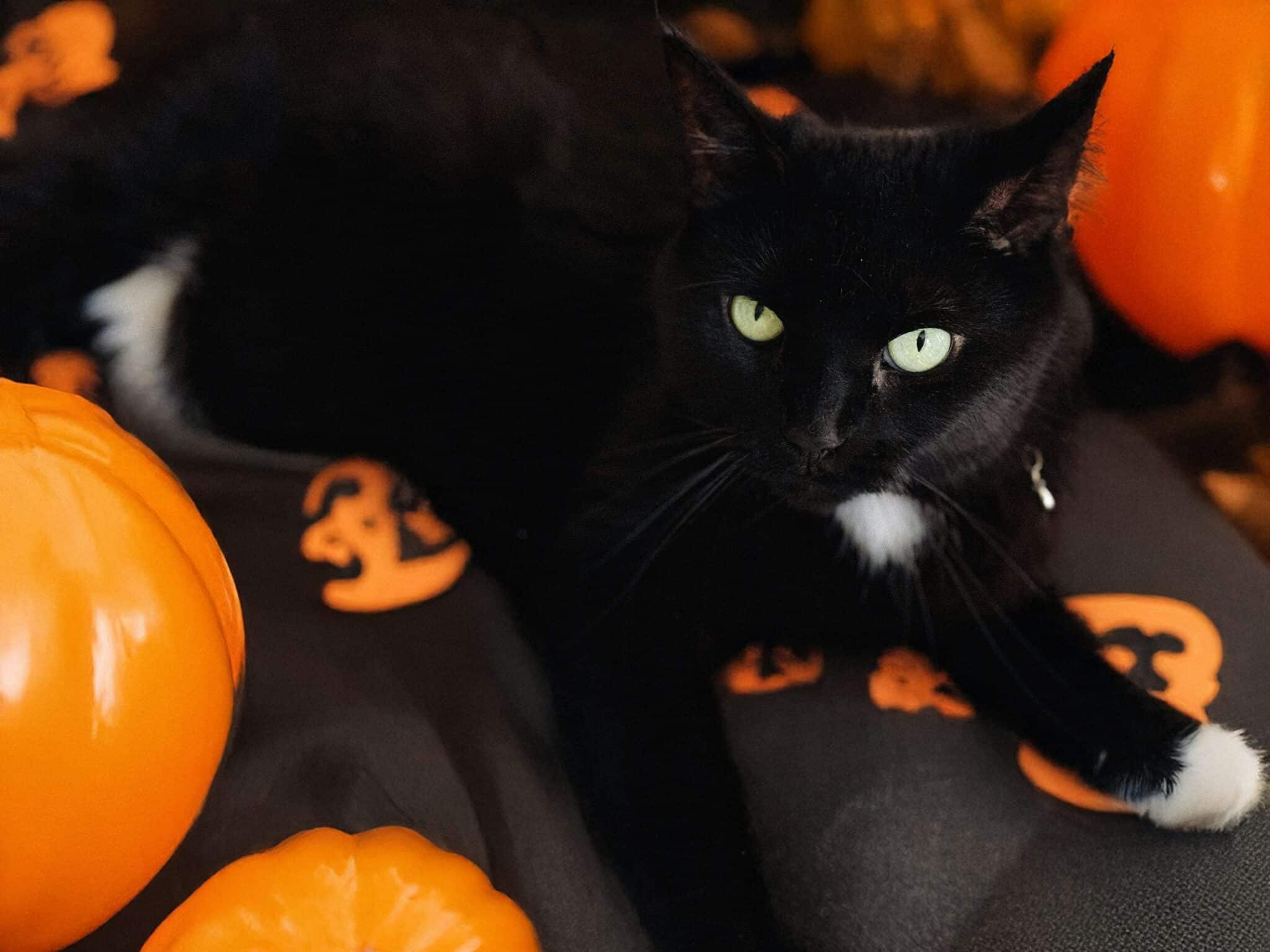
The familiar image of a black cat beside a carved pumpkin developed from a mixture of folklore, witchcraft imagery, and Halloween traditions. Halloween itself draws on several historical influences, including customs associated with All Hallows’ Eve and older seasonal celebrations. As illustrations, greeting cards, decorations, and advertisements helped establish the holiday’s modern visual style, black cats became convenient symbols of mystery and the supernatural. Their dark coats stand out against orange pumpkins and autumn decorations, making them visually striking in seasonal designs. Unfortunately, repeated use of the same imagery can also reinforce old superstitions. A black cat is simply a cat with dark pigmentation, not a supernatural creature. Enjoying Halloween imagery can go hand in hand with treating real cats kindly and responsibly.
Their Reputation Differs Around the World

Black cats have acquired different meanings around the world, showing that their reputations depend heavily on local culture. In some Japanese traditions, black cats are associated with good fortune or protection, and they can appear in stories and popular imagery as positive symbols. British folklore also includes favorable interpretations of black cats, particularly in connection with prosperity and luck. Other communities have preserved more ominous beliefs, often shaped by European witchcraft stories. These differences matter because they challenge the idea that black cats have always been universally feared. The same coat color can inspire admiration, affection, caution, or superstition depending on the setting. Across cultures, these animals have become powerful symbols partly because people have attached so many different stories to them.
Edgar Allan Poe Immortalized Them in Gothic Literature
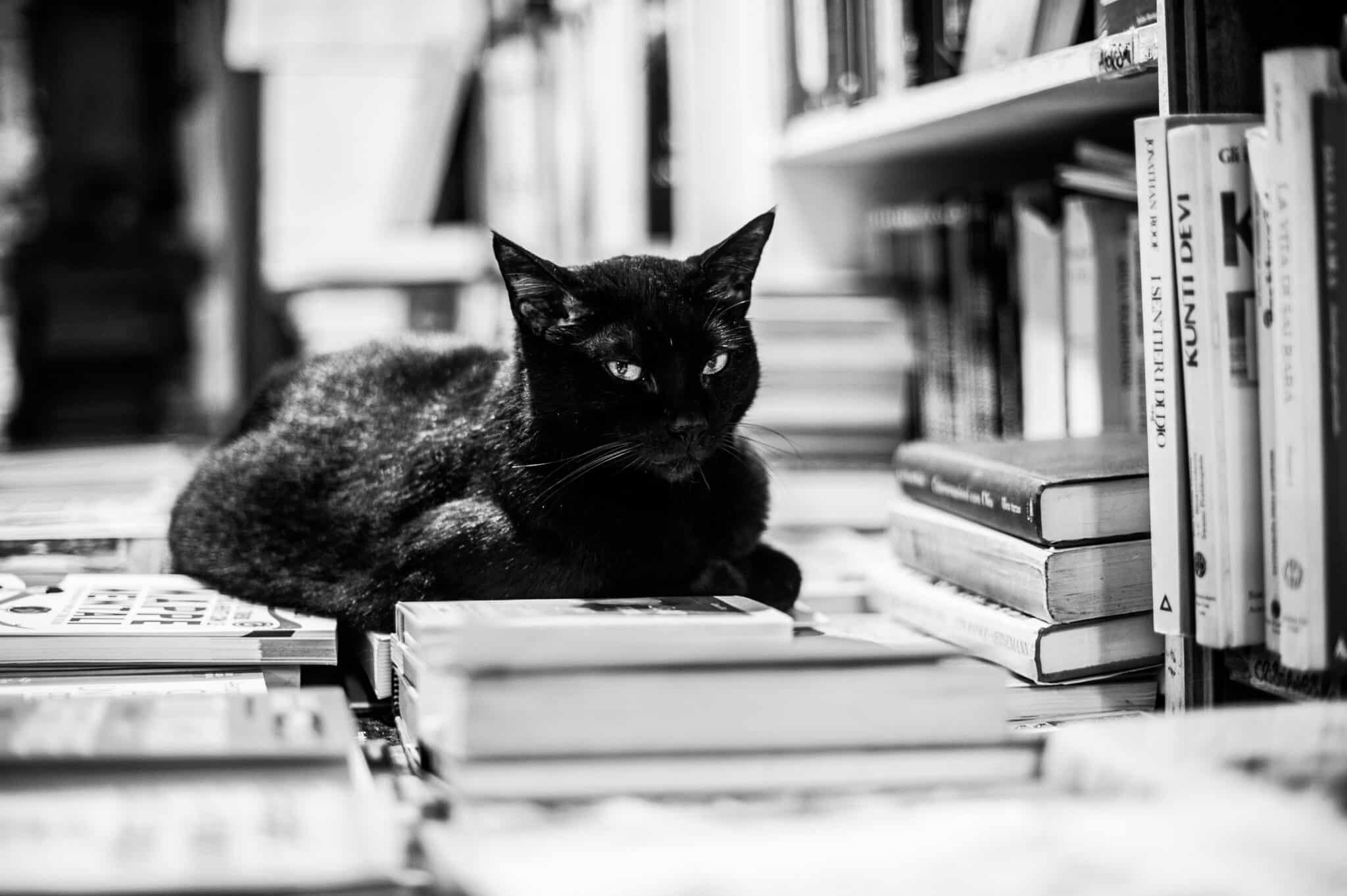
Black cats became memorable figures in Gothic fiction, where their dark appearance and association with folklore made them natural additions to unsettling stories. Edgar Allan Poe’s short story The Black Cat, published in 1843, is among the best-known literary examples. The tale uses a black cat within a disturbing narrative about guilt, violence, and psychological deterioration. Its popularity helped keep the animal connected to eerie and ominous imagery in the public imagination. However, literary symbolism does not reflect the temperament of real cats. Writers frequently use animals to create atmosphere, foreshadow events, or explore human fears. In the case of black cats, their established place in folklore made them especially effective characters in stories designed to provoke unease and curiosity.
Artists Used Their Silhouettes to Create Memorable Images
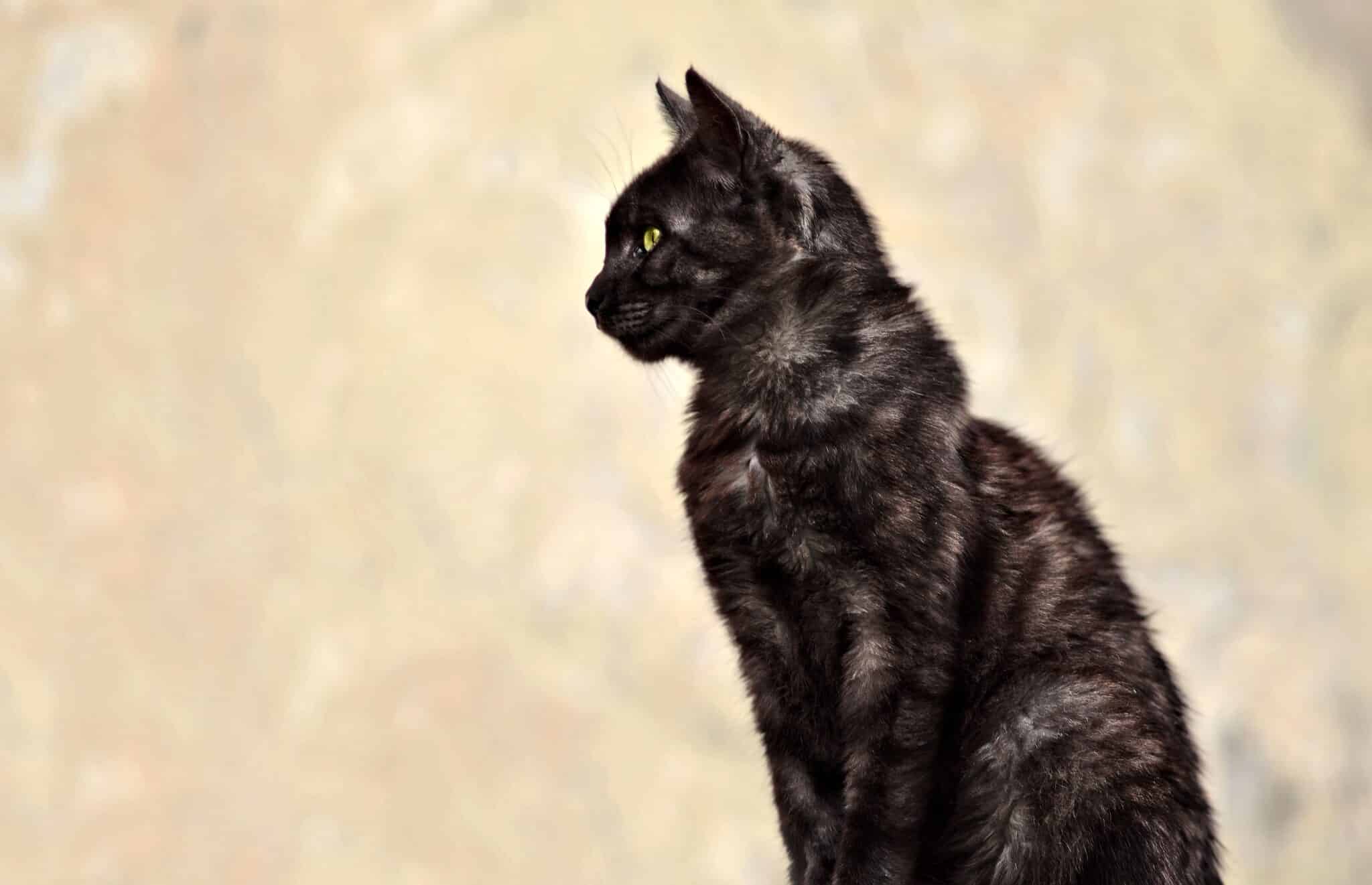
Artists have repeatedly used black cats to communicate mystery, elegance, independence, or mischief. Their dark silhouettes create strong visual contrast, while their eyes can become striking focal points in paintings, posters, book covers, and decorative artwork. During the late nineteenth century, black cats also appeared in the visual culture surrounding Parisian nightlife and entertainment. One famous example is the poster advertising Le Chat Noir, a Parisian cabaret established in 1881. The venue’s black cat emblem became an enduring image associated with artistic culture and bohemian entertainment. This example illustrates how these animals can represent creativity and sophistication rather than fear. Their visual appeal has helped them remain recognizable figures in art, design, and popular culture.
Their Dark Coats Are the Result of Genetics
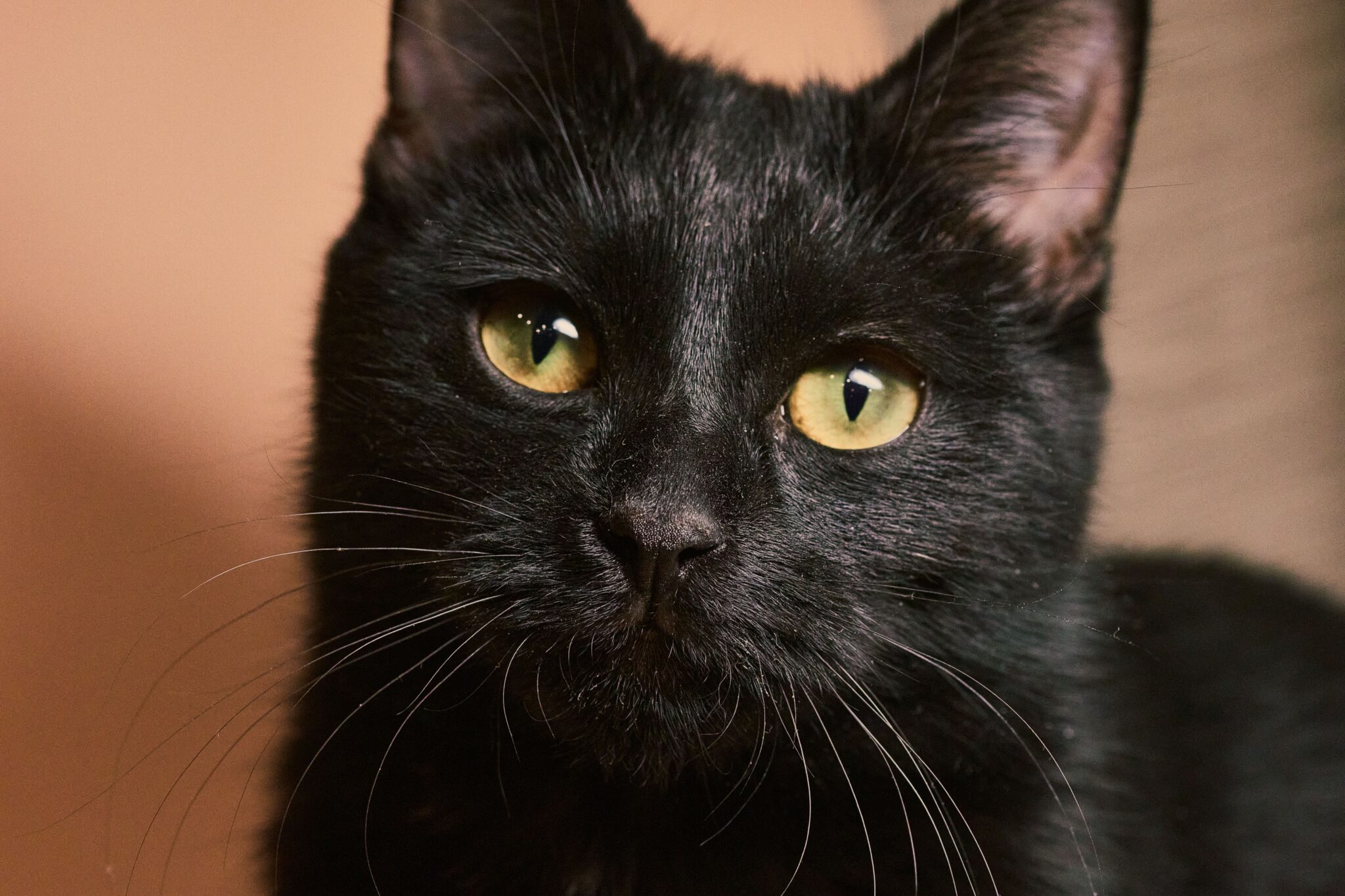
A black cat’s coat color comes from genetics that influence the production and distribution of melanin, the pigment responsible for dark coloration. Variations in genes involved in pigmentation can produce a solid black coat, although some black cats have subtle markings that become visible in bright sunlight. Their eyes may be gold, copper, green, or other shades, depending on the individual cat’s genetics. Black fur does not indicate a special personality, magical ability, or connection to the supernatural. In fact, black cats can belong to many different breeds and mixed-breed backgrounds. Their appearance is a natural variation among domestic cats, just like tabby stripes, white markings, and other coat patterns. Understanding the science helps separate the animal’s real characteristics from centuries of imaginative storytelling.
Adoption Stereotypes Have Affected Their Reputation
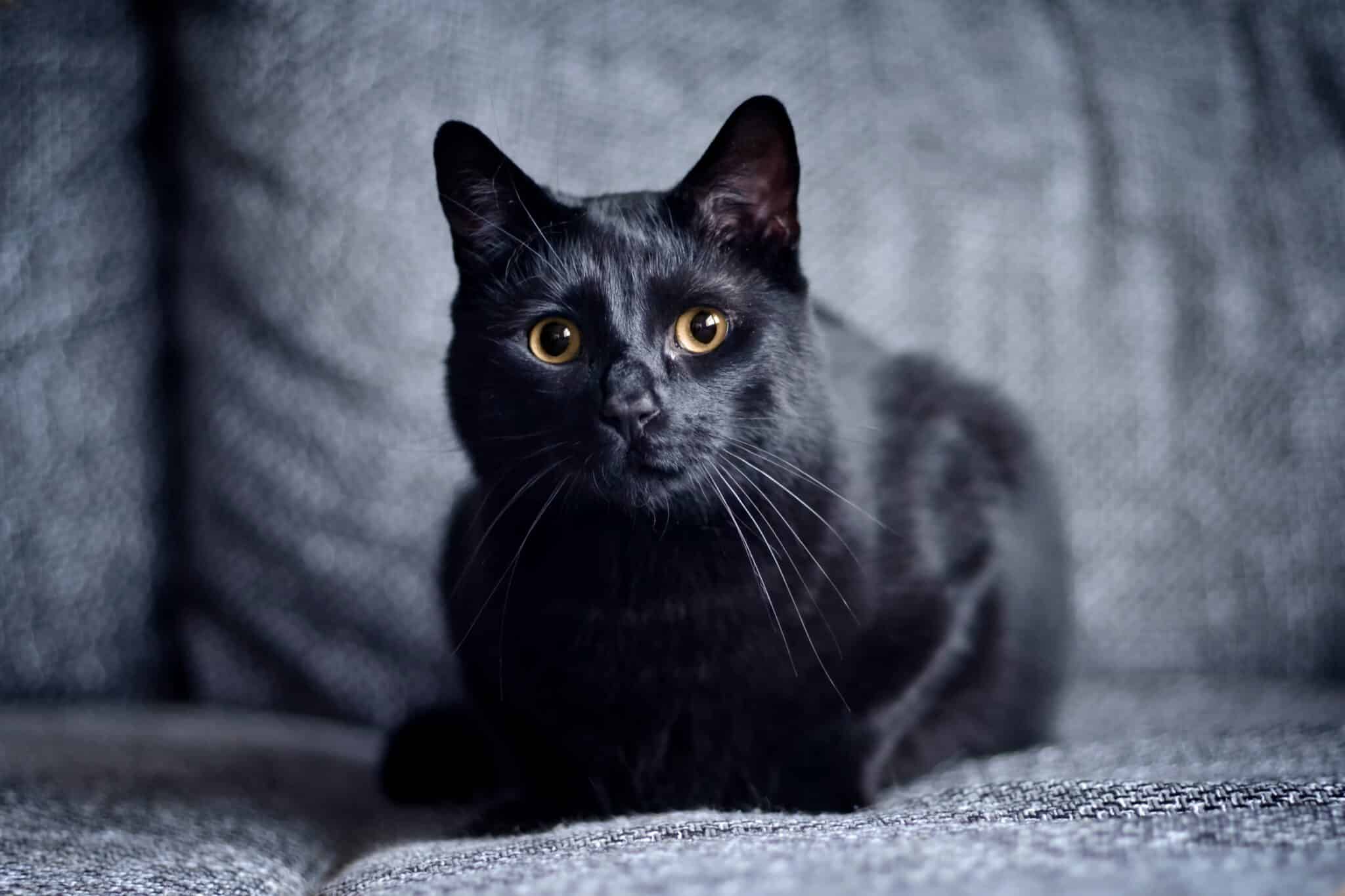
Despite their popularity in artwork and holiday decorations, black cats have sometimes faced adoption-related stereotypes. Animal shelters and rescue organizations have raised concerns that some potential adopters overlook black cats because of superstition, personal preferences, or the belief that their features are less noticeable in photographs. The extent of this effect varies across shelters and communities, so it should not be assumed that every black cat waits longer for a home. Still, coat color should never be a substitute for evaluating an animal’s health, temperament, and compatibility with a household. Black cats can be affectionate, playful, independent, or shy, just like cats of other colors. Meeting an individual cat and learning about their personality offers a much fairer picture than relying on appearance or folklore.
Special Appreciation Days Celebrate Their Beauty
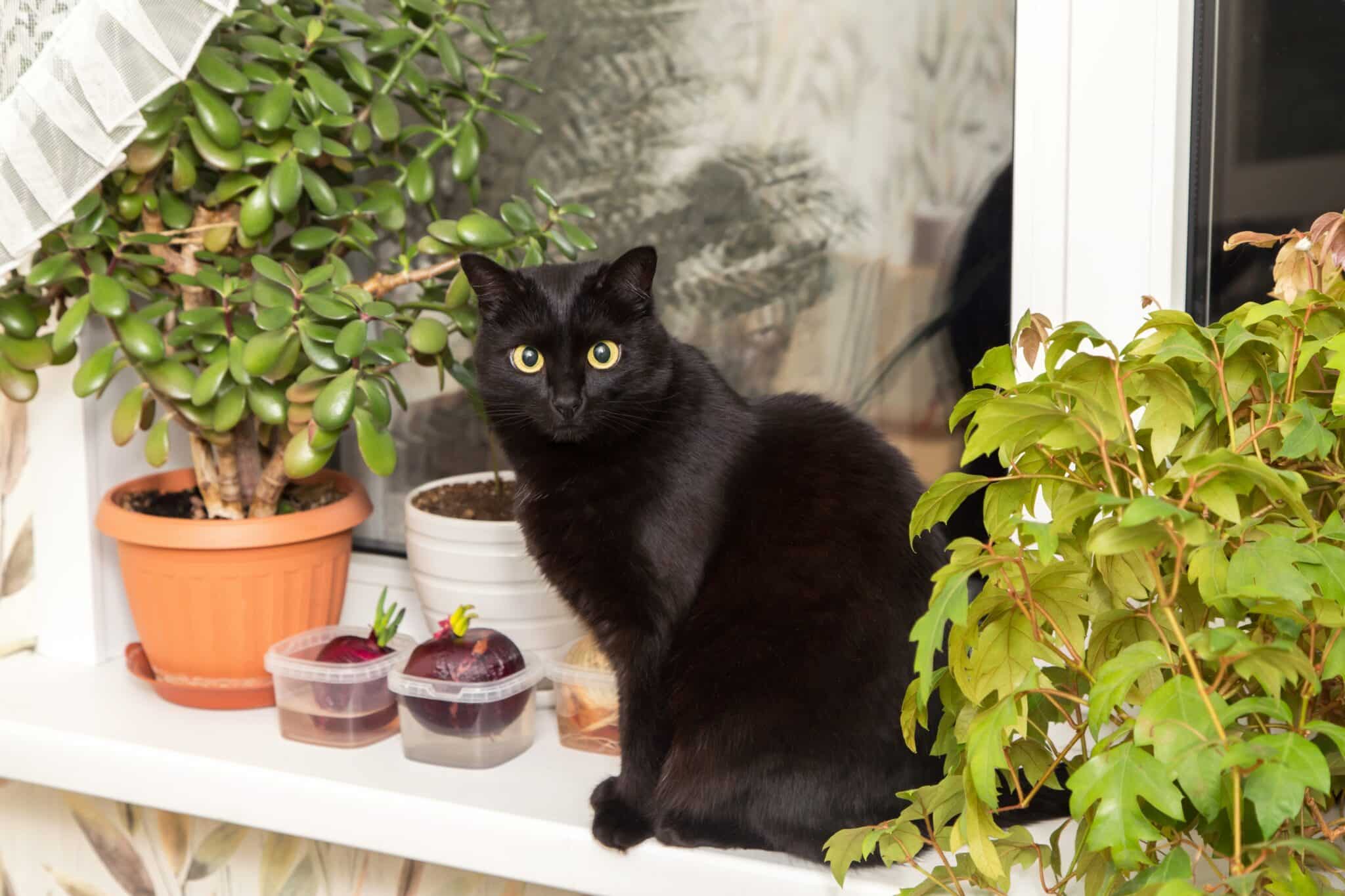
Black cats have become the focus of special appreciation events intended to celebrate their beauty and encourage adoption. In the United States, National Black Cat Appreciation Day is observed on August 17, while the United Kingdom celebrates National Black Cat Day on October 27. These occasions encourage people to share positive stories, highlight adoptable cats, and challenge outdated superstitions. Shelters and animal welfare groups may use the dates to showcase cats seeking homes or offer educational messages about responsible adoption. The celebrations also provide an opportunity to appreciate the individuality of every cat, rather than treating coat color as a measure of luck or personality. Although the events are relatively modern compared with the folklore surrounding black cats, they help give these animals a more positive place in public awareness.
Modern Stories Continue to Challenge Old Superstitions
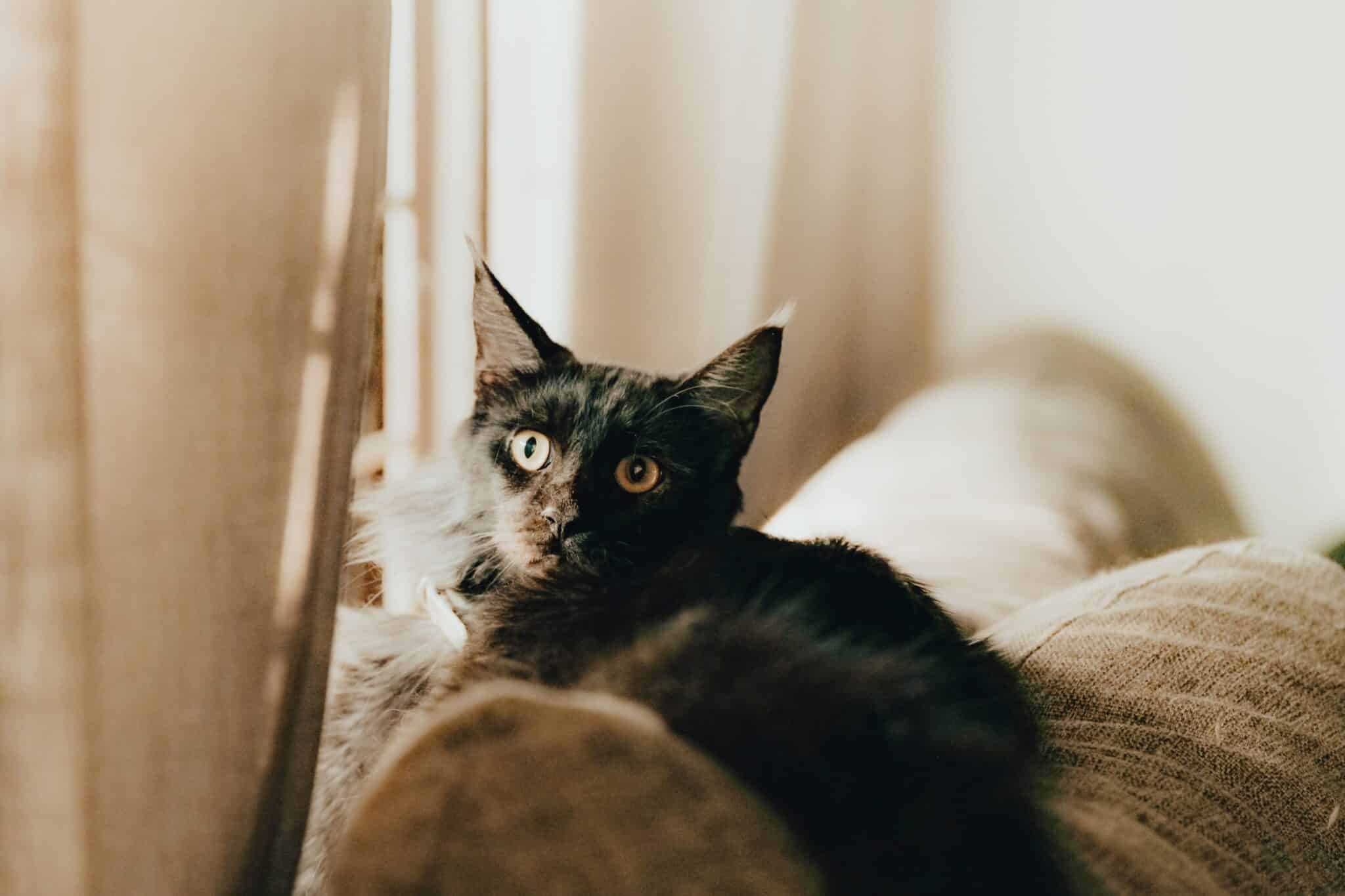
Today, black cats appear in family photographs, online videos, children’s stories, and homes around the world. Their historical reputation still influences Halloween imagery, but many people now recognize the difference between entertaining folklore and the needs of a living animal. A black cat can be playful, affectionate, cautious, energetic, or independent, with a personality shaped by genetics, early experiences, health, and environment. None of those traits can be predicted reliably from coat color alone. Learning about their history reveals how beliefs can change over time, while responsible care gives cats a better chance to thrive in the present. The most meaningful way to celebrate these animals is to appreciate their individuality and offer them the same kindness and protection as any other companion.
The Real Magic Lies in Their Remarkable Past
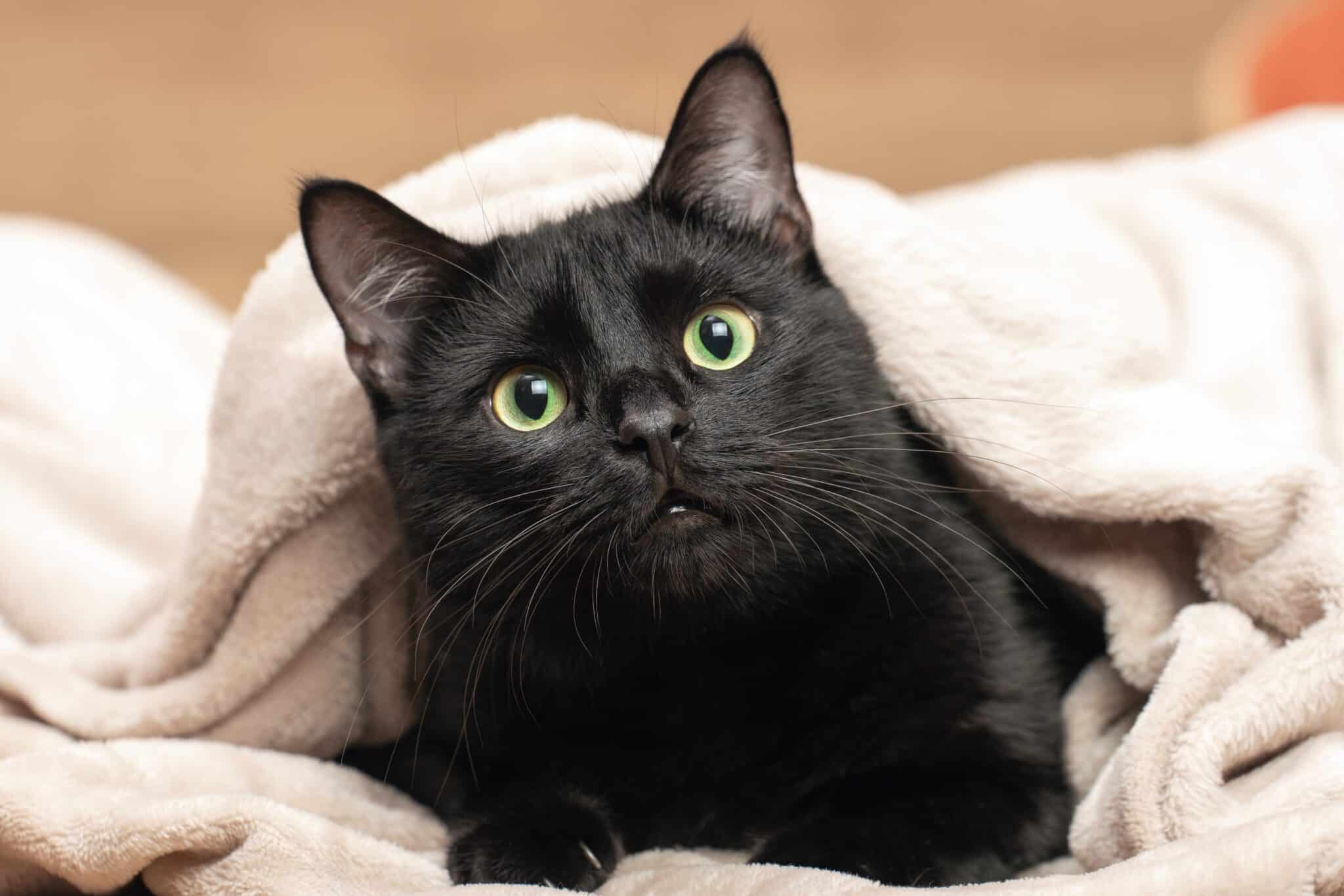
Black cats have moved through centuries of human history as symbols of protection, prosperity, mystery, fear, and artistic inspiration. Their stories reveal more about changing cultural beliefs than about the animals themselves. While some traditions unfairly portrayed them as unlucky, others welcomed them as signs of good fortune or valued them as hardworking ship companions. Today, black cats continue to charm people with their distinctive coats and individual personalities. Understanding their past helps challenge persistent myths and encourages a more compassionate view of these animals. Behind every superstition is a real cat deserving of safety, affection, and a loving home, regardless of the color of their fur.
This content was created with AI assistance and edited by the iHeartCats team.