
When temperatures begin to drop, cats often develop seasonal habits that make their personalities even more entertaining. A cat who usually sleeps independently may suddenly claim a spot beneath the blankets, while another searches for the sunniest window. Colder weather can influence sleeping preferences, activity levels, grooming habits, and mealtime routines. These changes often reflect natural instincts, temperature regulation, and a desire for comfort. Understanding these behaviors helps cat owners keep their companions happy, comfortable, and safe throughout the colder months.
They Search for the Warmest Sleeping Spots
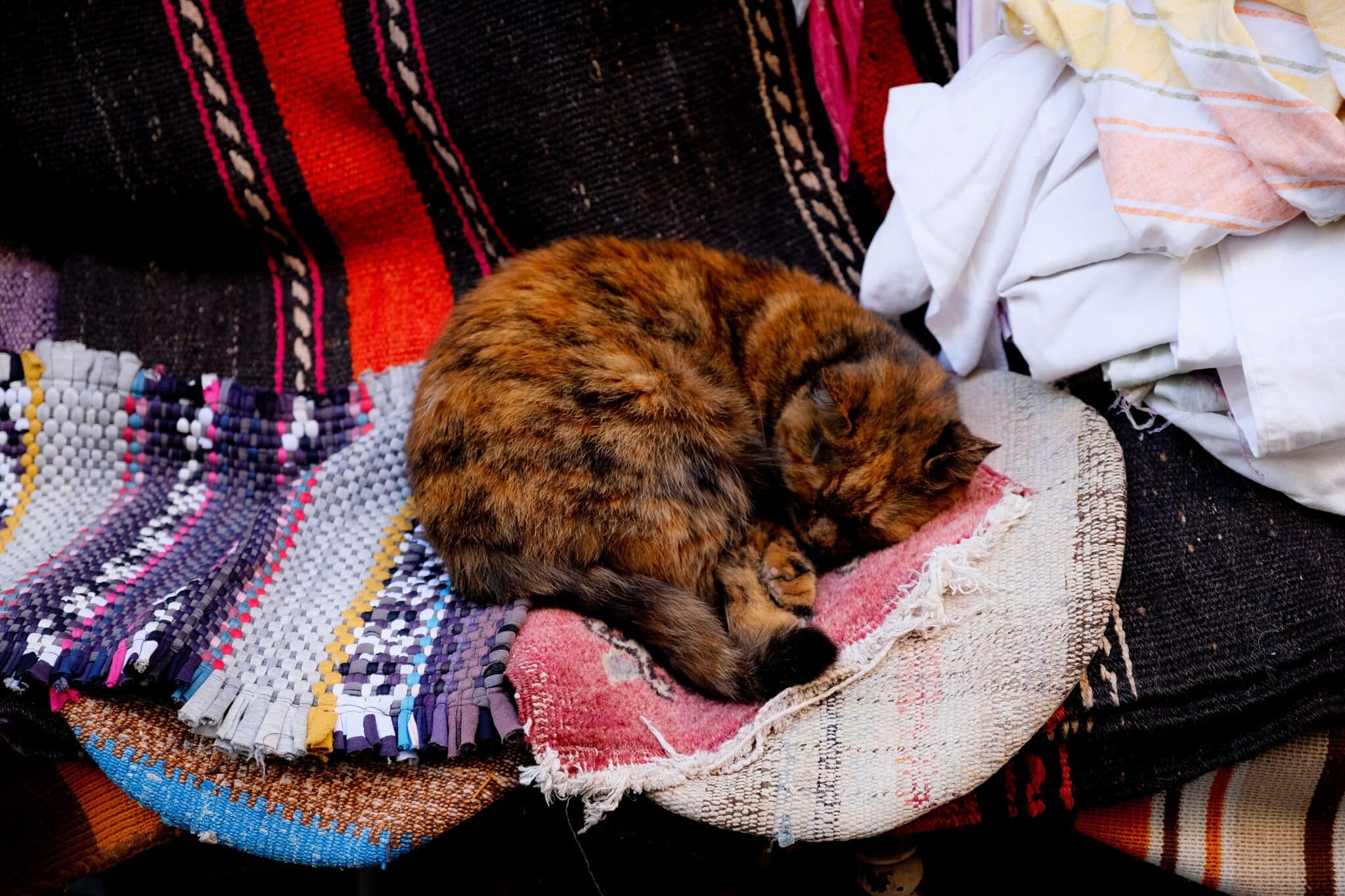
A cat’s ability to locate the warmest place in the house becomes particularly impressive when the weather turns cold. A sunny windowsill, freshly warmed laundry basket, cozy couch cushion, or spot near a heating vent can suddenly become a favorite sleeping destination. Cats naturally seek comfortable temperatures because conserving body heat helps them maintain their energy. Their normal body temperature is higher than that of humans, making chilly surroundings particularly noticeable when they are resting. Curling into a compact ball also helps reduce exposed body surface and limit heat loss. Providing soft bedding in draft-free areas gives cats comfortable places to settle without having to compete for the warmest household territory.
They Become More Interested in Sleeping Beside Us
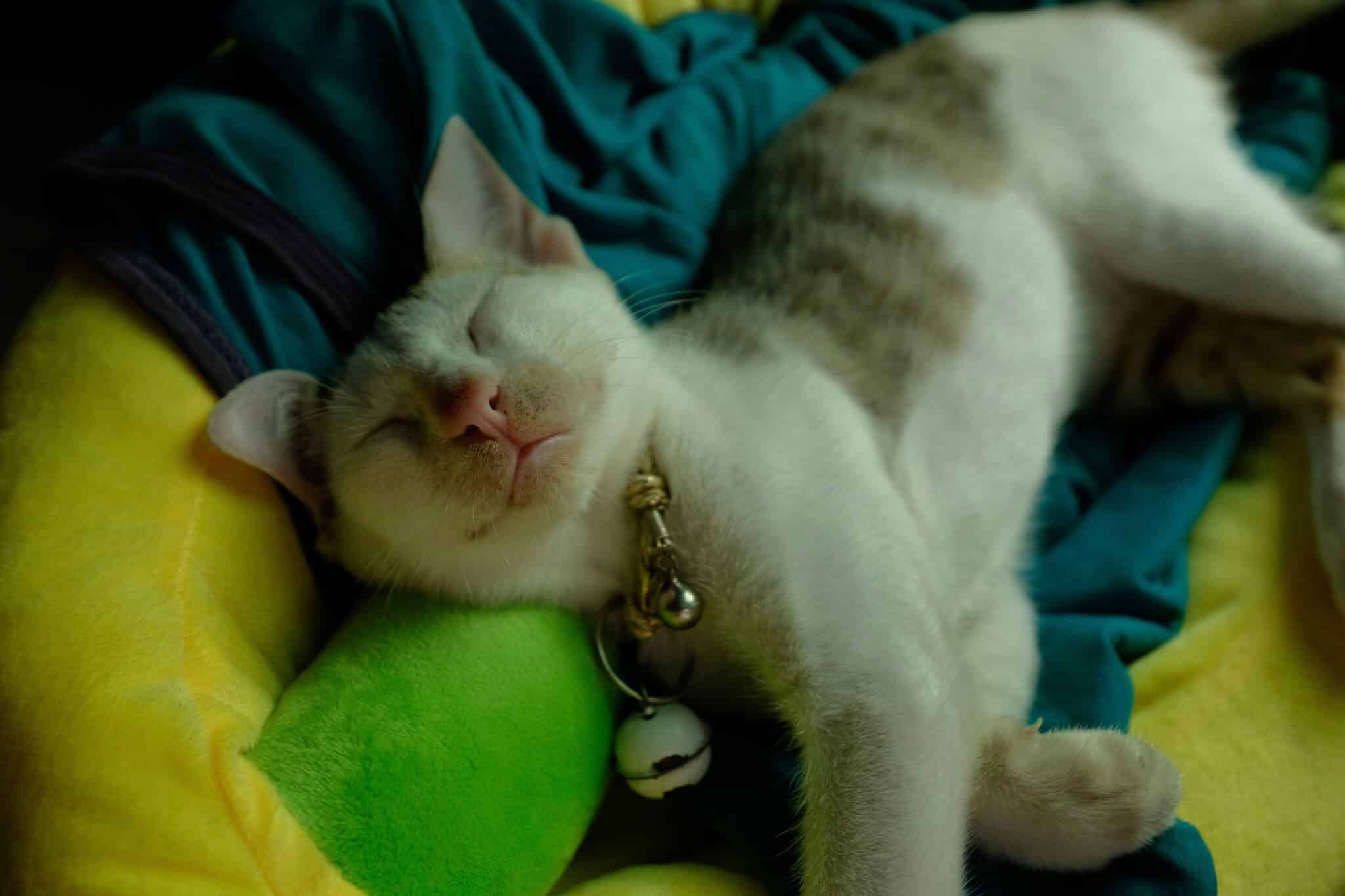
A cat that normally prefers sleeping alone may suddenly become a nighttime cuddle enthusiast when temperatures fall. Human bodies provide a convenient source of warmth, making beds and couches especially attractive during colder months. Socially bonded cats may also enjoy the security and familiarity of resting near their favorite people. However, warmth is not the only possible motivation, since some cats naturally prefer sleeping close to familiar companions throughout the year. Others may choose a nearby blanket rather than direct physical contact. Giving them the option to snuggle or sleep independently allows them to enjoy comfortable nighttime arrangements without feeling restricted.
They Spend More Time Basking in Sunlight
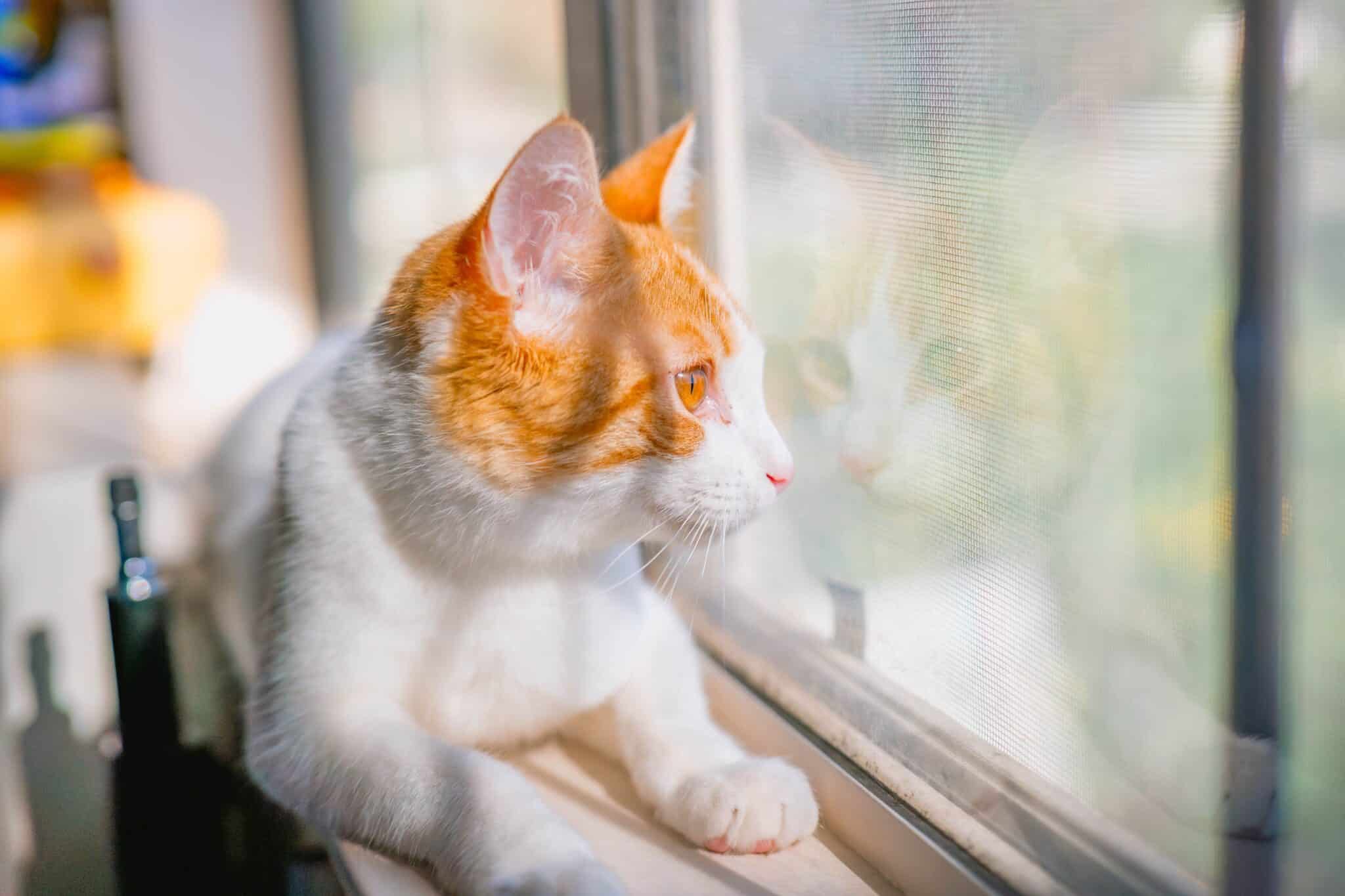
That sunny patch on the floor becomes prime real estate when chilly weather arrives. Cats are naturally attracted to warm resting places, and sunlight provides an easy way to maintain body warmth without using much energy. A cat may spend an entire afternoon following the sun’s movement across the living room, relocating from one comfortable spot to another. This behavior is especially noticeable during winter when daylight enters the home at different angles. Sunbathing also provides an opportunity for uninterrupted rest and observation. Just make sure windows are secure and that indoor temperatures remain comfortable, since prolonged exposure to strong sunlight can contribute to overheating.
They Curl Up More Tightly When Resting
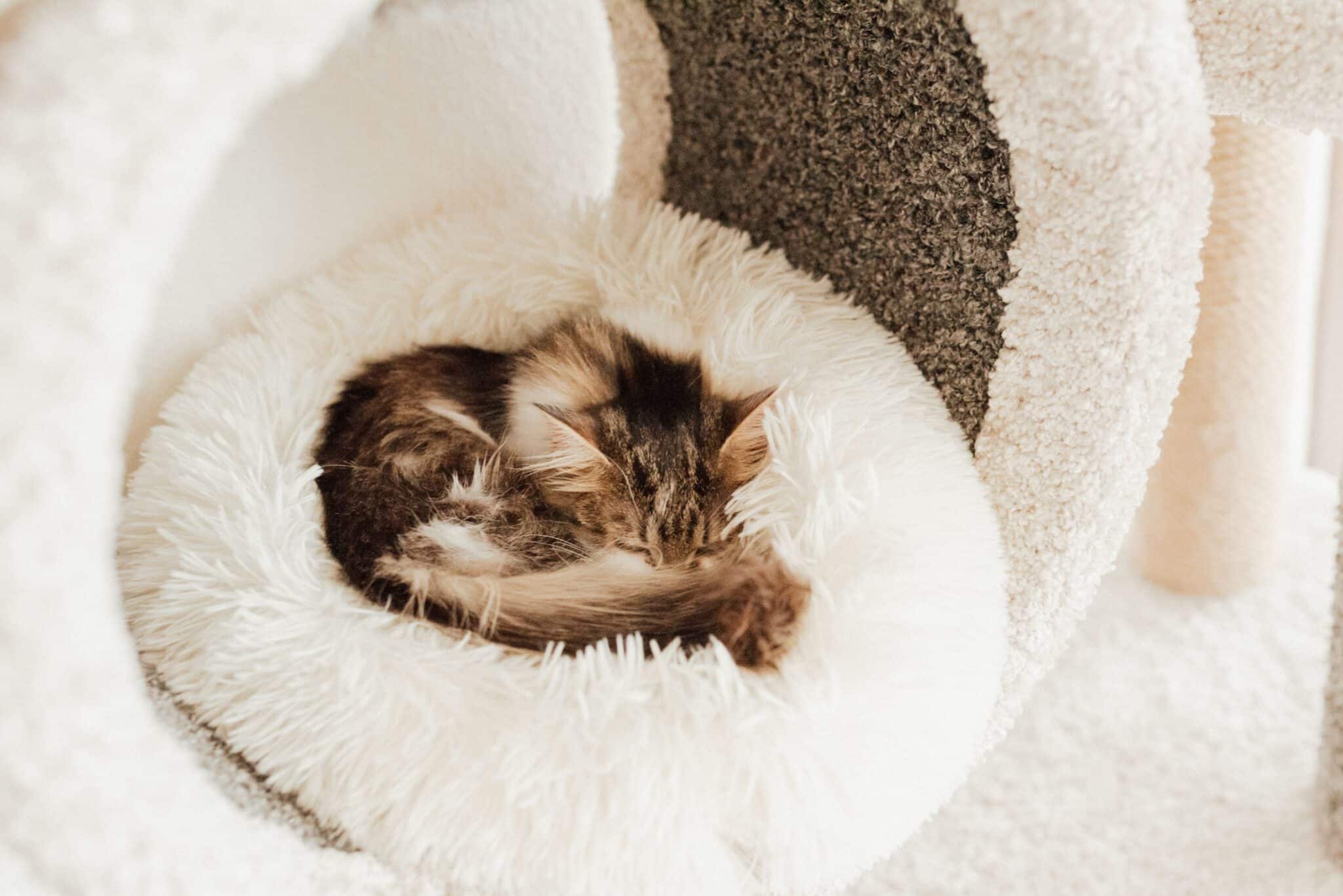
Cats already enjoy curling into adorable sleeping positions, but colder temperatures can make this posture even more common. Tucking their paws beneath their bodies and bringing their tails close to their faces helps reduce the amount of exposed surface area. This compact position is a practical way to conserve body heat while resting. It also protects sensitive areas, including the belly and paws, from cooler air. Some cats may choose enclosed beds, cardboard boxes, or covered hiding places that provide additional insulation. Although curling up is generally normal, persistent hunching accompanied by stiffness, reduced appetite, or unusual behavior deserves veterinary attention.
They Become Less Active During the Day
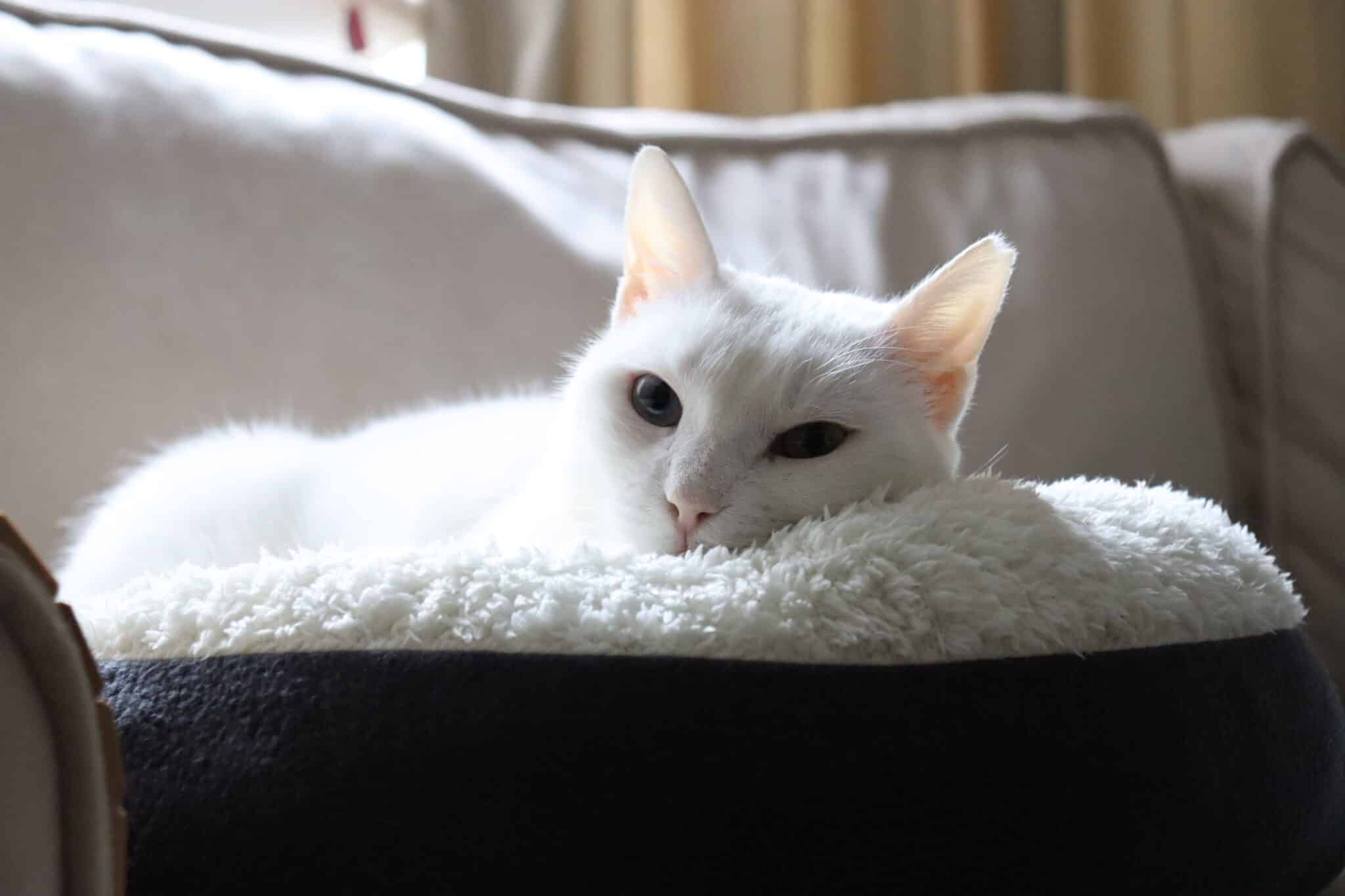
A normally energetic cat may appear more interested in sleeping when the temperature drops. Colder weather can influence daily activity patterns, particularly when outdoor conditions become unpleasant or daylight hours decrease. Indoor cats may also have fewer opportunities to explore balconies, enclosed patios, or other familiar outdoor spaces. Spending more time resting can help conserve energy, especially when comfortable sleeping locations are readily available. However, cats still need regular physical activity and mental stimulation throughout winter. Interactive toys, climbing furniture, food puzzles, and short play sessions can encourage movement without requiring anyone to venture into the cold.
They Seek Out Enclosed and Cozy Hiding Places
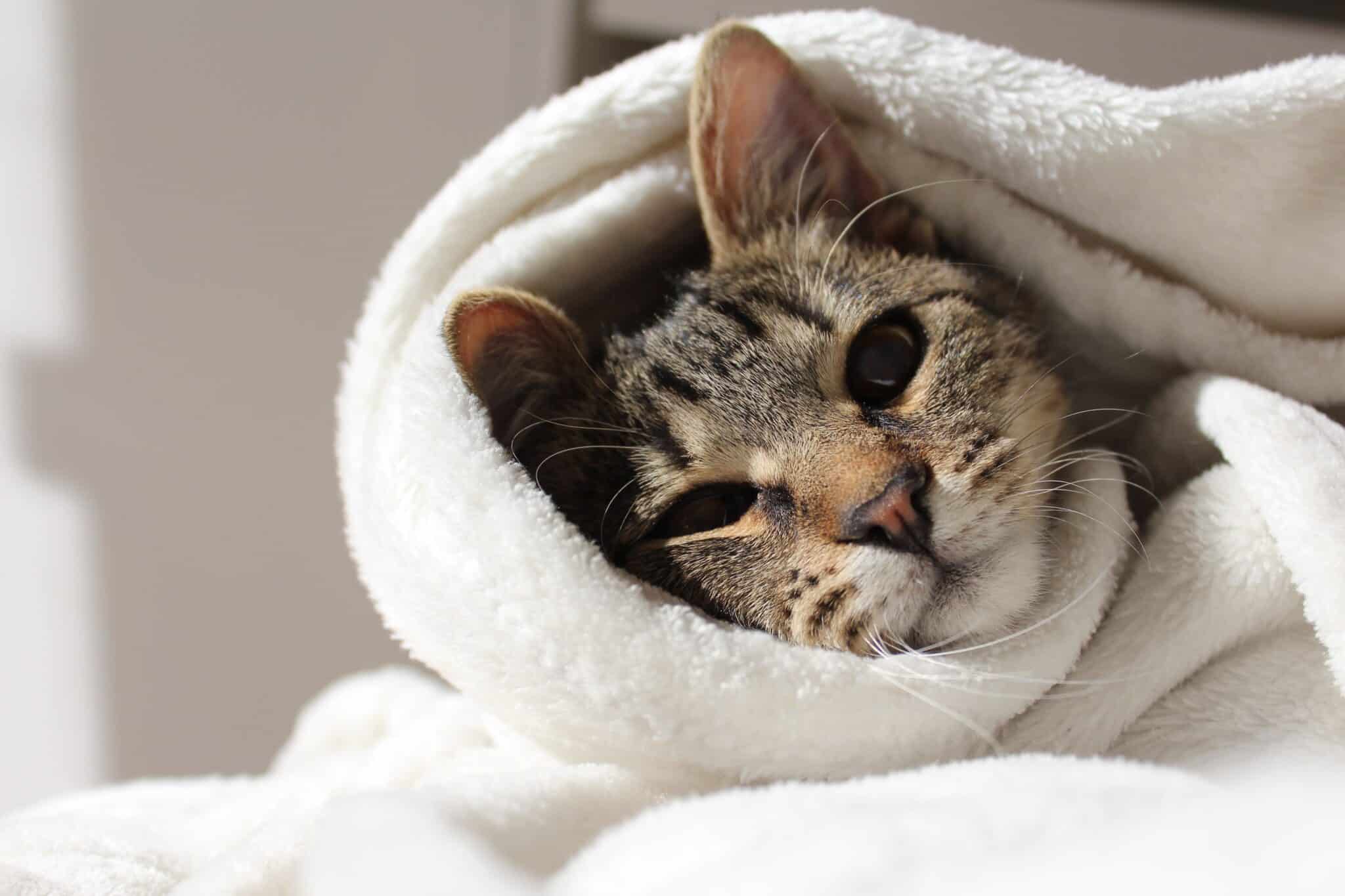
Cardboard boxes, covered pet beds, laundry baskets, and even the space beneath a blanket can become irresistible hiding places during colder months. Enclosed spaces help cats feel protected while limiting exposure to drafts and cooler air. Their natural preference for secure resting areas also plays a role, since small hiding spots can provide a sense of safety and control over their surroundings. A cat may disappear into a favorite box for hours, emerging only when food, playtime, or household activity becomes interesting enough. Offering several comfortable hiding options can make the home more inviting, particularly for cats that enjoy quiet, sheltered resting places.
They Become More Demanding About Blankets and Soft Bedding
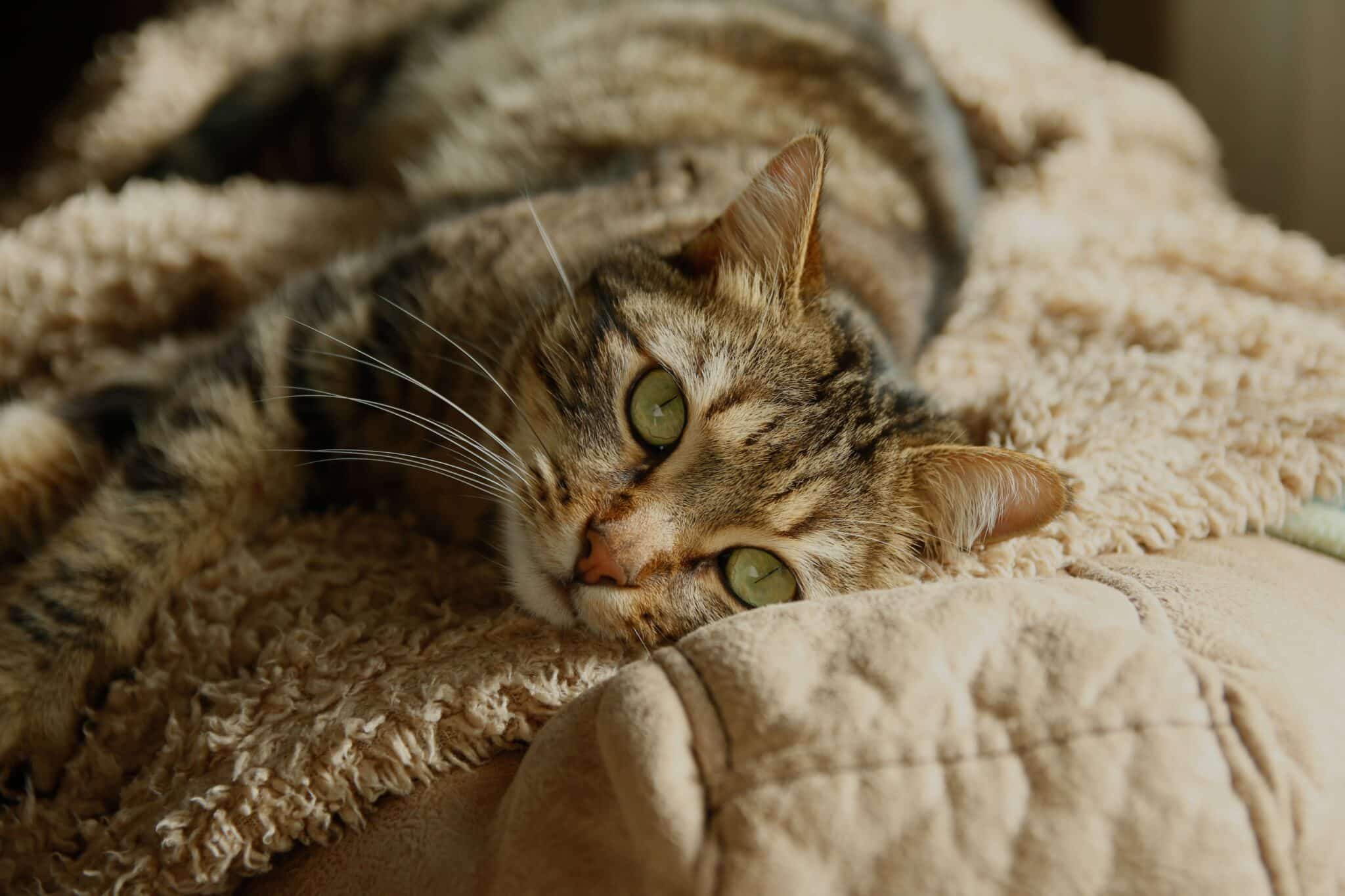
When the weather gets chilly, even the most independent cat may become surprisingly particular about where they settle. Thick blankets, plush cushions, fleece beds, and soft bedding provide insulation while creating comfortable surfaces for extended naps. Some cats also knead blankets before lying down, a behavior associated with early kitten nursing and commonly retained into adulthood. The repeated paw movements can help them settle into a preferred resting spot. Others may scratch, rearrange, or circle their bedding before finally getting comfortable. Keeping washable blankets available in favorite sleeping areas gives cats plenty of opportunities to create their own cozy winter retreats.
They May Eat More During Colder Weather
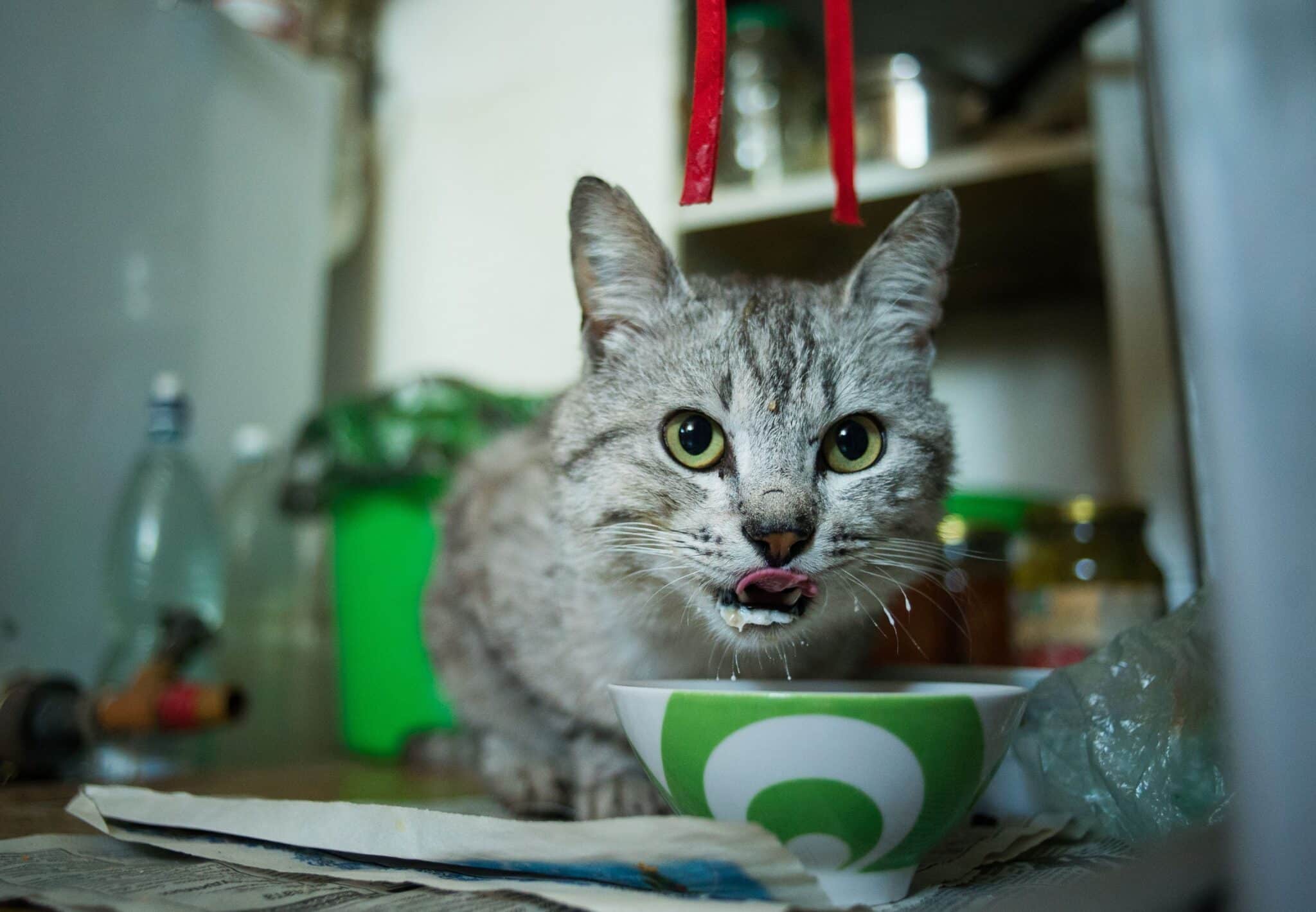
Changes in appetite can become noticeable when outdoor temperatures fall, although not every cat experiences an increased desire for food. Cats that spend time outdoors may require additional energy to maintain body temperature in cold conditions. Indoor cats, on the other hand, generally have more stable environments and may not need additional calories simply because the season has changed. Their appetite can also be influenced by activity levels, individual metabolism, and feeding routines. Owners should continue providing appropriately portioned, balanced meals rather than automatically increasing food amounts. Sudden or persistent appetite changes should also be discussed with a veterinarian.
They Groom Their Coats More Noticeably
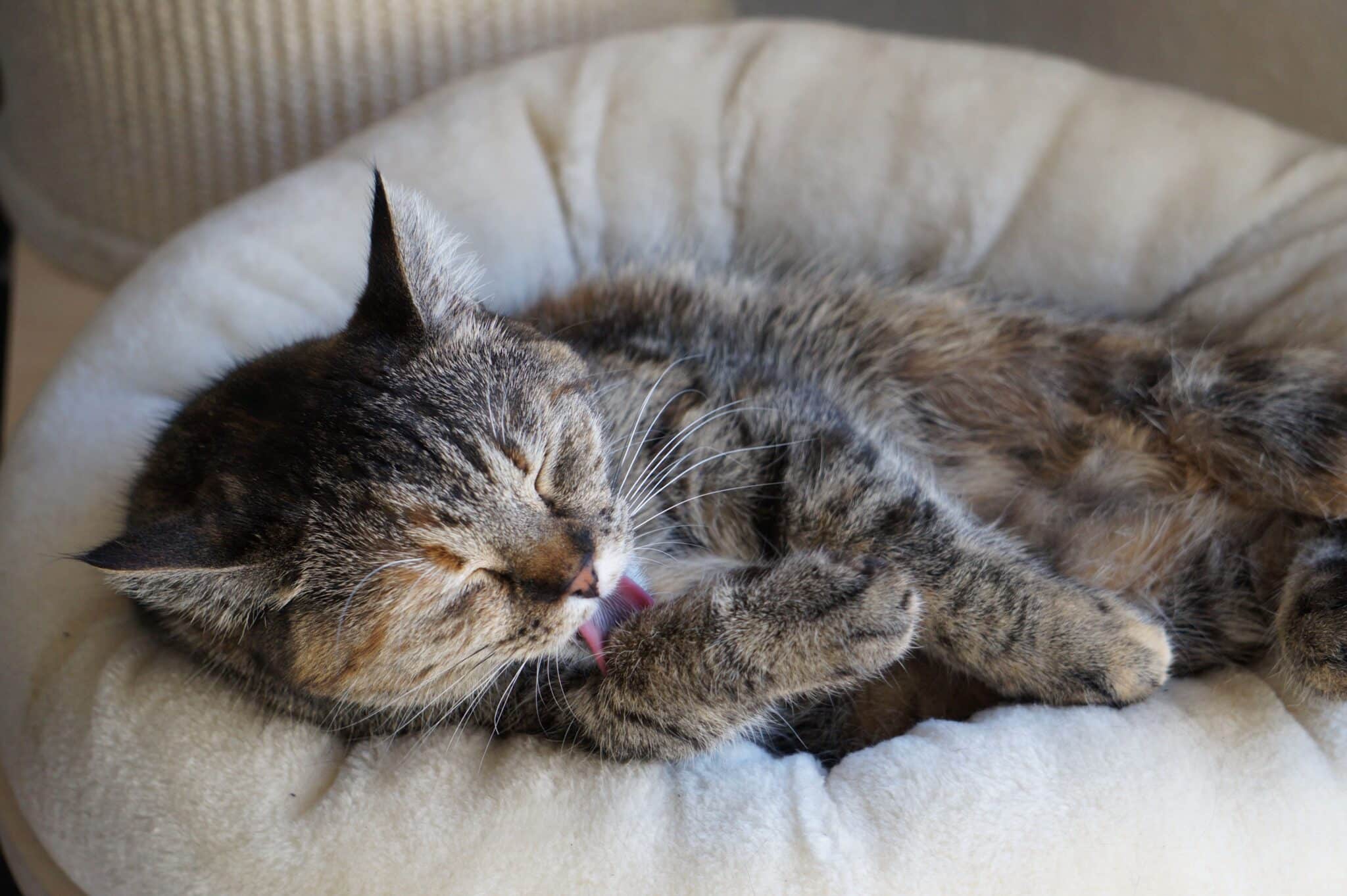
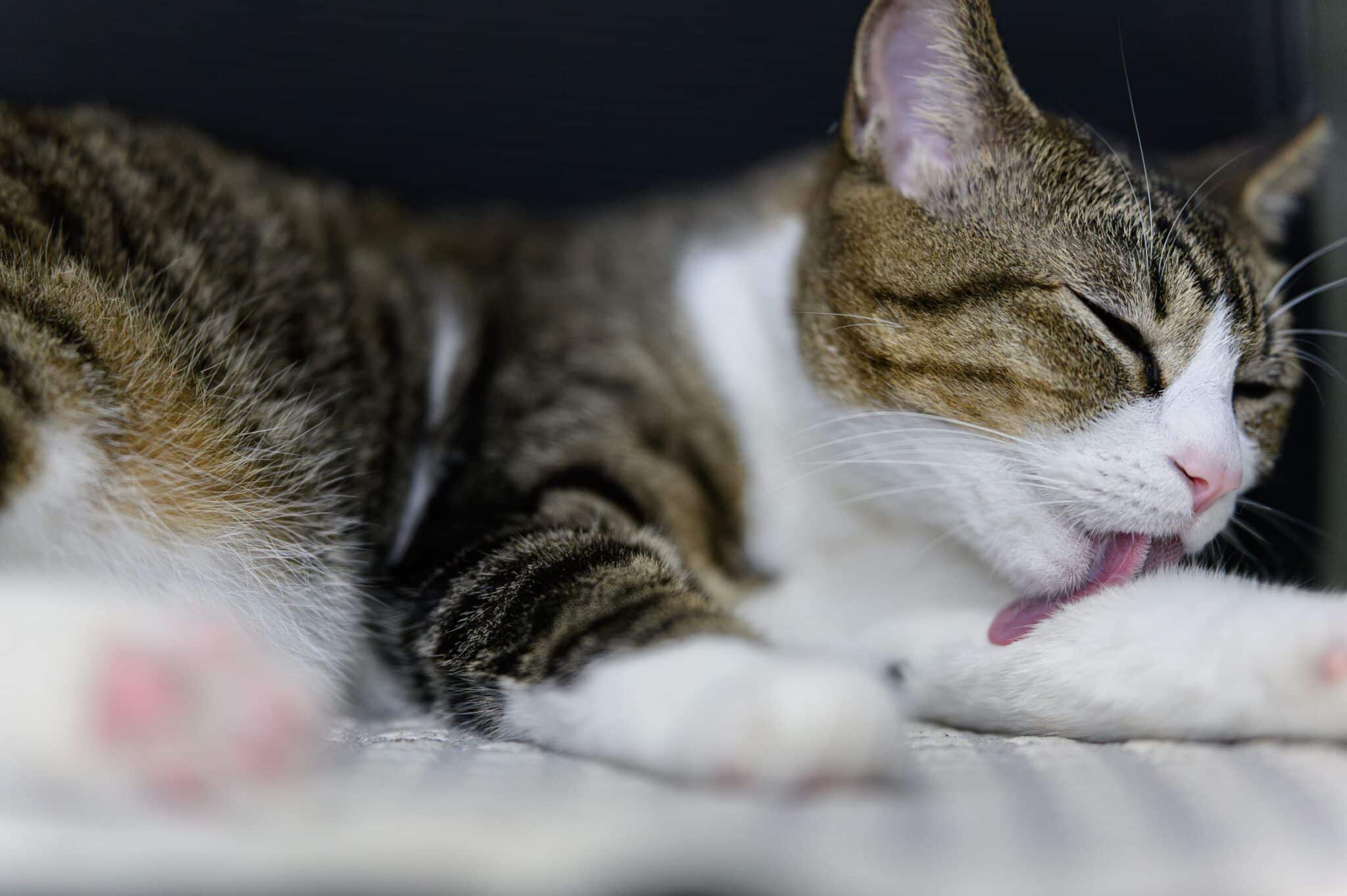
A cat’s coat plays an important role in protecting the body from environmental temperatures, and grooming helps keep that natural insulation in good condition. During seasonal changes, some cats develop thicker coats as daylight patterns and temperatures influence their shedding cycles. They may spend noticeable amounts of time licking, cleaning, and arranging their fur. Regular grooming distributes natural skin oils and helps remove loose hair, although excessive licking can sometimes indicate stress, irritation, or discomfort. Long-haired cats may also need additional brushing to prevent mats from forming. Paying attention to changes in grooming habits helps owners distinguish normal coat maintenance from behavior that might require veterinary advice.
They Spend More Time Watching the Outdoors From Windows
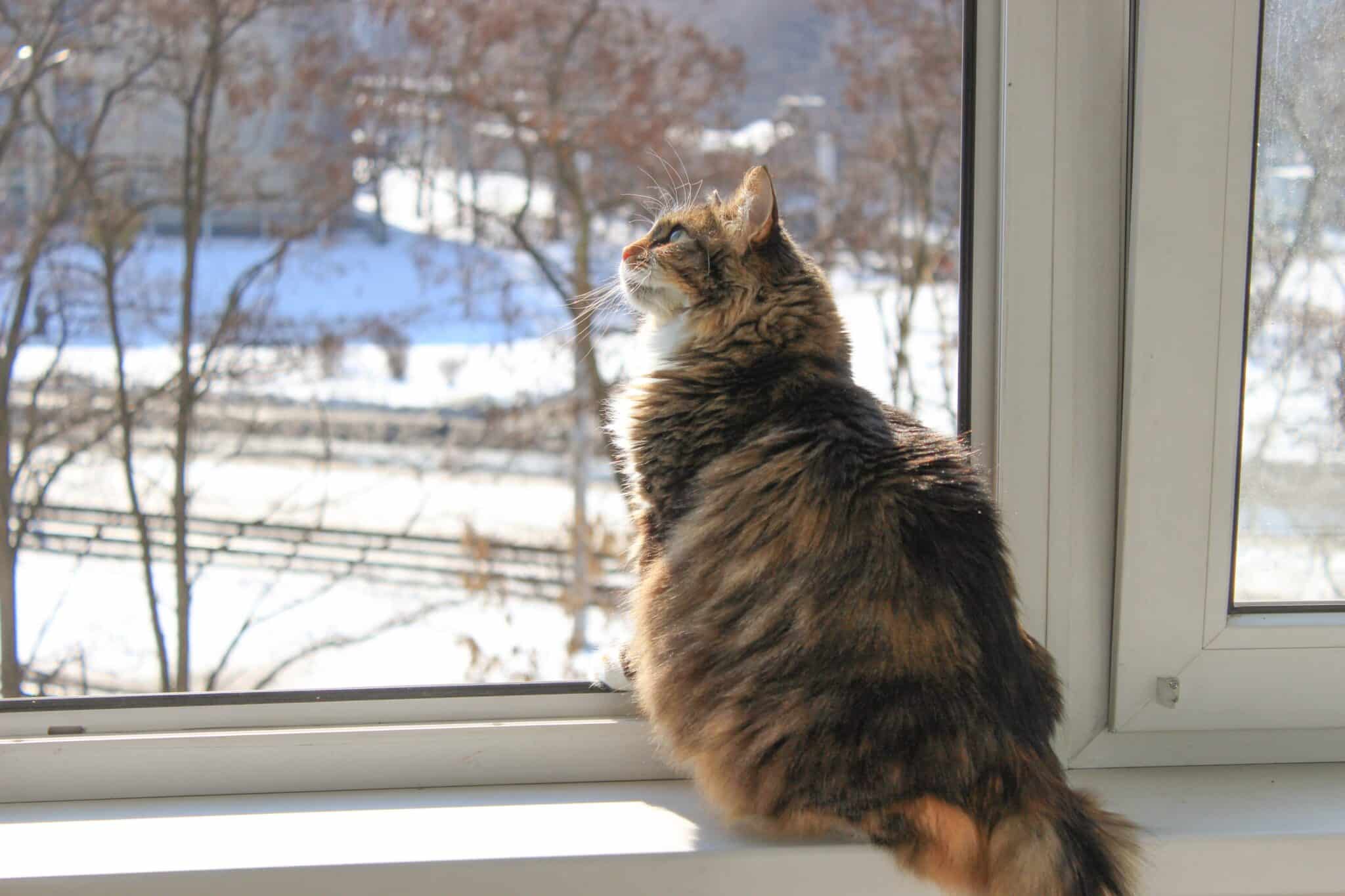
When outdoor adventures become less appealing, windows can provide hours of entertainment. Cats naturally enjoy observing movement, and watching birds, falling leaves, passing people, or neighborhood animals gives them plenty to investigate. A comfortable windowsill also combines two things cats appreciate during cold weather: warmth and an interesting view. Some may chatter at birds or move their tails while following activity outside, displaying the excitement associated with their hunting instincts. Even cats that rarely venture outdoors can enjoy this form of environmental enrichment. Secure window screens and comfortable perches allow them to observe the changing season safely from inside.
They Look for More Attention and Indoor Entertainment
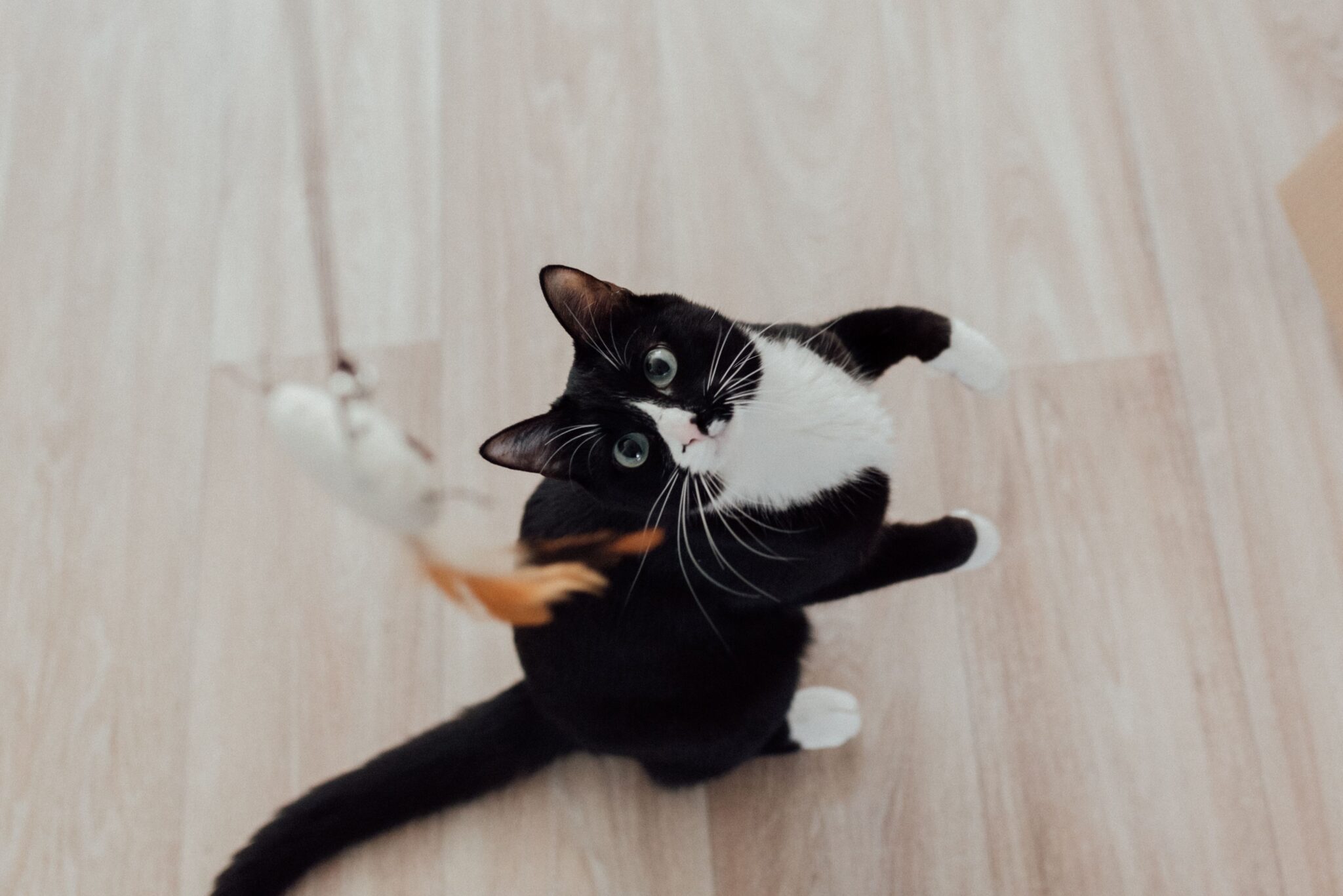
A cat that has fewer opportunities to explore outside may begin seeking additional entertainment from household members. They might follow someone between rooms, bring a favorite toy into the living area, vocalize for attention, or appear whenever an interesting activity begins. Reduced outdoor stimulation can make indoor enrichment especially important during colder months. Interactive toys, puzzle feeders, scratching posts, and climbing structures provide opportunities to practice natural behaviors such as stalking, chasing, and exploring. Some cats may also become more socially engaged simply because their favorite people spend more time indoors. Regular play and attention help prevent boredom while keeping everyday routines interesting.
A Little Extra Warmth Makes Winter Better For Cats
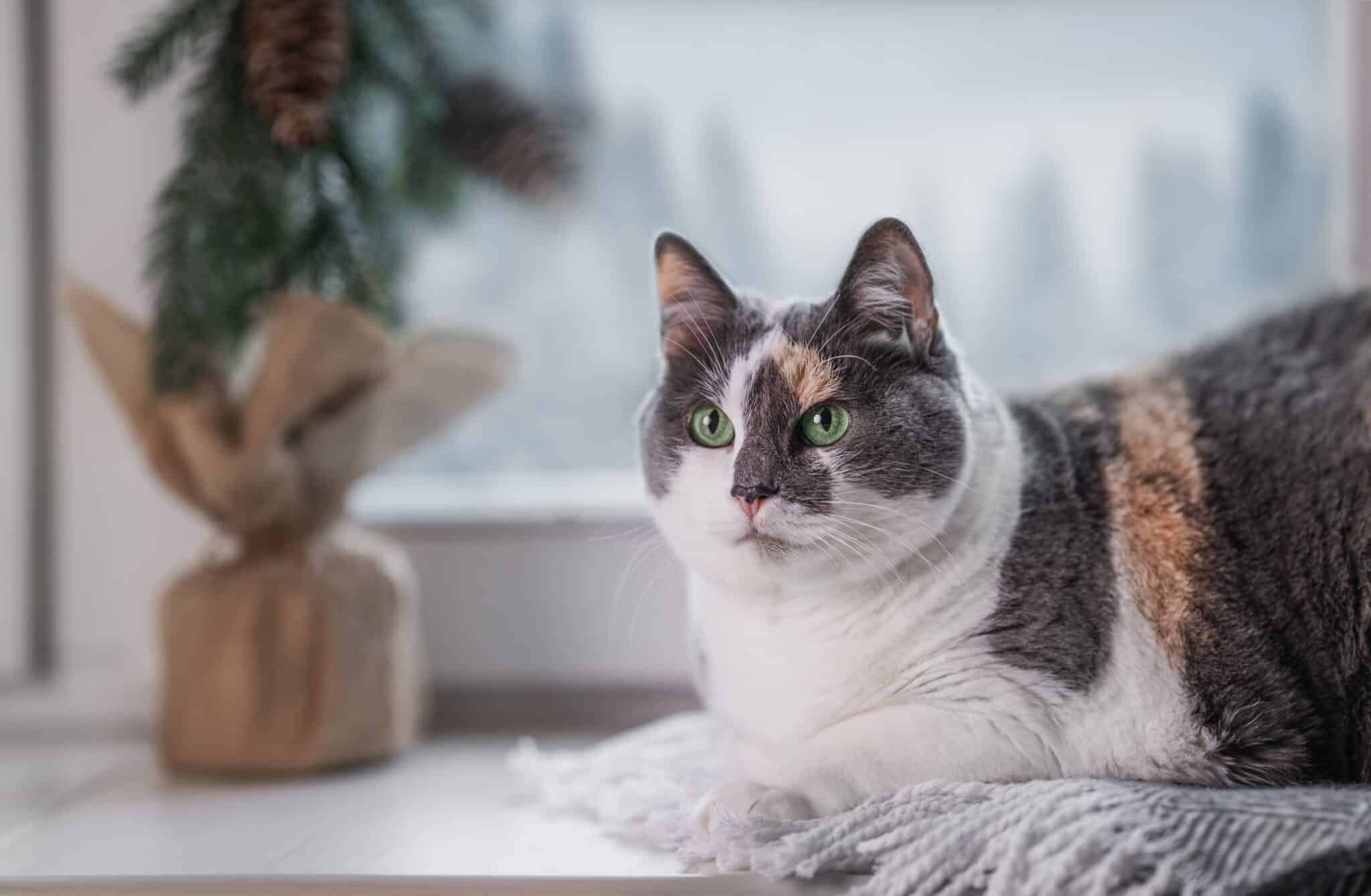
Cold weather can bring amusing changes in feline behavior, from blanket stealing and sunny-window lounging to unexpected nighttime cuddles. These habits often reflect natural instincts to conserve body heat, find secure resting places, and maintain comfortable routines. Every cat responds differently to seasonal changes, so understanding individual preferences is important. Providing warm bedding, regular playtime, balanced meals, and comfortable indoor temperatures can make winter more enjoyable. With extra care, cats can spend colder months doing what they do best: finding cozy spots, observing everything, and making ordinary days more entertaining.
This content was created with AI assistance and edited by the iHeartCats team.