
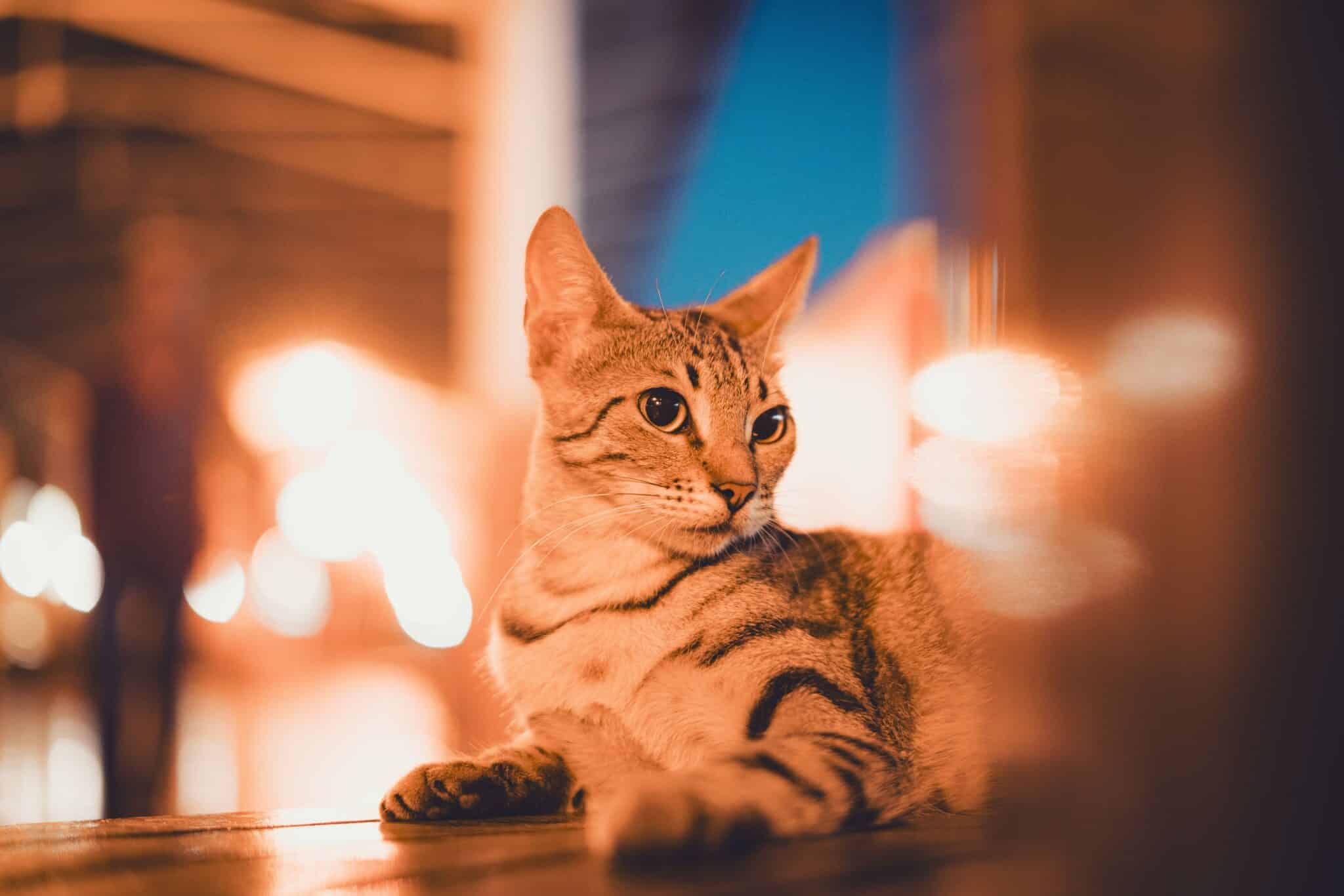
Thanksgiving dinner may be a special occasion for humans, but cats find the entire event just as fascinating. Delicious smells drifting from the kitchen can attract curious noses and watchful eyes. Some cats inspect dining tables, investigate grocery bags, or position themselves suspiciously close to the turkey. Their interest is not necessarily about stealing food. Powerful senses, natural hunting instincts, familiar routines, and changing household activity make holiday preparations especially exciting. Understanding these motivations helps cat owners appreciate their companions’ curiosity while keeping everyone safe throughout the celebration.
The Delicious Smells Are Impossible to Ignore
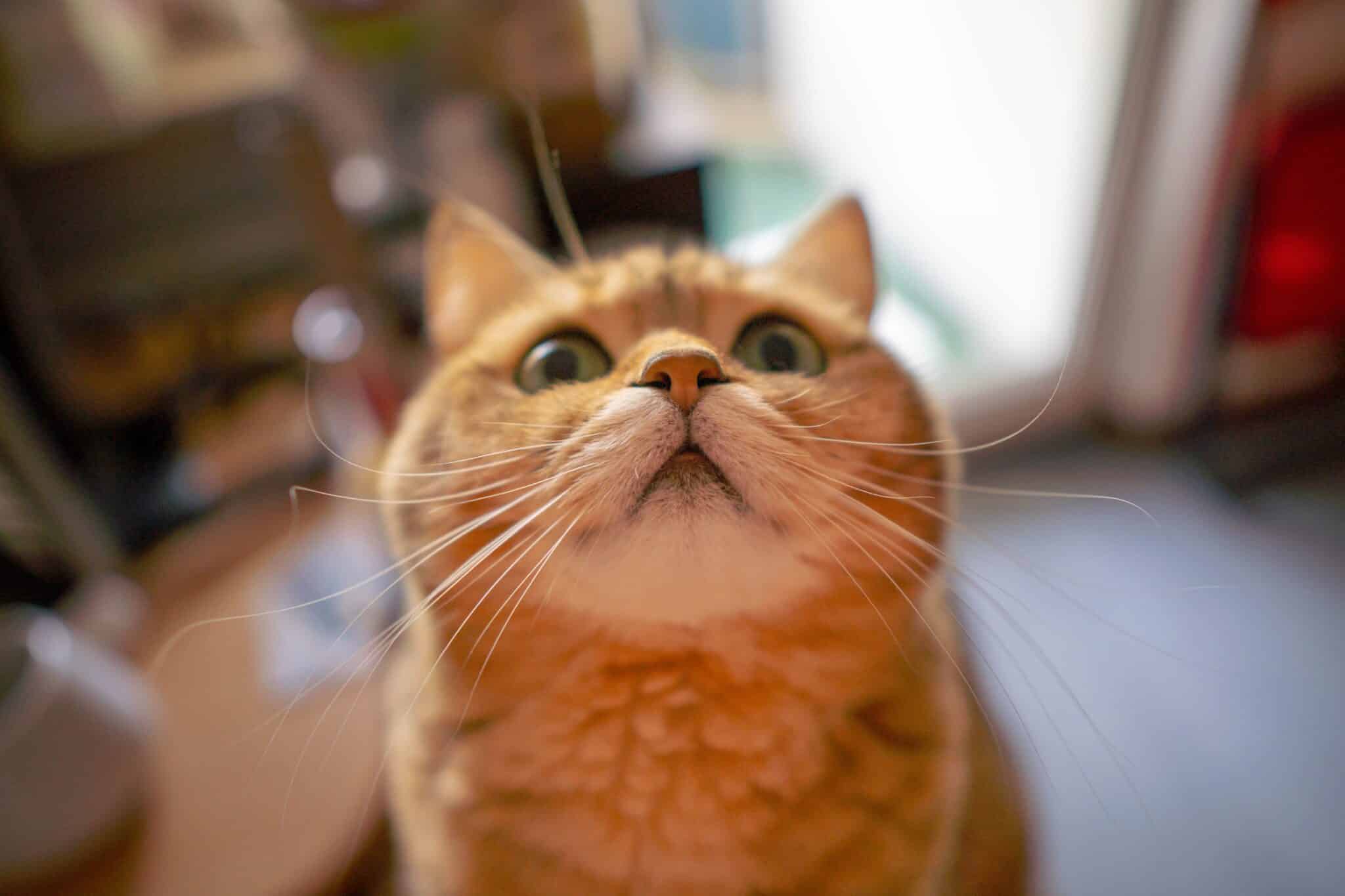
A Thanksgiving kitchen can become an irresistible sensory experience for a cat. Roasted turkey, cooked vegetables, butter, and other holiday dishes release powerful aromas that travel throughout the house. Cats have an exceptionally developed sense of smell, which helps them investigate their surroundings and recognize familiar substances. Although their sense of smell is not as sensitive as a dog’s, it is considerably stronger than a human’s. Those delicious cooking scents can easily attract attention, especially when they come from foods containing meat or other animal proteins. A cat wandering toward the kitchen may simply be following an interesting smell to discover its source. Their investigation does not necessarily mean they are hungry, but the aroma certainly gives them a reason to pay attention.
Turkey Triggers Their Natural Meat-Eating Instincts
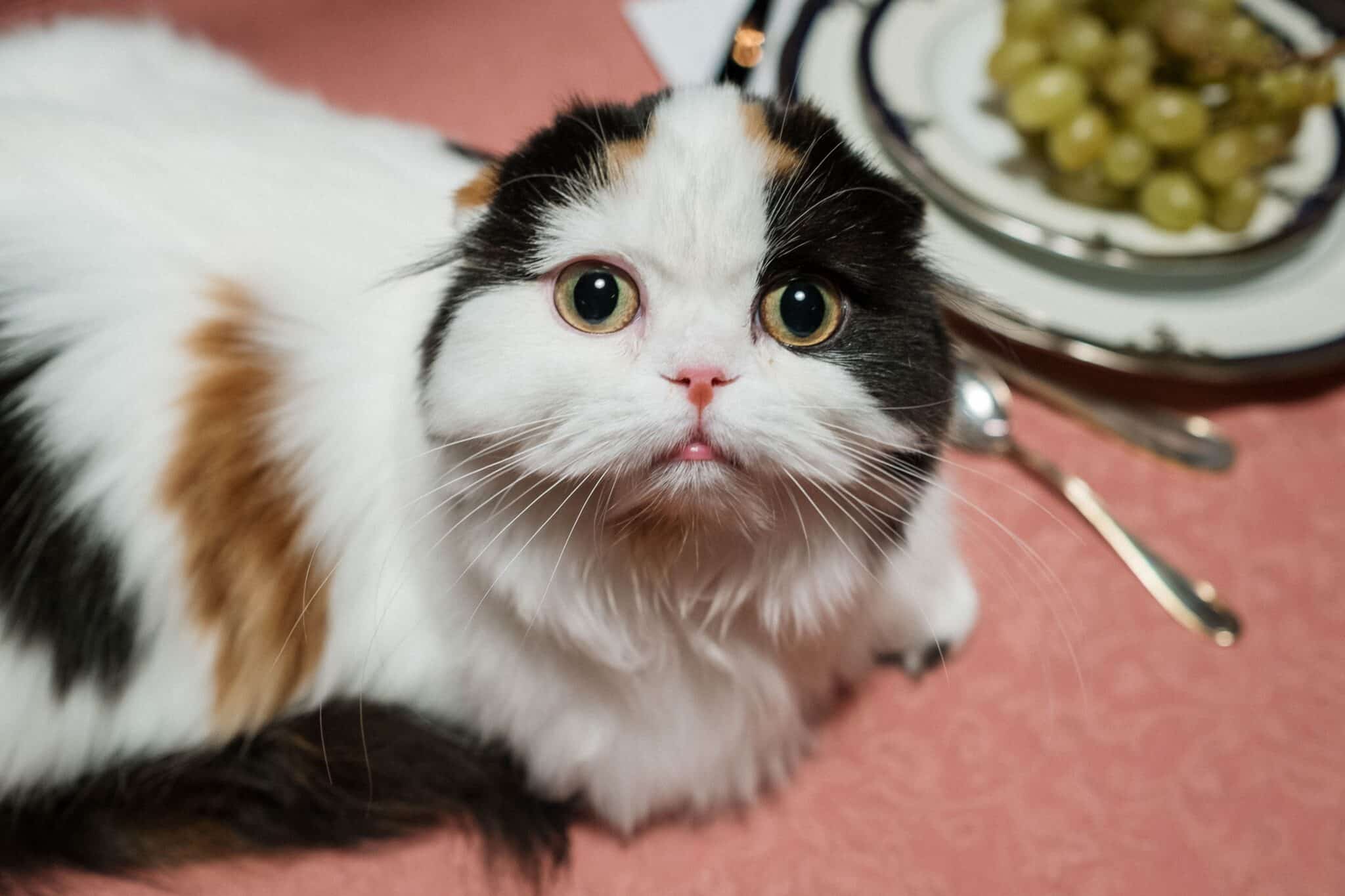
Turkey is one of the most recognizable Thanksgiving foods, and its aroma can be particularly appealing to cats. As obligate carnivores, cats depend on nutrients found in animal tissues, making meat an important part of their natural diet. The smell of freshly cooked turkey may therefore attract their attention more strongly than vegetables, bread, or desserts. Some cats will approach the serving platter, sniff the air, and watch closely whenever someone handles the meat. Their interest reflects their natural dietary preferences rather than an understanding of Thanksgiving traditions. A small amount of plain, fully cooked, boneless turkey can be appropriate as an occasional treat, but seasoned meat, skin, gravy, and cooked bones should stay out of their reach.
All the Kitchen Activity Makes Them Curious
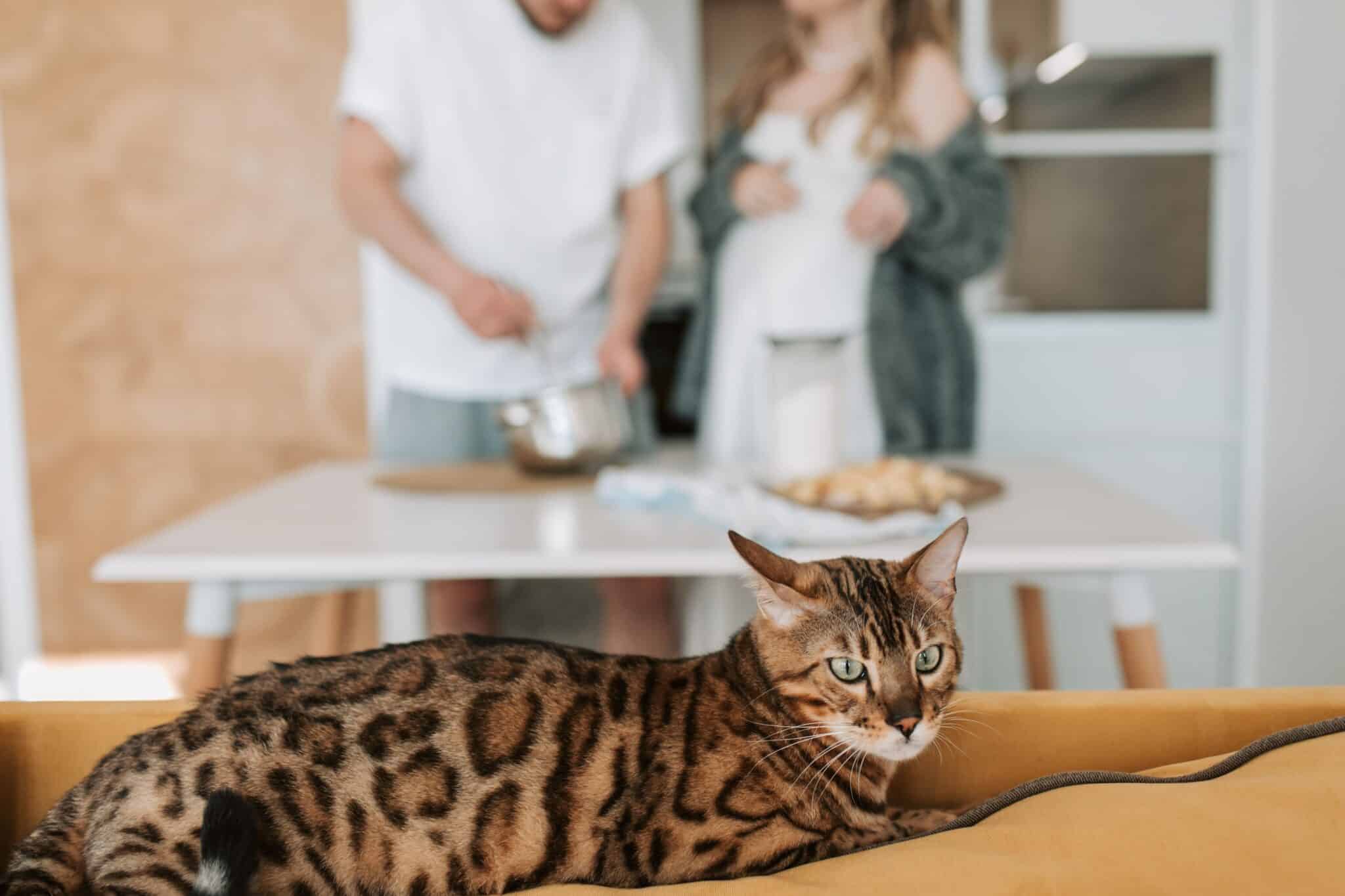
Thanksgiving preparations introduce plenty of unusual activity into a cat’s familiar environment. Cabinets open and close, kitchen appliances make unfamiliar sounds, dishes move between counters, and people walk around carrying ingredients. For a naturally observant animal, these changes create countless opportunities to investigate. Cats often monitor activities that differ from their normal daily routines because understanding their surroundings helps them feel more secure. A cat may settle near the kitchen entrance, watch someone prepare vegetables, or follow the movement of serving dishes with intense concentration. This behavior can reflect environmental curiosity rather than a desire for food. Giving them a comfortable observation spot away from hot surfaces and busy walkways allows them to watch without getting underfoot.
They Want to Investigate Unfamiliar Food Textures
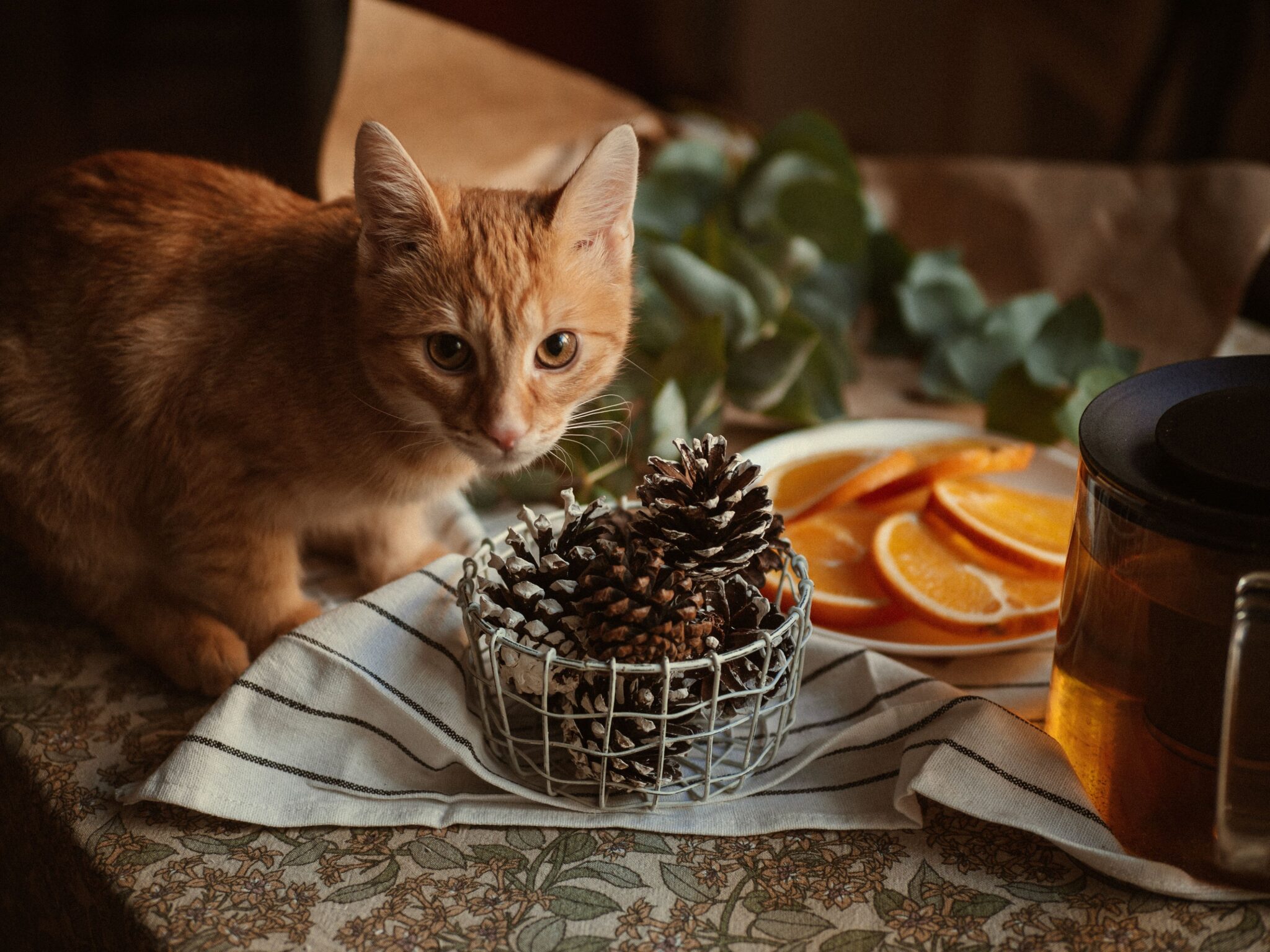
Smell may attract a cat to Thanksgiving dinner, but unfamiliar textures and appearances can encourage a closer investigation. Cats use their paws, whiskers, noses, and mouths to gather information about their surroundings. A bowl of mashed potatoes, a pile of green beans, or a plate of cranberry sauce may look completely different from anything they encounter during an ordinary meal. Some cats cautiously sniff unfamiliar foods, while others may reach out with a paw to explore an interesting surface. This investigative behavior is part of how cats learn about new objects and experiences. However, curiosity should not become an invitation to sample everything. Certain holiday ingredients, including onions, garlic, raisins, and chocolate, can be dangerous to cats.
The Gathering Makes Them Wonder Where Everyone Is Going
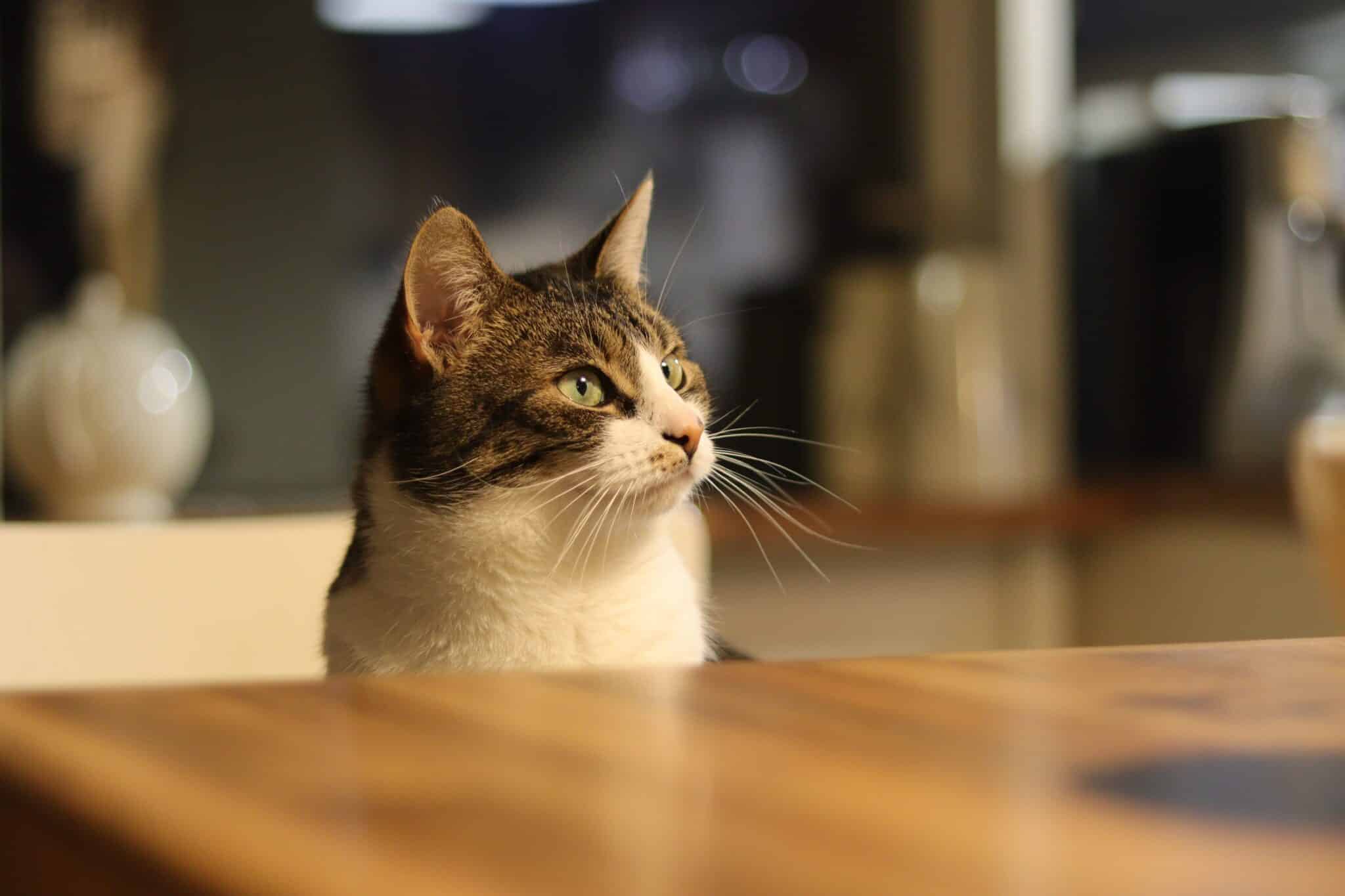
Cats can become particularly interested when familiar people gather in one place and behave differently from usual. Thanksgiving often brings relatives, friends, and visitors into a home, creating a noticeable change in household activity. A cat may wander between rooms, observe conversations, or investigate the dining area because they want to understand what everyone is doing. Socially confident cats might approach visitors for attention, while more reserved companions may prefer watching from a comfortable distance. Their behavior depends on individual temperament and previous experiences with unfamiliar people. Some cats simply enjoy being near household activity, while others investigate because an unusual gathering disrupts their established routines.
They Notice the Interesting New Objects
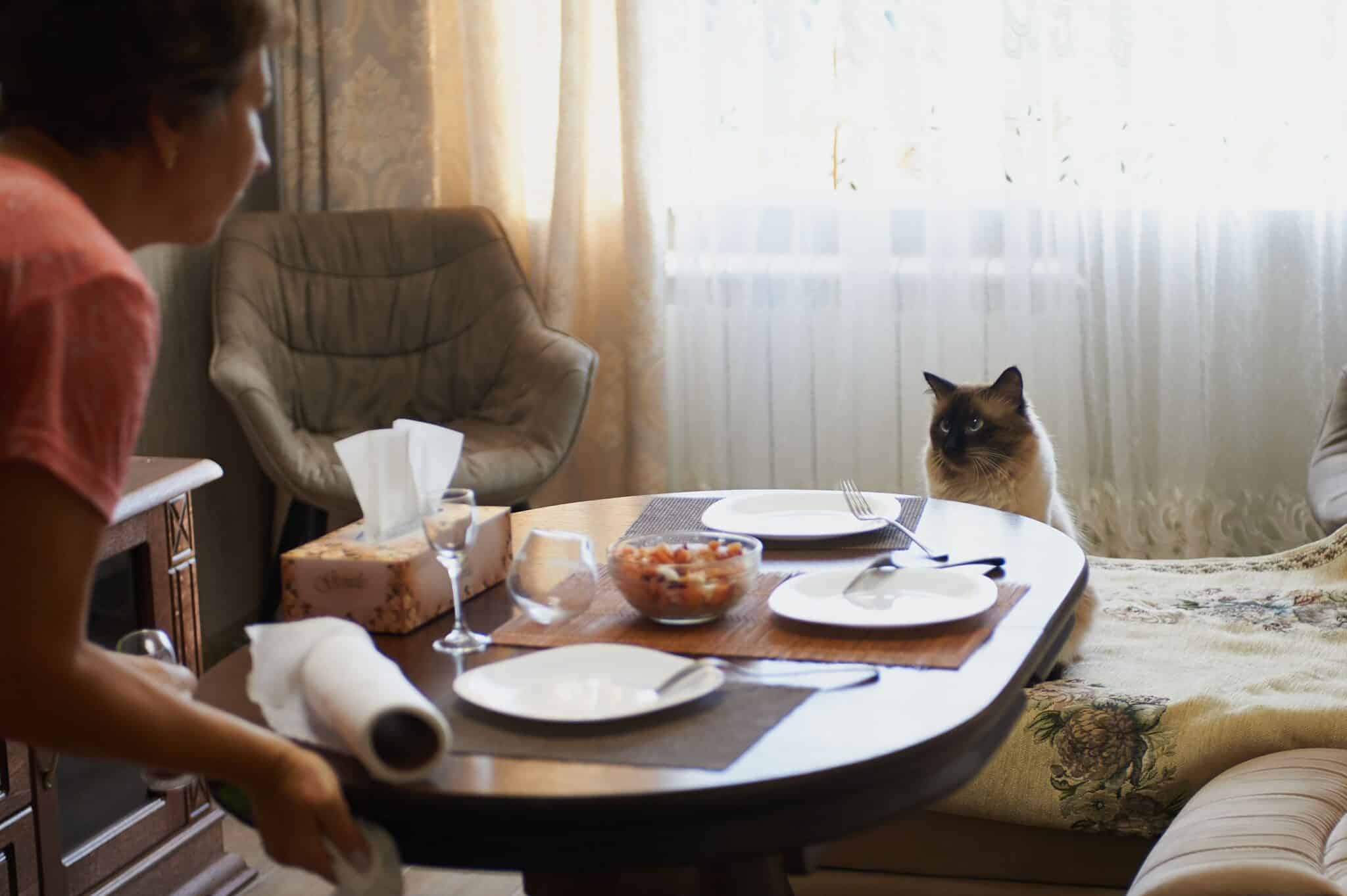
Thanksgiving decorations and serving accessories can give curious cats plenty of new things to investigate. Fresh tablecloths, folded napkins, decorative gourds, baskets, and unfamiliar serving dishes introduce interesting shapes, textures, and scents into their territory. Cats naturally explore objects that appear in familiar spaces, particularly when those objects have interesting surfaces or move unexpectedly. A dangling napkin might look like a toy, while a decorative centerpiece could become an irresistible object for sniffing or pawing. Their interest comes from normal exploratory behavior rather than an understanding of holiday decorations. Keeping fragile decorations, ribbons, candles, and small decorative pieces out of reach helps prevent accidents while allowing cats to enjoy their usual surroundings.
They Associate Food Preparation With Possible Treats
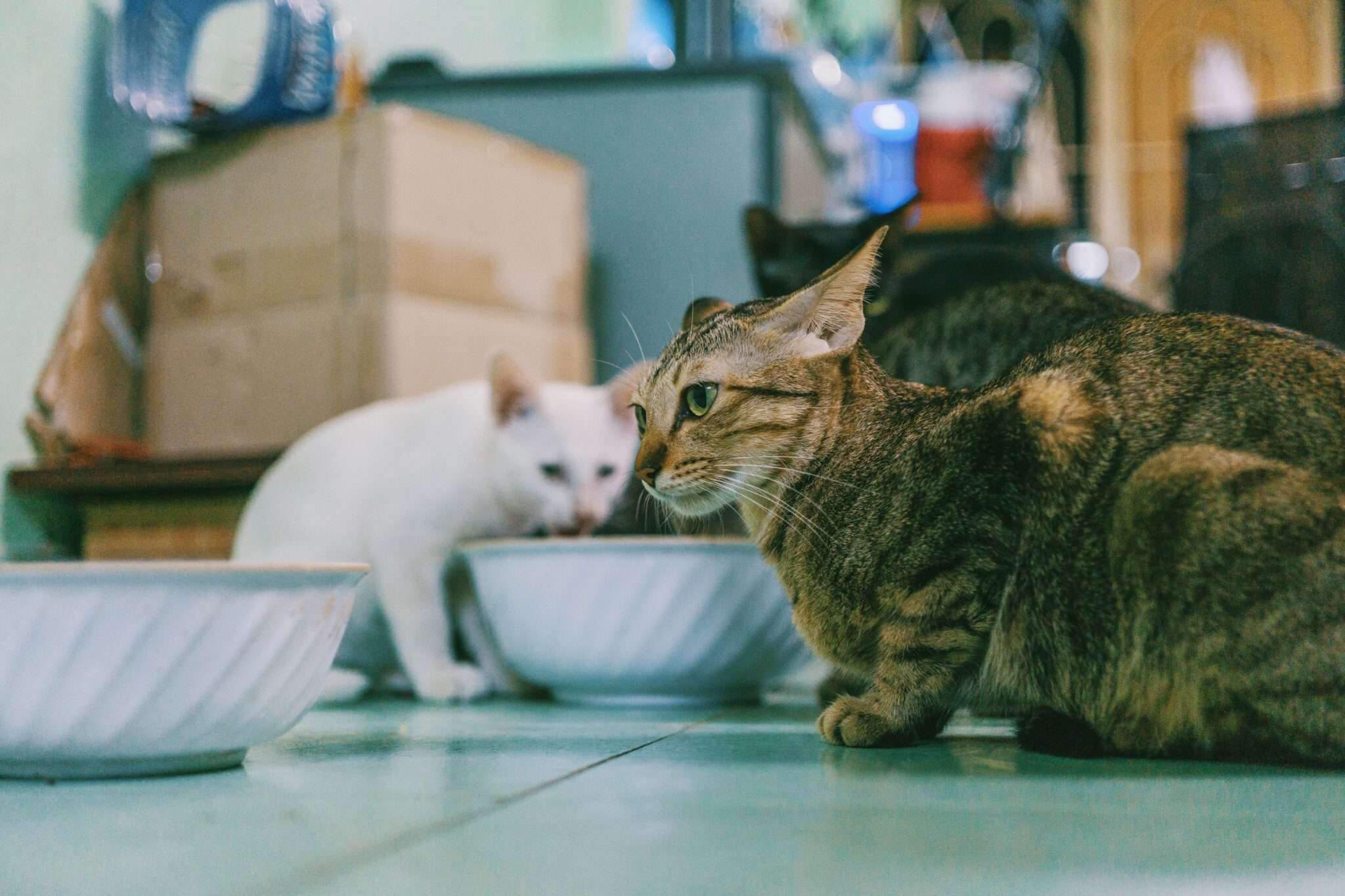
Cats are excellent observers of household routines, and repeated experiences can teach them to associate certain activities with food. If someone regularly shares an appropriate treat while cooking, a cat may begin appearing whenever food preparation starts. Thanksgiving offers an especially noticeable version of this routine because people spend extended periods preparing and serving meals. A familiar chopping sound, the opening of a refrigerator, or someone handling a food container might attract a cat that expects something interesting to happen. This is learned behavior reinforced by previous experiences. Maintaining their normal feeding schedule and offering appropriate cat treats separately can help prevent begging from becoming an unwanted holiday habit.
They Want to Check Out Changes in Their Territory
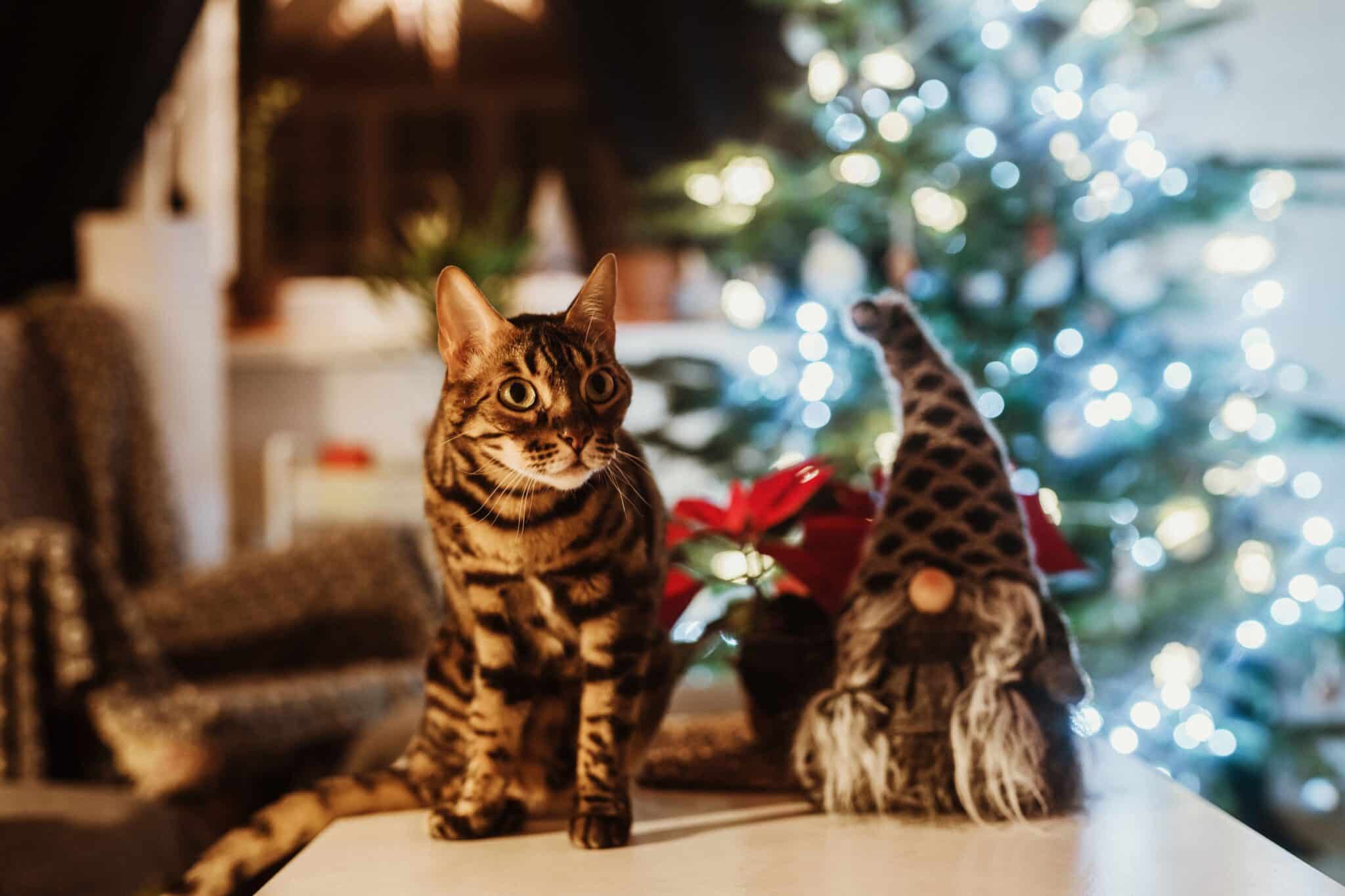
Cats are territorial animals that pay close attention to changes in their surroundings. Thanksgiving preparations can temporarily transform familiar rooms with extra furniture, additional seating, decorations, and food containers. A cat may investigate these changes to gather information about what has appeared in their territory. Rubbing against new objects, sniffing table legs, or walking around unfamiliar arrangements allows them to collect scent information and become familiar with their environment. Some cats may also revisit the same areas repeatedly as they adjust to the changes. This behavior is not necessarily a sign of anxiety, although particularly sensitive cats may feel unsettled by major disruptions. Keeping familiar resting places and hiding spots available can make holiday changes easier to manage.
They Simply Enjoy Being Part of the Action
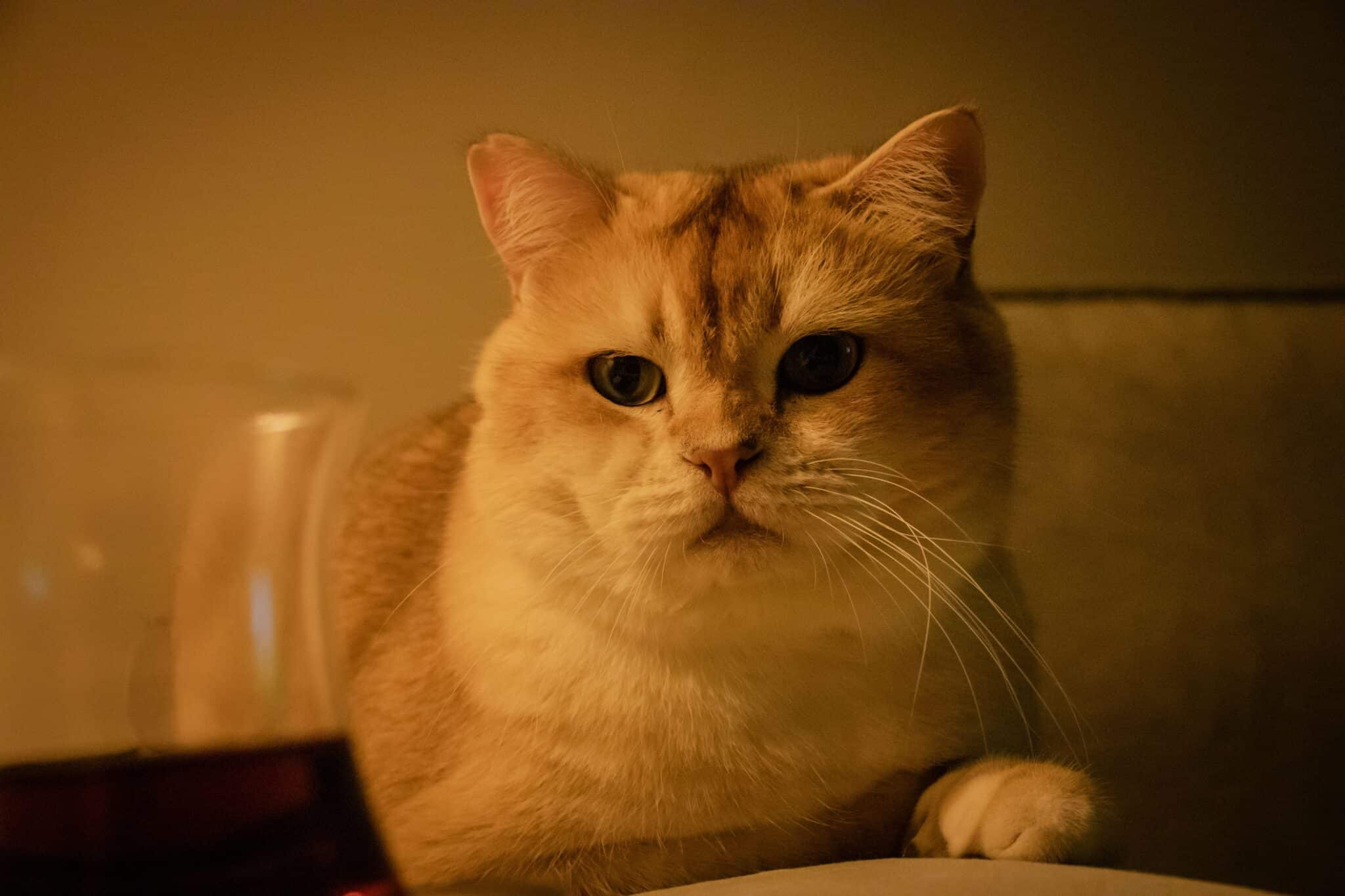
Some cats investigate Thanksgiving dinner because they enjoy being around their favorite people and participating in household activities. These socially attached companions may follow family members into the kitchen, settle near the dining area, or watch everyone gather around the table. Their interest may have little to do with the food itself. Instead, the combination of familiar voices, movement, attention, and companionship makes the gathering appealing. Individual personalities play an important role, as some cats prefer busy social environments while others become overwhelmed by visitors. Providing a quiet retreat alongside opportunities for comfortable interaction allows them to choose how involved they want to be in the celebration.
The Curiosity Behind Every Holiday Gathering
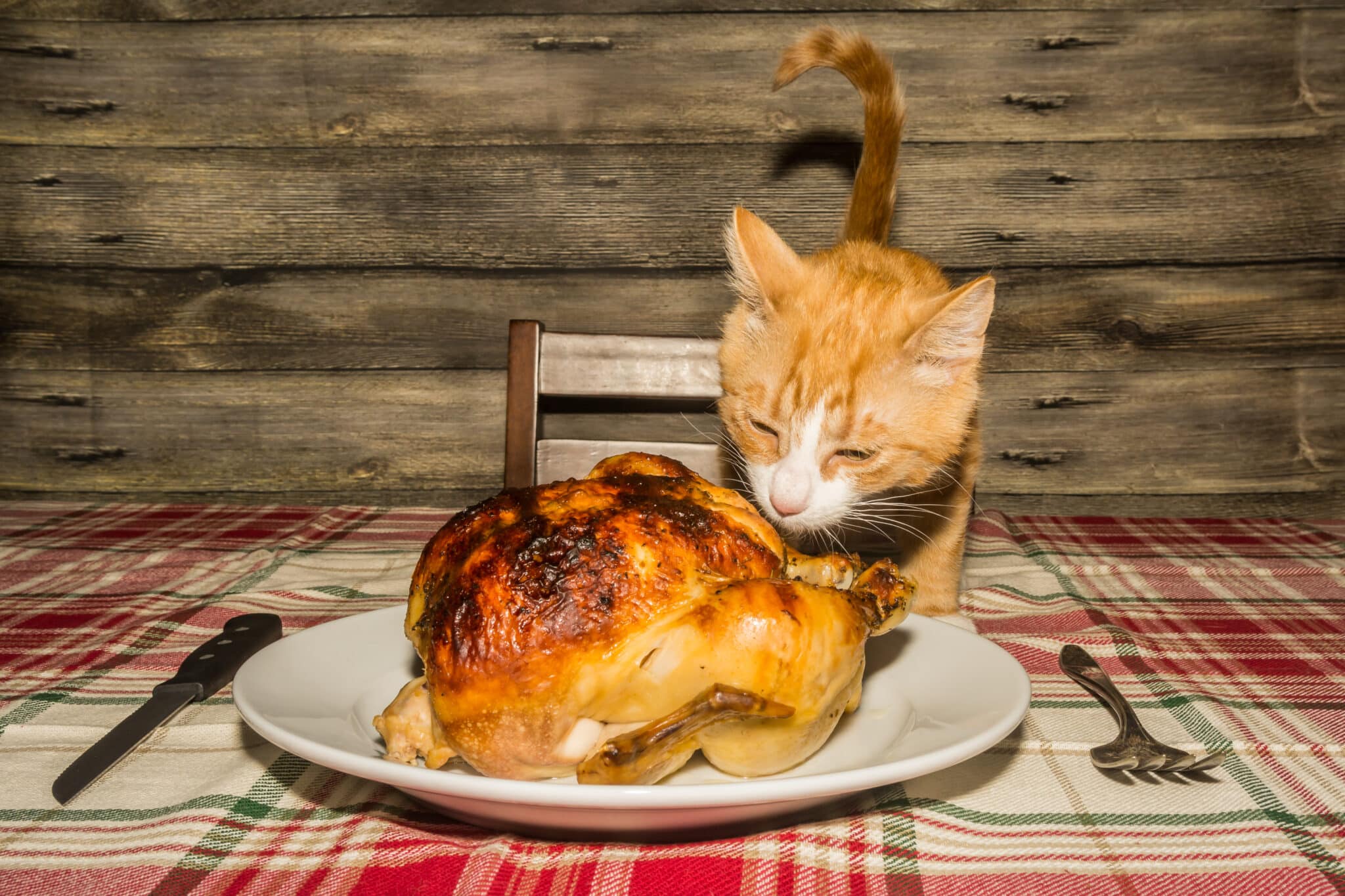
Holiday gatherings can bring exciting changes to a familiar home, making everyday surroundings feel especially interesting. Delicious aromas, unfamiliar decorations, busy kitchens, and extra visitors create plenty of opportunities for curious investigations. These little discoveries often reflect natural instincts, heightened senses, and an interest in environmental changes. However, celebrations also introduce potential hazards, including toxic ingredients, hot cookware, and unattended food. Keeping dangerous items out of reach, maintaining familiar routines, and providing a quiet retreat can help everyone enjoy a safer, more comfortable holiday together.
This content was created with AI assistance and edited by the iHeartCats team.