
Greetings, my pawsome human minions.
It’s your tabby of tutelage, Forrest Wisewhiskers, back again with a slimy subject, following up on my last investigation into why cats go crazy for nail files and emery boards.
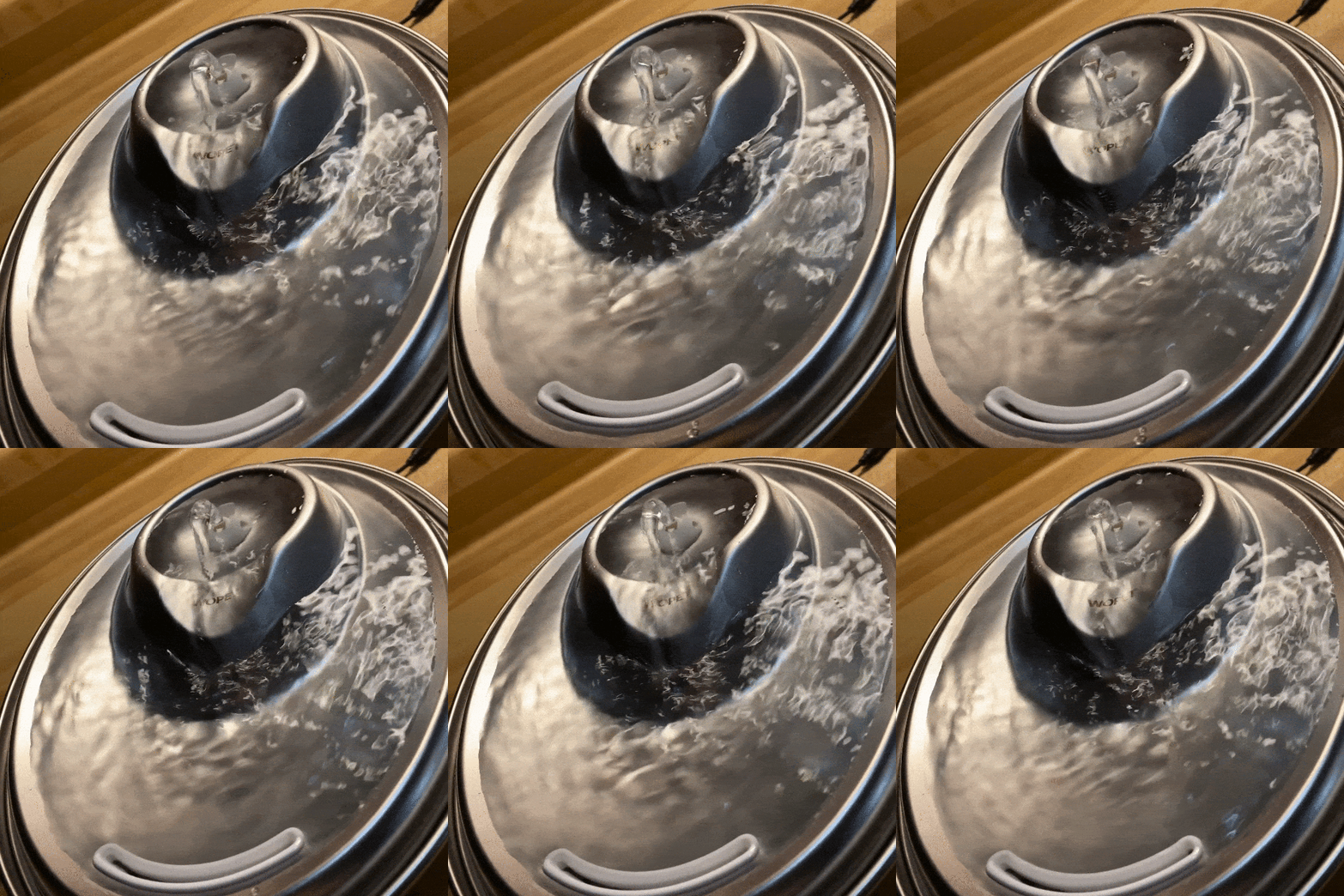
Water slime is a problem that plagues cat water bowls across the world, mine included. Mom does pretty well with keeping my water fountain clean, and I’m thankful because watching the water pour forth and create a dancing lake across the bowl provides me much joy as well plenty of hydration. We felines are drawn to running water (some of us even can’t resist watching the toilet flush for the same reason), so a fountain appeals to our natures, but when the flow went from that crystal rainbow to a lazy sluice in mine, I was not a happy kitty.
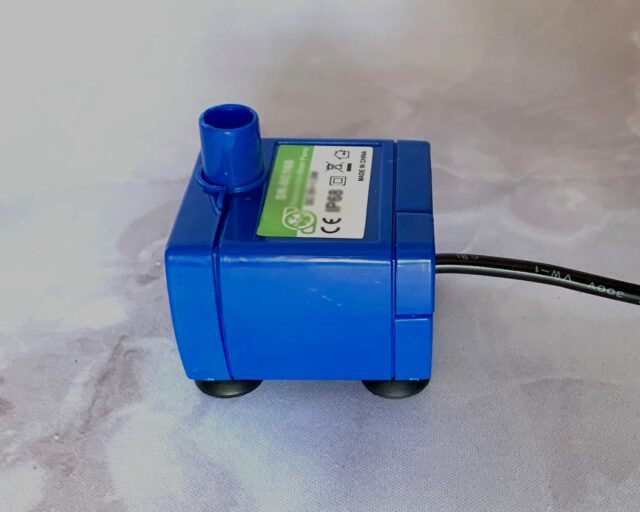
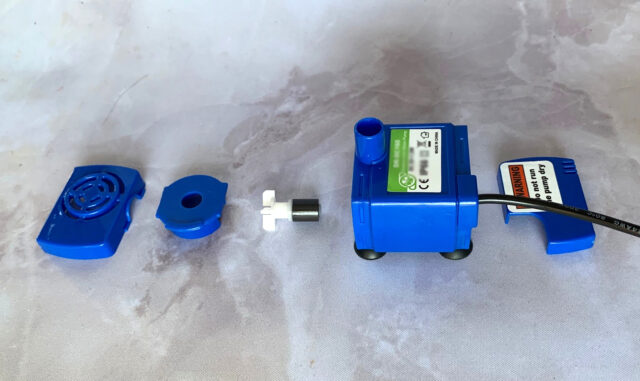
Now, as I said, my mother is good about keeping the fountain clean, but the low flow of water signaled a problem. So, I drew my mother’s attention to the issue with mournful cries and plaintive staring aimed at both her and the struggling fountain. To my success, she gathered up my precious water fountain and went to work. I watched as she puzzled over the little pump in her hands, and suddenly, she had dissembled it into several pieces. And to both our disgusted surprise, the parts were thick with slime!!
Oh, The Slimy Horror
So, we know cleaning fountains, whether stainless steel, ceramic, or BPA-free plastic, is a simple process of washing up with hot water and dish detergent. Some cat parents also recommend letting an equal parts water and vinegar solution run through the fountain to help clear out and prevent water slime, a method also backed by International Cat Care for dissolving mineral scale and biofilm. The vinegar mix will help the buildup inside the pump as well, but that little booger still needs to be taken apart and cleaned thoroughly every two weeks, or at least once a month, a cadence also recommended by the Ohio State University Indoor Pet Initiative.
Now, what’s the best way to clean the pump in your cat’s water fountain?
Here’s the step-by-step version, evidence-reviewed, not hands-on tested, and it works across most major fountain brands, including PetSafe Drinkwell, Veken, Pawira, and Kitty Spout, since they all rely on a similar submersible pump design.
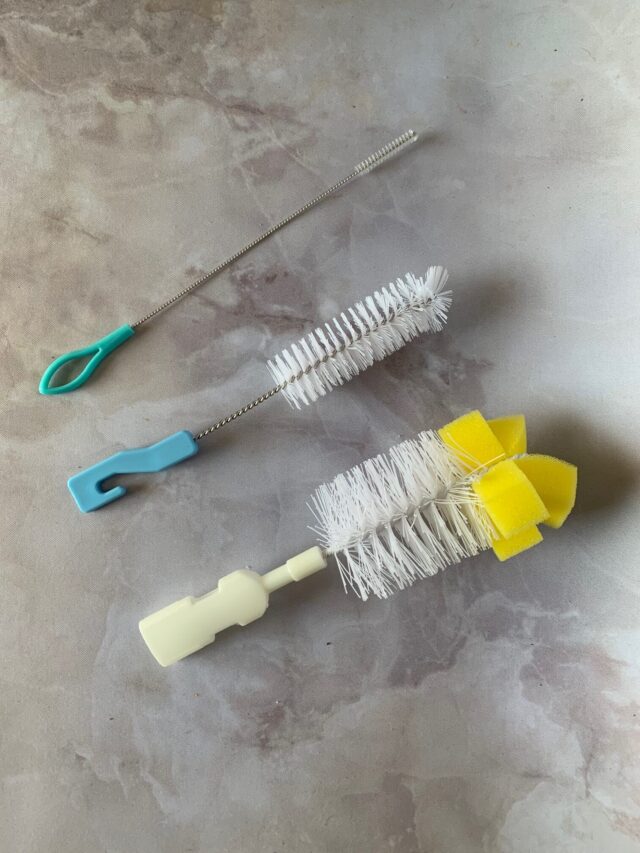
- Gather your tools. Fountains usually come with a set of small brushes and tools to help clean their parts. If yours didn’t, you can pick up an inexpensive set from online retailers. Cotton swabs will work in a pinch because you need something small to get into those tiny spaces.

- Unplug and empty the fountain. Drain all the water before you take anything apart.
- Disassemble the pump and remove the propeller. Be prepared with tweezers when it comes to plucking out the propeller. I bring you this advice because Mom’s vocabulary became quite colorful while trying to pinch it out of the housing.

- Scrub every part with warm water and mild dish soap, or soak for 10-15 minutes in a 1:1 water and white vinegar solution. Once you’ve overcome the shocking horror at the slime buildup, grab your tools and get to cleaning. This includes carefully inserting one of the small brushes or a cotton swab into the tube where the propeller fits, since that little hole gets gross too and will slow down the propeller’s ability to create water flow.

- Rinse thoroughly and reassemble. Rinse all pump parts with clean water and reassemble. Fill up the bowl and plug in for a water flow that’s been restored to its full flow glory!

Stainless steel, ceramic, and BPA-free plastic parts all tolerate an occasional vinegar soak fine. Just rinse everything thoroughly afterward so no vinegar smell lingers.
If you want to give your cat’s water an extra boost between deep cleans, a dental water additive can help keep things fresher, but it’s no substitute for actually cleaning the pump.
You can also check out the video below to get a visual guide to cleaning the pump. But once the fountain is clean and flowing, you must remember the most important thing of all… don’t forget to feed the cat!