
Cats communicate constantly, but their messages are not always obvious. A slow blink, a gently raised tail, or a quiet chirp can reveal what a cat is feeling, even when it seems perfectly silent. From affectionate gestures to subtle signs of discomfort, feline body language offers plenty of clues about what is happening beneath the surface. Learning to recognize these everyday signals can help owners understand their companions better, strengthen their bond, and respond more thoughtfully to their cats’ needs.
Slowly Blink to Show They Feel Safe
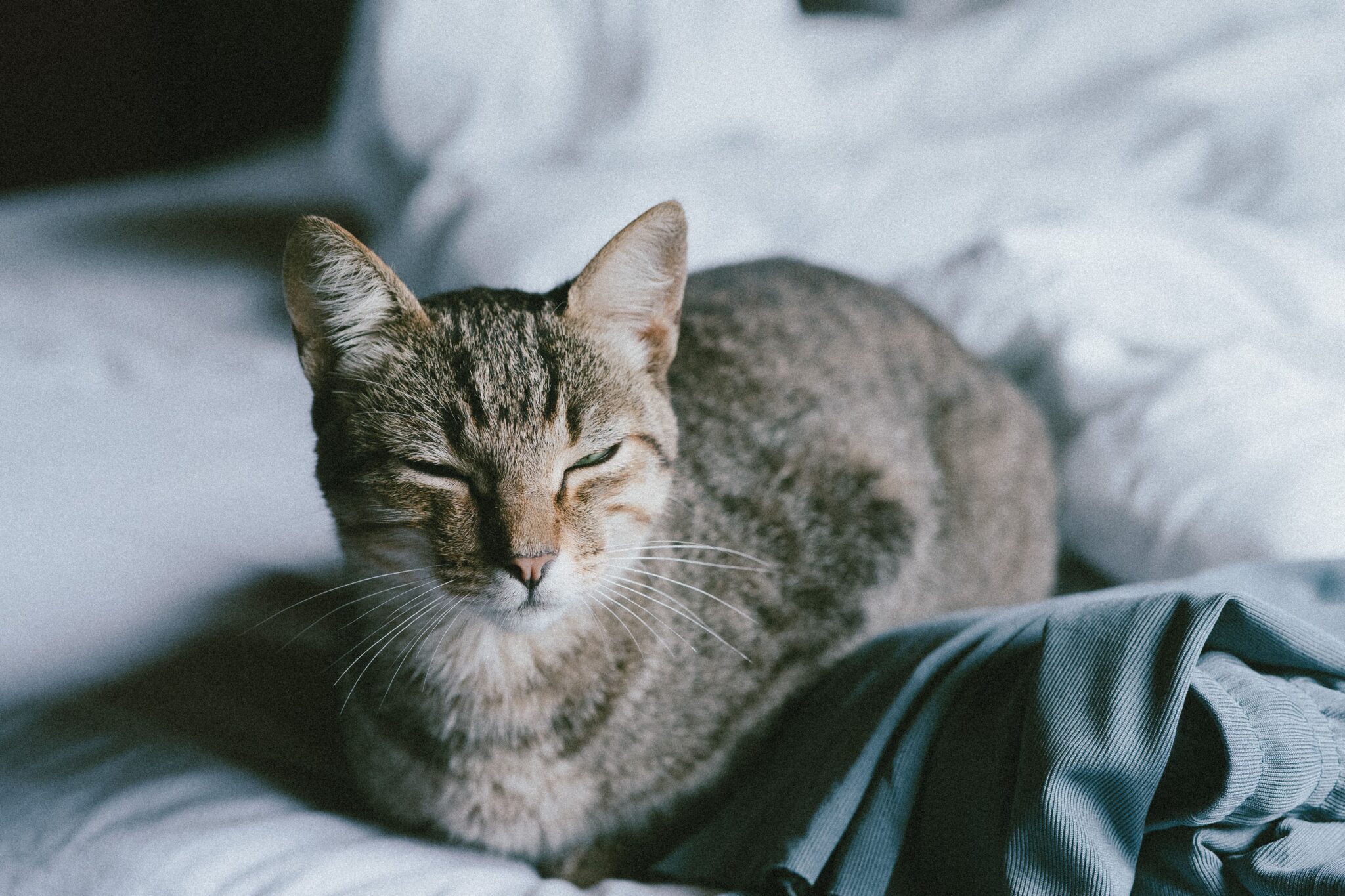
A cat that slowly closes and opens its eyes while looking at you may be expressing trust and comfort. This gentle gesture is often called a cat kiss because it can signal that your feline companion feels safe enough to relax in your presence. You can return the gesture by slowly blinking back without staring intensely. Some cats respond with another slow blink, while others simply continue lounging nearby. Although every cat communicates differently, this small exchange can become a sweet part of your everyday relationship.
Hold Their Tails Upright When Greeting
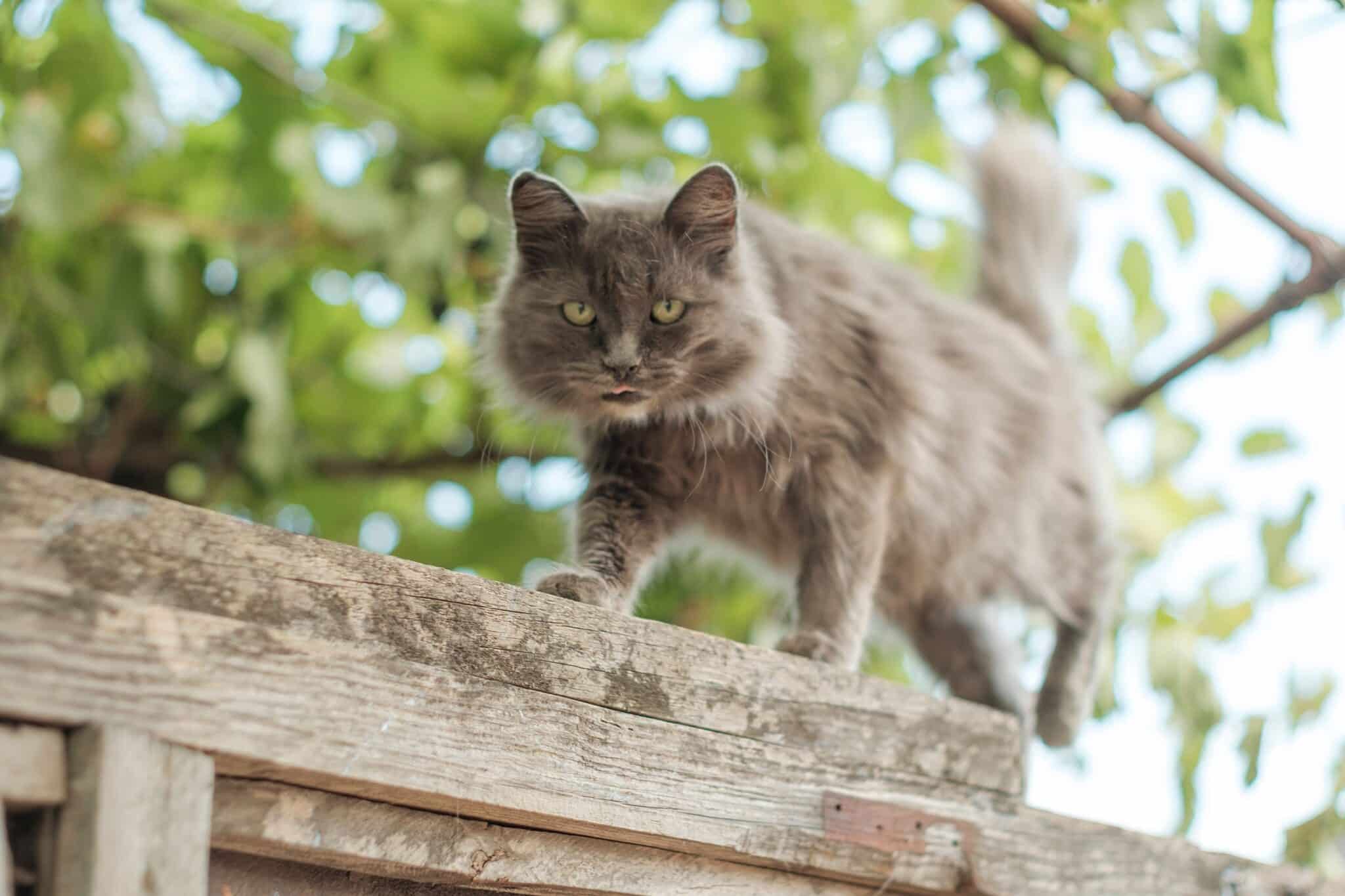
A cat approaching you with its tail held high is often offering a friendly greeting. This posture commonly appears when cats feel confident, relaxed, and happy to see someone familiar. You might notice the tail tip bending slightly forward, adding another playful detail to the greeting. Some cats even walk toward their owners with their tails quivering when they become especially excited. Paying attention to the rest of their body language can help you understand the message, since a raised tail accompanied by relaxed movements usually signals a positive interaction.
Rub Their Faces Against You to Share Scent
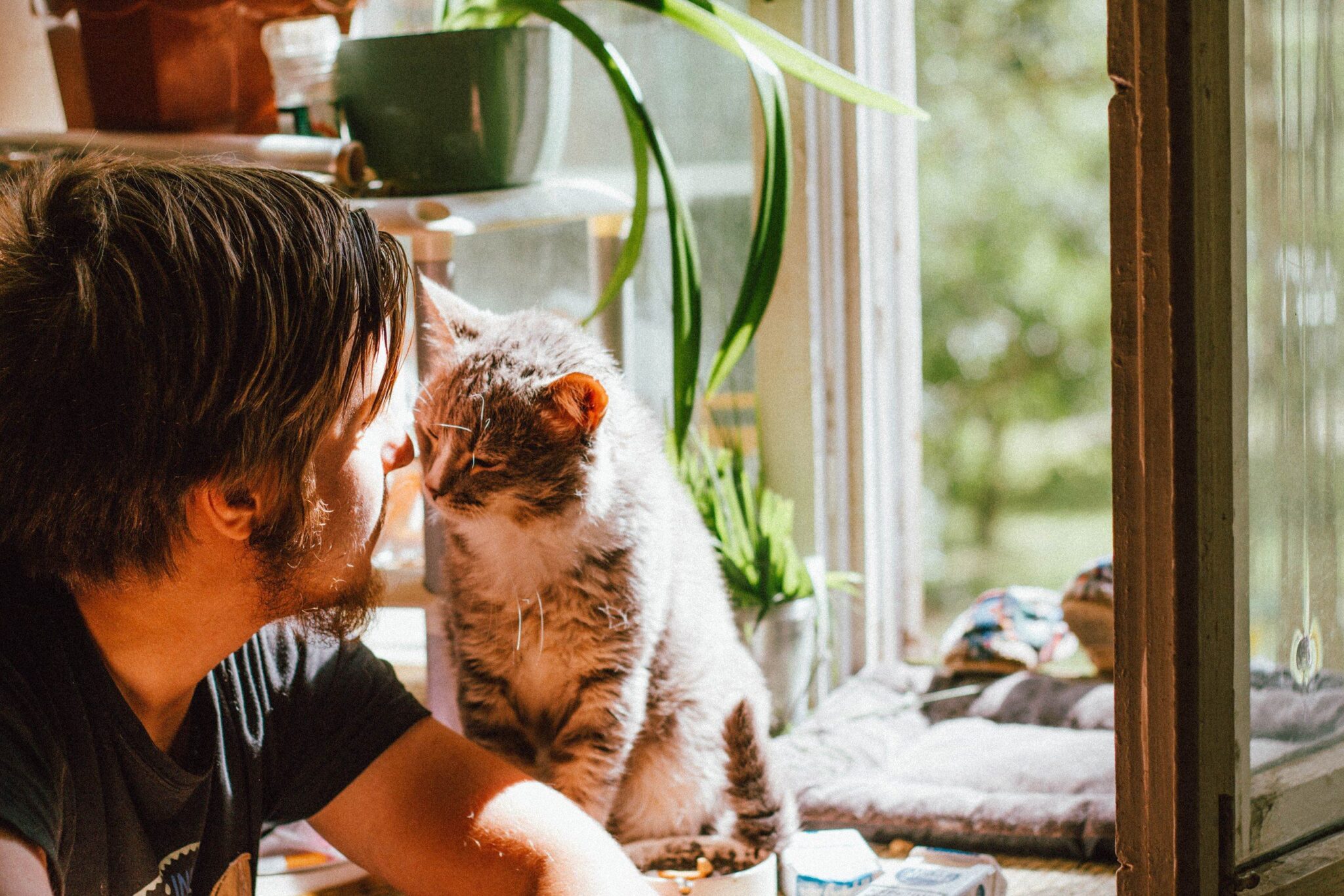
When your cat rubs its cheeks, forehead, or sides against your legs, hands, or furniture, it is doing more than asking for attention. Cats have scent glands around their faces, and rubbing helps distribute familiar scents onto people and objects. This behavior can make their surroundings feel more recognizable and secure. It also helps create a shared scent within their social environment. That affectionate head rub is therefore both a friendly greeting and a subtle way of making you part of the familiar world your cat enjoys.
Their Ears Reveal What Has Their Attention
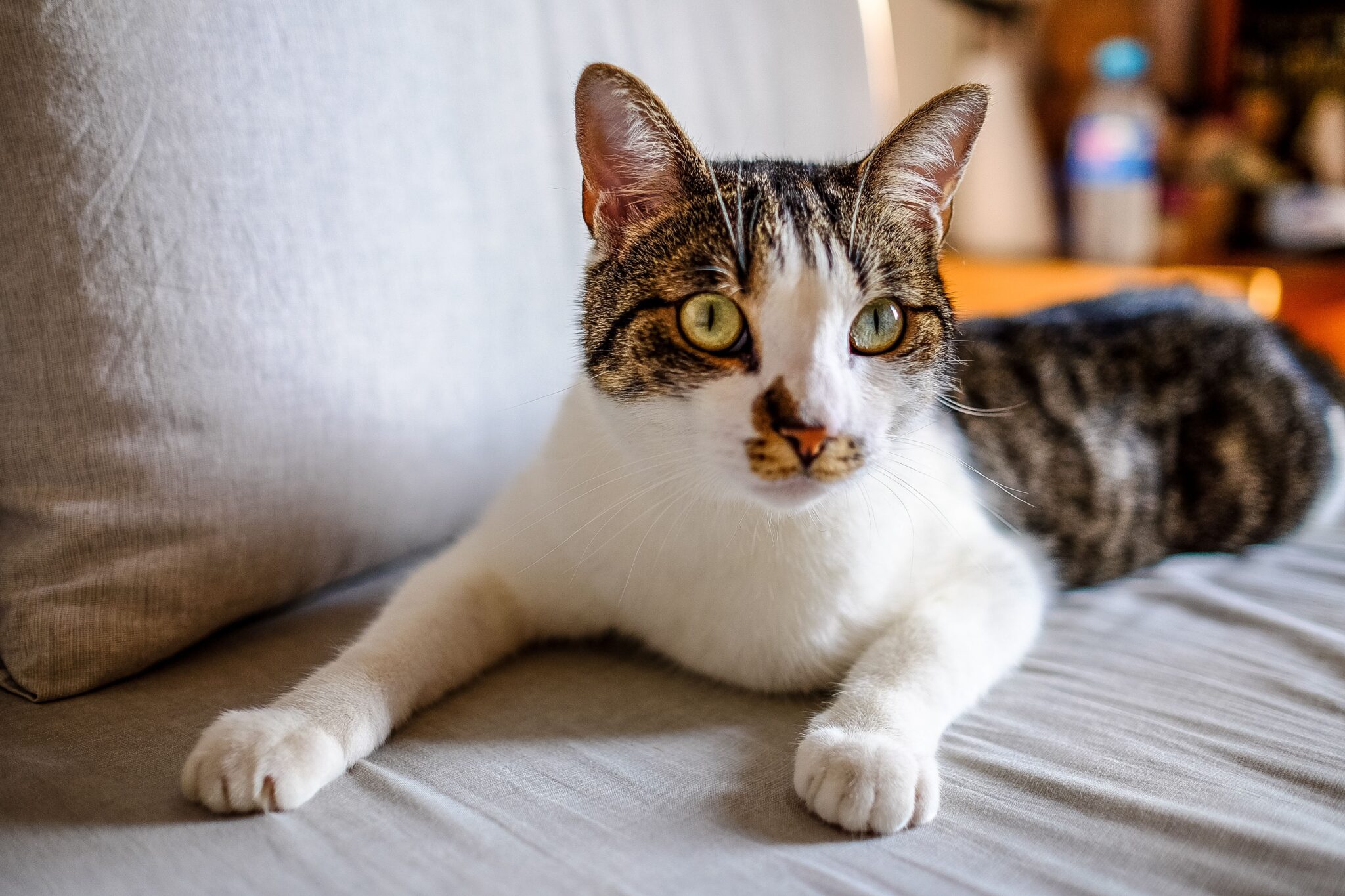
Your cat’s ears can reveal what has captured its attention long before it makes a sound. Ears pointing forward often indicate curiosity or interest, especially when your cat is watching a toy, listening to a familiar voice, or observing something outside the window. Ears turned sideways may suggest uncertainty, while ears flattened against the head can indicate fear, irritation, or defensiveness. Because cats can move their ears independently, these small changes provide useful clues about their surroundings and emotional state. Watching their ears, along with their posture, helps you interpret their reactions more accurately.
Purr to Communicate Comfort or Stress
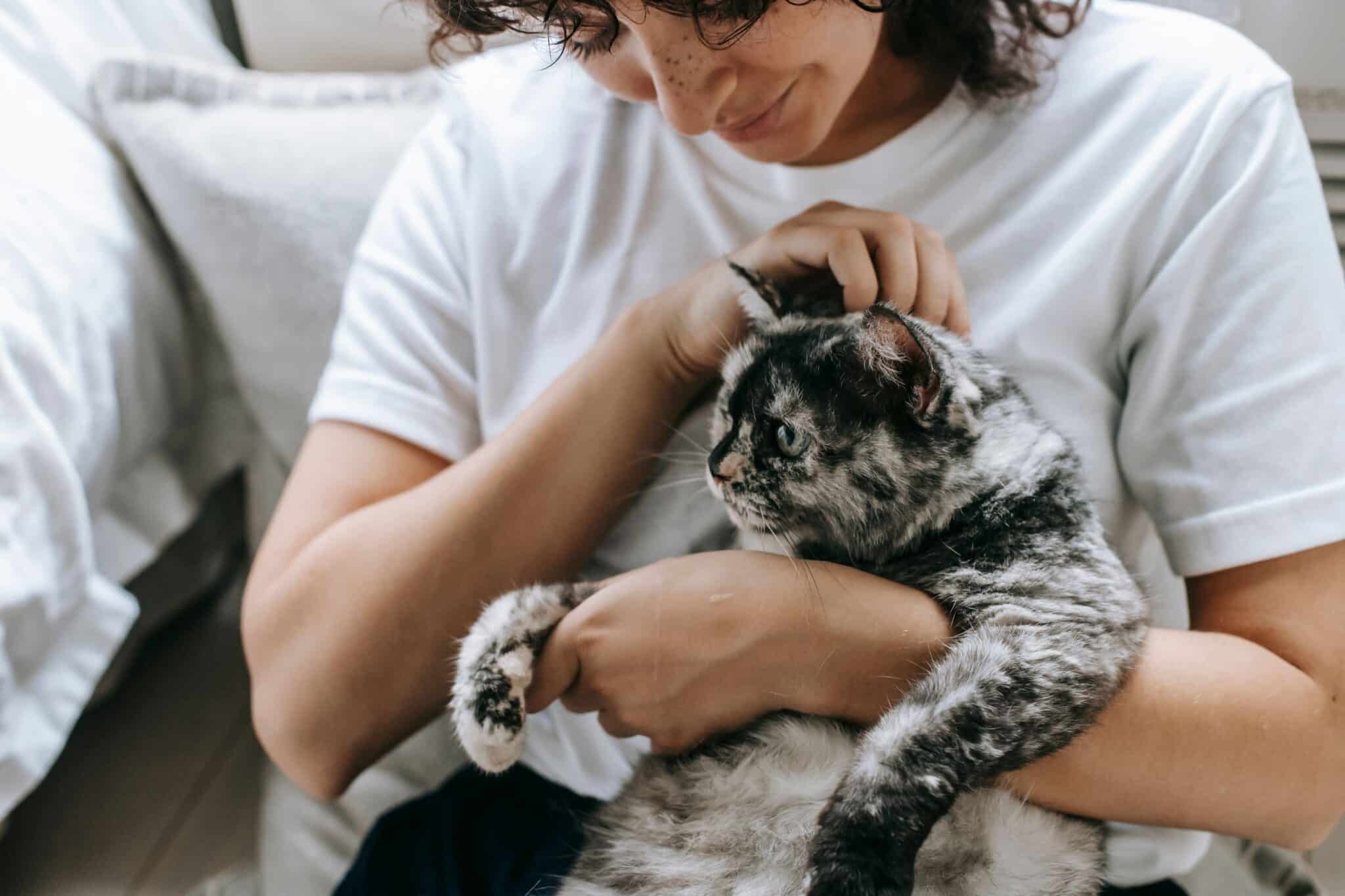
A cat’s purr often accompanies peaceful moments, such as cuddling, resting, or receiving gentle affection. However, purring does not always mean happiness. Some cats also purr when they feel frightened, uncomfortable, or unwell, possibly as a way to soothe themselves. This makes context especially important when interpreting the familiar rumbling sound. A relaxed posture and soft expression may suggest contentment, while hiding, tense muscles, or unusual behavior could signal distress. If your cat begins purring alongside concerning changes, paying attention and contacting a veterinarian when needed is wise.
Knead Soft Surfaces When Comfortable
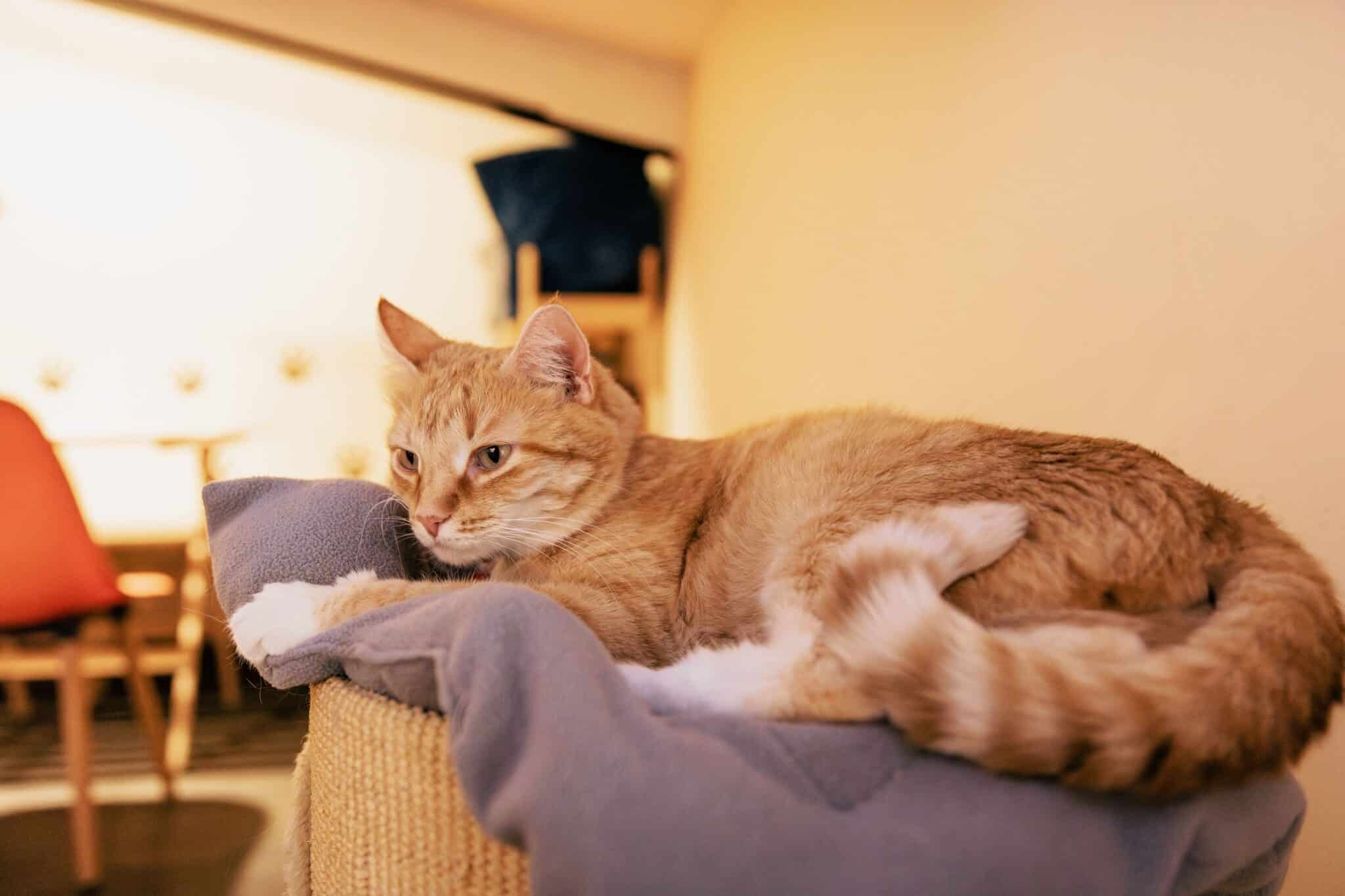
Many cats push their front paws rhythmically against blankets, pillows, or their owner’s lap. This adorable habit is known as kneading, and it begins during kittenhood when nursing kittens press against their mother’s belly to encourage milk flow. Adult cats may continue the behavior because it feels comforting and familiar. Some also knead before settling down for a nap, making a cozy resting spot feel just right. Although the occasional claw can make the experience less comfortable, kneading is often a reassuring sign that your cat feels relaxed.
Chirp and Trill to Get Your Attention
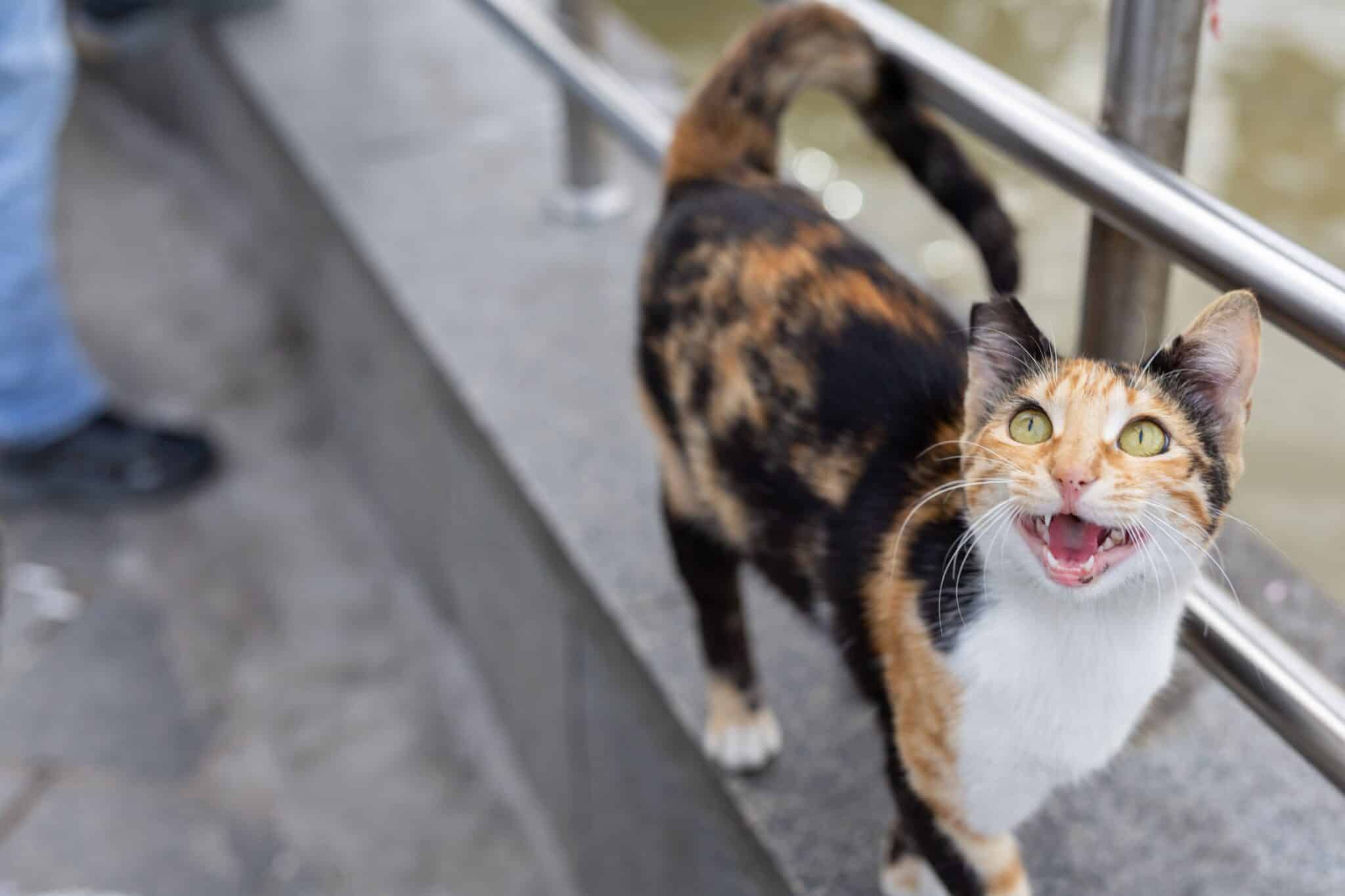
Cats sometimes produce cheerful little chirps, trills, and rolling sounds instead of ordinary meows. These vocalizations often appear during greetings, playful moments, or interactions with familiar people and animals. Mother cats also use trilling sounds to communicate with their kittens, and some adult cats carry the habit into their relationships with humans. A chirp might encourage you to follow, look at something interesting, or pay attention to an exciting activity. Each cat develops its own vocal habits, so recognizing the sounds your companion uses regularly can make communication easier.
Gently Headbutt to Reinforce Their Bond
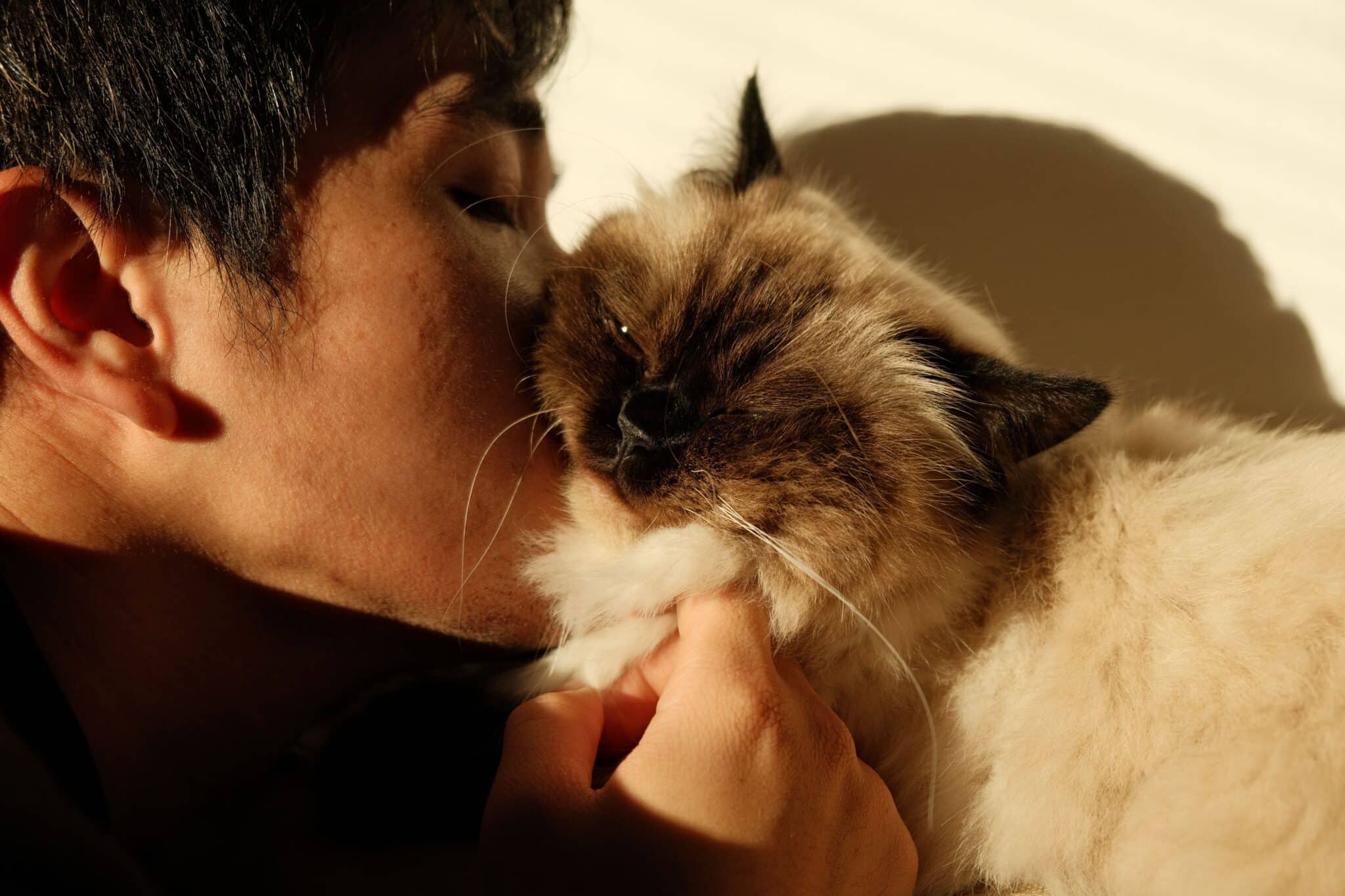
When your cat gently bumps its forehead against your hand, face, or arm, it is often showing affection and familiarity. This behavior, commonly called bunting, also allows cats to leave their scent on people they recognize and trust. It can happen during greetings, quiet cuddling sessions, or moments when your cat wants attention. Some cats repeat the gesture several times, especially when they are enjoying the interaction. A gentle headbutt is usually a welcome sign of connection, although sudden or unusual head pressing against objects can require veterinary attention.
Scratch Surfaces to Leave Visual and Scent Messages
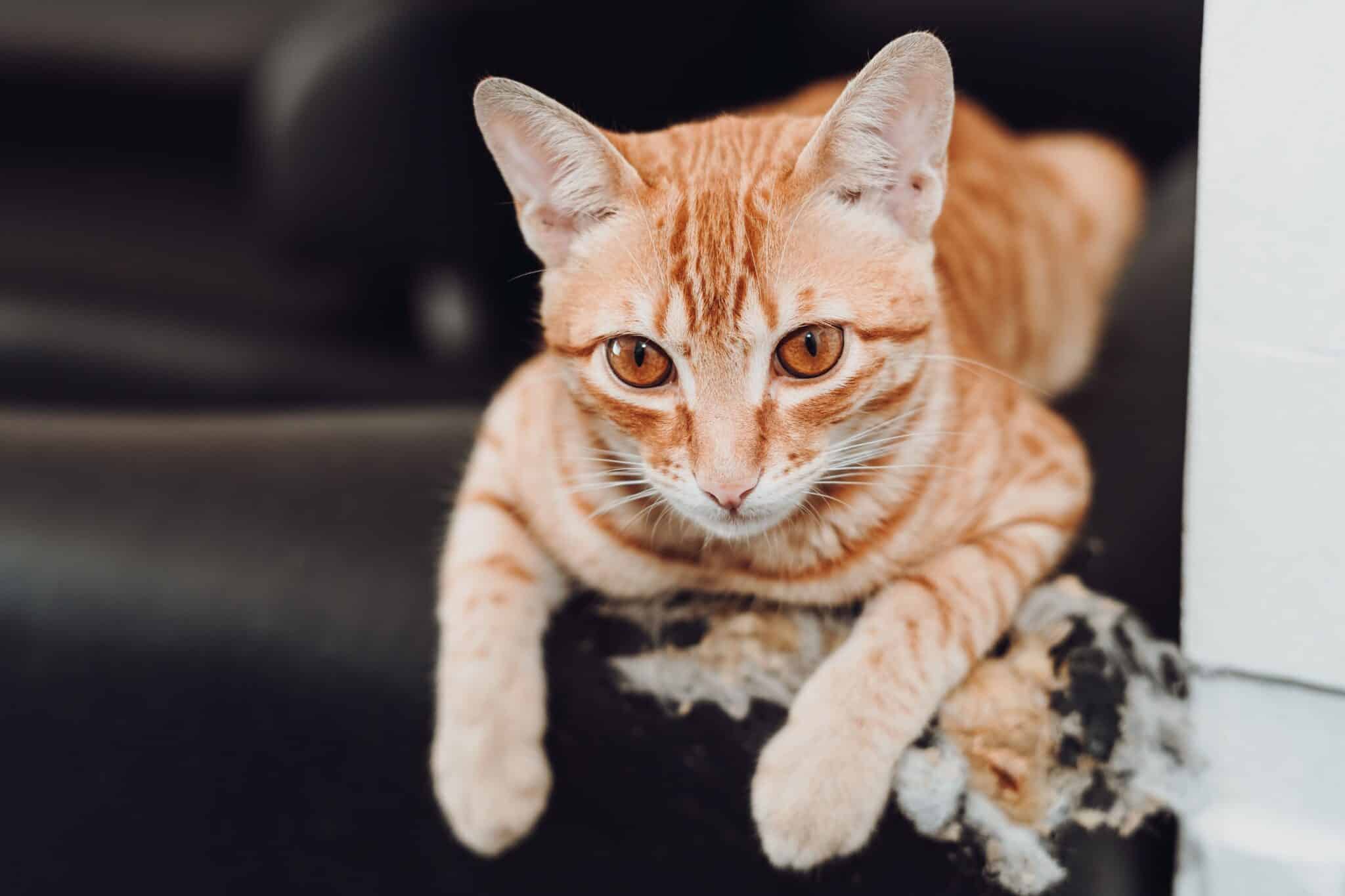
Scratching is a natural feline behavior that serves several purposes beyond keeping claws in good condition. Cats leave visible marks and deposit scent from glands in their paws, creating familiar signals in areas they consider important. Scratching also helps stretch their muscles and remove worn outer claw layers. You may notice your cat returning to the same furniture, doorway, or scratching post because these locations have become part of its routine. Providing sturdy scratching surfaces in convenient places gives your cat an appropriate outlet for this instinctive form of communication.
Bring Toys or Prey to Show Their Hunting Instincts
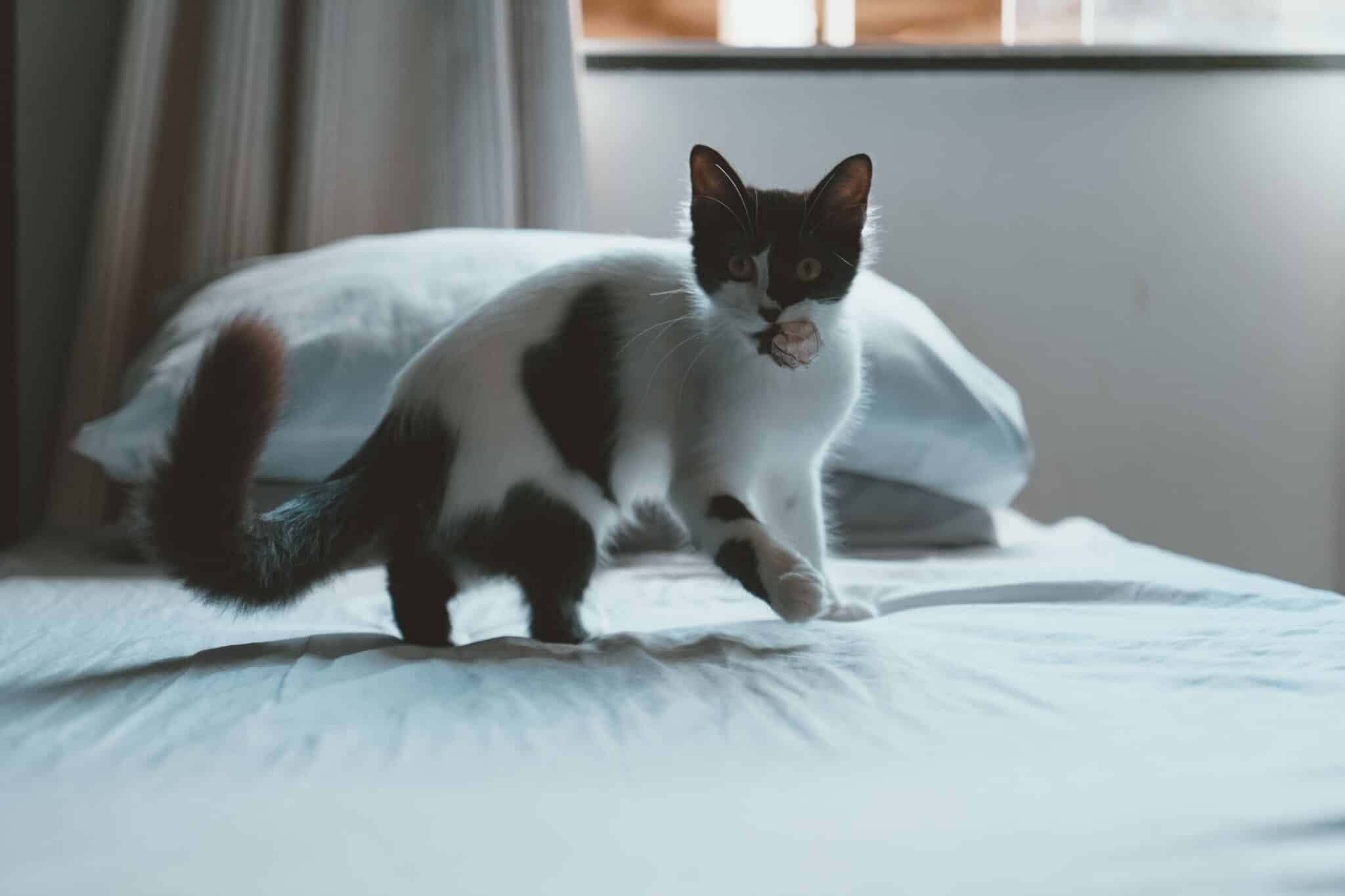
Some cats proudly carry toys around the house and drop them near their favorite people. Others may bring captured insects or other small prey, reflecting the hunting behaviors that remain part of their natural instincts. This habit can look like a gift, an invitation to play, or simply an opportunity to show off an exciting discovery. Cats do not necessarily understand these actions in the same way humans interpret gift-giving, but the behavior offers a glimpse into their instincts. Responding with gentle praise or an interactive play session can make the moment enjoyable.
Follow You Around Because They Want to Stay Involved
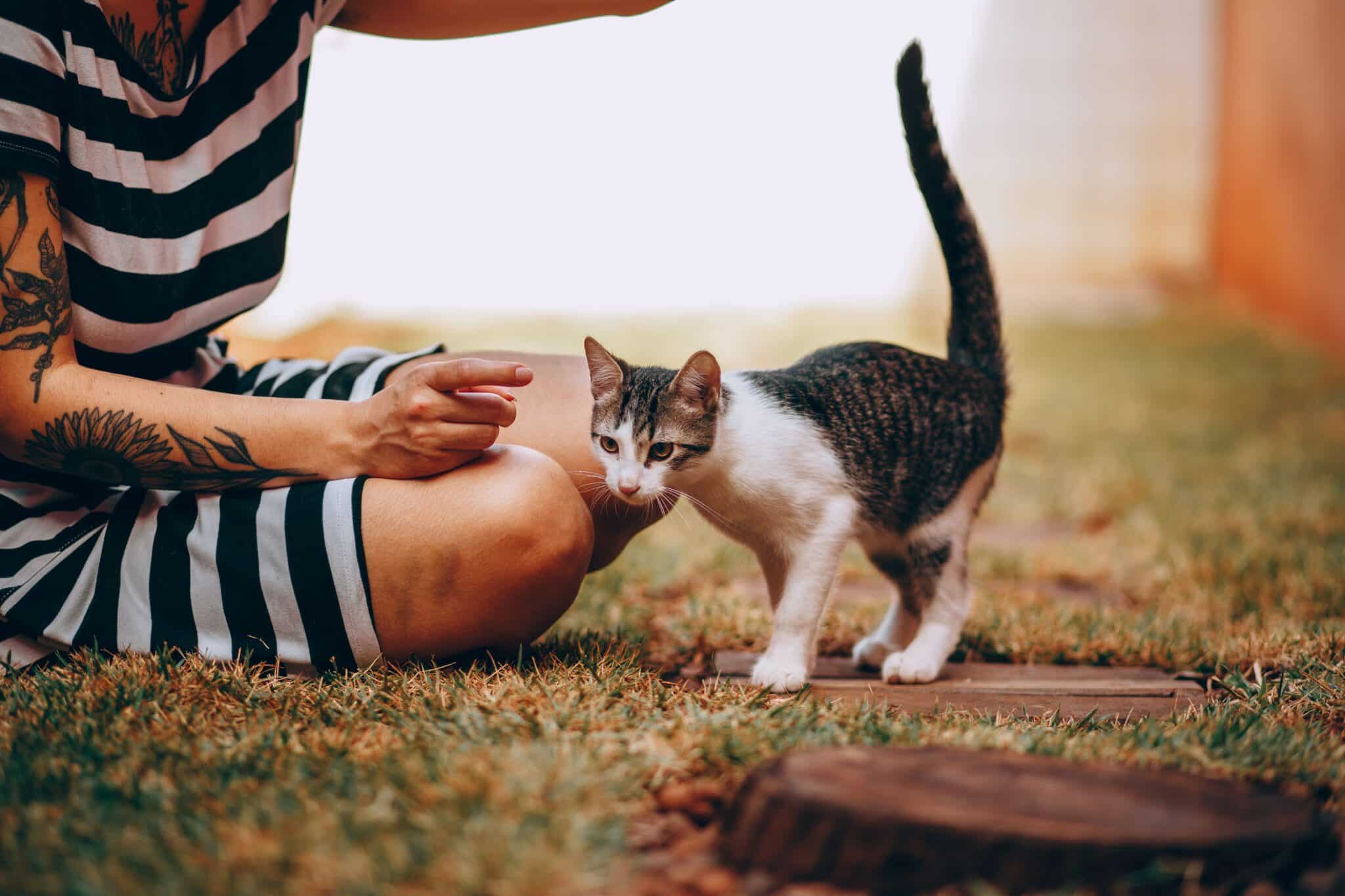
A cat that follows you from room to room may be expressing curiosity, companionship, or a desire to remain involved in your activities. Some cats enjoy supervising everyday tasks, whether you are preparing food, folding laundry, or settling down to work. Others follow because they associate your presence with attention, playtime, or familiar routines. This behavior can also reflect a strong social bond, especially in cats that enjoy spending time near their favorite people. Although following is usually harmless, sudden clinginess accompanied by other unusual changes may deserve closer attention.
Expose Their Bellies When They Feel Secure
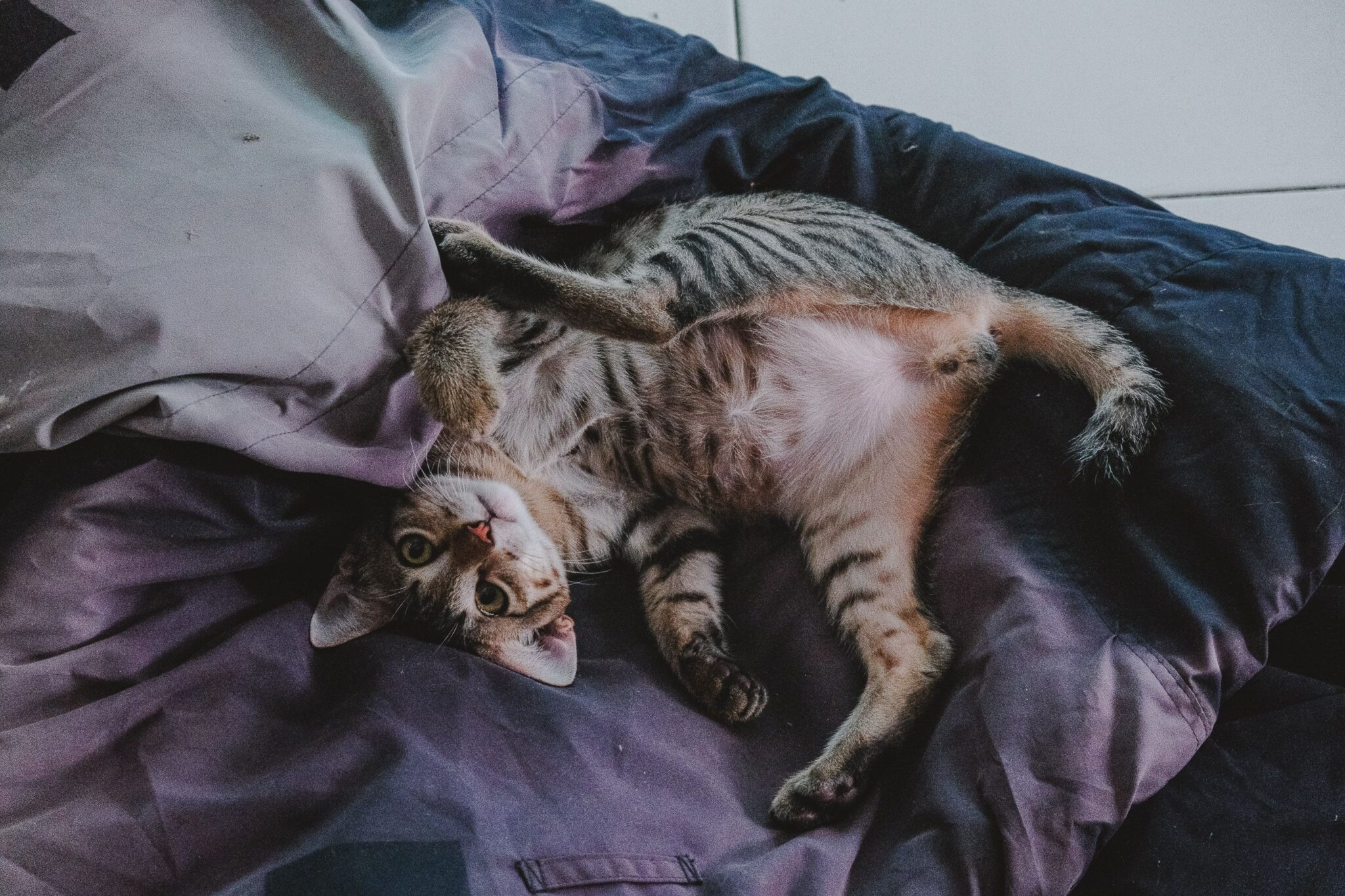
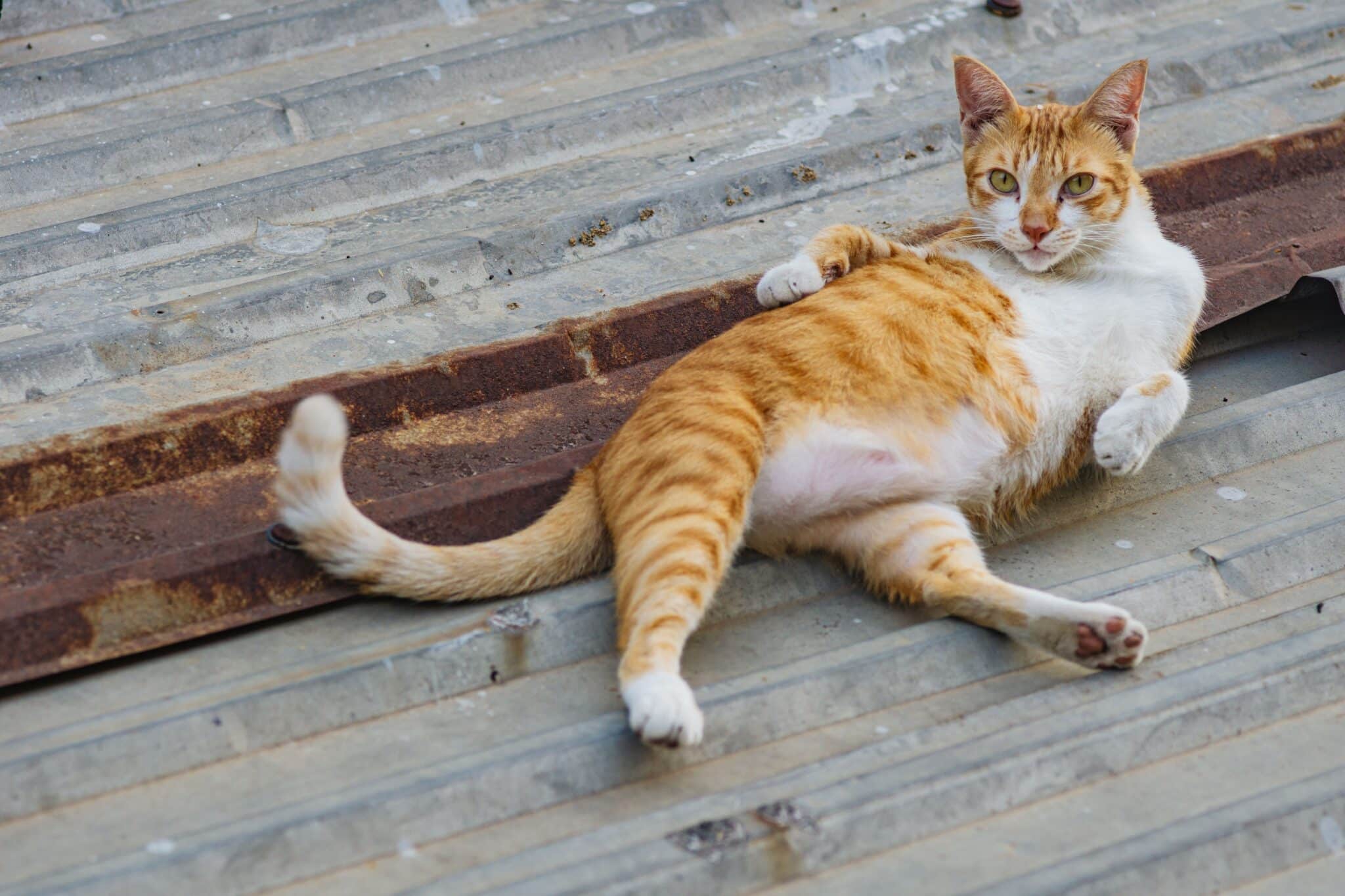
A cat rolling onto its back and exposing its belly may be showing that it feels comfortable in its surroundings. The vulnerable position can indicate trust, particularly when your cat appears relaxed and continues resting nearby. However, this gesture does not automatically mean your cat wants a belly rub. Many cats instinctively protect their stomachs and may grab, scratch, or bite when someone touches that sensitive area. Instead of assuming an invitation, observe your cat’s posture and preferences. Offering gentle attention in areas it enjoys can help maintain a positive interaction.
Retreat Into Hiding Places When They Need Security
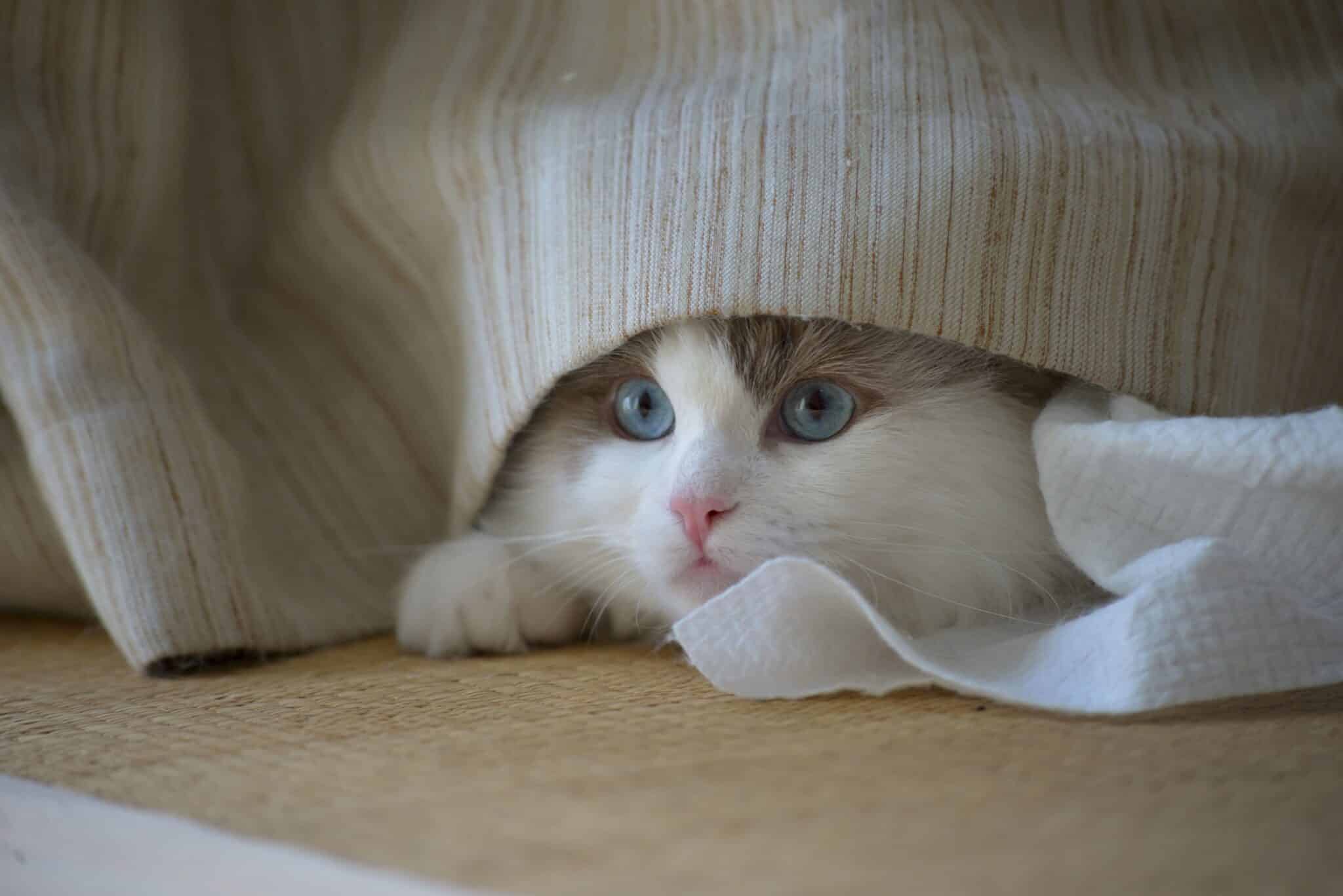
Cats often seek quiet hiding places when they want to rest, feel uncertain, or escape an overwhelming environment. Boxes, covered beds, closets, and spaces beneath furniture can provide a sense of protection while allowing them to observe what is happening nearby. Hiding is a normal feline behavior, especially when unfamiliar visitors, loud noises, or household changes disrupt their routine. However, a cat that suddenly hides more often than usual may be experiencing stress, pain, or illness. Respecting its need for privacy while monitoring changes in behavior helps keep your companion comfortable and safe.
The Smallest Feline Signals Can Say So Much
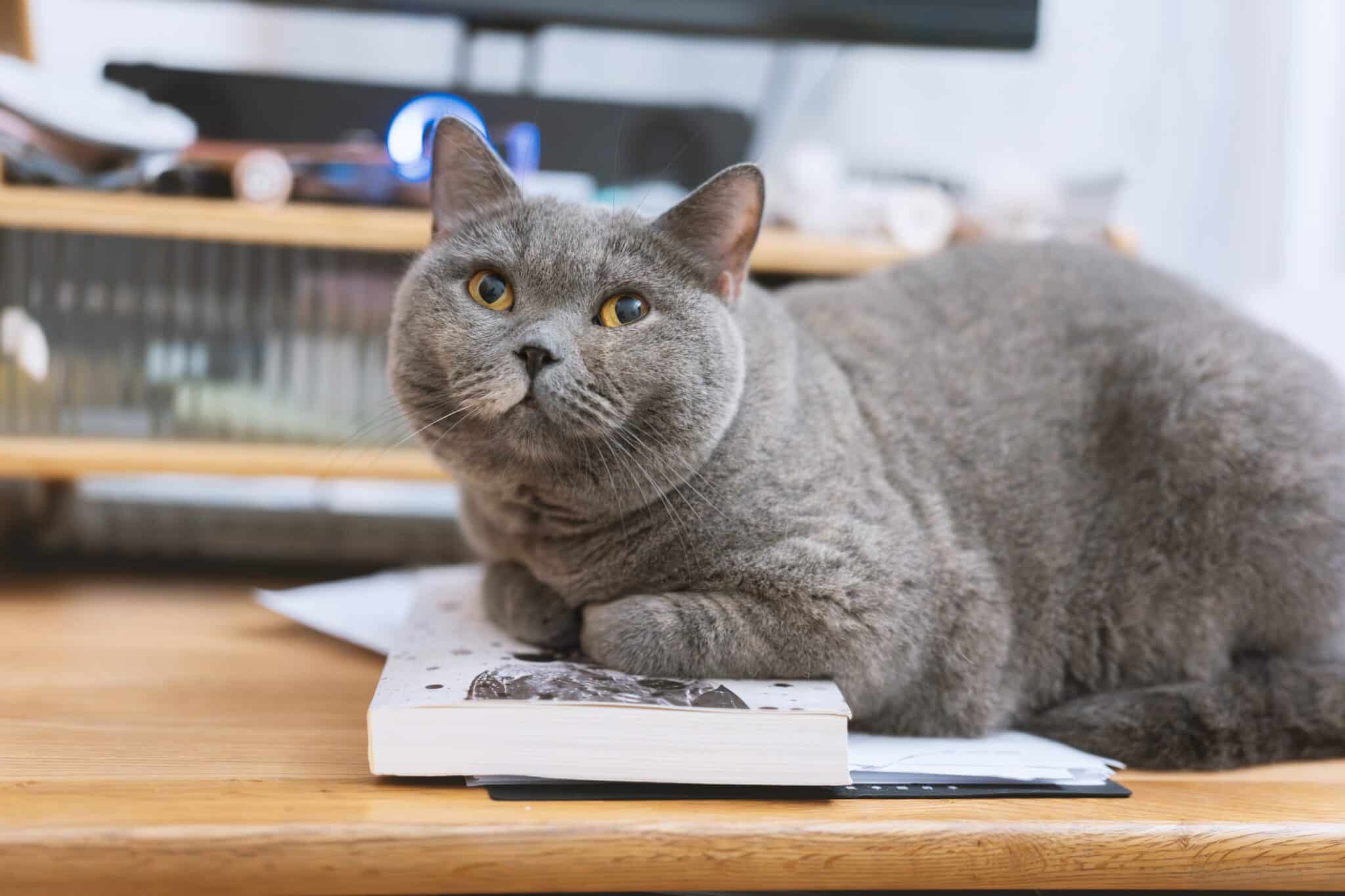
Cats rarely rely on one gesture to communicate everything they feel. Their expressions, movements, vocalizations, and daily habits work together to reveal comfort, curiosity, affection, and sometimes discomfort. Learning these signals can help you recognize when your companion wants attention, needs personal space, or simply feels happy sharing the same room. Every cat has its own personality and communication style, so observing familiar patterns is especially valuable. The more carefully you notice these little messages, the easier it becomes to build a trusting relationship with your mysterious, lovable feline friend.
This content was created with AI assistance and edited by the iHeartCats team.