
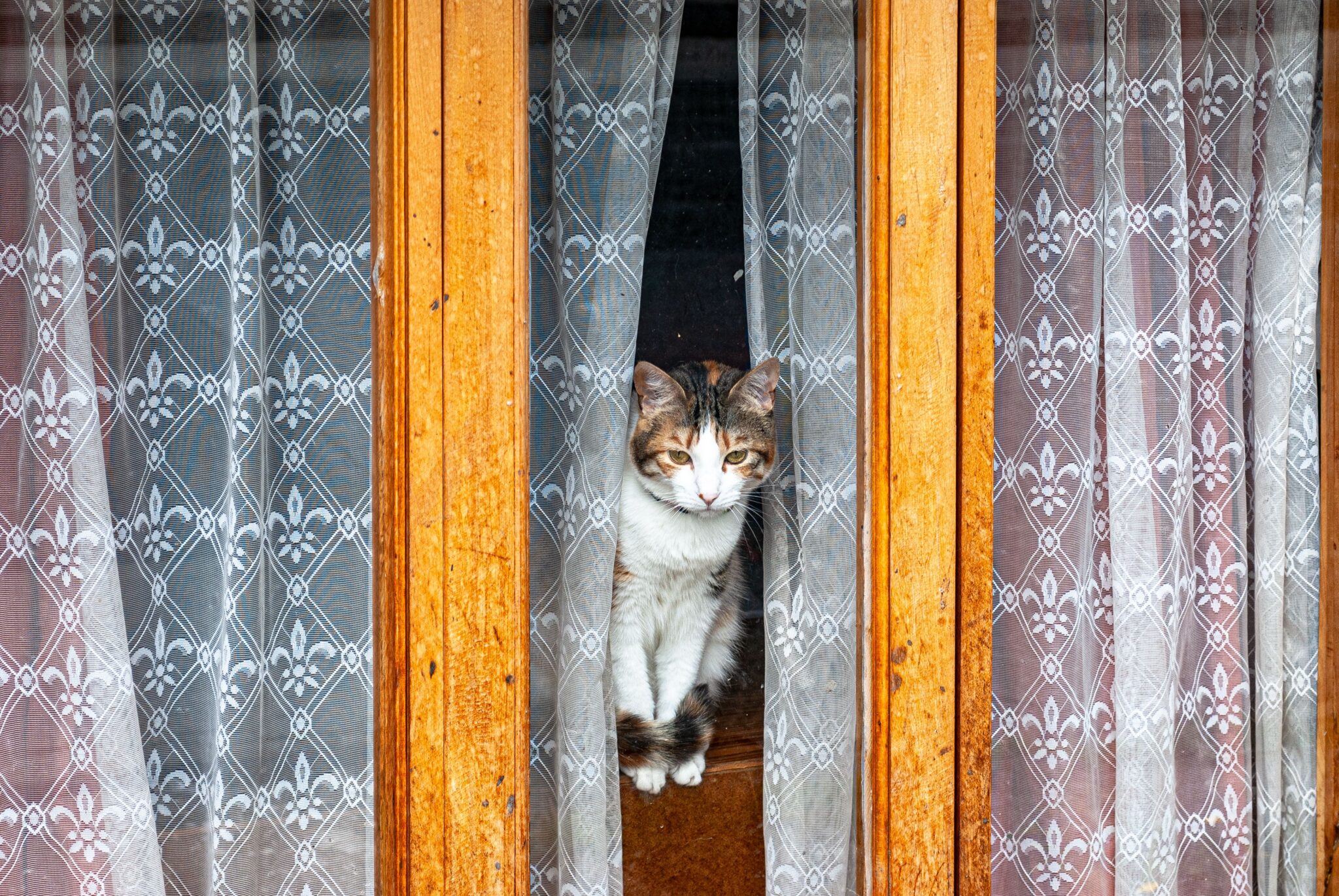
A cat does not need to curl up in your lap or demand belly rubs to show affection. Sometimes, love arrives as a head bump, a presence beside your desk, or a slow blink across the room. Other gestures are so subtle they can be mistaken for ordinary feline habits. Cats communicate comfort, trust, and attachment through behaviors rooted in instinct and social interaction. Understanding these signals can reveal how much your companion enjoys your company, even when they seem independent and content doing their own thing.
They Give You a Slow Blink
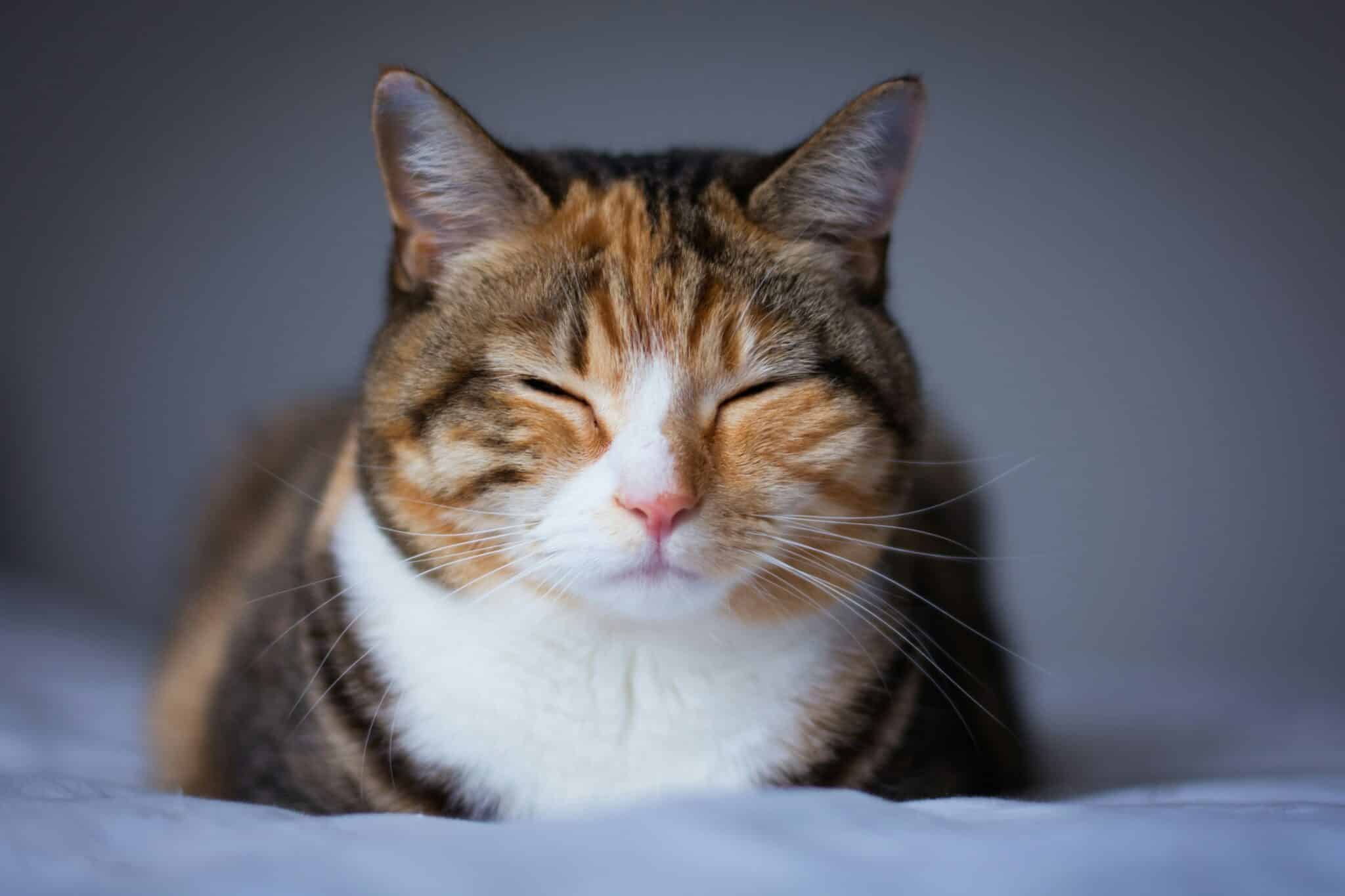
A slow blink is one of the sweetest ways a cat can communicate comfort around a familiar person. When a cat looks toward you, gently narrows its eyes, and slowly opens them again, it may be displaying relaxed, nonthreatening body language. This behavior is sometimes called a cat kiss, although it is better understood as a friendly social signal rather than a direct human-style expression of love. Cats use eye contact carefully, and a relaxed gaze can help communicate that they do not feel threatened. You can try returning the gesture by slowly closing and opening your eyes without moving closer. If your cat responds with another slow blink or settles comfortably nearby, it may be enjoying the peaceful interaction.
They Rub Their Heads Against You
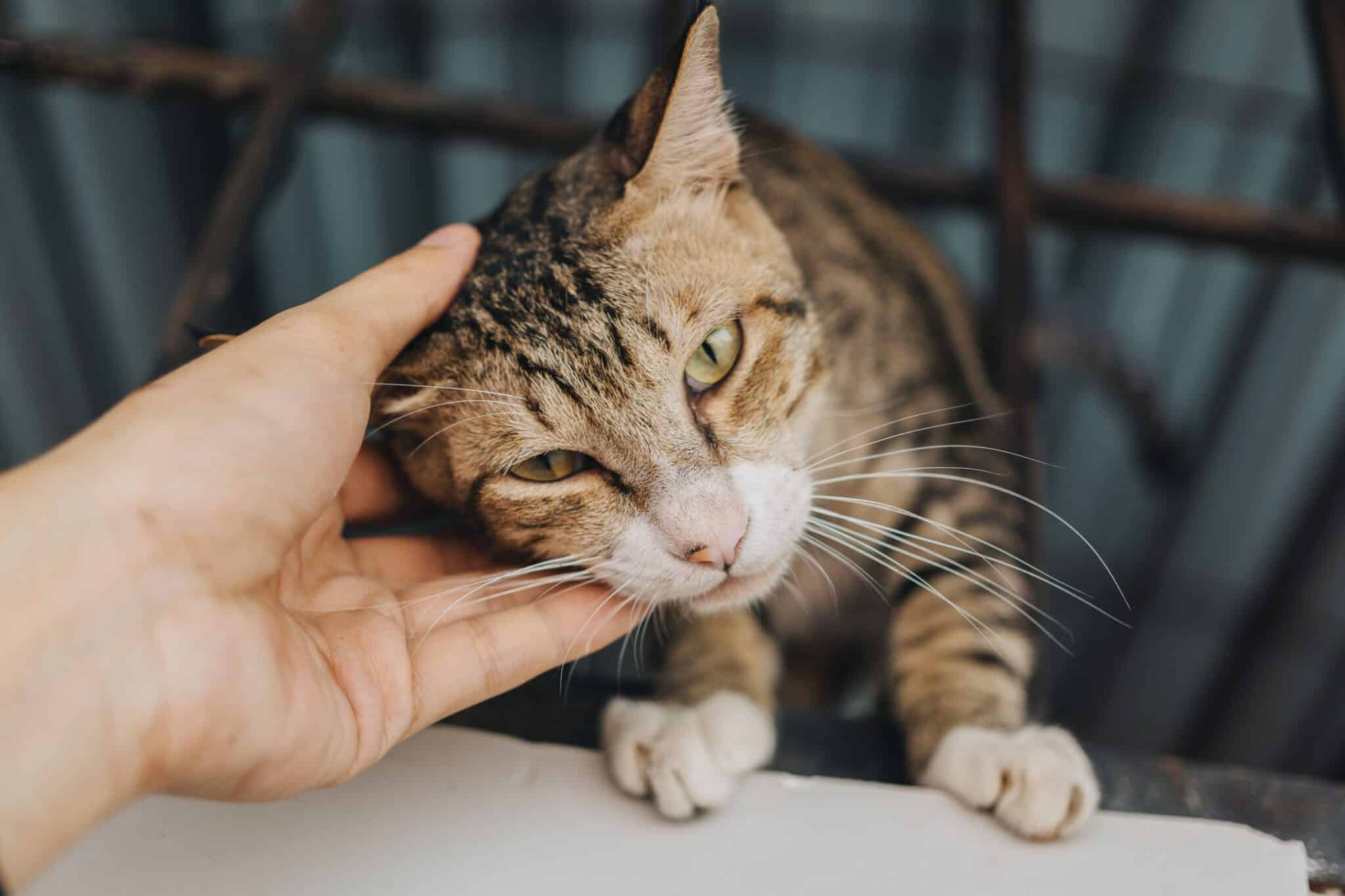
That adorable head bump is doing more than making your cat look irresistibly sweet. Cats have scent glands around their cheeks, chin, and forehead, and rubbing these areas against familiar people helps spread their individual scent. This behavior, known as bunting, is part of feline scent communication and can reinforce familiarity and social bonds. A cat may greet you with a forehead nudge, rub its cheeks against your legs, or lean its head into your hand when asking for attention. These gestures often indicate that your presence feels familiar and comfortable. When your companion initiates a head rub, a gentle response can encourage the interaction without overwhelming them.
They Follow You Around the House
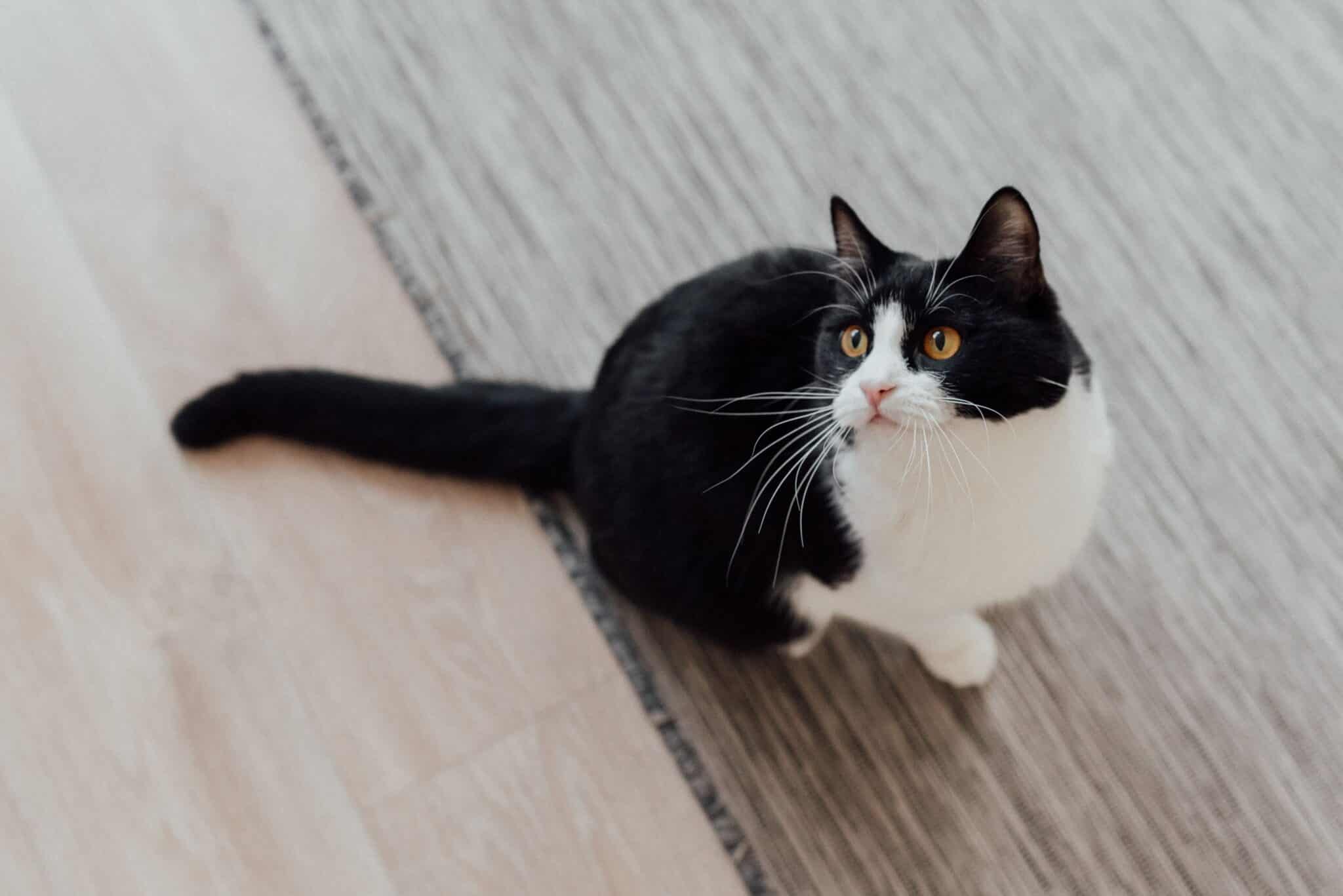
A cat that follows you from the bedroom to the kitchen may be showing more interest in your company than its independent reputation suggests. Some cats enjoy keeping their favorite people within sight, quietly appearing wherever household activities are happening. This behavior can reflect social attachment, curiosity, learned routines, or the possibility of receiving attention, food, or playtime. Your companion might even wait outside the bathroom or settle beside your desk while you work. Following alone does not automatically prove affection, but repeatedly choosing to remain nearby can indicate that your presence is comforting. Providing opportunities for interaction while respecting your cat’s independence helps maintain a healthy relationship.
They Turn Their Back Toward You
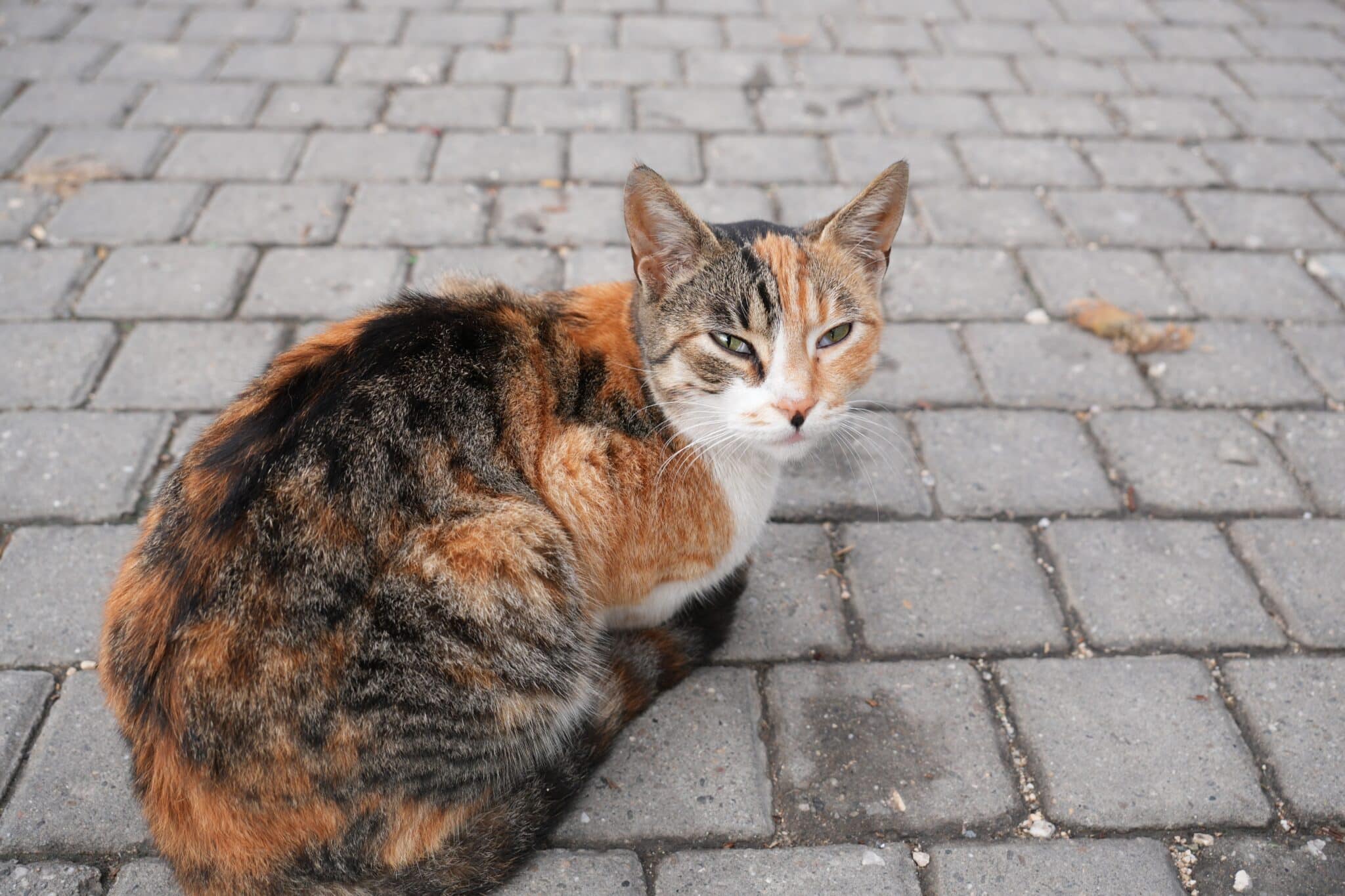
Being presented with a fluffy back instead of an adorable face might seem like a disappointing greeting, but it can actually be a reassuring sign. Cats are naturally attentive to their surroundings, so resting with their backs toward someone can suggest they feel comfortable enough not to monitor that person constantly. In familiar surroundings, this position may allow them to relax while still enjoying nearby company. Some cats choose this posture while sitting beside their owners on the couch or settling near their feet. It does not always indicate affection, since cats also position themselves this way for practical reasons. However, a relaxed cat that repeatedly chooses to rest close by is showing that the shared space feels safe.
They Bring You Their Favorite Toys
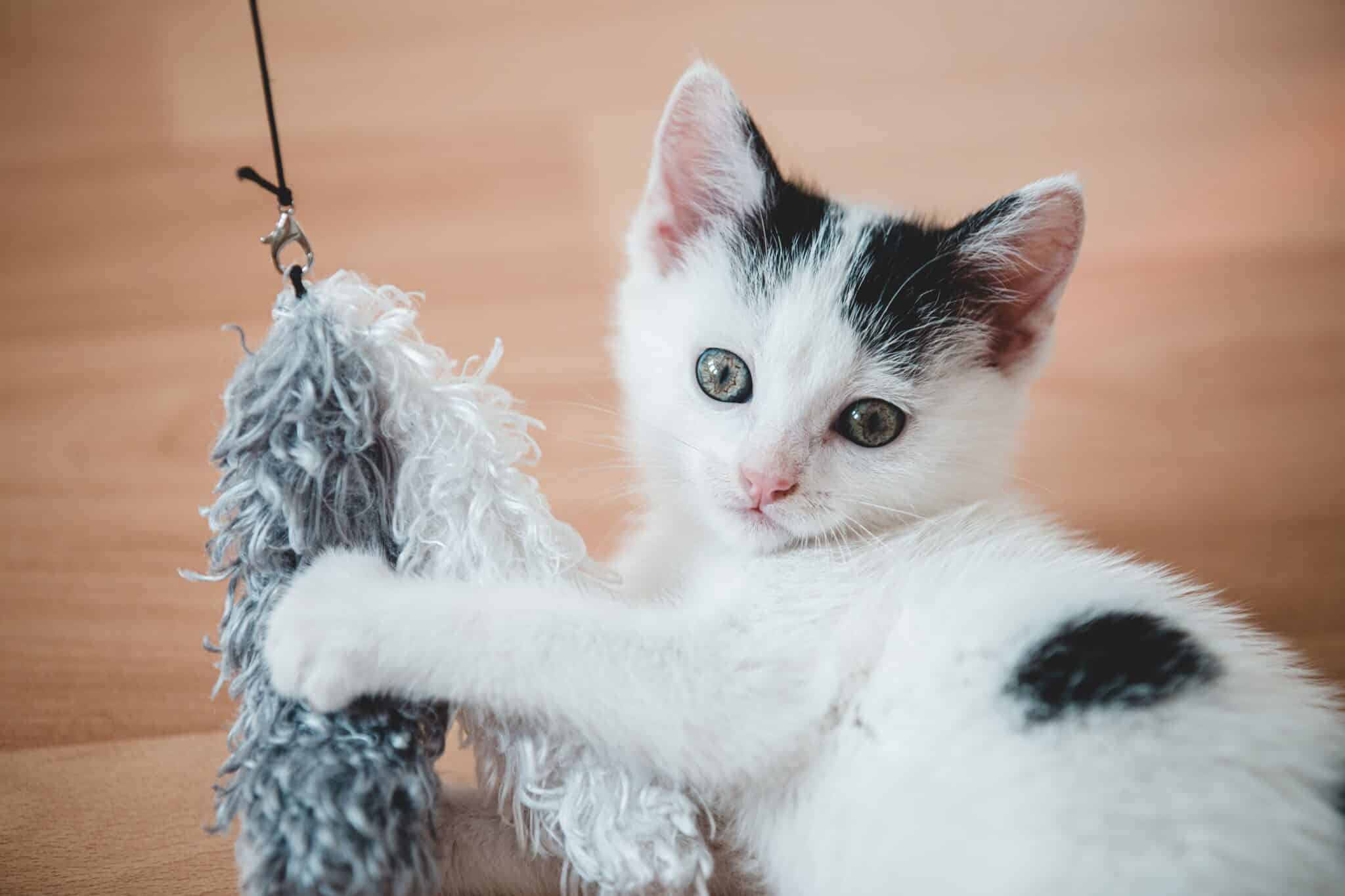
Finding a toy mouse beside your slippers might look like an unexpected delivery, but your cat may be inviting you into a familiar activity. Some cats carry toys around the house and bring them to people as part of their play behavior. This can reflect social interest, excitement, or a learned routine that encourages interaction. Carrying objects also connects with natural hunting-related behaviors, since cats enjoy chasing, catching, and transporting their playthings. If your companion drops a toy near you, try offering a short play session with a wand toy or another safe favorite. Not every delivery is an invitation, though. Sometimes, the toy is simply being relocated to an especially important feline destination.
They Choose to Sleep Near You
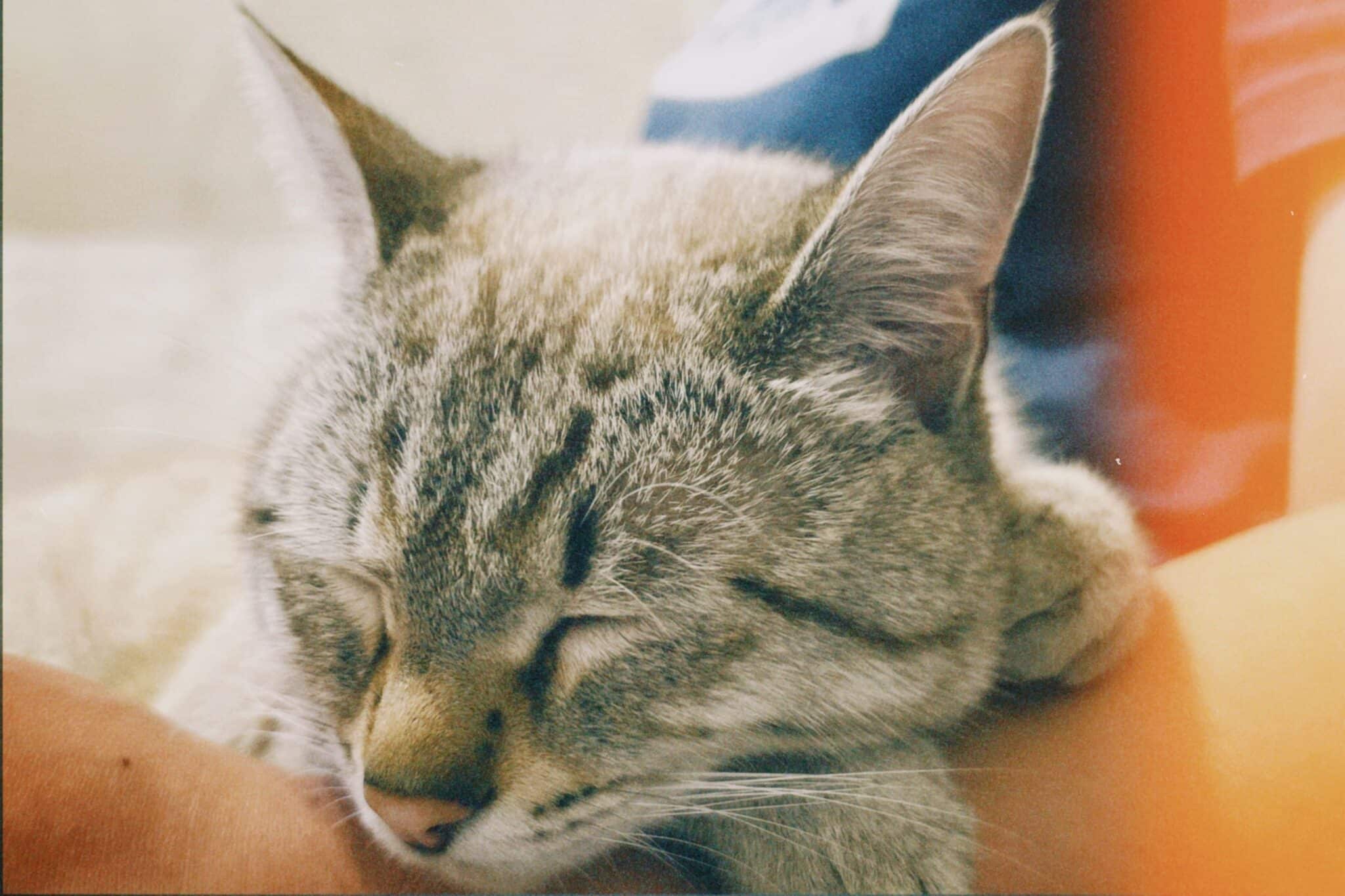
Cats spend a significant portion of their day sleeping, making their choice of resting place particularly interesting. A companion that regularly naps beside your chair, near your bed, or on a blanket you use may appreciate the familiar scent and security associated with those locations. Sleep leaves cats less alert to their surroundings, so choosing a comfortable resting spot near someone familiar can reflect a sense of safety. Some cats enjoy sleeping directly against their people, while others prefer a little distance. Both preferences can be perfectly normal expressions of companionship. Offering several cozy resting places allows your cat to choose the level of closeness that feels most comfortable.
They Groom You With Their Tongues
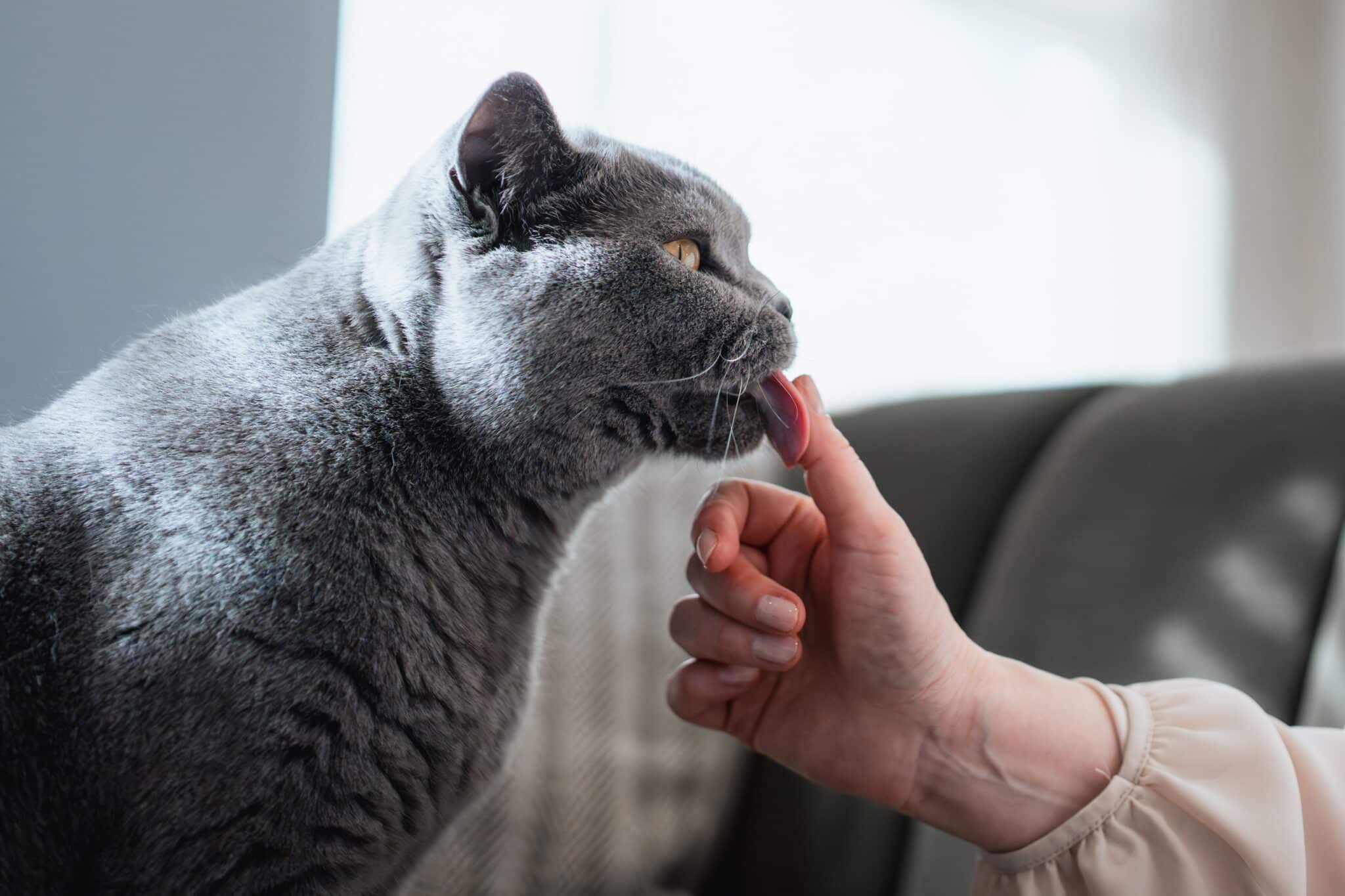
A few gentle licks on your hand or arm may be your cat’s way of including you in a familiar social grooming behavior. Cats groom themselves regularly, but they also groom companions they share social bonds with. This behavior, called allogrooming, helps maintain relationships and can reinforce familiarity within a social group. When directed toward people, licking may be associated with comfort, attention, or a learned interaction. Some cats even attempt to groom their owner’s hair, apparently deciding that human grooming standards need improvement. However, licking has several possible motivations, and excessive licking can sometimes indicate stress. Enjoy the occasional gentle gesture while keeping your cat away from lotions, medications, and other substances that should not be ingested.
They Expose Their Bellies Around You
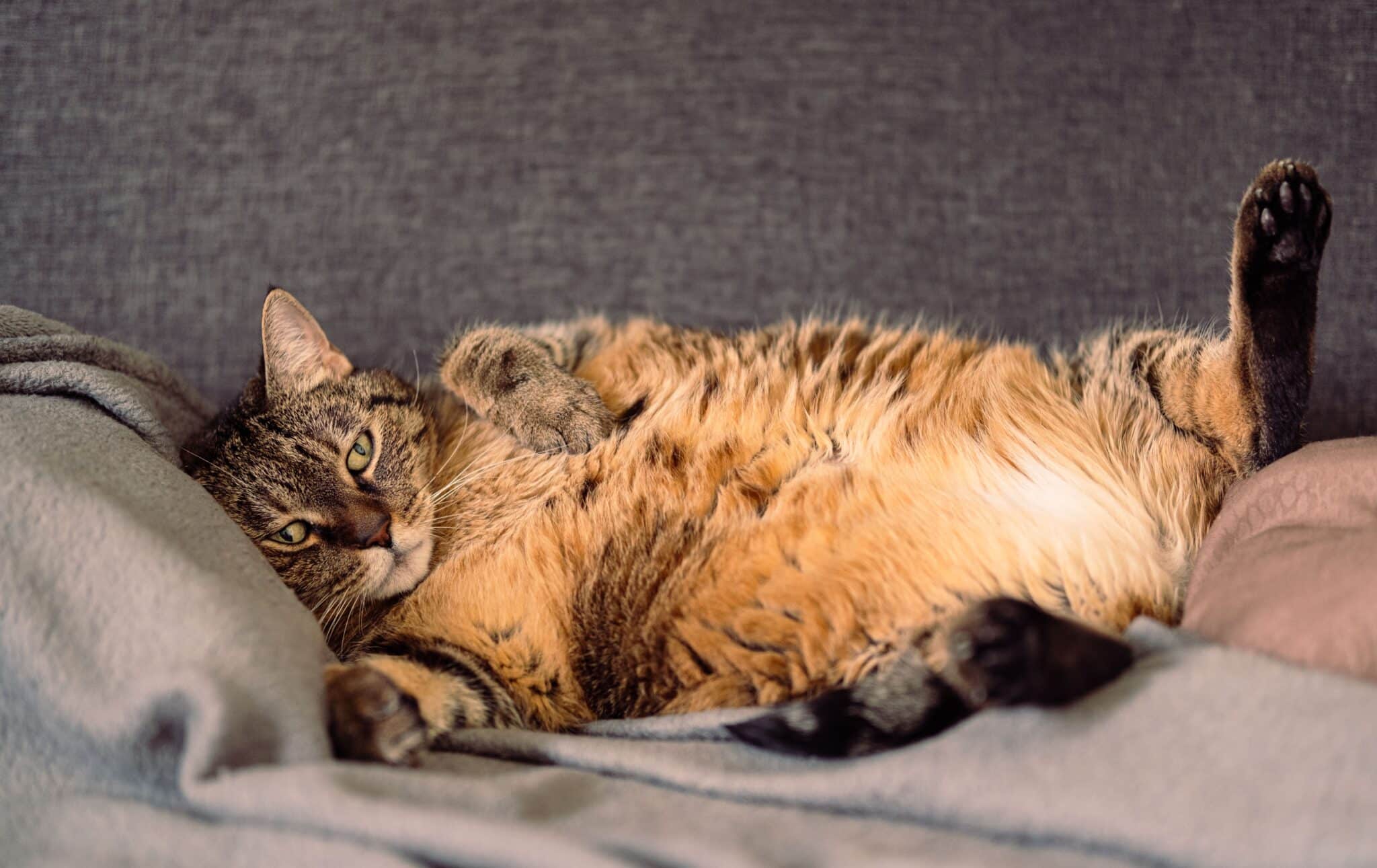
A cat rolling onto its back and displaying its fluffy belly can be a wonderful sign that it feels relaxed in its surroundings. The stomach is a vulnerable area, so exposing it may indicate that your companion feels secure enough to stretch out without remaining guarded. However, this position should not automatically be interpreted as an invitation for a belly rub. Some cats enjoy showing their bellies but dislike having them touched, responding with a quick paw grab or defensive kick. Pay attention to the entire body, including relaxed muscles, soft eyes, and comfortable movements. Appreciating the display without immediately reaching for the belly is often the best way to respect your cat’s trust.
They Greet You With Chirps and Trills
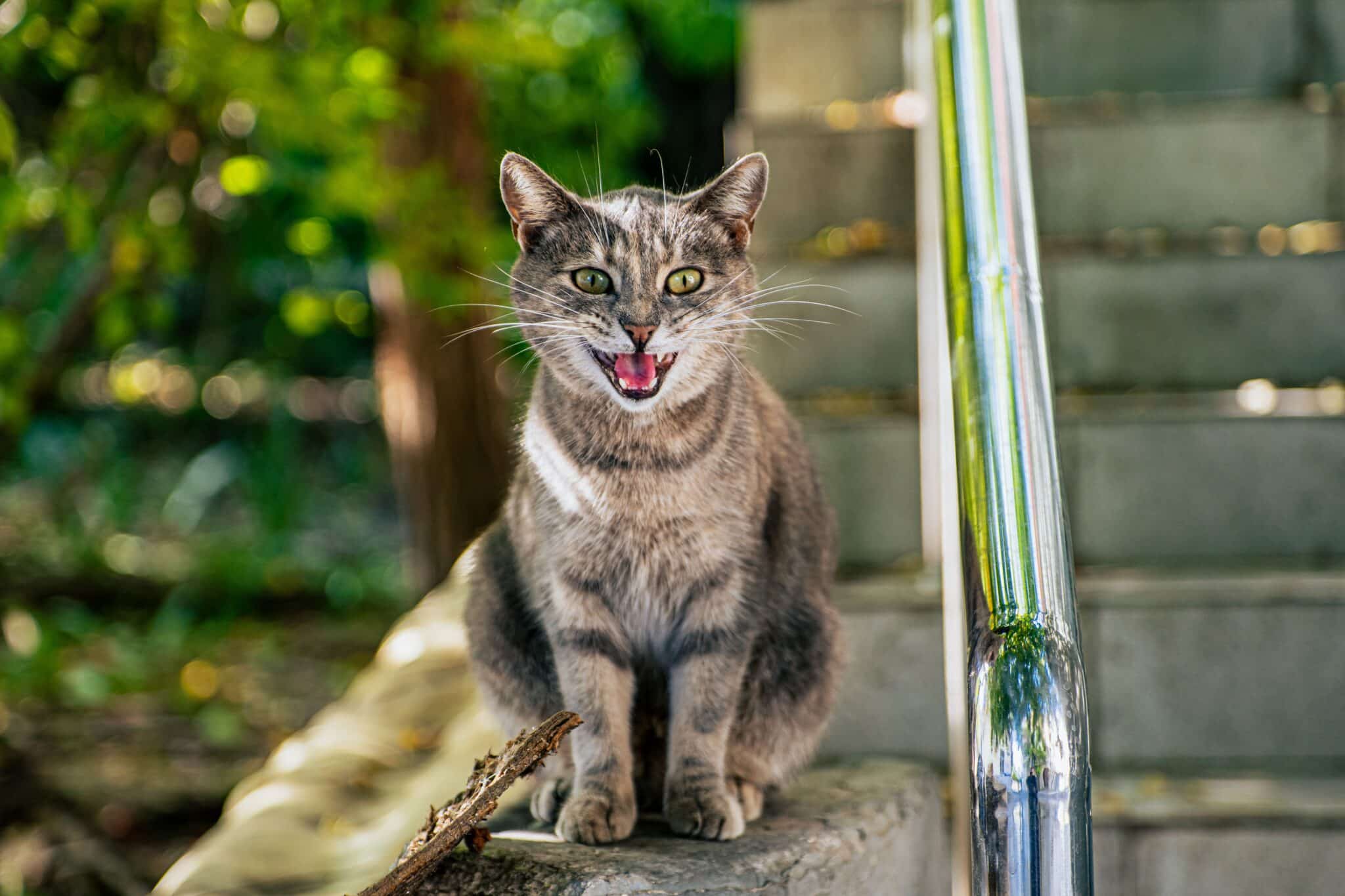
Not every affectionate greeting comes with a loud meow. Some cats welcome familiar people with soft chirps, trills, or little rolling sounds that seem almost conversational. Trilling is commonly associated with friendly social interactions, and mother cats also use similar vocalizations when communicating with their kittens. An adult cat may make these sounds when you enter a room, approach its resting place, or begin a familiar routine. The greeting may be accompanied by an upright tail, gentle rubbing, or a few excited steps in your direction. Although vocalizations can have different meanings depending on the situation, a relaxed cat using cheerful sounds around you may simply be happy to interact.
They Rest a Paw on You
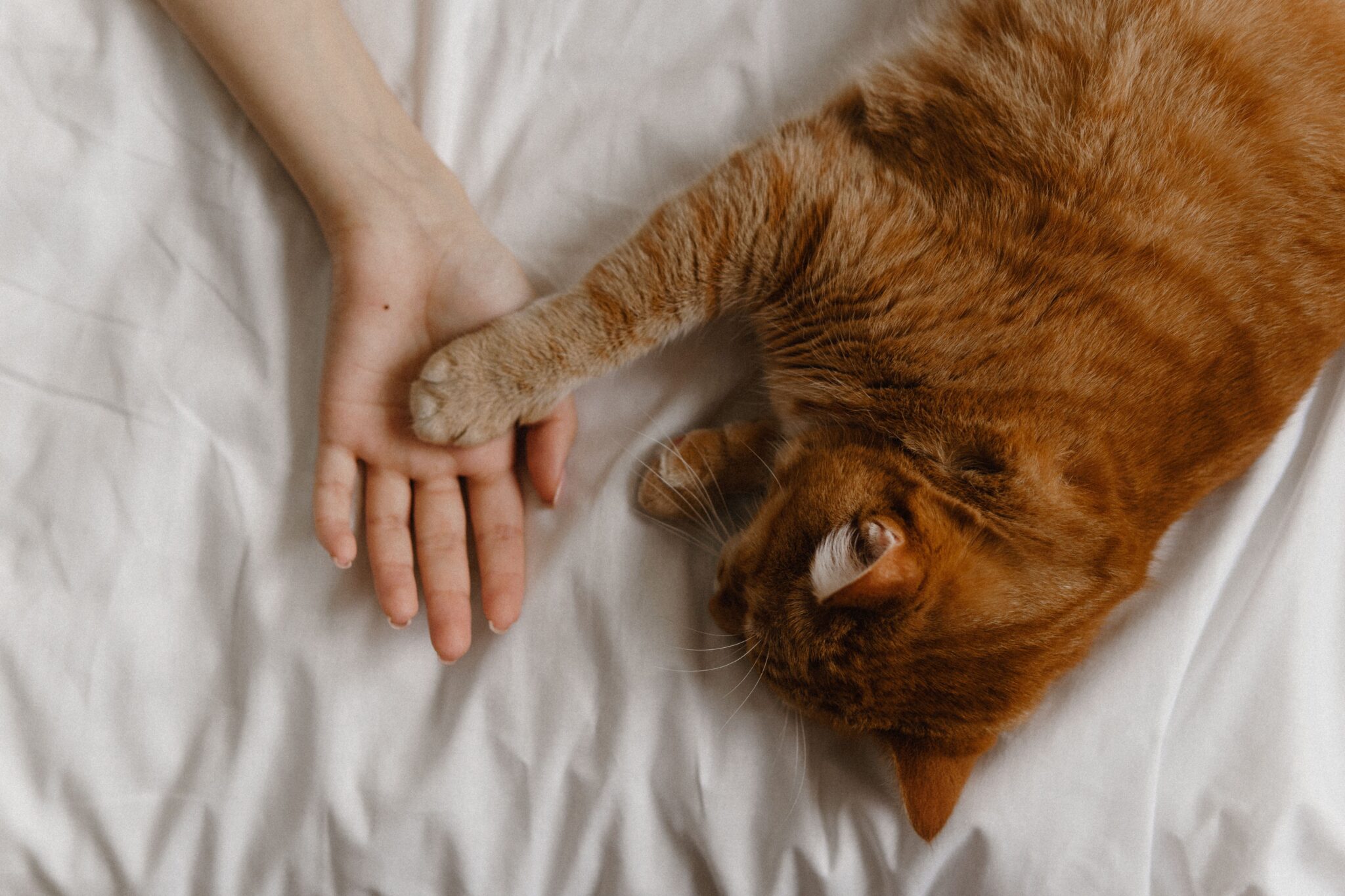
A soft paw placed on your arm, leg, or hand can be an understated way of maintaining contact. Some cats use this gesture while resting beside someone, while others gently tap their people to request attention or encourage a familiar activity. The meaning depends on the surrounding circumstances, but a relaxed paw touch can indicate that your companion is comfortable interacting with you. Cats also learn through experience, so a gentle tap that receives a pleasant response may become part of their regular communication routine. Notice whether your cat appears relaxed or impatient, since a paw placed on you can have different motivations. Either way, this small gesture deserves more attention than it usually receives.
They Wait for You to Come Home
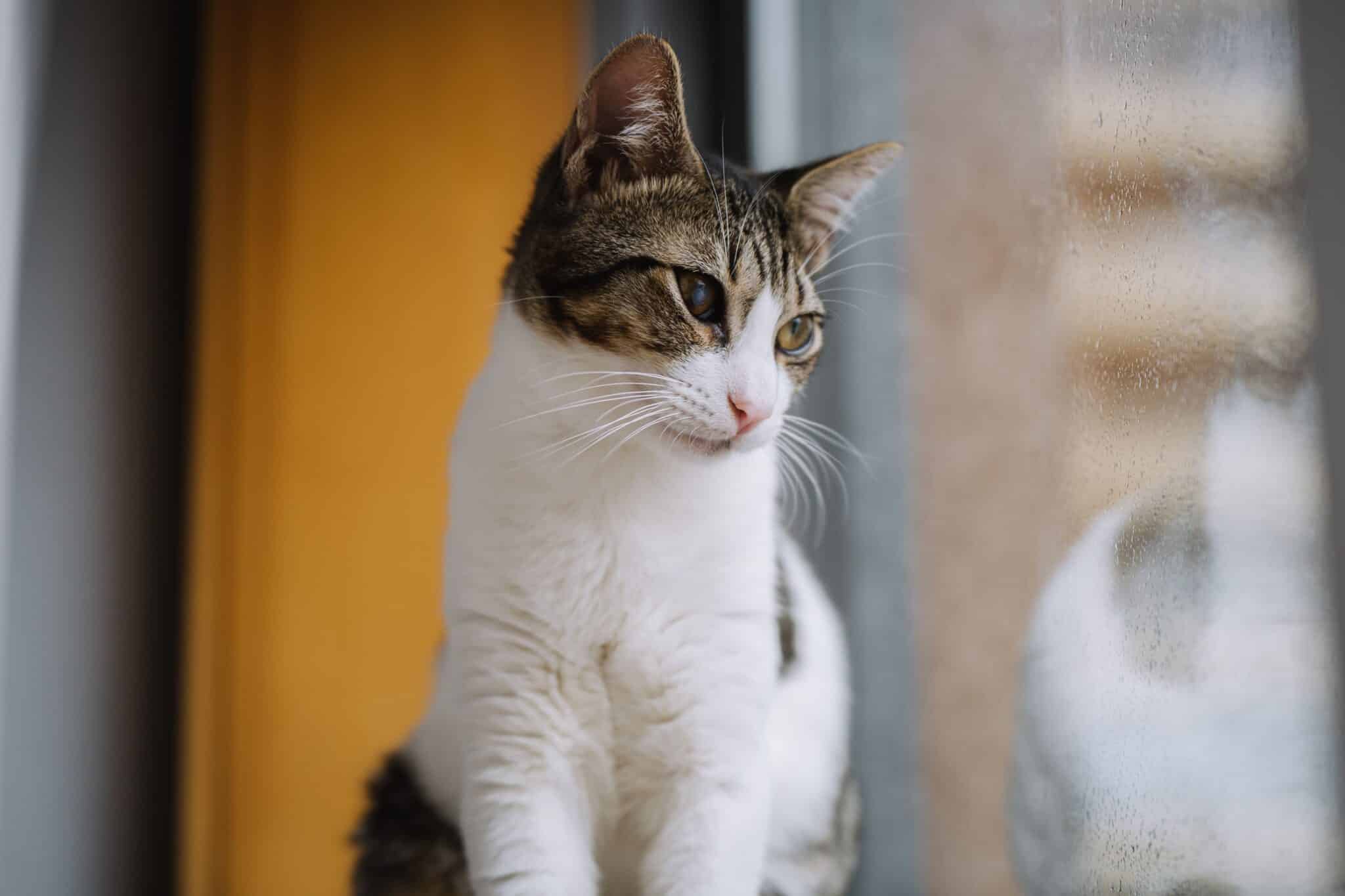
Some cats seem to know exactly when their favorite person is about to walk through the door. They may wait near the entrance, appear when they hear familiar footsteps, or greet someone shortly after their arrival. Cats can recognize familiar sounds and learn daily patterns, allowing them to anticipate regular household events. A greeting might include an upright tail, a gentle head rub, a chirp, or simply sitting nearby and watching. These behaviors can reflect social attachment and familiarity with a person’s routine. Not every cat will rush to the entrance, since personalities differ considerably. A quiet companion that consistently appears after you return may be expressing its own version of a warm welcome.
They Knead You With Their Paws
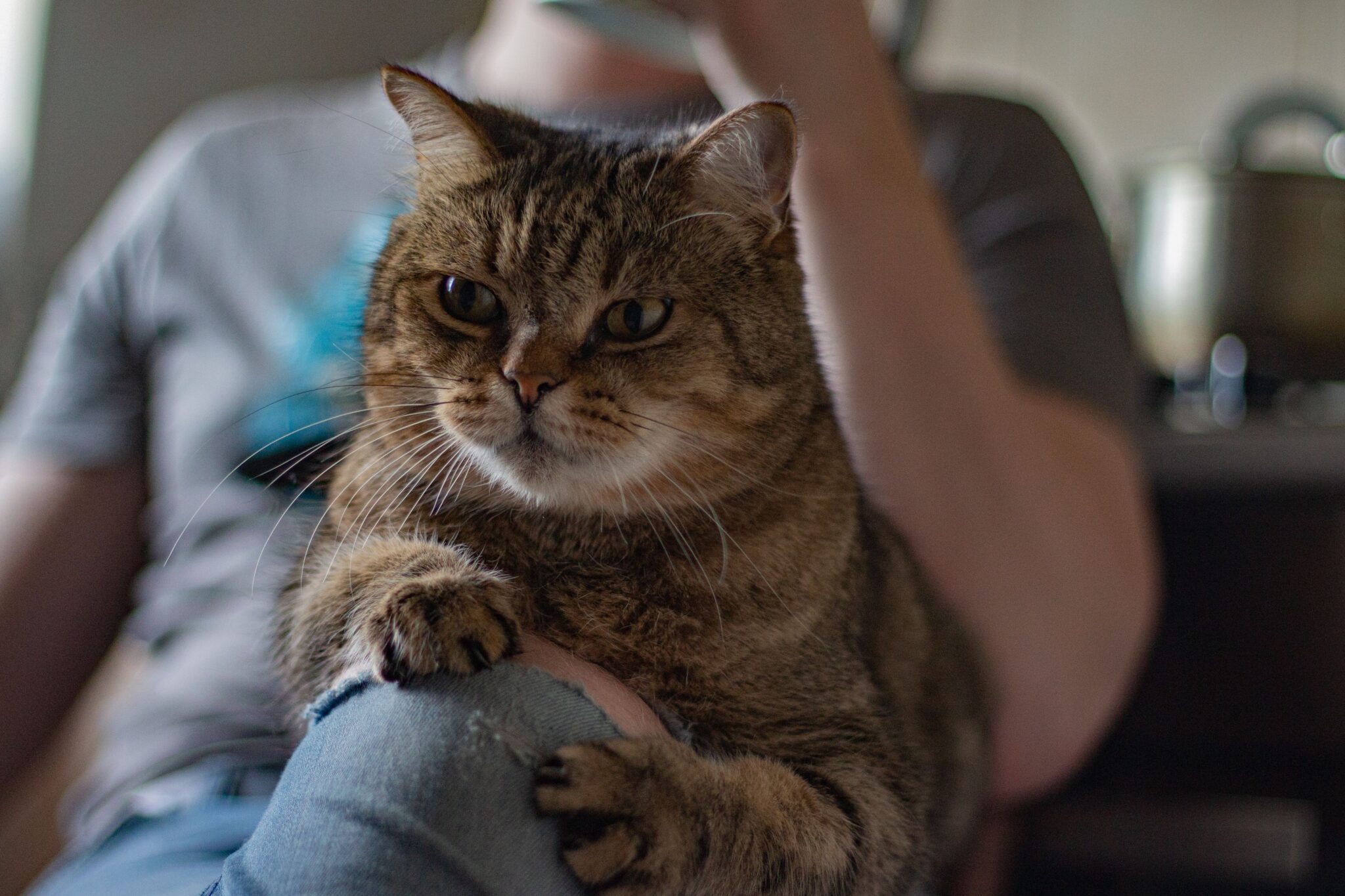
The rhythmic pressing of a cat’s front paws against a blanket, cushion, or lap is commonly known as kneading. This behavior begins during kittenhood, when young cats knead their mother’s belly while nursing. Many adult cats continue the motion during moments of relaxation, and it may be associated with comfort and familiar early experiences. A cat that chooses your lap for a kneading session may feel especially comfortable in your company. Some accompany the movement with purring, drooling, or half-closed eyes, making the entire performance look wonderfully peaceful. Keep a thick blanket nearby if your companion’s claws become uncomfortable, and allow the behavior to continue without scolding.
They Simply Choose to Be Near You

Perhaps the most easily overlooked expression of affection is a cat that simply chooses to share your space. It may sit across the room while you work, settle on a nearby chair while you read, or quietly observe your activities without requesting attention. For cats that prefer independence or limited physical contact, this kind of companionship can be especially meaningful. Remaining nearby allows them to enjoy familiar company while maintaining control over their personal space. There is no need for constant cuddling, touching, or interaction for a relationship to feel rewarding. Sometimes, a cat’s decision to spend an afternoon in the same room is its own comfortable way of staying connected.
The Feline Love Department Has Some Unusual Hours

Cats communicate affection in many ways, but their signals do not always involve enthusiastic greetings or constant cuddles. A slow blink, gentle head bump, or quiet nap nearby can reveal comfort and familiarity. Understanding these behaviors means noticing individual personalities, body language, and the circumstances surrounding each interaction. Not every gesture means the same thing, and respecting a cat’s boundaries matters as much as recognizing affection. Paying attention to these subtle signals helps people appreciate the trust woven into everyday life with their companions and their unique relationships.
This content was created with AI assistance and edited by the iHeartCats team.