
The most unusual-looking cat breeds include the Sphynx (nearly hairless), Scottish Fold (ears folded by a cartilage mutation), Munchkin (short legs from a limb-development mutation), American Curl (backward-curling ears present from birth within the first few weeks), and the Bengal (spotted coat from Asian leopard cat ancestry). Each trait traces to a documented genetic mutation or breeding program recognized by cat registries such as TICA and CFA, not a costume or edit – these are real, registered domestic cat breeds. This guide is evidence-reviewed, not hands-on tested, drawing on registry breed standards and veterinary sources cited throughout.
Sphynx
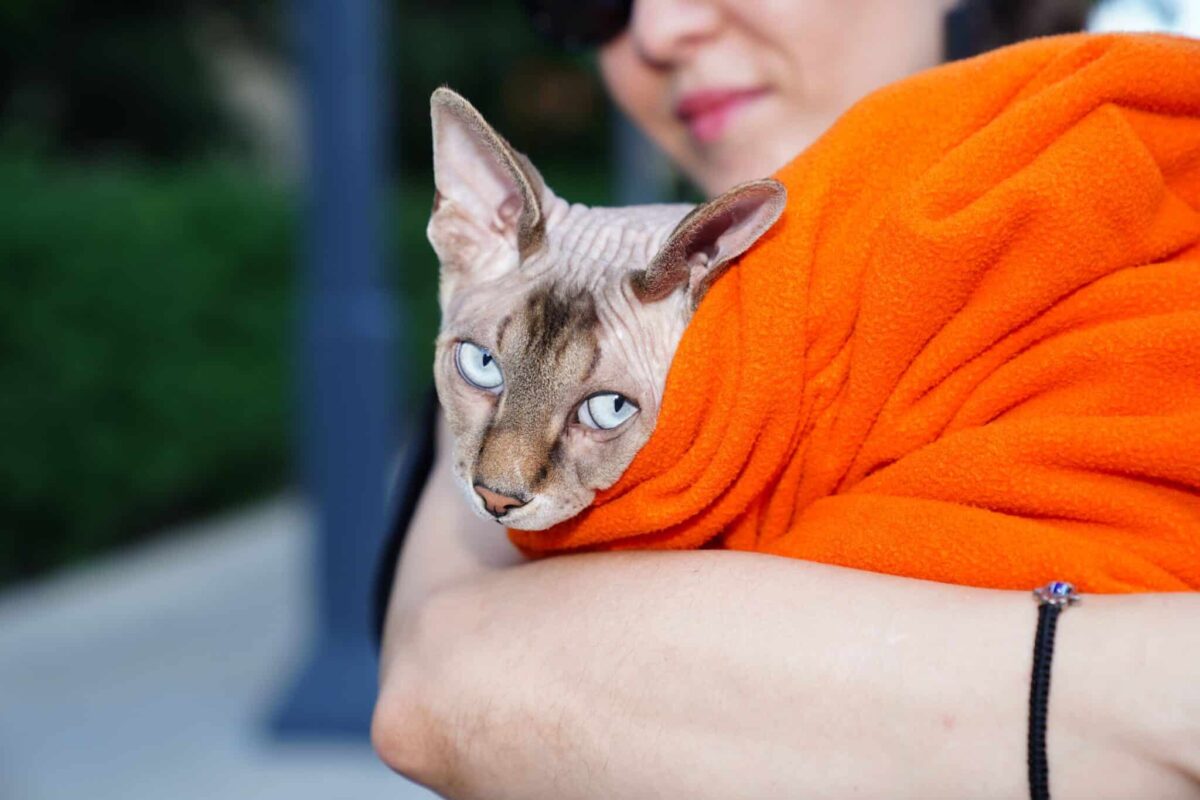
Few cats are as instantly recognizable as the Sphynx. Their nearly hairless appearance, oversized ears, prominent cheekbones, and wrinkled skin give them a look unlike that of most other domestic cats. Despite the name and appearance, the Sphynx is not completely hairless in every case. Fine, peach-fuzz-like hair can cover parts of the body, and individual cats vary in how much hair they have. Their lack of a traditional fur coat also means grooming still matters because oils can accumulate on the skin. Personality is another big part of their appeal. Sphynx cats are generally social, playful, curious, and affectionate, often seeking warm places and close human contact. Their unusual appearance can make people do a double-take, but their outgoing behavior quickly makes them feel like familiar household companions.
Scottish Fold
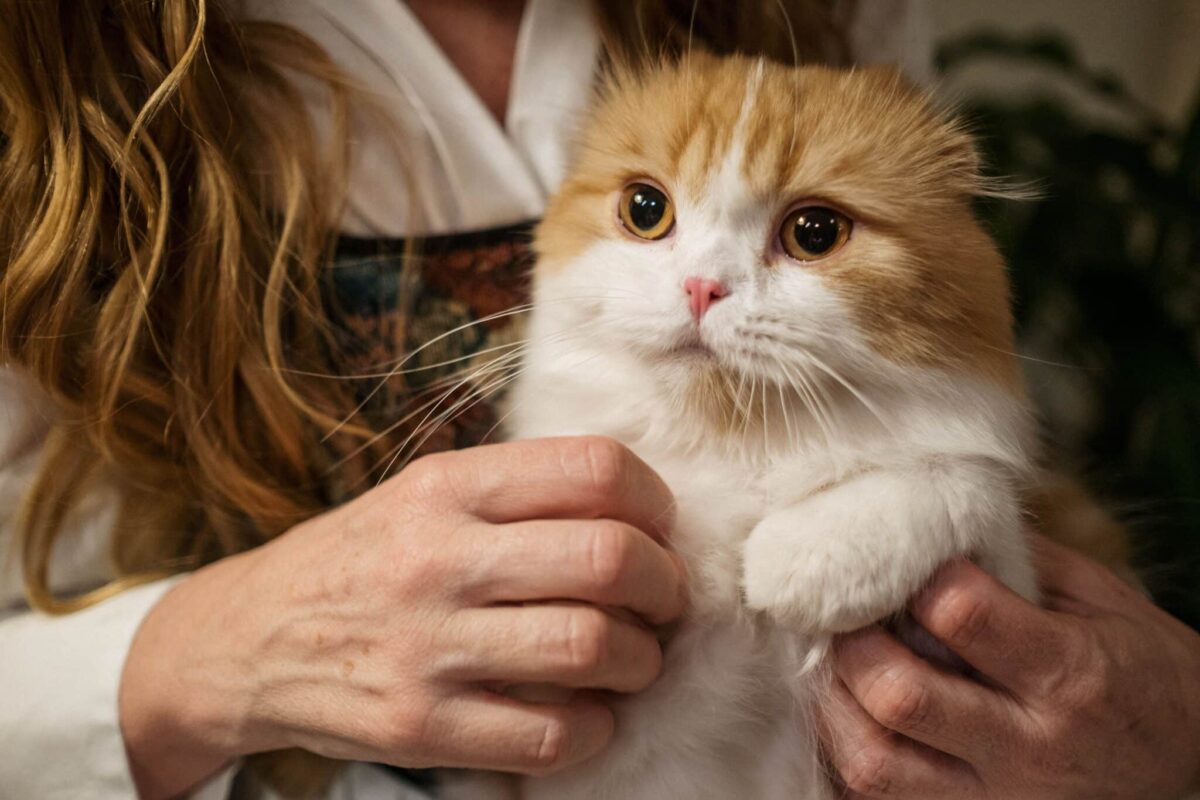
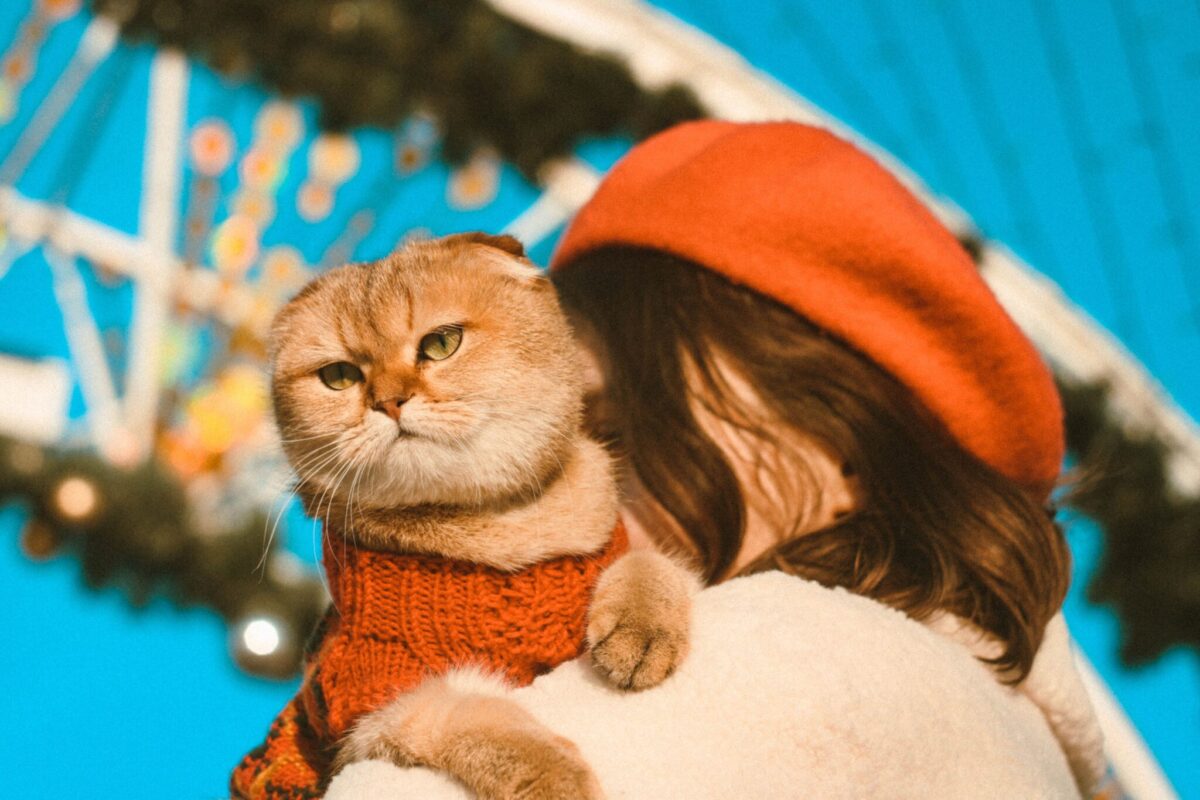
The Scottish Fold looks as though someone gently folded the tips of their ears downward, creating the breed’s signature expression, one of the most unique ear shapes among cat breeds. Those ears result from a genetic mutation affecting cartilage, and kittens can be born with straight ears before the fold becomes apparent during early development. The breed’s rounded head, large eyes, and compact appearance can give them an almost cartoon-like look. Their unusual ears are not simply a cosmetic feature, however, because the mutation affects cartilage throughout the body, a point International Cat Care highlights for prospective owners. For that reason, responsible breeding and veterinary guidance are particularly important when considering this breed. TICA recognizes the Scottish Fold as a breed, including both longhaired and shorthaired varieties.
American Curl
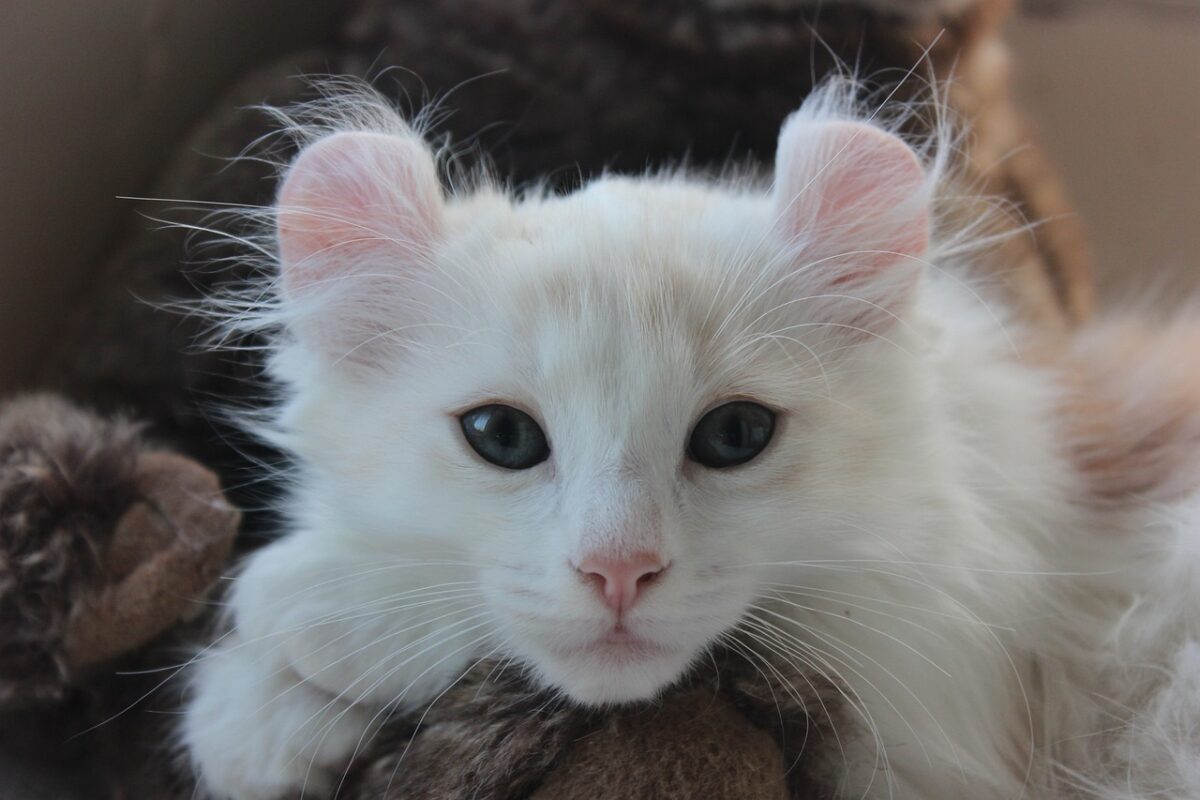
The American Curl looks as though its ears have been gently swept backward by a breeze. Instead of pointing straight upward like typical cat ears, the outer edges curve backward in a distinctive arc. The breed is identified by this unusual ear shape, and cats can have either short or long coats. The curled ears develop because of a genetic mutation, but the degree of curl can vary from cat to cat. Interestingly, American Curl kittens are born with straight ears, with the characteristic shape developing during their first weeks of life. Beneath those remarkable ears is generally an affectionate, adaptable companion that tends to enjoy being involved with household life. The combination of familiar cat behavior and extraordinary ears makes the breed especially memorable.
Selkirk Rex
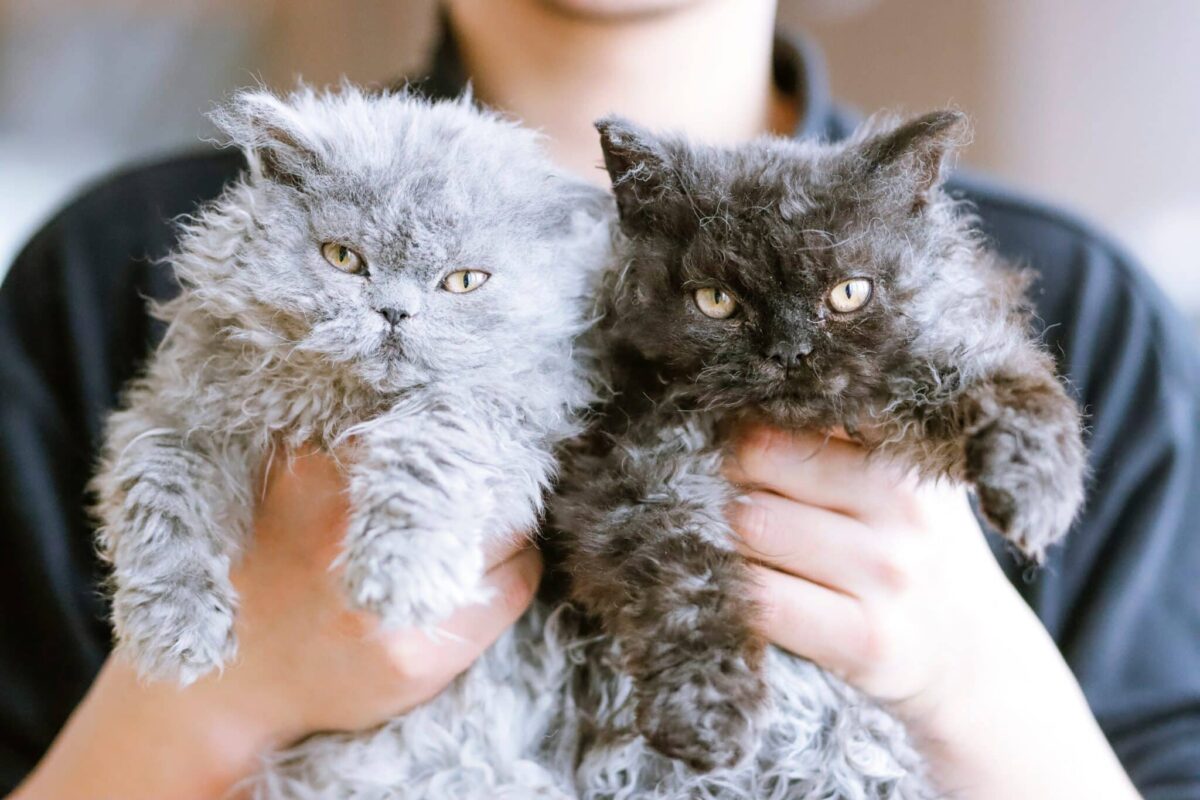
The Selkirk Rex could easily be mistaken for a cat wearing an extremely convincing perm. Their coat has a plush, curly texture that can range from loose waves to more pronounced curls, and the effect is especially noticeable around the face and whiskers. Unlike the fine, tightly curled appearance associated with some other Rex breeds, Selkirk Rex cats are known for a heavier, more substantial coat that contributes to their teddy-bear-like appearance. They are available in both longhaired and shorthaired varieties, so the amount of curl and overall silhouette can differ considerably. Individual personality still varies, but many Selkirk Rex cats are known for their calm, companionable nature. Their unusual coat gives them a remarkably distinctive appearance without changing the basic curiosity and playfulness that make cats so entertaining.
Munchkin
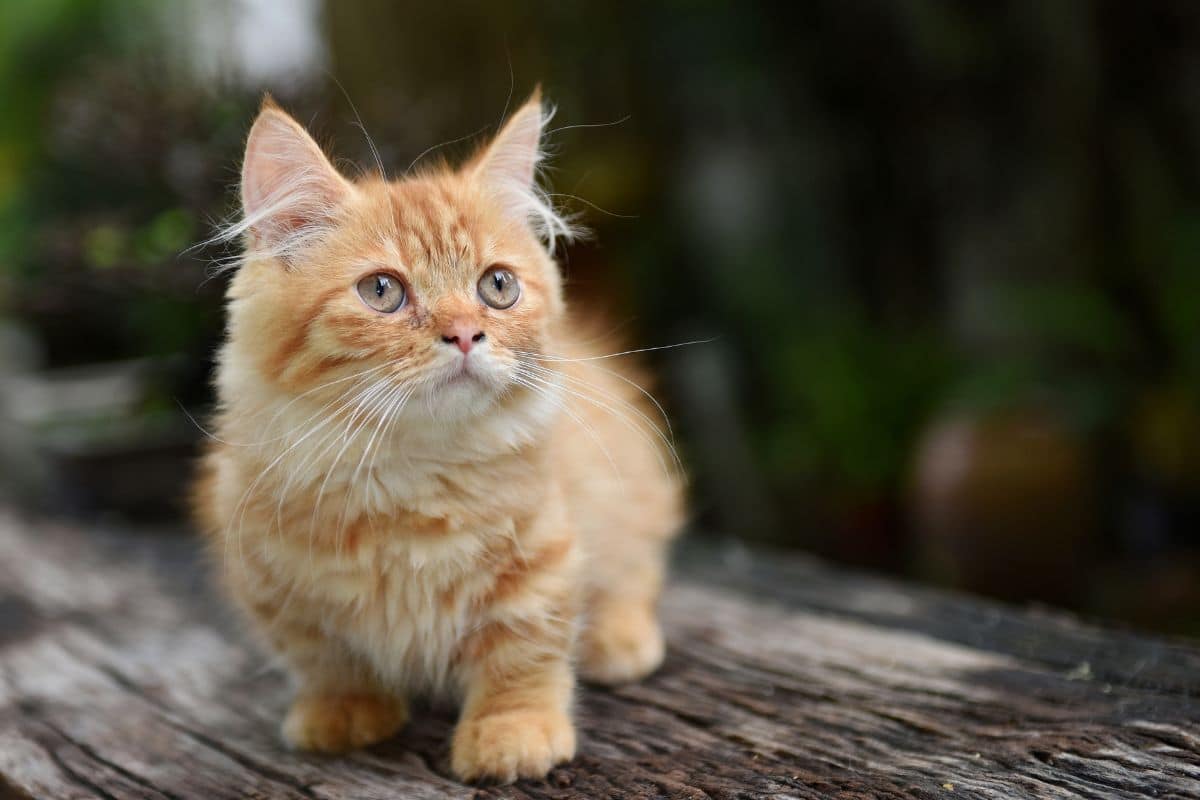
The Munchkin looks almost like a cat whose legs were borrowed from a different-sized animal. Their noticeably short legs contrast with a body that otherwise resembles a typical domestic cat, creating the distinctive low-to-the-ground appearance that defines the breed. The short-legged trait results from a genetic mutation affecting limb development, and individual Munchkins can vary in leg length. Their unusual proportions do not necessarily prevent them from being active. Many enjoy running, climbing, chasing toys, and exploring, although their physical build means owners should provide environments suited to their abilities. Munchkins remain controversial in some animal-welfare discussions, as International Cat Care notes, because deliberately breeding for extreme physical traits can raise ethical and health questions. Prospective owners should research responsible breeding and veterinary considerations carefully.
Cornish Rex
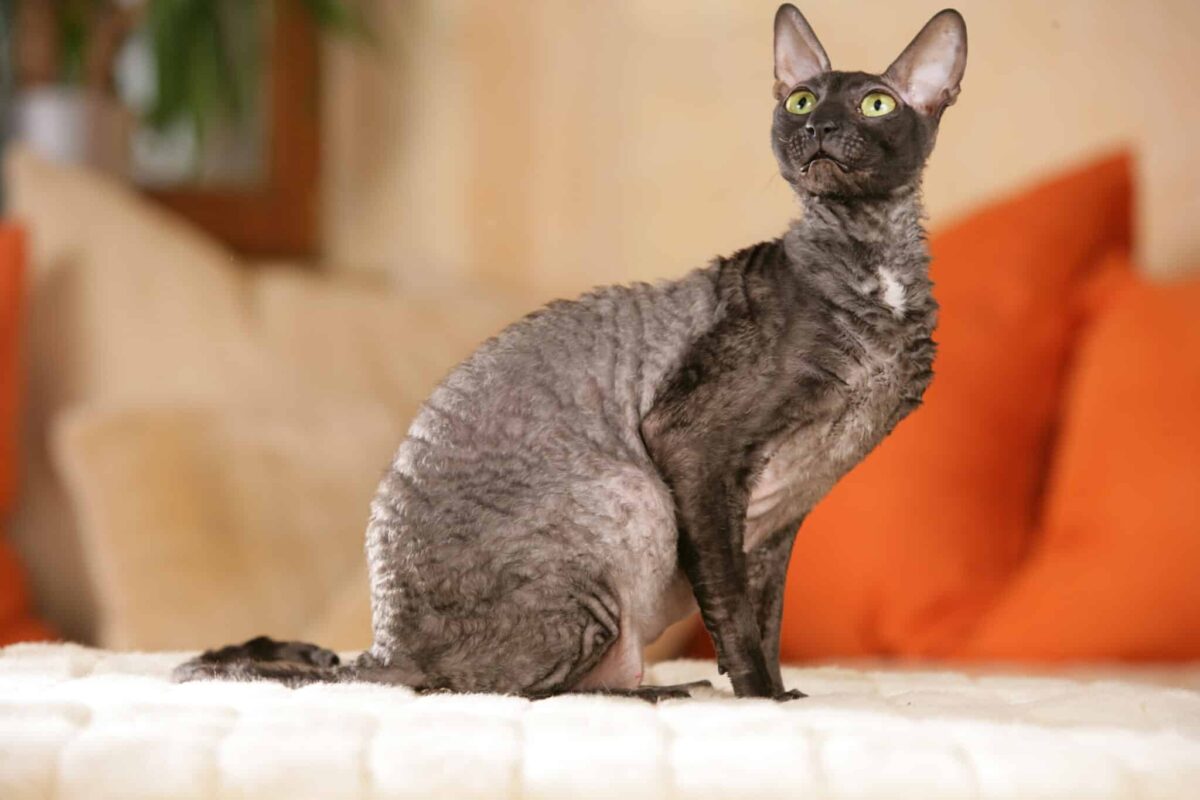
The Cornish Rex looks like a sleek athlete who somehow ended up covered in waves instead of ordinary fur. Their coat is unusually fine and curly, creating a rippled texture across the body that becomes especially noticeable when the cat moves. Large ears, high cheekbones, and a slender build add to the breed’s distinctive silhouette. The Cornish Rex is energetic and elegant, a fitting combination for a cat that can look simultaneously delicate and remarkably athletic. Their appearance comes from a coat mutation rather than a grooming trick, and their active personalities often match their streamlined bodies. They tend to enjoy play, climbing, and interaction, so their unusual look comes packaged with plenty of energy for keeping a household entertained.
Bengal
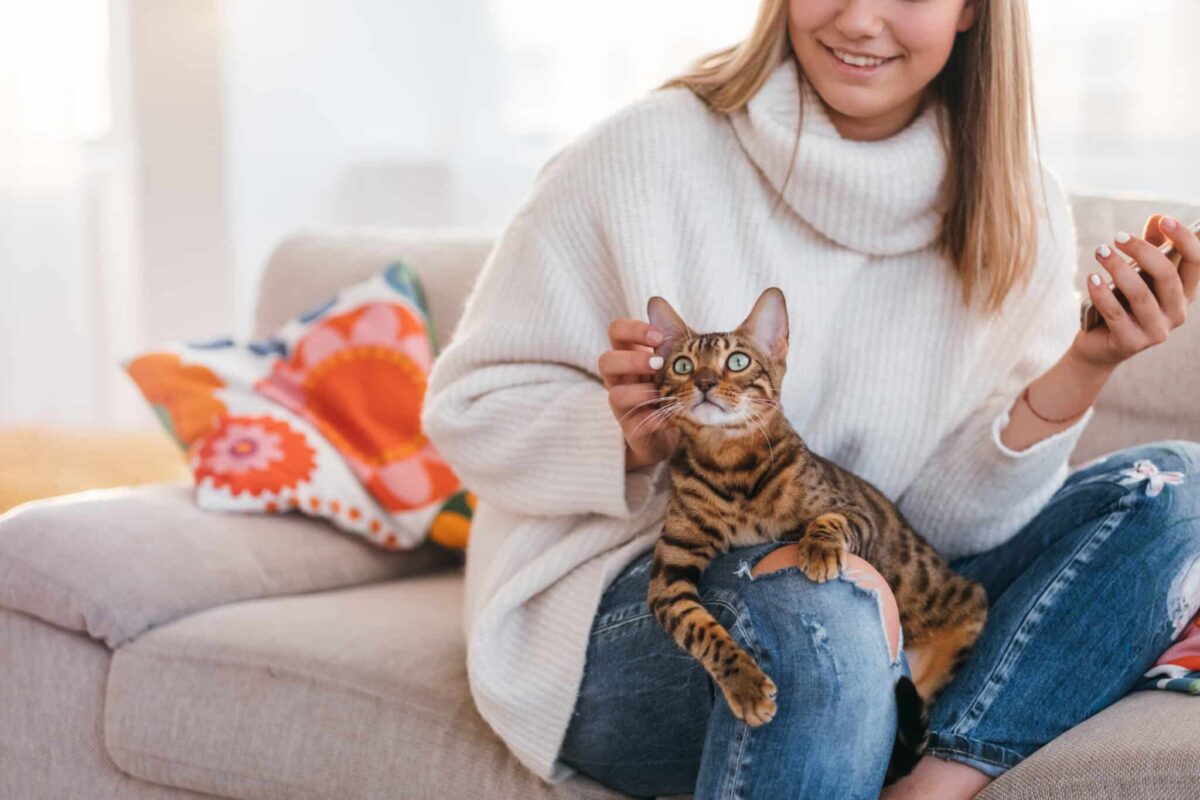
The Bengal can look remarkably close to a miniature wild cat, thanks to its richly patterned coat, muscular build, and distinctive facial markings, a resemblance shared by other cat breeds that look like wild animals. Their coats may feature rosettes, spots, or marbling, creating dramatic patterns that stand out even from across a room. Bengals were developed using domestic cats and Asian leopard cat ancestry, giving the breed its distinctive appearance while remaining a domestic companion. Their personalities can be just as striking as their looks. Bengals are often active, curious, and intelligent, with a strong interest in climbing, exploring, and interactive play. Their combination of wild-looking markings and energetic domestic behavior makes them particularly unforgettable.
American Bobtail
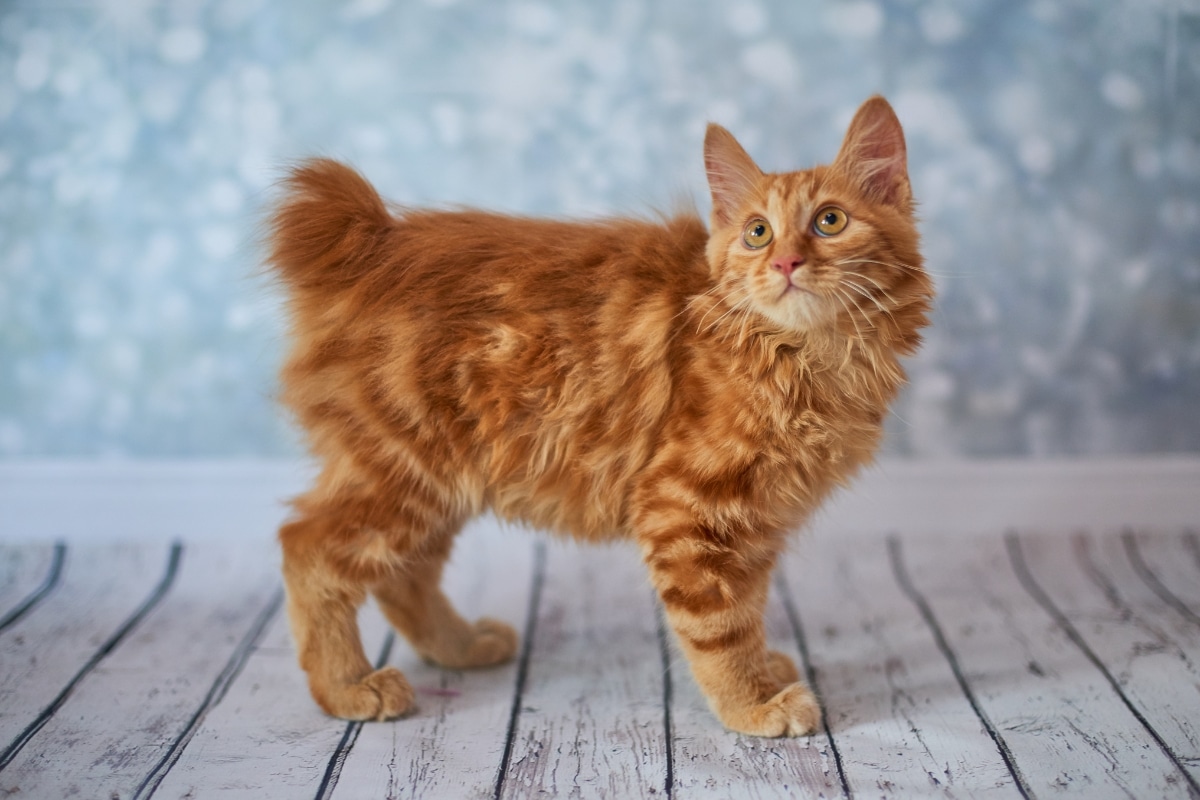
The American Bobtail looks as though someone took a typical domestic cat and shortened the tail dramatically. Their naturally short tail can vary in length and shape, with some appearing almost like a small pom-pom while others have a slightly longer, curved form, placing the breed among the cat breeds with the shortest tails. The breed can also have short or long hair, creating considerable variation in appearance. Their sturdy bodies and expressive faces add to their distinctive look. Despite their unusual tails, American Bobtails are not miniature wild cats and were developed from domestic cat populations. Their generally adaptable and interactive personalities make them appealing companions for people who want a visually unusual cat without sacrificing familiar domestic-cat behavior.
Turkish Van
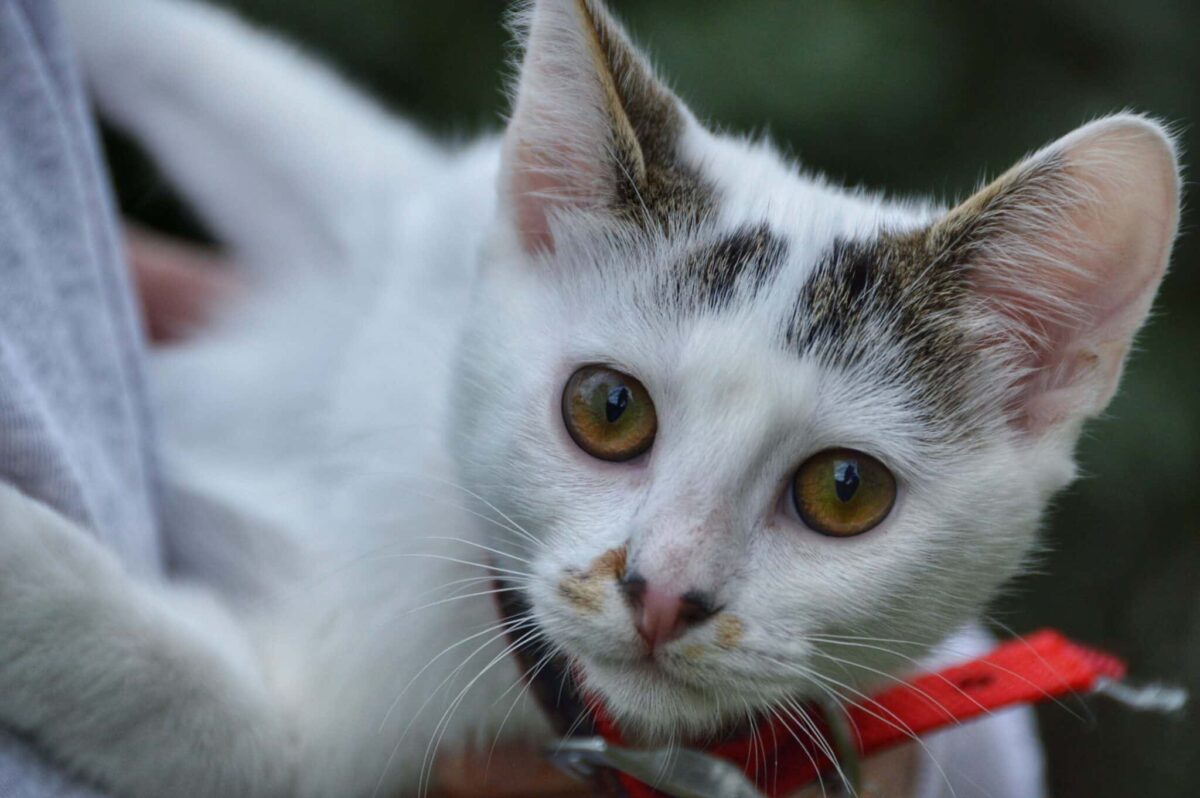
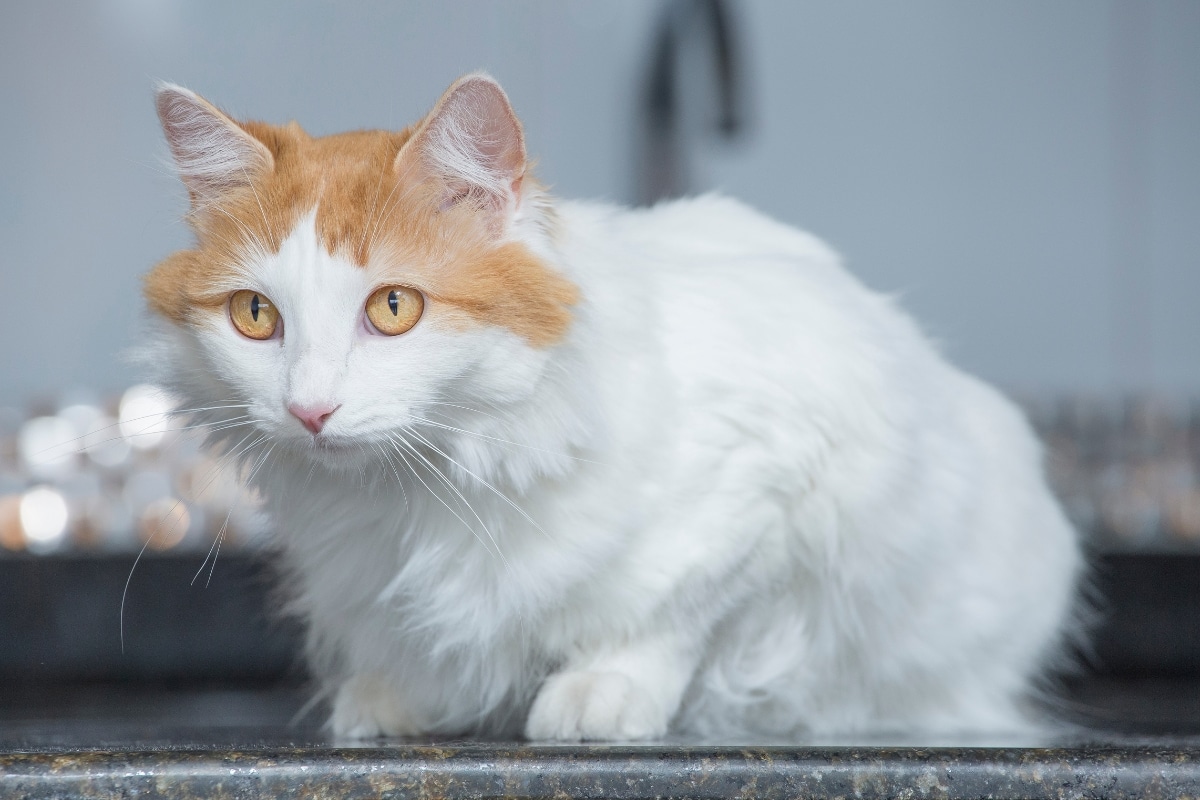
The Turkish Van stands out because of a distinctive coat pattern that leaves most of the body white while concentrating color around the head and tail. Their semi-long coat has a soft, water-resistant texture, and the breed has earned a reputation for being unusually comfortable around water compared with many other cats. Their athletic build and broad chest contribute to a striking appearance, particularly when they are in motion. Turkish Vans are active and intelligent, so their unusual beauty comes with plenty of energy. They often enjoy climbing, exploring, and interactive play, making them especially interesting for households prepared to provide plenty of enrichment.
Singapura
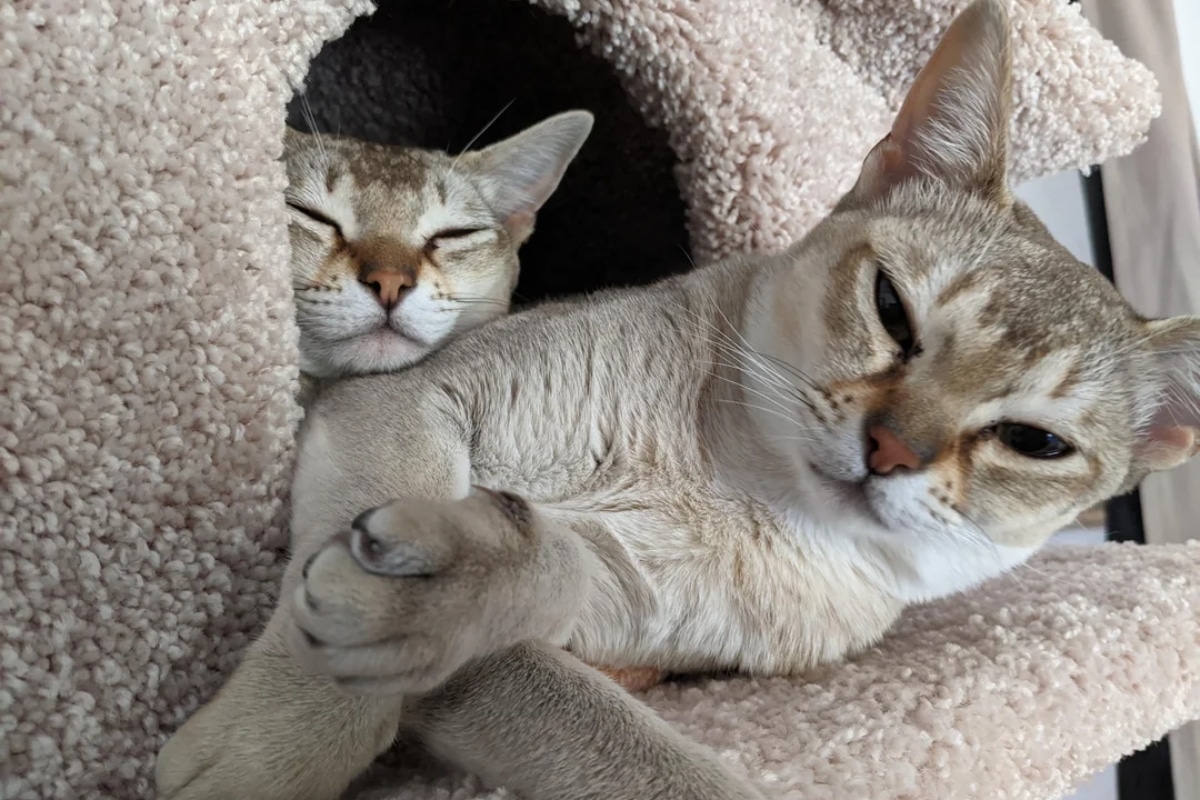
The Singapura may be small, but its appearance is anything but ordinary. This petite breed has large ears, oversized expressive eyes, and a fine coat with a distinctive sepia-toned ticked pattern. The contrast between their tiny body and prominent facial features can give them an almost doll-like appearance. Their coat also creates a subtle shimmering effect because individual hairs contain alternating bands of color. Despite their delicate size, Singapuras are generally active, curious, and playful. They often enjoy climbing and exploring their surroundings, so their small stature does not mean they are content to sit quietly all day. Their unusual proportions and expressive face make them particularly eye-catching.
Somali
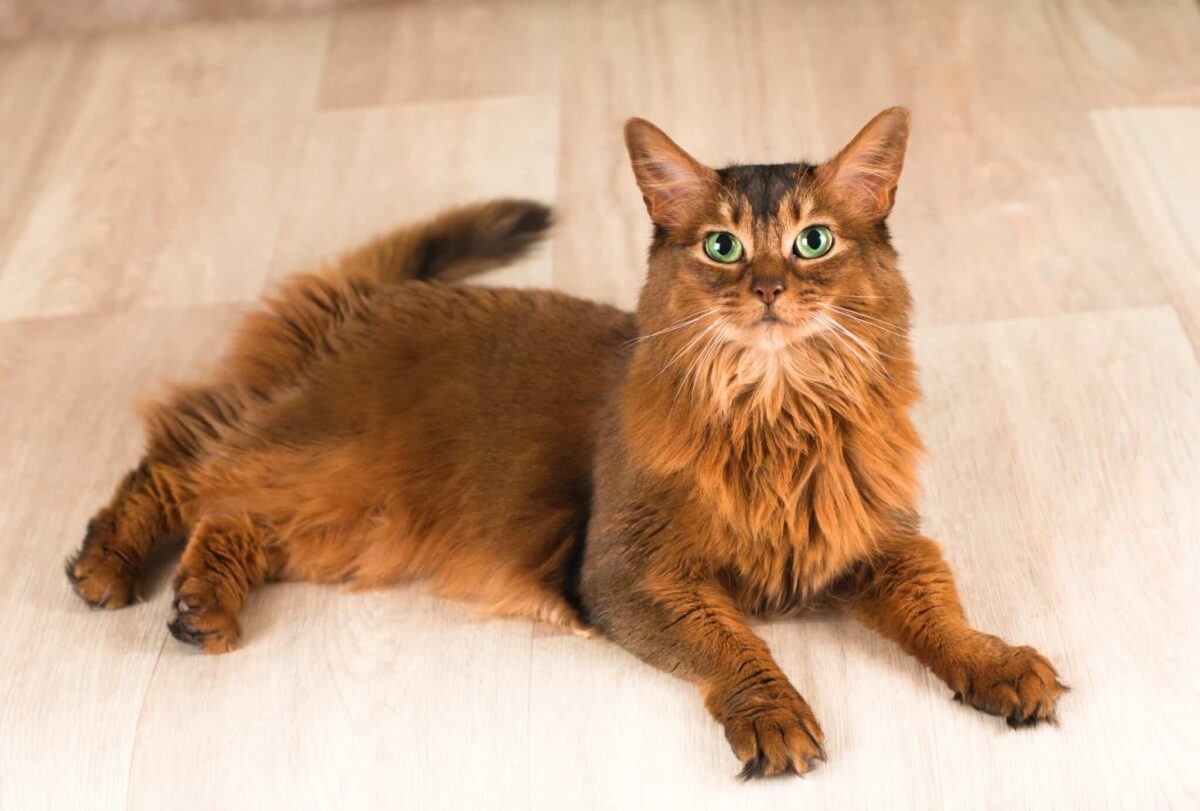
The Somali looks like a long-haired cat painted with tiny bands of color. Their coat has a distinctive ticked pattern, meaning individual hairs contain multiple bands of light and dark color that create a softly glowing appearance. Their bushy tail, large ears, and expressive face add to the breed’s elegant silhouette. The Somali is essentially the long-haired counterpart of the Abyssinian, sharing the same athletic build and lively personality. These cats are often active, intelligent, and curious, with a strong interest in climbing and exploring. Their unusual coat pattern can make them look almost digitally rendered, particularly when sunlight highlights the individual bands of color.
Egyptian Mau
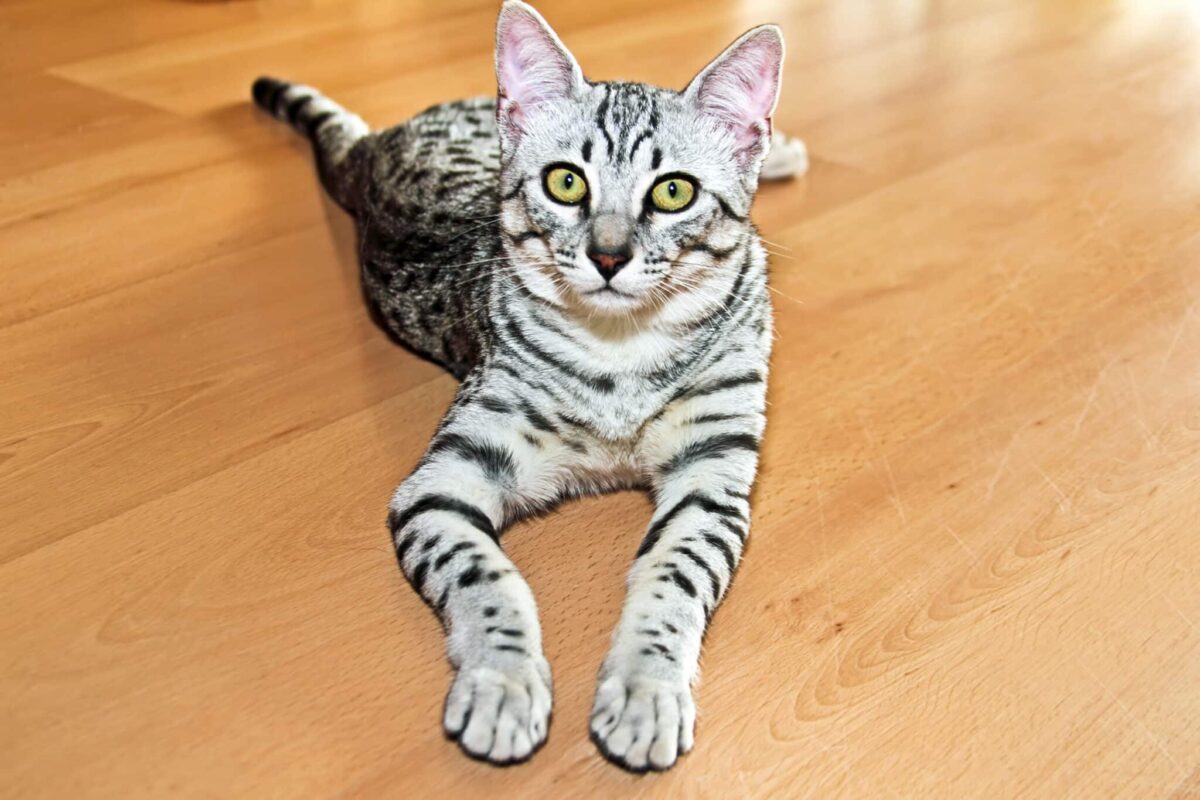
The Egyptian Mau has one of the most remarkable coats among domestic cats because its spots occur naturally rather than being produced entirely through selective patterning. Their athletic bodies, expressive eyes, and dramatic facial markings add to an appearance that can seem almost painted. The breed is also known for its characteristic skin flap extending from the flank toward the hind leg, which the CFA notes may contribute to its powerful running ability. Egyptian Maus are active and intelligent cats that often enjoy interactive play and opportunities to explore. Their naturally spotted coat gives them a distinctive look, while their speed and athleticism make them especially fascinating to watch in motion.
Toyger
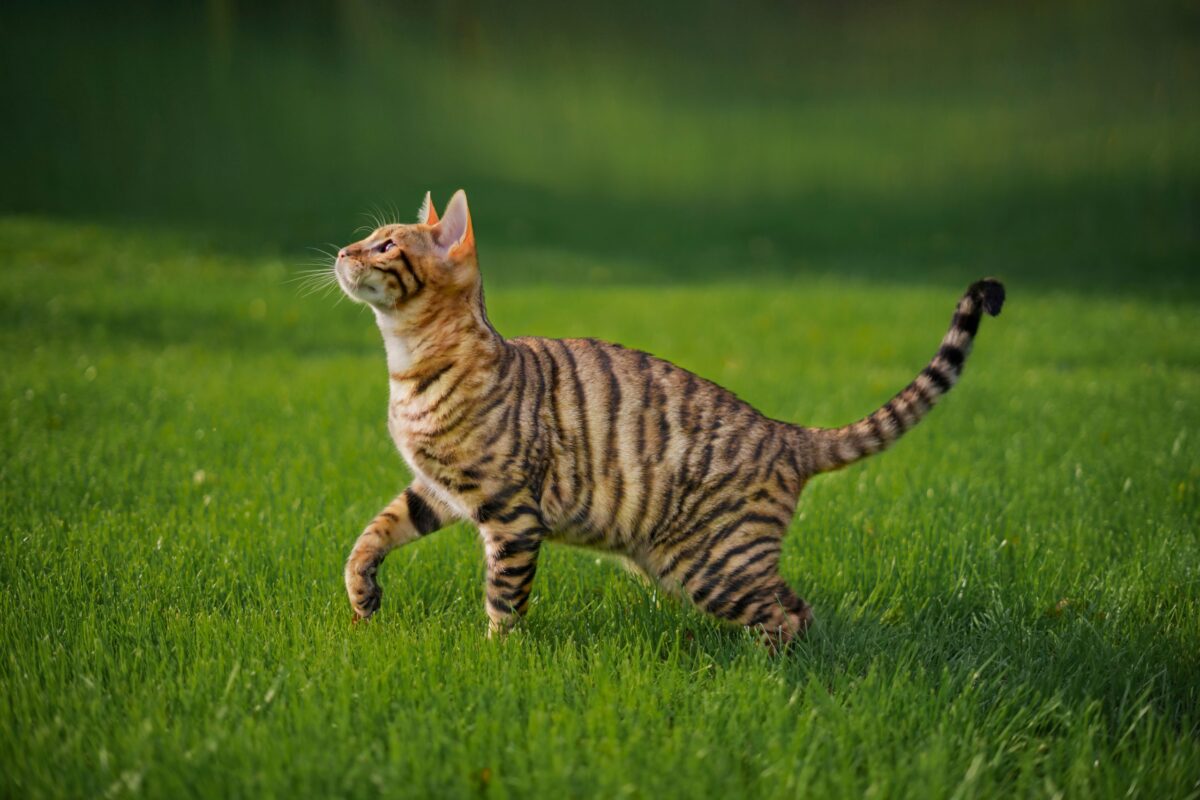
The Toyger was developed to resemble a miniature tiger while remaining entirely domestic. Their coats feature bold vertical stripes over a warm orange or brown background, while facial markings and an athletic build enhance the tiger-like impression. Unlike an actual wild cat, the Toyger was selectively bred from domestic cats for its distinctive appearance. Their personalities can be just as engaging as their looks. Toygers are generally active, intelligent, and playful, often enjoying interactive games and opportunities to explore. The result is a cat that can look remarkably wild at first glance while behaving much like an energetic domestic companion.
When Ordinary Cats Come In Extraordinary Packages
Unusual cat breeds show just how much variety can emerge within the domestic cat. Curled ears, corkscrew-like coats, shortened tails, sparse fur, and distinctive body shapes can make a cat look almost fictional, yet each trait has a real genetic or historical story behind it. Appearance is only part of the picture. Personality, activity level, grooming needs, social preferences, and health considerations matter, too. For anyone drawn to an unusual breed, understanding its unique traits is only the beginning. The best match comes from appreciating the complete cat.
This content was created with AI assistance and edited by the iHeartCats team.