

A cat who starts meowing before breakfast, waits beside the door each afternoon, or settles into a favorite sleeping spot each evening is following a familiar pattern. These habits are more than amusing household rituals. Cats are observant animals that learn through repetition, recognize environmental cues, and develop preferences for predictable experiences. Familiar routines help them understand what happens next and make their surroundings feel more manageable. From mealtimes to bedtime rituals, their attachment to consistency reveals fascinating details about feline instincts, intelligence, and relationships with their favorite people.
They Want Predictable Routines to Feel Secure

Cats appreciate environments where they can anticipate what happens next. Knowing when meals arrive, when the household becomes quiet, and where familiar people usually spend their time can make everyday life feel more predictable. This consistency is especially valuable because cats are naturally attentive to changes in their surroundings. A sudden rearrangement of furniture or an unexpected disruption to their schedule may leave some cats feeling unsettled. Familiar routines provide a sense of environmental stability, allowing them to spend less time adjusting to surprises. Their preference for consistency is not simply stubbornness. It reflects the importance of feeling safe and understanding their surroundings.
They Learn Exactly When Dinner Is Served

A cat rarely needs a clock to know when dinner is approaching. Through repeated experiences, they learn to associate particular times, sounds, and household activities with mealtime. The opening of a cupboard, footsteps toward the kitchen, or the familiar clinking of a food bowl can become signals that food is coming. Their internal biological rhythms also help them anticipate regular feeding opportunities. This explains why some cats begin gathering near their bowls before their humans even think about dinner. Their impressive timing comes from observation, learning, and natural food-seeking instincts working together.
Bedtime Rituals Help Them Settle Down
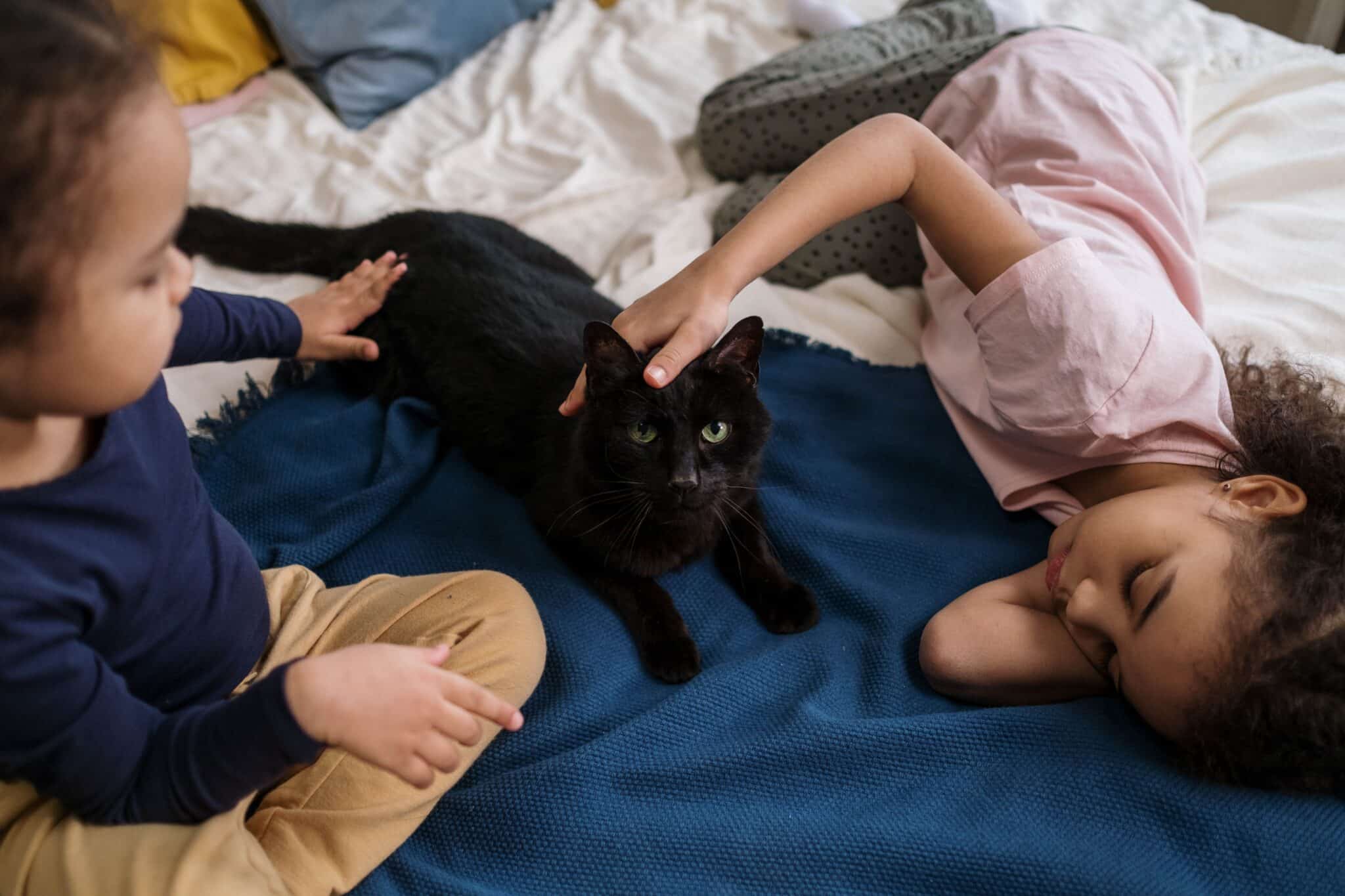
Some cats seem to follow an elaborate bedtime checklist. They may wait for their person to finish brushing their teeth, inspect the bedroom, knead a favorite blanket, and finally settle into their usual sleeping position. Repeated evening activities create recognizable cues that help them anticipate a quieter part of the day. Cats naturally sleep and rest throughout different periods, so their schedules do not always match human sleeping habits. Still, familiar bedtime patterns can provide opportunities for relaxation and companionship. A favorite blanket or familiar sleeping location may also offer comforting scents that encourage them to return night after night.
They Remember the Sounds That Signal Familiar Activities

Cats have excellent hearing and can become remarkably familiar with sounds associated with their daily experiences. The rustling of a treat bag, the click of a particular door, or the sound of a favorite person’s footsteps can quickly attract their attention. Through repetition, they learn which noises predict something interesting or rewarding. A cat may come running when they hear a food container opening but barely react to an unrelated household sound. This selective attention demonstrates how they connect familiar auditory cues with expected outcomes. Their ears may appear relaxed, but they are often monitoring much more of the household than people realize.
Regular Playtime Gives Them Something to Anticipate

Play provides an important outlet for a cat’s natural hunting instincts. Regular interactive sessions allow them to practice stalking, chasing, pouncing, and capturing moving objects in a safe environment. When play happens around familiar times, cats can begin anticipating those enjoyable activities. Some may bring toys to their owners, wait beside a favorite play area, or become noticeably more attentive when a familiar person reaches for a wand toy. Consistency can make these sessions easier to incorporate into everyday life. It also helps prevent boredom by giving active cats regular opportunities to exercise their bodies and engage their minds.
Familiar People Become Part of Their Daily Schedule

Cats pay close attention to the people they live with. They learn when someone usually wakes up, prepares breakfast, sits at a desk, or returns home after being away. These observations help them anticipate opportunities for attention, food, play, and companionship. A cat may wait outside the bathroom because their person usually emerges at a predictable time, or settle beside a desk when someone begins working. These habits can reflect social attachment, learned expectations, or simple curiosity. Familiar human routines become part of the cat’s understanding of how their shared environment works.
Repeating Favorite Routes Helps Them Navigate Their Territory

Many cats follow the same routes through their homes every day. They may walk from the bedroom to the kitchen, pause beside a particular window, and continue toward a favorite scratching post. These repeated paths help them navigate familiar territory and visit important resources. Cats are naturally attentive to the layout of their environment, including resting areas, food locations, hiding places, and elevated observation points. Familiar routes also allow them to monitor their surroundings without constantly exploring unfamiliar spaces. When furniture or household objects suddenly move, some cats need time to adjust because their usual pathways and environmental landmarks have changed.
Familiar Scents Make Everyday Spaces More Comfortable

Scent plays an important role in how cats understand their surroundings. They use scent glands around their cheeks, forehead, and other body areas to deposit familiar odors on objects and surfaces. Rubbing against furniture, scratching preferred locations, and resting on favorite blankets can help create an environment filled with recognizable scents. These familiar smells provide information about territory and can contribute to a sense of comfort. This is one reason some cats investigate new furniture or unfamiliar household items so thoroughly. They are gathering information while gradually incorporating new objects into an environment they already recognize.
Consistent Litter Box Habits Matter to Them

Cats generally prefer clean, accessible litter boxes in locations where they feel comfortable and undisturbed. Having a consistent litter box setup helps them understand where to eliminate without needing to investigate a new location every time. Changes in litter type, box placement, cleanliness, or household activity can sometimes discourage a cat from using their usual spot. Their preferences may involve the texture of the litter, the amount of privacy, and the accessibility of the area. Maintaining a familiar, clean setup supports good litter box habits. Sudden changes in elimination behavior, however, should not automatically be blamed on disrupted routines and may warrant veterinary attention.
They Enjoy Knowing When the House Will Be Quiet

Cats need plenty of rest, and a predictable household environment can make it easier for them to find comfortable periods of downtime. They may learn when children leave for school, when household members finish their activities, or when the television is usually switched off. These quieter moments can become opportunities to nap without interruptions. Some cats even develop favorite resting periods that correspond with familiar household schedules. However, cats naturally adjust their activity throughout the day, and their sleeping patterns vary individually. Providing comfortable resting places and allowing them to sleep undisturbed helps support their natural need for rest.
Small Routine Changes Can Catch Their Attention Immediately

For an animal that pays close attention to familiar patterns, even a small change can become an important discovery. A different feeding location, an unfamiliar visitor, or a new object in the hallway may prompt a lengthy investigation. Cats use their senses to gather information about changes and determine whether something requires attention. Some approach immediately, while others prefer to observe from a safe distance. Their reactions depend on personality, previous experiences, and how significant the change seems. This sensitivity helps explain why cats can notice seemingly minor household adjustments that their humans barely register.
The Comfort Of Knowing What Comes Next

A cat’s love of familiar routines reveals how observant and adaptable these animals can be. Their habits are shaped by instinct, memory, environmental cues, and experiences that teach them what to expect. Consistent feeding times, resting places, regular play, and predictable interactions create a home where cats feel secure. Although occasional changes are unavoidable, introducing them gradually can make adjustments easier. Those familiar rituals may seem ordinary to humans, but they play an important role in feline life. Sometimes, happiness comes from knowing exactly when dinner is served.
This content was created with AI assistance and edited by the iHeartCats team.