
| Breed | Ear Trait | Distinguishing Detail | Grooming/Care Note |
|---|---|---|---|
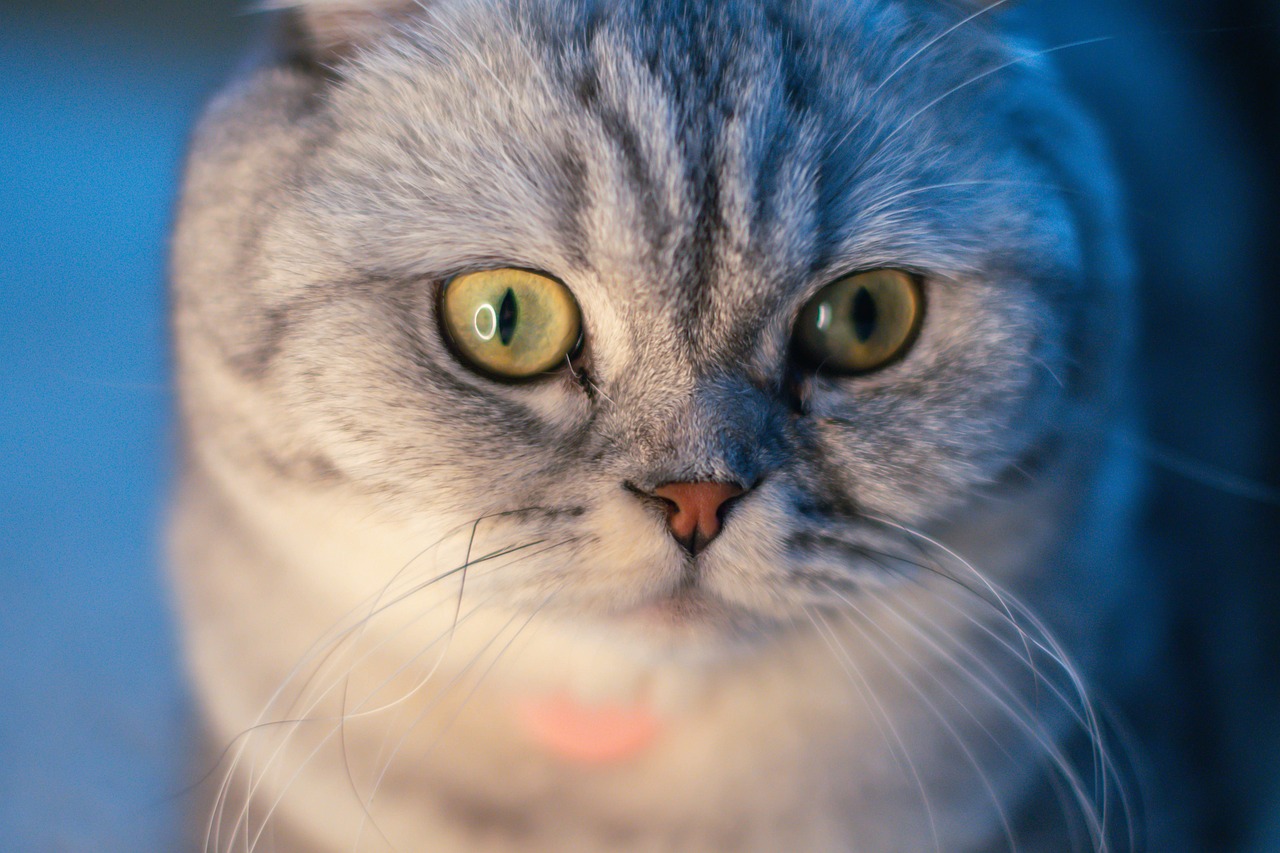
| Scottish Fold | Folded | Ears fold forward and downward; degree ranges from a single fold to a tight triple fold | Needs careful cleaning to help prevent infection |
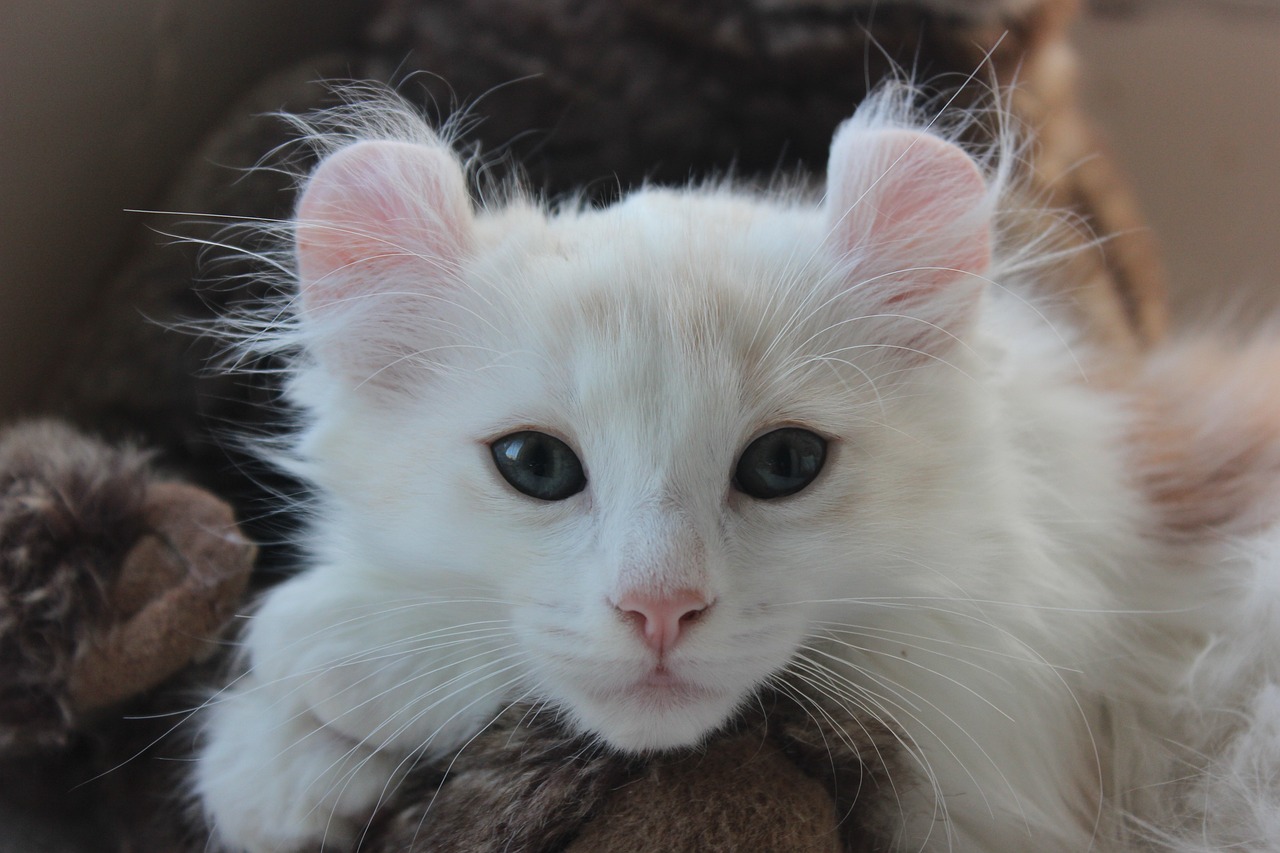
| American Curl | Curled | Ears curl backward toward the skull within a week of birth | Check the curled area for wax buildup during regular grooming |
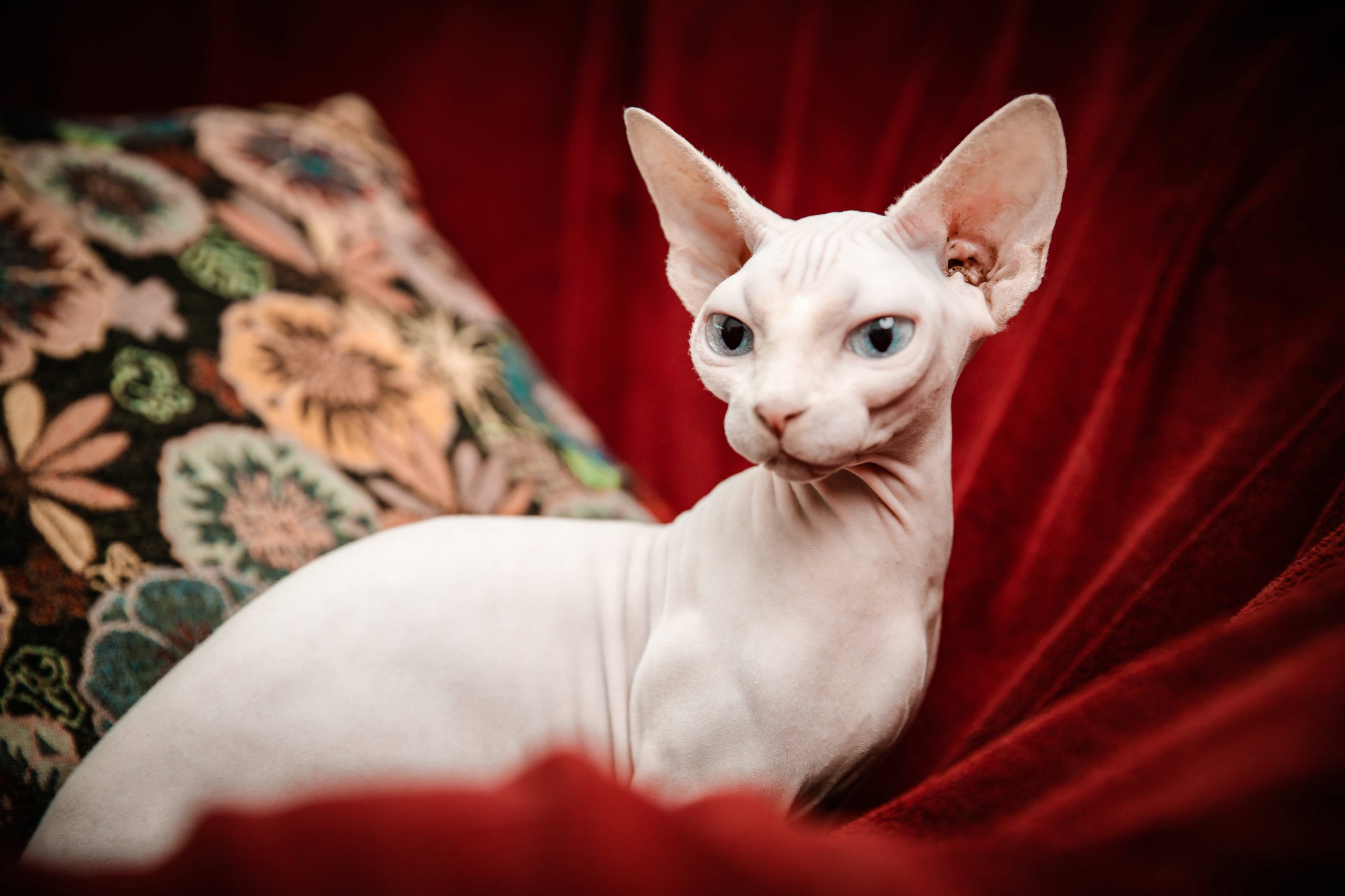
| Sphynx | Big, erect | Wide-based, lemon-shaped ears stand fully erect | Regular ear cleaning needed to remove wax and debris |
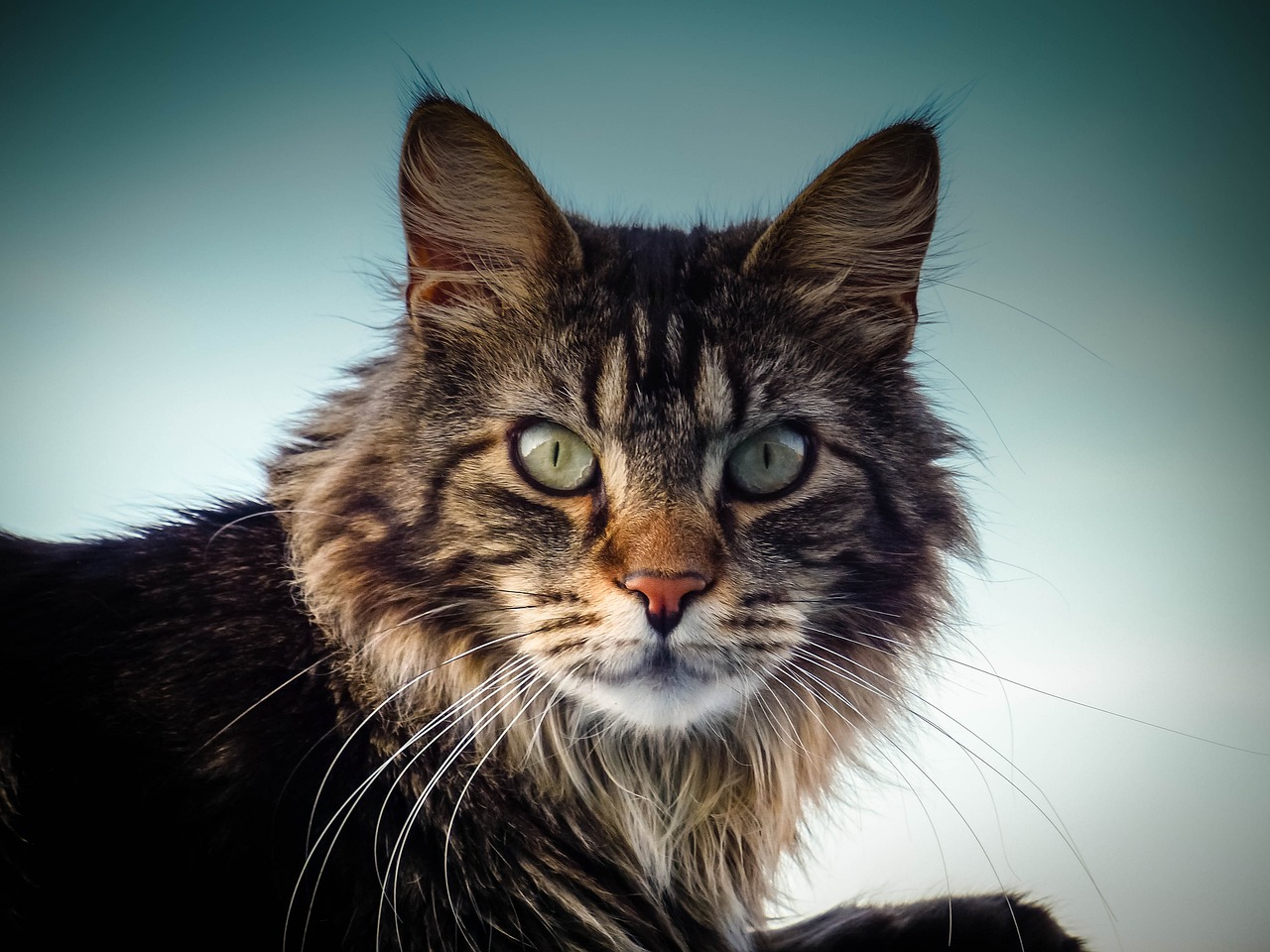
| Maine Coon | Tufted | Lynx-like tufts at the tips, set high and wide on the head | Tufts help keep debris out; brush gently, don’t trim |
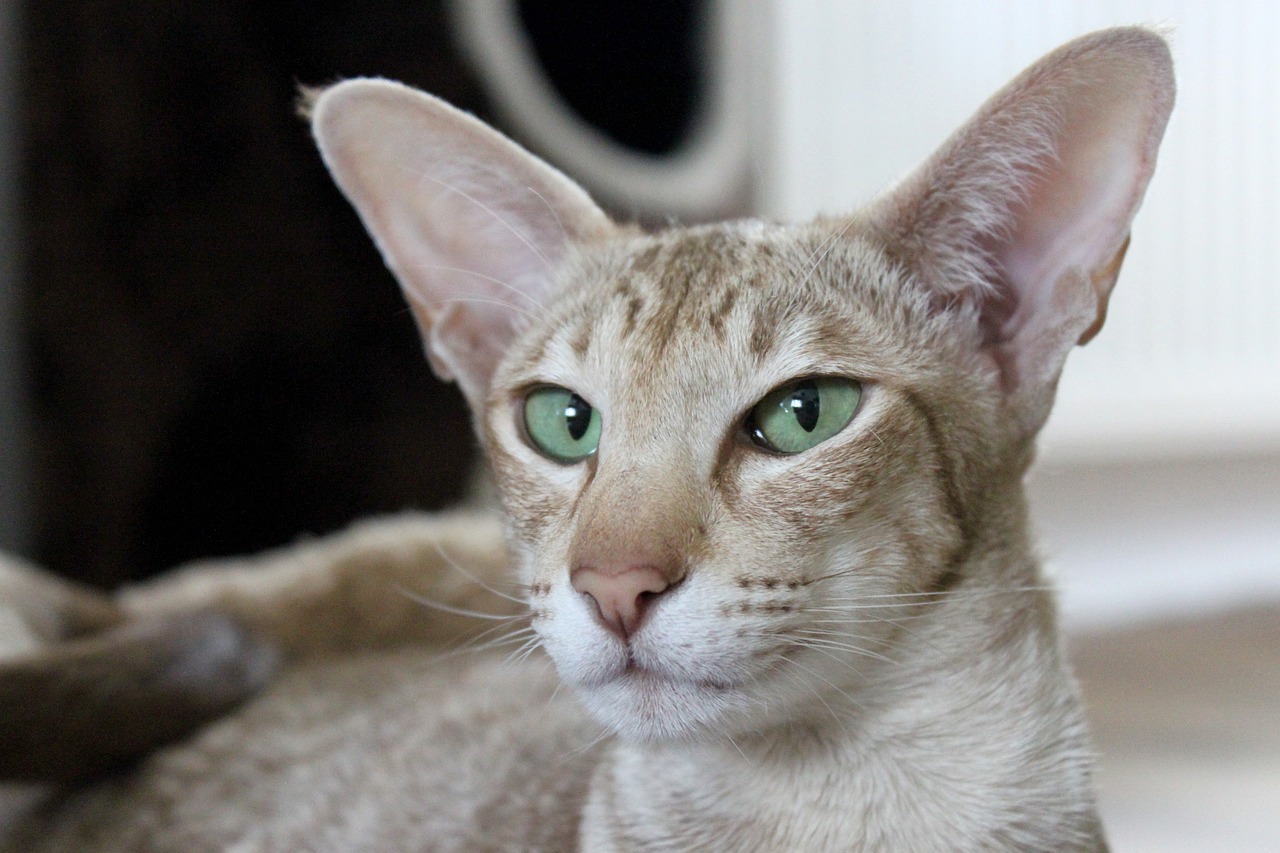
| Oriental | Big, pointed | Large, pointed ears set wide apart on a wedge-shaped head | Standard wipe-down as part of regular grooming |
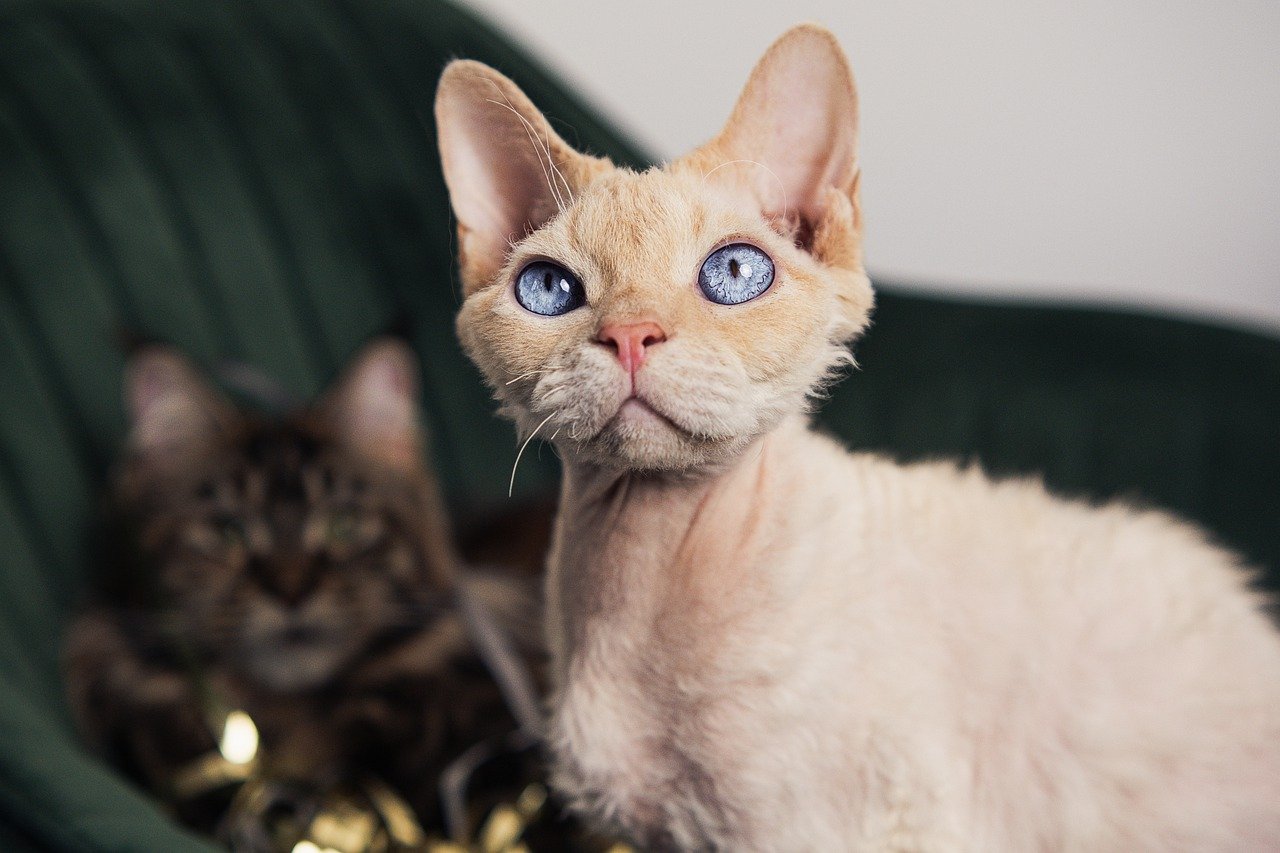
| Devon Rex | Big, low-set | Wide-based ears taper to rounded tips, covered in fine fur | Check low-set ears often since they can trap debris |
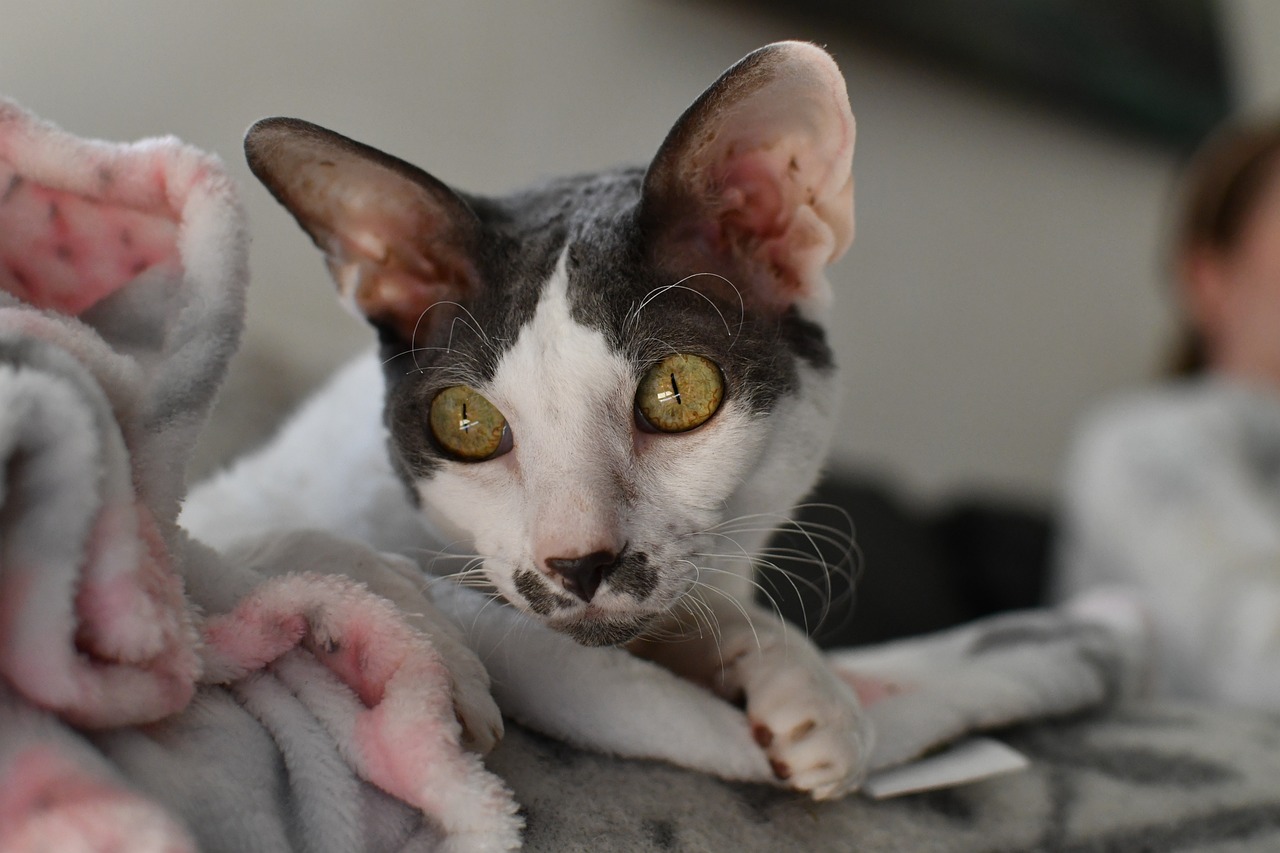
| Cornish Rex | Big, erect | Large, erect ears set high on an egg-shaped head | Standard wipe-down as part of regular grooming |
| British Shorthair (round-ear example) | Round | Small, rounded ears with a compact curve rather than a pointed tip, per CFA breed standard | Standard wipe-down as part of regular grooming |
Cats are creatures of fascinating diversity, with each breed bearing distinct traits that set them apart in the feline world. Among these features, ears stand out as one of the most diverse and intriguing aspects, with shapes, sizes, and orientations that contribute significantly to a breed’s overall allure and personality. Some cat breeds boast ears that are so unique they become the defining characteristic of the breed, capturing the attention of cat enthusiasts and pet owners alike. This article delves into the 7 cat breeds with the most unique ears, exploring how these distinctive features contribute to their charm, behavior, and how they’re perceived by those who adore them. From the majestic folds of the Scottish Fold to the large, expressive ears of the Sphynx, each of these breeds showcases a fascinating variation of the feline ear that adds to their mystique and appeal.
1. Scottish Fold
The Scottish Fold is renowned for its unique, folded ears, resulting from a natural genetic mutation linked to a cartilage condition called osteochondrodysplasia, per the Merck Veterinary Manual. This breed’s ears fold forward and downward, giving the cat an owl-like appearance that is both endearing and distinctive. The degree of the fold varies, ranging from a single fold, slightly bending forward, to a tight double or even triple fold that lies close to the head, enhancing their round face and large, expressive eyes. Scottish Folds are known for their sweet, calm, and companionable nature, making them not just a breed with unique ears but also wonderful pets. Their unusual ears require careful cleaning to prevent infections, highlighting the need for attentive care for these adorable felines.
2. American Curl
The American Curl is instantly recognizable by its charming, backward-curling ears, a feature that appears within a week after birth, according to the Cat Fanciers’ Association breed profile. This breed’s ears curl back towards the center of the back of the skull, creating an elegant arc that can vary in degree but always maintains the breed’s distinctive silhouette. The tips of their ears are flexible, contributing to their playful and curious expressions. American Curls are known for their sociable and affectionate nature, with their unique ears adding to their overall appeal and endearing them to cat lovers worldwide.
3. Sphynx
While the Sphynx is often celebrated for its hairless body, its large, lemon-shaped ears are equally remarkable, contributing to its distinctive appearance. The Sphynx’s ears are wide at the base and open, standing erect on the head, giving these cats an alert and curious expression that matches their adventurous and affectionate personalities. The lack of hair accentuates their ears, making them a prominent feature that adds to the breed’s exotic allure. Sphynx cats require regular ear cleaning to remove wax and debris, underscoring the importance of grooming in maintaining their health and unique beauty, as noted by VCA Animal Hospitals.
4. Maine Coon
The Maine Coon, one of the largest domesticated cat breeds, boasts large, tufted ears that enhance its wild and rugged appearance. The tips of their ears often feature lynx-like tufts of fur, which not only contribute to their majestic look but also serve the practical purpose of protecting the inner ear from dirt and debris, per VCA Animal Hospitals. The breed’s ears are wide at the base and set high on the head, adding to their intelligent and friendly expression. Maine Coons are known for their gentle and playful nature, with their distinctive ears playing a role in their impressive and regal demeanor.
5. Oriental
The Oriental cat breed is known for its strikingly large and pointed ears, which are set wide apart on a wedge-shaped head, contributing to their sleek and elegant appearance. Their ears are a defining feature, giving them an alert and expressive look that reflects their lively and affectionate personality. Orientals are highly sociable and vocal, with their ears accentuating their communicative nature. This breed’s ears, combined with their slender body and playful demeanor, make them a captivating presence in any home.
6. Devon Rex
The Devon Rex, with its large, low-set ears, is another breed that boasts unique ear characteristics. The breed’s ears are wide at the base, tapering to rounded tips, and covered with a fine layer of fur that may include curly whiskers and eyebrows. This, combined with their short, wavy coat, gives the Devon Rex an elfin appearance that is both whimsical and charming. Their ears not only contribute to their distinctive look but also to their keen sense of hearing, complementing their playful and mischievous personality.
7. Cornish Rex
The Cornish Rex is distinguished by its large, erect ears set high on its egg-shaped head, creating a look of perpetual alertness. The ears are larger in proportion to their head, giving them an appearance of being always attentive. Similar to the Devon Rex, the Cornish Rex features a short, curly coat that accentuates the sleek lines of their body, including their prominent ears. Known for their active and playful nature, the Cornish Rex’s ears are a sign of their lively and inquisitive character.
Mixed Breeds and Rescues
While purebred cats with unique ears often capture the spotlight, mixed breeds and rescue cats also boast a wide range of ear shapes and sizes that contribute to their charm and individuality. Adopting a mixed breed or rescue cat can bring unexpected joy and the opportunity to cherish a one-of-a-kind pet. These cats can possess distinctive features that make them just as endearing and special as any purebred, emphasizing that uniqueness is not limited to specific breeds.
In conclusion, the diversity of ear shapes and sizes among cat breeds adds to the fascination and love many have for these creatures. Whether folded, curled, large, or tufted, each breed’s ears contribute to their overall character and appeal, making them stand out in the feline world. While purebreds offer distinct examples of these traits, mixed breeds and rescues remind us that uniqueness and beauty can be found in all cats, regardless of their pedigree.
Cat Ear Shape FAQ
Which cat breeds have big ears?
The Oriental, Sphynx, and Devon Rex are the breeds most associated with big ears. Their ears sit large relative to head size and are set high or wide on the skull for an alert look.
Which cat breeds have round ears?
Breeds known for round ears include the Scottish Fold, British Shorthair, and Exotic Shorthair. Instead of tapering to a point, their ears curve into a compact, rounded shape.
Which cat breeds have long ears?
Long ears usually describes the same large, upright ear shape seen in breeds like the Oriental and the Sphynx, whose ears are tall, wide-set, and open rather than truly long in length.
What cat breeds have tufted ears?
The Maine Coon is the breed best known for tufted ears. Lynx-like tufts grow from the ear tips and, according to VCA Animal Hospitals, help keep dirt and debris out of the inner ear.
What cat breeds have folded or curled ears?
The Scottish Fold has folded ears caused by a genetic cartilage condition, and the American Curl has ears that curl backward within a week of birth, according to the Cat Fanciers’ Association.