
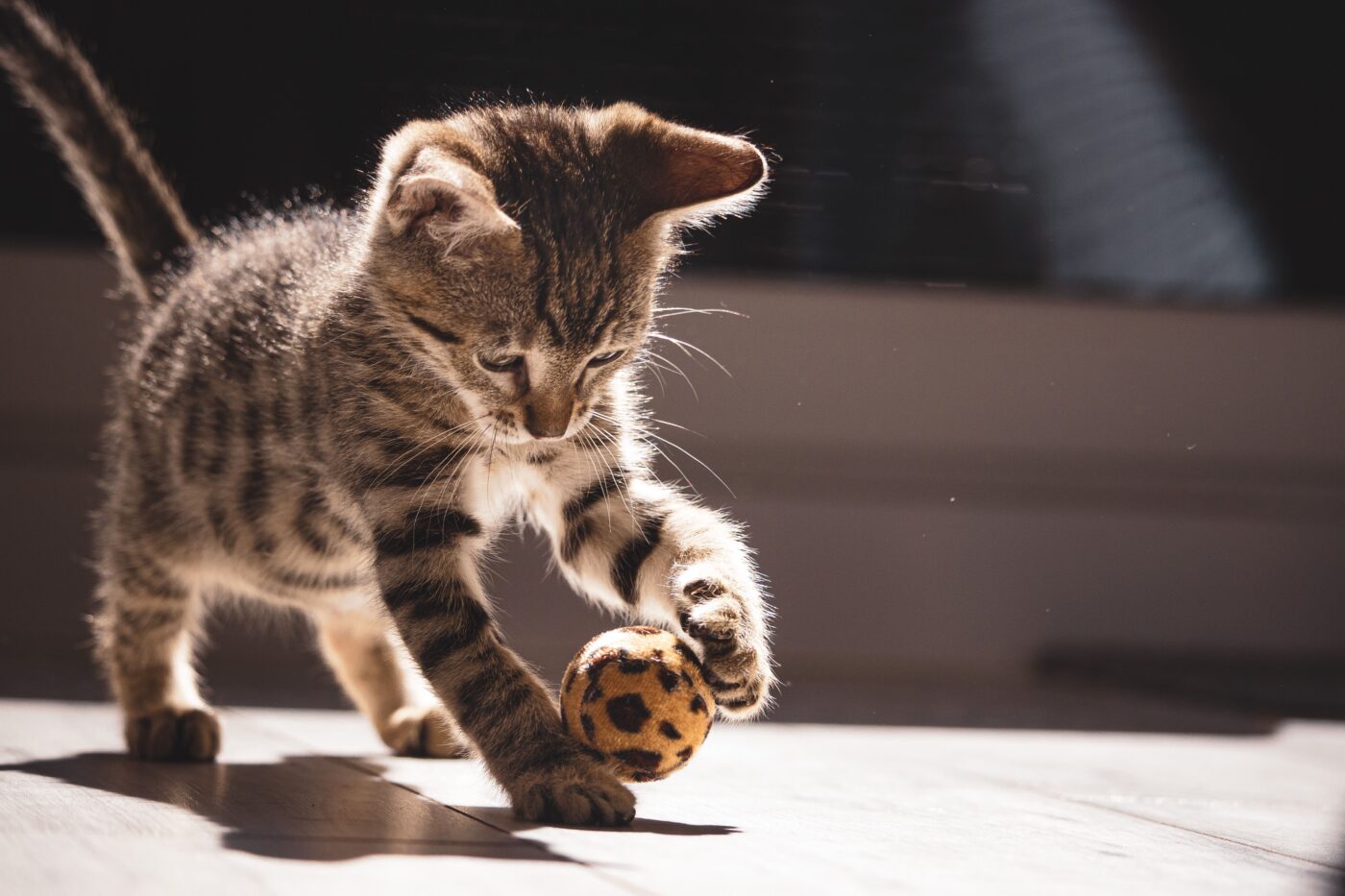
Playful energy can transform an ordinary cat into a tiny athlete, hunter, acrobat, and occasional household troublemaker within minutes. A quiet afternoon may suddenly feature a sideways hop, hallway sprint, or dramatic ambush from behind furniture. Play provides valuable opportunities to practice natural behaviors connected with stalking, chasing, pouncing, grabbing, and exploring. Age, health, personality, environment, and preferences influence how this energy appears. Recognizing playful signals can make games more enjoyable while helping distinguish an invitation to play from overstimulation, fear, stress, or defensive behavior in everyday situations.
They Wiggle Before Pouncing
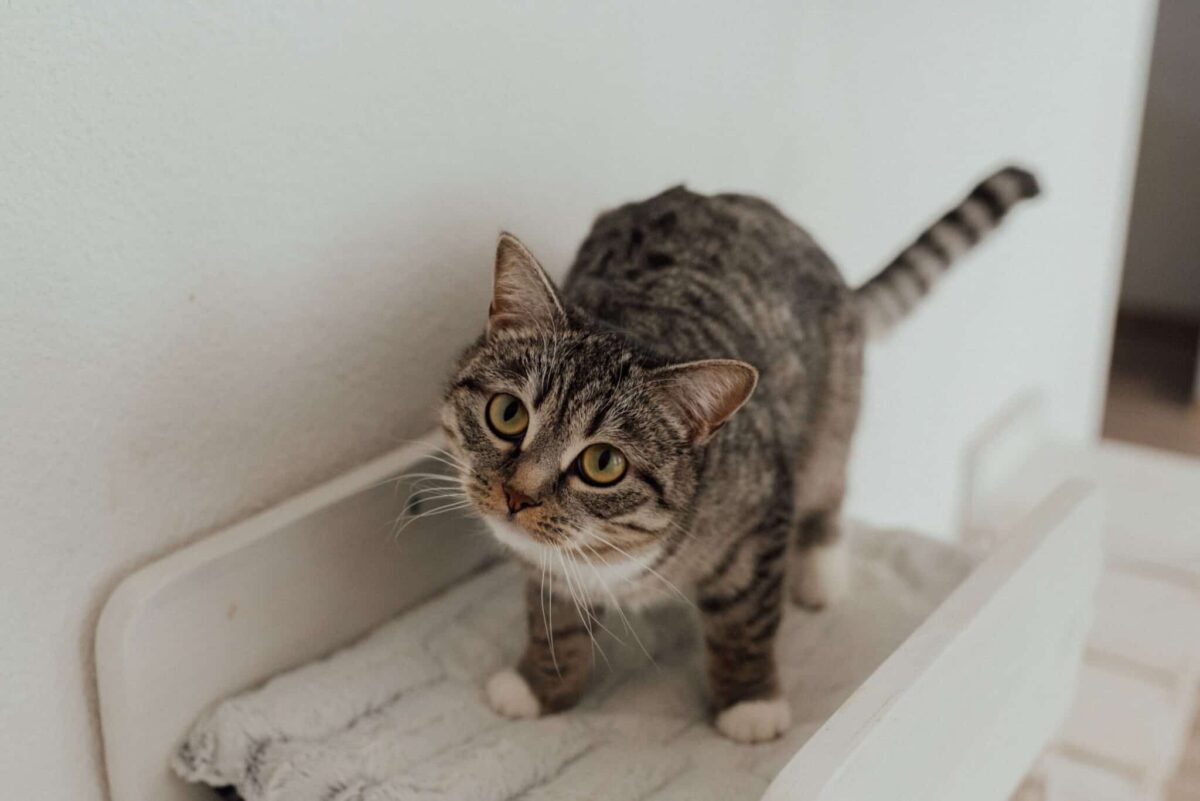
That unmistakable hind-end wiggle often appears just before a playful launch. A cat may lower their body, focus intensely on a toy, shift their back paws, and then spring forward with impressive speed. Similar movements occur during predatory behavior because successful pouncing requires balance, coordination, and careful positioning before takeoff. During play, the same sequence gives cats an opportunity to practice natural hunting skills without pursuing actual prey. Toys that move unpredictably can encourage this behavior by providing something safe to stalk and capture. Body language provides important context because a relaxed, engaged cat preparing to chase a toy looks very different from one crouching because they feel frightened. When followed by enthusiastic chasing or batting, that little wiggle usually signals that the game is about to begin.
They Suddenly Race Around the House
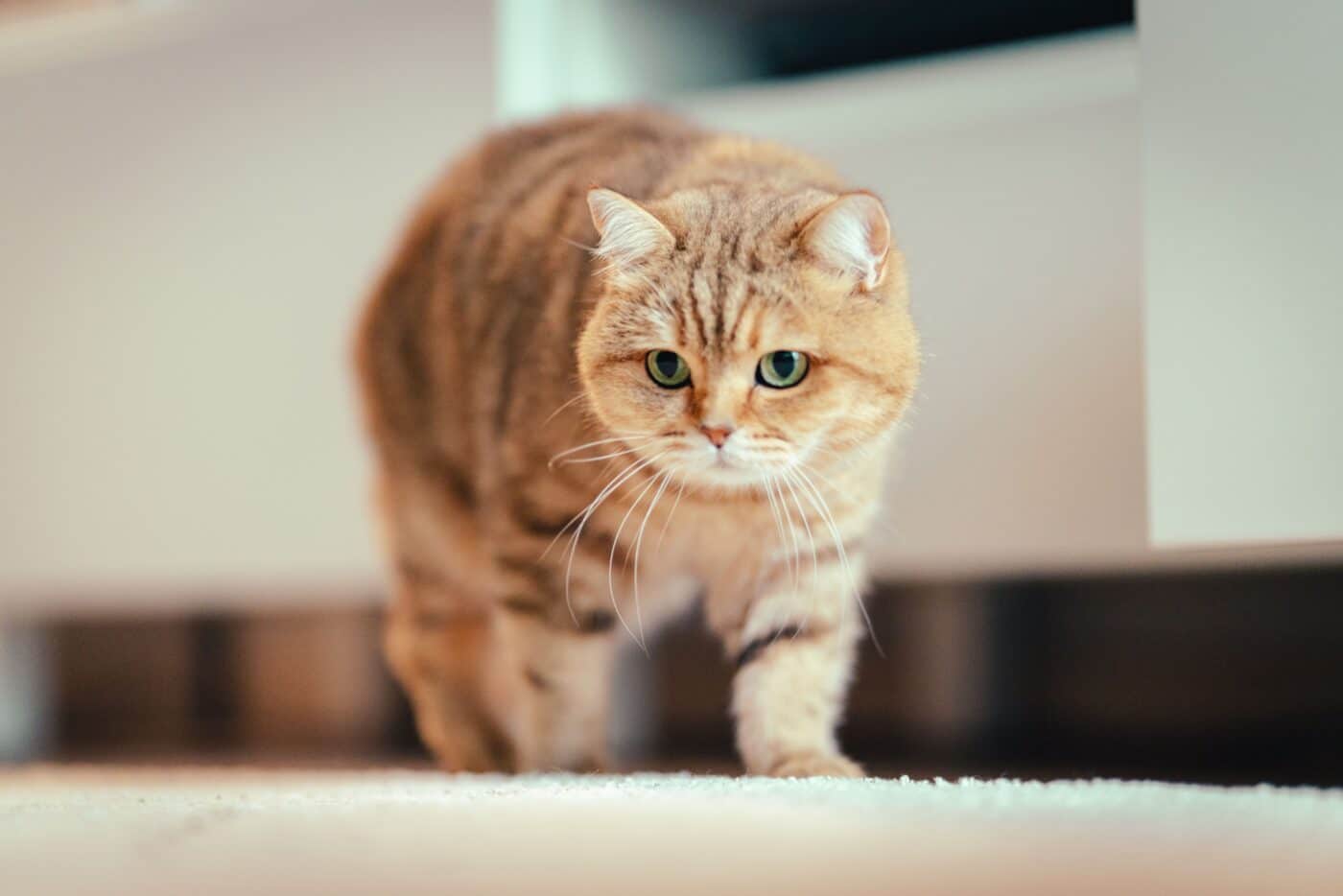
A peaceful room can become a racetrack without warning when a cat experiences a sudden burst of energy. These energetic episodes, commonly called zoomies, may involve sprinting through rooms, making sharp turns, racing up stairs, or briefly bouncing off furniture before stopping as abruptly as they started. Such bursts can provide an outlet for pent-up energy, especially for indoor cats that spend much of the day resting. Younger cats may display them frequently because they generally have abundant energy and strong motivation to play. Zoomies can also occur at predictable times, including after resting or during periods when a cat naturally becomes more active. Occasional energetic sprints are usually normal, although major unexplained changes in activity or behavior deserve attention, particularly when accompanied by other signs of discomfort.
They Do the Sideways Hop
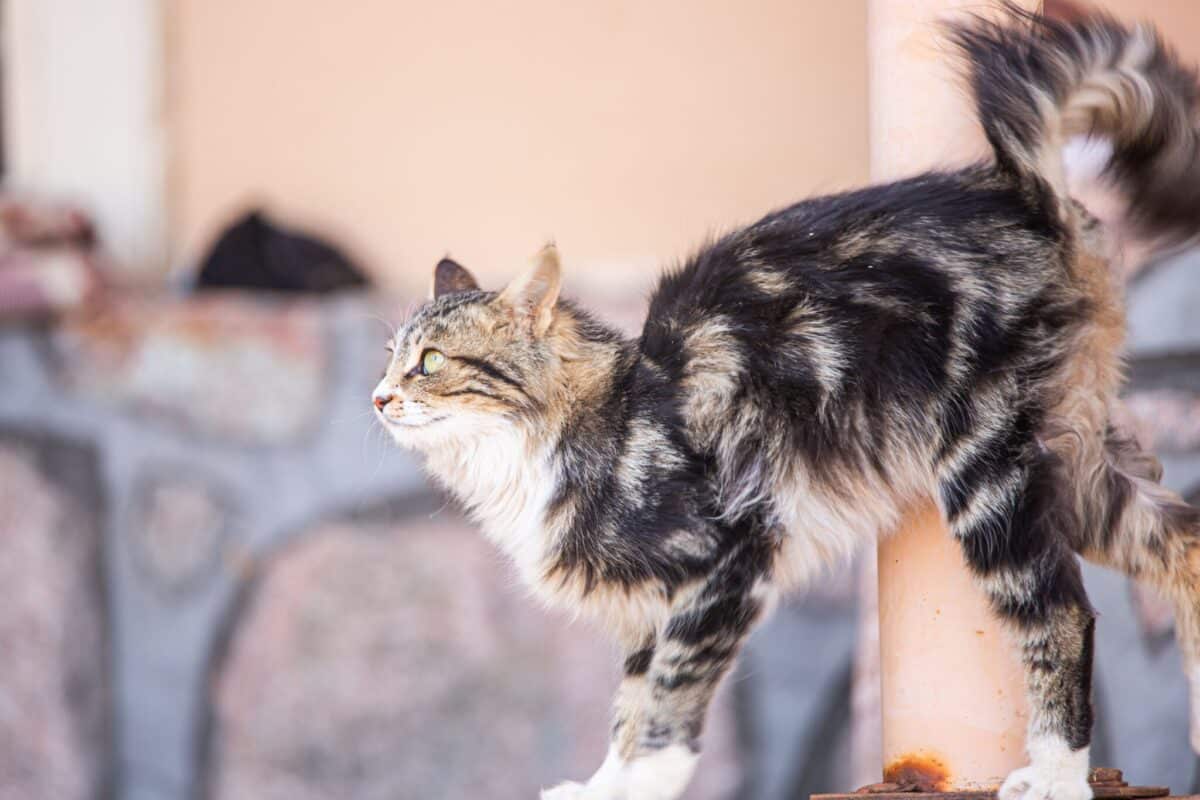
Few feline moves look quite as theatrical as the sideways hop. A playful cat may arch their body, turn sideways, fluff slightly, and bounce toward or away from a companion before racing off again. Kittens commonly use exaggerated movements during social play as they practice coordination, communication, and physical skills. Context is especially important with this posture because an arched back and puffed fur can also occur when a cat feels threatened or frightened. During playful interactions, the body tends to remain relatively loose, and the cat may repeatedly approach, retreat, chase, or invite another round. Fearful cats are more likely to appear tense and focused on creating distance. When the sideways bounce happens amid relaxed, energetic play, it can be an entertaining invitation for the action to continue.
They Stalk Toys Like Tiny Hunters
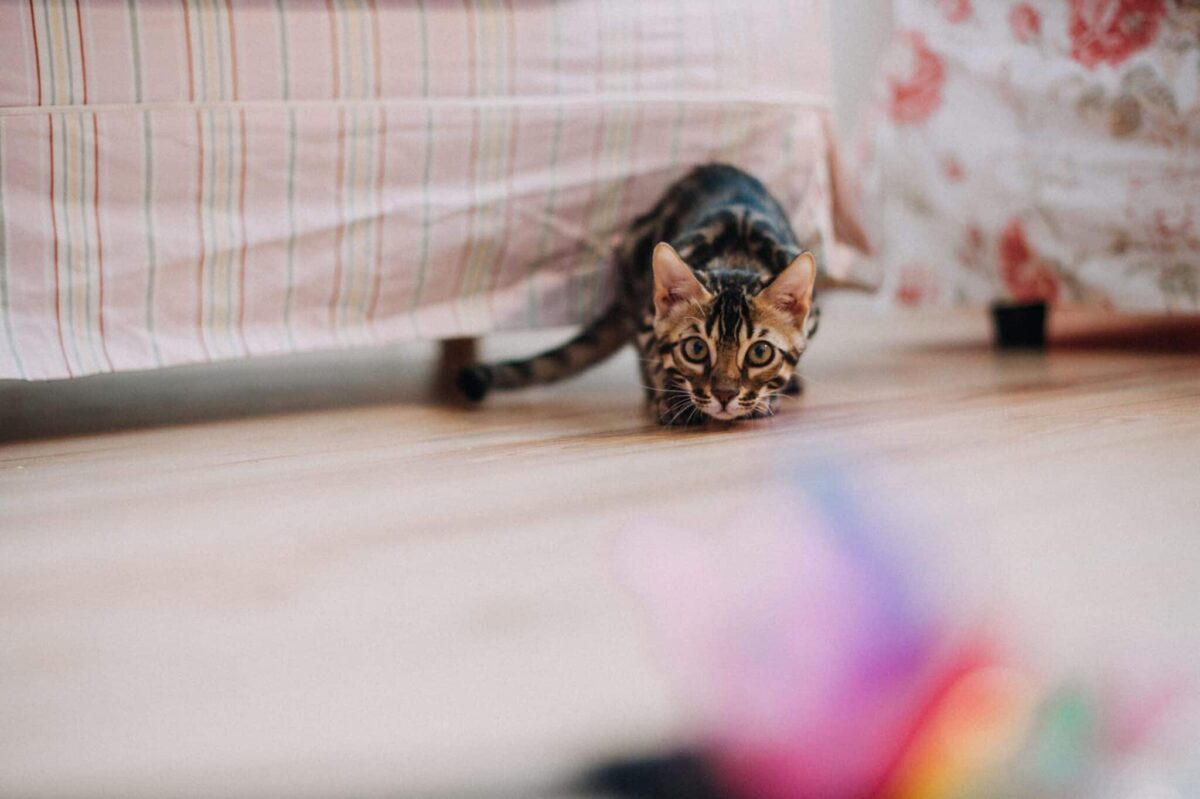
A toy moving across the floor can activate behaviors that resemble a miniature hunting sequence. The cat may lower their body, move slowly, pause when the target stops, and carefully approach before launching an attack. Stalking is part of normal feline predatory behavior, and play provides a safe opportunity to express pieces of that behavioral sequence. Interactive toys are particularly useful because unpredictable movement can encourage watching, chasing, pouncing, and capturing. Allowing the cat to occasionally catch the target helps make the activity more satisfying than an endlessly unreachable object. Not every playful cat stalks in exactly the same way, and some prefer immediate pursuit over patient observation. Still, that intense concentration followed by a sudden pounce can reveal how closely feline play remains connected to natural hunting instincts.
They Bat at Anything That Moves
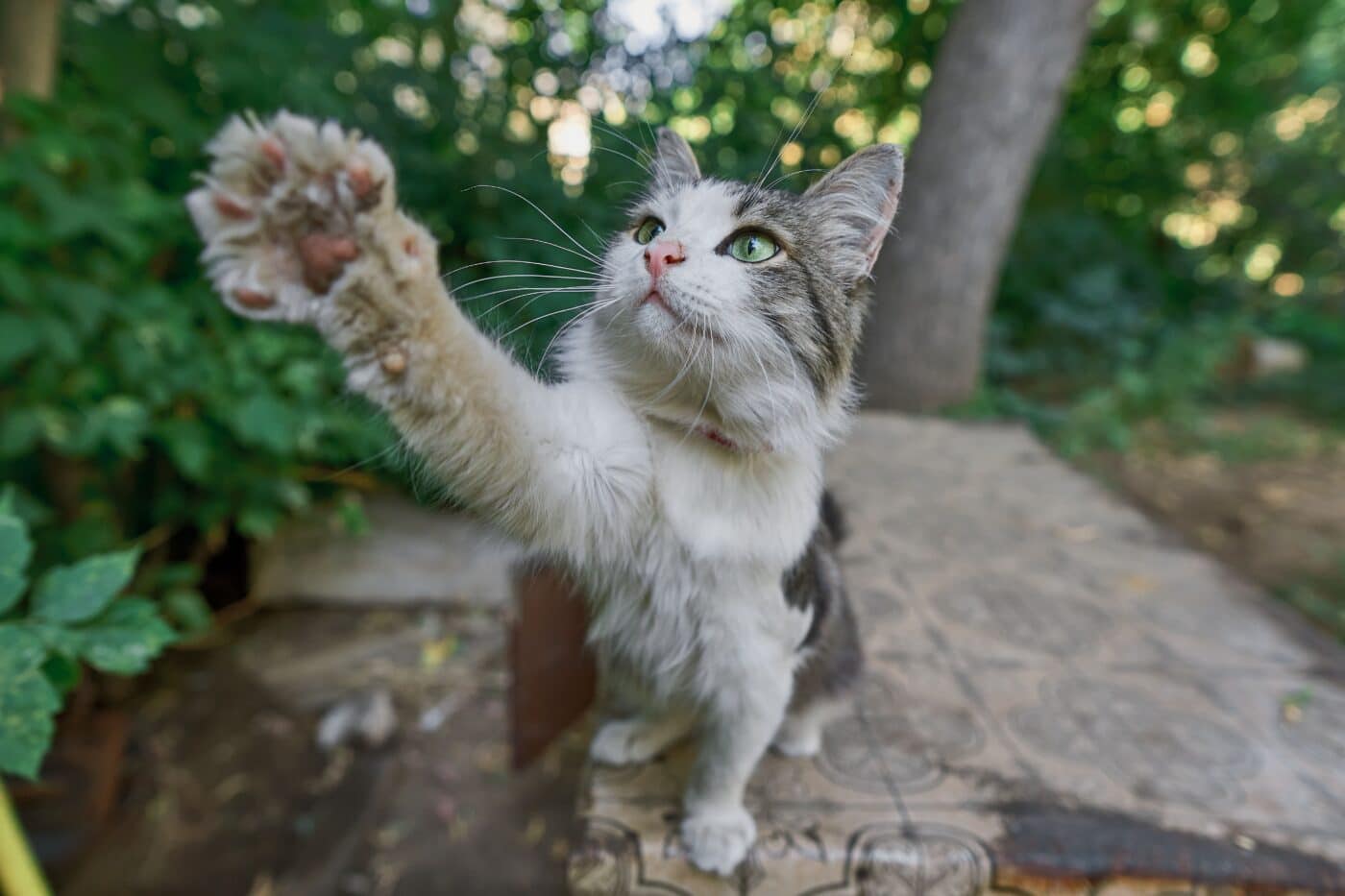
A moving object can be difficult for a playful cat to ignore. One quick paw may shoot forward to tap, swat, or pull a toy closer before another round begins. Paw batting allows cats to investigate movement while practicing skills involved in controlling and capturing prey. During gentle play, claws may remain mostly retracted, although excitement can make play rougher as arousal increases. This is one reason hands and feet are poor substitutes for toys, especially with kittens learning appropriate ways to interact. Toys create distance between skin and enthusiastic paws while still allowing natural batting behavior. Some cats also enjoy pushing lightweight objects across the floor and chasing them afterward. What looks like casual swatting can become an engaging combination of exploration, coordination, movement, and instinctive predatory practice.
They Hide and Launch Surprise Attacks
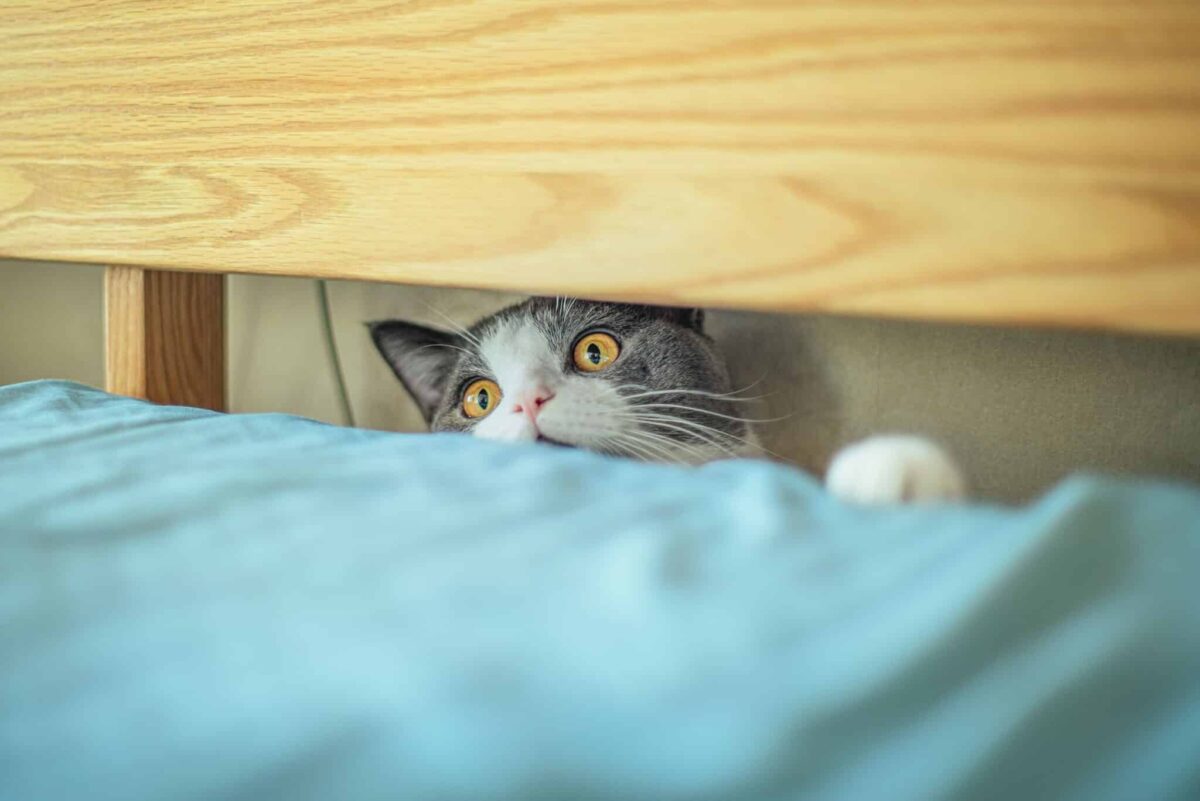
A cat disappearing behind furniture may not be finished playing at all. They might simply be preparing the next ambush. Hiding creates an opportunity to watch while remaining partially concealed, then burst forward when a toy or familiar companion passes within range. This style of play draws heavily on stalking and ambush behaviors used by cats when pursuing prey. Boxes, tunnels, cat furniture, and other safe hiding locations can make play environments more interesting by allowing cats to approach games from different positions. Ambushing people should be redirected when teeth or claws become involved, particularly if ankles become the preferred target. Providing interactive toys can satisfy the desire to stalk and spring without encouraging rough attacks on humans. Sometimes the quietest cat in the room is simply waiting for perfect timing.
Their Tail Gets Extra Animated
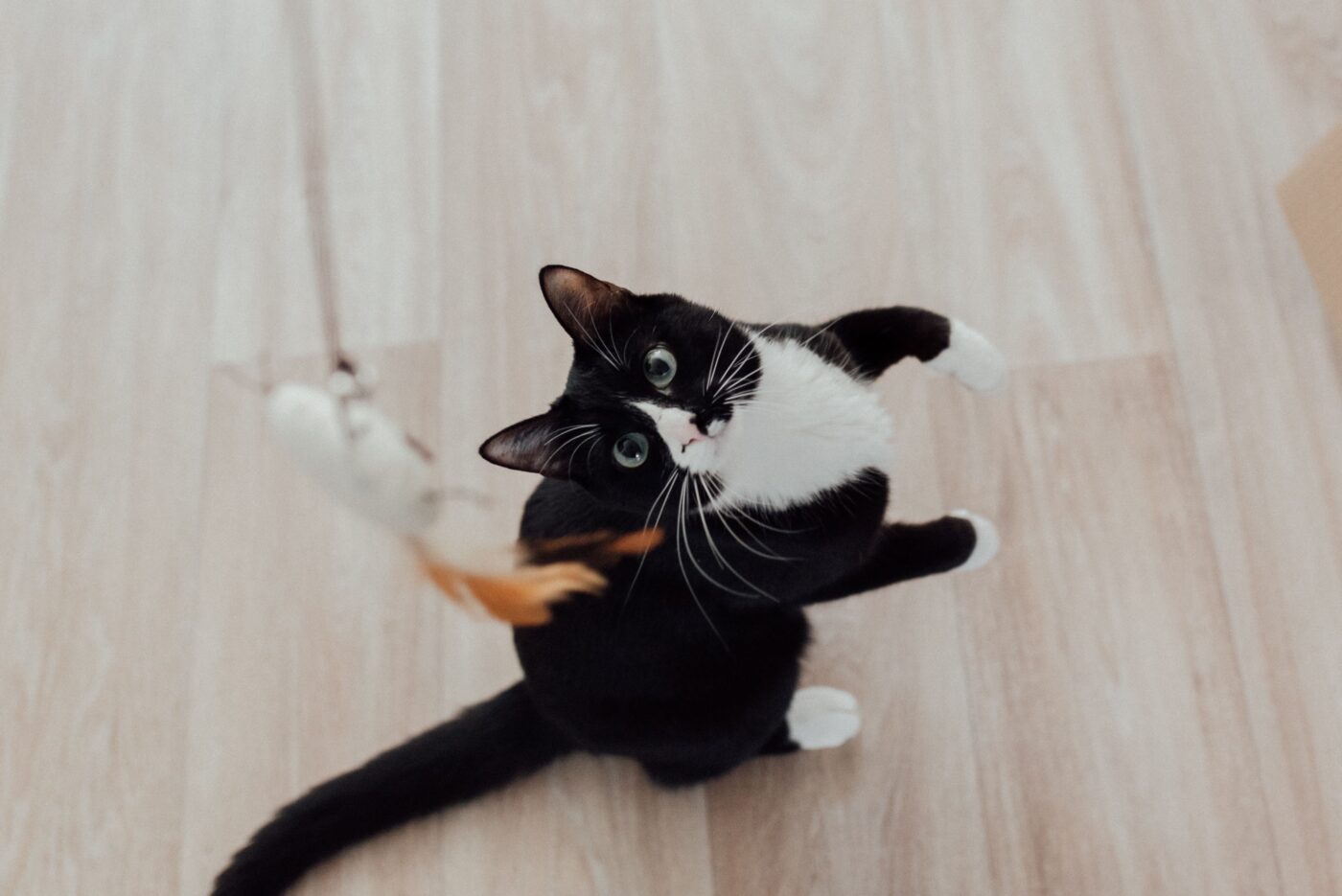
Tail movement can provide useful clues about a cat’s level of excitement, although it should never be interpreted without considering the rest of the body. During focused play, the tail tip may twitch or move as the cat watches a toy and prepares to chase. Faster or broader movements can accompany increasing arousal, especially during an energetic game. However, vigorous tail lashing can also indicate irritation or overstimulation, making context essential. A cat with loose posture, forward interest, and repeated voluntary engagement may simply be excited by the game, while flattened ears, tense muscles, growling, or attempts to escape suggest it is time to stop. Watching changes in tail movement alongside the eyes, ears, posture, and overall interaction can help humans recognize when playful excitement is approaching the cat’s personal limit.
They Chase Moving Objects
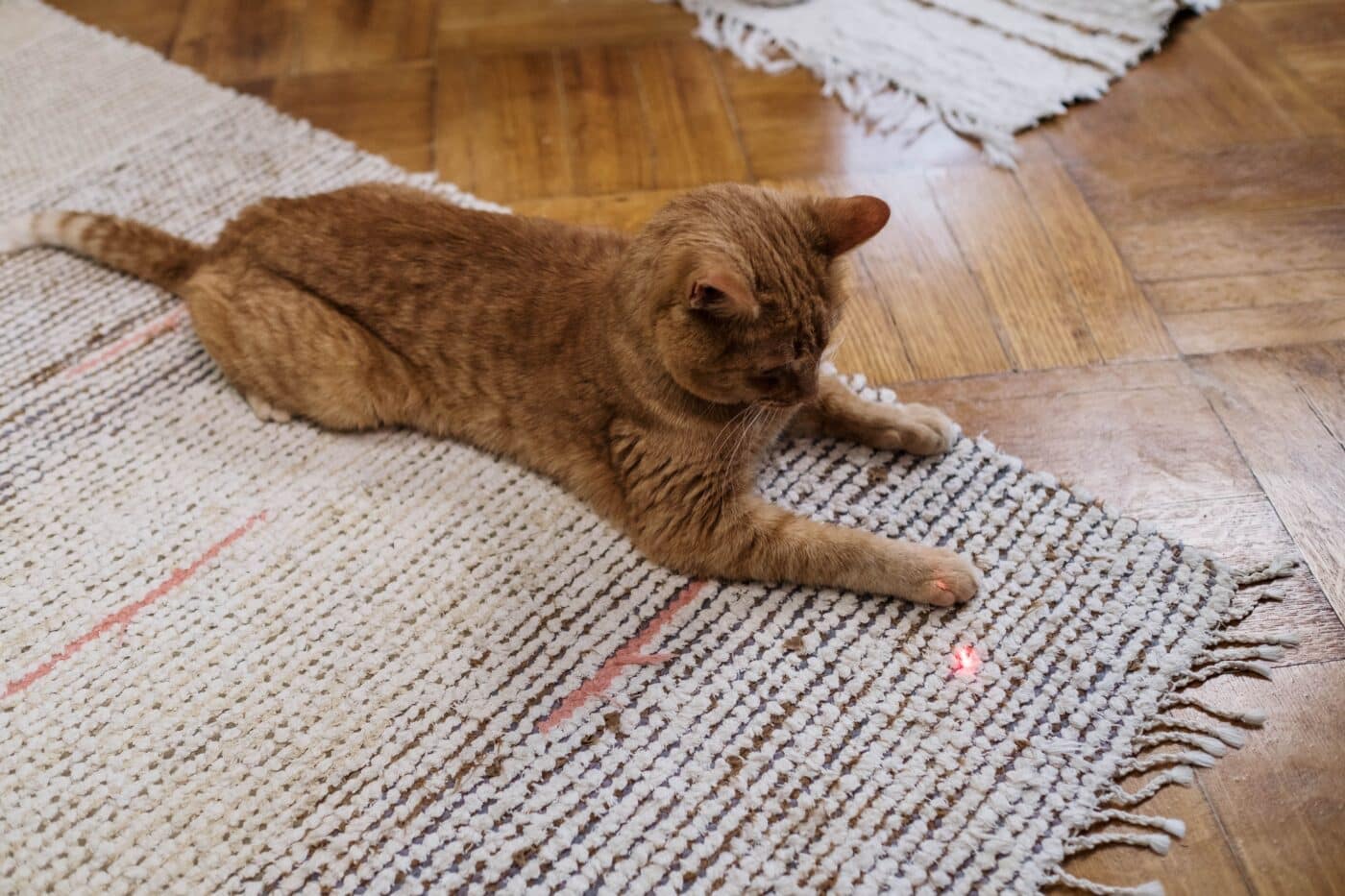
Movement can quickly capture feline attention, particularly when it resembles the unpredictable motion of small prey. A toy darting across the floor, changing direction, or briefly disappearing may encourage an immediate chase from a cat that was resting seconds earlier. Pursuit is another component of predatory behavior, making chasing a valuable form of physical and mental enrichment when directed toward appropriate toys. Different cats have different preferences, with some enjoying ground-level movement and others becoming more interested when toys flutter or change height. Interactive play works best when the target moves away from the cat rather than constantly toward them, creating a more natural pursuit opportunity. Safe chasing games provide exercise while giving cats an outlet for instinctive behaviors that remain important even when dinner reliably arrives in a bowl.
They Toss Toys Into the Air
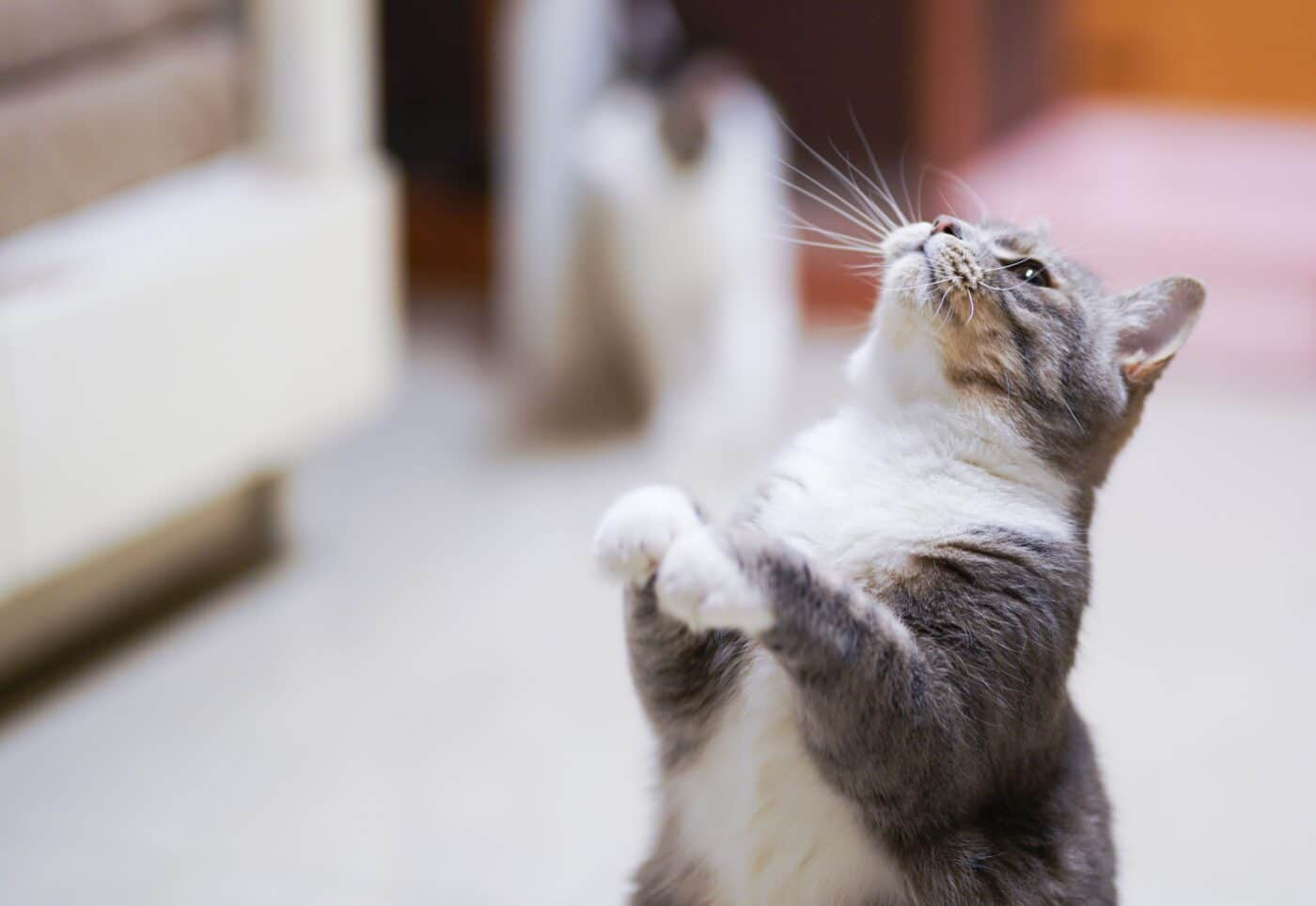
Some cats turn a simple toy into an entire solo performance. They may grab it, toss it upward, leap after it, knock it across the floor, and immediately begin the sequence again. Tossing and manipulating toys allows cats to practice grabbing, controlling, and repositioning objects, behaviors that can overlap with parts of predatory play. Lightweight toys can be especially appealing because a small movement from a paw or mouth produces an unpredictable response. The resulting motion may then trigger another chase or pounce, effectively allowing the cat to keep their own game going. Safe solo toys can provide useful enrichment between interactive play sessions, although damaged toys or small pieces that could be swallowed should be removed. A cat entertaining themselves this way may need remarkably little help keeping the action interesting.
They Invite You Into the Game
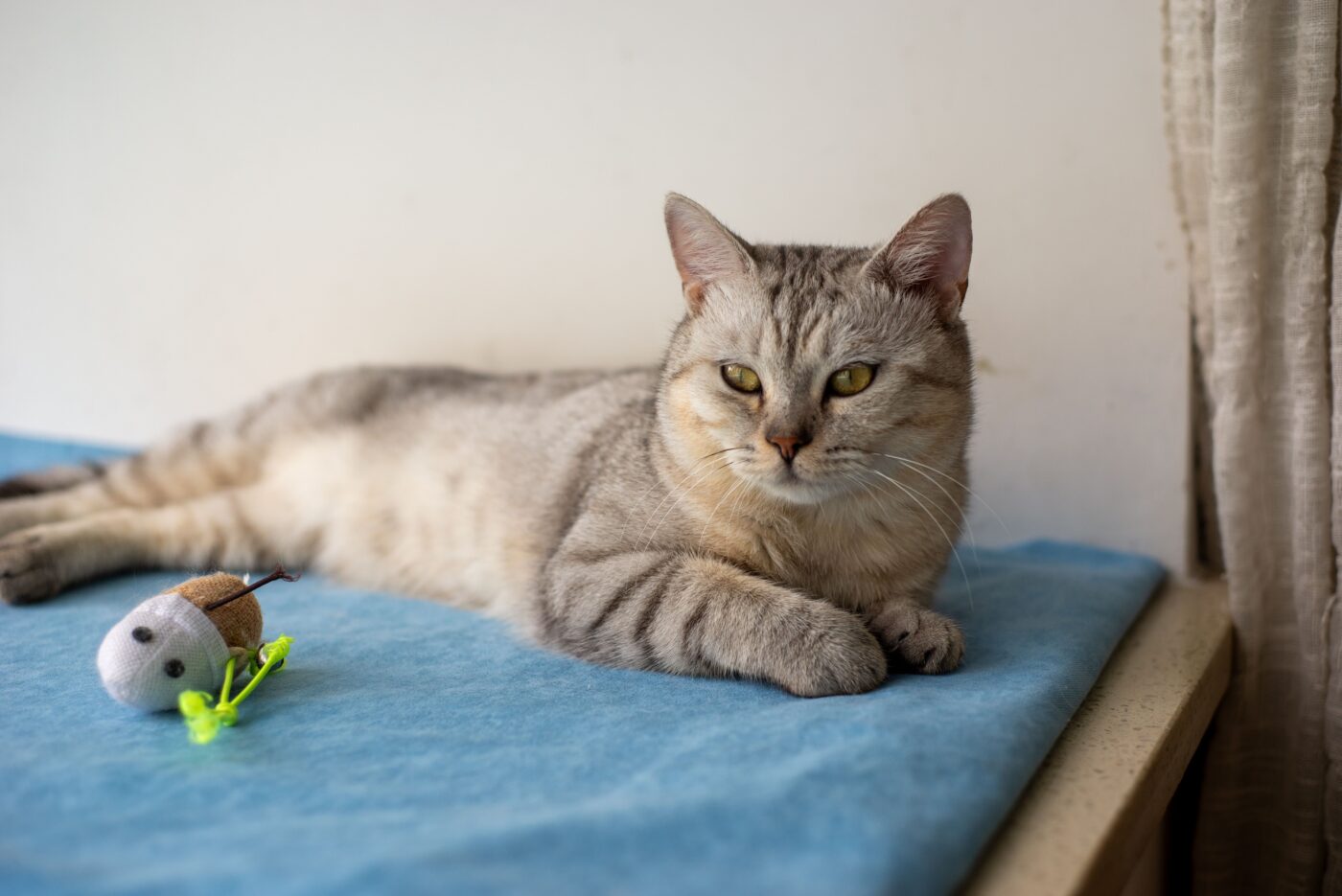
Play does not always begin with a human picking up a toy. Some cats actively initiate interaction by approaching, vocalizing, dropping a toy nearby, touching their person, or repeatedly moving between a familiar play area and the person they hope will participate. These behaviors can become learned communication when they successfully produce a game. Over time, a household may develop highly specific routines that both cat and human recognize, even though another person might miss the signals entirely. Interactive play can be especially rewarding because the human controls movement in ways that make toys behave unpredictably. Responding when practical can strengthen a useful routine for exercise and enrichment. A cat requesting play is not necessarily asking for affection. They may simply have energy to spend and know exactly who operates the best toys.
Their Pupils May Look Larger
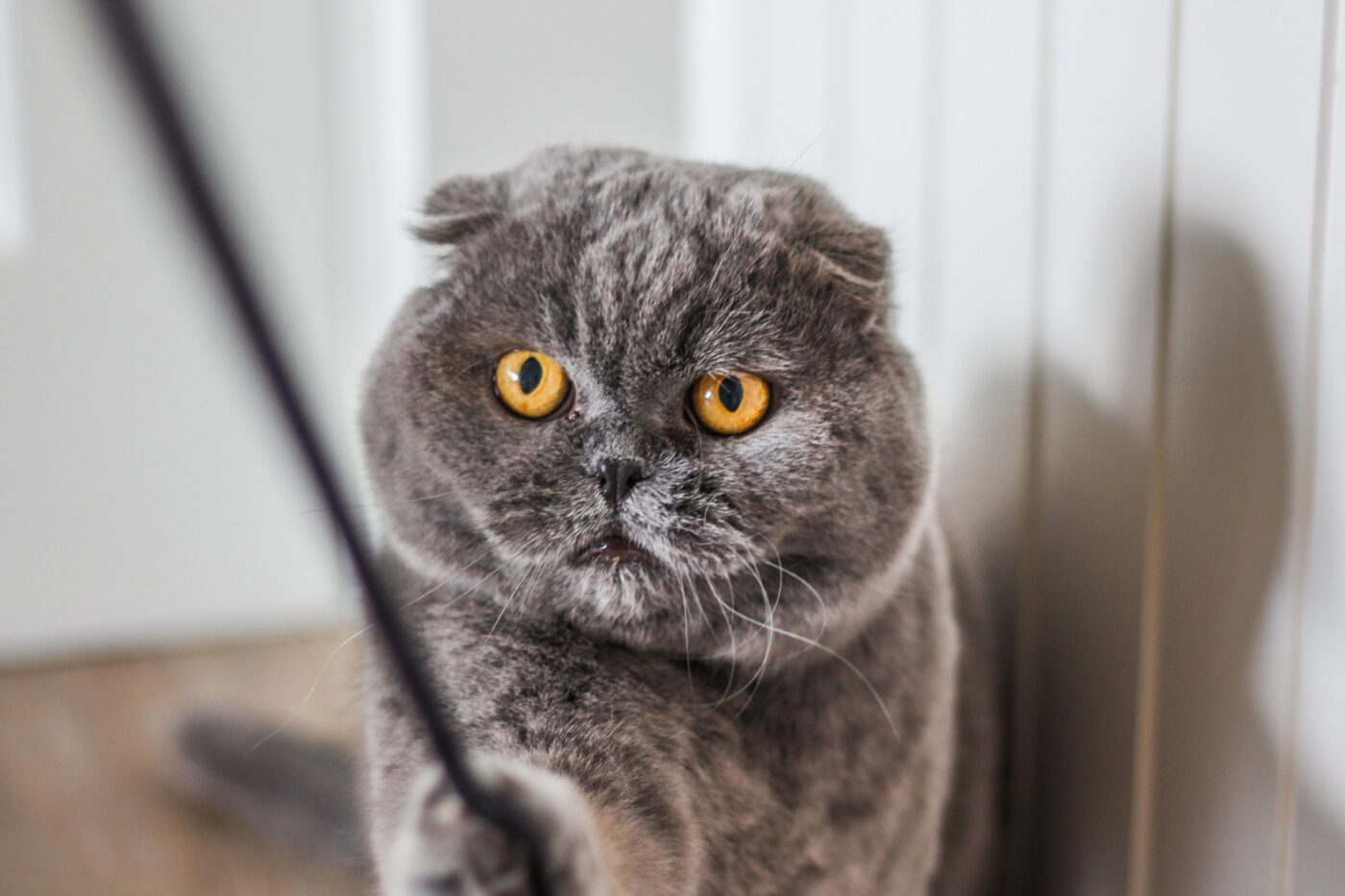
Arousal can change the appearance of a cat’s eyes during an exciting game. Their pupils may dilate as they become highly engaged with movement, particularly while stalking, chasing, or preparing to pounce. Light levels also strongly affect pupil size, so wide pupils alone cannot prove that a cat feels playful. Fear, surprise, stress, and other forms of heightened arousal can produce a similar appearance. The surrounding body language provides the necessary context. A cat voluntarily returning to a game with energetic movements and an interested posture presents a different picture from one hiding, freezing, flattening their ears, or trying to escape. Reading the whole cat rather than focusing on a single physical feature makes playful excitement easier to distinguish from emotional states that call for space rather than another round of chasing.
They Roll and Grab During Play
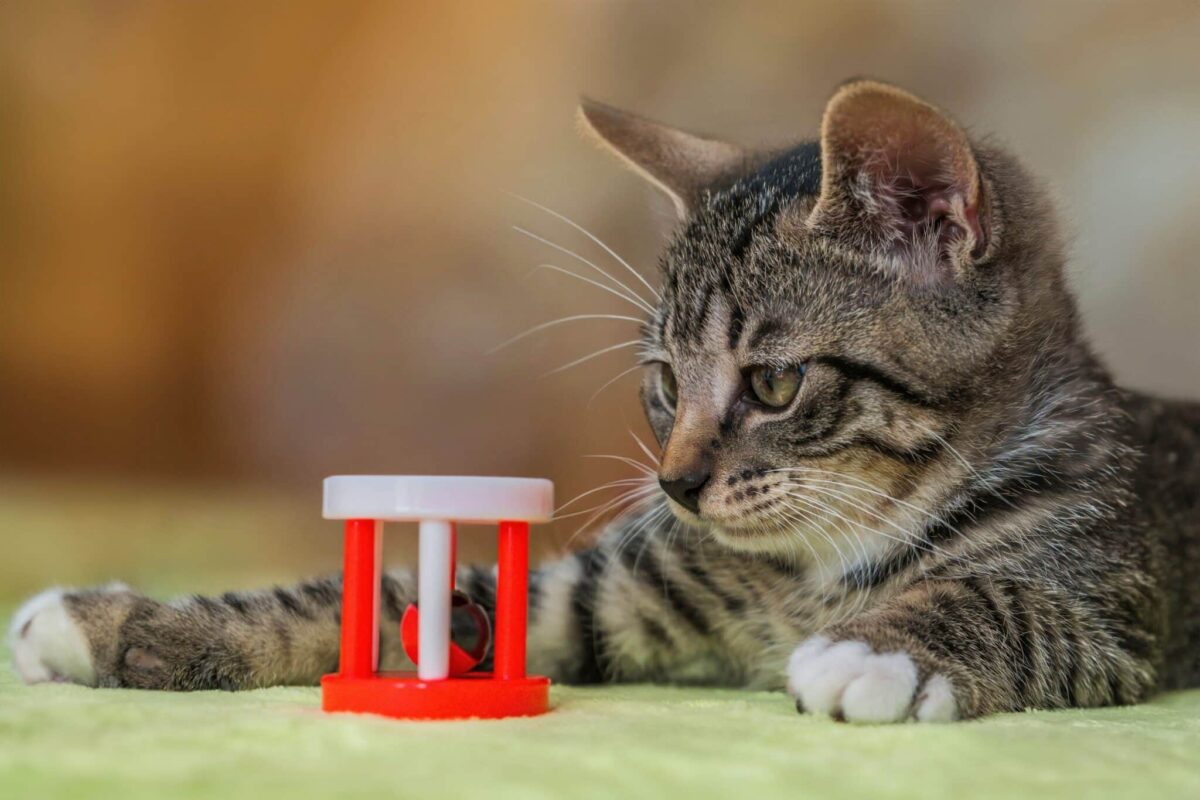
During energetic play, a cat may roll onto their side or back, grab a toy with their front paws, and kick rapidly with their hind legs. Those powerful back feet are well-suited to kicking and controlling something held close to the body. Toys designed for grabbing and kicking can provide an appropriate outlet for this vigorous style of play. A belly-up position should not automatically be interpreted as an invitation for stomach rubs, especially when the cat is already excited. Reaching toward an aroused cat with bare hands can quickly turn a playful moment into scratches or bites. Offering a suitable toy instead allows them to wrestle safely. Rolling, grabbing, and kicking can look dramatic, but with relaxed body language and an appropriate target, it can simply be enthusiastic physical play.
They Keep Coming Back for Another Round
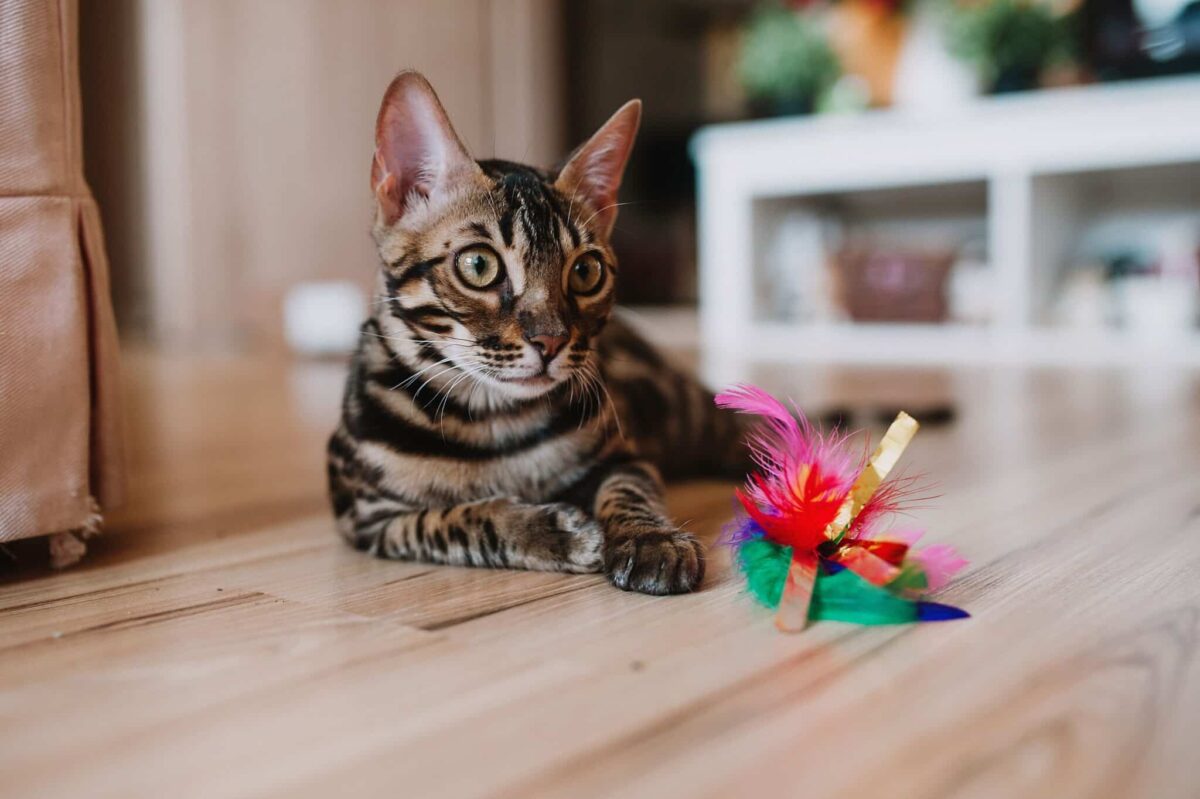
One useful sign that an interaction remains enjoyable is the cat’s decision to return voluntarily. They may chase a toy, pause briefly, watch it again, and then approach for another pounce. Cats naturally play in bursts rather than maintaining nonstop activity for long periods, so pauses do not necessarily mean the game is finished. Allowing them to reset can make interactive sessions more comfortable and give them control over participation. A cat that walks away and stays away should not be pursued or pressured to continue. Their willingness to re-engage provides more useful information than trying to keep the game moving constantly. Paying attention to those choices respects individual preferences and helps prevent overstimulation. When a cat repeatedly returns with relaxed, eager body language, the play session is probably still delivering something they enjoy.
The House Has Entered Play Mode
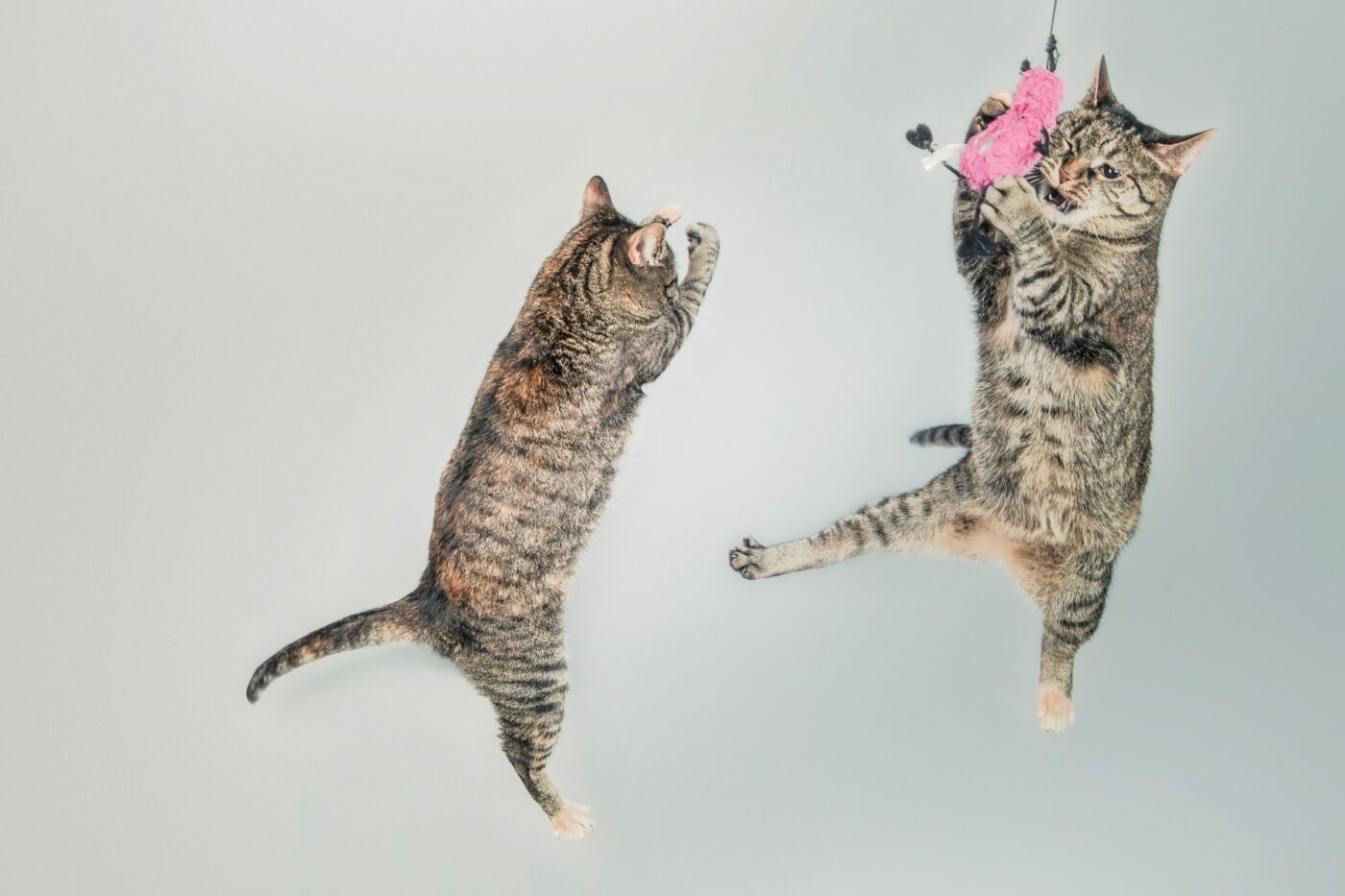
Playful behavior can look ridiculous, dramatic, focused, athletic, or occasionally all four within the same minute. Behind those entertaining antics are opportunities to move, explore, practice predatory behaviors, solve challenges, and engage with the environment. Observing the whole situation matters because dilated pupils, puffed fur, tail movements, and crouching can have different meanings depending on context. Providing appropriate toys, choices, safe hiding places, and regular interactive play gives natural instincts productive outlets. When the next hallway sprint begins, a cat may simply be putting impressive skills into practice.
This content was created with AI assistance and edited by the iHeartCats team.