
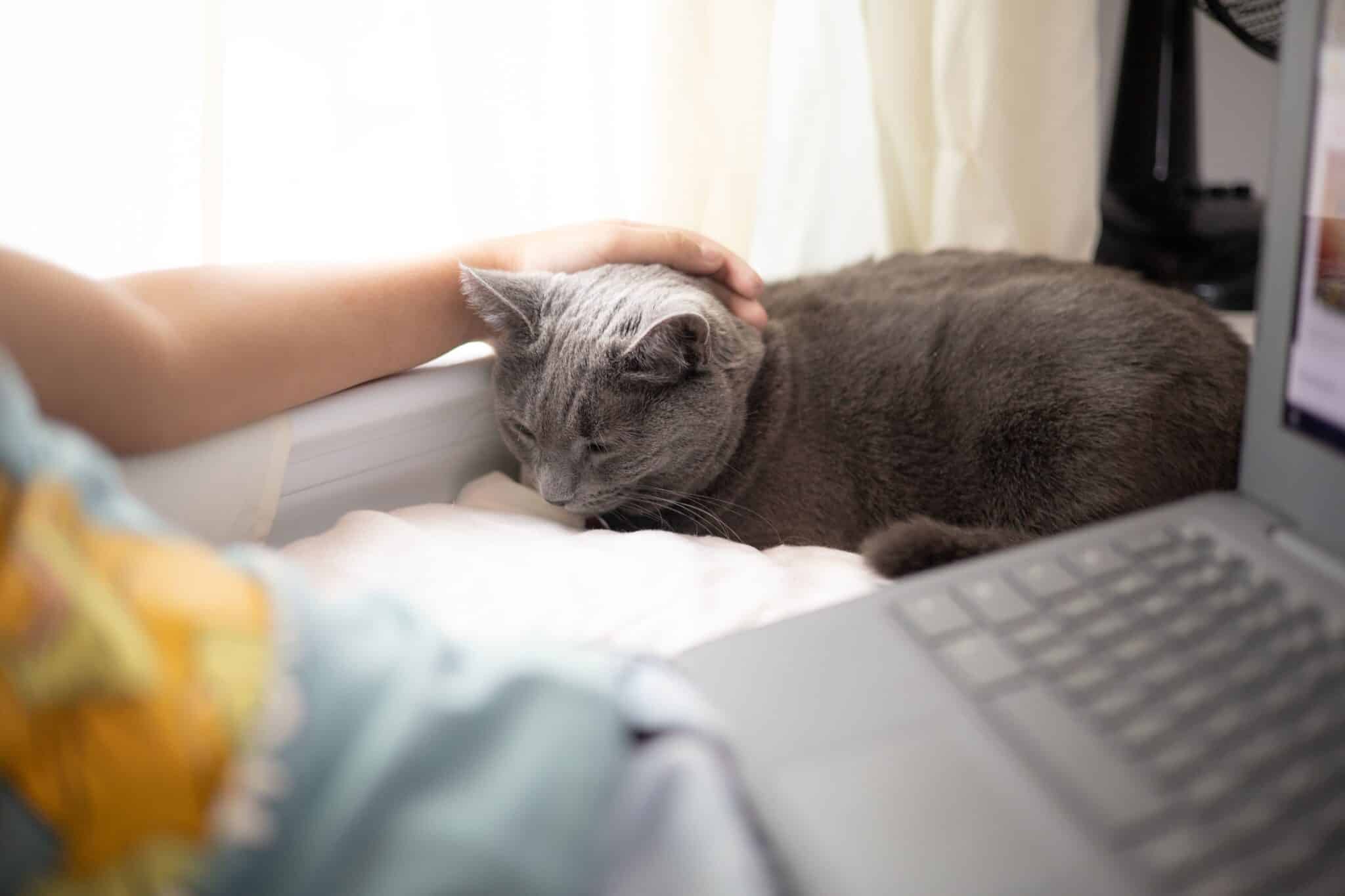
When a favorite person is away, some cats notice the change quickly. They may wait near the door, follow others around, or investigate their person’s belongings. Others simply sleep nearby or seek extra attention after their return. Cats may not experience missing someone exactly as humans do, but changes in routine, familiar scents, and social contact can affect them. For cats closely bonded with their people, these small changes may show how important familiar companionship is in their daily lives.
They Wait Near the Door
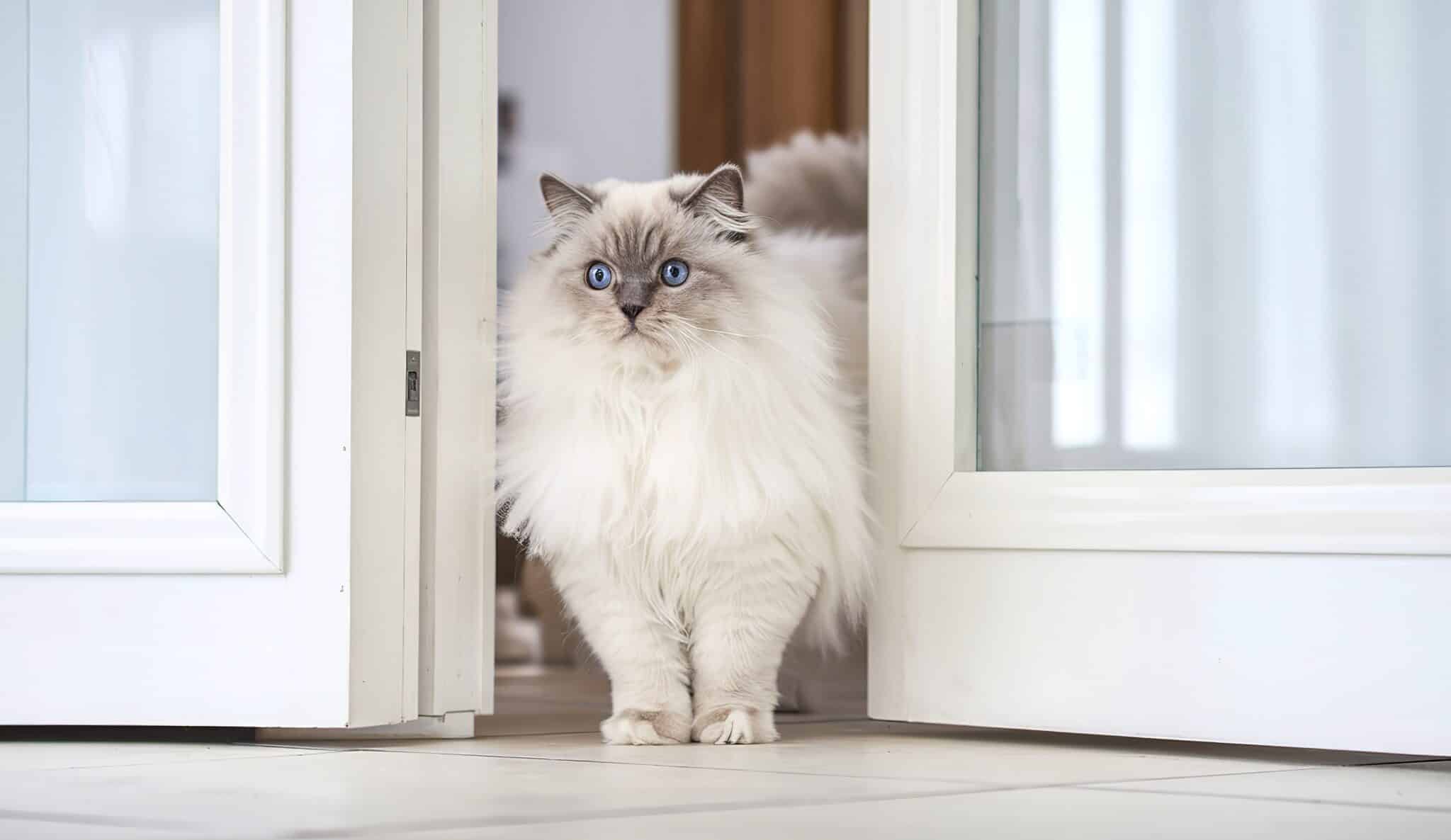
A cat that regularly settles near the entrance when their person is away may be responding to familiar sounds, routines, or expectations. Cats are excellent observers of household patterns, so they can learn when someone usually leaves and returns. Waiting near the door does not necessarily prove the cat is counting the minutes, but it can reflect anticipation of a familiar person coming back. Some cats may become especially interested when they hear footsteps, keys, or a vehicle outside. For a socially attached cat, the entrance can become an important location associated with reunion, attention, and the return of familiar smells and sounds.
They Follow You Everywhere After You Return
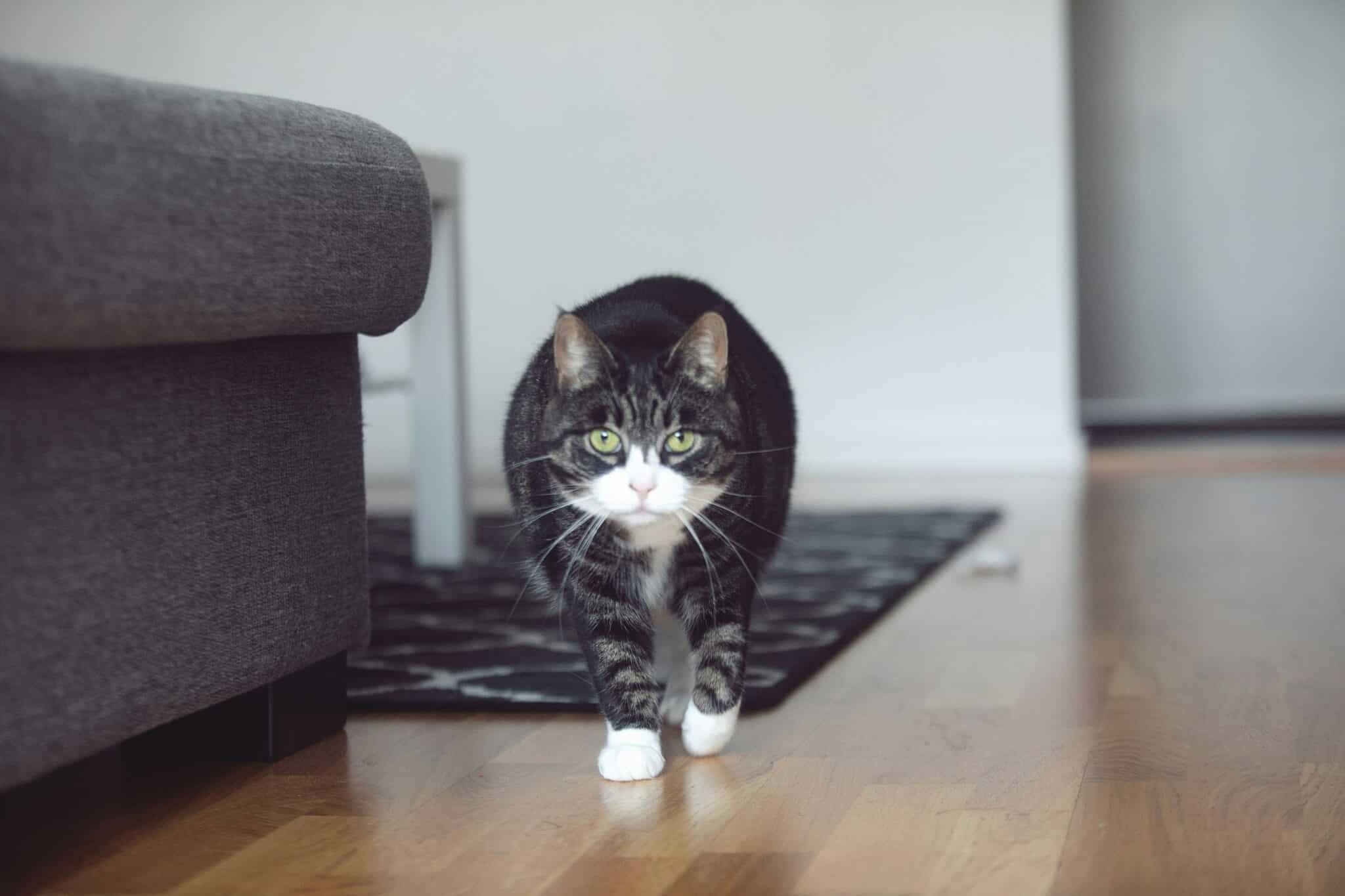
Coming home can suddenly turn an independent cat into a little shadow. They may follow their person from the kitchen to the bedroom, appear outside the bathroom, or settle nearby while their person works. This behavior can reflect social attachment, curiosity, or simply an interest in whatever is happening after a period of separation. Cats can also learn that a person’s return brings predictable rewards such as food, play, petting, or conversation. When the following is accompanied by relaxed body language and comfortable interaction, it may be one of several ways a cat seeks renewed social contact after time apart.
They Become Extra Vocal
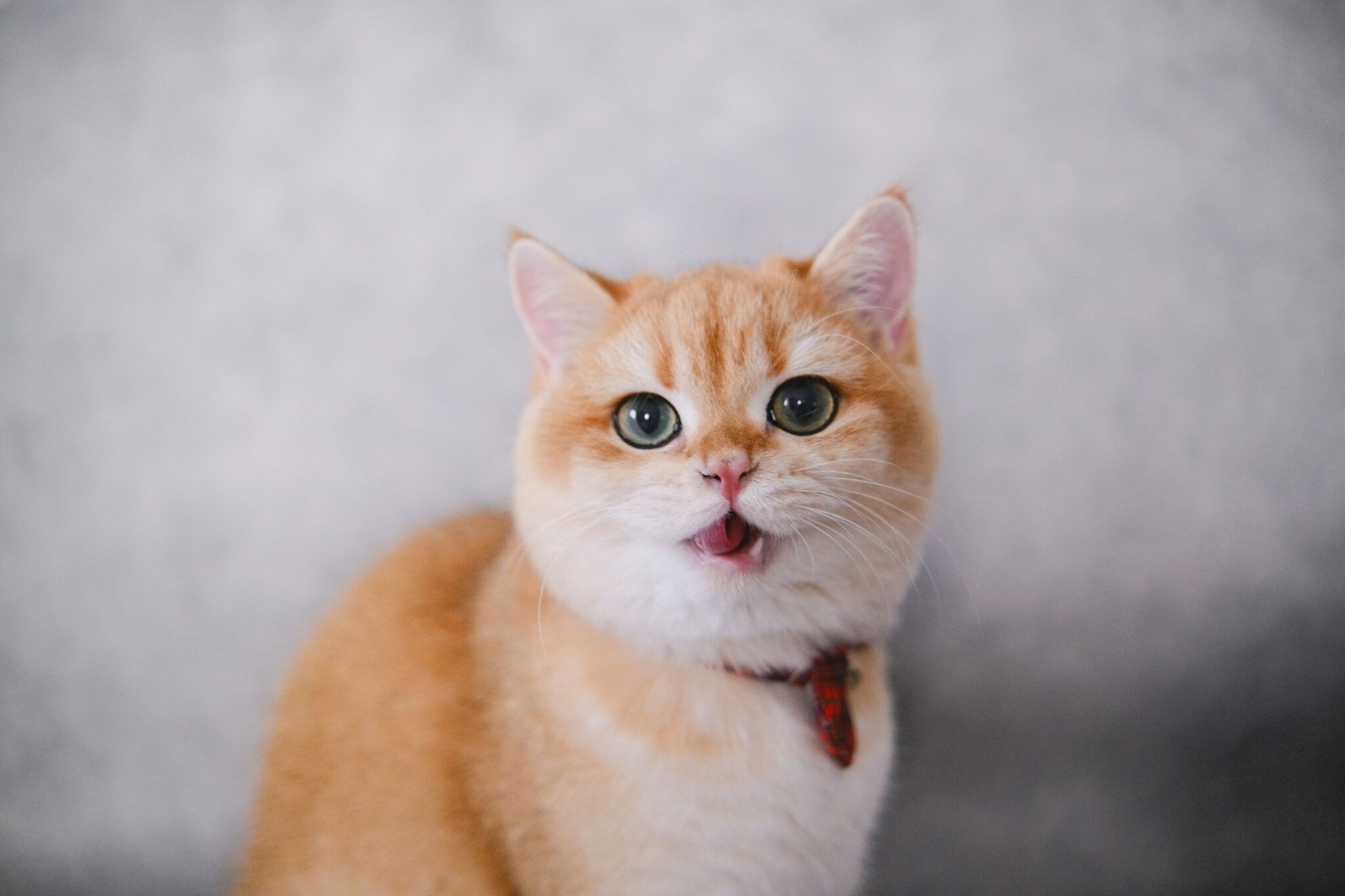
Some cats greet their returning people with a surprising amount of conversation. Meows, chirps, trills, and other vocalizations can increase when a cat is seeking attention or responding to a change in their environment. Individual cats vary considerably in how vocal they are, so an especially talkative greeting may simply reflect personality. Cats also learn that vocalizing can reliably attract human attention. If a person responds with petting, food, play, or conversation, the behavior can become reinforced. A burst of vocalization after separation may therefore combine social interest, learned communication, and excitement about a familiar person being home again.
They Sniff Your Clothes and Belongings
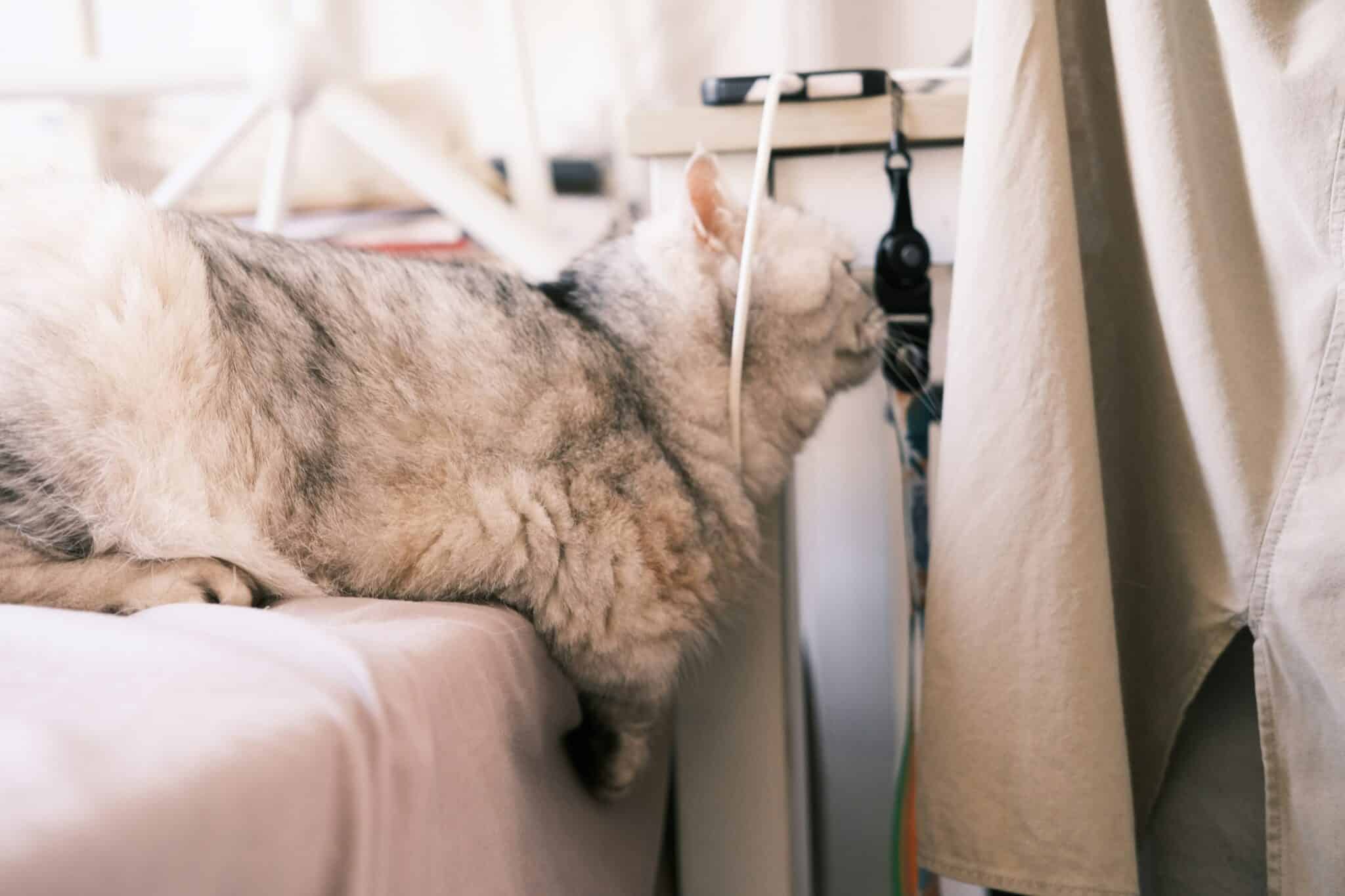
A worn shirt, jacket, or bag can become surprisingly interesting to a cat after their person has been away. Familiar human scent provides information about where someone has been and can help make their presence feel recognizable even when they are not physically nearby. Cats rely heavily on smell to understand their environment, so investigating clothing is a natural form of information gathering. Some cats may rub against these belongings afterward, adding their own scent to the familiar object. While sniffing does not necessarily mean emotional longing, it can show that the cat considers the person’s scent meaningful and worth investigating.
They Sleep in Your Usual Spot
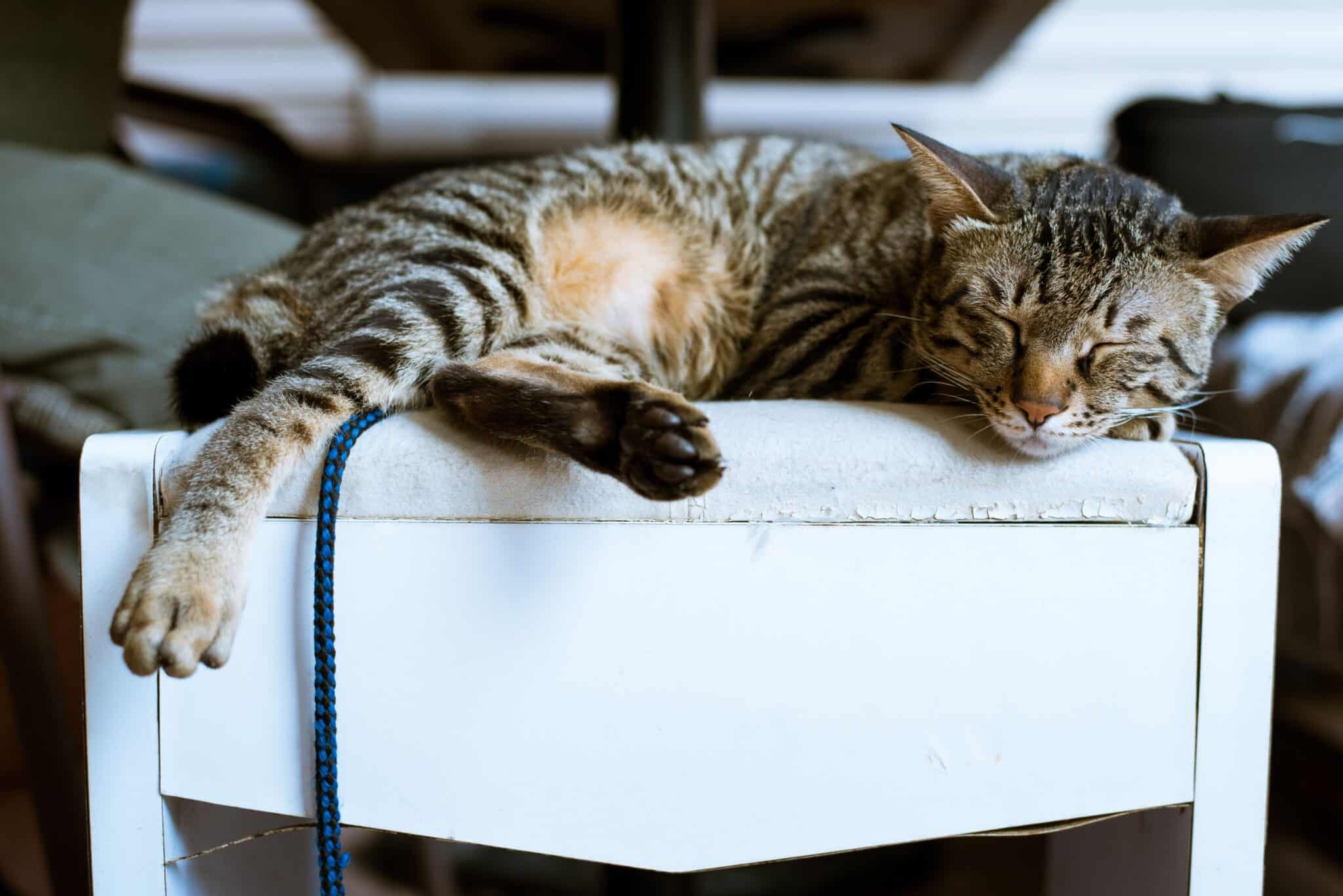
A cat may choose a bed, chair, blanket, or couch cushion that strongly smells like their person when that person is away. Cats often select resting locations based on warmth, comfort, security, and familiarity, so a person’s usual spot can offer several appealing qualities at once. Familiar scent may also make the location recognizable and reassuring. This behavior can be particularly noticeable when a cat repeatedly chooses the same place during a person’s absence. It is not necessarily proof that they are consciously lamenting someone’s absence, but it can reflect how strongly familiar smells and predictable resting spaces are woven into a cat’s environment.
They Become More Attention-Seeking
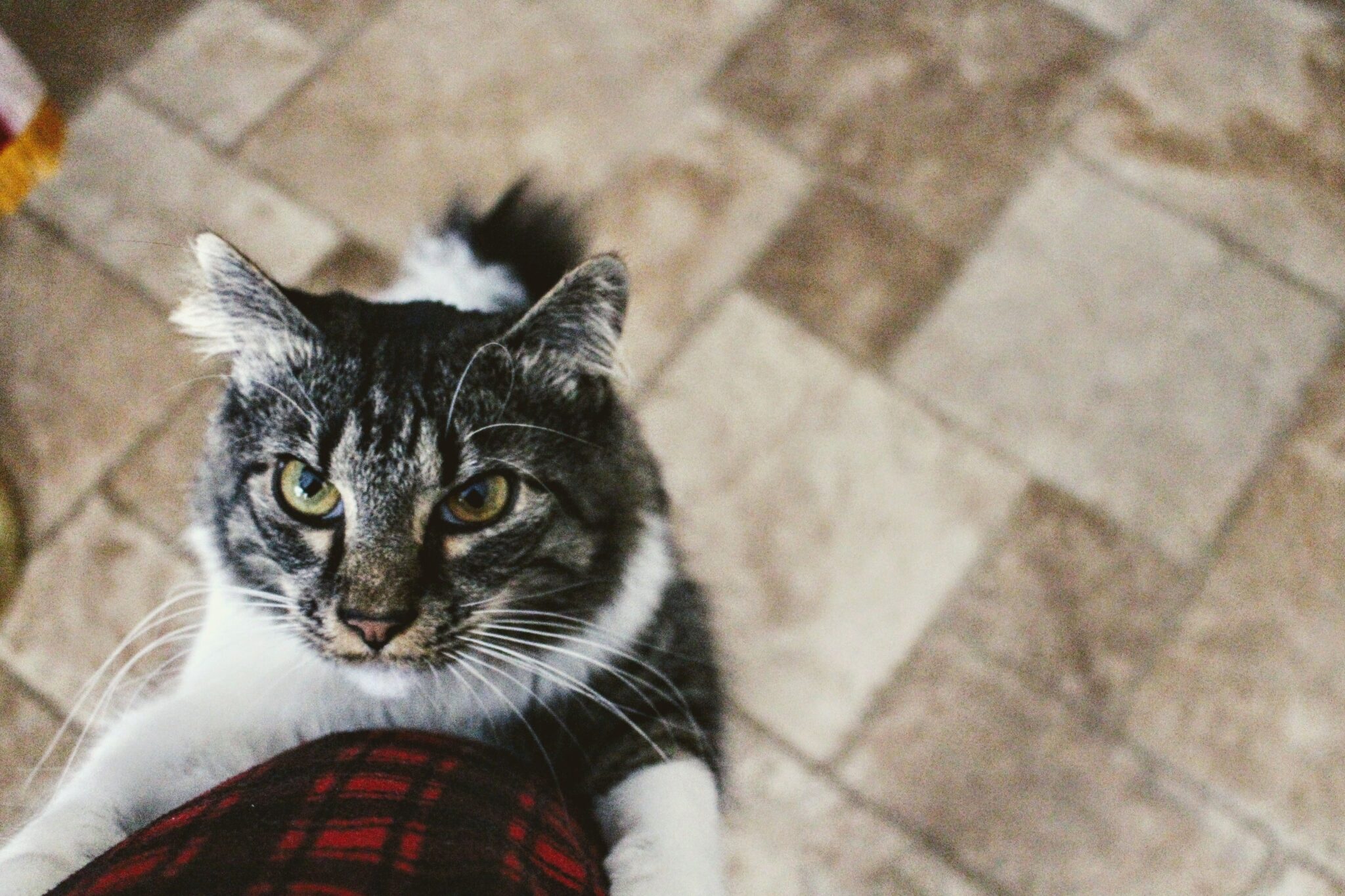
A cat that suddenly wants more interaction after their person returns may simply be responding to the restoration of familiar social contact. They might climb onto a lap, nudge a hand, sit directly beside someone, or repeatedly seek petting. Social preferences vary widely among cats, and some are much more physically affectionate than others. Attention-seeking can also be reinforced because humans naturally respond to a cat that approaches them. When the behavior is relaxed and familiar rather than frantic, it can be part of a cat’s normal way of reconnecting with a trusted person after a period of separation.
They Bring Out Their Favorite Toys
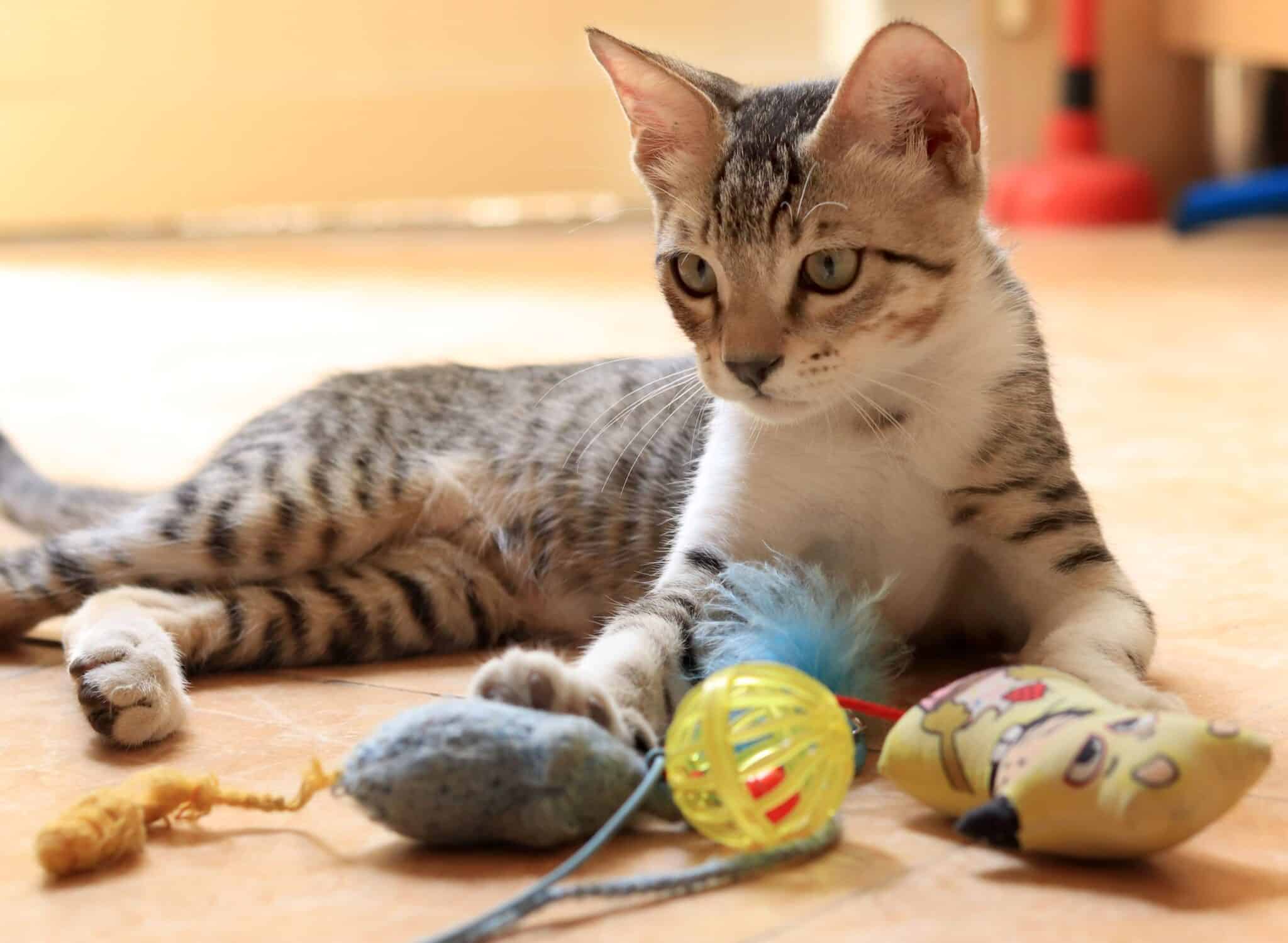
A returning person may find that a cat suddenly wants to play with a favorite toy. This can reflect several things, including increased energy, excitement, or a desire for interaction. Play is an important part of feline behavior, especially activities that involve chasing, stalking, and pouncing. A cat that repeatedly brings a toy toward someone may also have learned that this behavior leads to a fun game. For cats that enjoy interactive play with their people, restarting that familiar activity after an absence can become part of their reunion routine.
They Rub Against You More Than Usual
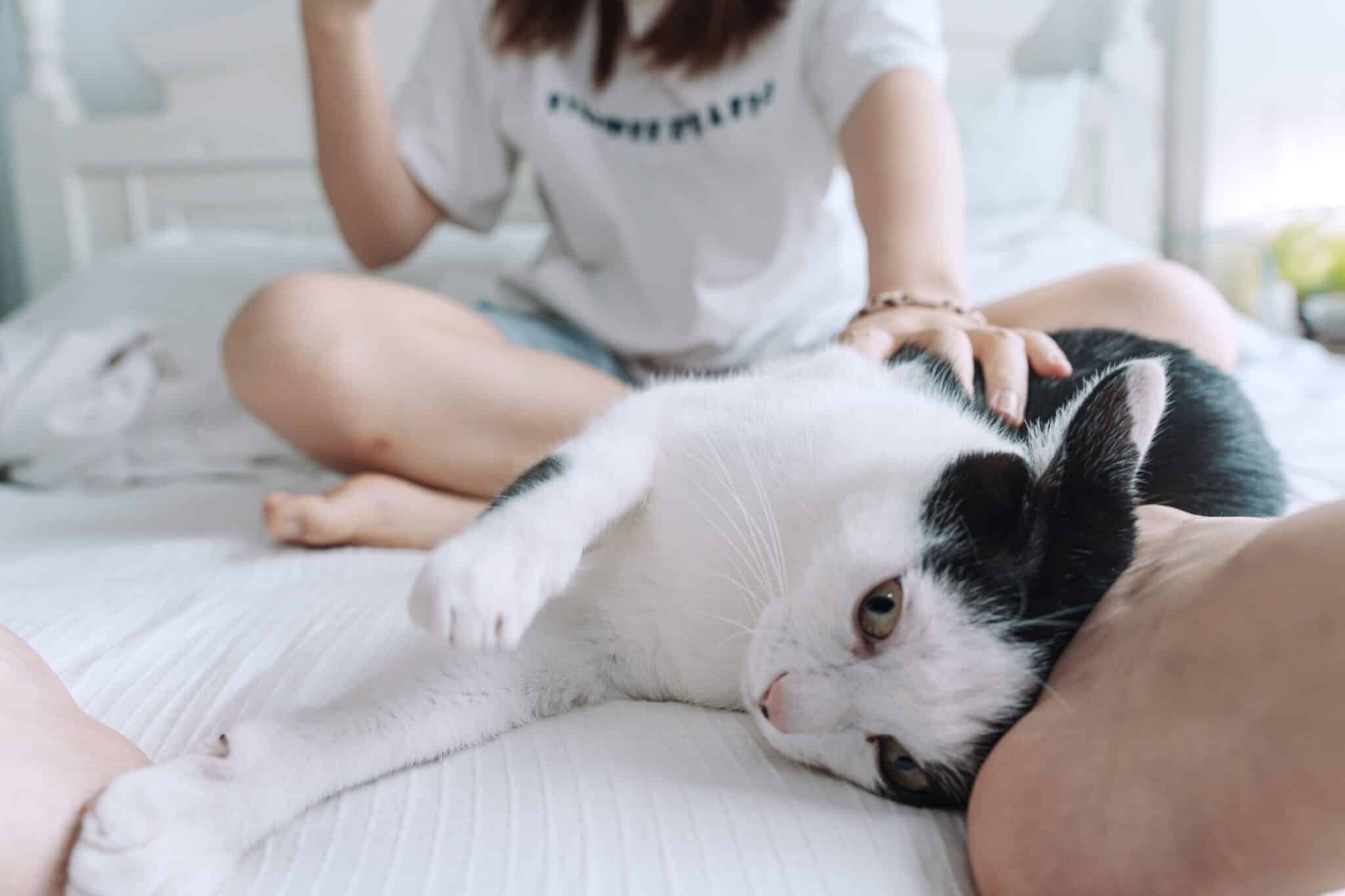
Cheek rubbing and body rubbing are familiar forms of feline scent communication. Cats have scent glands around parts of the face and body, and rubbing can help deposit familiar scent while gathering information about another individual. After someone has been away, their scent may have changed because they have encountered unfamiliar environments and smells. A cat may investigate and rub against them as part of reestablishing familiar scent associations. The behavior can also be social and affectionate, particularly when accompanied by a relaxed posture and friendly approach. It is a small but recognizable way cats interact with someone they know well.
They Stay Close While You Do Everyday Things

After a period apart, some cats simply want to be wherever their person happens to be. They may sit beside someone while they eat, watch from the floor while they work, or follow them between rooms. This does not necessarily mean the cat wants constant physical contact. For many cats, being nearby provides social connection while allowing them to maintain control over their personal space. Familiar routines can also make ordinary household activities interesting. A cat may seem unusually attentive after their person’s return because the household has become socially complete again.
They Ask for More Playtime
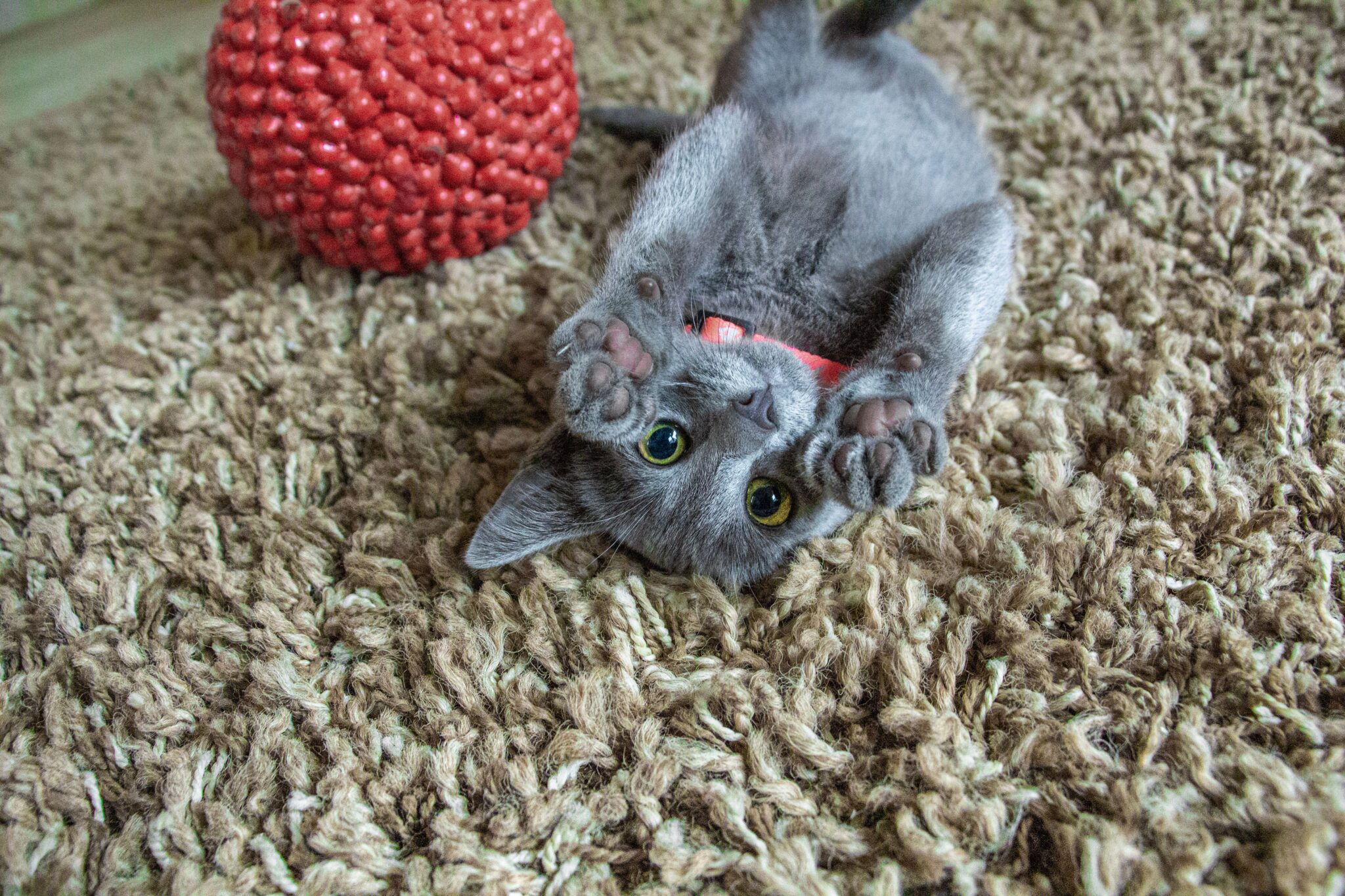
A cat that suddenly becomes enthusiastic about play after their person comes home may be responding to renewed social interaction as much as the game itself. Interactive play gives cats opportunities to chase, stalk, pounce, and practice natural hunting behaviors. It also provides predictable one-on-one attention from a familiar person. Cats can quickly learn which behaviors lead to play, so an energetic greeting may become part of a household routine. For an active cat, extra play after a person’s absence can be a particularly satisfying way to release energy and reconnect through an activity they already enjoy.
They Become More Interested in Your Face
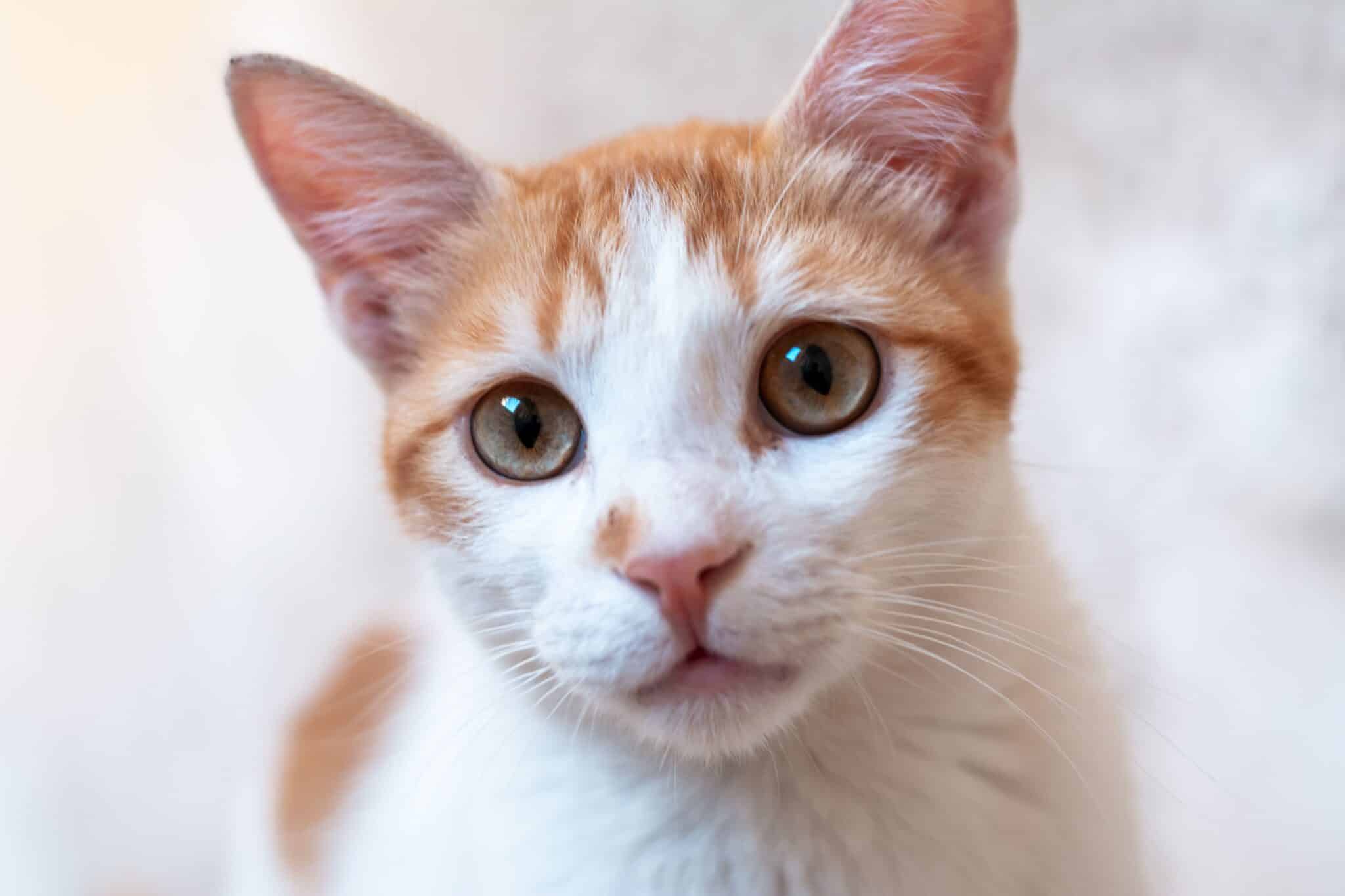
Some cats respond to a returning person by moving unusually close to their face. They may sniff, stare, rub their forehead against them, or settle beside their head. The face contains familiar visual, auditory, and scent information, making it an important part of social recognition. A cat may also have learned that close interaction with their person’s face brings gentle attention. Slow blinking and relaxed eyes can accompany friendly social interactions, although individual cats communicate differently. A cat moving close for a sniff or head bump may simply be checking in on a familiar individual while renewing a comfortable social connection.
They Become More Affectionate at Bedtime
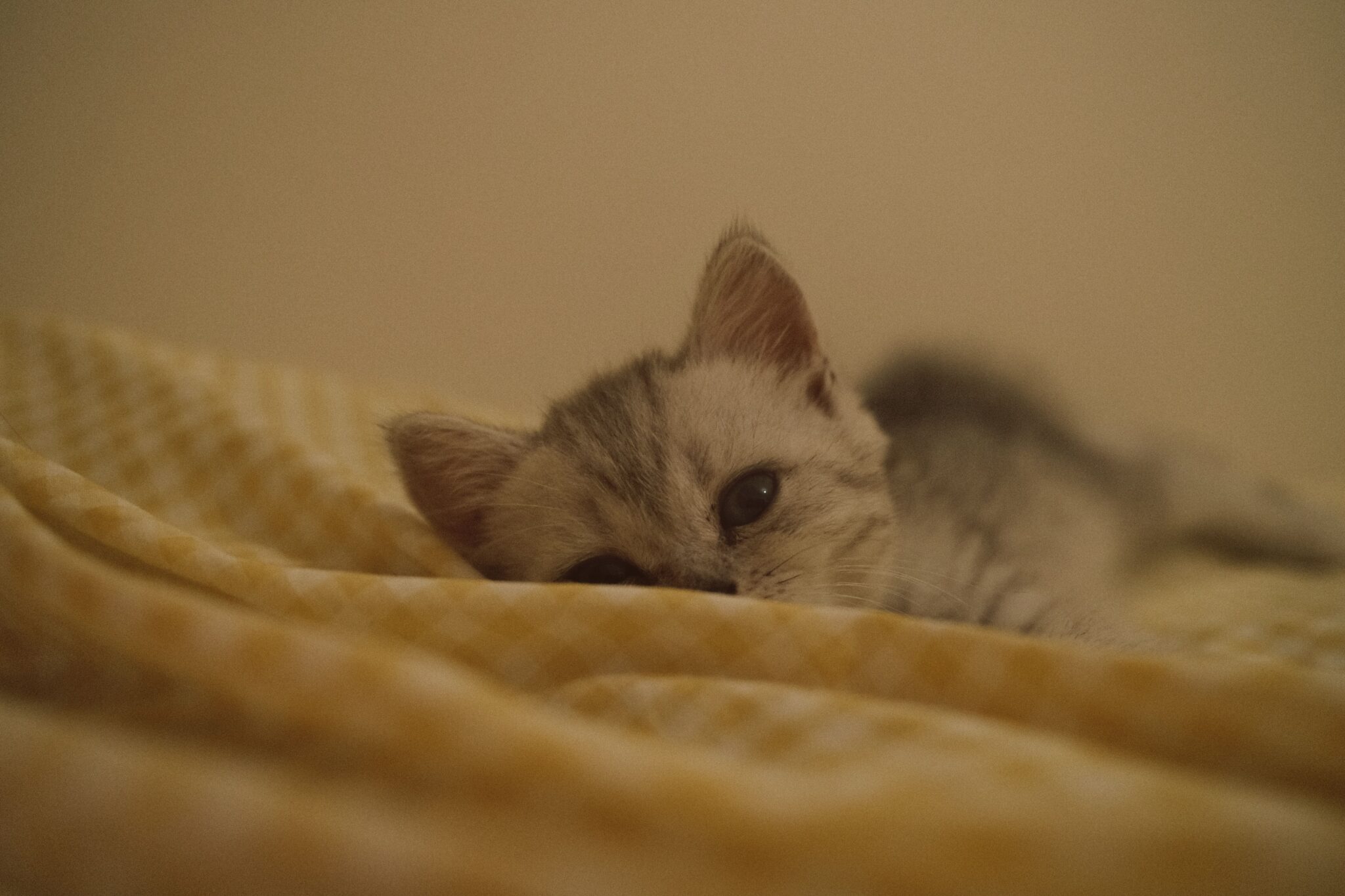
Some cats become especially interested in sleeping near their person after an absence. Bedtime provides a quiet opportunity for social contact, while the bed itself offers warmth, familiar smells, and a predictable resting environment. A cat that normally sleeps elsewhere may temporarily choose the same room or bed after their person returns. This can reflect attachment, comfort, or simply a preference for the warmth and familiarity of the location. Cats also tend to value predictable routines, so returning to a familiar bedtime pattern can help restore the normal rhythm of the household.
They Seem Determined to Keep You in Sight
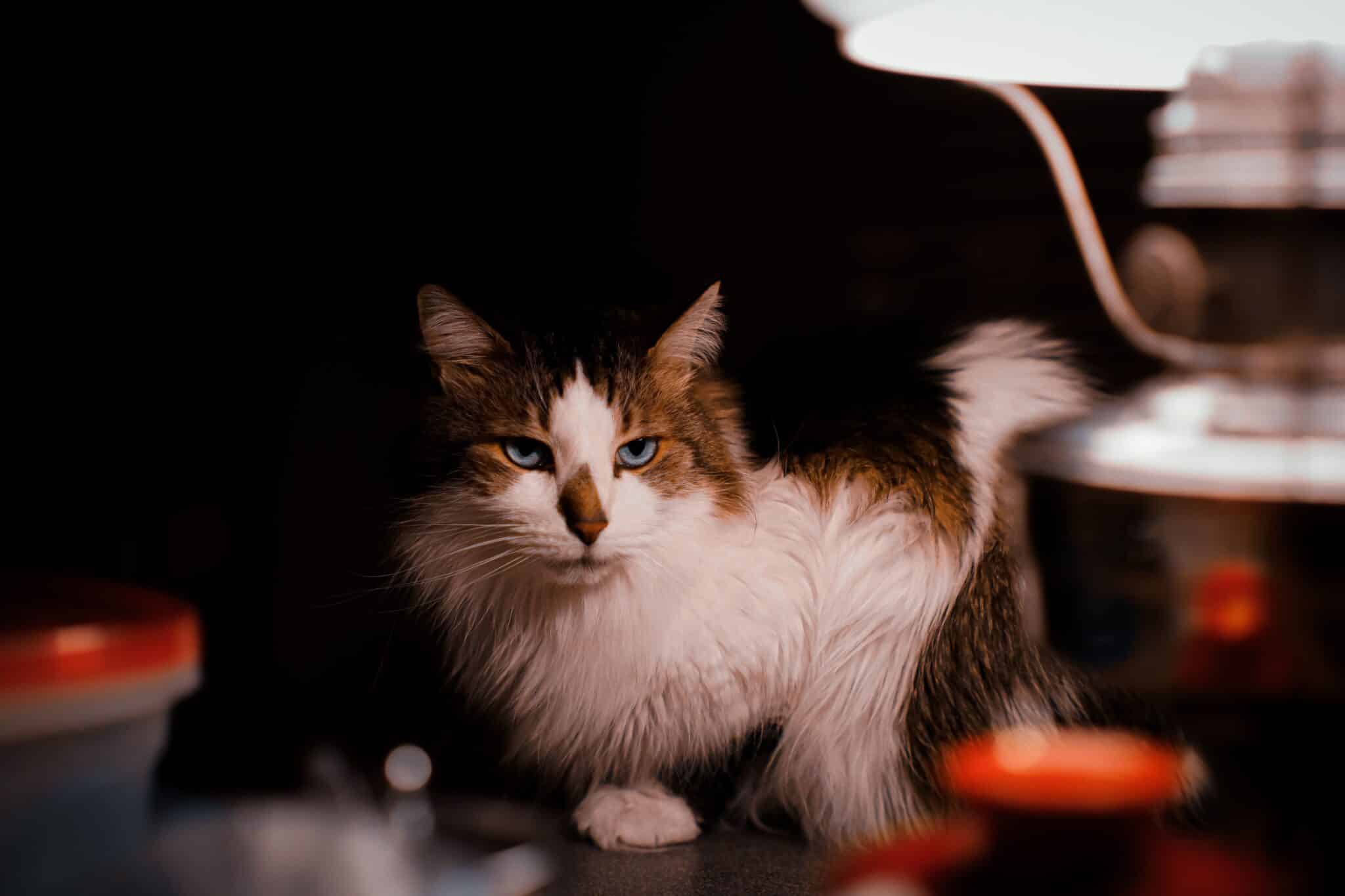
Some cats respond to separation by becoming unusually attentive to where their person is. They may watch from across the room, move between nearby resting places, or check in whenever their person changes locations. This can reflect social attachment, curiosity, or a learned expectation that the person may leave again. Staying nearby also allows the cat to monitor familiar household activity without needing constant physical contact. For a cat that values companionship, simply knowing where their person is can be part of their preferred routine. Once the household settles back into its normal rhythm, this extra vigilance may fade.
When A Cat’s Reunion Routine Says Plenty
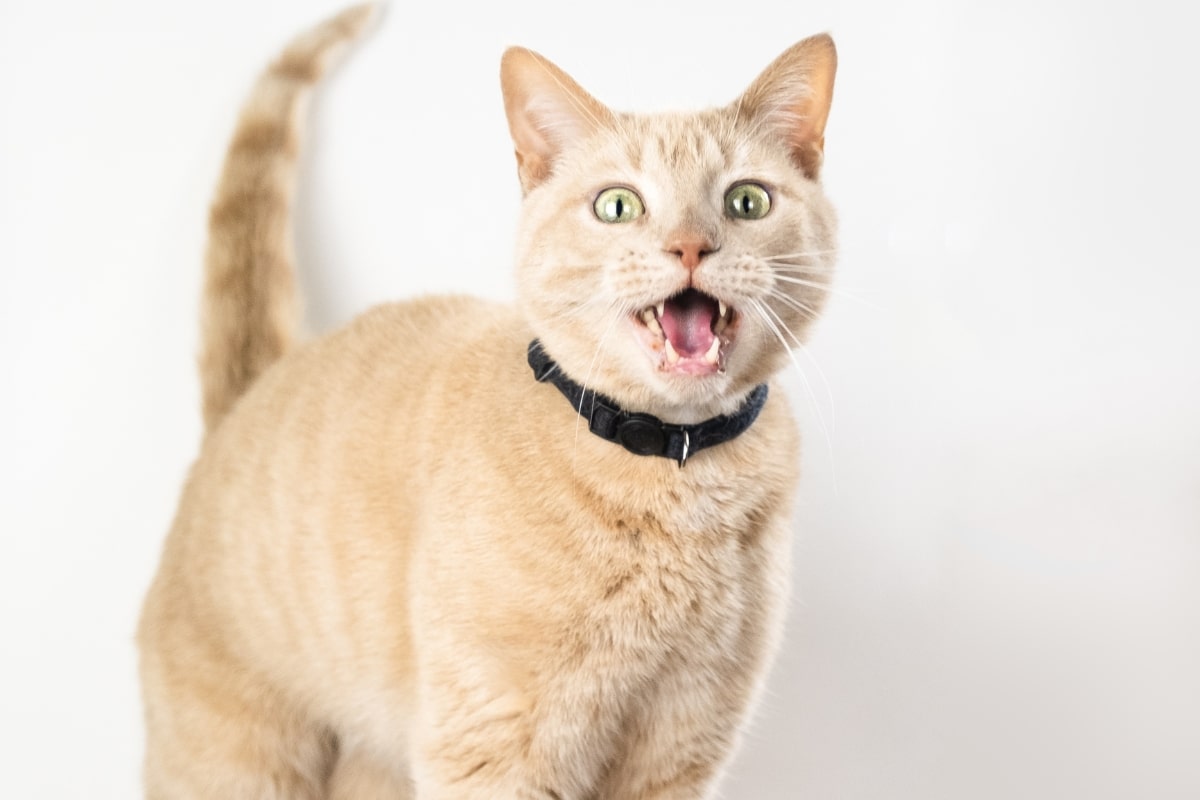
Cats do not all experience separation or show attachment in the same way. Some greet their people enthusiastically, while others quietly settle nearby. Changes in following, vocalizing, sleeping locations, play, or scent-related behavior can offer useful clues when considered alongside a cat’s normal personality and routine. The most meaningful signs are patterns rather than isolated actions. If a cat suddenly becomes distressed, stops eating, hides, or shows major changes, they may need extra attention. Still, small post-separation habits can remind cat lovers that familiar companionship matters in their everyday lives.
This content was created with AI assistance and edited by the iHeartCats team.