
The best cat breeds for nurses are independent, low-shedding cats that tolerate long, irregular absences without distress. British Shorthair, Russian Blue, American Shorthair, Scottish Fold, Ragdoll, Exotic Shorthair, and Maine Coon top the list. The Cat Fanciers’ Association classifies these breeds as low- to moderate-activity, people-tolerant cats, and feline behavior guidelines from the American Association of Feline Practitioners note that well-socialized adult cats generally adapt to solitary stretches of 10-14 hours, which lines up with a typical nursing shift pattern, including rotating or overnight schedules. (Evidence-reviewed, not hands-on tested.)
1. British Shorthair: Calm Through Rotating Shifts
If your schedule swings between day, night, and everything in between, the British Shorthair’s low-key temperament holds up well. The Cat Fanciers’ Association breed profile (last reviewed 2024) describes the breed as independent and even-tempered, content to nap through long stretches without you. Their short, dense coat needs only a weekly brush, so you’re not picking loose fur off scrubs before a shift. They rarely vocalize for attention either, which matters if you’re trying to sleep through the afternoon after an overnight.
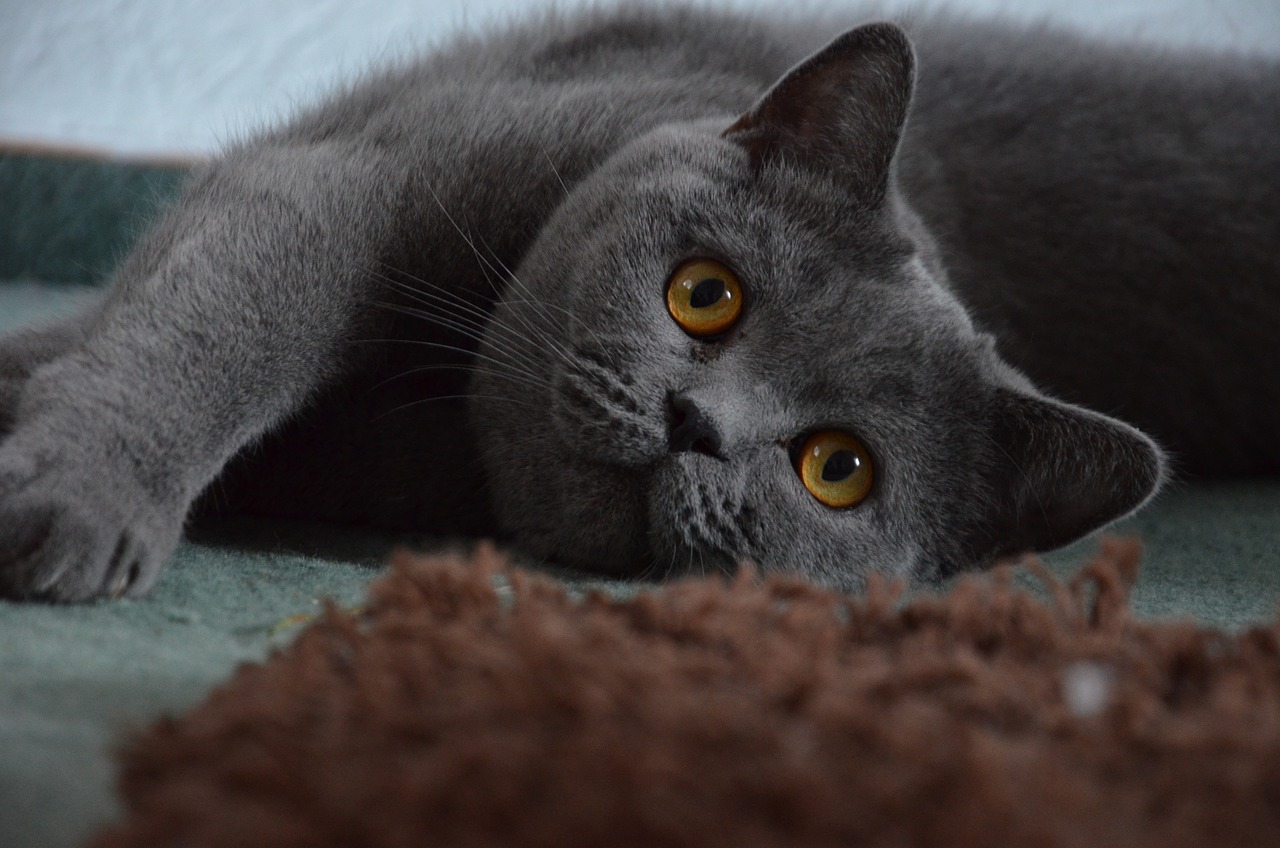
2. Russian Blue: Self-Sufficient When Your Hours Aren’t
Russian Blues are reserved by nature, and that reserve works in your favor when your days off don’t follow a normal pattern. The CFA breed profile (last reviewed 2024) notes the breed’s self-sufficient, low-key temperament, with few behavioral issues reported even under inconsistent schedules. Their short, dense coat sheds minimally, which helps if lint on dark scrubs is a real concern for you. A cat that doesn’t escalate demands when you’re running late is worth more than it sounds on paper.
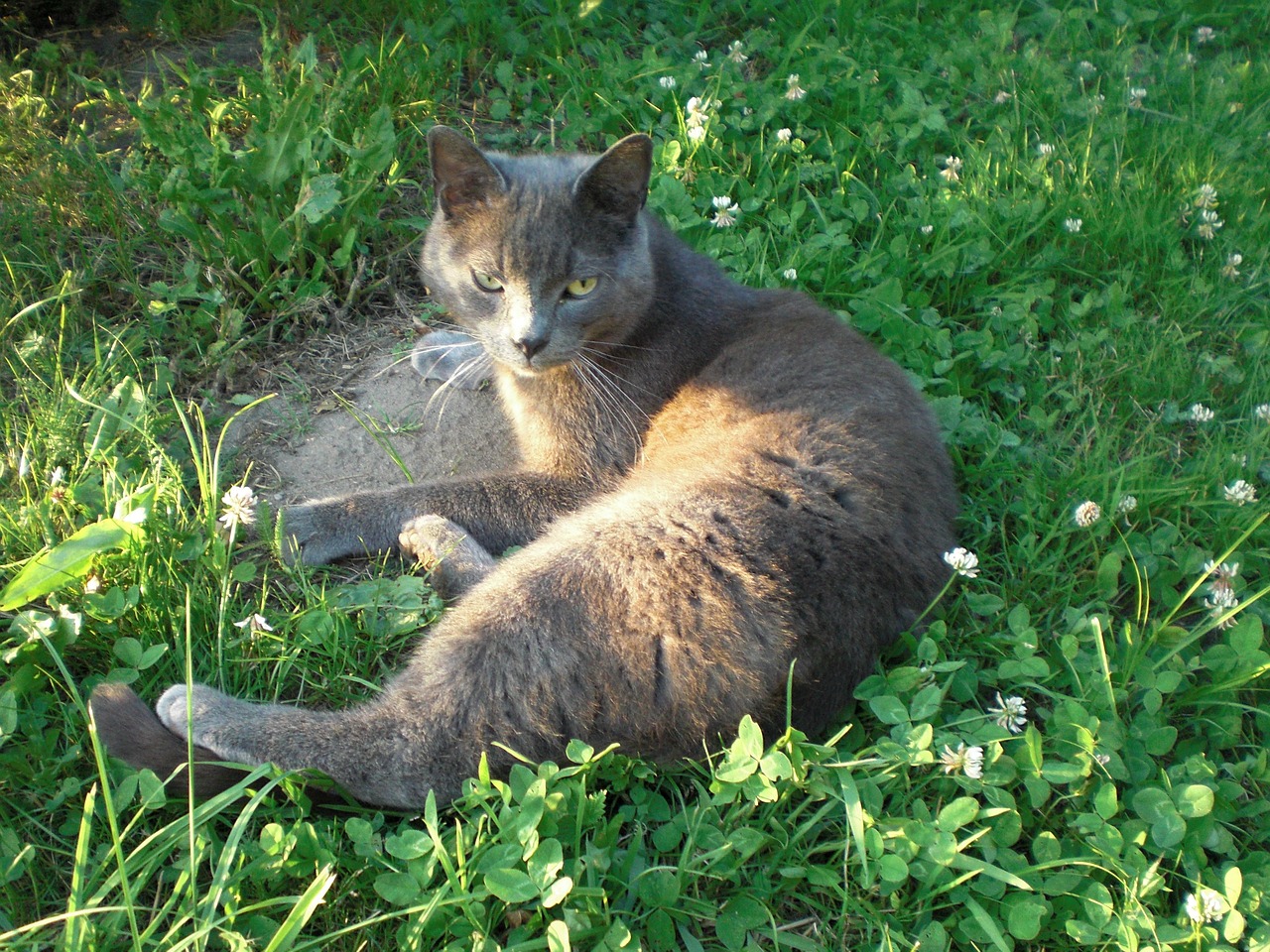
3. Exotic Shorthair: Affectionate in Short Bursts
The Exotic Shorthair, often called a short-haired Persian, wants attention on its own terms rather than constantly. The CFA breed profile (last reviewed 2024) describes the breed as affectionate yet independent, able to settle in and amuse itself while you’re on shift. Its plush coat needs regular brushing, roughly two to three times a week, but that’s still far less upkeep than a full-coat Persian. If your break room time is the only predictable part of your day, a cat that doesn’t punish you for it helps.
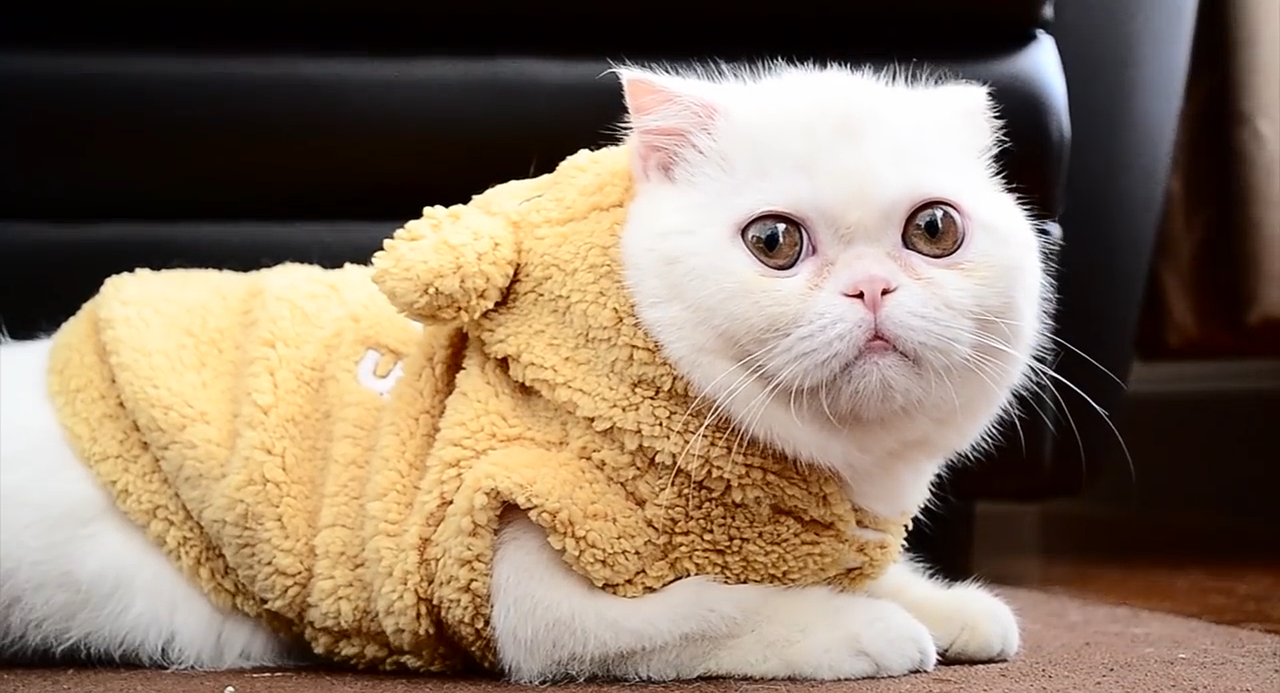
4. American Shorthair: Adaptable to Whatever Schedule You’re On
American Shorthairs adjust to new routines faster than most breeds, which matters when your shift rotates weekly. The CFA breed profile (last reviewed 2024) calls the breed adaptable and easygoing, and the breed is also widely cited as a generally healthy breed, with PetMD’s vet-reviewed breed guide (reviewed 2023) noting fewer inherited health issues than many purebreds. That matters in practice. Fewer surprise vet visits means fewer scheduling conflicts with a shift you can’t easily swap.
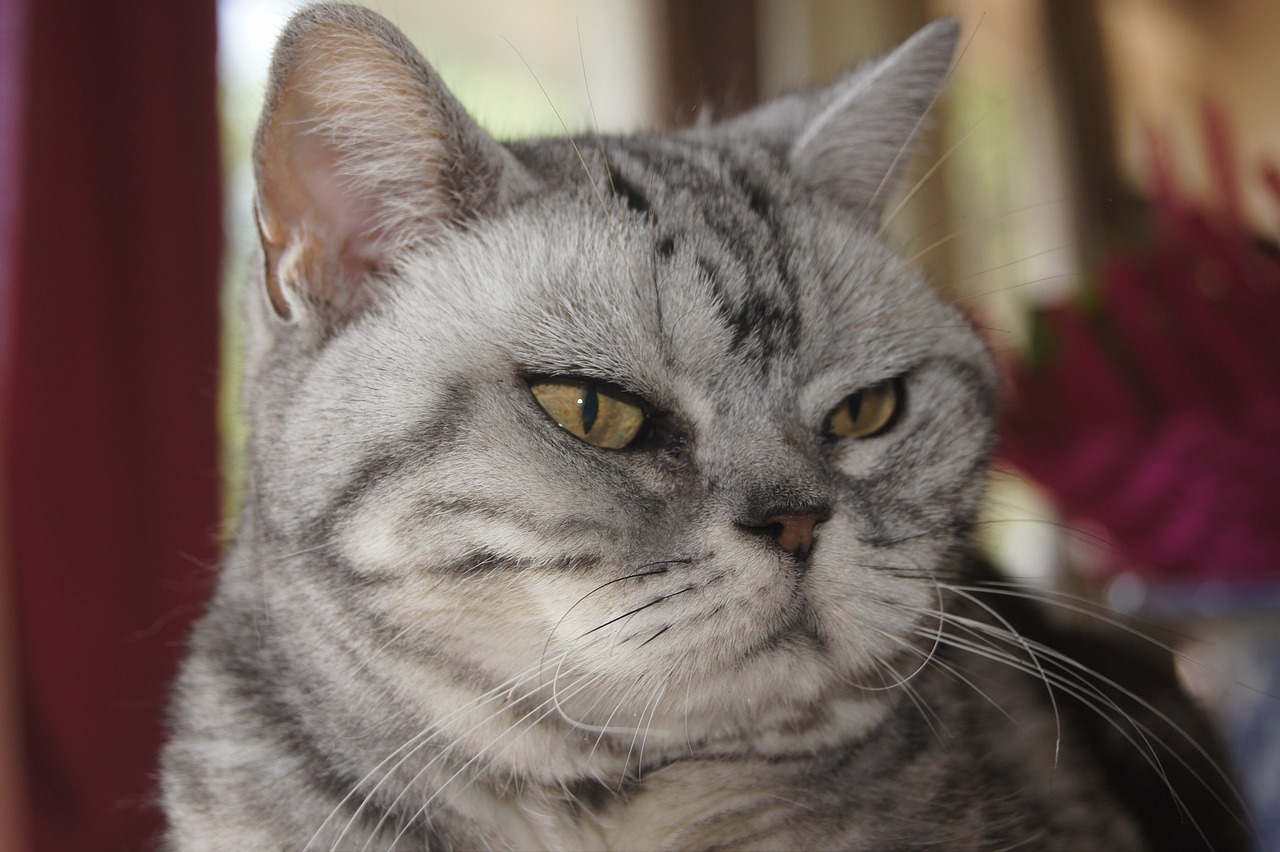
5. Scottish Fold: Quiet Enough for Daytime Sleep
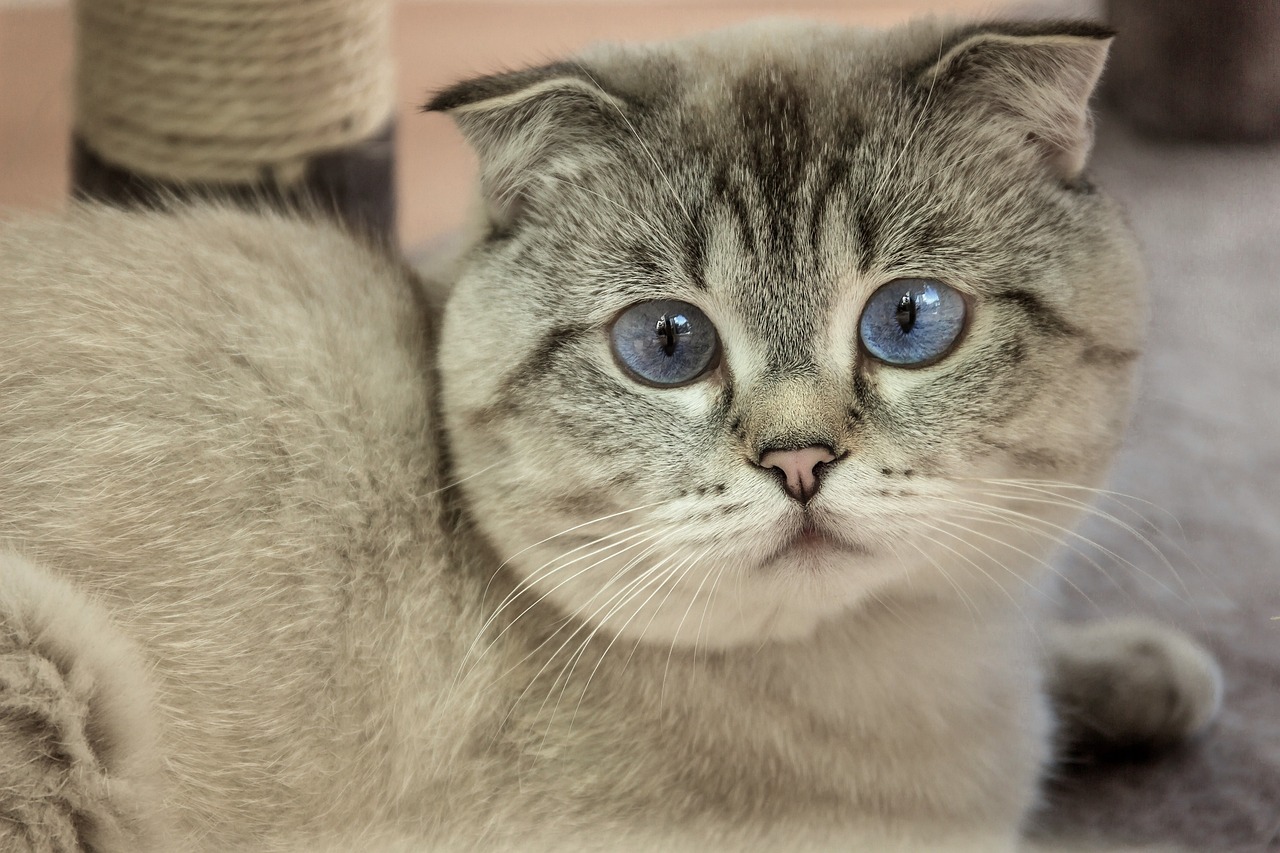
Scottish Folds are laid-back and famously undemanding, which is useful if you sleep during the day after a night shift. The CFA breed profile (last reviewed 2024) describes the breed as calm and low-vocalization, unlike breeds known for distinctive vocal patterns, meaning they’re not likely to meow at your bedroom door at 9 AM demanding breakfast. Their coat, whether short or long, needs only moderate grooming. That combination, quiet plus low-maintenance, is rare in one breed.
6. Ragdoll: Docile Enough for Unpredictable Hours
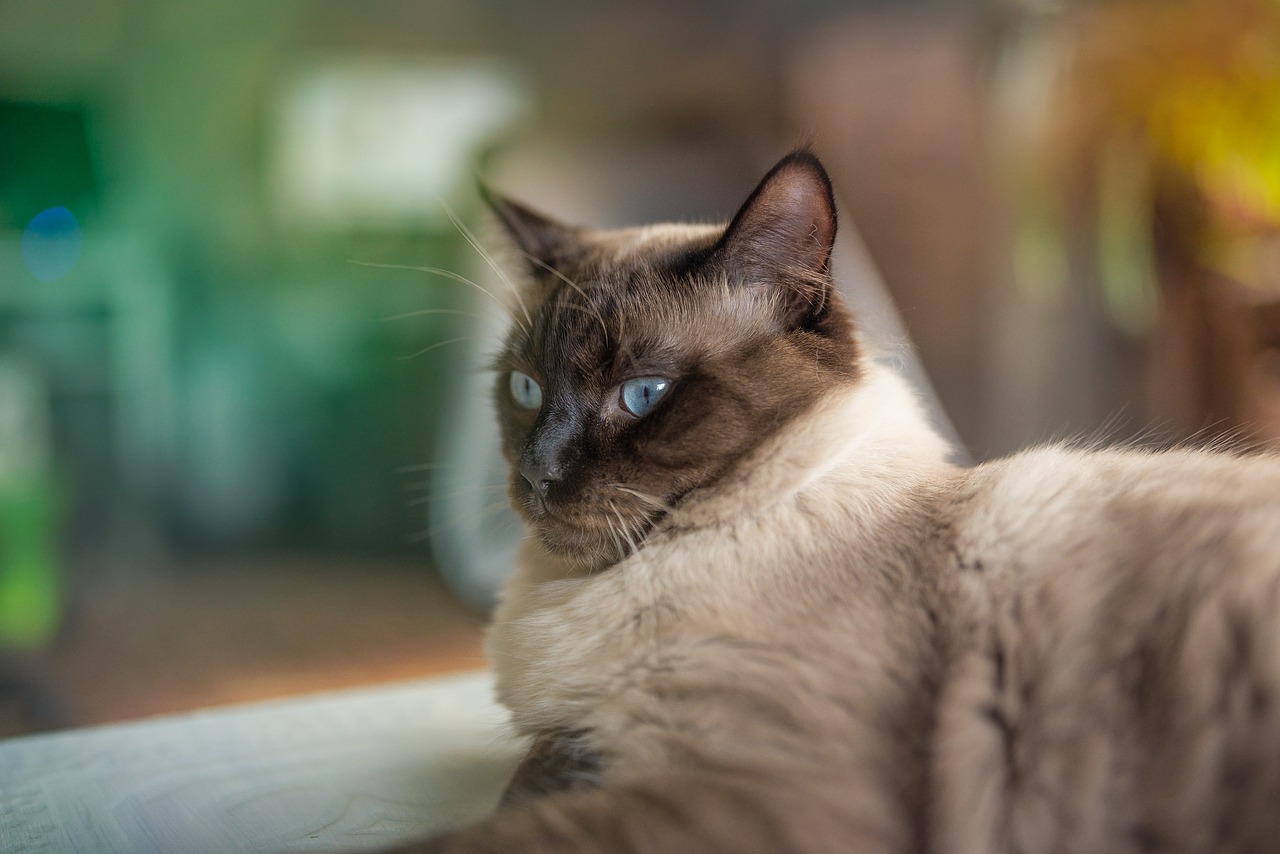
Ragdolls go limp when you pick them up, and that same easygoing streak carries over to how they handle your schedule. The CFA breed profile (last reviewed 2024) describes the breed’s temperament as docile and placid. They enjoy attention when you’re home but don’t fall apart when a shift runs long or a callback keeps you an extra two hours. Brushing a few times a week covers their grooming needs.
7. Maine Coon: Independent Despite the Size
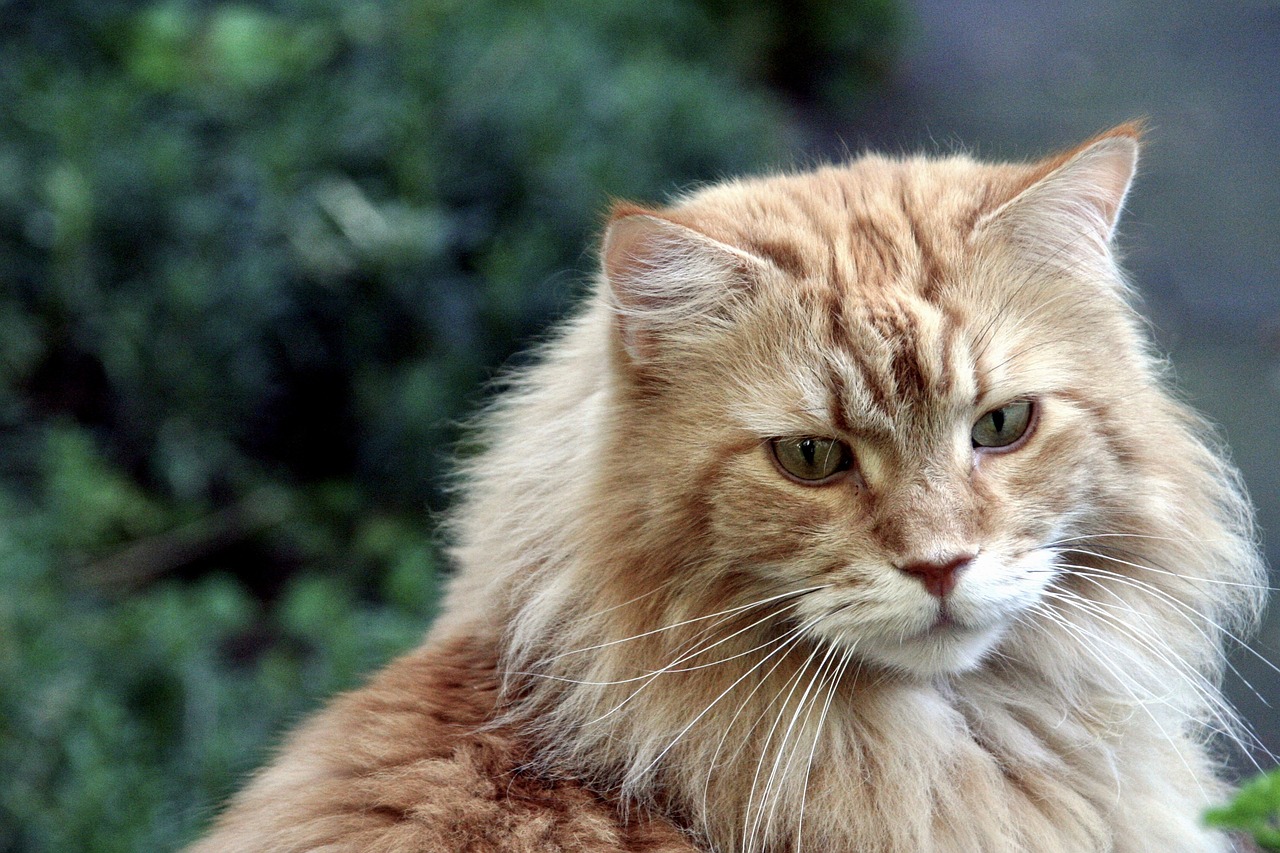
Maine Coons are big cats with surprisingly low-maintenance personalities. The CFA breed profile (last reviewed 2024) notes the breed stays independent and self-entertaining despite its size, and tolerates solo time better than many people expect from a cat this social. Their long coat does need regular brushing, a few times a week at minimum, which is the one real trade-off here. If you have ten minutes between shifts, that’s usually enough.
The Bottom Line for Nurses
Any of these seven breeds can handle the reality of shift work: the 12-hour stretch, the overnight-to-day flip, the week where your schedule changes twice. What they have in common isn’t luck, it’s temperament the CFA has documented for each breed: low activity needs, minimal vocalization, and comfort with solitude. Pick based on the grooming time you actually have, not the one that looks cutest in photos.