
Cats have a knack for making ordinary moments feel supernatural. Their glowing eyes in dim light, silent footsteps down dark hallways, and sudden midnight sprints can make them seem like tiny creatures of the night. Yet these mysterious traits often have fascinating or practical explanations. A cat staring into an empty corner might notice sounds humans cannot hear, while a furry shadow following someone may simply enjoy familiar company. Behind these spooky habits are remarkable senses, ancient instincts, and quirky behaviors that make cats endlessly entertaining companions.
Their Eyes Can Glow in the Dark
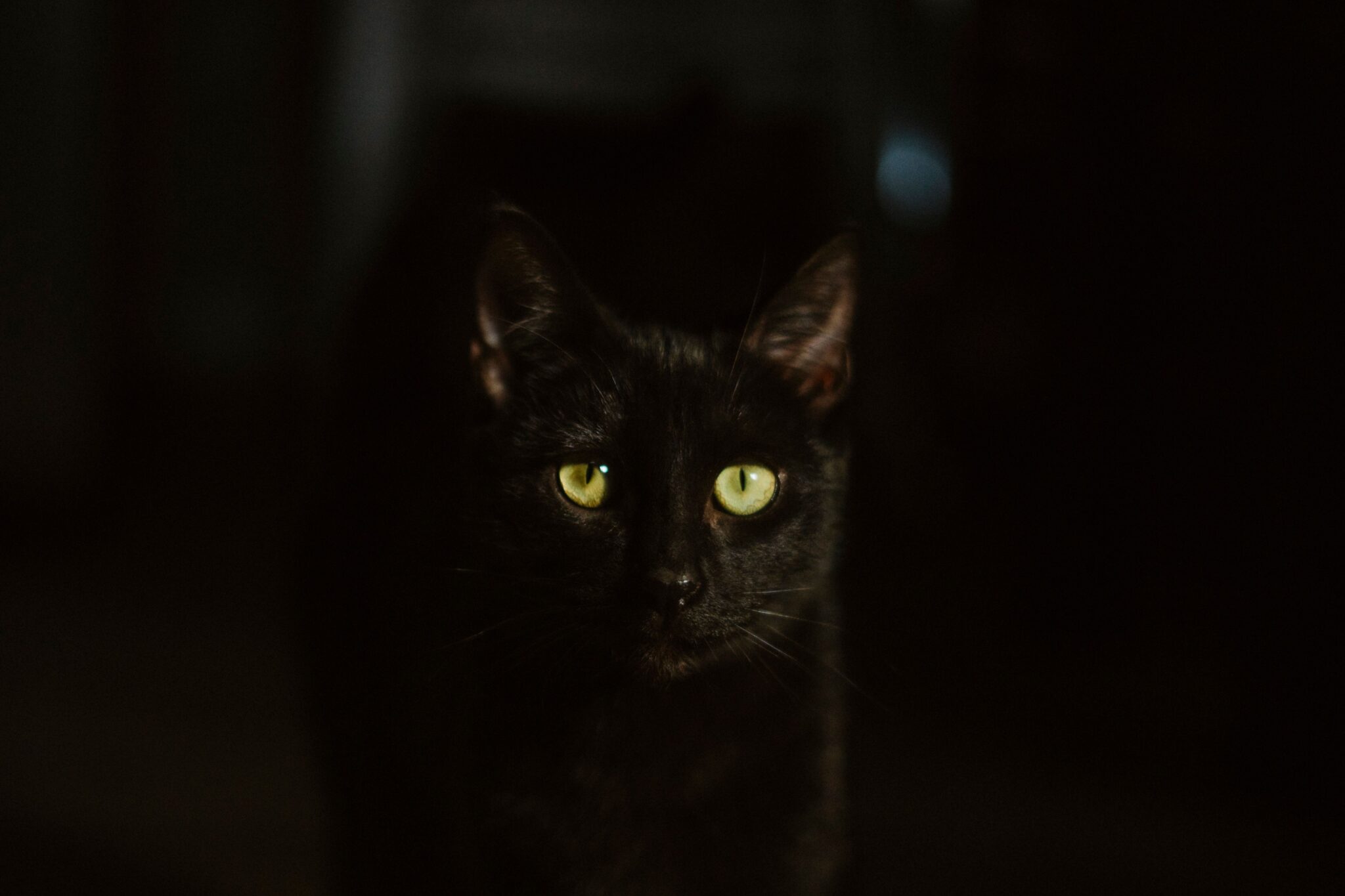
A cat’s glowing eyes can look straight out of a ghost story, especially when they suddenly shine from a dark hallway. The effect comes from a reflective layer behind the retina called the tapetum lucidum. It helps cats make better use of available light, improving their ability to see in dim conditions. When light enters a cat’s eyes and reflects off this layer, some of it passes back through the retina, creating the familiar nighttime shine. Cats still need some light to see, so their eyes do not provide true night vision. The glow is simply one of the clever adaptations that help these natural hunters navigate the world when people are reaching for a lamp.
They Can Appear Without Making a Sound
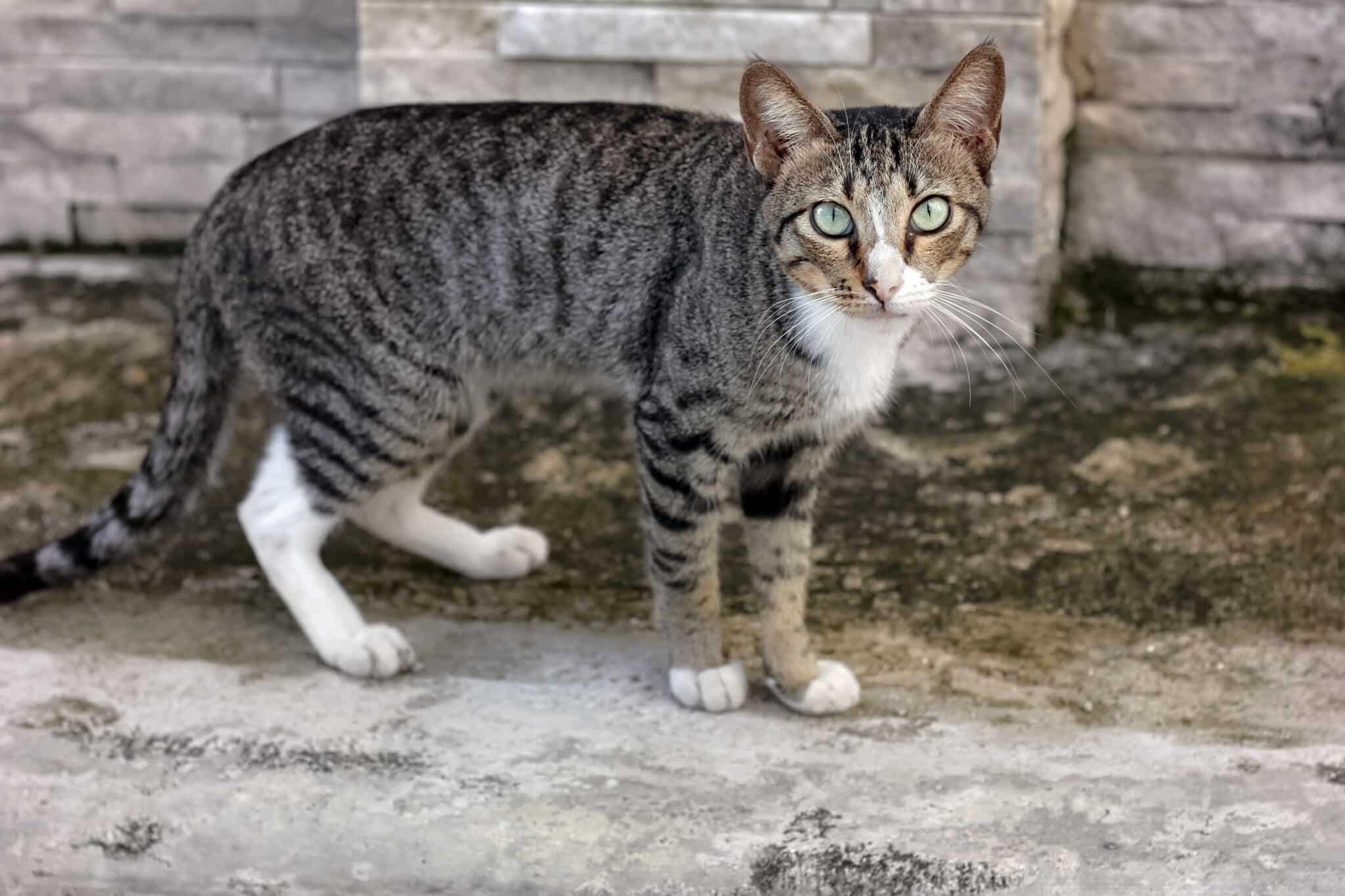
One moment, a room is empty, and the next, a cat is standing beside the sofa as if it has materialized out of thin air. Cats are skilled at moving quietly because their paws have soft pads that help reduce the sound of their footsteps. Their flexible bodies and careful movements also help them approach objects or potential prey without attracting attention. This stealth is useful for hunting, but household cats may use the same skills when exploring, following their people, or investigating a new sound. Their silent appearances can be startling, particularly at night, but there is no mystery behind the trick. A cat can simply cross a room without announcing every step.
Their Midnight Zoomies Can Look Possessed
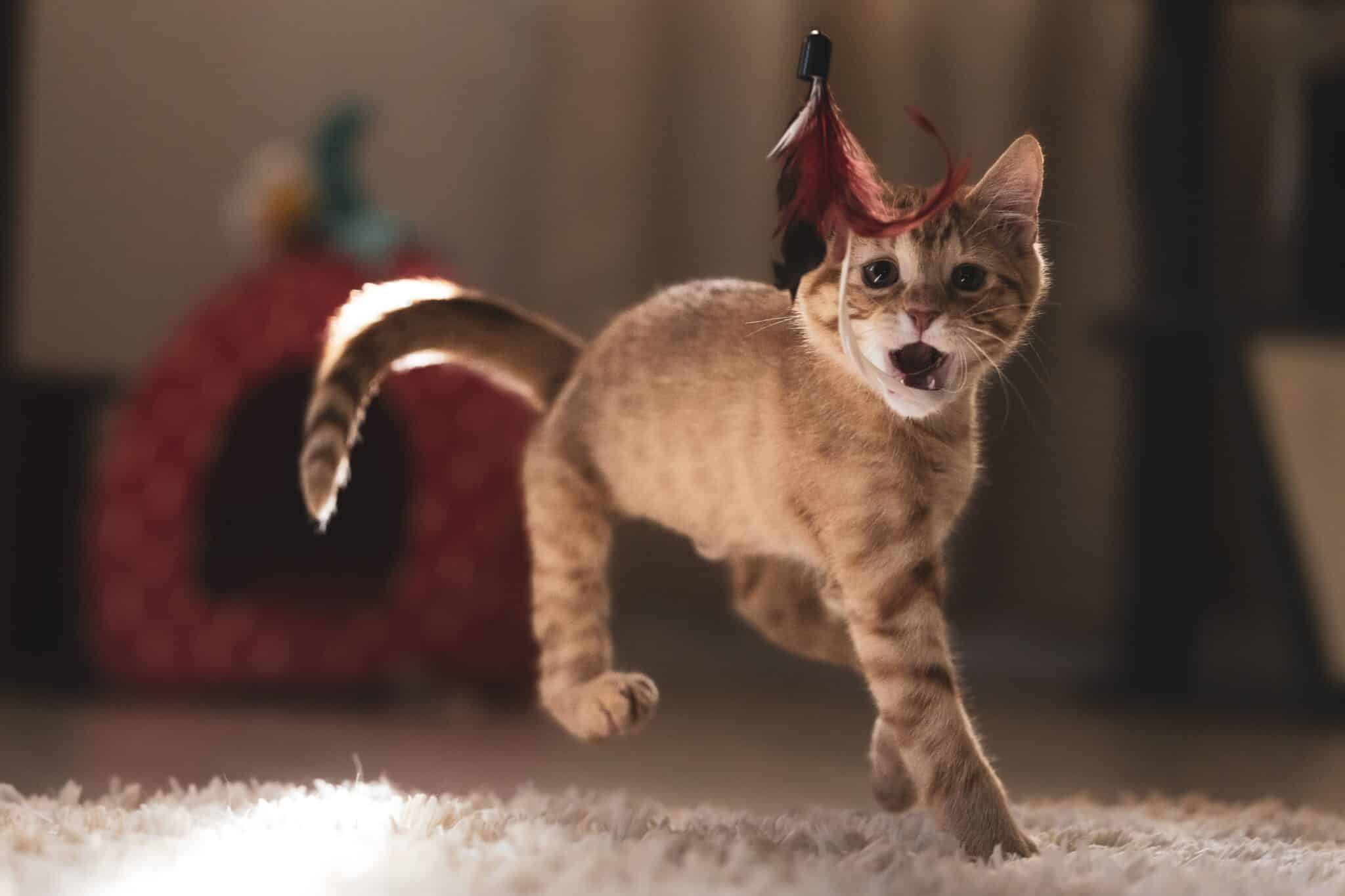
A cat racing down the hallway at full speed in the middle of the night can look like a tiny supernatural force has taken over the house. These sudden bursts of energy are commonly called zoomies, and they often reflect a cat’s need to play, run, and release pent-up energy. Cats are naturally most active around dawn and dusk, when their wild ancestors would have hunted. Indoor cats may adjust their schedules to household routines, but their instincts can still lead to unexpected nighttime activity. Younger cats and especially playful individuals may experience these bursts more frequently. Regular interactive play, particularly before bedtime, can help some cats settle down, although occasional midnight races are a normal part of feline life.
They Sometimes Stare at Seemingly Empty Corners
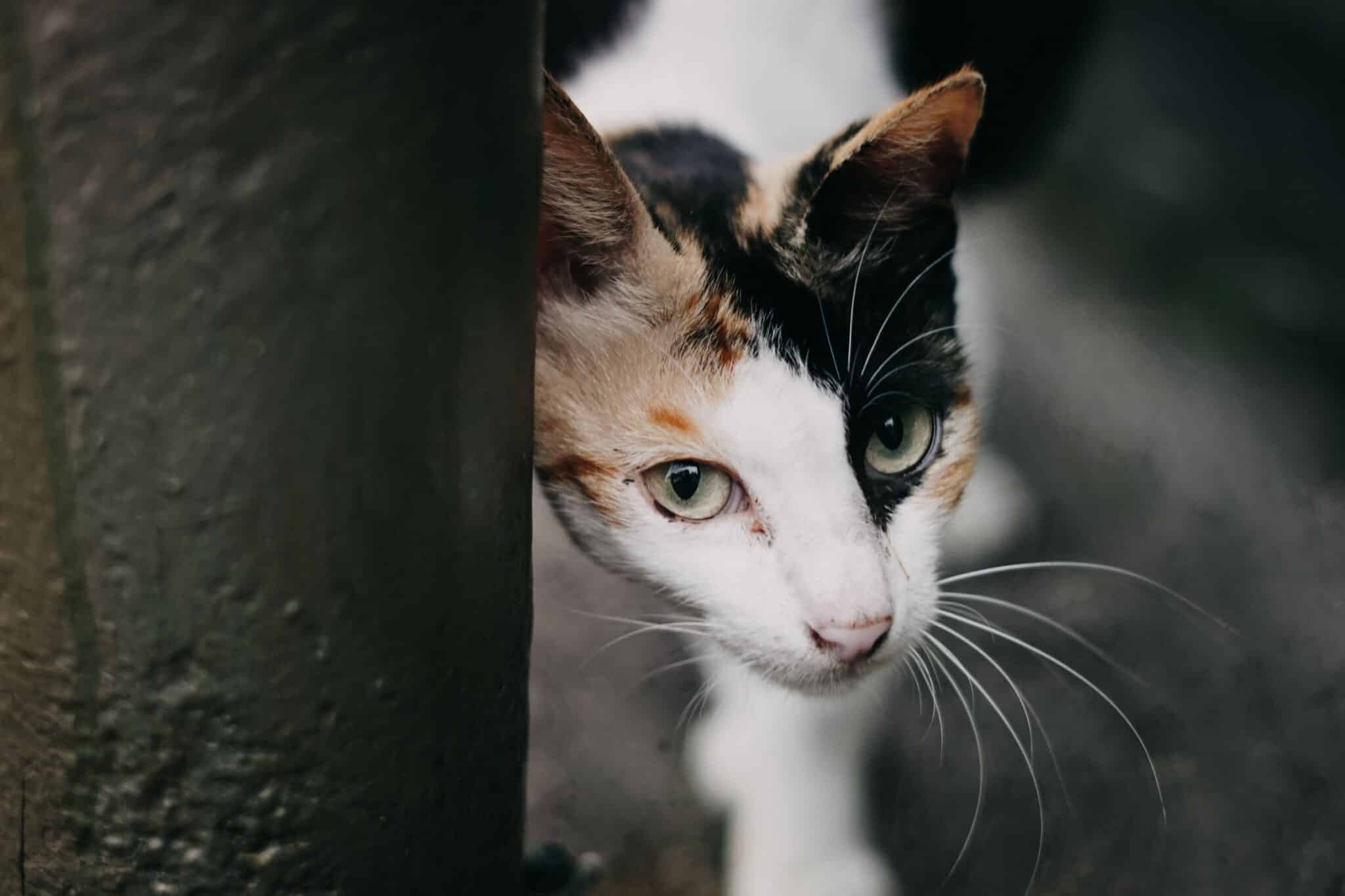
Few cat behaviors are more unsettling than watching a pet stare at an empty wall with unwavering concentration. It may seem as though the cat has spotted something invisible, but its senses are often picking up details that humans miss. Cats can hear high-pitched sounds and subtle movements, and they may notice a tiny insect, shifting shadow, or faint vibration near a wall. Their vision and attention are adapted to detecting movement, so even a small change can capture their interest. Sometimes, the cause remains impossible for a person to identify. Occasional staring is generally harmless, but frequent episodes involving confusion, unusual movements, or difficulty responding deserve a veterinary check.
Their Whiskers Help Them Explore Dark Spaces
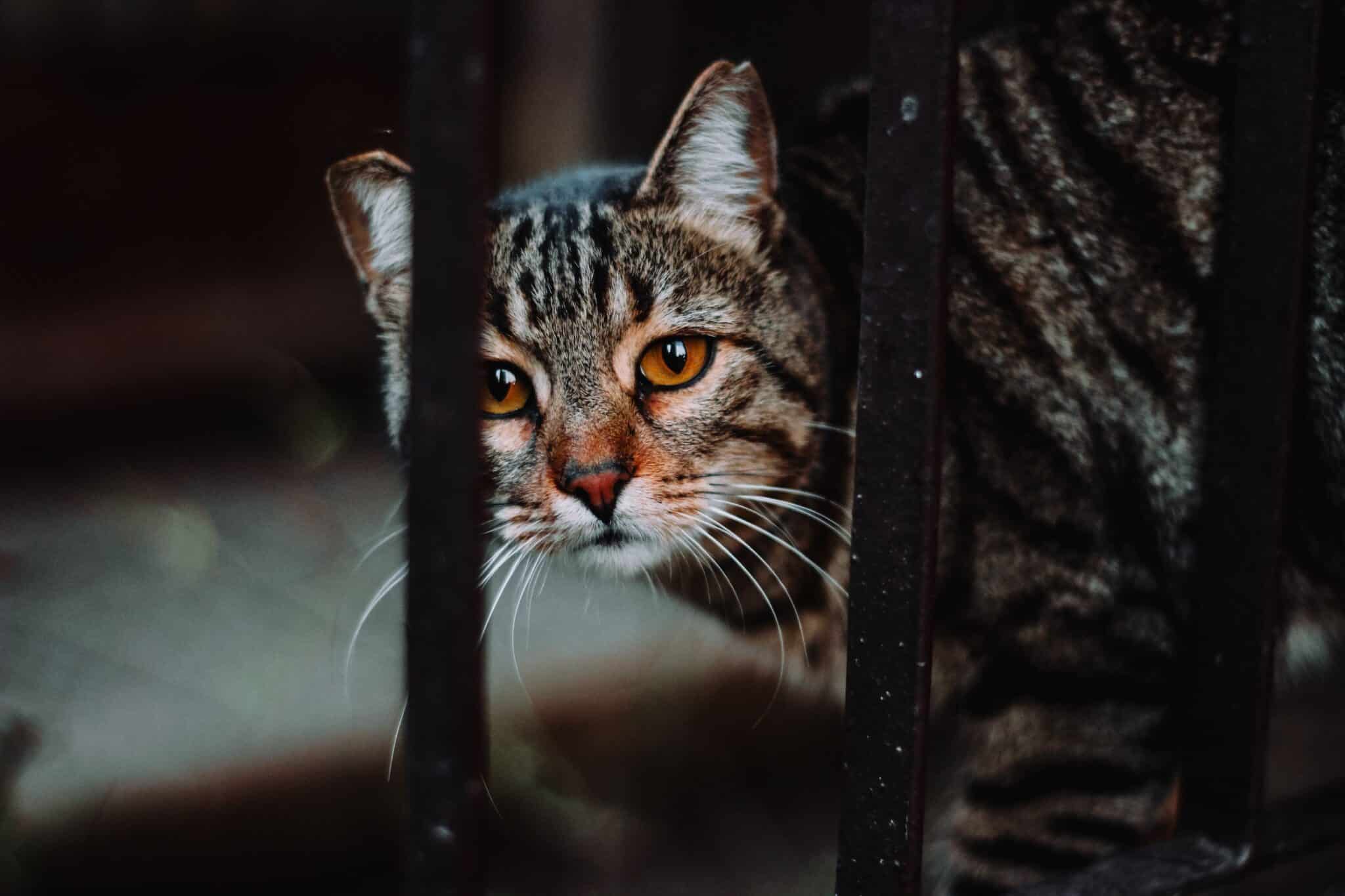
Whiskers can make a cat’s face look a little like a miniature Halloween creature, but these sensitive hairs are sophisticated tools for exploring the environment. Whiskers are connected to sensory structures that help cats detect nearby objects, air currents, and changes in their surroundings. This information can be particularly useful when navigating tight spaces or investigating something in low light. Whiskers also help cats judge the position of nearby surfaces, although they should not be thought of as precise measuring rulers. When a cat pokes its face into a shadowy box or beneath furniture, its whiskers contribute valuable information about the space. Their eerie appearance hides a genuinely impressive sensory system.
They Can Hear Sounds Humans Cannot
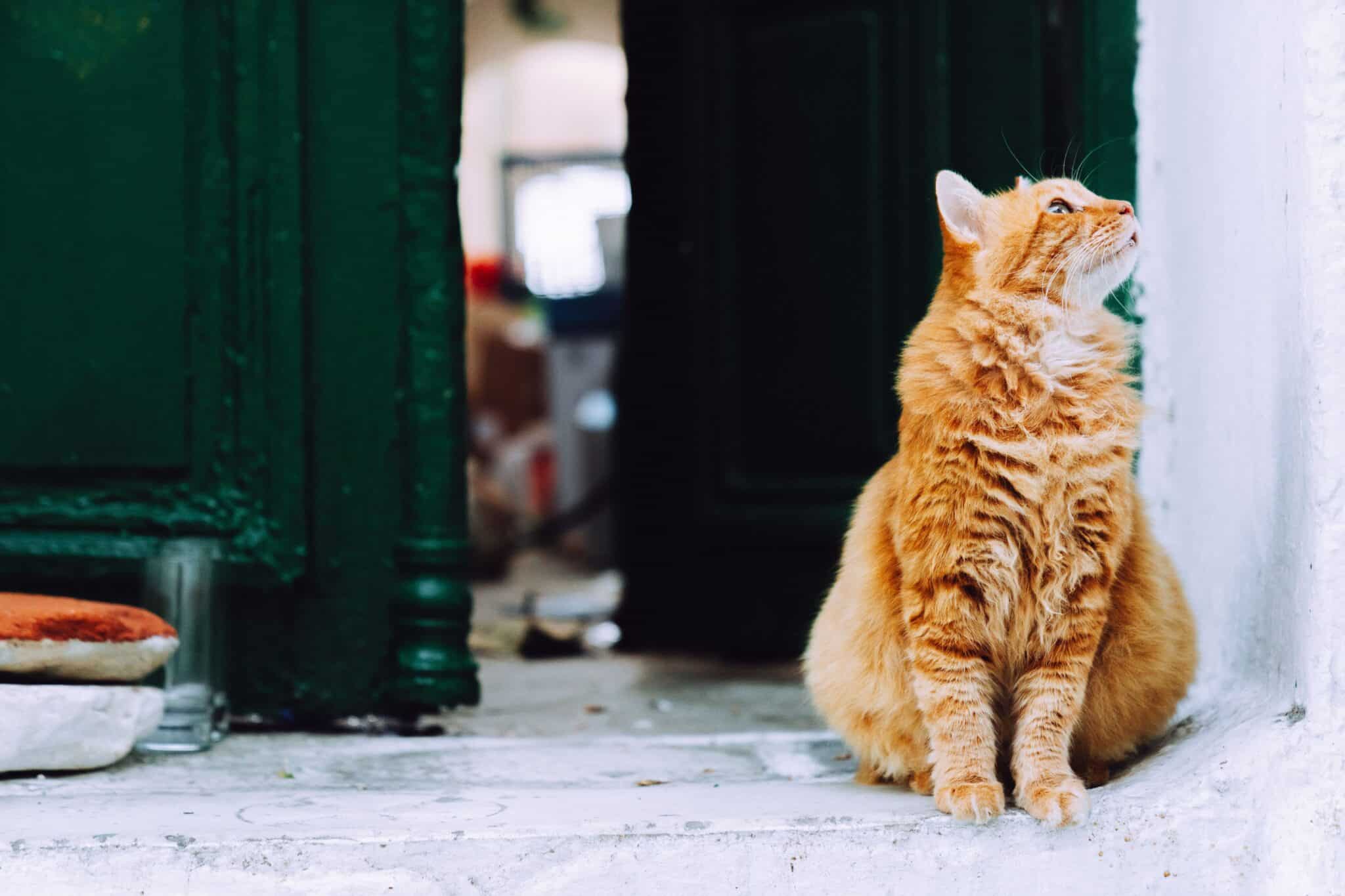
A cat suddenly turning its head toward an apparently silent room can make people wonder what it has heard. Cats can detect higher-frequency sounds than humans, including noises that may come from small animals or electronic devices. Their mobile ears help them locate where a sound originates, allowing them to react quickly to subtle noises. A faint rustle behind a cupboard or a tiny movement in the ceiling may be enough to capture a cat’s attention. This sensitivity is useful for detecting prey, but it can also make household cats appear unusually alert. Their reaction does not necessarily mean anything spooky is happening. The sound may simply be too quiet or too high-pitched for human ears to notice.
Their Pupils Can Change Dramatically
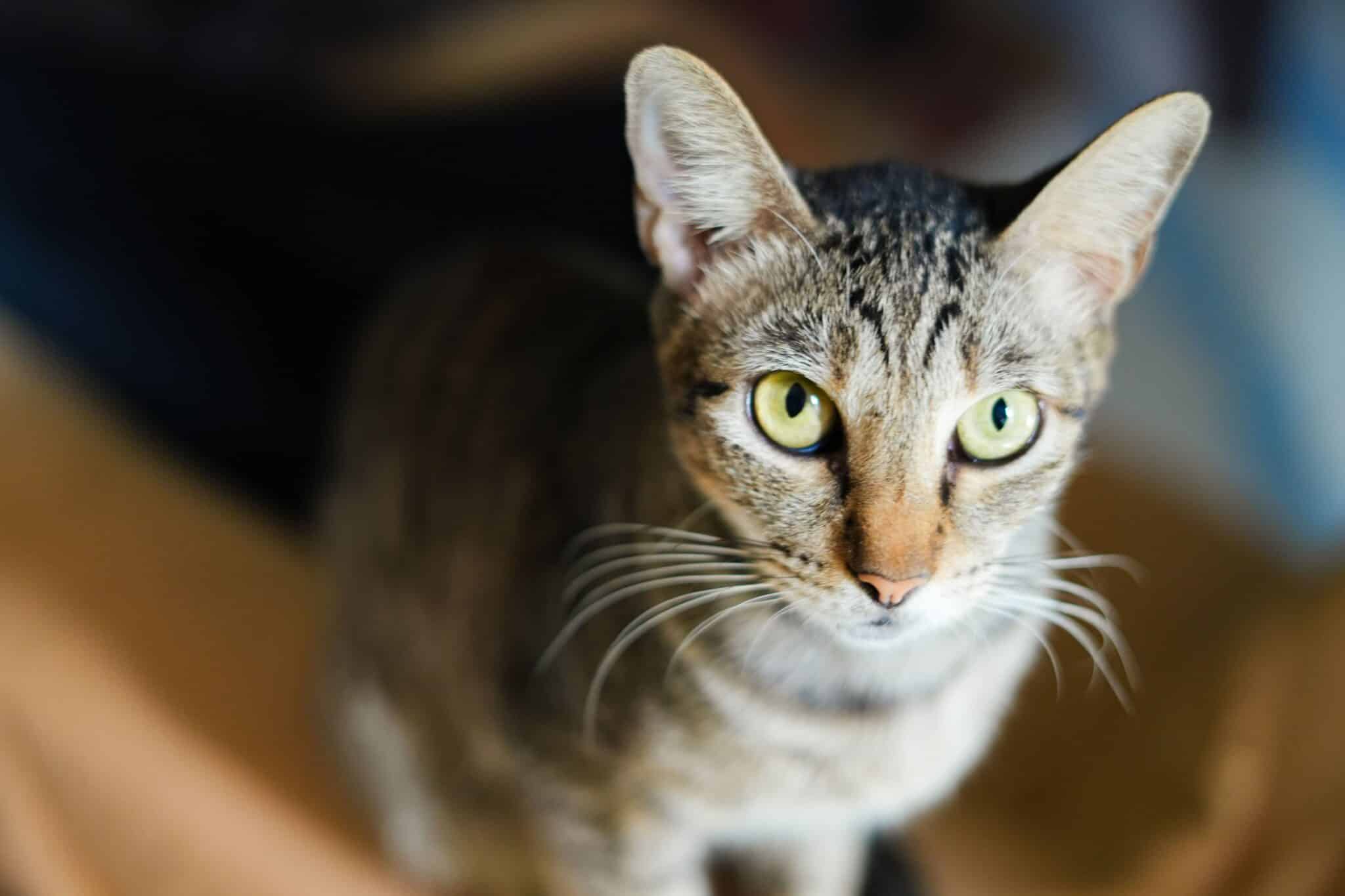
A cat’s pupils can shift from narrow vertical slits to large, dark circles, creating a dramatic change in its expression. The transformation can look startling, but pupil size responds to several ordinary factors, including lighting, excitement, fear, and arousal. In bright surroundings, the pupils usually narrow to control how much light enters the eyes. In dim conditions, they widen to help the cat gather more light. Strong emotions can also cause the pupils to expand, especially during play, surprise, or a tense encounter. Looking at the eyes alongside the ears, tail, posture, and overall situation gives a better sense of what a cat may be experiencing. Those dramatic eyes are part of normal feline communication and vision.
They Sometimes Bring Home Their “Treasures”
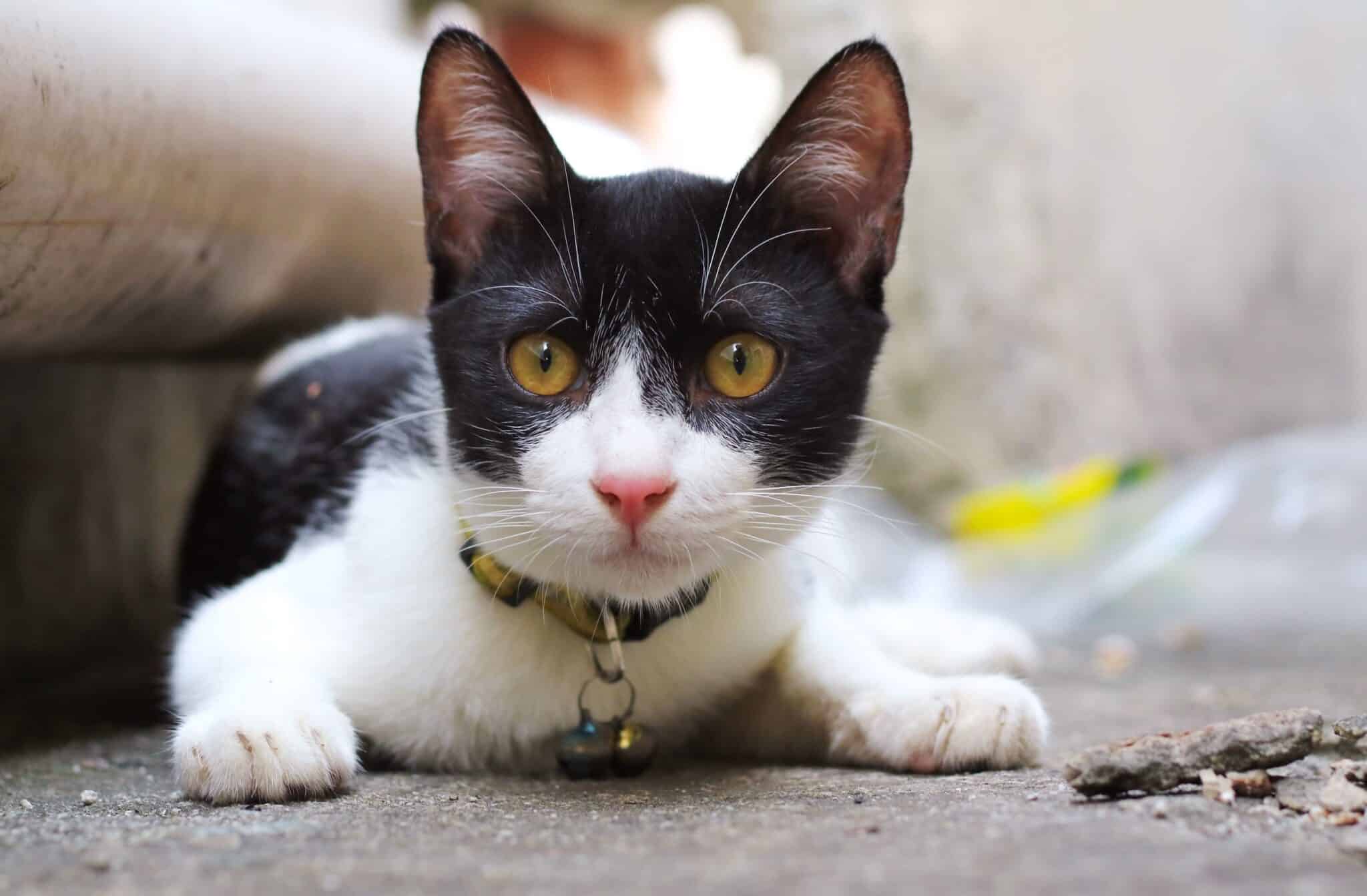
Finding a toy mouse beside the bed or discovering that a cat has carried an object into the house can feel like receiving a mysterious offering. Cats retain strong hunting instincts, even when their food bowls are full and they never need to catch meals to survive. Carrying toys, chasing moving objects, and practicing pouncing can provide outlets for these instincts. When a cat brings a toy to a person, it may be inviting interaction, continuing a game, or simply transporting something it finds interesting. Real prey may also be brought home by cats that hunt outdoors, although the reasons behind this behavior vary. Offering wand toys, puzzle feeders, and supervised play can help satisfy a cat’s natural desire to stalk and chase.
They Love Hiding in Unexpected Places
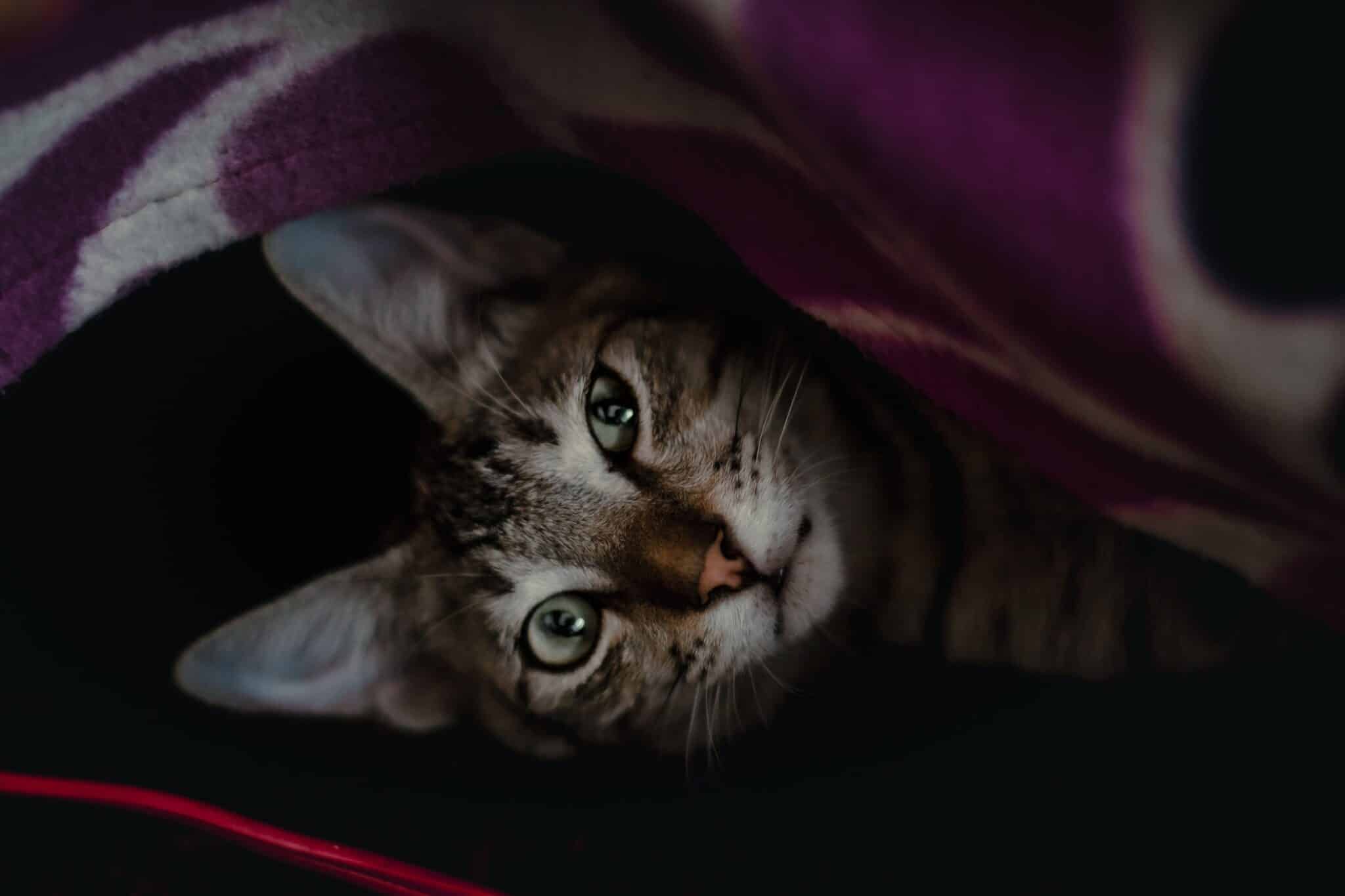
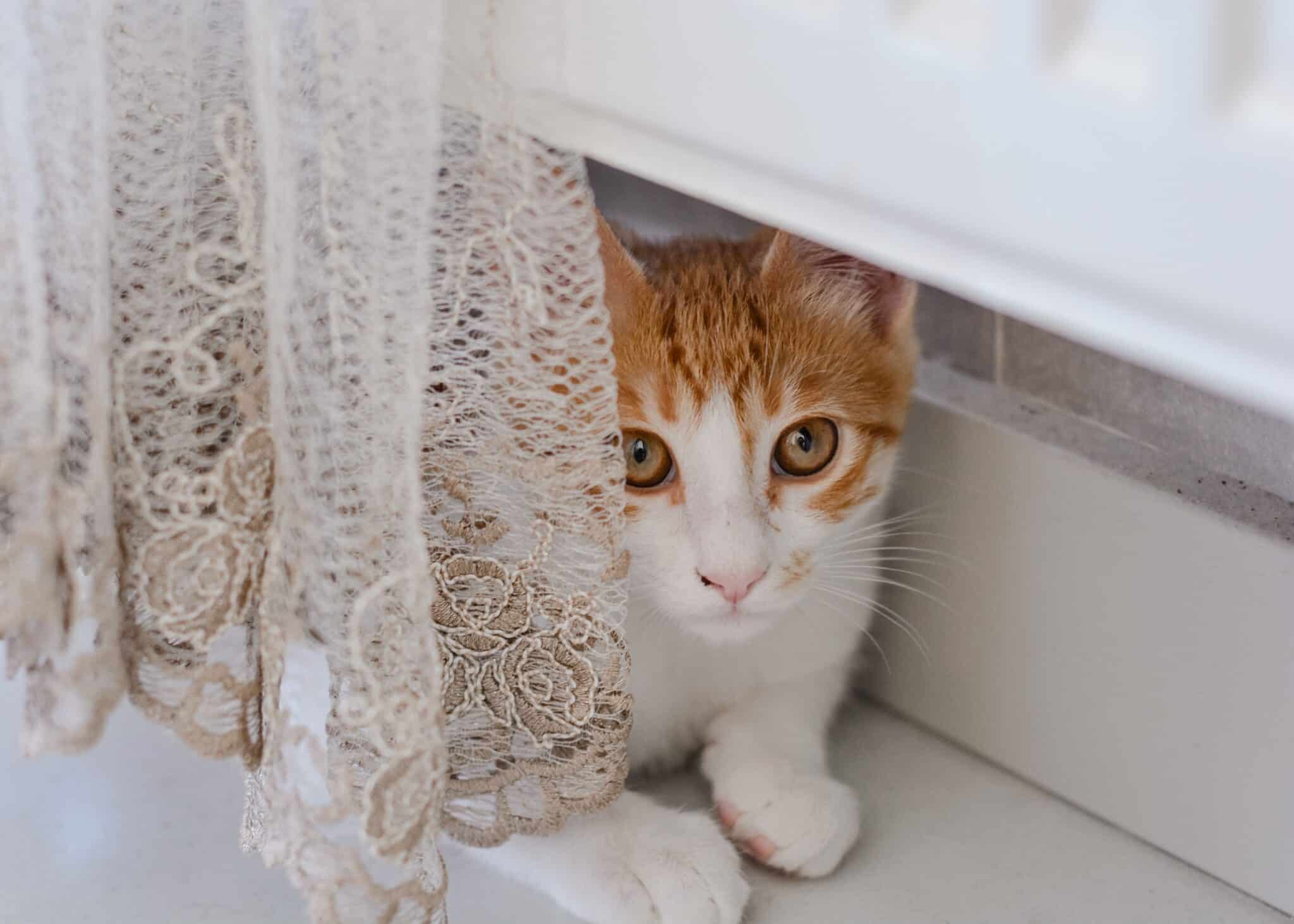
A cat tucked beneath a bed or hidden inside a dark cupboard can look like the star of a spooky story. In reality, enclosed spaces often provide cats with a sense of security. A hiding spot allows a cat to observe its surroundings while remaining partly concealed, which can be especially comforting during noisy moments or unfamiliar situations. Boxes, covered beds, and spaces beneath furniture may also offer warmth and a quiet place to rest. Some cats simply enjoy exploring places their humans rarely inspect. Hiding is usually ordinary behavior, but a sudden increase in hiding, particularly alongside appetite changes or unusual withdrawal, may signal stress or illness. A cat should always have safe, accessible places where it can retreat without getting trapped.
They Can Make Strange Noises at Night
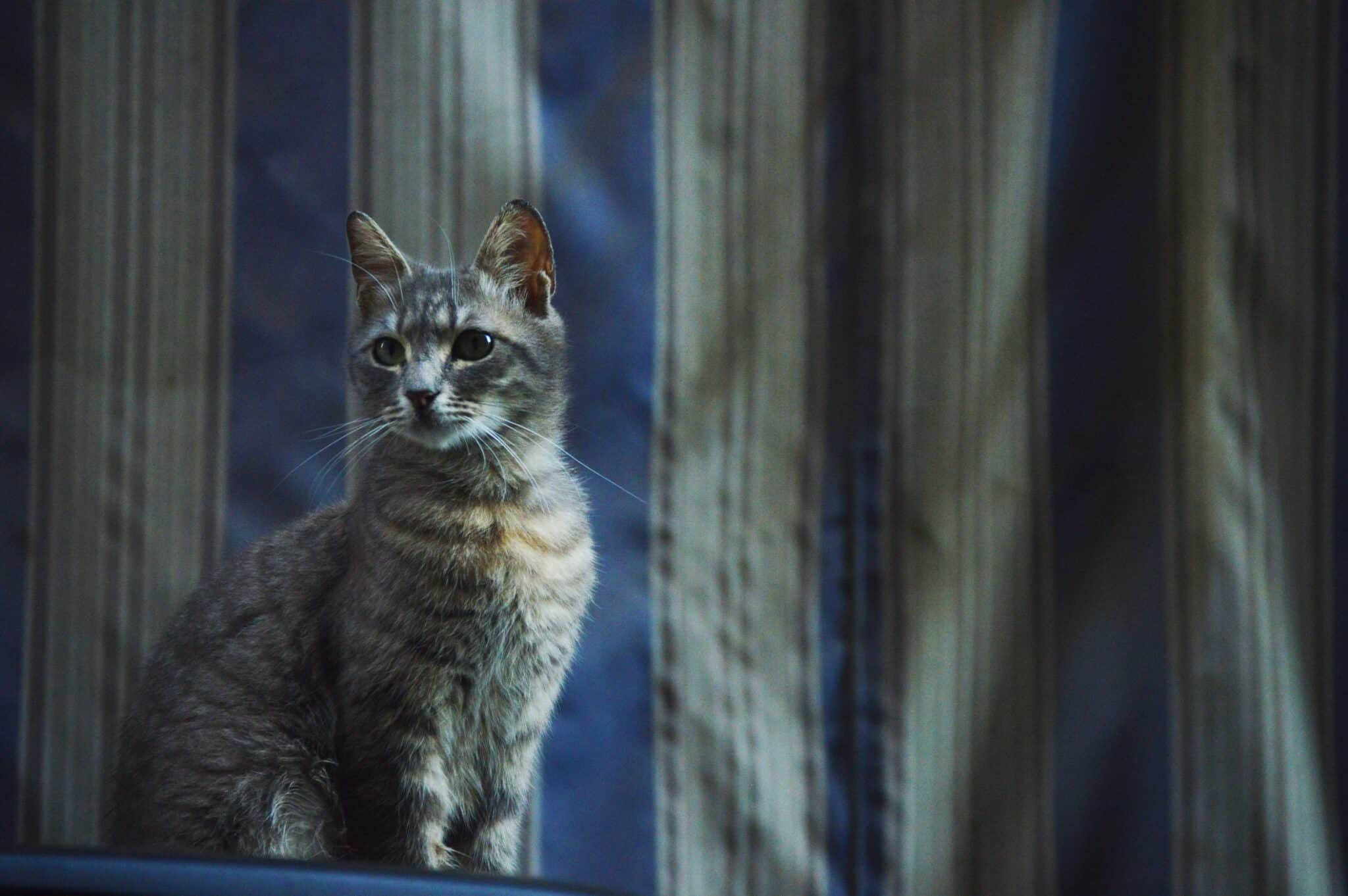
A nighttime yowl or an unexpected chirp from another room can sound surprisingly eerie when the house is quiet. Cats use a range of vocalizations to communicate, including meows, trills, chirps, growls, and longer calls. Some cats become vocal when seeking attention, anticipating food, responding to animals outside, or expressing frustration. Others are naturally more talkative than their companions. Older cats may also vocalize more at night because of changes in hearing, vision, cognitive function, or health, so a new pattern deserves attention. Keeping routines predictable and providing play and enrichment can help with some attention-related calling. Still, unusual or persistent vocalization should not automatically be dismissed as a quirky habit, especially when accompanied by other behavioral changes.
Their Kneading Looks Like a Tiny Ritual
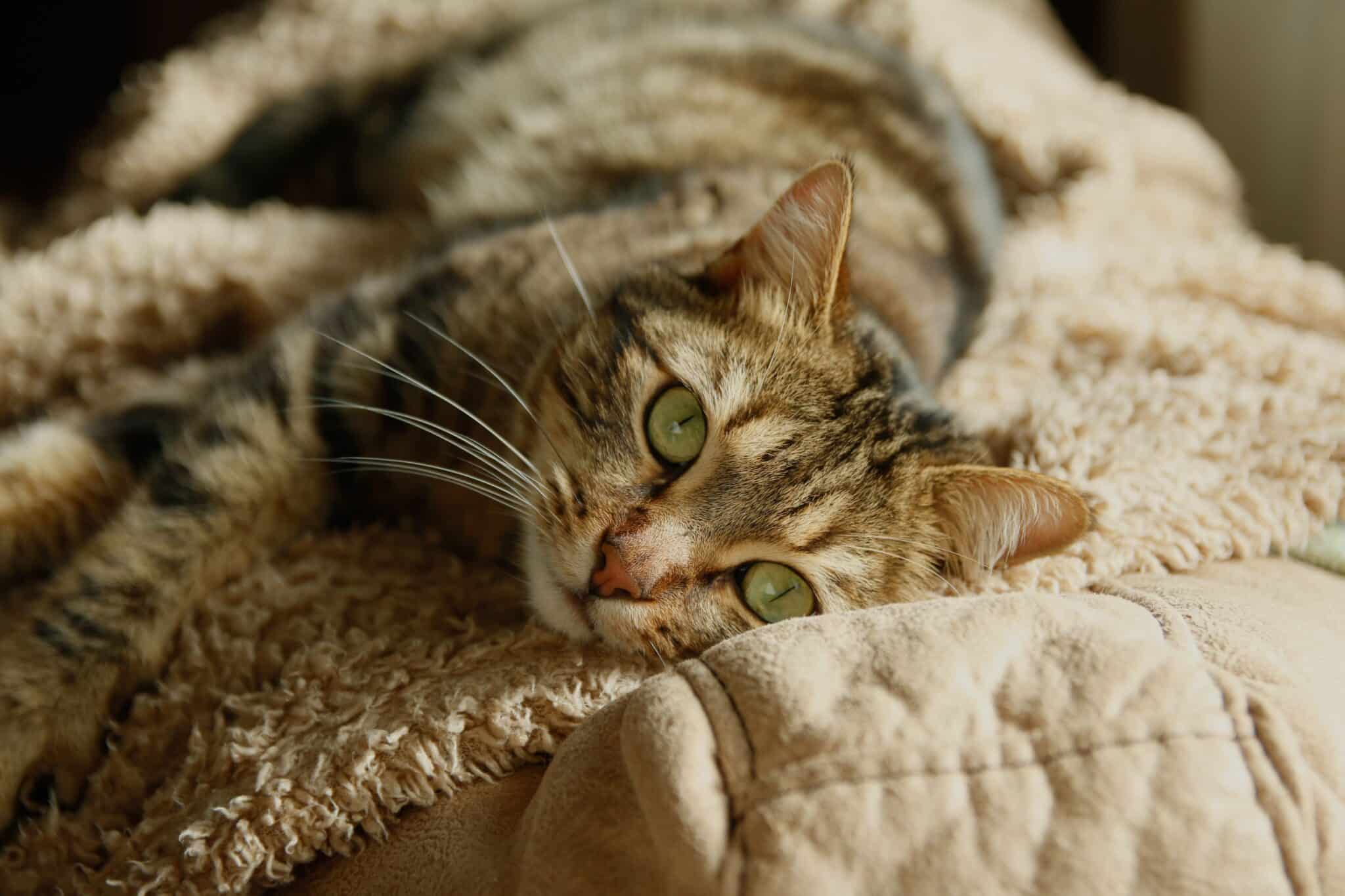
Watching a cat rhythmically press its paws into a blanket can look like a strange little ceremony, particularly when the cat adds a dreamy expression or begins purring. This behavior, commonly called kneading, begins in kittenhood, when kittens press against their mother’s belly while nursing. Many cats continue the motion as adults, often while resting on soft surfaces or settling beside a trusted person. Kneading may be associated with comfort, relaxation, and familiar routines. Cats also have scent glands in their paws, so pressing them against a surface may leave familiar scents behind. The behavior is generally harmless, though claws can make it uncomfortable on bare skin. A thick blanket can protect both the cat’s person and the cozy ritual.
The Spooky Side Of Cats Is Part Of Their Charm
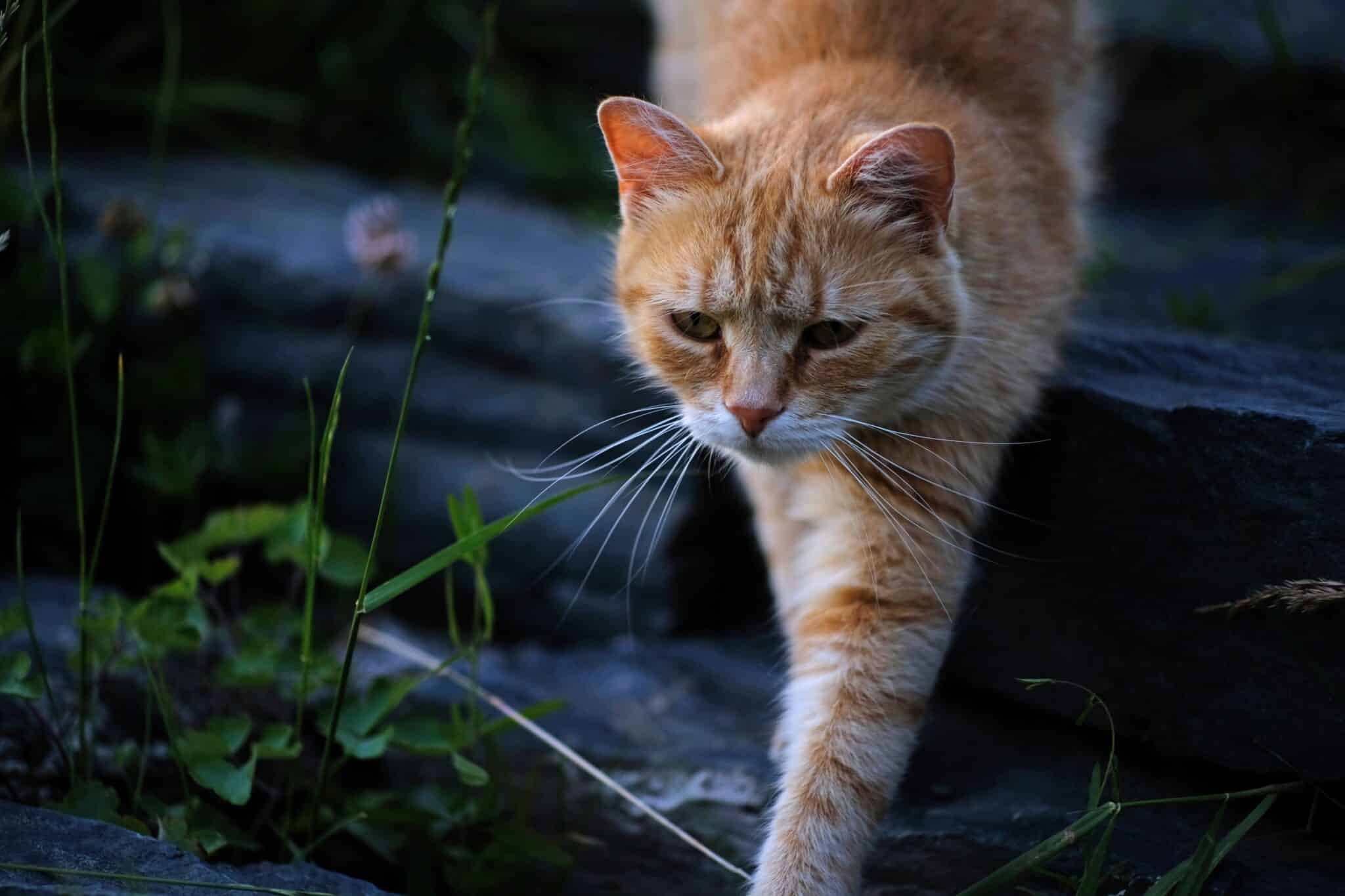
Cats can turn an ordinary home into a place filled with strange sounds, glowing eyes, silent appearances, and unexpected midnight adventures. Most spooky moments stem from the senses, instincts, and habits that make cats fascinating companions. Their behavior may seem mysterious because they notice details people overlook or follow unusual routines. Paying attention to body language and behavioral changes can help explain these moments. The next time a cat stares into shadows or races down the hallway, there may be a natural explanation.
This content was created with AI assistance and edited by the iHeartCats team.