
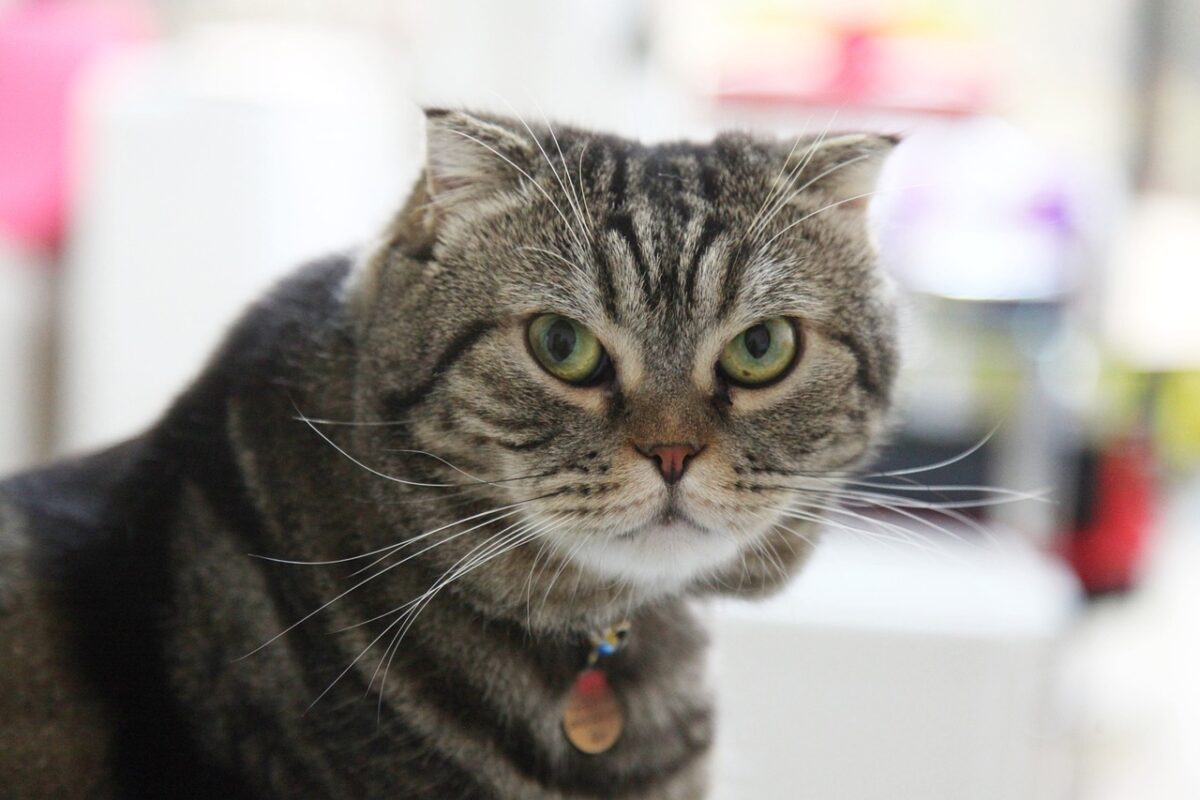
Some cats notice every shift at home, from a changed routine to a favorite person’s mood. Sensitive cat breeds are often observant, social, intelligent, and highly responsive to their surroundings, making them affectionate companions who may dislike sudden disruption. Their sensitivity can appear through quiet withdrawal, extra closeness, vocal communication, or a preference for familiar routines. Individual personalities always vary, but certain breeds are especially known for forming strong bonds, noticing subtle changes, and responding deeply to the people and environments they trust most.
Ragdoll
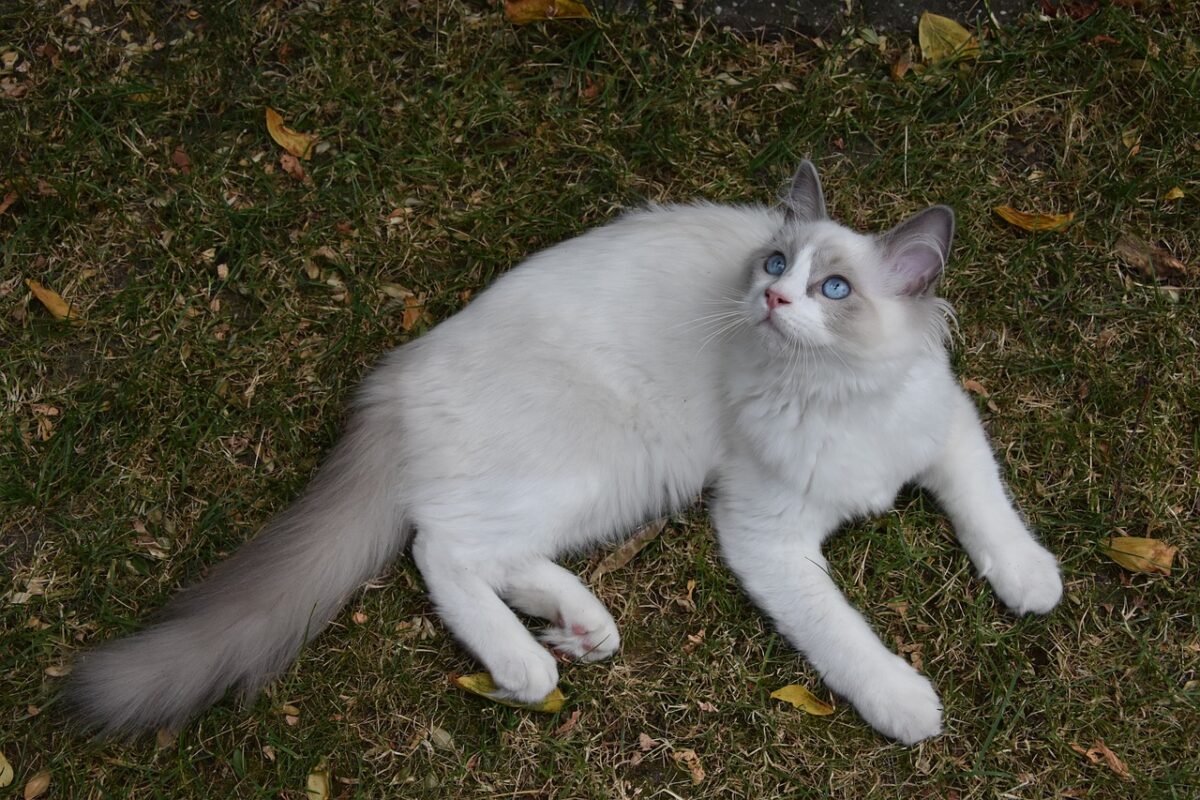
Ragdolls are celebrated for their calm, affectionate temperaments, but beneath that easygoing exterior is often a cat that becomes deeply attached to familiar people. Many enjoy staying close to household activity, following their humans between rooms or settling nearby rather than spending long periods alone. Because they tend to value companionship and predictable interactions, abrupt changes in routine or a suddenly quieter household may affect them more than their relaxed appearance suggests. Their typically gentle nature also makes patient handling and positive interactions particularly appropriate. Individual Ragdolls vary, of course, but many thrive in homes where affection is dependable, routines are reasonably consistent, and they have plenty of opportunities to remain connected to the people they trust.
Siamese
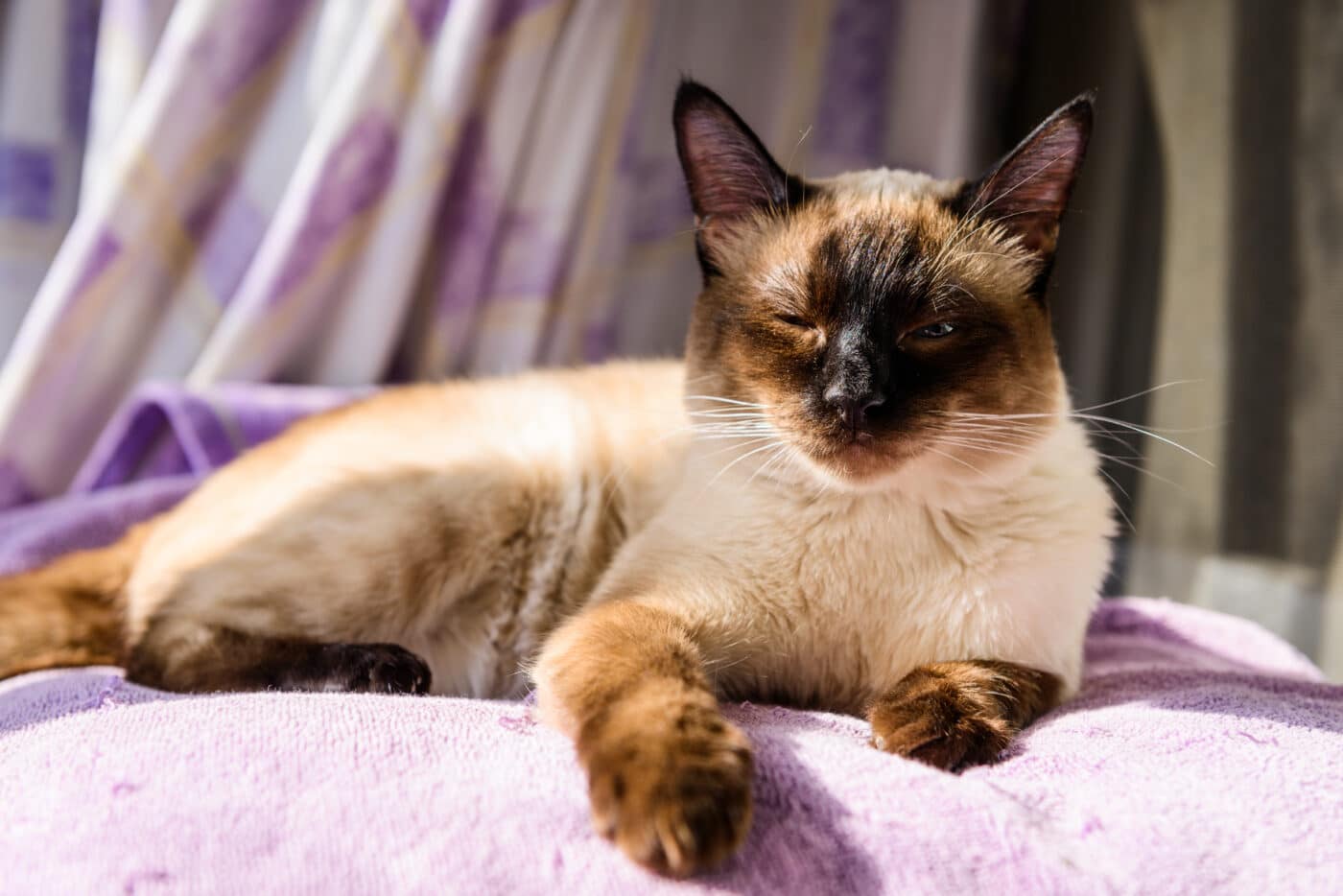
Few breeds communicate their feelings quite as openly as the Siamese. These intelligent, vocal cats often form strong social bonds and may actively seek interaction throughout the day, sometimes accompanying their humans around the home and providing a running commentary. Their sensitivity is closely connected to that social nature. A Siamese accustomed to frequent attention and predictable routines may notice quickly when schedules or household dynamics change. Boredom and insufficient interaction can also be difficult for such an engaged, energetic cat, making enrichment, play, and companionship especially valuable. Their famous voices can make their needs seem dramatically obvious, but the communication reflects a breed that often prefers active participation in household life rather than quietly watching everything happen from another room.
Russian Blue

Reserved does not mean emotionally disconnected, especially when it comes to the Russian Blue. These elegant cats are often described as gentle and somewhat cautious around unfamiliar people, yet forming strong relationships with trusted household members. Many appreciate routine and may prefer an orderly, predictable environment rather than constant commotion. Changes such as unfamiliar visitors, rearranged schedules, or noisy activity can encourage a sensitive Russian Blue to retreat until the situation feels comfortable again. Once secure, however, they can be affectionate and playful companions who enjoy spending time near their favorite people. Providing hiding places, allowing introductions to unfold gradually, and respecting their desire to approach on their own terms can help their quieter personalities flourish without unnecessary pressure.
Burmese
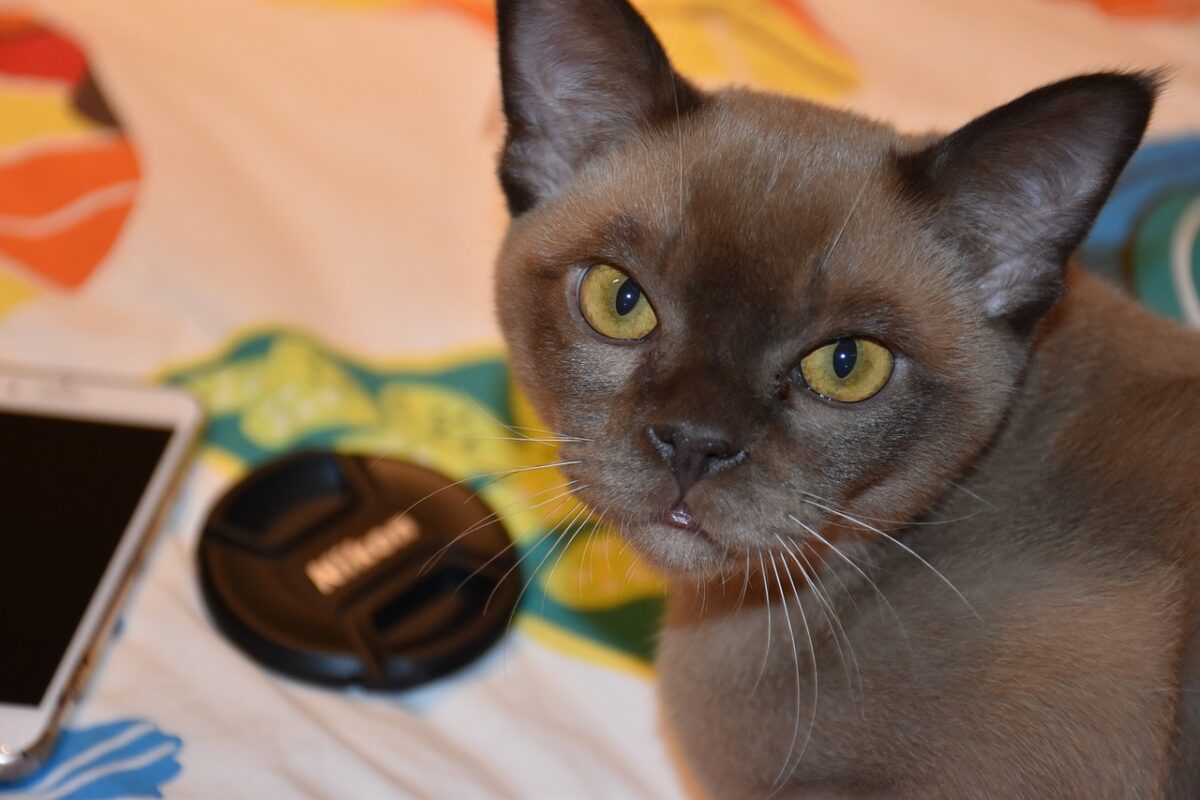
Burmese cats frequently approach family life as enthusiastic participants rather than distant observers. Their people-oriented personalities can make them exceptionally affectionate, playful, and eager for attention, with many seeking physical closeness whenever an opportunity appears. That strong social motivation can also mean that long periods without interaction are less appealing to them than they might be to a more independent cat. Burmese typically benefit from play, enrichment, predictable attention, and plenty of opportunities to engage with their household. Their sensitivity may show through persistent companionship or changes in behavior when familiar routines shift. Although every individual has different social needs, this breed’s combination of intelligence, curiosity, and attachment can create a companion who seems remarkably tuned into everything happening around the home.
Birman

Birmans often balance sociability with a wonderfully gentle manner, creating a personality that can seem quietly sensitive rather than demanding. Many enjoy companionship and household activity but are less likely to insist on being the loudest presence in the room. Their affectionate nature can make familiar relationships and reassuring routines especially important, and some may become subdued when their surroundings change significantly. A Birman may communicate discomfort through subtle body language, retreating or becoming quieter instead of making an obvious protest. Paying attention to posture, appetite, activity, and social habits can help humans understand these understated responses. In a calm home where interactions remain kind and predictable, the Birman’s combination of sweetness, curiosity, and social attachment has plenty of room to shine.
Tonkinese
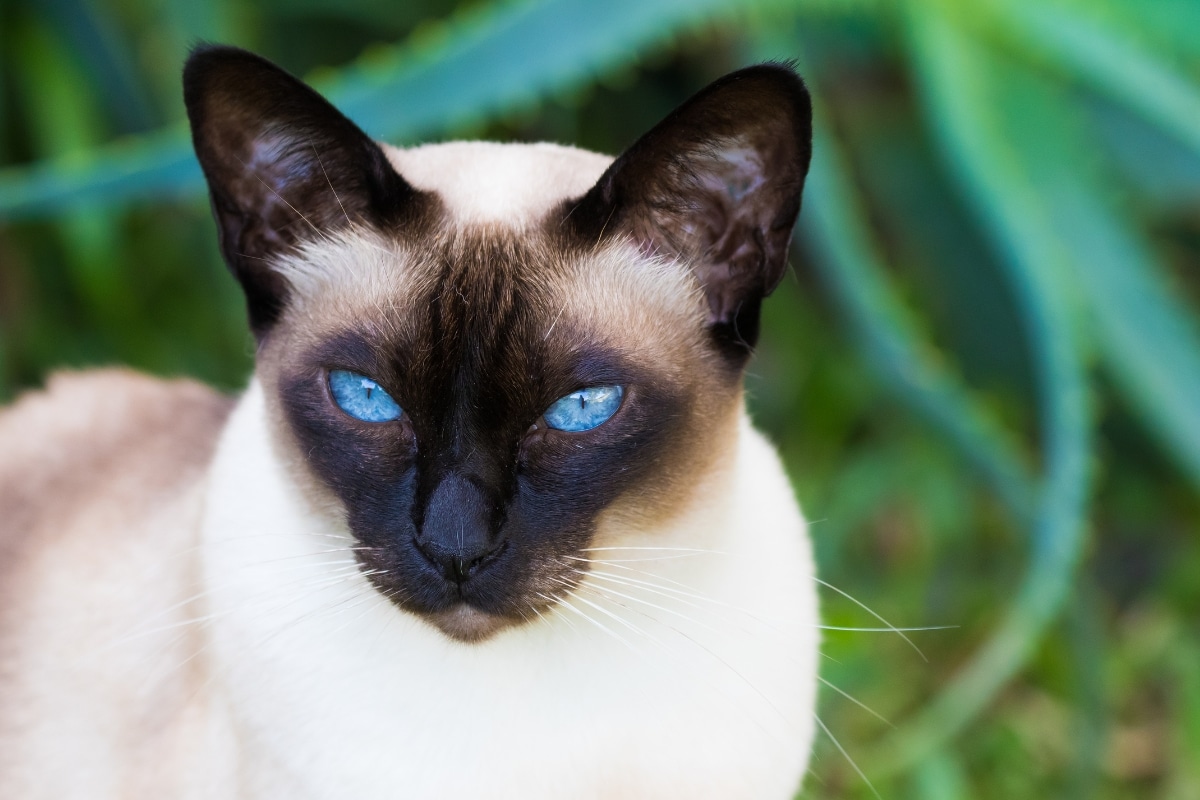
The Tonkinese combines intelligence, playfulness, and a strong desire for social engagement, creating a cat that frequently wants to know exactly what everyone is doing. Many form close relationships with their humans and actively seek games, attention, conversation, and physical companionship. Because involvement matters so much to them, insufficient stimulation or extended isolation may be particularly frustrating for some individuals. Their sensitivity is not necessarily quiet or shy. It can appear through persistent vocalizing, attention seeking, or energetic attempts to rejoin whatever activity has captured the household’s focus. Interactive toys, climbing opportunities, puzzle activities, and regular social time can help satisfy their busy minds. For a Tonkinese, feeling secure often goes hand in hand with feeling included.
Scottish Fold
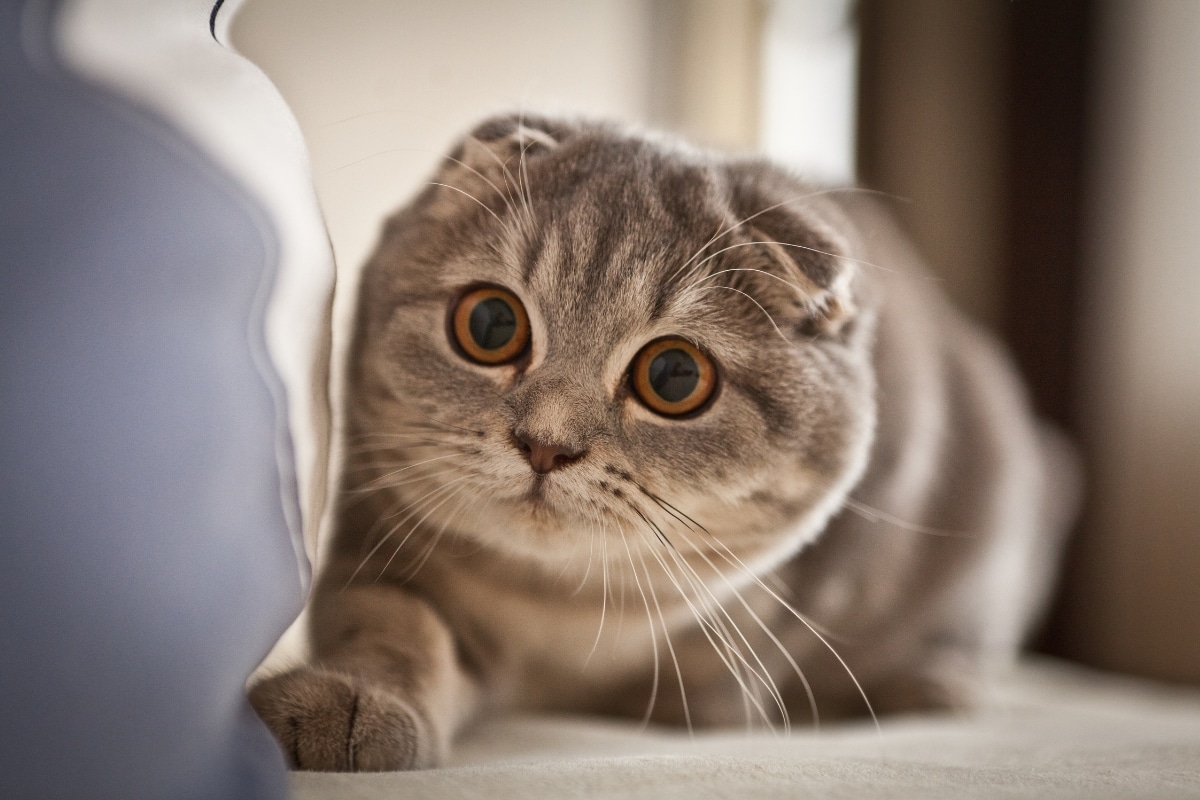
Scottish Folds are often described as sweet, calm, and strongly interested in their human companions. Many enjoy remaining close to familiar people and can be remarkably attentive to household routines without constantly demanding attention. Their softer social style may make changes in familiar patterns noticeable, particularly for individuals who rely heavily on predictable surroundings. Sensitivity also has an important physical consideration in this breed. The folded ears result from a genetic mutation affecting cartilage throughout the body, and Scottish Folds can develop painful joint and skeletal disease. Reluctance to move, unusual posture, decreased activity, or withdrawal should therefore never automatically be interpreted as an emotional reaction. Changes suggesting discomfort deserve veterinary attention rather than being dismissed as a sensitive personality.
Sphynx
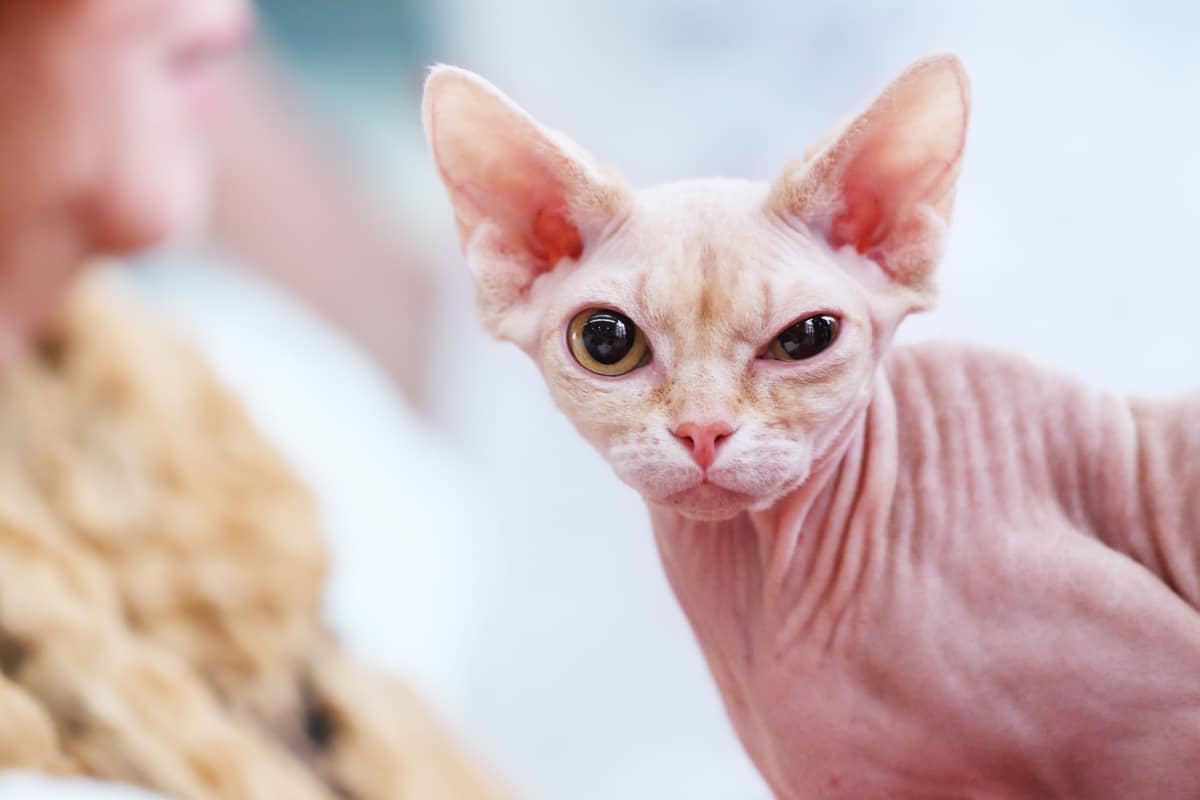
The outgoing Sphynx frequently develops close social relationships and may seek considerable contact with both people and compatible animal companions. Their famous desire for warm laps and cozy resting places has a practical component because their sparse coat provides less insulation, but physical warmth is only part of their appeal as companions. Many Sphynx cats are playful, curious, and highly interactive, preferring to participate in household life instead of disappearing for hours. A socially oriented individual may find abrupt routine changes or insufficient engagement difficult, especially when accustomed to frequent companionship. Providing comfortable, warm spaces, interactive play, predictable care, and appropriate social contact can help meet both physical and behavioral needs. Their expressive appearance simply makes their reactions especially difficult to overlook.
Somali
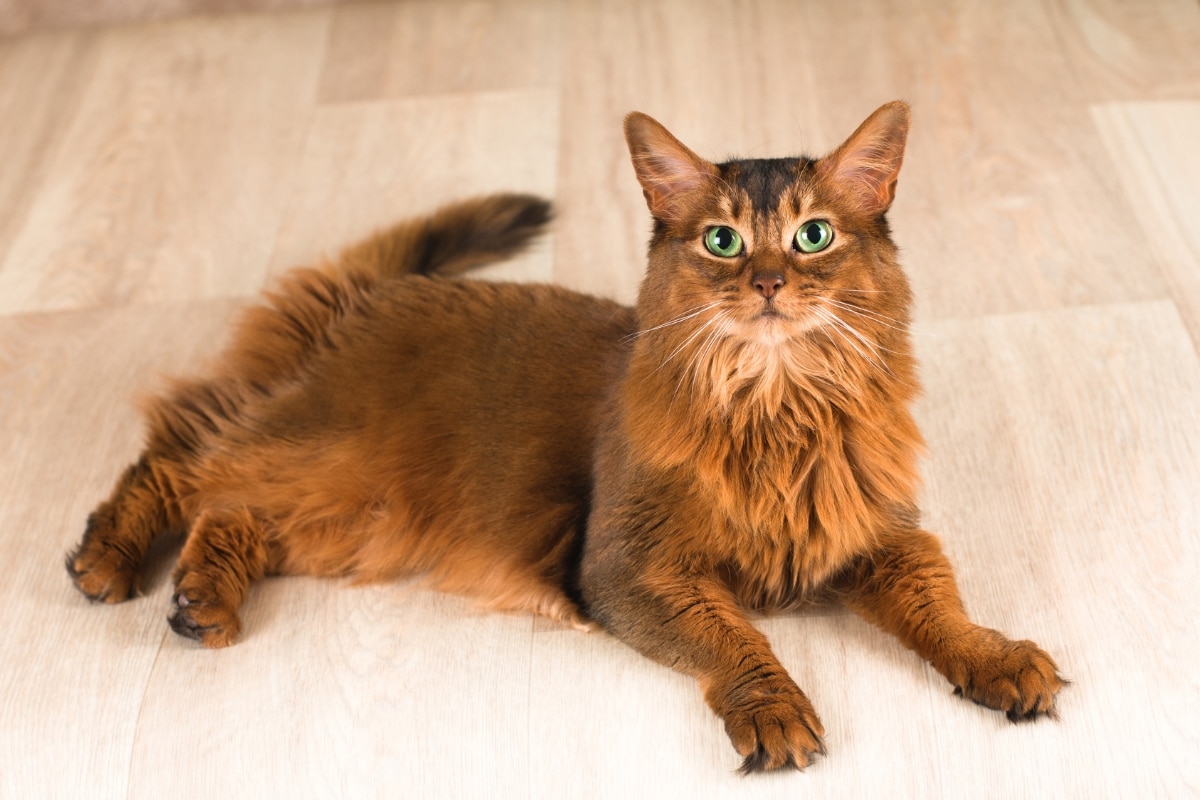
Sensitivity can come packaged with tremendous energy, as the Somali demonstrates beautifully. These athletic, intelligent cats tend to be highly aware of their surroundings and interested in whatever is happening nearby. Their active minds benefit from climbing, exploring, interactive play, puzzle activities, and opportunities to investigate safely, while monotonous environments may leave some individuals searching for entertainment of their own invention. Because they notice environmental changes quickly, new objects, altered routines, or unfamiliar activity may receive immediate inspection. Their sensitivity is therefore closely connected to curiosity and intelligence rather than simple timidity. A well-enriched home gives the Somali appropriate outlets for that awareness and energy, helping transform their constant observation into confident exploration, playful interaction, and rewarding social engagement.
Balinese
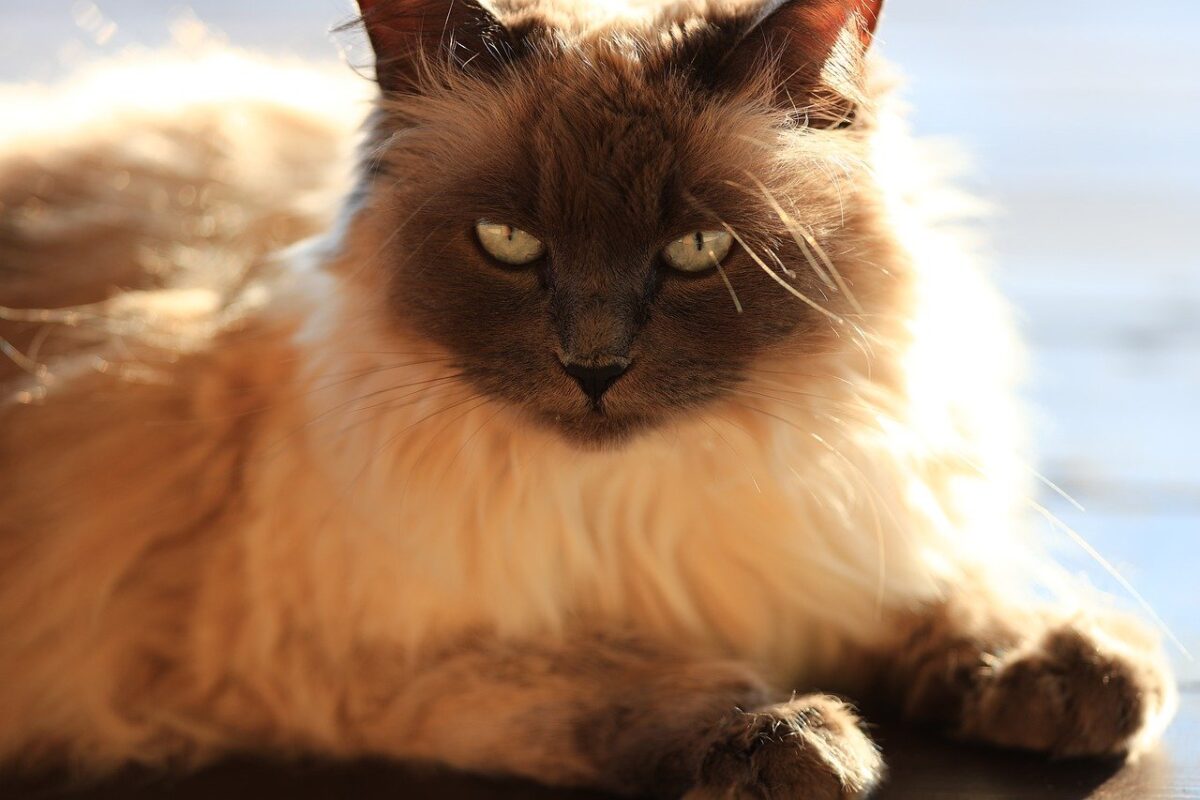
Closely related to the Siamese, the Balinese shares much of that breed’s intelligence, sociability, and desire for meaningful interaction. Many become deeply engaged with their households, following familiar people, communicating vocally, and participating eagerly in daily routines. Their attentiveness means they may notice changes that a more independent cat would simply ignore, including altered schedules or reduced social interaction. Mental stimulation can be just as important as affection because these clever cats generally benefit from play, puzzles, climbing, and opportunities to learn. A Balinese who receives consistent positive interaction can become an exceptionally involved companion. Their sensitivity is often expressed through engagement rather than shyness, making them a good example of how an emotionally responsive cat can also be confident, curious, and wonderfully outgoing.
Korat
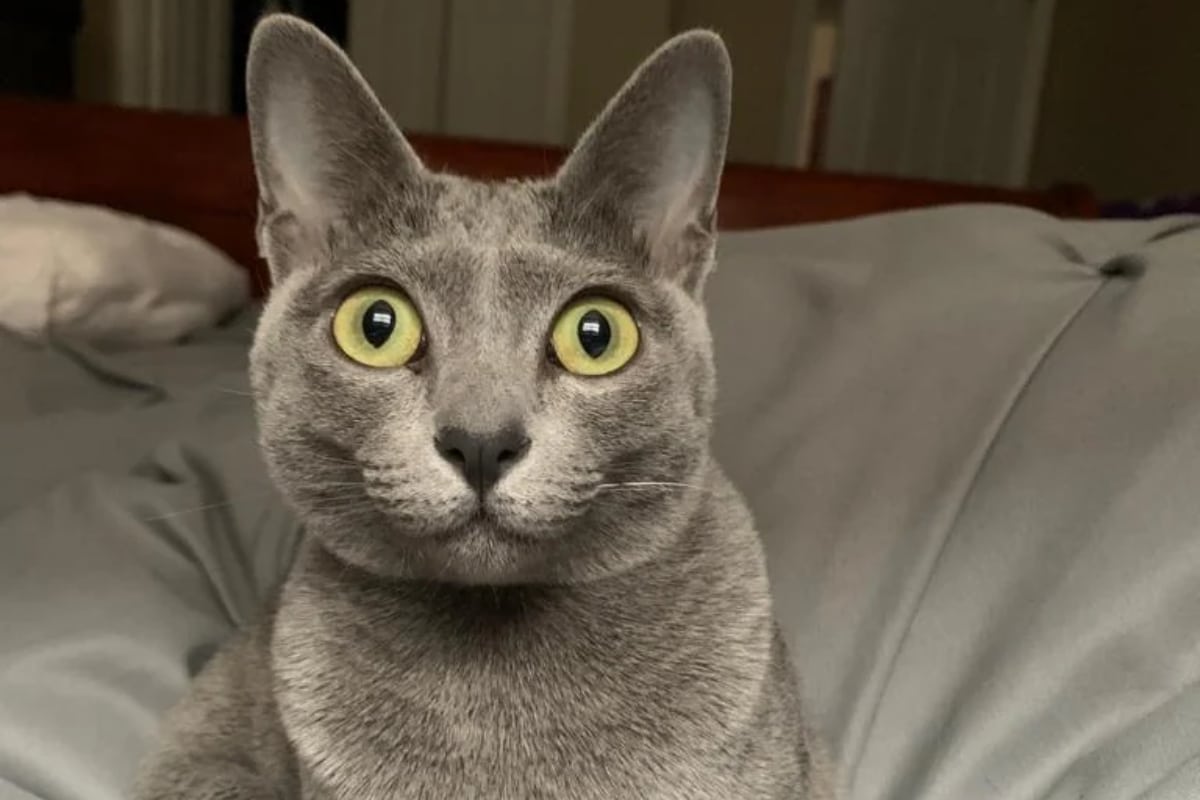
Korats are intelligent, observant cats that often develop close attachments to familiar people and appreciate being involved in household life. Their awareness of their environment can make them responsive to sounds, activity, routines, and social changes, while some individuals prefer relatively predictable surroundings over constant disruption. Many Korats are playful and affectionate once comfortable, but they can also have clear preferences about how and when interaction happens. Respecting those signals helps build trust without overwhelming a more sensitive individual. Providing familiar resting places, regular play, gentle handling, and opportunities for social contact allows their confident side to emerge naturally. Beneath that striking silver-blue coat is often an attentive companion who notices far more about daily household life than their quiet moments might suggest.
The Soft Hearts Are Paying Attention
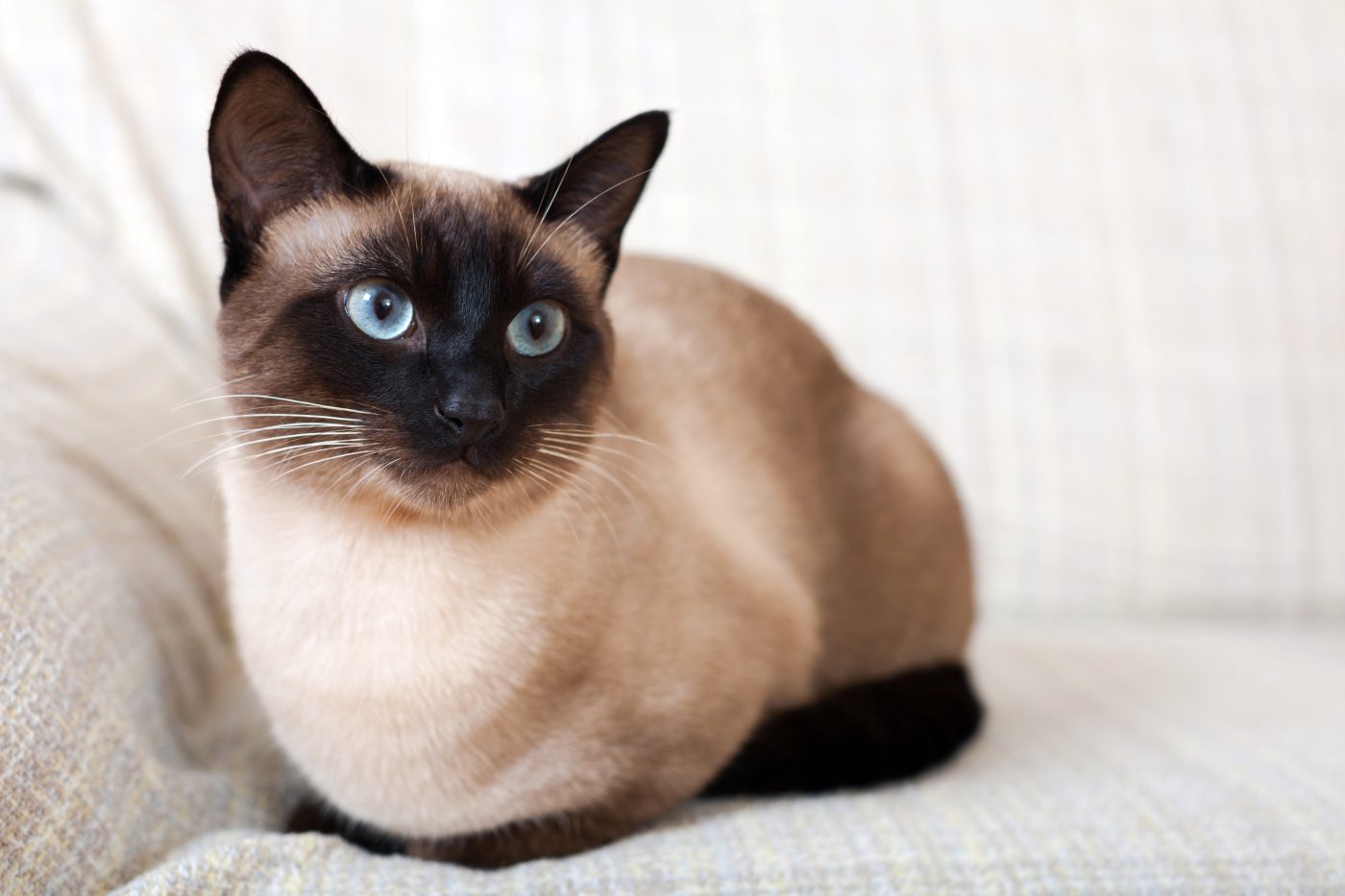
Sensitive cats show that feline communication is not always loud or obvious. A changed posture, sudden retreat, increased closeness, or burst of conversation can reveal how carefully a cat responds to their surroundings. Breed tendencies offer useful clues, but personality, socialization, health, experiences, and environment shape each individual’s reactions. Respectful handling, predictable care, enrichment, safe retreats, and gentle patience can help sensitive cats feel truly secure. With trust and understanding, these deeply responsive companions can form wonderfully rich relationships with people who recognize and respect their quieter signals.