
Cat food recalls are important safety measures that help protect pets from contaminated or improperly formulated products. Brands voluntarily or federally recall food when testing or reports reveal potential contamination with bacteria such as Salmonella or Listeria monocytogenes, foreign materials, or nutrient imbalances that can cause harm. Although recalls are unsettling, they show that quality control systems and federal oversight are working to prevent illness in cats and humans. Understanding why recalls happen and how to evaluate the brands involved helps pet parents make safer, better-informed choices about what they feed their cats.
Blue Ridge Beef Kitten Mix Recalls
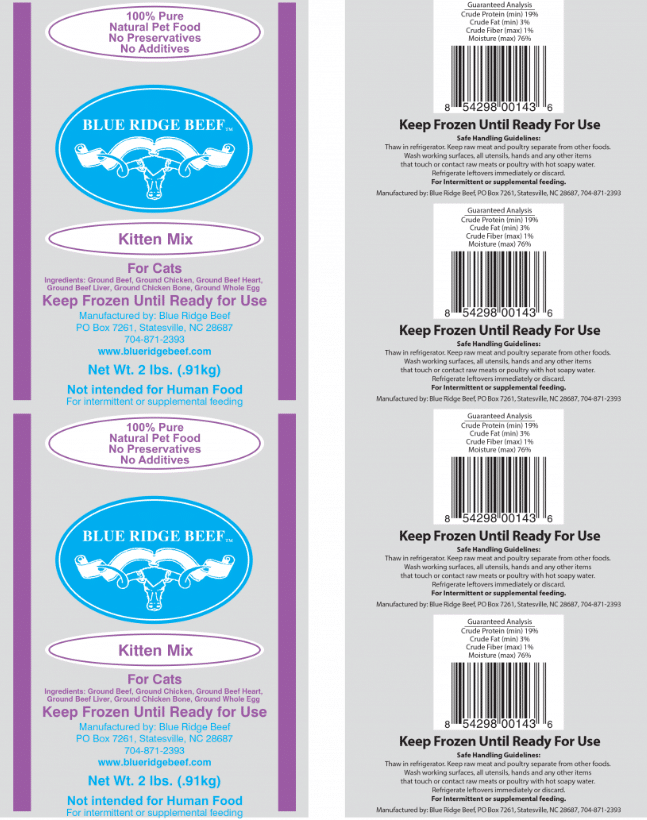
Blue Ridge Beef Kitten Mix Log, 2 lb (Lot #N26 0114, Exp. 04/11/2025)
In April 2025, Blue Ridge Beef issued a voluntary recall of its Kitten Mix 2 lb log due to potential Salmonella contamination. The affected lots were sold across multiple states and could pose health risks to both cats and humans handling the food. Salmonella infection in cats can lead to fever, lethargy, vomiting, and diarrhea, while humans may experience similar symptoms from handling contaminated food or utensils.
Blue Ridge Beef Kitten Mix Log, 2 lb (Lot #N25-0716, Exp. 01/03/2025)
Earlier in 2025, Blue Ridge Beef recalled another batch of its Kitten Mix formula following similar Salmonella concerns. Blue Ridge Beef specializes in raw pet foods appealing to owners who prefer minimally processed diets, but these raw products inherently carry higher bacterial risks. Pet parents are urged to check lot numbers and dispose of any recalled food immediately while cleaning all surfaces and bowls thoroughly.
About the Brand
Blue Ridge Beef is a Georgia-based raw pet food manufacturer that has been producing raw meats for dogs and cats since 1979. The company markets itself to pet owners seeking a “species-appropriate” raw diet free from preservatives, fillers, and additives. Their feline products, such as the Kitten Mix and Cat Mix, are designed to mimic a cat’s natural prey-based nutrition, using blends of raw meat, bone, and organ tissue.
Like its dog food lines, the brand’s cat recipes are distributed in frozen log form and typically require safe handling and cold storage. Blue Ridge Beef promotes its meats as human-grade and sourced from USDA-inspected suppliers, though their reliance on minimal processing makes the foods more vulnerable to bacterial contamination.
Despite their popularity with raw feeders, the brand has faced several recalls over the years due to Salmonella or Listeria contamination in both dog and cat formulas. These incidents underscore the ongoing tension between raw pet food nutrition benefits and microbial safety challenges, especially for young or immunocompromised animals.
Savage Pet Chicken Box Recall
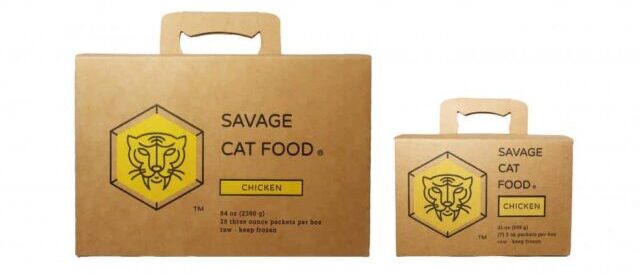
Savage Pet Large Chicken Box (84 oz raw) and Small Chicken Box (21 oz raw)
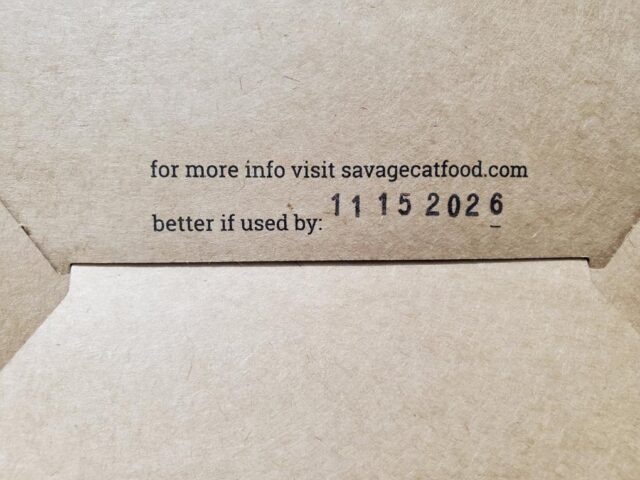
In March 2025, Savage Cat Food recalled 66 Large Chicken Boxes (84 oz.) and 74 Small Chicken Boxes (21 oz.) with the lot code/best by date of 11152026 due to their potential to contain H5N1, also known as bird flu. These frozen chicken boxes were distributed through select retailers and online stores.
About the Brand
Savage Pet, also known as Savage Cat Food, is a California-based company specializing in raw, prey-based diets for cats. Founded in 2014, the brand focuses on mimicking a natural feline diet using whole meats, organs, and bones from sustainably sourced animals such as cage-free chicken, antibiotic-free duck, and pasture-raised lamb and rabbit. Their products are shipped frozen in boxes or tubs, with high protein and fat content and minimal carbohydrates to support feline health.
While Savage maintains a reputation for ingredient quality and transparency, the March recall incident highlighted ongoing safety challenges associated with raw feeding during bird flu outbreaks.
Wild Coast Raw Chicken Formula Recall
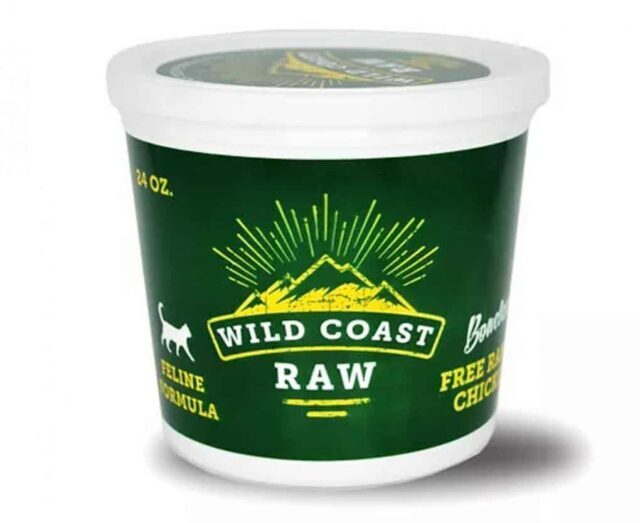
Wild Coast Raw Boneless Free Range Chicken Formula (16 oz and 24 oz frozen raw)
In March 2025, Wild Coast Raw voluntarily recalled several lots of its Boneless Free Range Chicken Formula due to the potential to be contaminated with Highly Pathogenic Avian Influenza (HPAI) H5N1, also known as bird flu. Affected lots included 22660, 22653, 22641, 22639, 22672, and 22664.
The affected products were linked to sick cats in the Pacific Northwest, prompting health agencies to warn pet owners against feeding the impacted batches. Following the recall, Wild Coast Raw announced plans to introduce fully cooked recipes to reduce pathogen risk, reaffirming its commitment to both natural nutrition and pet safety.
About the Brand
Wild Coast Raw is a Washington-based company producing small-batch, frozen raw cat food made from free-range poultry. Its signature Boneless Free Range Chicken Formula emphasizes clean sourcing and minimal processing to preserve nutrients, appealing to pet owners who prefer whole-food, species-appropriate diets.
While appealing to health-conscious cat parents, the brand’s recall serves as a reminder that raw food should always be stored and prepared with strict hygiene to prevent bacterial exposure.
Feeding Your Cat Safely: How to Avoid Recalls and Health Risks
When it comes to feeding your cat with confidence, a few smart habits can greatly reduce the risk of contamination, nutritional imbalance, or product recalls. Cats are especially sensitive to dietary changes and nutrient deficiencies, so vigilance is key when choosing and handling their food.
Choose brands with strict quality control and transparency.
Select companies that share information about their safety testing, sourcing, and production practices. Brands that use HACCP or GMP standards—and that willingly issue formal recalls when necessary—demonstrate stronger commitment to safety than those that only do quiet “withdrawals.”
Keep packaging and lot information.
Always save product packaging and note the lot or batch number until the food is finished. This makes it easier to confirm whether your cat’s food is part of a recall and to report issues accurately. Sign up for FDA or manufacturer recall alerts for extra peace of mind.
Understand processing and preservation methods.
If you feed raw or minimally processed foods, look for options that use pathogen-reduction techniques such as high-pressure processing (HPP) or controlled fermentation. These methods can lower microbial risks while maintaining nutritional integrity.
Handle and store cat food safely.
Treat raw and frozen pet foods with the same care as raw human meats—store below freezing, thaw in sealed containers, clean surfaces and utensils thoroughly, and wash your hands after handling. Always discard uneaten raw food promptly.
Consult your veterinarian for specialized diets.
Work closely with a vet or feline nutritionist before starting a raw, homemade, or limited-ingredient diet. Cats have precise nutritional needs—particularly for taurine, vitamin A, and fatty acids—that must be met to prevent long-term health problems.
Rotate trusted products when possible.
Rotating between reputable brands or protein sources (while maintaining nutritional balance) helps prevent dependency on one product and may reduce exposure if a specific batch is recalled.
Watch for signs of illness.
If your cat shows vomiting, diarrhea, lethargy, loss of appetite, or unusual behavior—especially after a diet change or new batch of food—contact your veterinarian immediately. Early detection can prevent serious complications from contamination or dietary issues.
By staying informed and careful, pet owners can confidently provide their cats with nutritious and safe meals because keeping our pets healthy starts with what’s in their bowl.