
This roundup covers 11 standout formulas across every price tier and texture, from fresh human-grade options to budget pates. Picky pate snobs, gravy enthusiasts, and even the occasional messy eater should find something that works here.
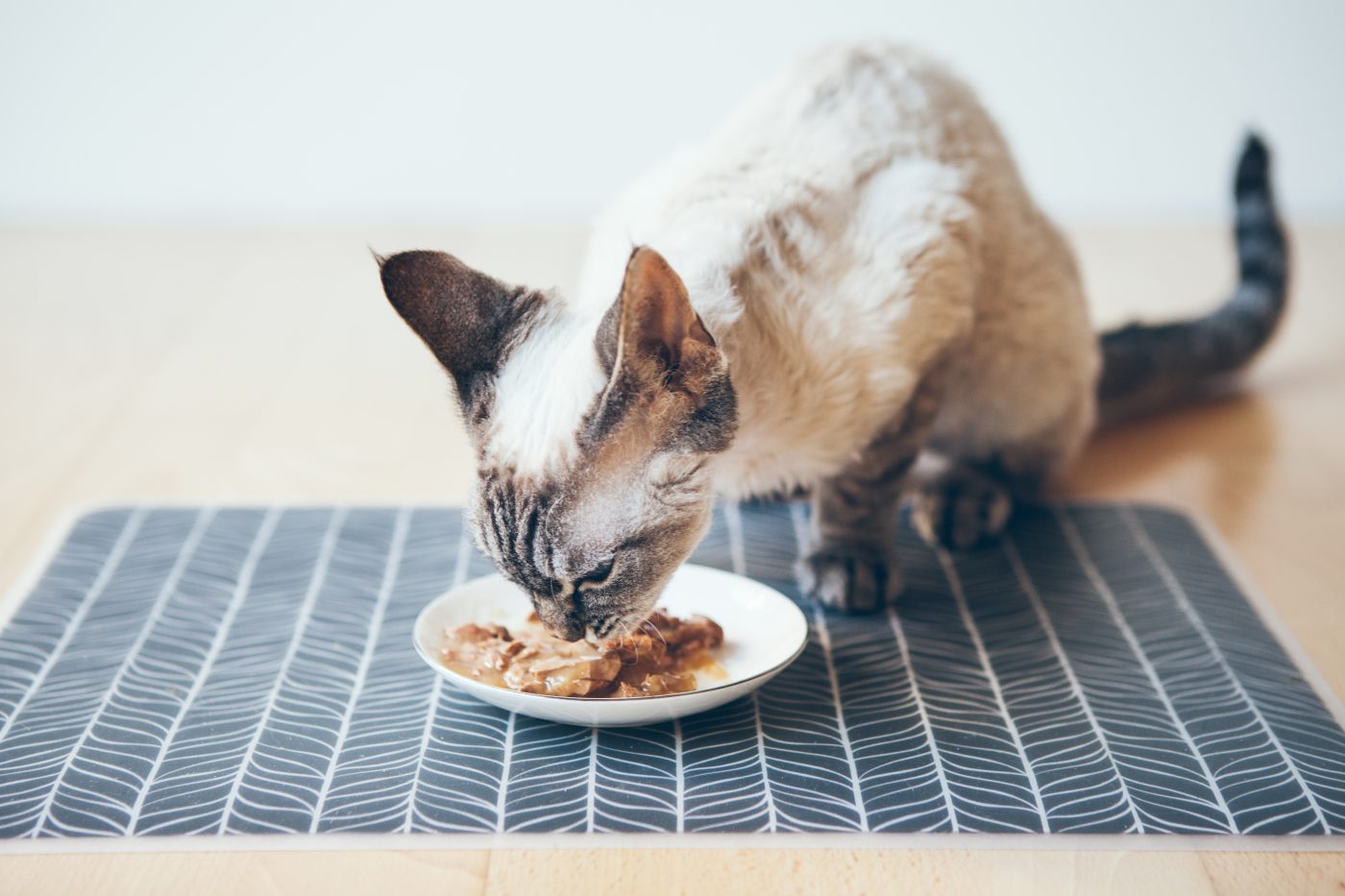
Why Indoor Cats Need Wet Food More Than Outdoor Cats
Cats evolved as desert animals. Their ancestors got most of their water from prey, not from a water bowl. Indoor cats carry that same low thirst drive, but they don’t have mice to snack on.
Dry kibble contains roughly 10% moisture. Wet food? Anywhere from 75-85%, according to the Cornell Feline Health Center. For an indoor cat who barely touches their water fountain, that difference is significant.
Wet vs. Dry Cat Food: Moisture Comparison
- Dry kibble: ~10% moisture
- Wet cat food: 75-85% moisture
- Raw prey (mouse): ~70% moisture
- Daily water need: 3.5-4.5 oz per 5 lbs of body weight, per AAHA/AAFP feline life stage guidelines
Beyond hydration, indoor cats tend to be less active, which makes weight management a real concern. Wet food is typically lower in carbohydrates and higher in protein than dry kibble, helping indoor cats maintain lean muscle without packing on extra pounds.
Veterinarians often recommend feeding indoor cats at least one wet meal per day. Some vets suggest an all-wet diet for cats prone to urinary crystals or kidney issues.
What Makes a Great Wet Cat Food for Indoor Cats in 2026
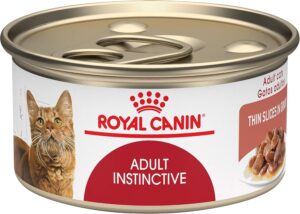
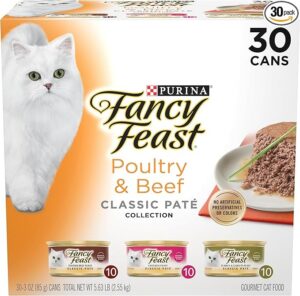
Fancy Feast Classic Pate vs. Royal Canin Adult: these two show up in the same GSC searches, and they sit at opposite ends of this list. Fancy Feast Classic Pate is a simple, budget-tier pate built for daily feeding at scale. Royal Canin Adult is a premium-tier, palatability-researched thin-slices-in-gravy format built specifically for picky eaters, at a noticeably higher price per can. If your cat eats anything, Fancy Feast is the cheaper daily option; if your cat is refusing food, Royal Canin’s texture engineering is the more likely fix.
Not every canned food deserves a spot in your cat’s bowl. Here’s what actually matters when you’re shopping for an indoor cat.
High-Quality Animal Protein
Cats are obligate carnivores, so the first ingredient should be a named animal protein like chicken, turkey, or salmon. Skip anything that lists ‘meat by-products’ or ‘animal digest’ near the top of the label.
Moisture Content
Look for formulas with 78% moisture or higher. That’s especially important for indoor cats, since many don’t drink enough water on their own to make up the difference.
Calorie Control
Indoor cats burn fewer calories than outdoor cats because they nap more and hunt less. Pick a formula with moderate fat and a calorie count that matches your cat’s size, and pair it with a few puzzle toys to keep them moving between meals.
Texture Your Cat Actually Eats
Pate, shredded, flaked, or chunks in gravy: your cat has opinions. Buy a few single cans before committing to a case, since plenty of cats refuse certain textures no matter how nutritious the formula is.
Limited Fillers
Corn, wheat, and soy don’t offer much nutritional value for cats. They’re cheap fillers that can contribute to weight gain and digestive issues, both common problems for sedentary indoor cats.



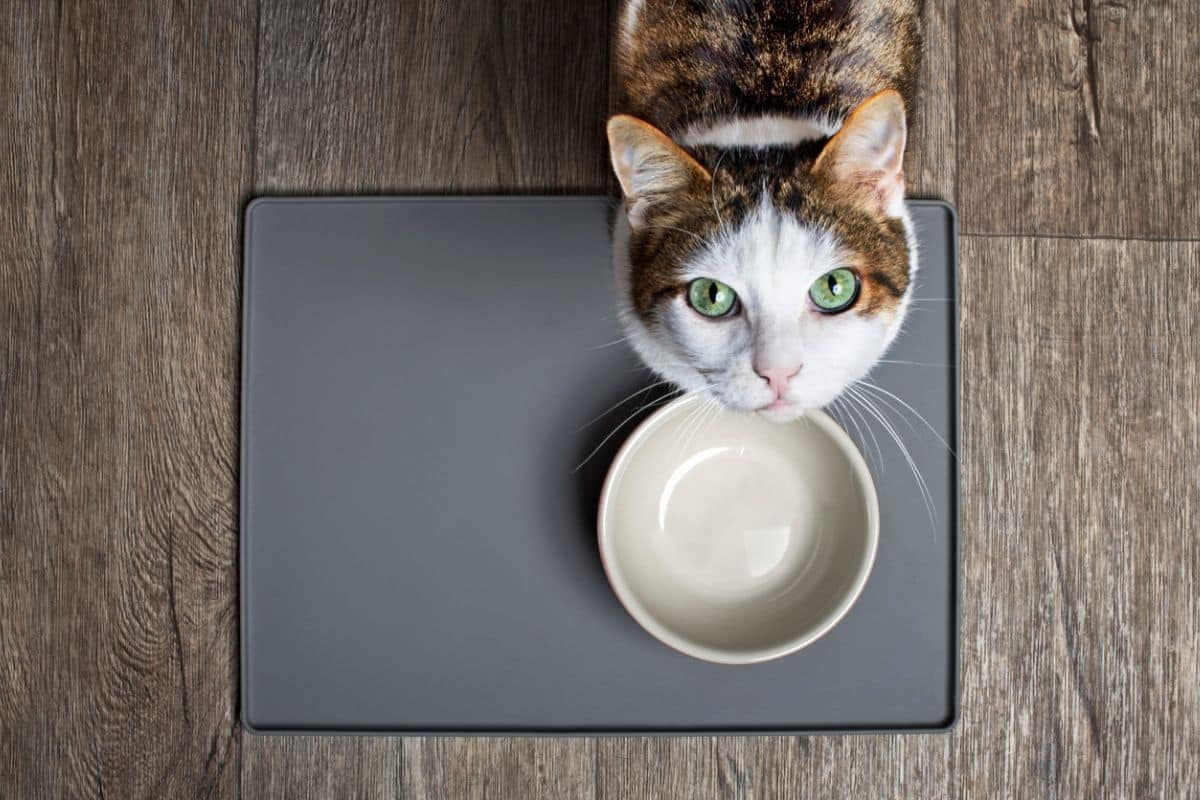

Your Indoor Cat Deserves Better Than a Bowl of Kibble
Switching to wet food, even partially, is one of the simplest upgrades you can make for an indoor cat’s health. More hydration, more protein, fewer empty carbs. Your cat’s kidneys, waistline, and coat will all benefit.
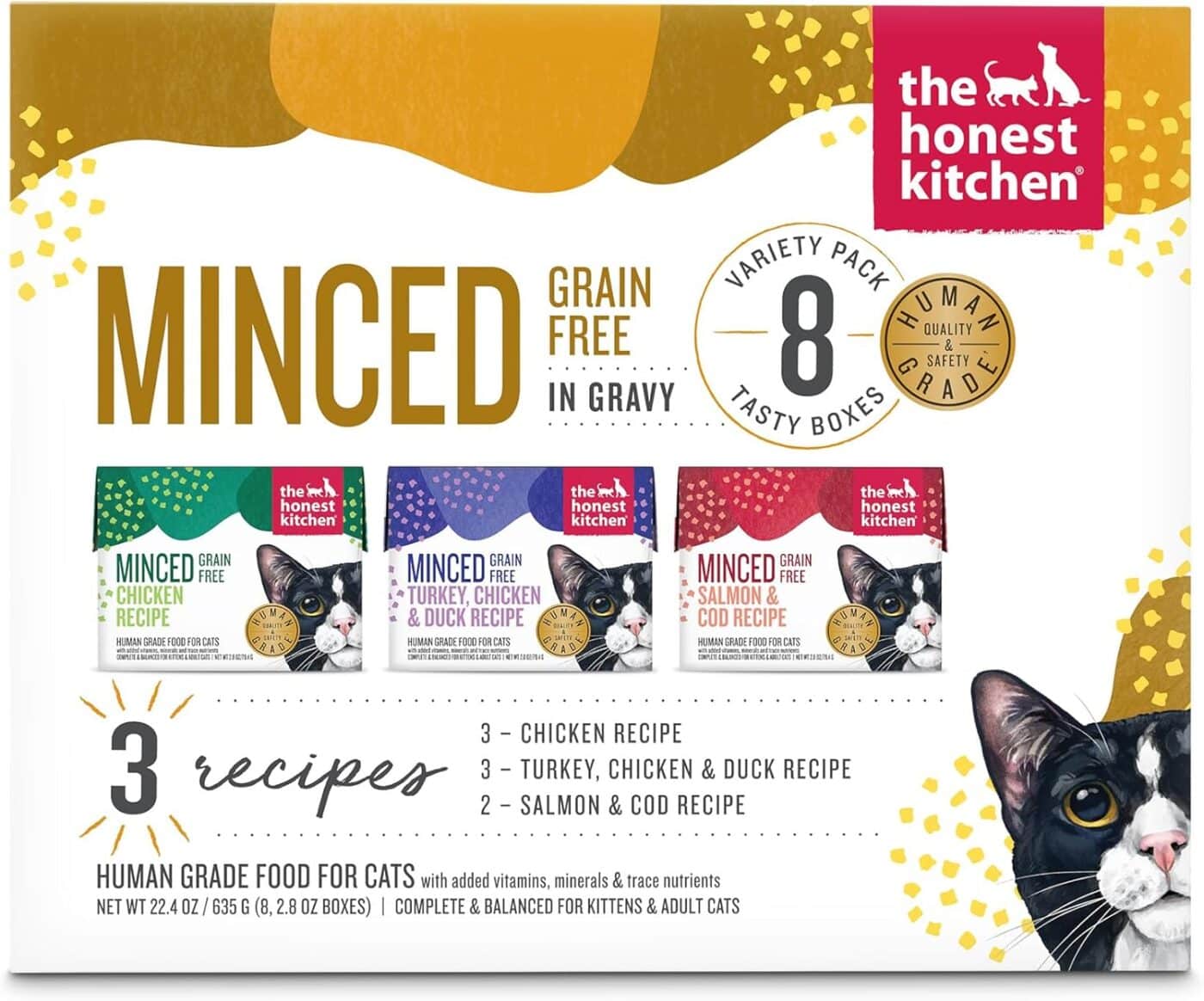
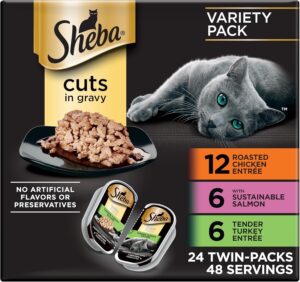
You don’t need to spend a fortune, either. Budget picks like Fancy Feast Classic Pate and Sheba Perfect Portions deliver solid nutrition at prices that won’t make you wince. And if you want the very best, JustFoodforCats and The Honest Kitchen offer premium quality that cats (and their vets) genuinely love.
Start with a small can of something from this list. Watch your cat’s reaction. That enthusiastic lick-the-bowl-clean moment? That’s when you’ll know you picked the right one.