
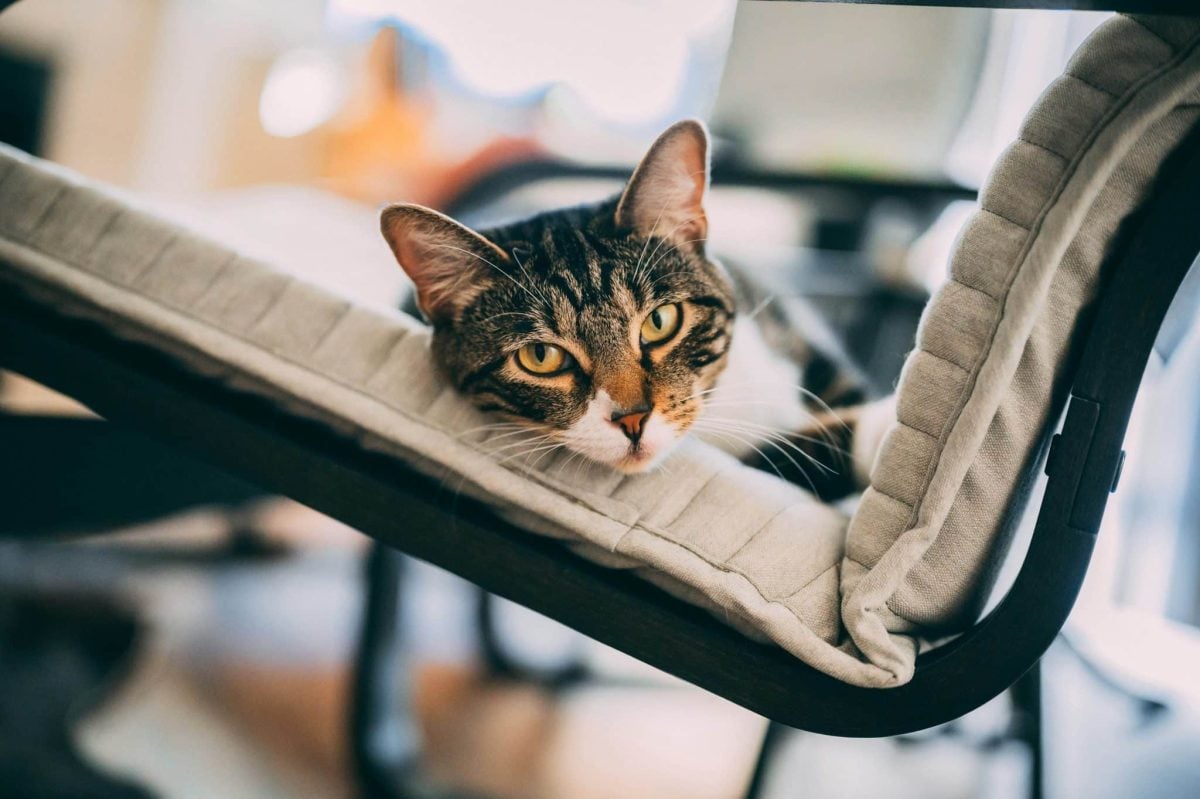
You stand up for thirty seconds, return with a drink, and discover that your favorite chair has a new occupant. The cat who ignored it moments earlier is suddenly curled in the exact spot you planned to reclaim, looking perfectly settled. Taking over a human’s favorite seat can seem like calculated feline mischief, but the explanation is usually more practical. Cats choose resting places based on comfort, warmth, scent, security, routine, location, and preference. When one chair checks those boxes, sharing becomes an unofficial household arrangement.
Your Chair Smells Familiar
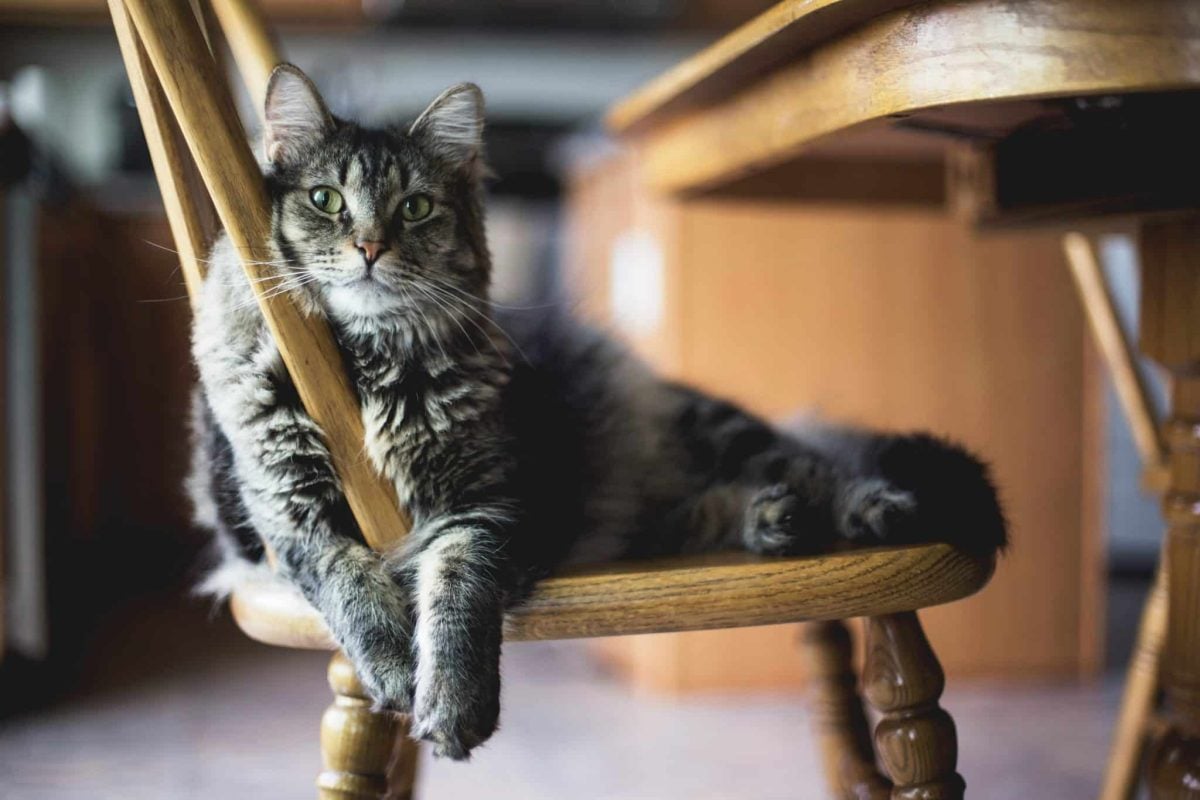
Scent plays an important role in how cats recognize and navigate familiar surroundings. A chair used regularly by someone in the household collects that person’s scent on the upholstery, cushions, and other surfaces, potentially making it especially familiar to a cat. Familiar odors can contribute to the overall predictability of an environment, which may help explain why a frequently occupied chair becomes an appealing resting place. This does not necessarily mean the cat is making an elaborate emotional statement every time they settle there. Sometimes the seat simply smells like part of their established home territory. When comfort and familiarity come together in one convenient location, the chair may become considerably more attractive than the untouched furniture sitting nearby.
You Already Warmed It Up
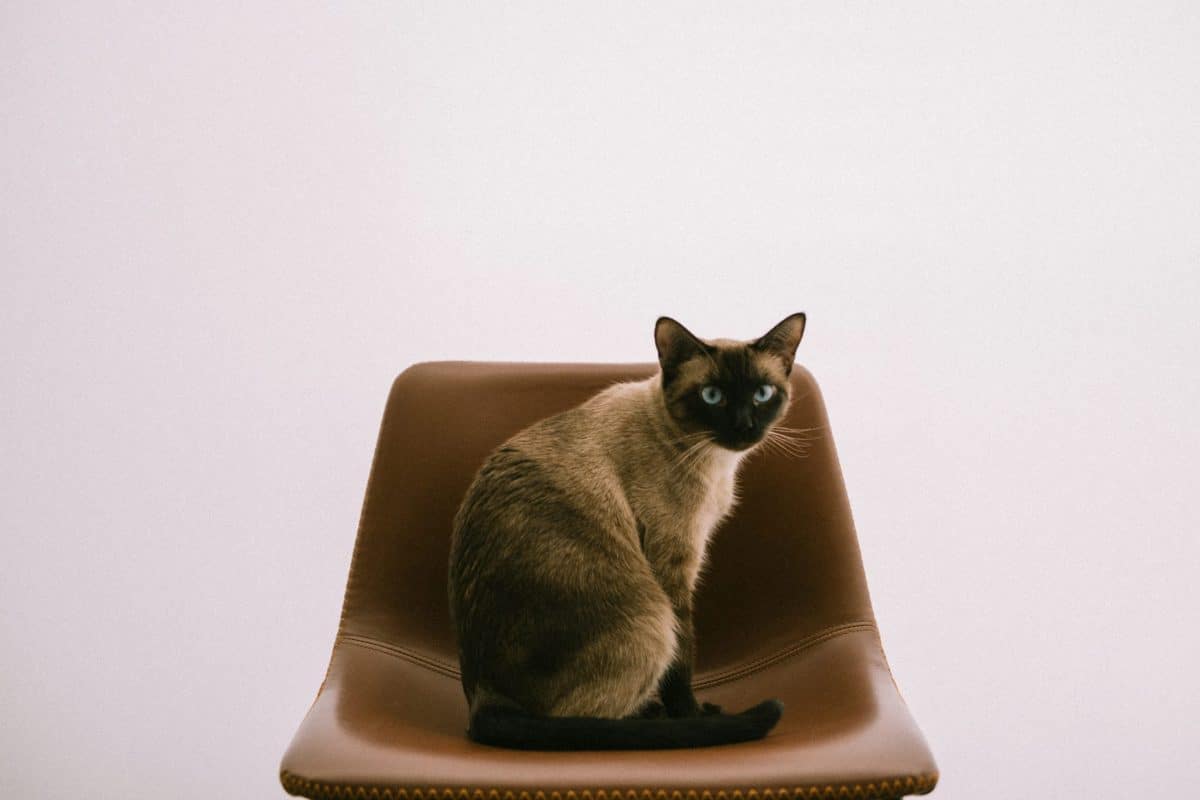
A freshly abandoned chair can offer something cats frequently appreciate: residual warmth. Domestic cats generally seek comfortable thermal conditions, and warm resting locations can help them conserve body heat while relaxing. After someone has occupied a cushioned seat for an extended period, the fabric may retain enough warmth to make it temporarily more inviting. That can explain the suspicious speed with which a cat appears after their human stands up. Sunlit surfaces, heated beds, blankets, and other warm locations may attract cats for similar reasons. Temperature preference varies according to the individual, coat, age, health, and surrounding conditions, but warmth can certainly influence resting choices. Sometimes, the great chair takeover is less about stealing property and more about excellent timing.
The Cushion Feels Better Than Their Other Options
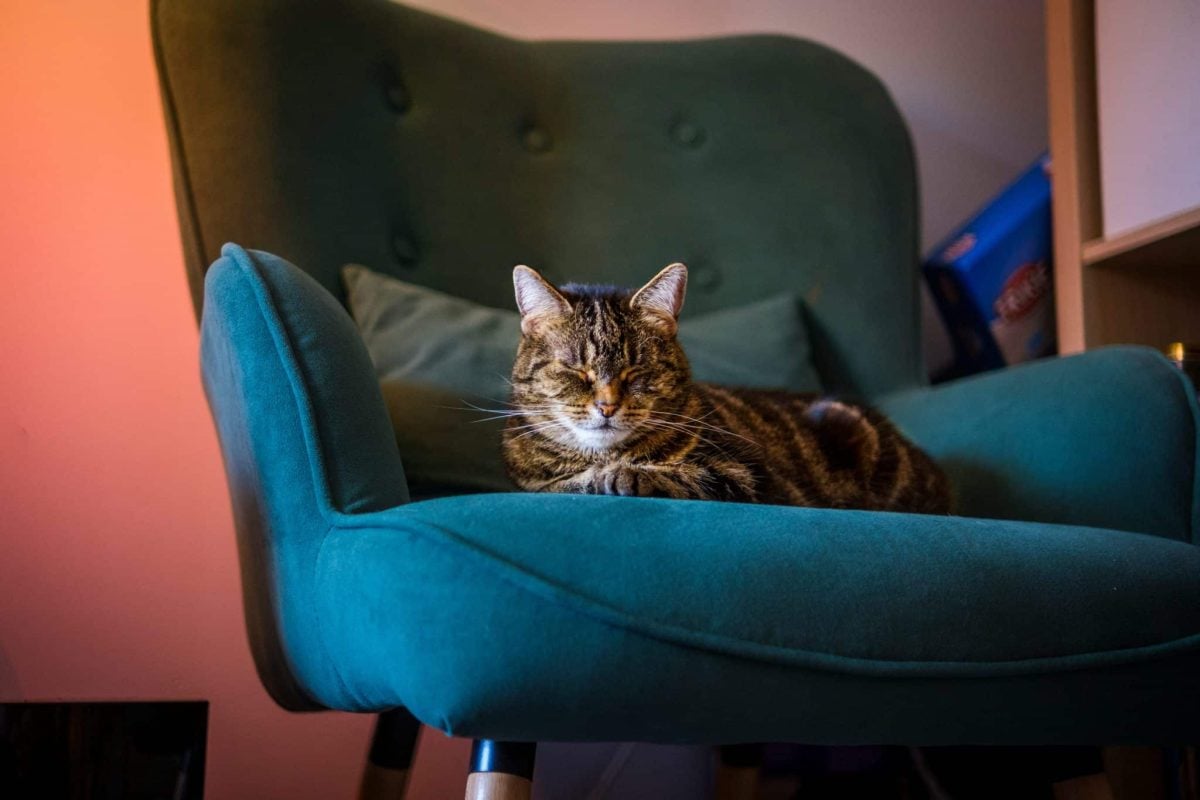
Cats spend a substantial portion of their day resting or sleeping, so the physical qualities of a resting surface matter. A favorite chair may offer supportive padding, soft upholstery, enough room to curl comfortably, and raised sides or cushions that make settling in especially pleasant. Even a carefully selected cat bed can lose the competition if the chair happens to provide the texture or firmness that an individual cat prefers. Those preferences can also change with age and physical condition. Older cats, for example, may become more particular about comfortable resting surfaces. A cat repeatedly choosing the same chair may therefore be giving a fairly straightforward review of the household furniture. Unfortunately for everyone else, that review appears to say the best seat has already been identified.
The Location Feels Secure
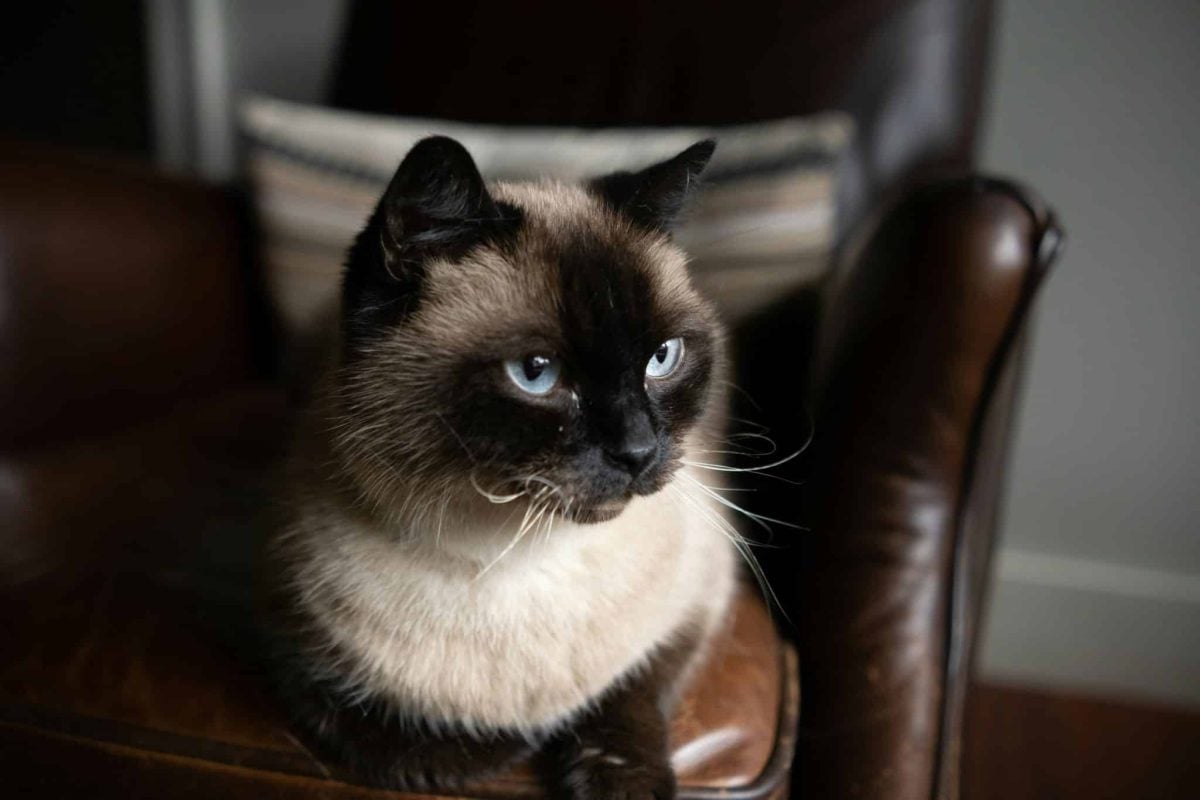
A good resting spot needs more than softness. Cats may favor locations where they can relax without feeling exposed to constant disturbances, particularly when the surrounding area provides a useful view of approaching people, animals, or household activity. A chair positioned against a wall, near a quiet corner, or away from heavy foot traffic may offer a comfortable balance between protection and visibility. Individual cats have different security preferences, so one may favor an enclosed location while another chooses a central seat with a broad view. The important clue is repeated voluntary use. When the same chair consistently provides comfort without frequent interruptions, it can become a dependable resting area. From the cat’s perspective, excellent real estate deserves regular occupancy.
It Gives Them a Good View
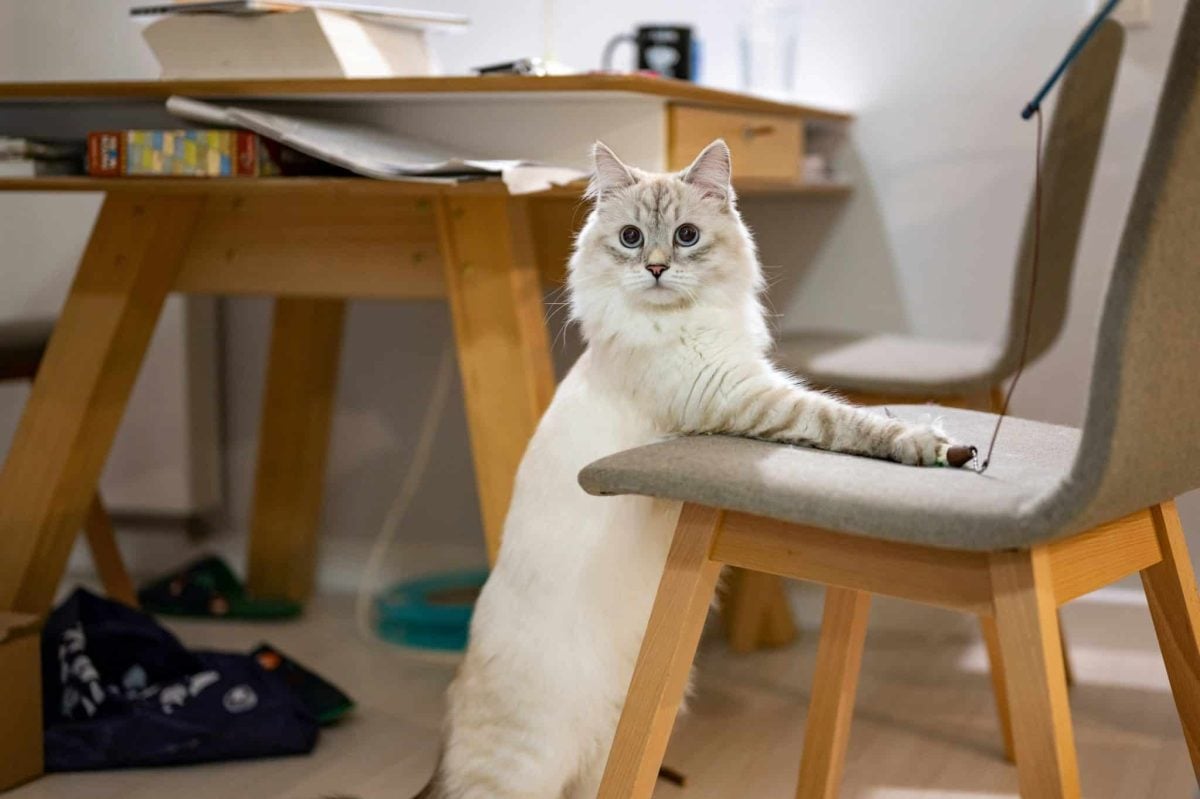
Not every chair visit is about sleeping. A strategically positioned seat can function as an observation point, allowing a cat to watch people move through the room, notice activity in adjoining spaces, or monitor other interesting parts of their environment. Cats naturally gather information about what is happening around them, and elevated or well-positioned resting places can support that tendency. A chair may not compete with a tall cat tree for height, but it can still provide a useful perspective while remaining comfortable enough for a nap afterward. The location becomes even more attractive when household routines regularly unfold nearby. A cat occupying the chair may therefore be doing more than relaxing. They have found a comfortable headquarters with surprisingly good surveillance capabilities.
Sitting There Has Become Part of Their Routine
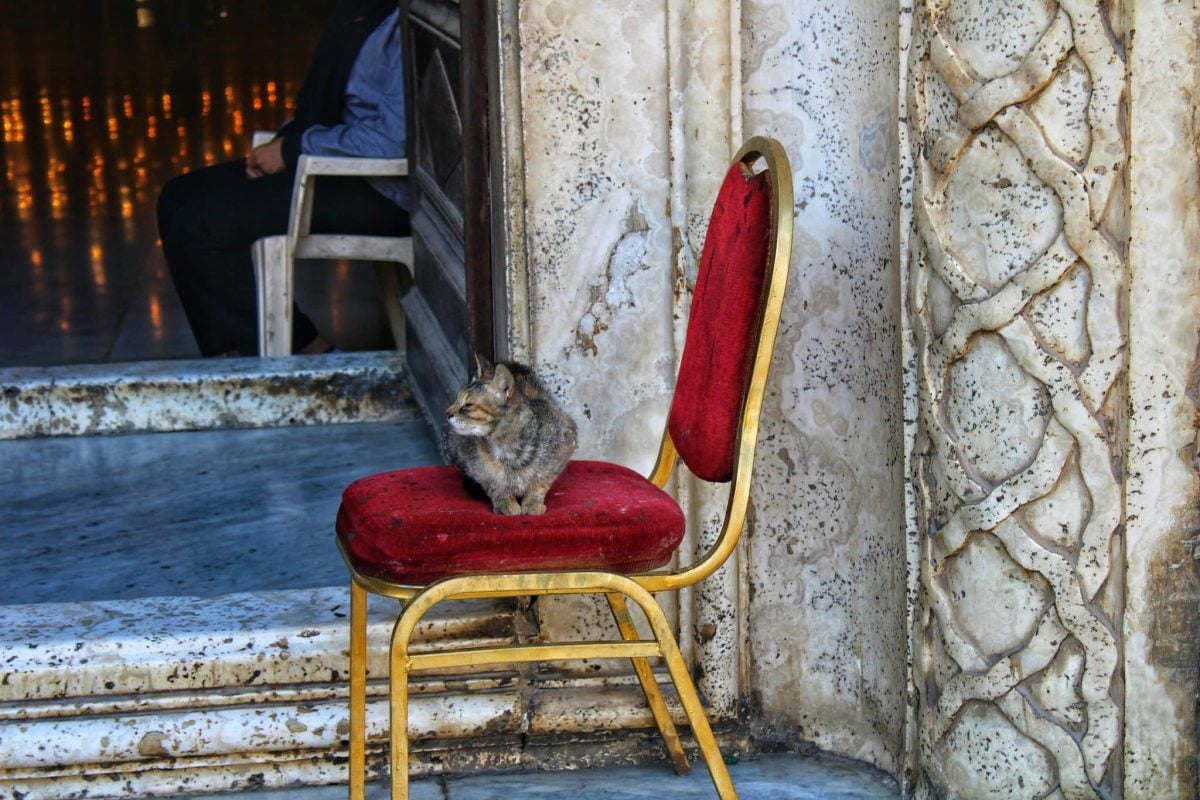
Cats can develop strong routines around meals, play, social interactions, and favorite resting places. Repeatedly settling in the same chair at a particular time can turn an initially casual choice into a predictable daily habit. Perhaps afternoon sunlight reaches the cushion, the room becomes quieter after lunch, or everyone gathers nearby during the evening. Those recurring conditions help make the chair part of a familiar pattern. Once a cat learns that a particular location reliably provides comfort and few interruptions, there is little reason to reconsider the arrangement every day. Routine does not mean a cat is rigidly committed to one seat forever, but familiar choices can reduce uncertainty. After enough successful naps, the chair may simply become the obvious place to return.
They Want to Be Near the Household Action
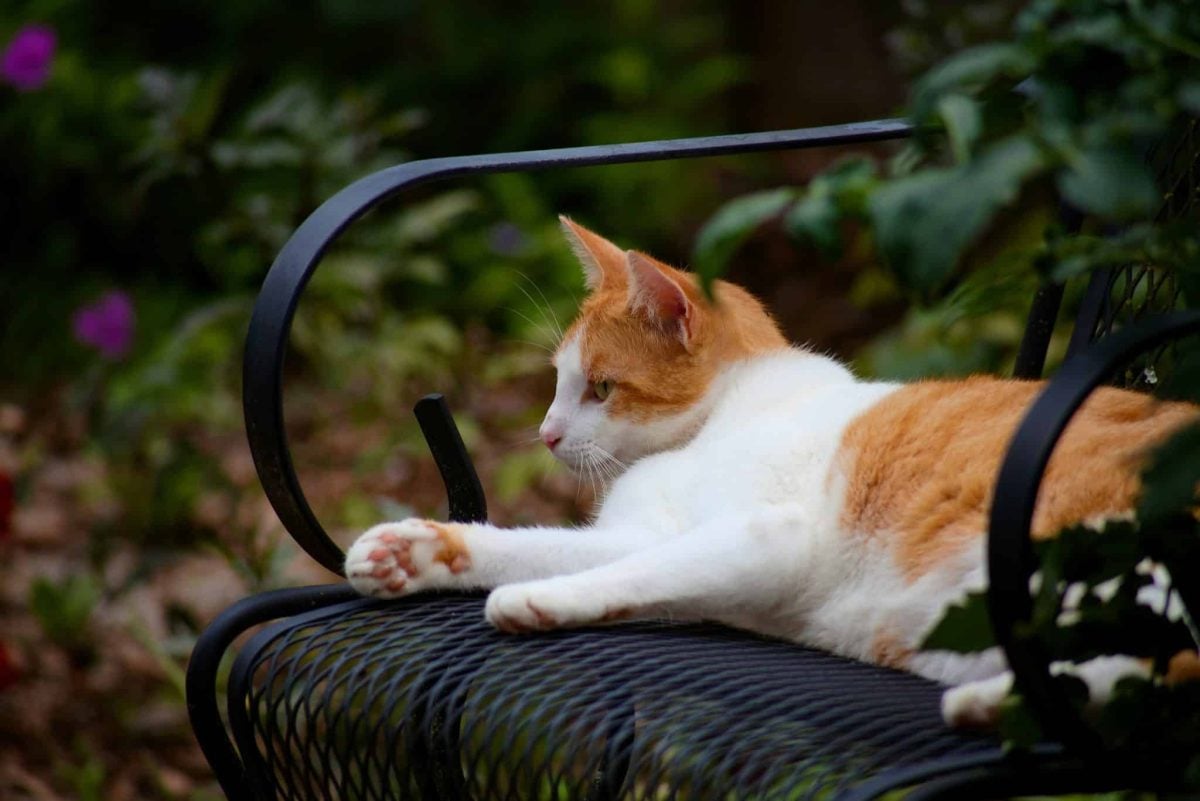
Some cats enjoy social proximity without necessarily wanting continuous petting or lap time. A favorite chair located near the places where people talk, relax, watch television, read, or work can offer an ideal compromise. The cat gets to remain close to familiar activity while maintaining control over their own space. This kind of voluntary proximity can reflect social comfort, but it should not automatically be translated into affection because warmth, routine, location, and simple curiosity may contribute as well. Watch the larger pattern of behavior for context. A relaxed cat that regularly chooses to settle near familiar people may simply appreciate being included without becoming the center of attention. Conveniently, your favorite chair might also happen to provide the best seat for doing exactly that.
Their Scent Is Already on It
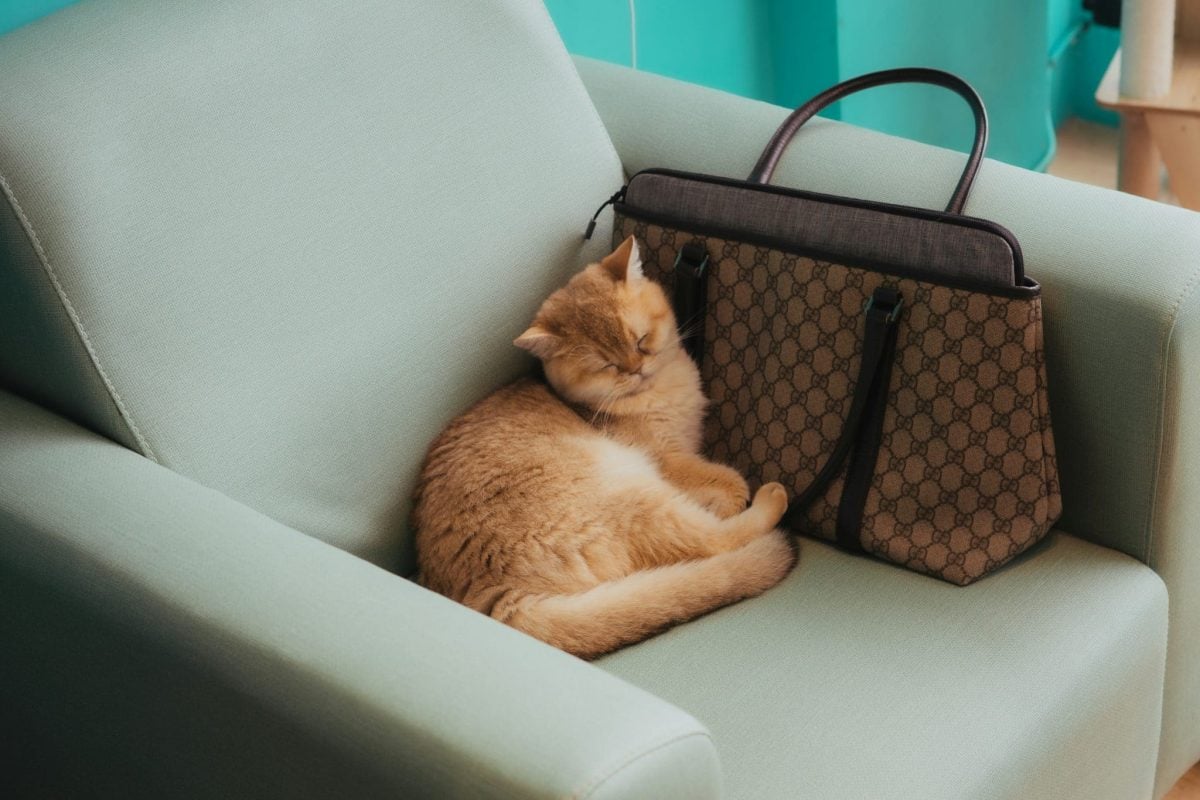
A frequently used chair can become familiar not only because it carries human scent but also because the cat has contributed their own. Cats have scent glands around areas, including the cheeks and head, and rubbing against familiar surfaces can deposit chemical signals involved in scent communication. Regular contact through resting and rubbing may therefore help incorporate a chair into the cat’s familiar scent environment. This does not mean they have legally declared ownership of the furniture, regardless of what their expression suggests. Scent marking is part of normal feline communication and environmental familiarity. A chair carrying a mixture of recognizable household odors can become particularly comfortable because it smells like established territory. Repeated use then adds even more familiarity, creating a remarkably effective cycle of feline furniture preference.
They Have Learned You Will Give Them the Seat
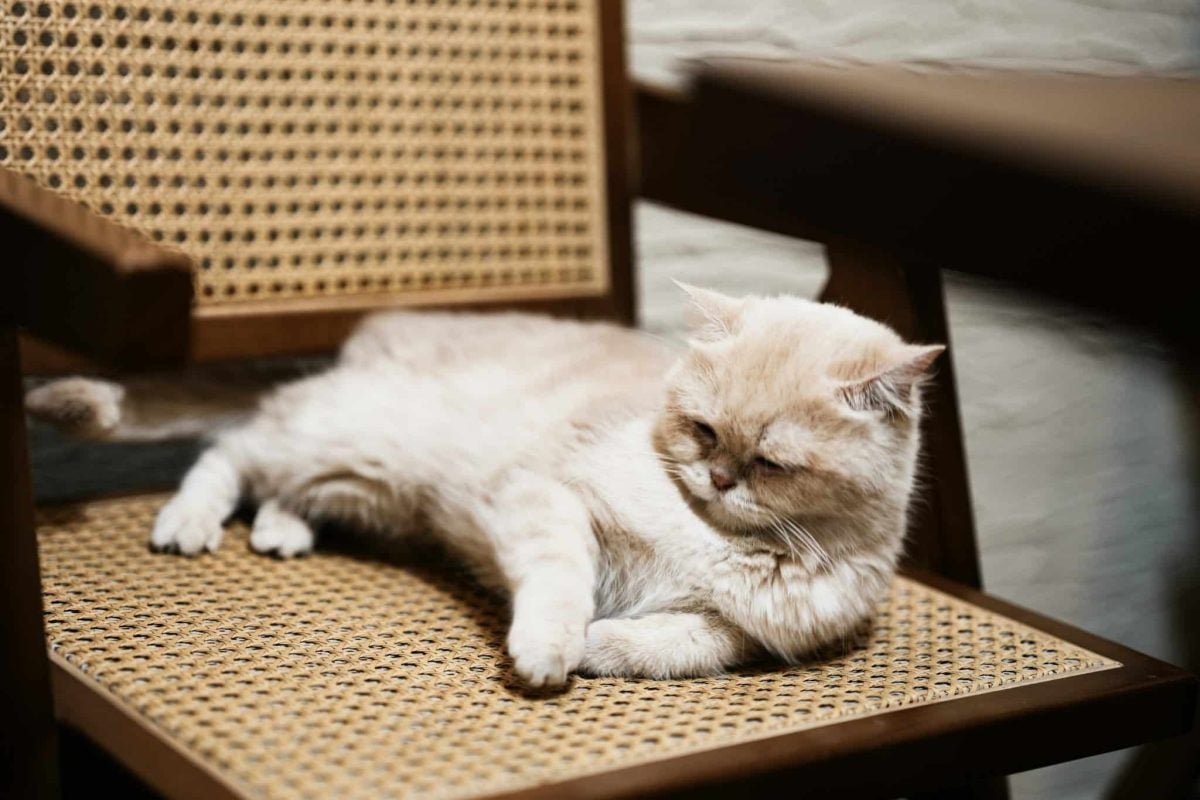
Cats are capable of learning which behaviors lead to useful outcomes. If taking over a favorite chair repeatedly results in being allowed to remain there, receiving attention, getting petted, or watching a human choose another seat, the behavior can continue because nothing makes leaving particularly worthwhile. That does not mean the cat is plotting a furniture takeover in the human sense. They are simply repeating a choice that has consistently worked well. Household reactions can unintentionally reinforce many everyday behaviors, particularly when attention follows immediately. A cat that has enjoyed dozens of uninterrupted naps in the same chair has plenty of experience suggesting the arrangement is acceptable. At that point, the more difficult question may be which member of the household has actually been trained.
The Best Seat Has Officially Been Claimed
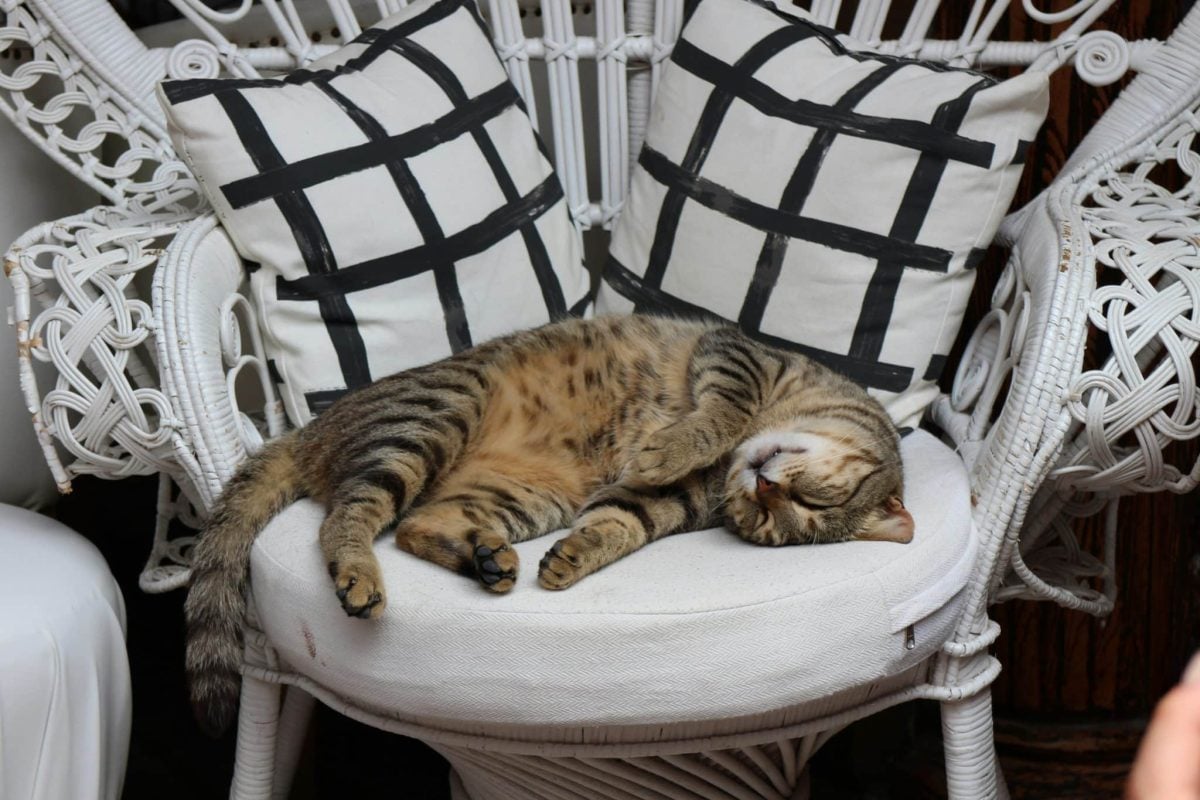
Losing a favorite chair to a cat can feel suspiciously personal, especially when they claim it seconds after it becomes available. Their choice makes sense when viewed through feline priorities like comfort, warmth, scent, security, routine, and access to household activity. Individual preferences matter, since another cat might completely ignore the same perfect seat. Providing several comfortable resting options gives cats more places to relax. Still, when one chair combines nearly everything a cat values, reclaiming it may require quicker reflexes than anyone expected at home.
This content was created with AI assistance and edited by the iHeartCats team