
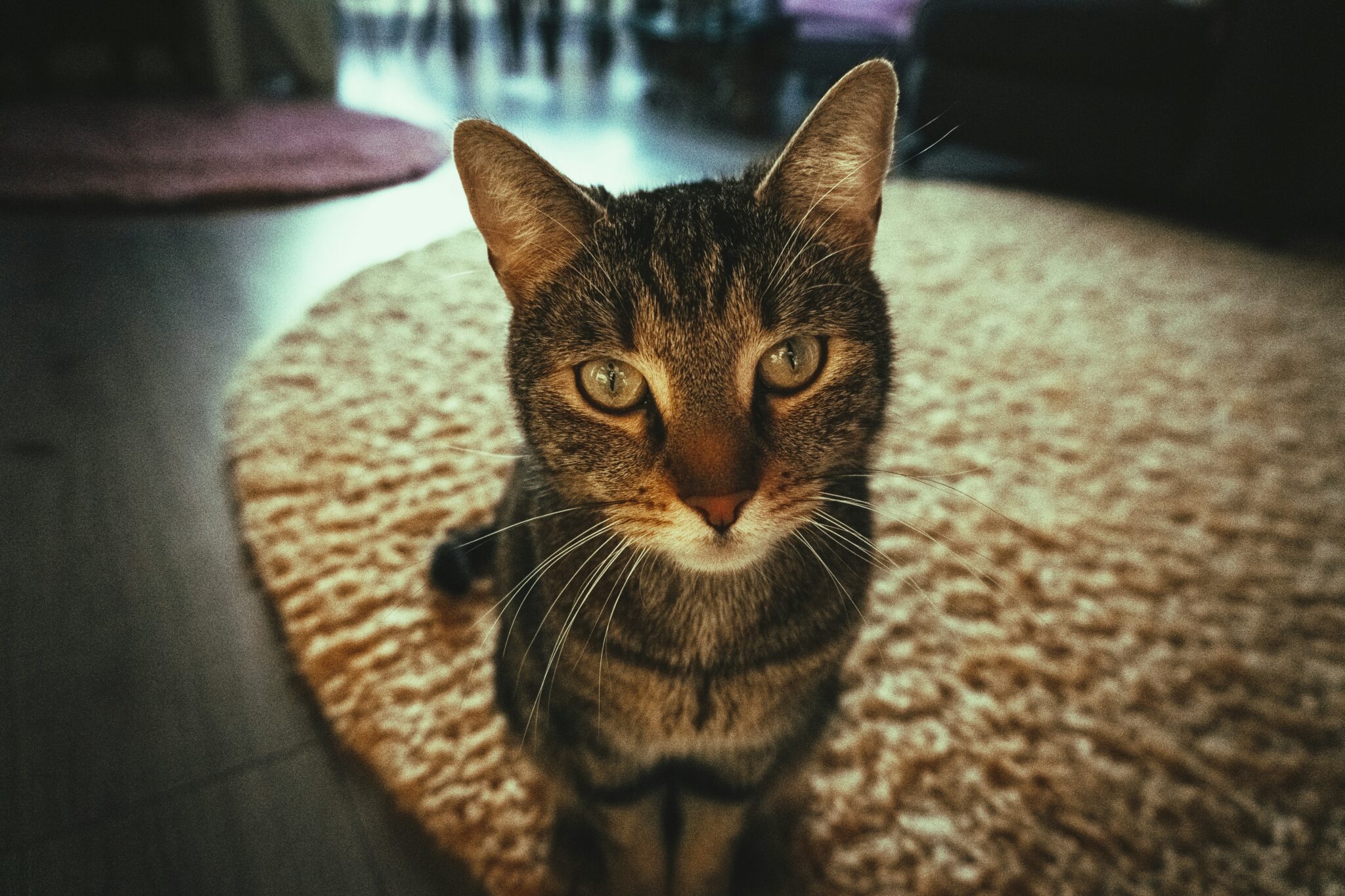
You are settling into bed, working at your desk, or enjoying a quiet moment when your cat suddenly appears nearby. It pauses to watch you, approaches for a sniff, settles beside you, or disappears without explanation. These little check-ins can feel surprisingly sweet, especially when your cat seems to follow your every move. But what motivates this curious habit? Sometimes, it reflects affection and attachment. Other times, curiosity, routine, security, or a desire for attention explains why cats keep checking on their favorite humans throughout the day.
They Feel Connected to You

Some cats regularly visit their favorite people simply because being nearby feels comfortable and rewarding. Although cats have a reputation for independence, many develop strong social bonds with the humans who feed them, play with them, and provide a safe home. Checking on you can be one way they maintain that connection without demanding constant attention. You might notice your cat wandering into the room where you are reading, brushing against your leg, or settling within a few feet of your chair. These small visits allow them to enjoy your presence while deciding how much interaction they want. A cat who checks on you and then curls up nearby may be perfectly content with quiet companionship. Affection looks different from one cat to another. Some seek cuddles, while others prefer brief visits and comfortable proximity. If your cat repeatedly chooses to spend time around you, those little appearances may reflect a meaningful social bond.
They Want to Make Sure Everything Is Normal
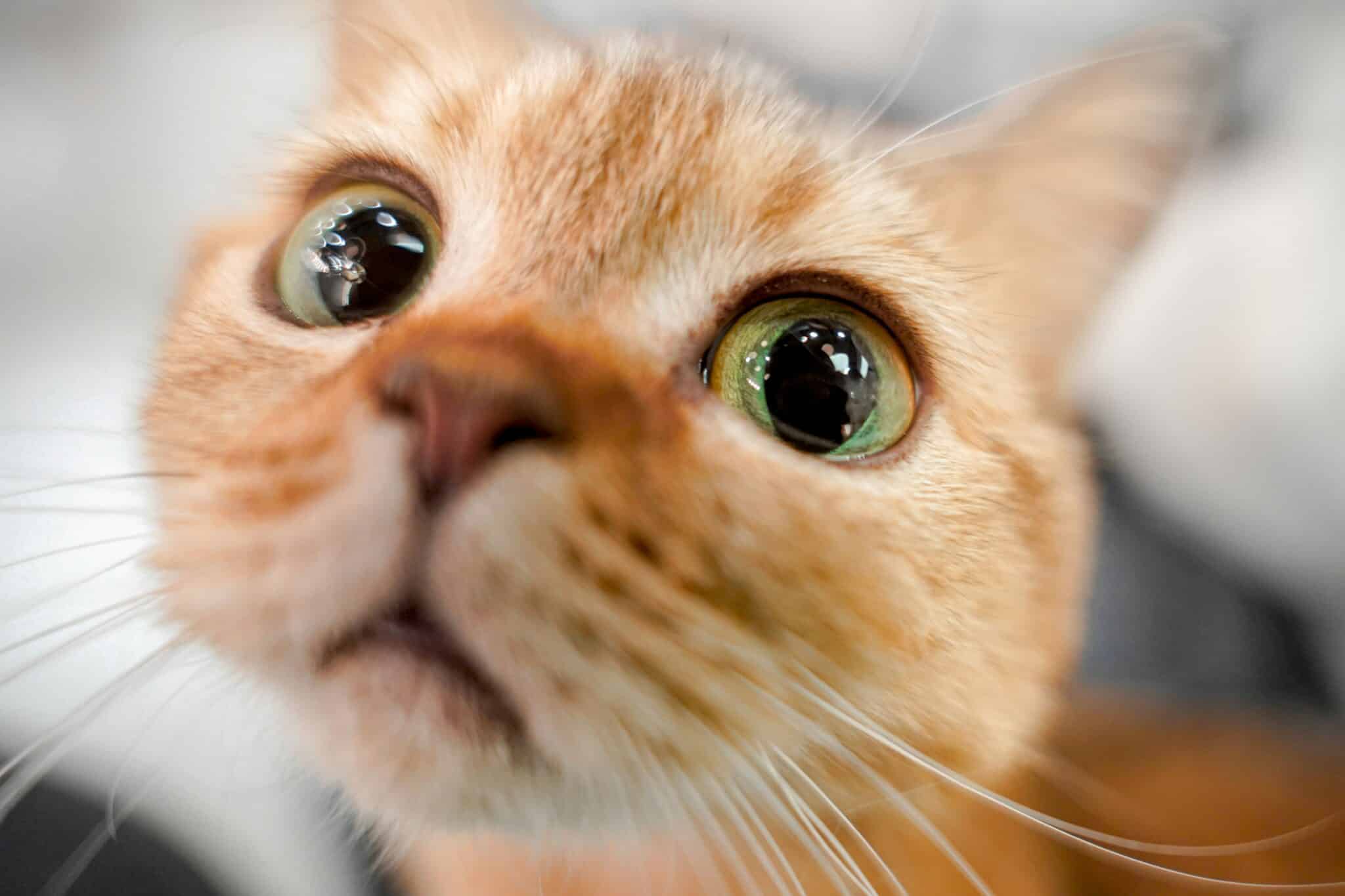
Cats are observant animals that pay close attention to changes in their surroundings. Familiar people, household sounds, daily activities, and predictable routines help them understand what is happening around them. When something changes, a quick visit can help your cat gather information and decide whether everything seems normal. Perhaps you have been unusually quiet in another room, closed a door that is usually open, or spent longer than usual at your desk. Your cat may appear to investigate the situation, look around, and leave once the environment seems familiar again. The visit does not necessarily mean they are worried about you. They may simply be responding to a change in their usual surroundings. Cats rely heavily on observation, so checking familiar spaces and monitoring household activity can be part of their everyday behavior. Their brief inspections help them stay informed about the environment they know so well.
They Expect Food or Treats
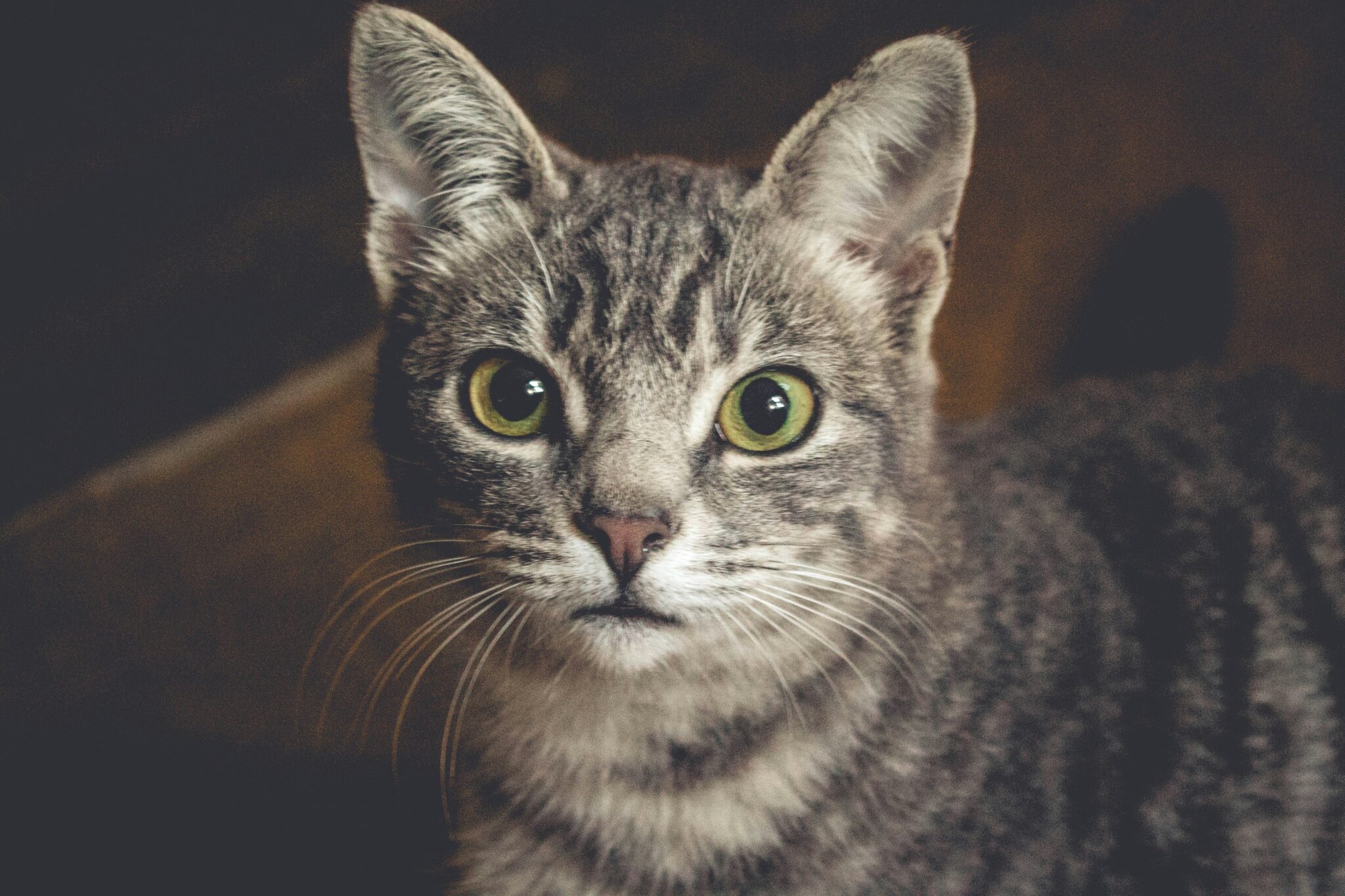
A cat who repeatedly checks on you around mealtime may have a practical motivation: food. Cats are excellent at learning patterns, especially when certain human activities reliably lead to something enjoyable. If you usually prepare breakfast shortly after waking up or offer an evening treat after finishing work, your cat may begin visiting in anticipation. The process can become remarkably precise. Your cat hears you get out of bed, notices you enter the kitchen, or sees you approach a familiar cupboard and immediately appears. Sometimes they may check on you before the expected event, hoping to encourage the routine to begin a little sooner. Food-related visits are often accompanied by meowing, weaving around your ankles, or leading you toward the feeding area. These behaviors can be learned through repetition, particularly when they have successfully earned a meal or snack in the past. Keeping feeding times reasonably consistent can help prevent persistent begging from taking over the household schedule.
They Are Checking Their Territory
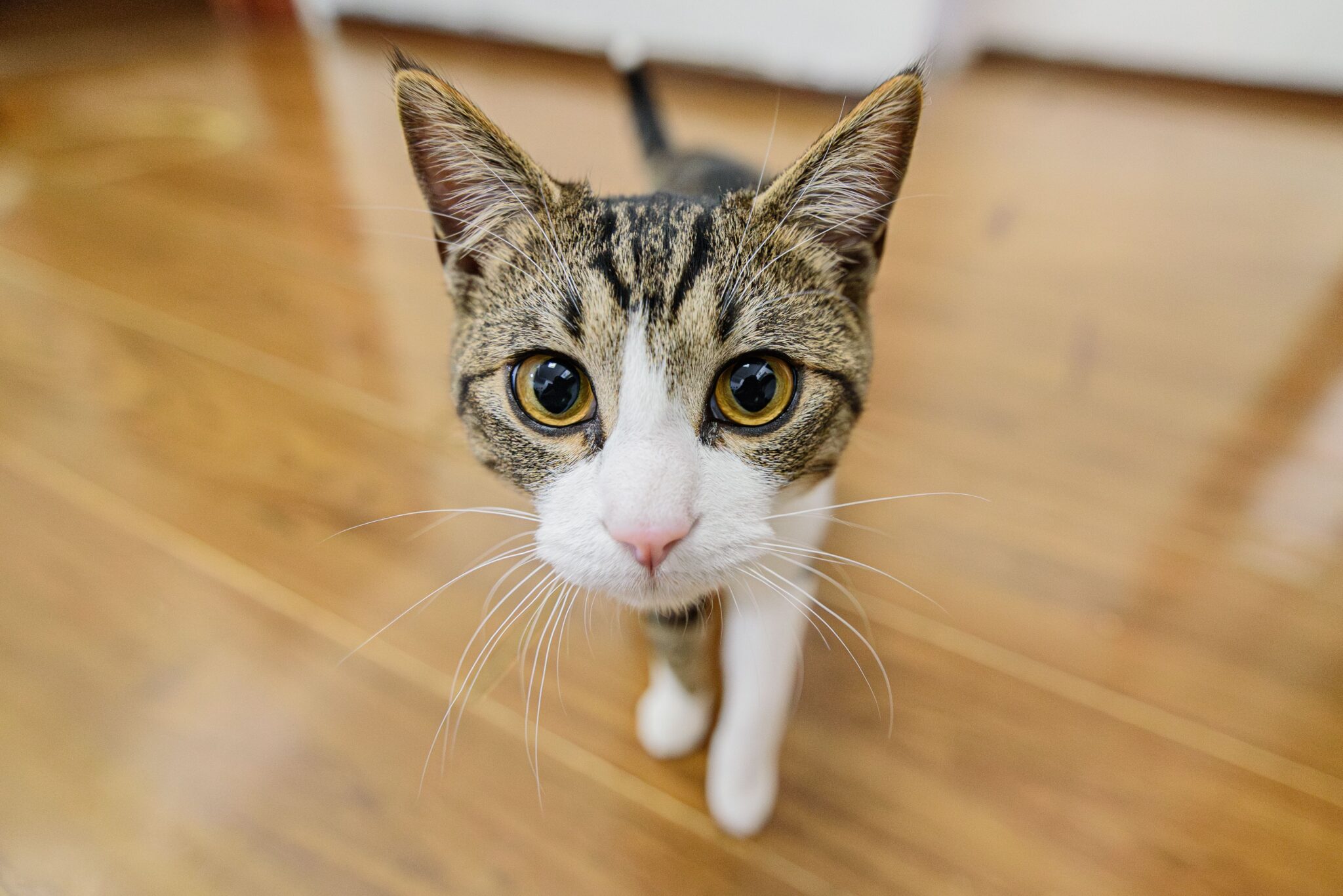
A cat’s home is more than a place to sleep. It is a familiar environment filled with important scents, resting spots, pathways, and resources. Moving between rooms allows cats to explore, monitor activity, and stay familiar with the spaces they use every day. When your cat comes to check on you, they may also be checking a location that forms part of their established territory. This behavior can be especially noticeable in cats who patrol the house at regular intervals. They may enter the living room, inspect the bedroom, pause beside your chair, and continue toward another favorite spot. Your presence is one part of the environment they encounter during these rounds. Scent communication also helps cats understand familiar surroundings. Rubbing against furniture, doorframes, or your legs can leave scent from glands around their face and body. These actions help maintain a familiar scent landscape, making the home easier for them to navigate and recognize.
They Want Your Attention
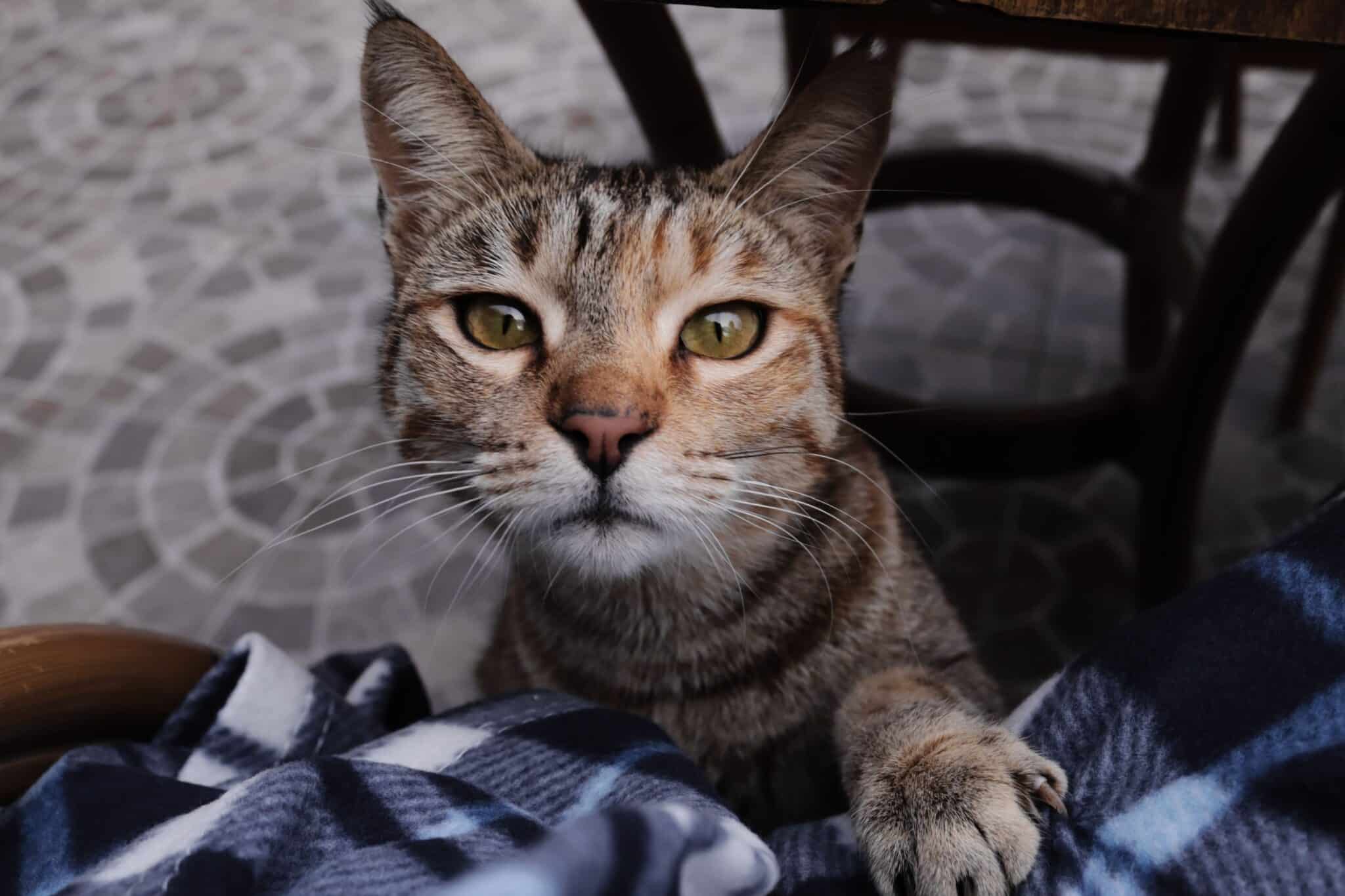
Sometimes, a visit is a straightforward request for interaction. Your cat may want a chin scratch, a few minutes of play, or simply a response from the person they know best. Cats learn quickly which behaviors attract attention, and checking on you may become a reliable way to start an interaction. A cat seeking attention might approach your desk, tap your arm with a paw, rub against your legs, or give a short meow before waiting for a reaction. If you regularly respond by petting them or talking to them, the behavior can become part of a familiar communication routine. Not every attention-seeking visit means your cat feels lonely. They may be perfectly comfortable and simply interested in something enjoyable. However, cats who spend long periods without stimulation can become more demanding. Regular play sessions, interactive toys, and opportunities to explore can help meet their needs without requiring constant human attention.
They Find Comfort in Your Presence
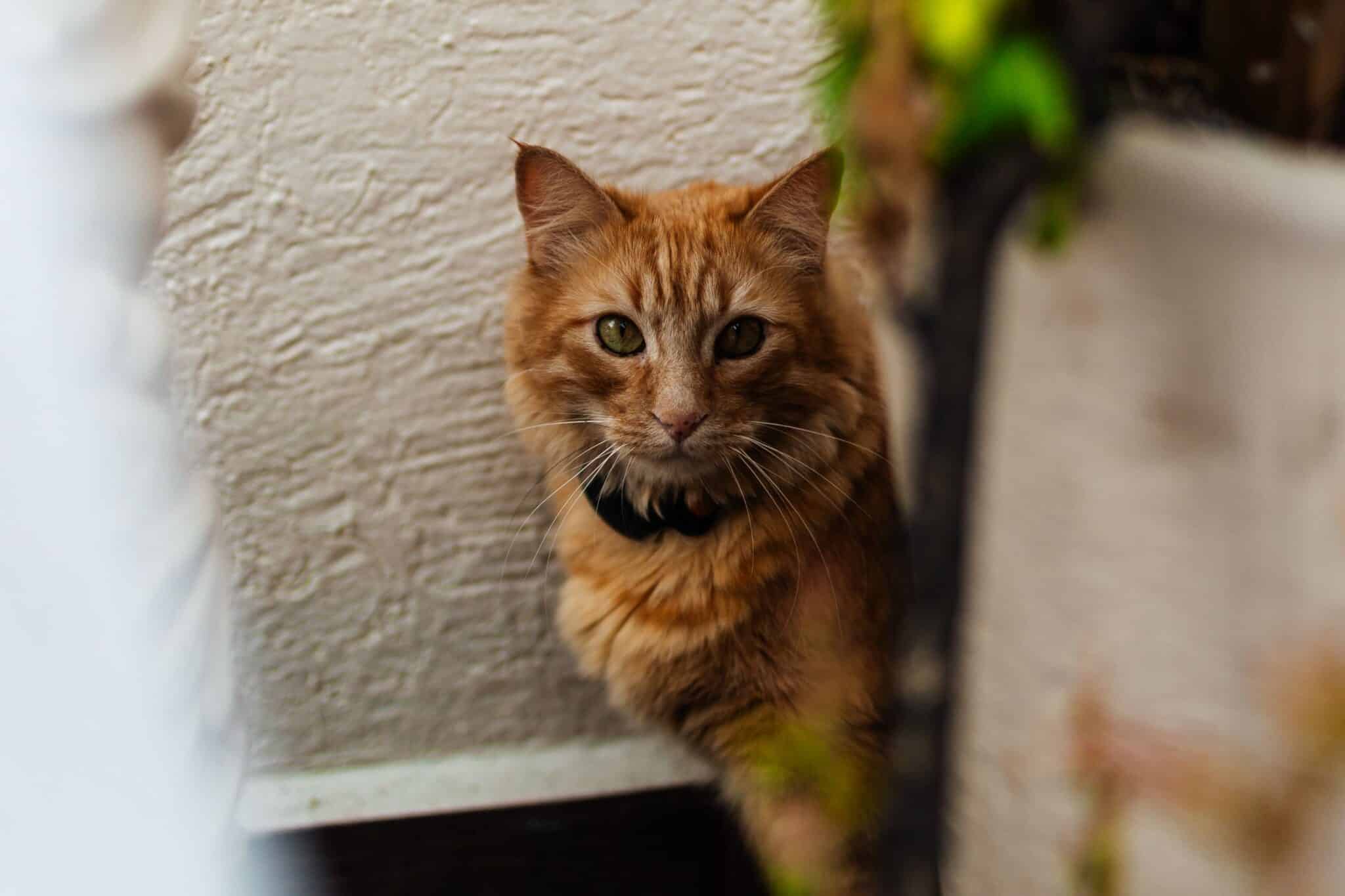
Your cat may check on you because your presence makes a familiar environment feel even more reassuring. Cats can form strong attachments to their caregivers, and some use familiar people as a source of security when exploring, resting, or encountering unfamiliar situations. You might notice your cat visiting when the house is noisy, a visitor arrives, or an unexpected sound comes from another room. After a brief look at you, they may settle nearby or resume their usual activities. Your calm presence can be part of the familiar surroundings that help them feel comfortable. This does not mean every check-in signals fear or anxiety. Many cats simply prefer having a trusted person within sight. Others are more independent and rarely seek reassurance. If your cat suddenly becomes unusually clingy, hides frequently, or seems distressed when separated from you, consider whether something in their environment or health has changed.
They Are Curious About What You Are Doing

Cats are natural observers, and human activities can provide an endless source of interesting sights, sounds, and smells. Typing on a keyboard, folding laundry, opening a package, or moving objects around the house can all attract a cat’s attention. A quick visit gives them an opportunity to investigate what has changed. Some cats watch from a doorway before moving closer, while others immediately jump onto a desk or inspect the object that has caught their attention. Their behavior reflects curiosity and information gathering rather than necessarily a desire for affection. A cat may also be interested in an activity because it resembles something rewarding. The rustle of a bag might suggest treats, while a moving blanket may look like an intriguing play opportunity. Allowing safe exploration and providing suitable enrichment can satisfy this curiosity. Keep potentially dangerous objects, small swallowable items, and toxic substances out of reach while your household investigator conducts their rounds.
They Have Learned Your Daily Routine

Cats can become remarkably familiar with household schedules. They notice recurring events, including when you wake up, start working, prepare meals, return home, or get ready for bed. Over time, these patterns help them anticipate what will happen next. Your cat might visit your bedroom at the same time every morning or appear beside your desk when your usual workday ends. They may even wait outside the bathroom because that room is part of a familiar sequence of activities. These visits can seem almost scheduled because your cat has learned to associate particular cues with predictable events. Routine provides useful information and can make everyday life feel more manageable. When your cat checks on you at a familiar time, they may be anticipating breakfast, play, companionship, or another regular activity. Predictability is especially helpful for cats who prefer stable environments, although occasional changes and appropriate enrichment can prevent daily life from becoming monotonous.
They Want to Play or Release Energy
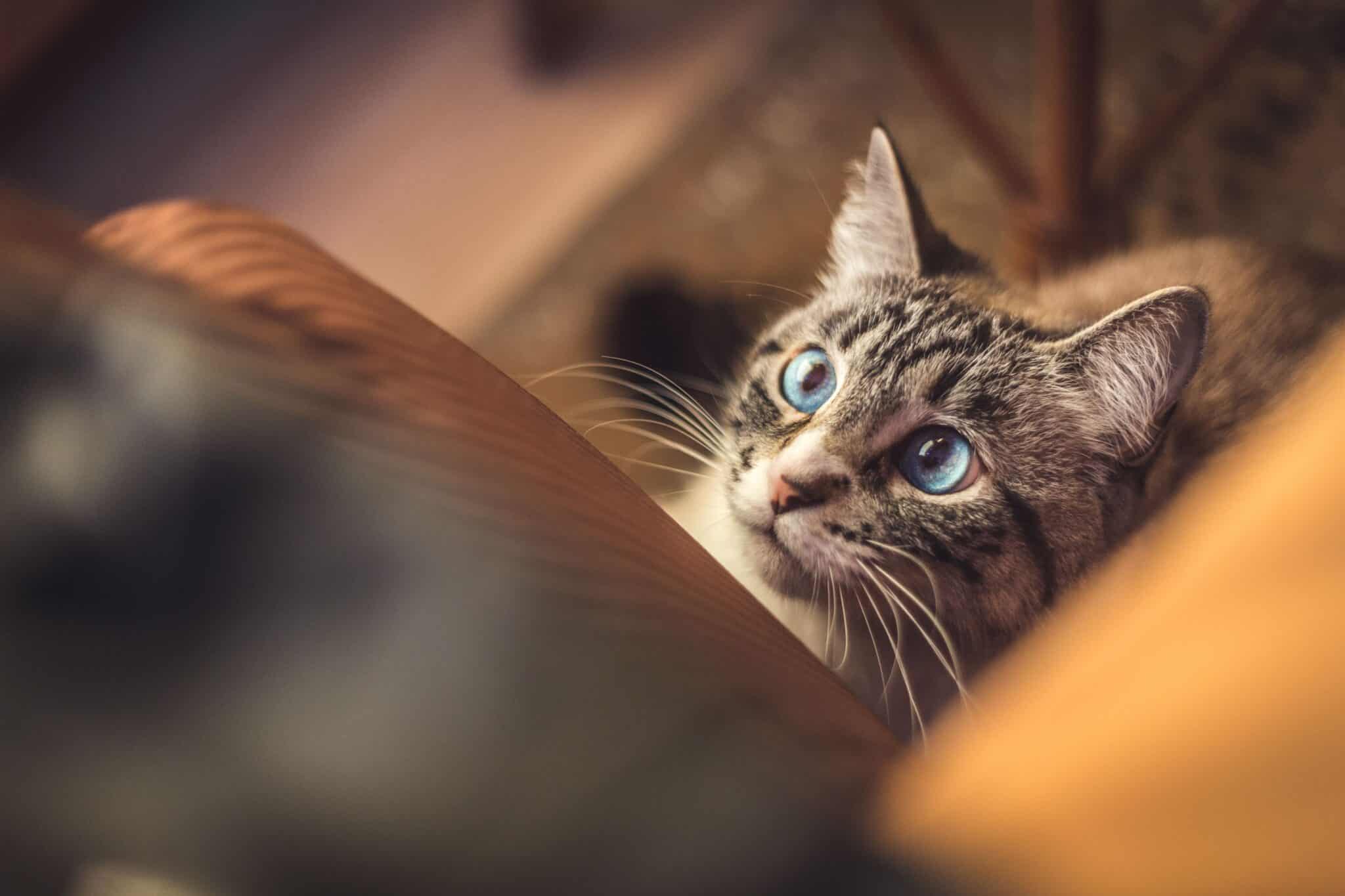
A cat who repeatedly appears during your quiet moments may have energy to burn. Cats retain strong hunting instincts, and play gives them opportunities to stalk, chase, pounce, and practice movements associated with catching prey. When your cat checks on you, they may be looking for a play partner or trying to get an engaging activity started. The clues can be easy to spot. Your cat may crouch, wiggle their hindquarters, dart around your feet, or suddenly sprint down the hallway before returning for another visit. Some cats bring toys or position themselves near a favorite play area. Interactive play sessions that imitate the movement of prey can help satisfy these instincts. Wand toys, supervised chase games, and food puzzles provide useful mental and physical stimulation. Several short sessions may work better than one long session for cats who prefer brief bursts of activity. A predictable play routine can also reduce disruptive visits during work or bedtime.
They Are Looking for Warmth or a Comfortable Spot
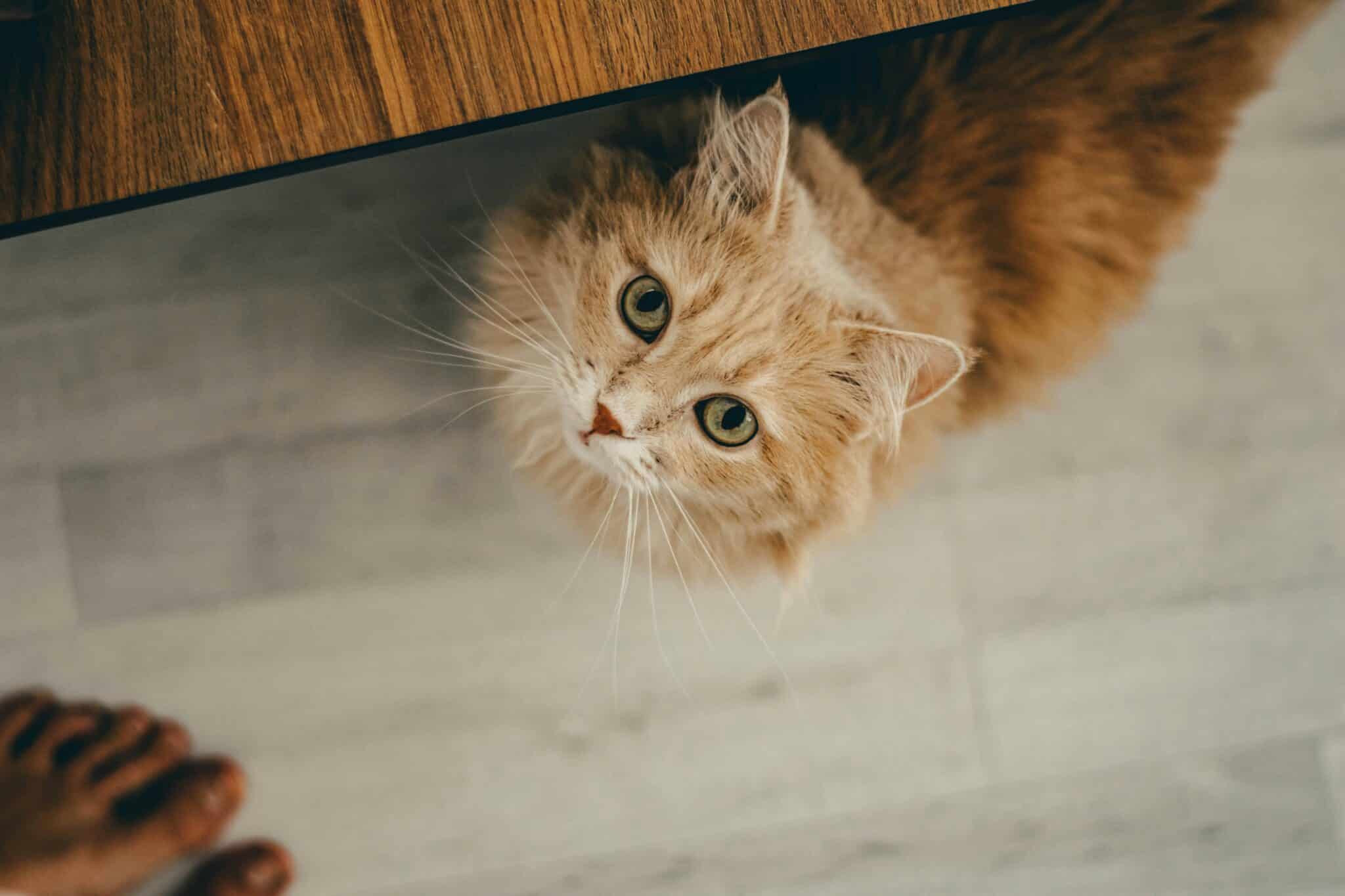
Comfort can be a powerful motivator for a cat’s movements. Cats often seek warm, quiet places to rest, including sunny windowsills, cushioned chairs, blankets, and spots near their favorite people. If you are sitting beneath a cozy throw or relaxing in a warm room, your cat may come over to investigate the appealing resting conditions. Some cats settle directly on a person’s lap, while others choose the nearby sofa cushion or a sunny patch beside a desk. The visit may be less about seeking attention and more about finding a comfortable place to relax. Your body heat, familiar scent, and stillness can make the area especially inviting. Temperature preferences vary, and cats should always have access to comfortable resting places that allow them to move away from excessive heat. If your cat suddenly seeks warmth far more than usual while also appearing lethargic, weak, or uncomfortable, a veterinary check may be appropriate. Otherwise, an occasional visit for a cozy nap is ordinary feline behavior.
They Notice Your Voice, Movement, or Mood
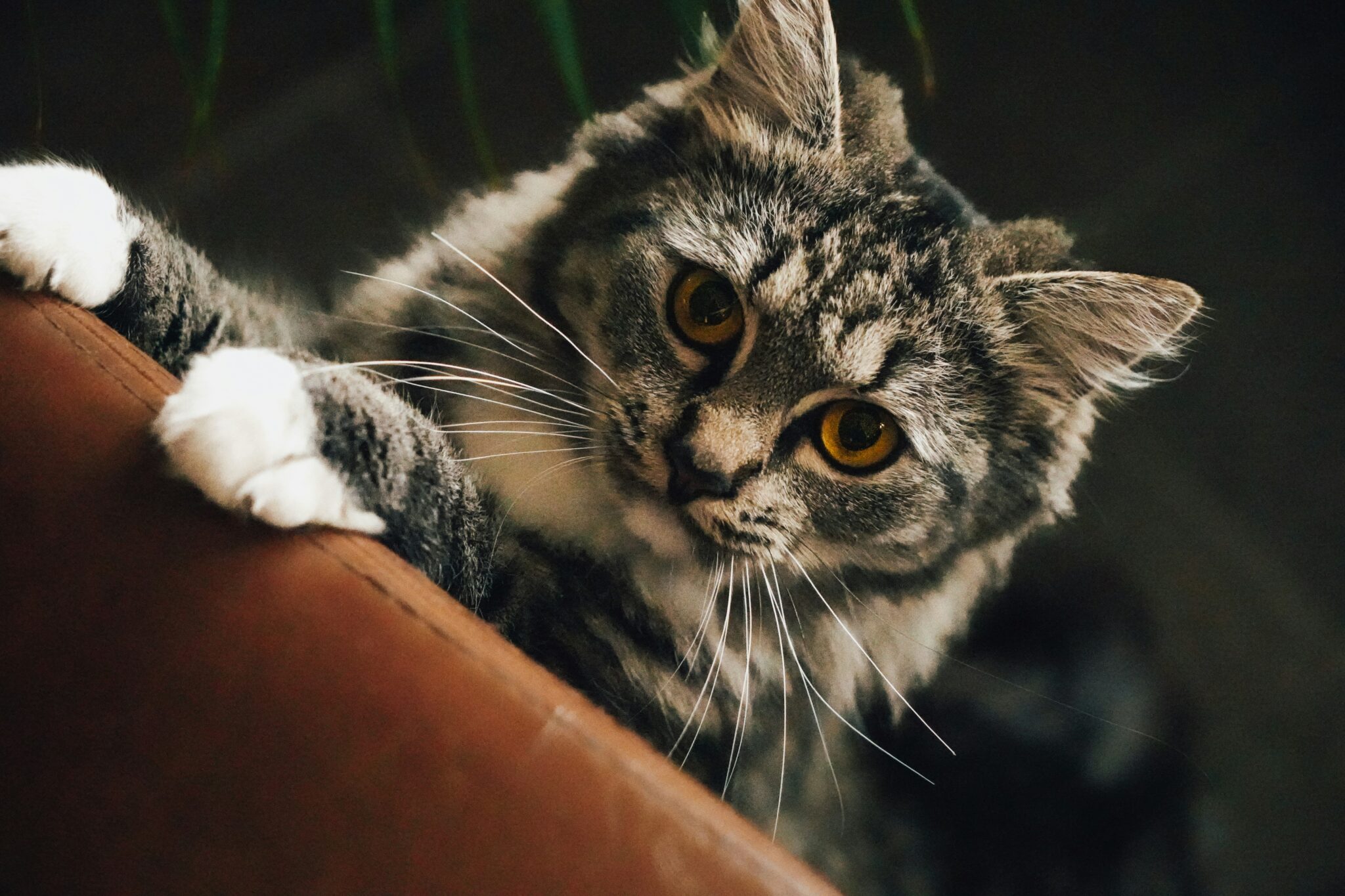
Cats pay attention to familiar voices, body movements, and patterns of human behavior. They can distinguish aspects of their caregivers’ voices and learn to associate certain sounds with specific outcomes. When you call their name, speak from another room, or move differently than usual, your cat may come over to investigate. A cat who appears when you speak might be responding to a familiar sound rather than understanding every word. Similarly, if you are unusually still or moving around more than normal, your cat may notice the change and approach to observe. Some cats also respond to emotional cues, although their reactions vary and should not be mistaken for a human-like understanding of feelings. These visits demonstrate how closely cats can monitor their surroundings and familiar people. Their responses reflect learning, attention, and individual sensitivity. A cat who comes over when called may simply have discovered that responding to your voice often leads to something interesting or pleasant.
The Little Check-Ins That Make Cat Ownership Special

A cat appearing in the doorway or wandering over to inspect your activities may seem like a small moment, but it can reveal important aspects of feline behavior. Curiosity, routines, comfort, food expectations, play, and social attachment may motivate these visits. The meaning becomes clearer when you notice your cat’s body language, the time of day, and what happens before or after each interaction. Rather than assuming every visit means the same thing, observe your cat’s individual habits. These small clues can deepen your understanding and strengthen your everyday bond.
This content was created with AI assistance and edited by the iHeartCats team.