
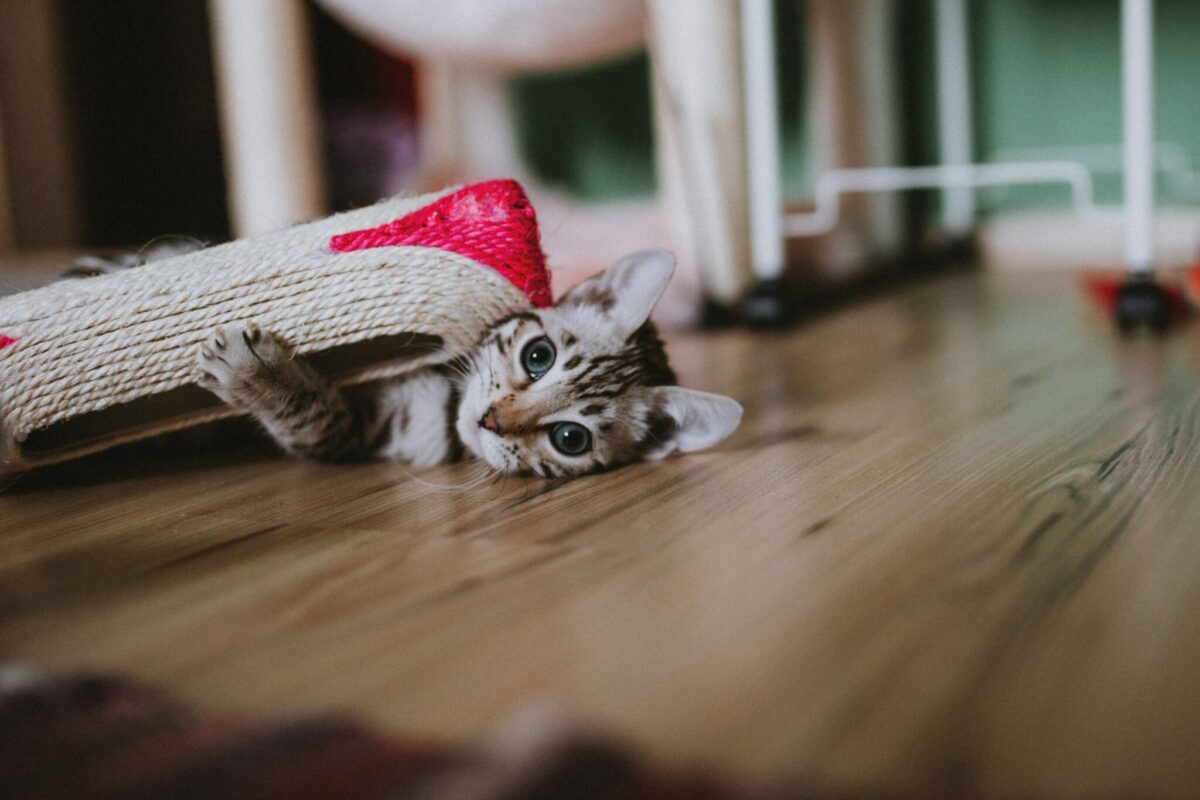
A small toy suddenly appears beside the couch, lands on the bed, or gets dropped directly at someone’s feet. Moments later, a cat stands nearby looking remarkably pleased with the delivery. Bringing a favorite toy to a human can seem mysterious, but several motivations may explain the behavior. Play, hunting instincts, learned routines, social interaction, and excitement can influence these deliveries. What happens before and afterward, along with the cat’s body language, vocalizations, and habits, can offer helpful clues about what the carefully transported treasure really means.
They Want You to Play
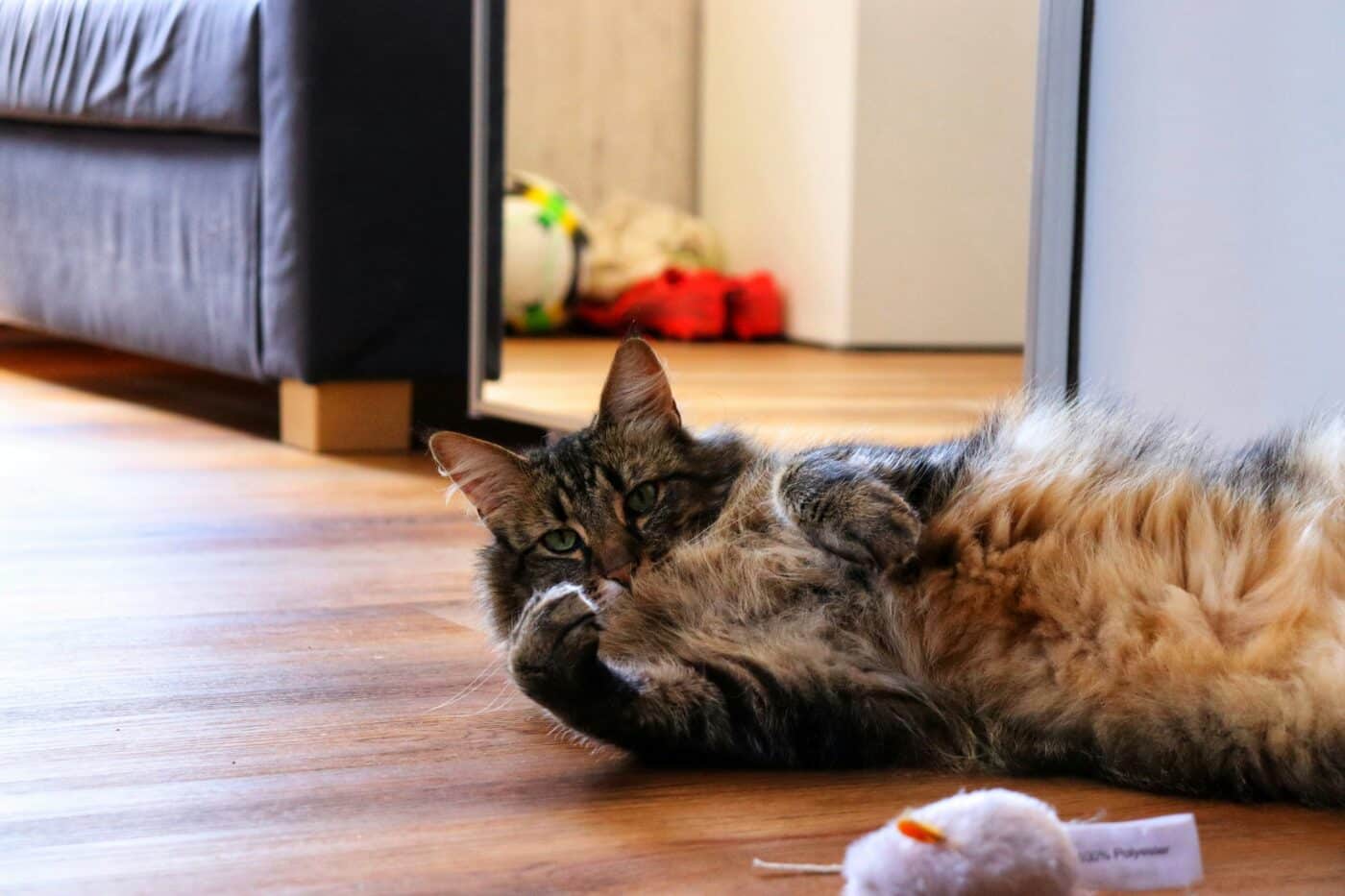
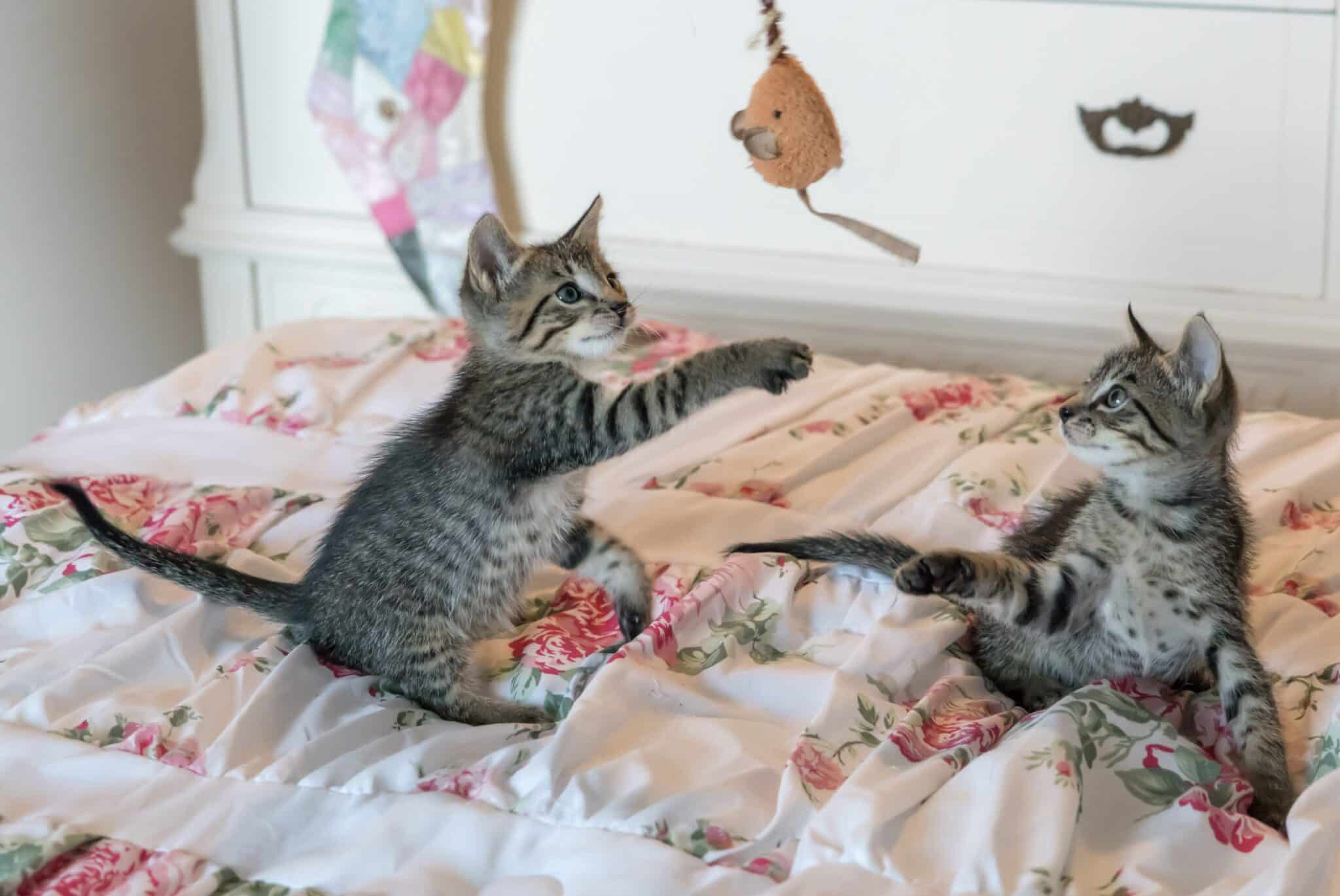
Sometimes the message attached to that toy is wonderfully straightforward: play with this. Cats that enjoy interactive games may learn that carrying a toy to their human is an effective way to start the fun. A cat might drop it nearby, stare expectantly, chirp, paw at the object, or immediately spring into an excited posture. Interactive play provides an outlet for stalking, chasing, grabbing, and pouncing behaviors connected to the feline hunting sequence. When a human regularly responds by tossing or moving the toy, bringing it over can become a reliable invitation. The delivery is not necessarily a gift in the human sense. It may simply be a clever cat presenting the necessary equipment for the next round.
Their Hunting Instincts Are Taking Over
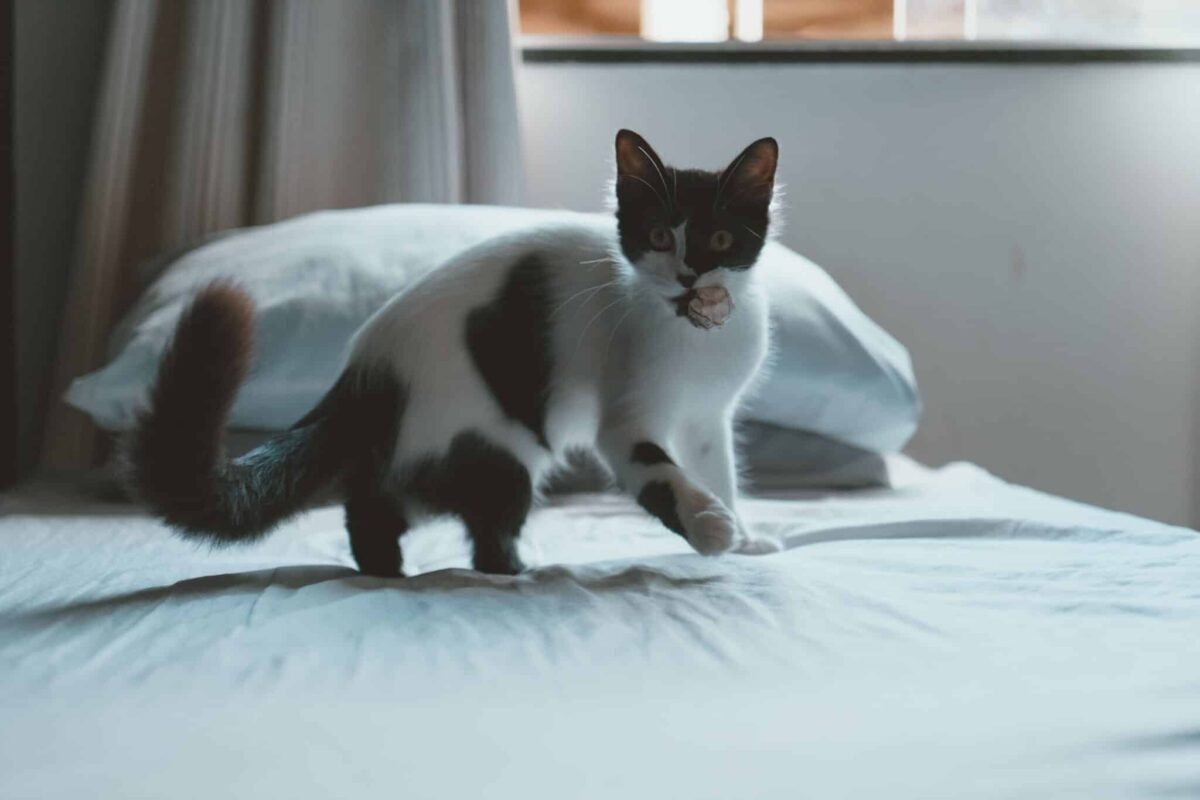
Even indoor cats retain predatory behaviors that helped their ancestors locate, capture, and carry prey. Small toys can trigger parts of that behavioral sequence, particularly when they move unpredictably, resemble prey in size, or are easy to grasp in the mouth. After chasing and catching a toy, a cat may naturally carry it somewhere else, including toward a familiar person. The human destination does not necessarily mean the cat believes the toy is real prey or thinks their person needs hunting lessons. Instead, carrying can simply be part of the instinctive behavior activated during play. Watching what happens beforehand can help explain the delivery, especially when it follows an enthusiastic session of stalking, chasing, pouncing, and grabbing.
They Have Learned That It Gets Your Attention
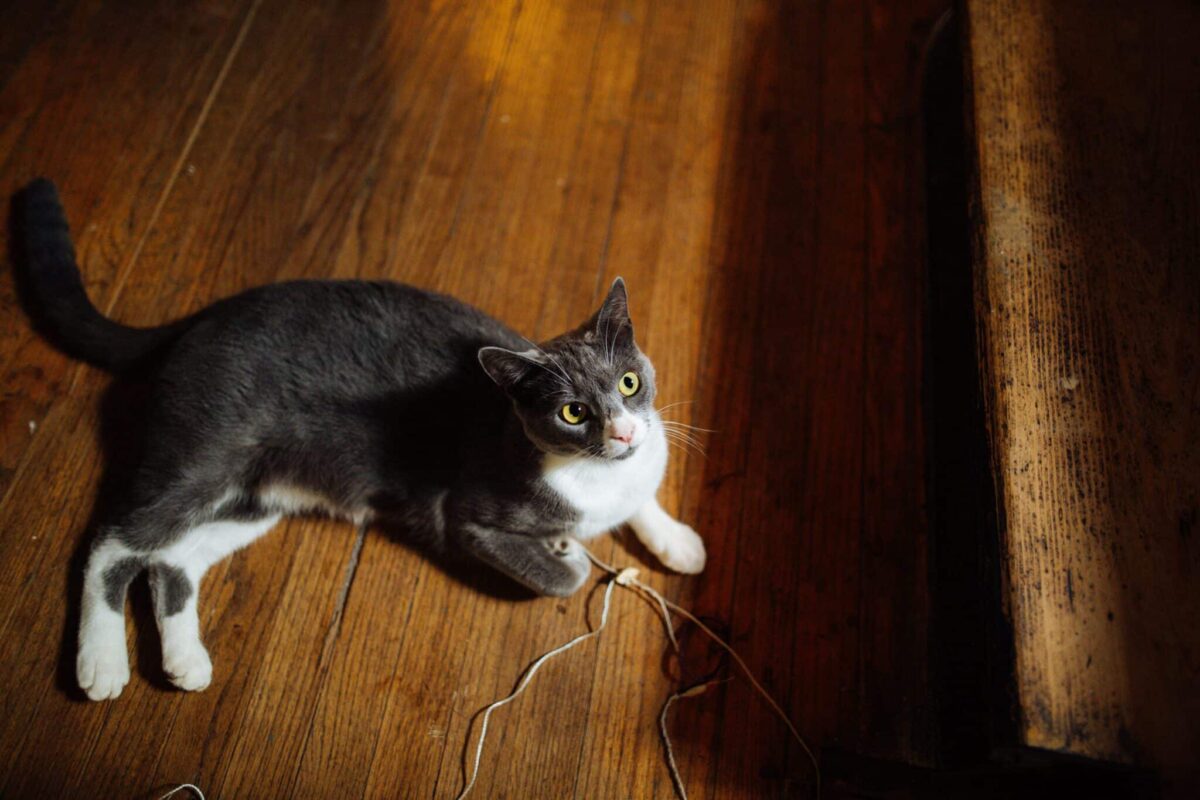
Cats are excellent at noticing which behaviors make humans react. A toy deposited beside someone’s keyboard may produce conversation, petting, laughter, or an immediate game, all of which can make the behavior worth repeating. Through experience, the cat can learn a simple association: carrying this object over makes something interesting happen. The response does not even have to involve playing with the toy. For a socially motivated cat, simply getting a person to look up and engage may be rewarding enough. This kind of learning is common in everyday cat-human relationships, where both sides gradually discover which signals work. Before long, a random toy delivery can become one of the household’s most dependable methods of requesting attention.
They Feel Social Around You
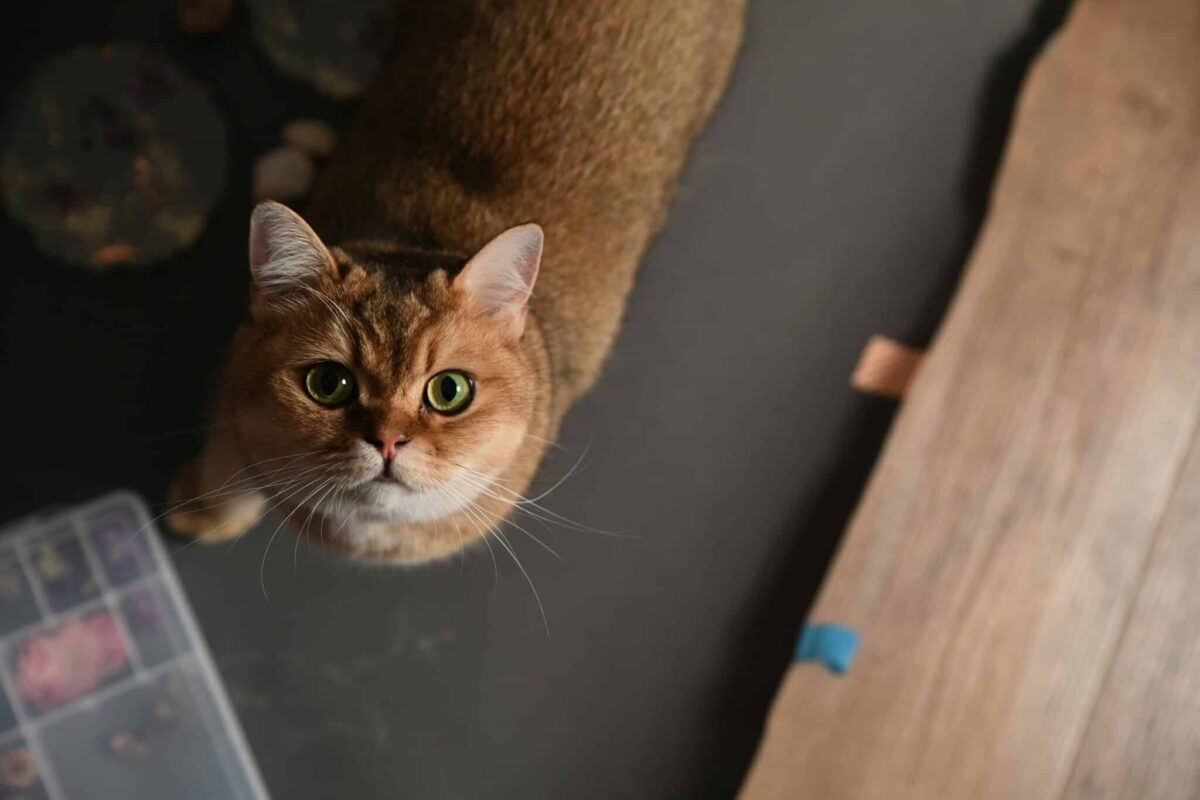
Play can have a social component, especially for cats that regularly enjoy interactive games with familiar people. Carrying a favorite object into the same space as a trusted human may occur because that person has become associated with enjoyable activity and companionship. The cat might not demand an immediate game. They may simply bring the toy over, settle nearby, or leave it in a place where social interaction commonly happens. Individual cats vary widely in how they express sociability, so this behavior should not automatically be translated as a declaration of affection. Still, when toy deliveries consistently occur alongside relaxed approaches, friendly body language, and voluntary companionship, they can fit naturally into the routines a cat has developed around someone they enjoy spending time with.
They Want You to Throw It
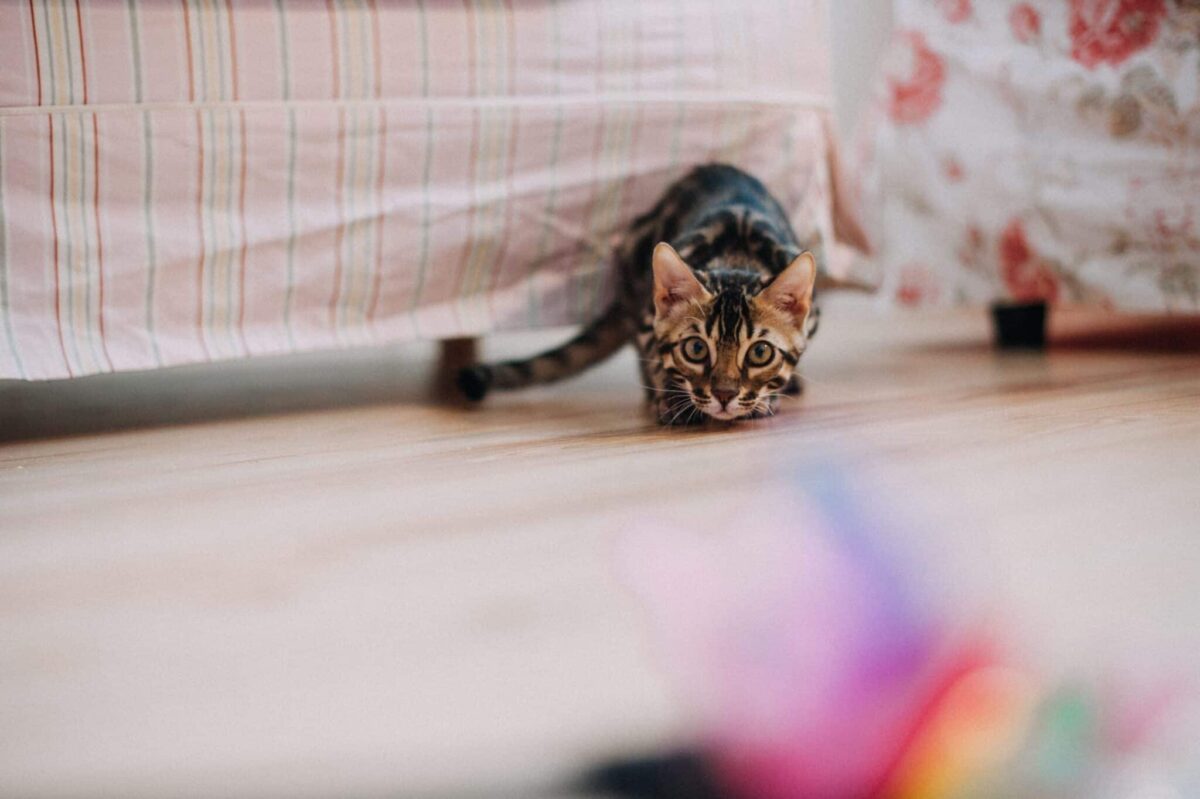
Fetching is not exclusively canine territory. Some cats enthusiastically chase a tossed toy, pick it up, carry it back, and wait for another throw. Researchers have documented fetching behavior in cats, and many appear to develop the game spontaneously rather than through formal training. For a cat that enjoys fetching, bringing a toy to a human serves an obvious practical purpose: the game cannot continue until someone throws it again. Lightweight balls, toy mice, and other easy-to-carry objects may become particular favorites. A returning cat might drop the toy directly nearby, vocalize, or stare until the human understands the assignment. Repeated positive responses can strengthen the routine, eventually turning toy retrieval into a familiar shared game.
The Toy Has Become Part of Their Routine
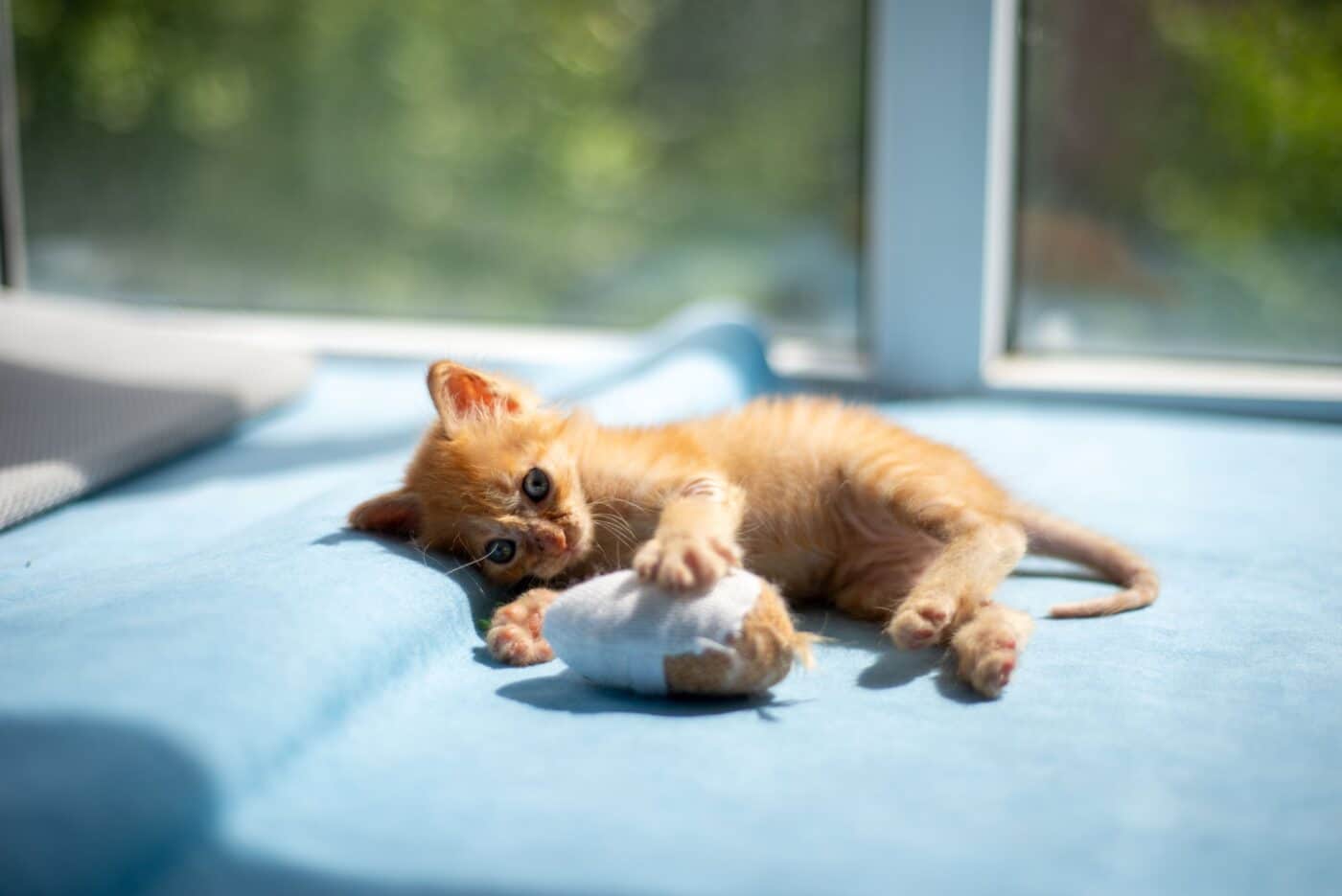
Cats can become remarkably attached to predictable daily patterns. A particular toy might appear every evening before bedtime, after dinner, or whenever a household member settles onto the couch. Once carrying the object becomes associated with a familiar time or activity, repetition can help maintain the behavior even when there is no obvious immediate purpose. Humans often unintentionally strengthen these routines by responding consistently with play, attention, or conversation. The result can look almost ceremonial, especially when the same toy arrives at roughly the same time each day. In these situations, the object may be part of a learned sequence rather than a mysterious offering. Cats are accomplished routine keepers, and apparently quirky traditions can make perfect sense within their carefully organized schedules.
They Are Still Excited After Playing
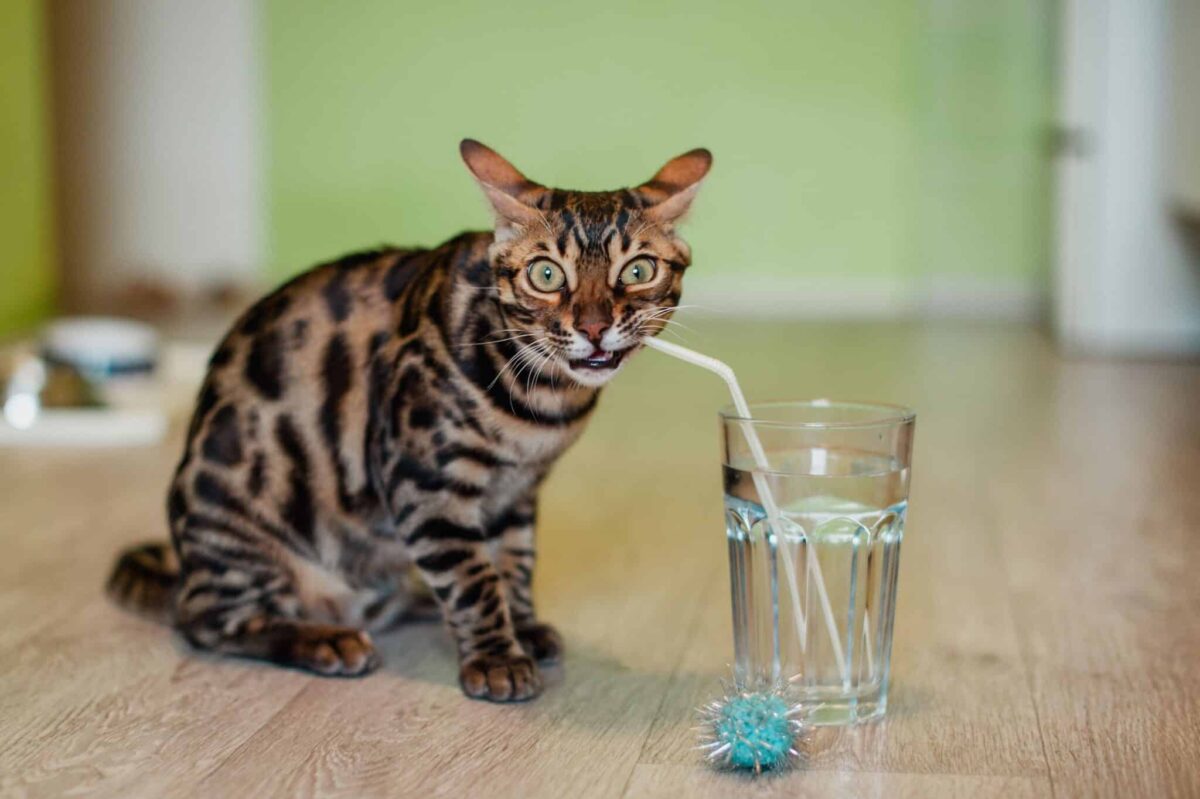
The game may technically be over, but the cat’s excitement has not necessarily received the memo. After an energetic chase, some cats continue carrying, batting, tossing, or wrestling with their captured toy while their arousal gradually settles. Bringing it toward a human can happen during this lingering burst of playful energy, particularly when that person was involved in the original game. Look for other signs of excitement, such as energetic movement, focused attention on the toy, playful pouncing, or repeated attempts to restart the action. This differs from a calm delivery made during a quiet moment. Understanding the cat’s current energy level can help determine whether they are presenting something meaningful or simply continuing a highly successful imaginary hunt through the living room.
They Prefer Playing Near You
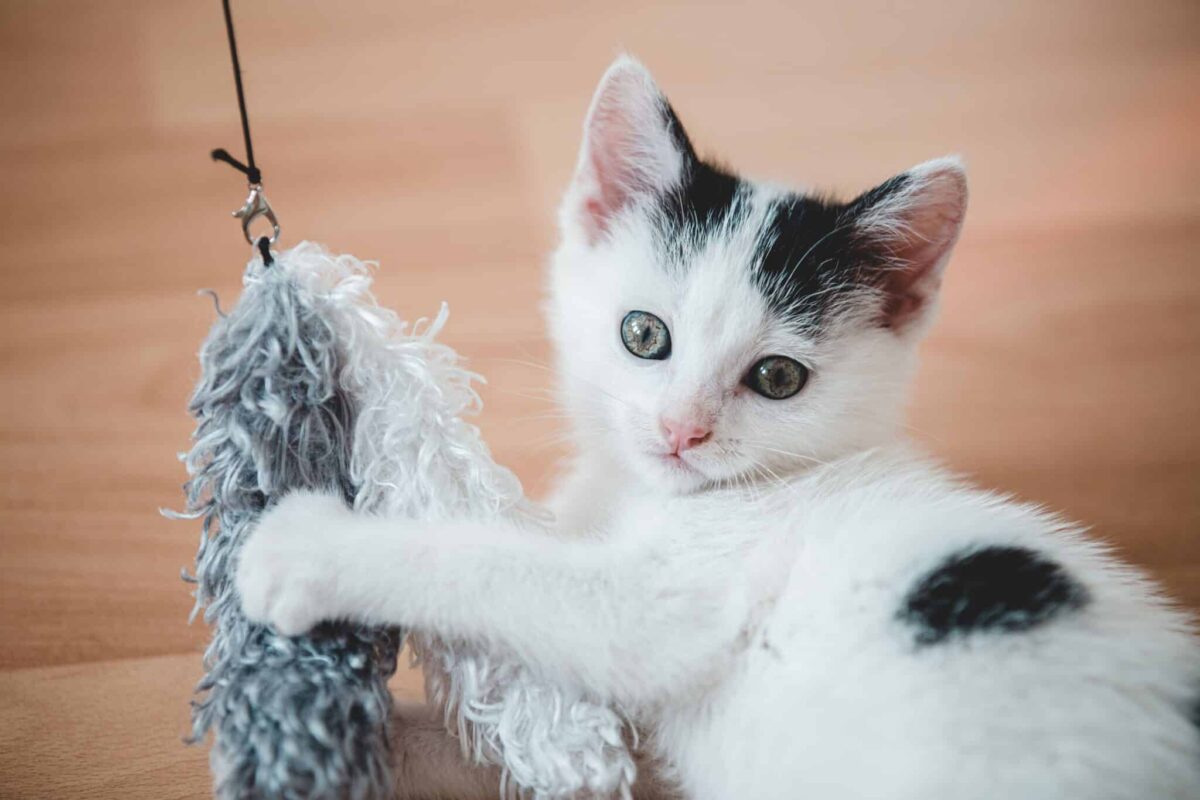
A cat does not have to climb into a lap to enjoy someone’s company. Some prefer keeping a comfortable amount of personal space while playing, resting, or investigating the home near familiar people. Carrying a toy into an occupied room can allow the cat to enjoy an independent activity while remaining socially connected to what is happening around them. They may drop the toy nearby and continue playing alone, suggesting that human participation was never actually required. This can be particularly common in cats that enjoy proximity more than prolonged touching. The distinction is important because not every toy delivery is a request. Sometimes the cat simply chooses the same room as their human and brings along the object currently receiving their undivided feline attention.
They Are Showing Off Their Successful Catch
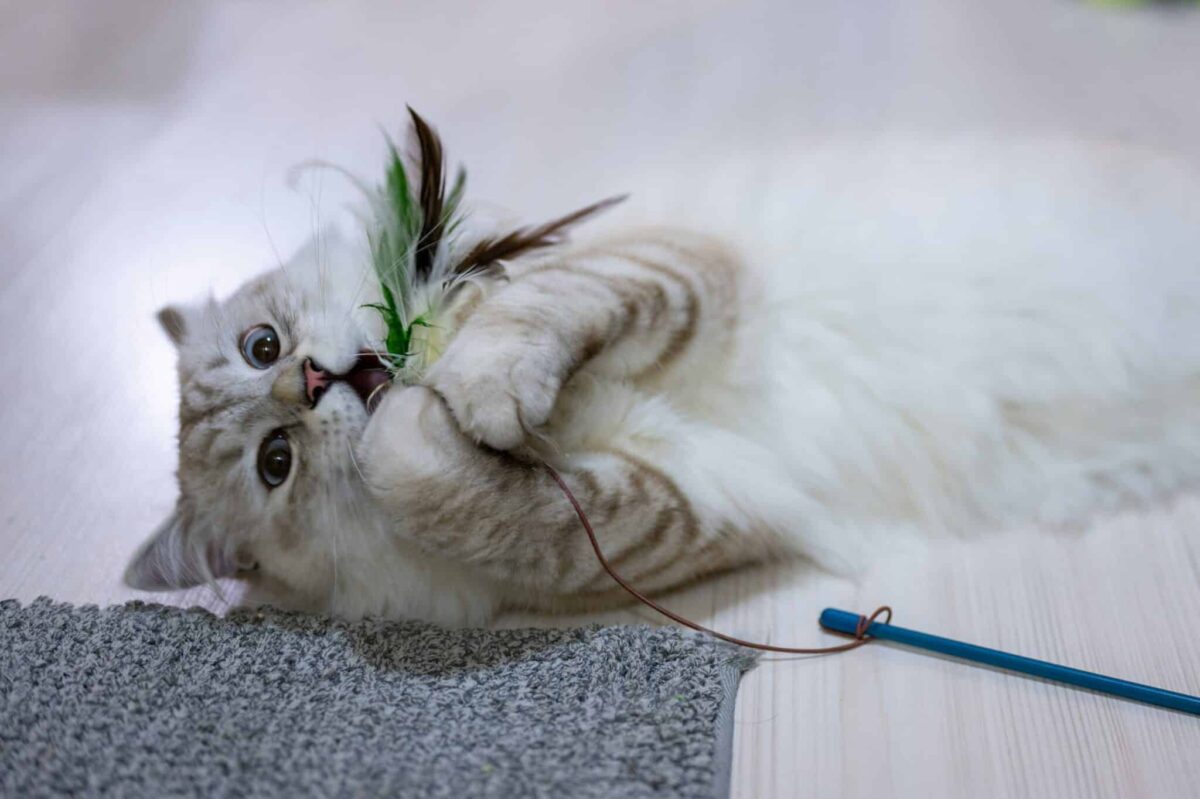
After an energetic stalk and pounce, some cats parade around with their captured toy, occasionally accompanied by distinctive chirps, meows, or muffled vocalizations. Bringing the object into a socially important area may be part of the excitement surrounding that successful play sequence. Describing this as “showing off” is convenient human shorthand, but the exact motivation behind such displays is difficult to establish. The behavior may combine carrying instincts, heightened arousal, social attention, and learned responses from household members. A cat that repeatedly arrives carrying the same battered mouse while vocalizing is certainly making the event noticeable, however. Watching what they do next can help distinguish a request for interaction from a cat simply completing their dramatic victory lap.
They Have a Special Attachment to That Toy
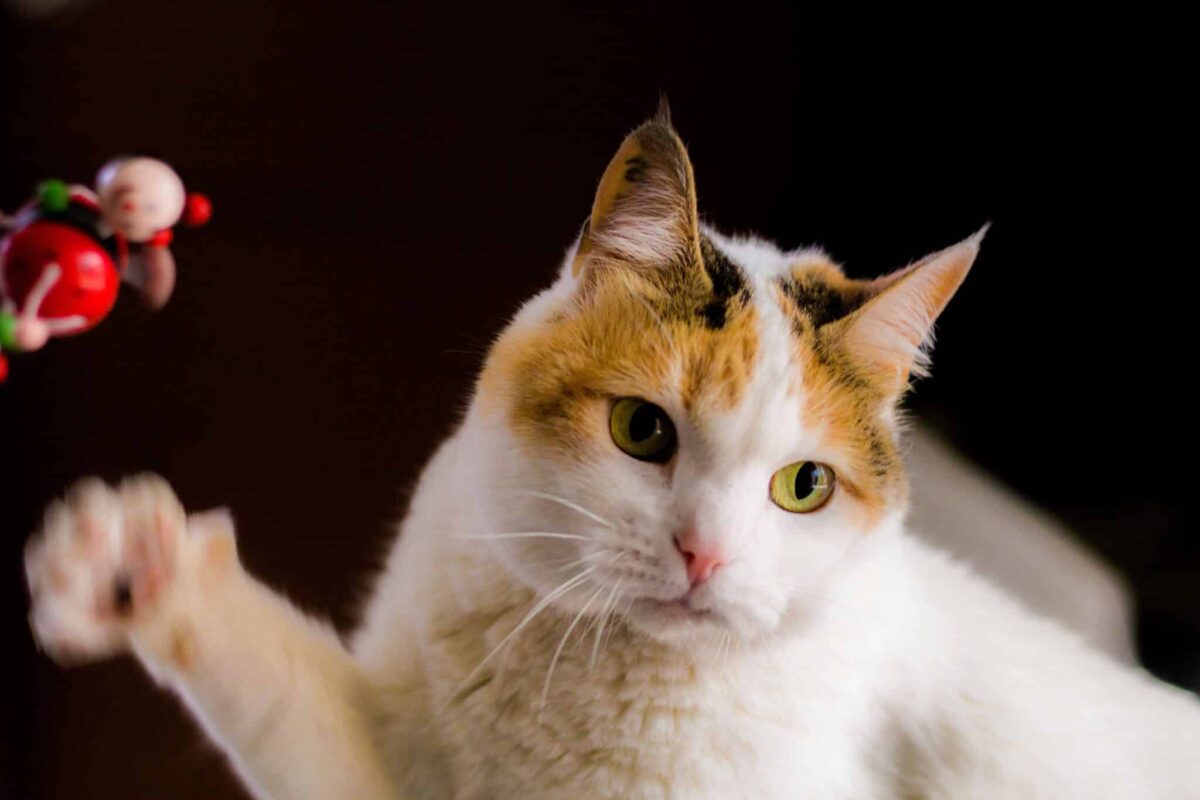
Certain toys become unmistakable favorites. A cat may repeatedly carry one particular mouse, ball, or soft object while ignoring dozens of equally expensive alternatives scattered around the house. Texture, size, scent, familiarity, ease of carrying, and the way the object moves during play can all influence that preference. Because familiar objects also accumulate household and feline scents, a well-used toy may become especially recognizable within the cat’s environment. Bringing a treasured object into frequently occupied areas can simply reflect how often they interact with it. The behavior does not necessarily mean the toy has sentimental value in the same way a human keeps a childhood keepsake, but clear individual preferences are common. Sometimes the favorite really is just the favorite.
You Have Accidentally Trained Each Other
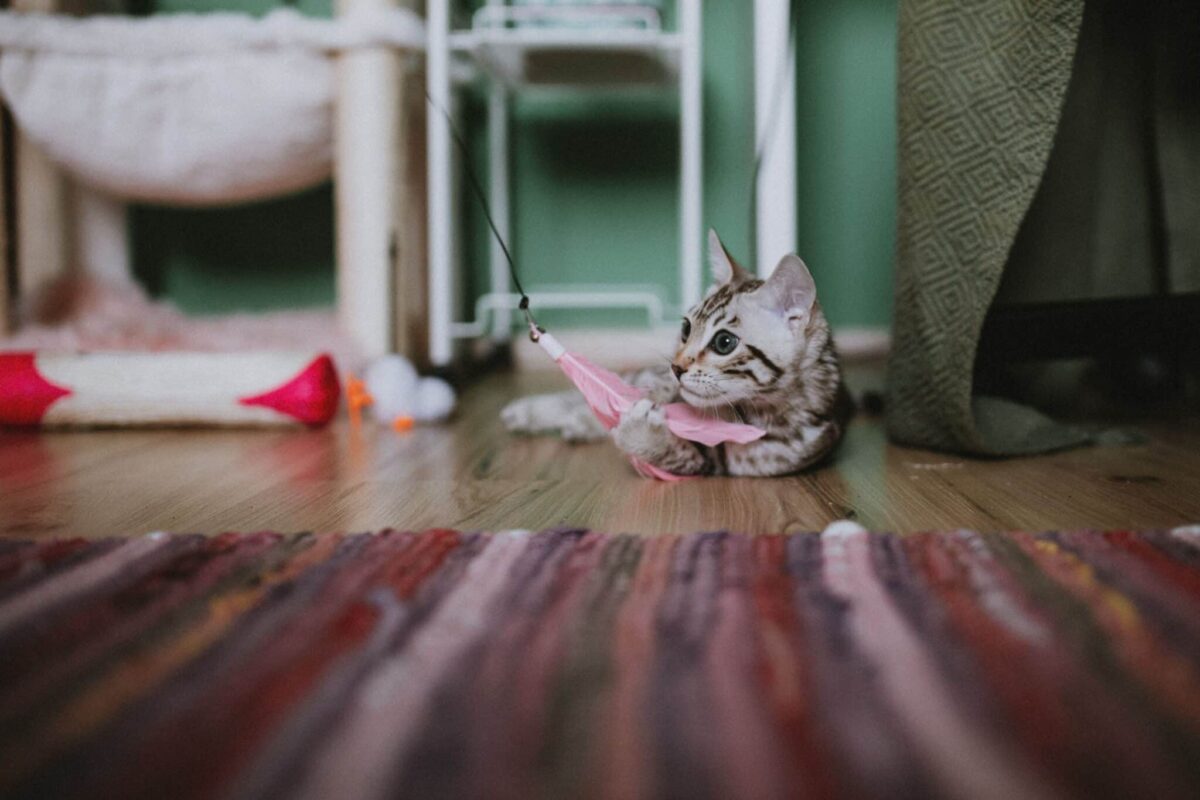
Many charming cat traditions develop without anyone deliberately teaching them. A cat brings over a toy, the human tosses it, the cat retrieves it, and suddenly both participants have established a routine. Each side responds to the other, reinforcing a pattern that becomes increasingly predictable over time. The same process can happen when toy deliveries earn praise, petting, conversation, or another rewarding interaction. Eventually, the cat may carry the object over specifically because experience suggests what will happen next. Humans also become trained participants, automatically reaching for the toy whenever it appears. These shared routines highlight how adaptable cat-human communication can be. Sometimes the mystery behind a favorite-toy delivery is simply that it has worked beautifully every previous time.
The Toy Delivery Service Never Closes
A favorite toy appearing beside the bed or at someone’s feet can mean different things, and the best clue usually comes from the cat delivering it. Their posture, energy, vocalizations, timing, and next move can reveal if play, instinct, routine, attention, or companionship is driving the behavior. Rather than giving every delivery a human emotional meaning, notice the patterns surrounding it. Cats develop unique ways of communicating with their humans, and those signals can become wonderfully specific. When that beloved toy keeps arriving, there is usually a reason.
This content was created with AI assistance and edited by the iHeartCats team.