

A cat does not need an elaborate gift or expensive gadget to have a good day. Sometimes, happiness looks surprisingly ordinary: a favorite window, a familiar morning greeting, or a person who knows when to offer attention and when to step back. Cats notice these details because their world is shaped by routine, territory, scent, safety, and opportunities to behave naturally. Small choices throughout the day can give them control and security. From playful hunting games to quiet companionship, these gestures make life more comfortable and rewarding for cats.
You Let Them Choose When to Cuddle

Giving a cat control over physical contact can make affection more enjoyable for both sides. Instead of picking them up whenever they look cute, allow them to approach, settle beside you, or leave when they have had enough. Respect their individual boundaries. Many cats prefer brief, predictable interactions rather than being held for long periods. Watching their body language can help. A relaxed posture, soft eyes, forward or neutral ears, and gentle purring may suggest that contact is welcome, while a twitching tail, flattened ears, tense body, or sudden attempt to move away can mean it is time to stop. Letting a cat decide when affection begins and ends can build trust because they learn that approaching a person does not mean losing control.
You Keep Their Daily Routine Predictable

Cats tend to appreciate predictability, especially when it involves important resources such as food, sleep, play, and access to familiar spaces. A household does not need to run on an exact schedule, but keeping major daily events reasonably consistent can make life easier to understand. Regular mealtimes, familiar bedtime routines, and predictable periods of interaction can help a cat anticipate what comes next. This matters because cats are naturally attentive to changes in their environment. Sudden disruptions can be stressful for some individuals, while familiar patterns provide a sense of stability. Even a simple habit, such as greeting a cat after waking or playing before the evening meal, can become a reassuring part of their day. Consistency gives them something dependable in an otherwise unpredictable human household.
You Turn Playtime Into a Hunting Game
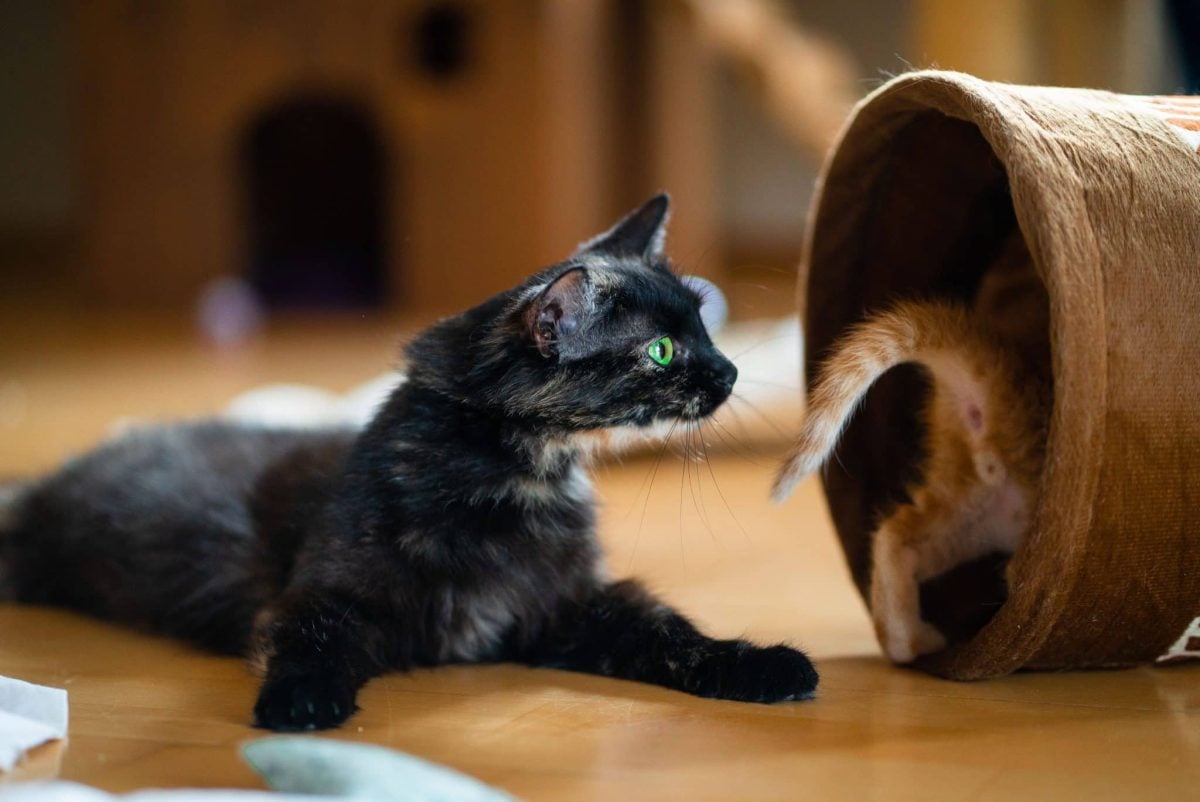
A toy becomes much more interesting when it behaves like something worth chasing. Instead of waving a toy randomly in front of a cat, moving it like prey can encourage natural stalking, chasing, pouncing, and batting behaviors. A feather wand might dart around a corner, pause behind a chair, or skitter across the floor before disappearing. This style of play gives cats an opportunity to use instincts that would otherwise have little outlet indoors. Short, engaging sessions can be more satisfying than forcing a long play period after interest has faded. Letting the cat occasionally catch the toy also matters because endless unsuccessful chasing can become frustrating. Interactive play provides physical exercise and mental stimulation while giving indoor cats an appropriate way to express their predatory behavior.
You Give Them Places to Climb
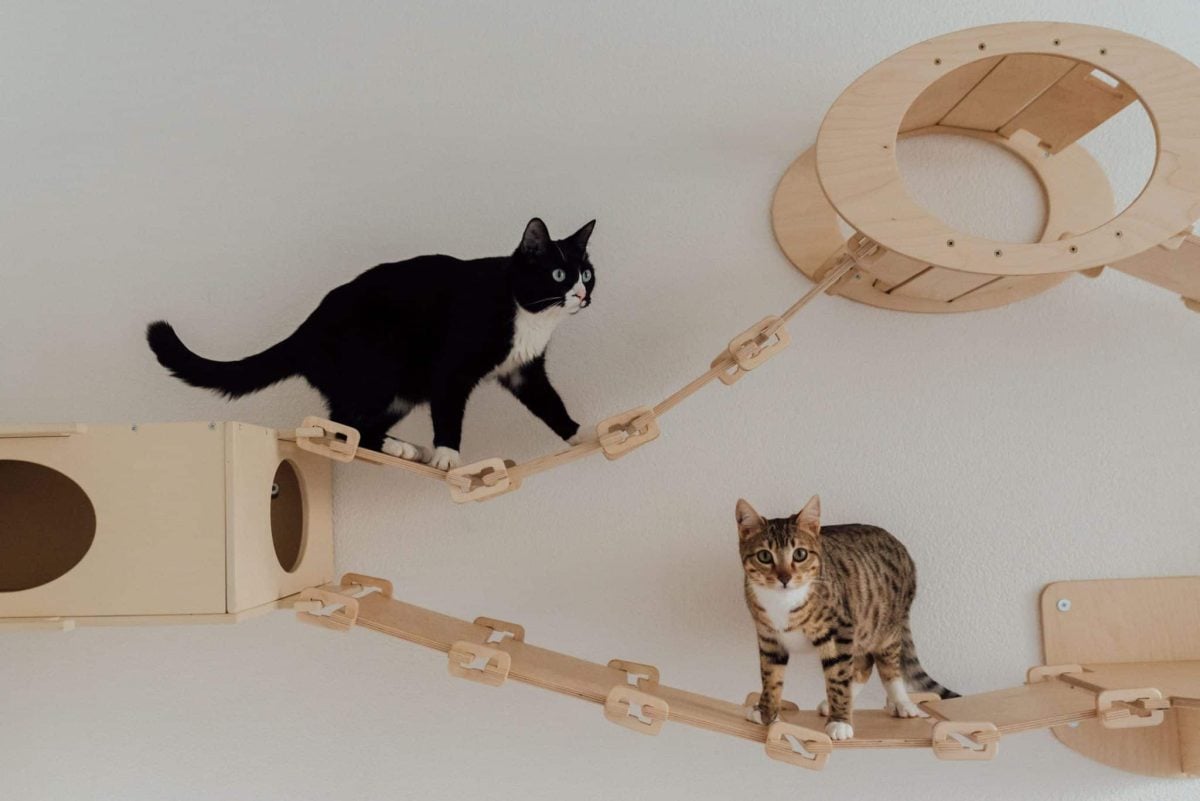
A high perch can provide much more than a comfortable place to nap. Cats naturally use elevated positions to observe their surroundings, and height can give them a useful sense of control over a room. From a shelf, cat tree, or secure window perch, a cat can watch household activity without having to participate in it. Elevated spaces can be especially valuable in busy homes because they offer an alternative to staying at floor level when people or other pets are moving around. The important part is making sure climbing areas are stable and safe. A tall scratching post, sturdy cat tree, or properly secured shelf can turn unused vertical space into valuable territory. Giving a cat more ways to move through their environment allows them to choose where they feel most comfortable.
You Leave Their Favorite Window Available

A window can function like a constantly changing television screen for a cat. Birds, insects, passing people, shifting sunlight, and outdoor sounds provide sensory stimulation even when the cat never leaves the house. Keeping access to a safe window can therefore give them something interesting to watch during quiet periods. A comfortable perch can make the experience even better, particularly if it allows the cat to stretch out or change positions while observing outside activity. Not every cat will spend hours watching the world go by, and some may prefer a quieter window with less activity. The goal is simply to provide choice. A safe view of the outdoors can satisfy curiosity and offer mental stimulation without requiring constant interaction from their human companions.
You Use Their Scent to Make Spaces Feel Familiar

Scent plays a major role in how cats understand their surroundings. Their familiar bedding, scratching areas, sleeping spots, and favorite blankets carry recognizable smells that can help a space feel secure. Washing everything at once or constantly replacing familiar items can remove some of those comforting scent cues. That does not mean dirty bedding should be ignored, but preserving some familiar-smelling belongings can be useful, particularly after changes in the household. A blanket that already smells like home can also provide reassurance when a cat is resting in a new room. Scratching is another important part of scent communication because cats leave chemical signals from glands around their paws. Providing appropriate scratching surfaces lets them mark territory in a natural way while helping them feel established in their environment.
You Talk to Them in a Familiar Voice

Cats may not understand human language in the same way people do, but they can learn to recognize familiar voices, words, tones, and patterns. A consistent verbal cue before meals, a cheerful greeting, or a gentle conversation while doing household chores can become part of a cat’s social routine. Some cats respond with meows, chirps, or trills, while others simply look toward their person or move closer. The tone and context matter more than having a perfect vocabulary. Speaking calmly can also help a cat understand that an interaction is safe and predictable. There is no need to narrate every moment of the day, but familiar verbal communication can become one of those small social rituals that help strengthen the relationship between a cat and the person they know best.
You Give Them Safe Places to Hide
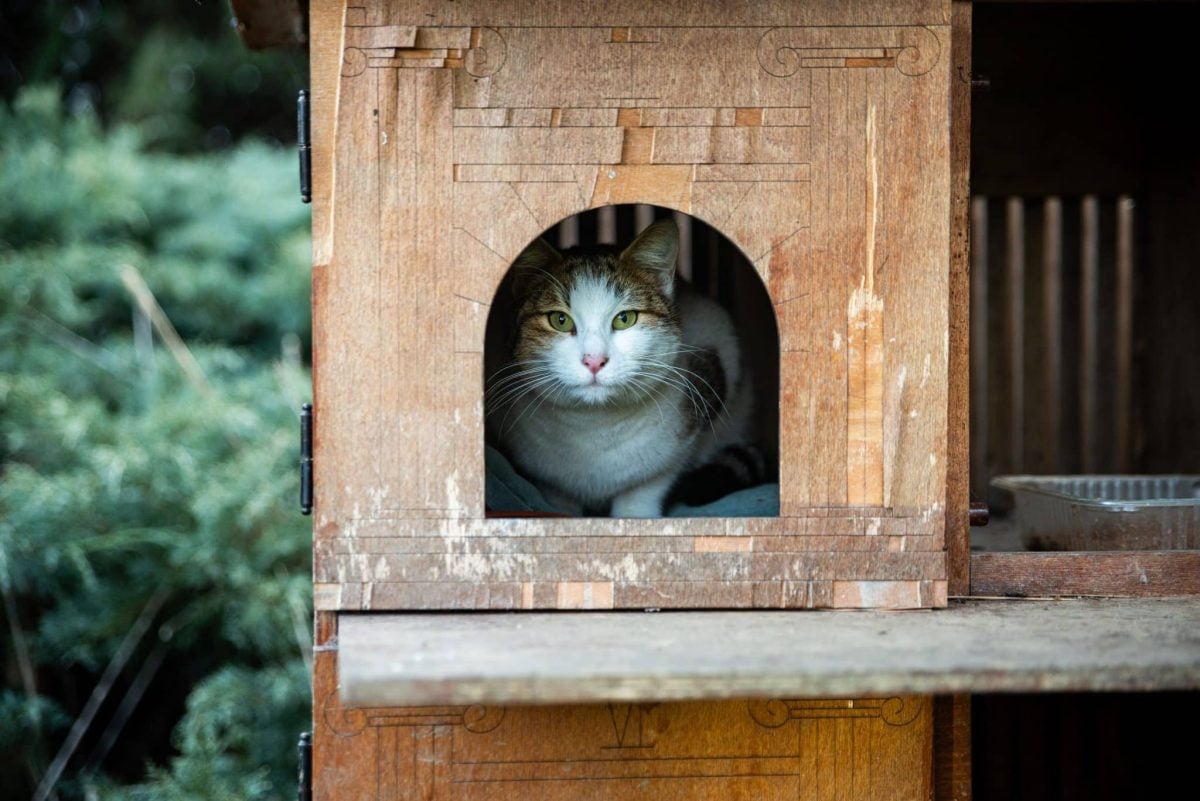
A hiding place is not a rejection of companionship. For cats, having somewhere private to retreat can be an important part of feeling secure. A covered bed, cardboard box, quiet corner, or accessible space beneath suitable furniture can provide an escape from household activity when a cat wants uninterrupted rest. This becomes particularly useful during visitors, loud noises, cleaning, or other disruptions. The key is allowing the cat to use the space without reaching in and forcing them out. When a retreat remains available, the cat can decide when to emerge and resume social activity. Providing hiding options is especially helpful in multi-pet homes, where a cat may occasionally need distance from another animal. A secure retreat gives them control over their immediate environment.
You Offer Food That Lets Them Work for It
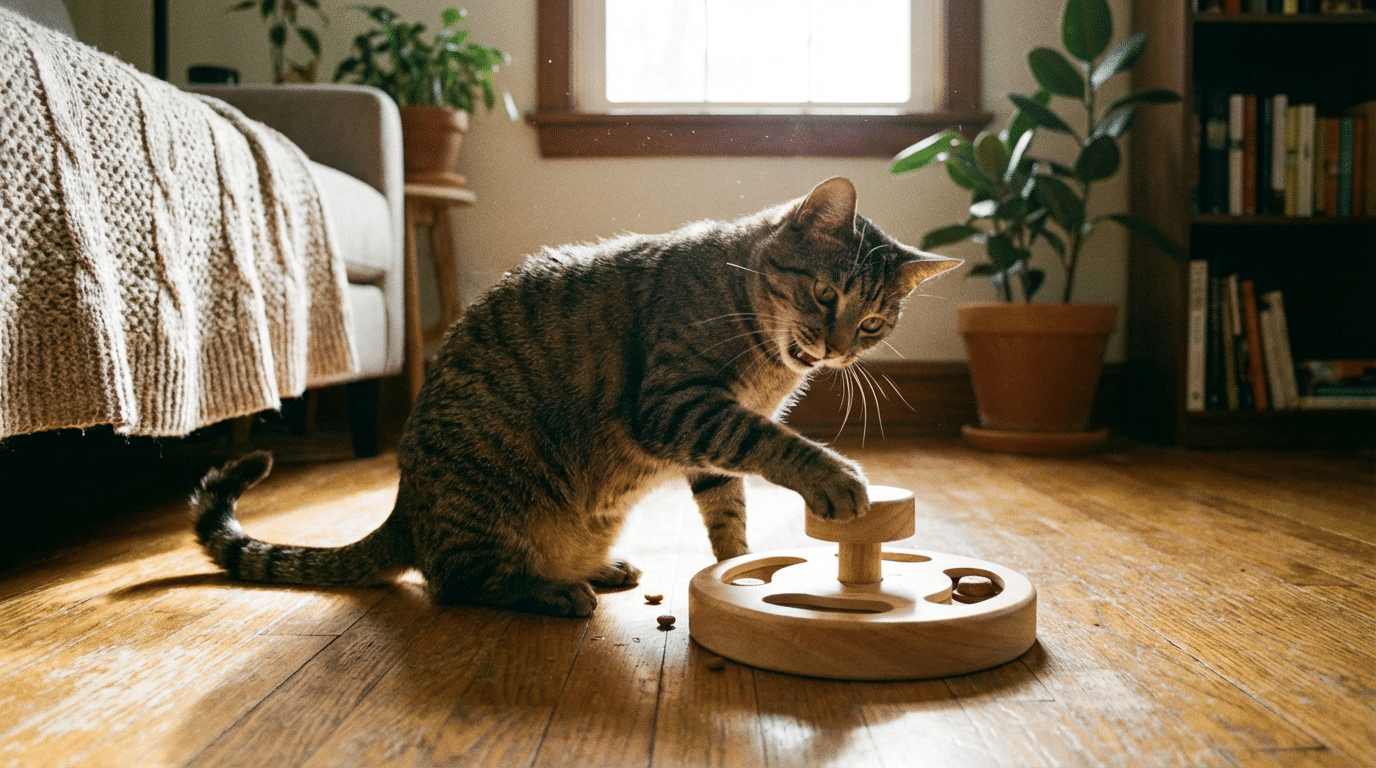
Food does not always have to arrive in a bowl with no effort required. Puzzle feeders, treat balls, snuffle-style feeding activities, and simple food-hunting games can encourage cats to use their senses and problem-solving abilities. In the wild, obtaining food involves searching, stalking, and manipulating prey, so appropriate food-based enrichment can add useful mental activity to an indoor routine. The activity should match the individual cat’s skill level. A puzzle that is too difficult may cause frustration, while one that is solved immediately may provide little challenge. Treat portions should also be accounted for as part of the cat’s overall diet. Turning some meals or treats into opportunities to investigate and forage can make feeding time more engaging without requiring complicated equipment.
You Respect Their Need for Quiet

Sleep occupies a large part of a cat’s life, and uninterrupted rest is important for their well-being. It can be tempting to wake a sleeping cat for a cuddle, especially when they look impossibly comfortable, but allowing them to finish their rest respects a basic feline need. A quiet sleeping area can be particularly valuable in homes with children, dogs, or frequent activity. Cats may also choose different sleeping locations throughout the day depending on temperature, sunlight, noise, and security. Providing several suitable resting spots lets them make those choices. Respecting sleep can also help prevent a cat from associating people with unwanted interruptions. Sometimes one of the nicest things a person can do is simply leave a peacefully sleeping cat exactly where they decided to settle.
You Let Them Investigate New Things Safely

Cats are natural investigators, and ordinary household objects can become surprisingly interesting. A new cardboard box, paper bag, blanket, or rearranged piece of furniture may deserve a careful inspection. Allowing safe exploration gives a cat an opportunity to gather information through smell, sight, and touch. Their cautious approach is useful because unfamiliar objects can represent changes to their territory. Rather than immediately moving a curious cat away, giving them time to investigate can support confidence and mental stimulation. Safety still comes first, so potentially dangerous items, toxic substances, loose strings, and unstable objects should be kept out of reach. A simple box on the floor may look insignificant to a person, but to a curious cat, it can become a temporary hiding place, scent puzzle, observation post, or play space.
You Notice and Respond to Their Body Language

Learning a cat’s communication style can make everyday interactions smoother. Tail position, ear position, posture, facial expression, and movement can all provide clues about how comfortable a cat feels. A relaxed cat may sit loosely, hold their ears naturally, and offer soft eyes or a slow blink. Another cat may show that they need space by turning away, becoming tense, flicking their tail, or moving to another location. Responding appropriately teaches the cat that their signals matter. That does not mean interpreting every gesture as an emotional message with certainty. Body language needs to be considered in context. Still, paying attention instead of automatically touching, picking up, or approaching can reduce unwanted interactions and help a cat feel understood within the household.
You Make Time for Their Favorite Kind of Attention

Not every cat defines quality time in the same way. One may enjoy cheek scratches, another may prefer a short game of chase, and another may be happiest sitting beside a person while they read or work. Learning an individual cat’s preferences turns ordinary interaction into something more meaningful. Some cats enjoy being brushed, provided grooming is comfortable for them, while others would rather watch a toy move across the floor. The important detail is following the cat’s response instead of assuming that one form of attention suits every personality. A few minutes of preferred interaction can be more rewarding than prolonged handling a cat does not enjoy. When people pay attention to these individual preferences, everyday companionship becomes easier, calmer, and more satisfying.
The Little Choices That Make Home Feel Like Home

Cats do not need every moment of the day filled with entertainment. Much of what makes a home comfortable comes from small, consistent choices that respect their instincts and preferences. A predictable routine can provide security, while play, climbing, exploration, and food puzzles offer opportunities to behave naturally. Just as important, a cat needs freedom to retreat, rest, and decide when social interaction has had enough. These ordinary details shape how a cat experiences home and help them feel comfortable, secure, and happy.
This content was created with AI assistance and edited by the iHeartCats team.