
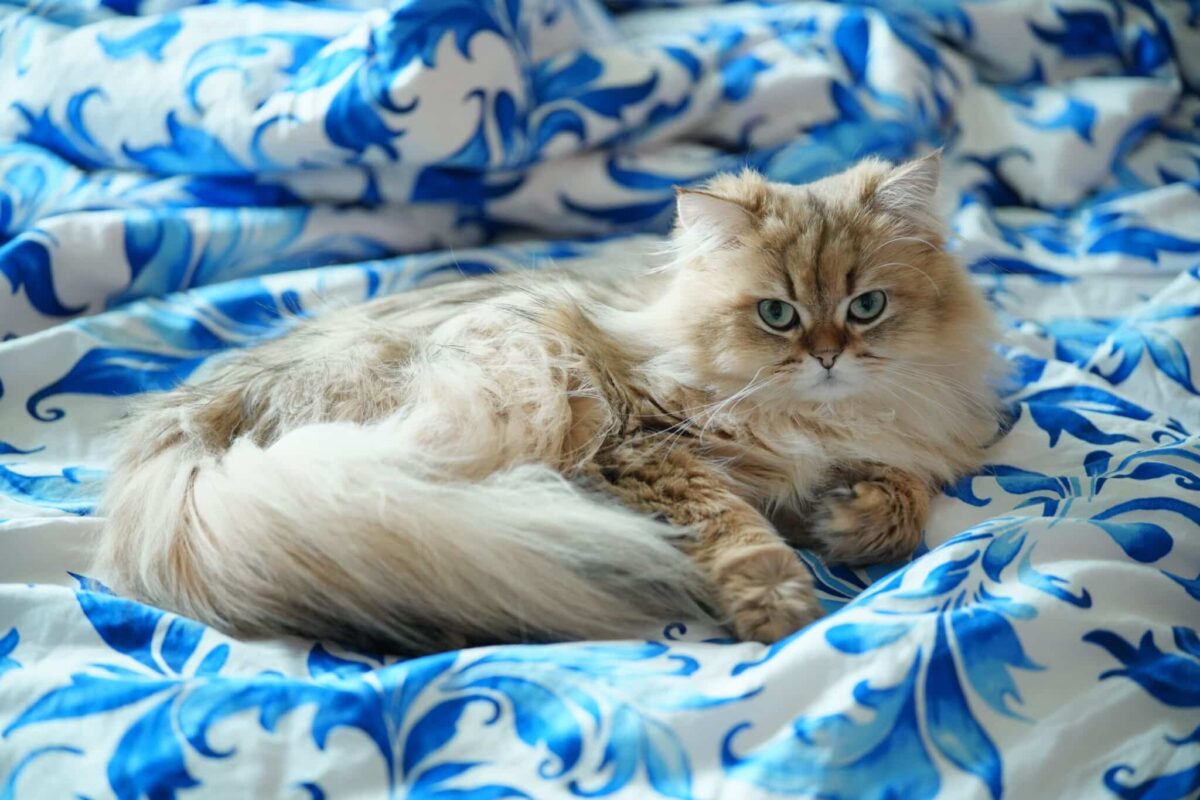
Some cats are perfectly content entertaining themselves, choosing a sunny windowsill over a lap and exploring the house on their own schedule. They may enjoy affection but still prefer deciding when and how they interact. This independent nature can appear in different ways. Some breeds are confident explorers, while others prefer observing before joining in. Independence does not mean a cat is unfriendly or unable to form strong bonds. Many independent breeds are affectionate while balancing companionship with curiosity, personal space, and a desire to make their own choices.
Norwegian Forest Cat
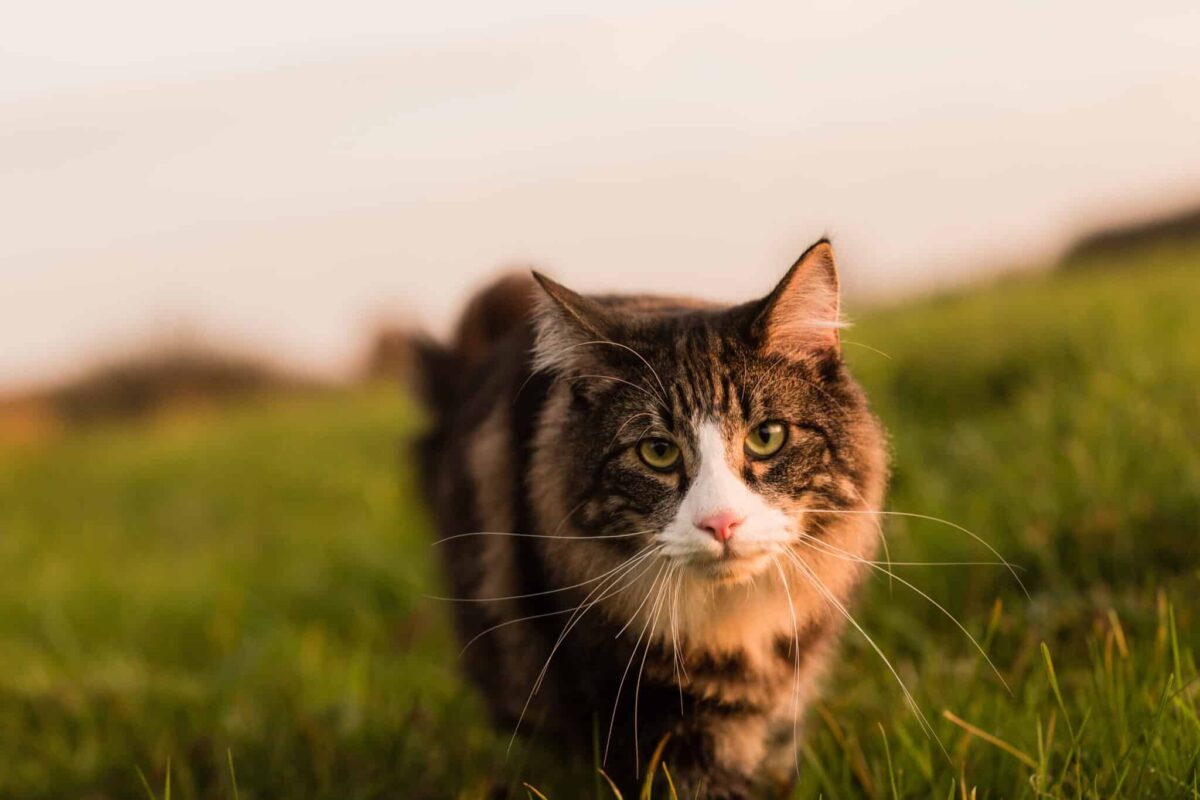
The Norwegian Forest Cat has a history that helps explain its self-sufficient nature. Developed in the harsh Scandinavian climate, these cats were valued for their ability to cope with cold conditions and navigate rugged environments. Their thick double coat, sturdy build, and strong climbing abilities suit a cat that likes having room to explore. Norwegian Forest Cats can be affectionate and social, but they often do not need constant attention to feel content. They may happily patrol the house, climb to a high perch, or settle nearby while their people go about their routines. Their independent streak makes them appealing to households that appreciate a companion who enjoys company without needing to be involved every minute.
Maine Coon
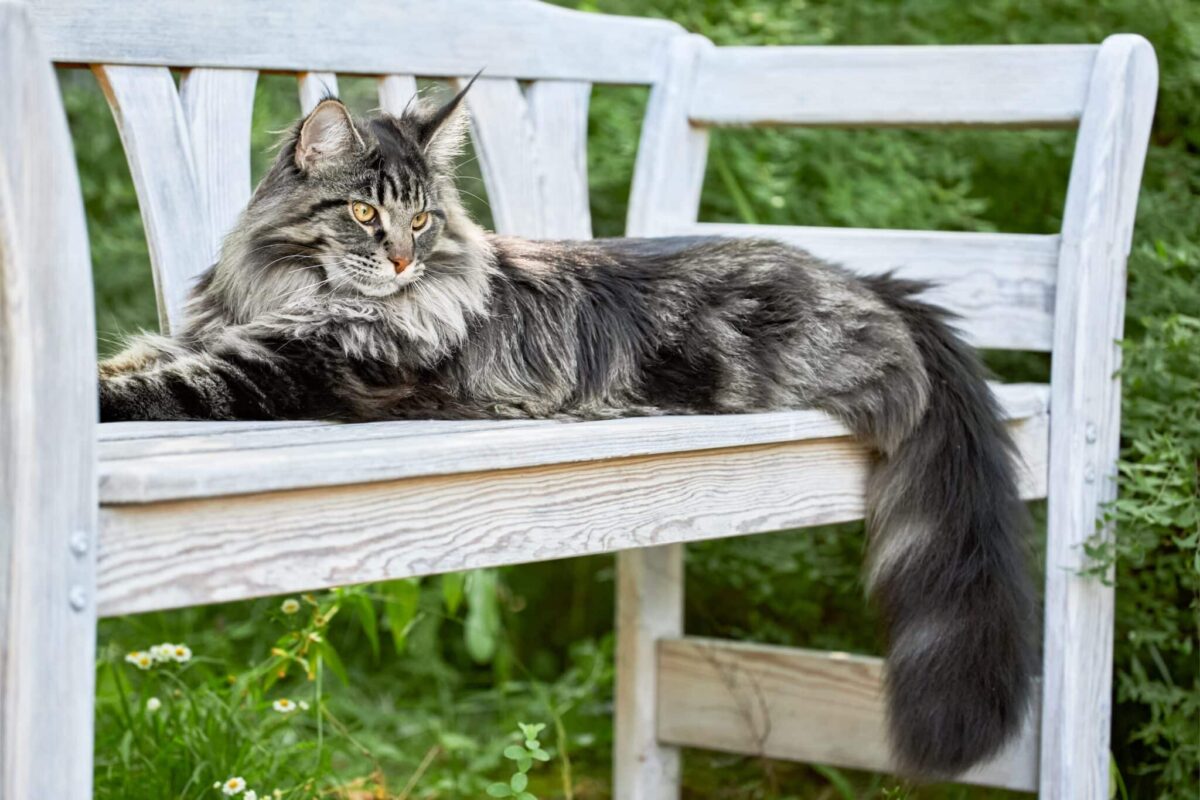
Maine Coons are famously friendly, but their easygoing independence is an important part of their appeal. These large, adaptable cats often enjoy being near their people without demanding constant physical contact. A Maine Coon may follow someone from room to room, then settle on a nearby chair rather than climbing into their lap. Their size, intelligence, and playful nature also give them plenty to occupy themselves with, particularly when provided with climbing spaces, toys, and opportunities to investigate. Many remain playful well into adulthood, but they can also spend quiet stretches simply observing household activity. Their combination of sociability and self-direction makes them comfortable companions for people who like a cat with a strong personality.
Russian Blue
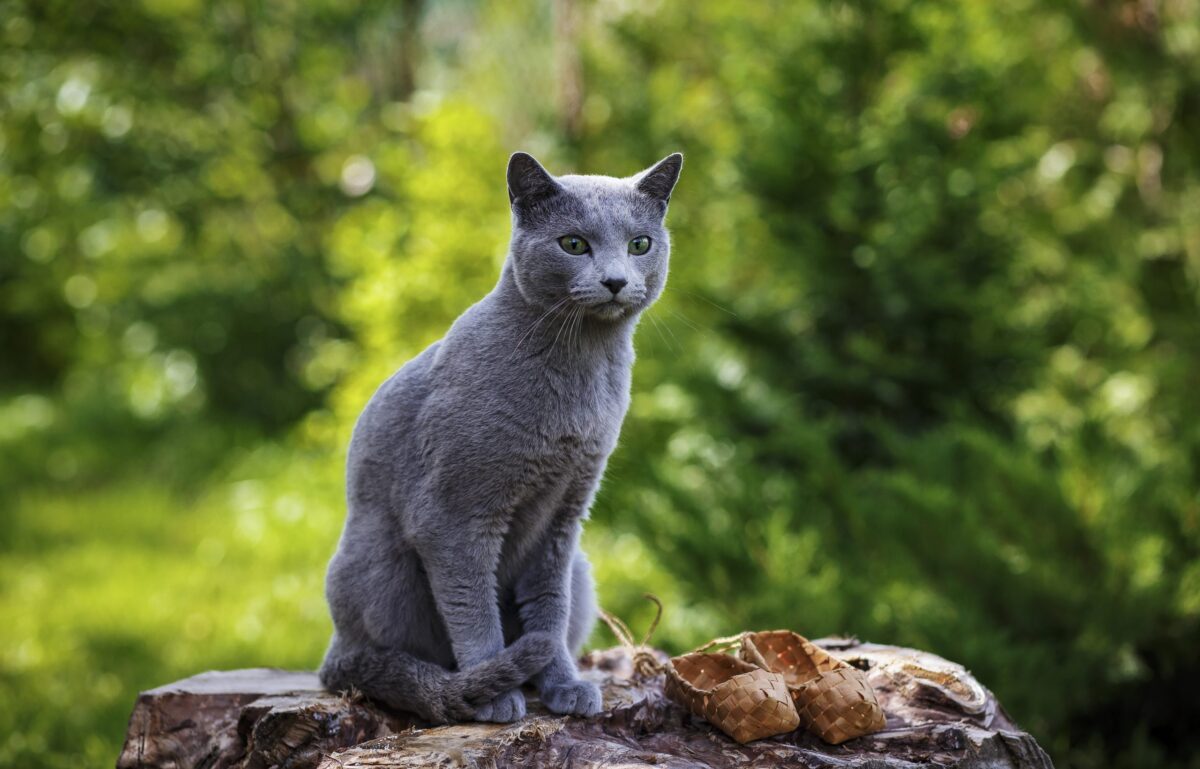
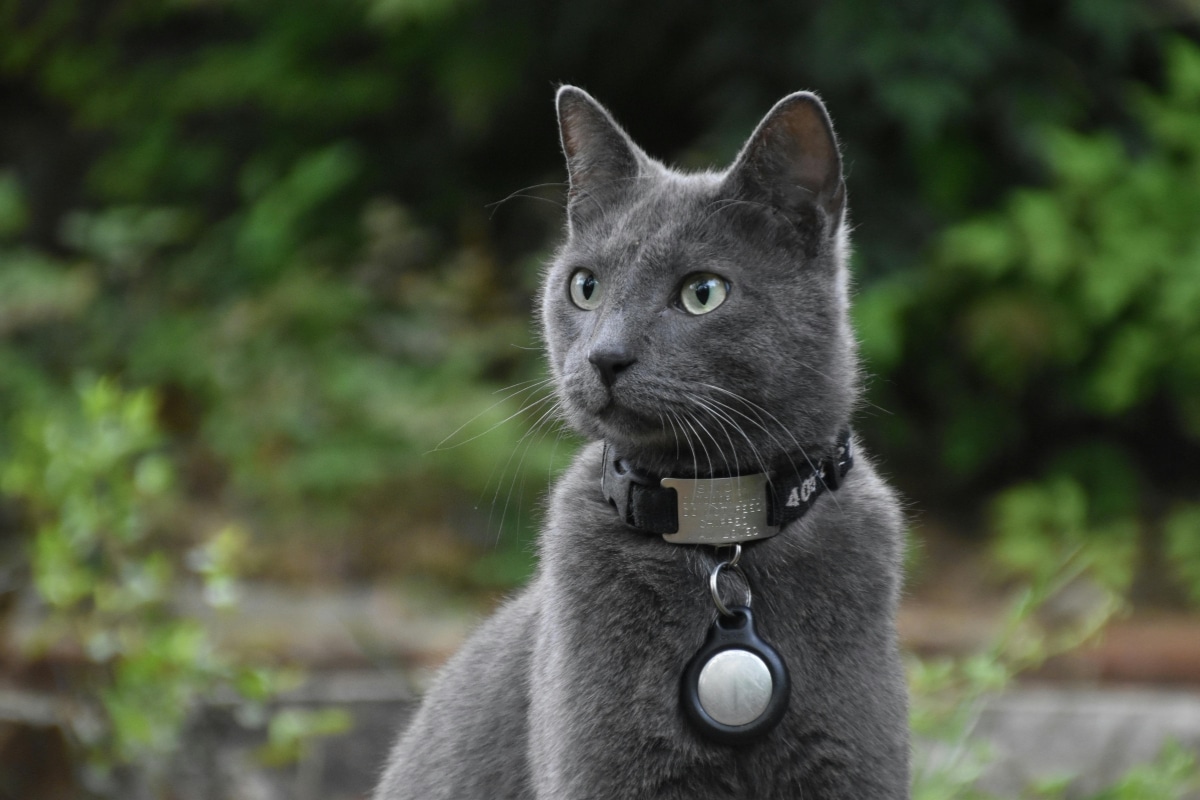
The Russian Blue often takes time to decide whom they trust, which can give their independent nature a particularly thoughtful quality. Rather than rushing toward every new person, they may observe unfamiliar visitors from a comfortable distance before approaching. Once settled into a home, many Russian Blues become affectionate with their chosen people while still maintaining a preference for calm surroundings and predictable routines. Their intelligence also gives them plenty of ways to occupy themselves, from batting toys around the room to investigating a new household object. A Russian Blue may enjoy companionship without wanting to be handled constantly, making this breed a good example of how independence and affection can comfortably coexist.
British Shorthair
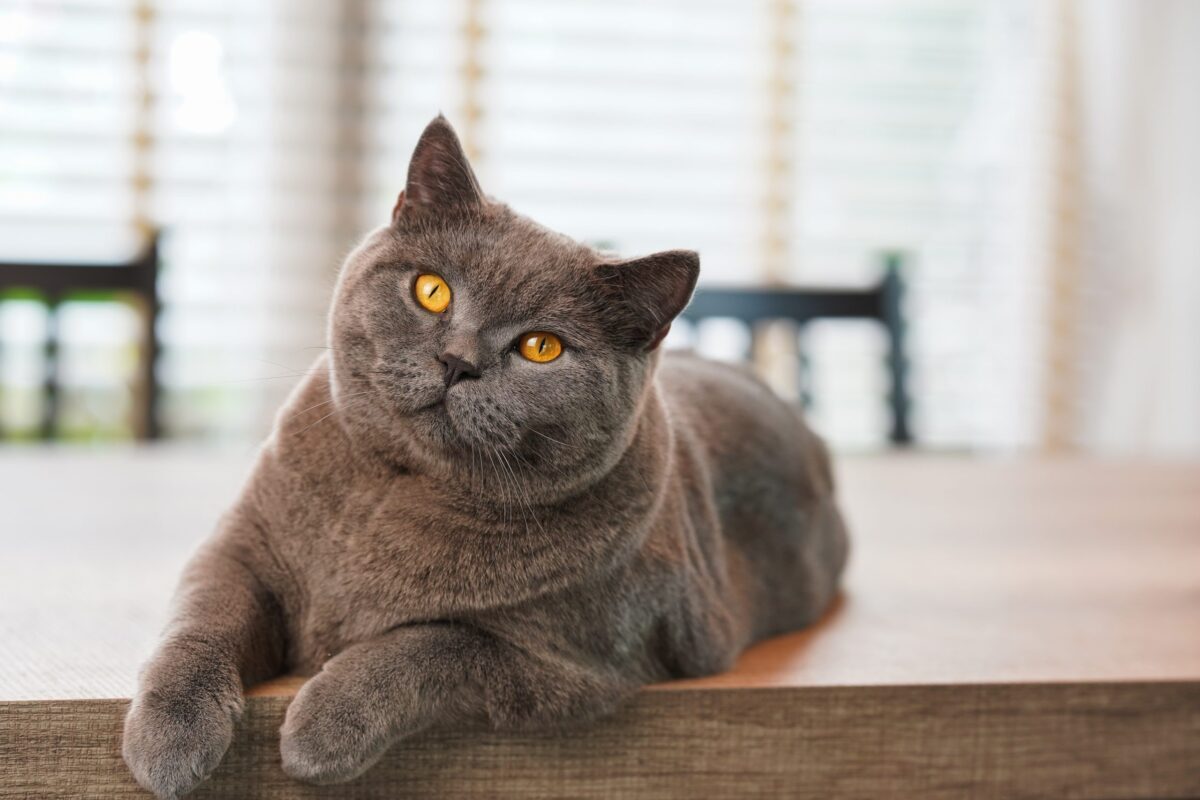
The British Shorthair has a reputation for being calm, composed, and relatively self-contained. Their sturdy build and quiet demeanor can make them seem perfectly content to occupy their favorite spot while everyone else stays busy. That does not mean they are distant. British Shorthairs can form strong relationships with their families, but many prefer sitting beside their people rather than being carried around or constantly held. Their easygoing personalities also mean they can often entertain themselves between periods of interaction. A British Shorthair may watch household activity from a comfortable perch, investigate when something interesting happens, and then return to their chosen resting place. Their version of companionship often comes with plenty of personal space.
Turkish Angora
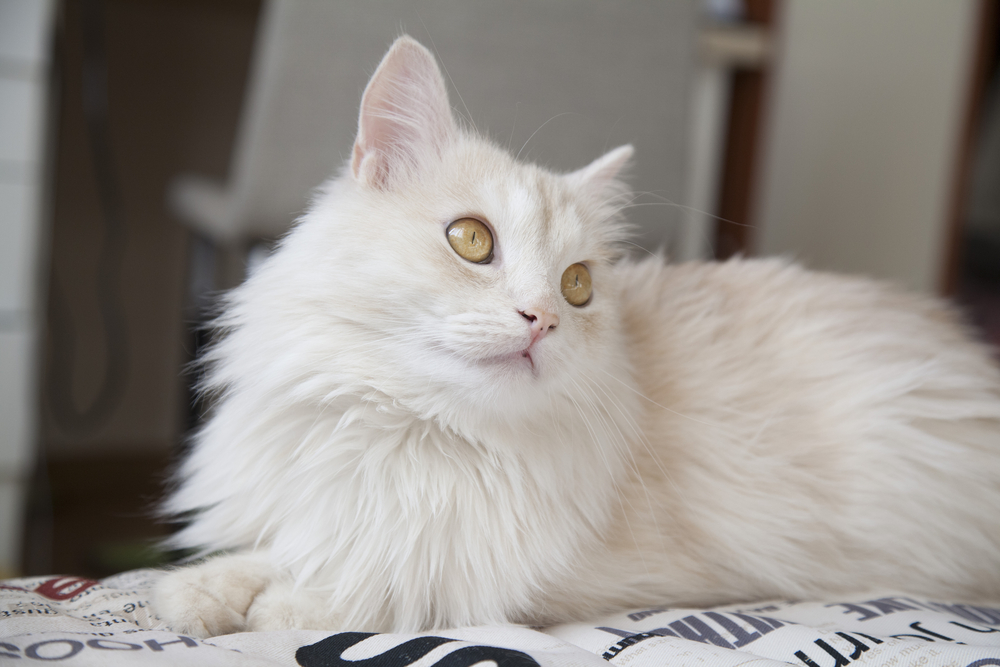
The Turkish Angora is an active, intelligent breed that likes being involved, but involvement does not always mean following human instructions. These cats can be confident explorers with strong opinions about where they want to climb, what they want to investigate, and which household activities deserve their attention. Their athleticism gives them plenty of opportunities to create their own entertainment, especially when they have vertical spaces and interactive toys available. Turkish Angoras can also be affectionate and social, making their independence less about avoiding people and more about maintaining control over their activities. A confident Angora may decide that a high shelf, open doorway, or intriguing cabinet deserves immediate investigation, regardless of what everyone else is doing.
Siberian
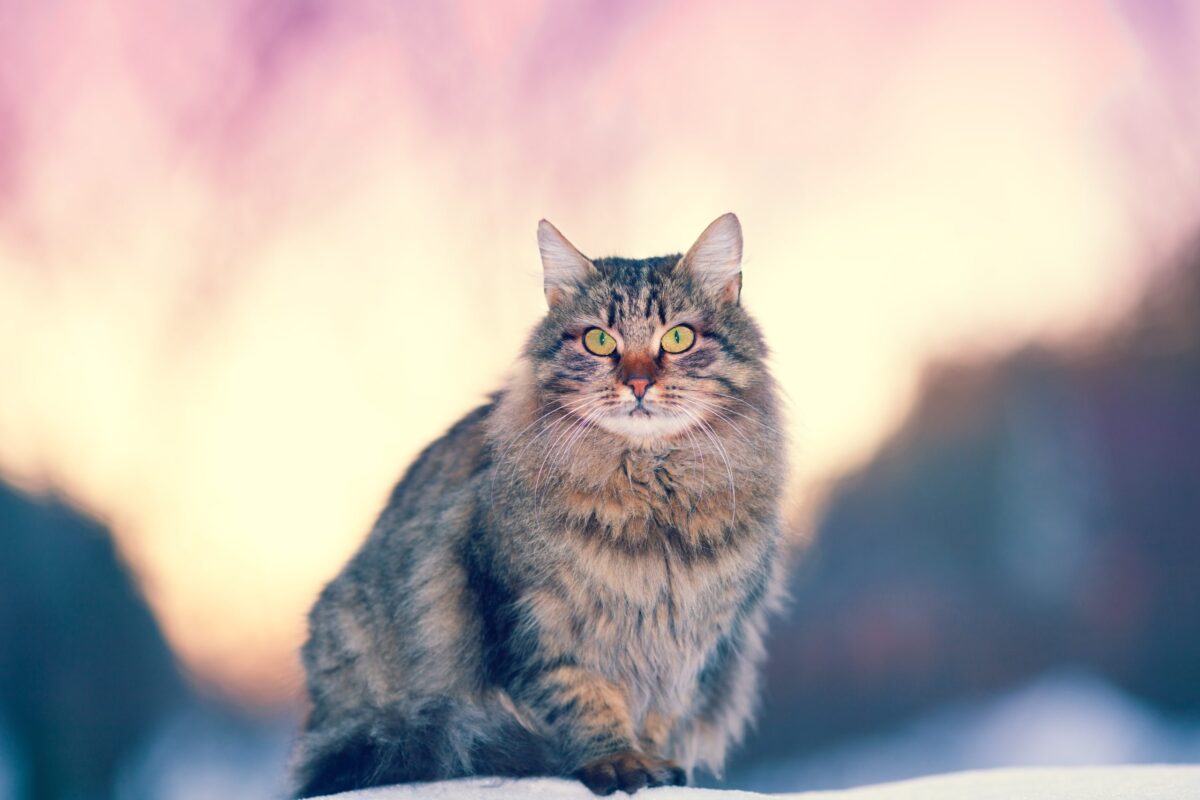
The Siberian’s background in Russia’s challenging climate is reflected in a sturdy, capable body and a thick coat designed for cold weather. These cats are generally social and affectionate, but they can also be confident problem-solvers that enjoy exploring their surroundings. A Siberian may climb high, investigate unfamiliar objects, or spend time playing independently before returning for attention. Their intelligence and physical strength make environmental enrichment especially valuable. Tall cat trees, sturdy scratching posts, puzzle feeders, and interactive toys can give them appropriate outlets for their natural curiosity. Their independent personality does not prevent close relationships with people. Instead, Siberians often seem happiest when companionship is available without restricting their ability to explore.
Abyssinian
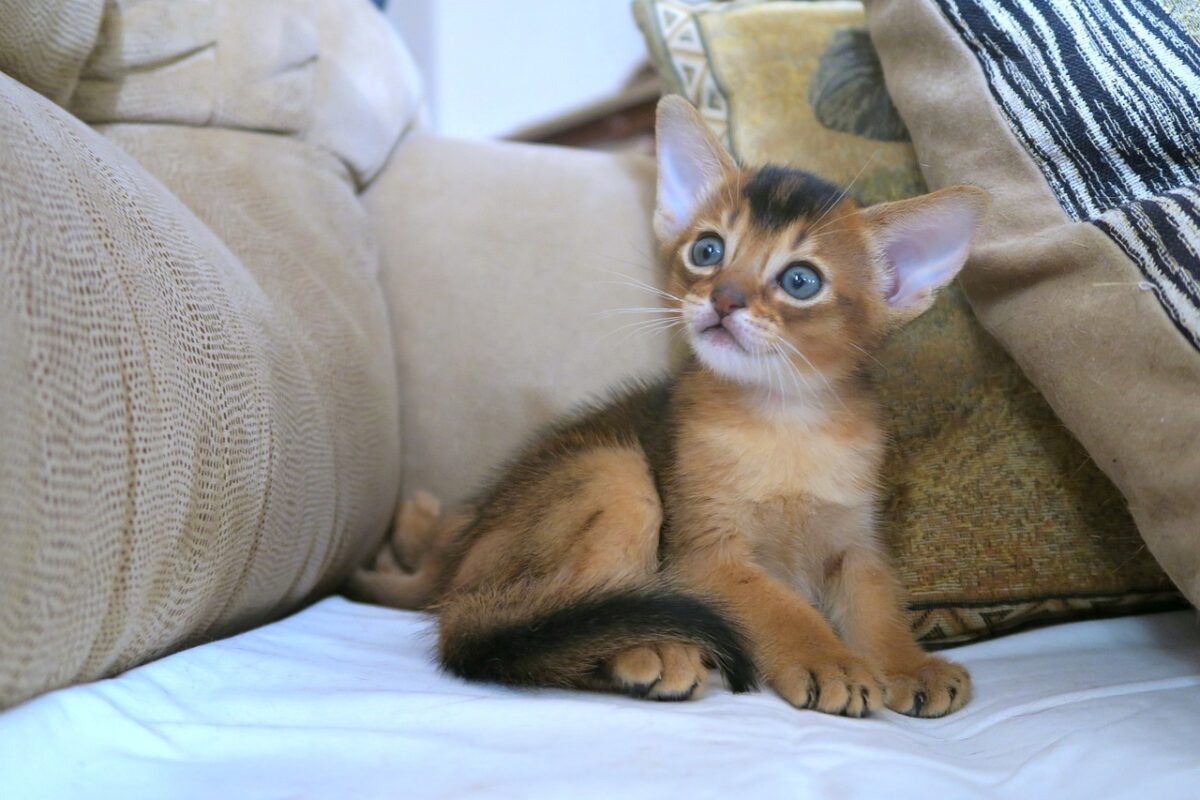
The Abyssinian is not the breed for someone expecting a cat to spend most of the day in one favorite chair. These agile, curious cats are natural explorers who often want to investigate shelves, windows, climbing structures, and anything else that catches their attention. Their intelligence can make them inventive, particularly when they discover how to open, reach, or manipulate something interesting. Abyssinians can form close relationships with people, but they often prefer active interaction over prolonged cuddling. Play sessions, climbing opportunities, and puzzle toys can help satisfy their need for stimulation. Their independence comes from having plenty of interests of their own, making them especially entertaining companions for people who enjoy watching a cat confidently explore their environment.
Bengal
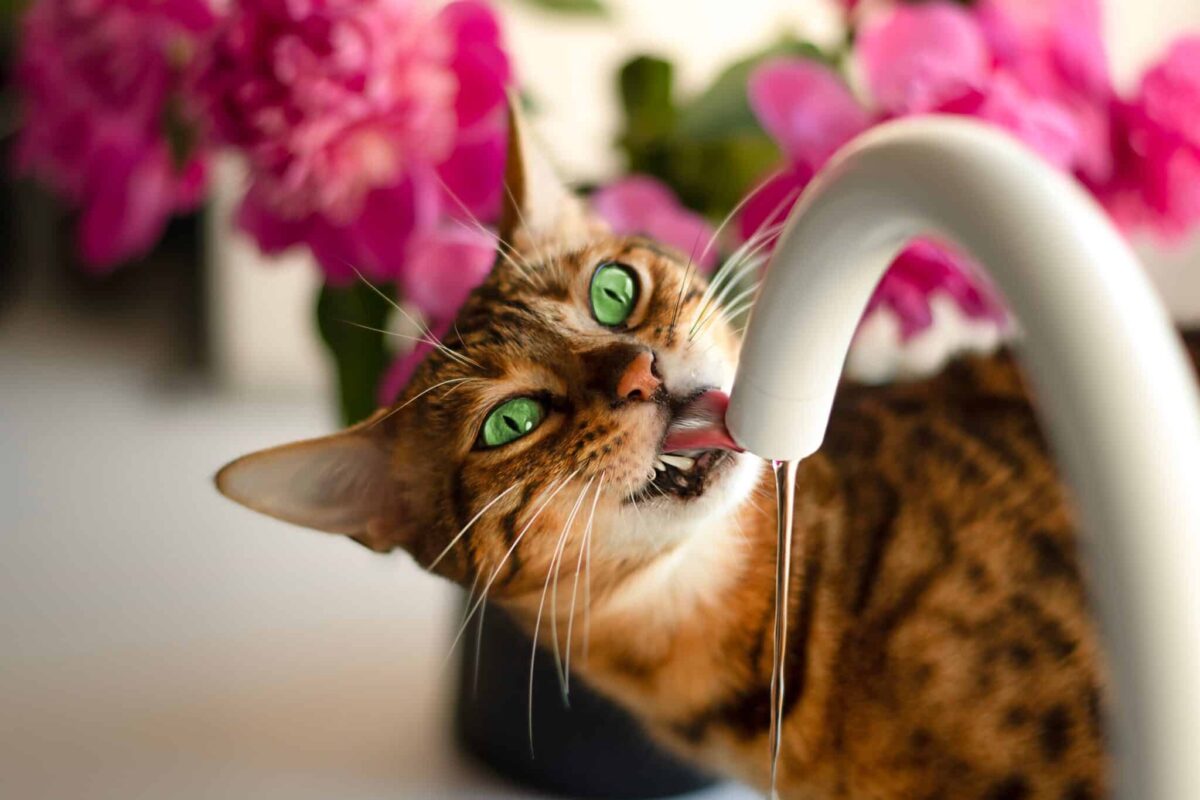
The Bengal brings a particularly energetic form of independence to the household. Their athletic bodies, intelligence, and strong interest in climbing and exploring can keep them busy for hours when their environment provides enough stimulation. Bengals are often social with their people, but they may not be content simply sitting around waiting for attention. They want things to investigate, toys to chase, heights to conquer, and problems to solve. That self-directed energy can sometimes lead to mischievous behavior when appropriate outlets are missing. Providing vertical territory, interactive toys, puzzle feeders, and regular play can help channel their curiosity. A Bengal’s independent streak is often less about solitude and more about having an active mind that wants something to do.
Egyptian Mau
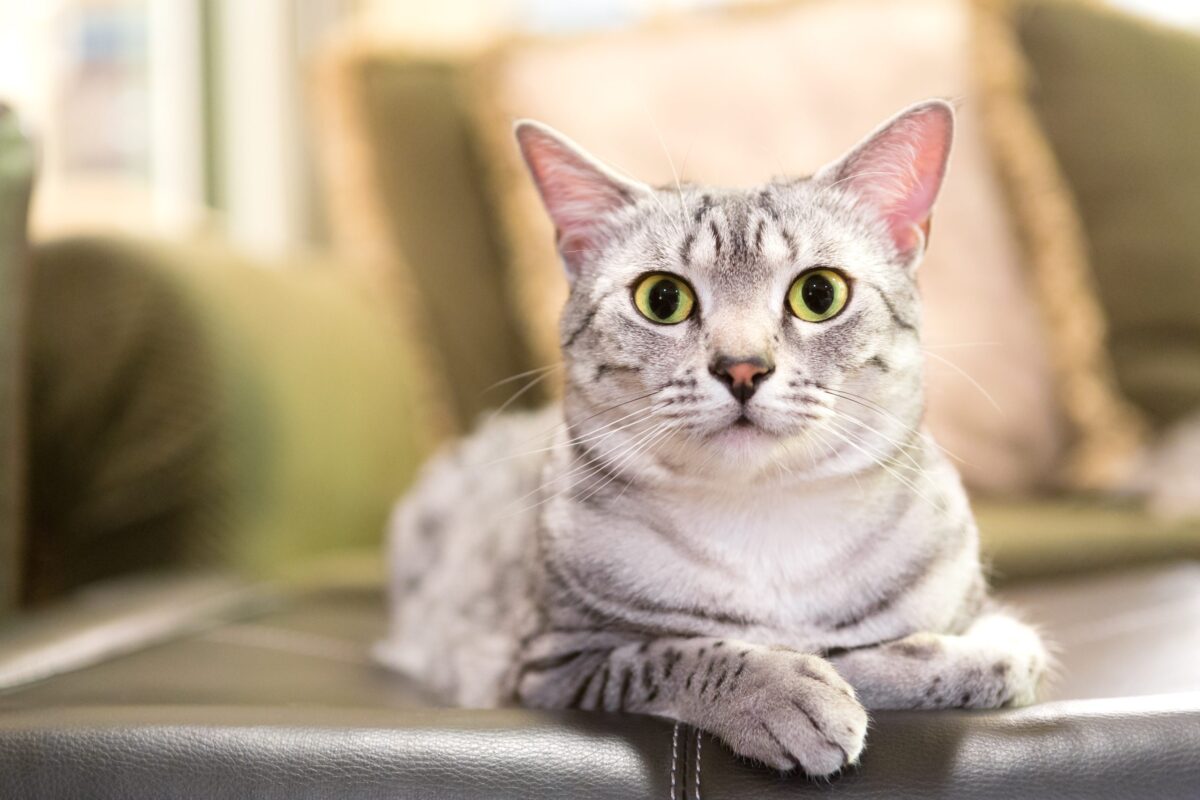
The Egyptian Mau has an athletic, observant personality that suits a cat capable of entertaining themselves while keeping track of everything happening around them. Their naturally spotted coat gives them a distinctive appearance, while their speed and agility make movement a major part of their daily lives. Egyptian Maus often enjoy interactive play, climbing, and opportunities to investigate their surroundings. They can be affectionate with familiar people but may retain a certain level of caution around strangers. That combination of confidence and selectivity can make them seem particularly self-directed. A stimulating environment gives an Egyptian Mau appropriate ways to use their intelligence and physical abilities without requiring constant human involvement.
Persian
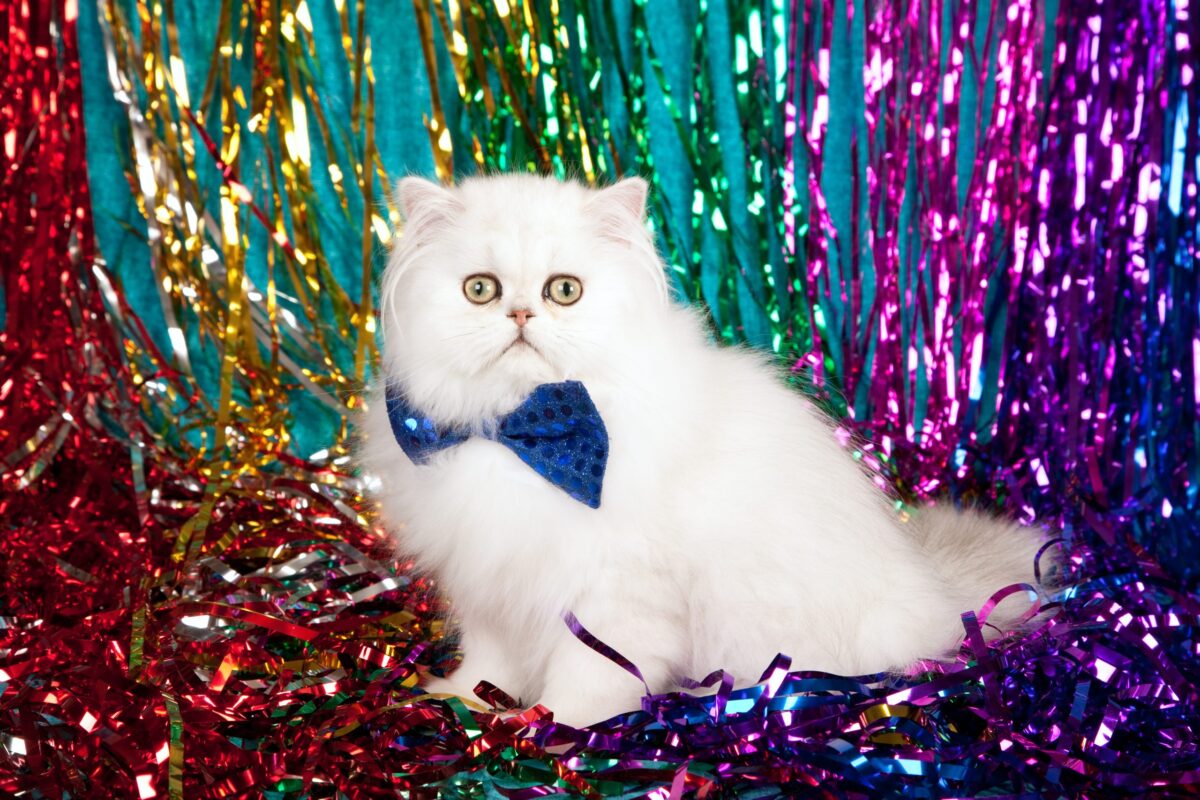
Persians are often associated with quiet companionship rather than nonstop interaction. Their calm personalities can make them comfortable spending time alone, especially when their basic needs for comfort, enrichment, and social contact are met. A Persian may enjoy sitting beside a person, resting in a favorite room, or quietly observing household activity without needing to participate in everything. Their independence tends to be gentle rather than adventurous. They are not necessarily looking for constant stimulation, but they still benefit from play and interaction suited to their individual preferences. Their long coats also require regular grooming, so owners should be prepared for a care routine that becomes part of the relationship.
Scottish Straight

The Scottish Straight shares many of the Scottish breed family’s recognizable features, including a rounded face and large, expressive eyes, but their ears remain upright. Their generally calm and adaptable nature can suit people who appreciate a cat that does not need constant entertainment. Scottish Straights can enjoy affection and family interaction while also spending time quietly observing their surroundings. A comfortable perch, a favorite sleeping area, and a few engaging toys may be enough to keep them content between social moments. Individual personality varies considerably, of course, but many Scottish Straights strike a pleasant balance between companionship and personal space, making them well suited to households with predictable routines.
American Shorthair
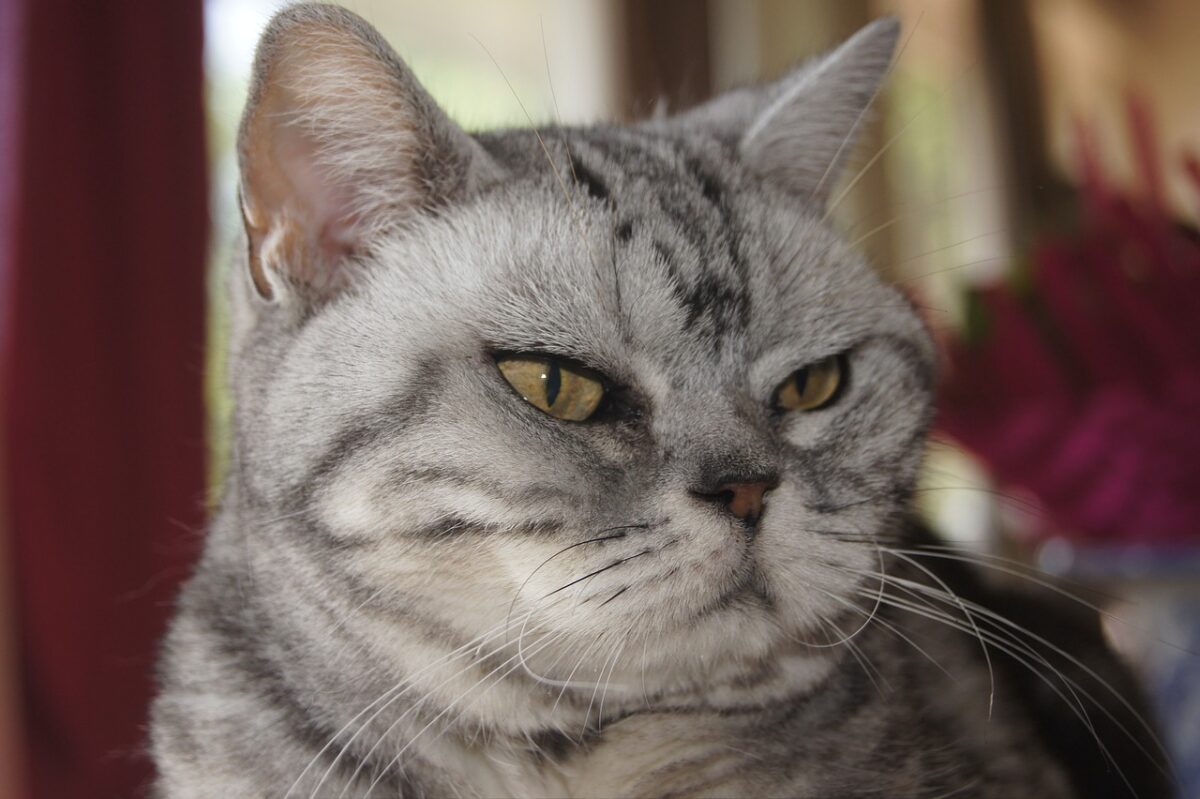
The American Shorthair has a practical, adaptable personality that reflects its long history as a working domestic cat. These cats were valued for their ability to control rodents, and their descendants often retain a confident, capable attitude toward exploring their surroundings. American Shorthairs can be affectionate family companions without demanding constant attention. They may spend time watching birds through a window, investigating a new object, or entertaining themselves with toys before seeking interaction. Their moderate energy level also allows them to settle into household routines relatively easily. For people who want a cat that can enjoy companionship while remaining comfortable with independent activities, the American Shorthair can be a particularly adaptable choice.
Chartreux
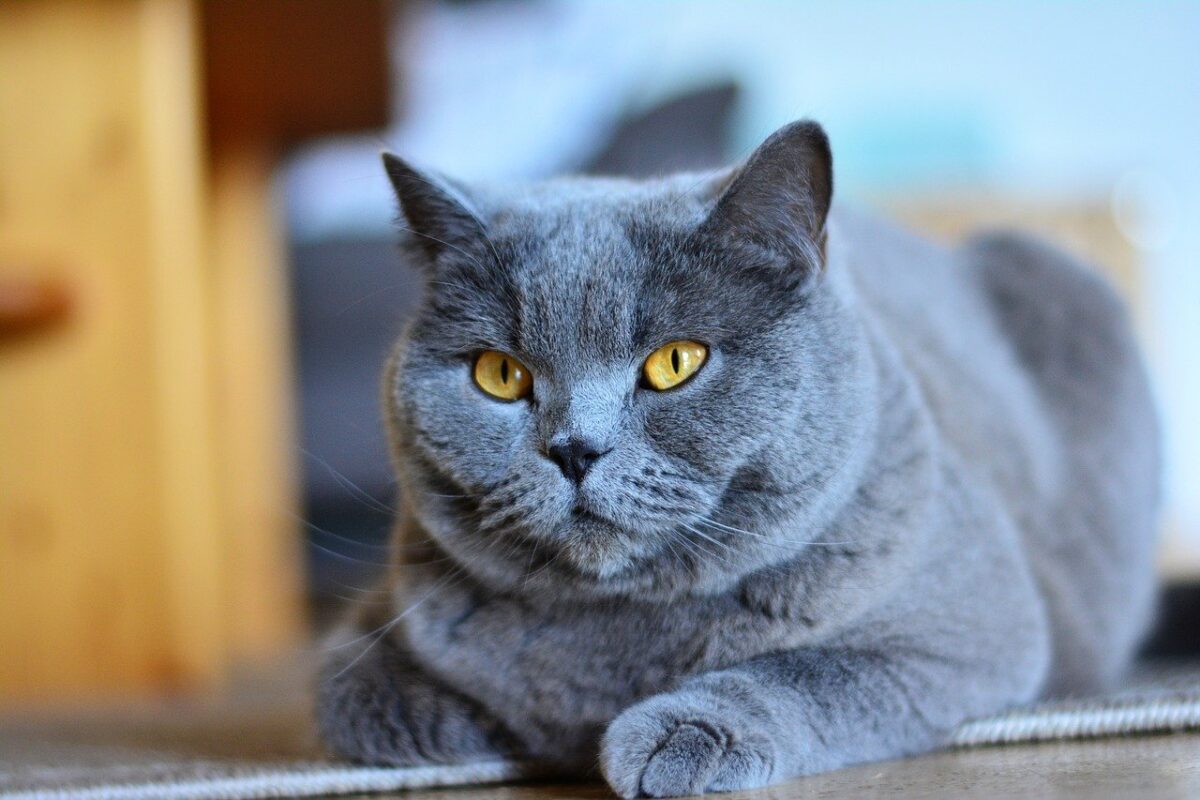
The Chartreux has a calm, observant personality that often gives the breed an understated sense of independence. These blue-gray cats can be affectionate with their families while remaining relatively quiet and self-contained. Rather than constantly demanding attention, a Chartreux may follow household activity from a comfortable distance, investigate when something catches their interest, and settle nearby when they want company. Their intelligence and playful nature still need appropriate outlets, including toys, scratching surfaces, and opportunities for exploration. That balance can make the Chartreux appealing to people who want a close relationship without having a cat that insists on being the center of every household event.
Independence Can Still Come With Plenty Of Affection
Independent cats are not necessarily aloof. A breed can prefer personal space, self-directed activities, or predictable routines while still forming meaningful relationships with their people. Companionship simply looks different from one cat to another. Some want a lap, while others prefer the chair beside it. Some follow their humans everywhere, while others check in before returning to a window or toy. Providing safe places to climb, explore, rest, and retreat lets an independent cat make choices while staying connected. For many owners, that balance is part of their charm.
This content was created with AI assistance and edited by the iHeartCats team.