
Wildfires, hurricanes, flash floods, tornadoes. No matter where you live, some kind of natural disaster could send you and your family scrambling for the door. And if you share your home with a cat, that scramble gets a lot more complicated.
Here’s the truth: most cat parents don’t think about evacuation plans until they’re already panicking. By then, you’re grabbing your cat from under the bed, hunting for a carrier you haven’t used since the last vet visit, and realizing you have zero supplies packed. It doesn’t have to be that way.
A solid emergency preparedness plan for your cat takes maybe an afternoon to set up. After that? You’ve got peace of mind knowing your feline is covered if things go sideways. Plus, having the right gear on hand makes everything smoother when seconds count.

Why Cat Emergency Preparedness Matters More Than You Think
Cats aren’t dogs. They don’t come when called (most of the time), they hide when stressed, and they absolutely hate car rides. All of that makes emergency situations harder with a feline.
Cat Emergency Stats You Should Know
- Only 1.8% of cats without microchips are reunited with owners after being lost (AVMA)
- Microchipped cats are reunited 38.5% of the time
- FEMA estimates 44% of people who don’t evacuate stay behind because of their pets
- Cats can survive 3-4 days without food but stress can cause fatal hepatic lipidosis faster
The biggest mistake people make? Assuming they’ll figure it out when the time comes. Cats need specific preparations that differ from dogs, and skipping those steps could put your cat’s life at risk.
Proper Identification: Your Cat’s Lifeline If You Get Separated
Collar and ID Tags
Even if your cat doesn’t normally wear a collar around the house, you should have one ready. Keep it with your emergency supplies so you can slip it on quickly during an evacuation.
One tip that makes a big difference: let your cat wear the collar occasionally before an emergency. A few hours here and there helps them get used to the feel and jingle of ID tags. That way, if they need to wear one during a stressful evacuation, at least the collar itself won’t be one more unfamiliar thing freaking them out.

Always choose a quick-release or breakaway collar to prevent injury if your cat snags it on something during a chaotic evacuation. The GoTags Personalized Cat Collar is a great option because it comes with your cat’s name and phone number engraved directly on the buckle, so even if the tag falls off, your contact info stays put.


Microchipping
Collars can fall off. Microchips can’t. Getting your cat microchipped is quick, about as uncomfortable as a standard vaccine injection, and it could be the difference between finding your cat and losing them forever.
The chip itself doesn’t use batteries or send signals. It stores an identification number that shelters and veterinary offices can scan. If your cat ends up at a shelter after getting separated from you, the staff scans the chip, contacts the microchip company, and reaches out to you with your cat’s location.
The numbers speak for themselves: cats without microchips are reunited with their owners only 1.8% of the time, while microchipped cats go home 38.5% of the time, according to the AVMA. That’s a massive difference for a one-time procedure that costs around $45.
Building Your Cat’s Emergency Go-Bag in 2026
Just like every family member needs an evacuation bag, your cat needs one too. Pack it now, store it near the carrier, and you won’t be scrambling to find supplies when seconds count.
The BAGLHER Pet Travel Set is perfect for organizing all your cat’s emergency essentials in one grab-and-go kit. It includes food and water bowls, storage containers, and a shoulder strap so you can carry it hands-free while managing your cat carrier.
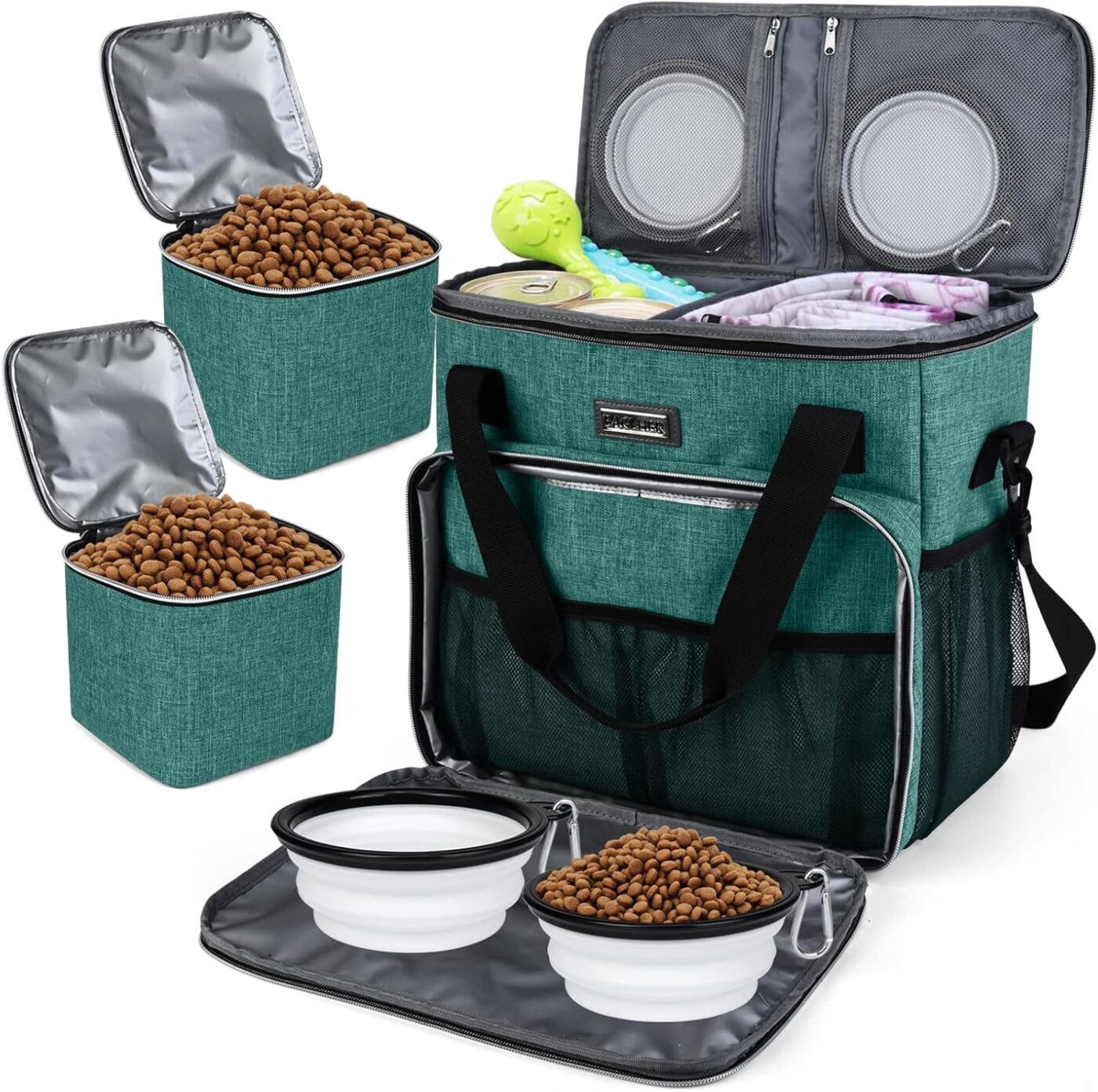
Here’s what to pack inside:
Documents and Records
Your cat’s name, sex, age, breed, microchip number, your contact info, recent photos, and copies of all vet records, including vaccination history. Keep these in a Fireproof/Waterproof Document Holder so they survive whatever disaster you’re fleeing.

Medical Supplies
A 2-week supply of any prescription medicines, plus flea and tick prevention. A Pet First Aid Kit with gauze, medical tape, antiseptic wipes, and scissors covers the basics for injuries during evacuation. Having one pre-packed means you’re not hunting for supplies when your cat needs care.
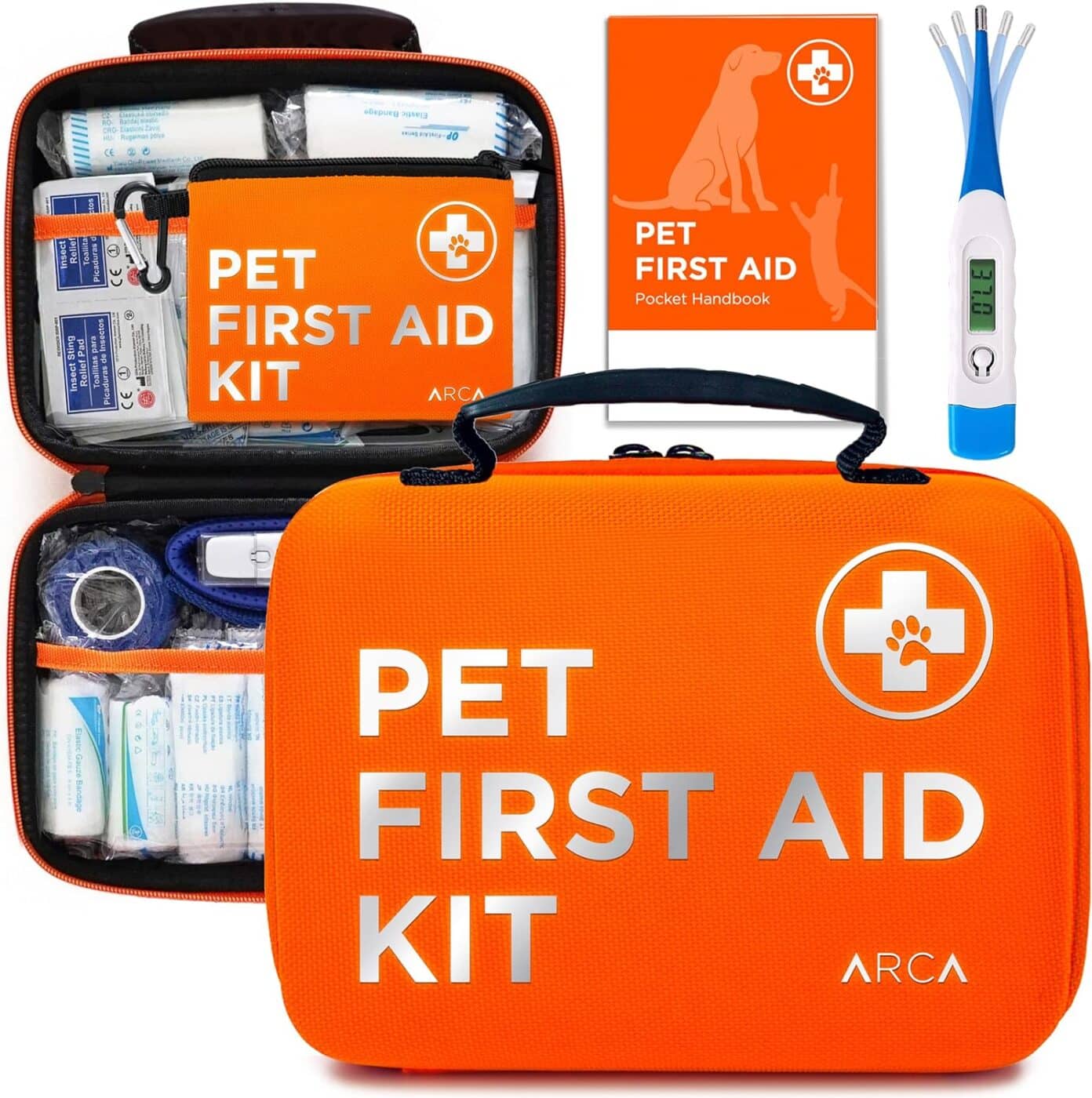
Food, Water, and Comfort
Pack a 2-week supply of your cat’s regular food, bottled water, and a KitchenAid Classic Multifunction Can Opener if you use canned food. Electric openers won’t help you if the power is out.

Stress makes cats stop eating, which can spiral into serious liver problems fast. INABA Churu Cat Treats are a lifesaver here. The lickable format is irresistible to most cats, even anxious ones, and the familiar treat can help calm them during a chaotic evacuation.

Litter and Cleaning
A Kitty Sift Disposable Cat Litter Box takes up minimal space in your go-bag and can be tossed when it’s time to move again. No washing, no carrying around a heavy plastic pan.

Earth Rated Pet Wipes handle the cleaning side. They’re plant-based, unscented, and good for wiping down your cat’s paws, cleaning up accidents, or sanitizing surfaces in a temporary shelter situation.

Pro Tip: Go Digital Too
Take photos of all your cat’s documents and save them to cloud storage (Google Drive, iCloud, Dropbox). If your physical documents get destroyed in a fire or flood, you’ll still have access to vaccination records, prescriptions, and proof of ownership from your phone.
Choosing the Right Cat Carrier for Emergencies
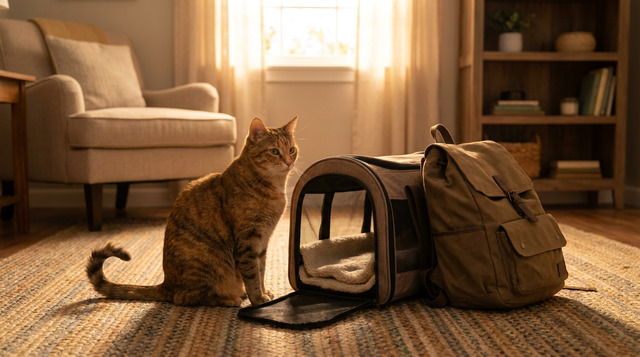
Your carrier needs to be sturdy enough to handle a stressful situation but not so bulky that it slows you down. The Morpilot Cat Carrier hits that balance well. It’s airline-approved, has mesh ventilation panels so your cat can see out (which reduces panic), and folds flat for storage when you’re not using it.
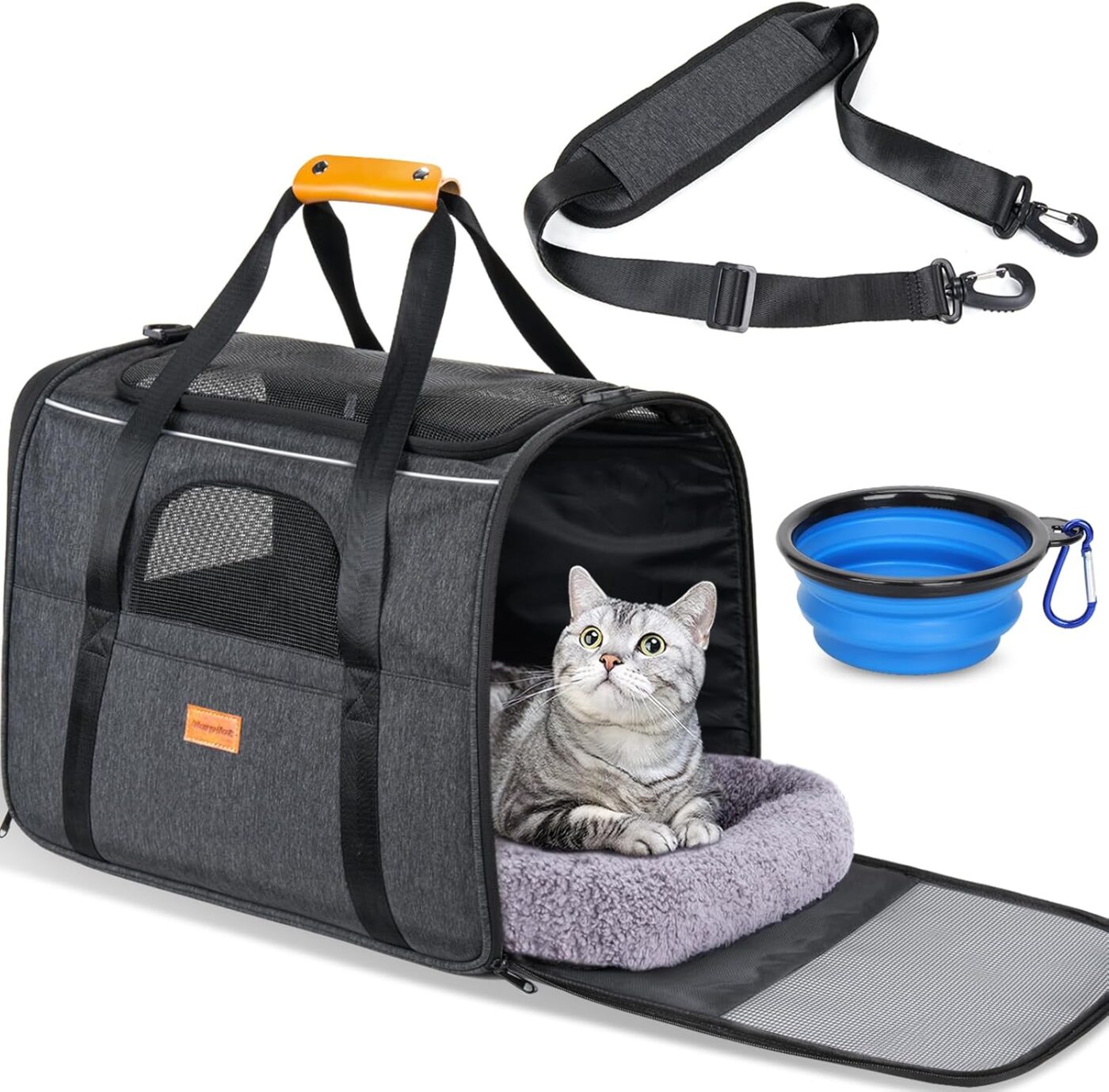
Store your cat’s go-bag inside or right next to the carrier. When you grab the carrier, everything else comes with it. No running around the house looking for the vaccination records you printed three years ago.
Where to Evacuate With Your Cat
This is the part most people skip, and then they’re stuck in an evacuation line Googling “pet-friendly hotels near me.” Not ideal when cell service is spotty and every room within 50 miles is booked.
Plan ahead. Know which hotels in your region accept cats. Some chains are consistently cat-friendly:
- Best Western Hotels and Resorts
- Drury Hotels
- Hotels by Hilton (policies vary by location)
- Kimpton Hotels
- La Quinta by Wyndham
- Loews Hotels
- Motel 6
- Red Roof Inn
Go Pet Friendly maintains a helpful list of cat-friendly hotel chains with current policies. Bookmark it now, not during a hurricane.

Also worth knowing: the ASPCA’s disaster preparedness guide recommends locating boarding facilities and animal hospitals near your evacuation shelter. If you can’t return home right away, you may need veterinary care or temporary boarding in an unfamiliar area.
Find a Vet Before You Need One
Once you’ve reached your evacuation point, one of the first things to do is research local veterinary offices. Pick two or three that look reputable and save their phone numbers, addresses, and hours in your phone.
Don’t wait until your cat is sick or injured to start this search. Stress can cause all kinds of health problems in cats, from urinary issues to appetite loss. Having a vet’s number already saved could save precious time if something goes wrong.

Rescue Alert Stickers Could Save Your Cat’s Life
What happens if a disaster hits while you’re at work, but your cats are home? A rescue alert sticker placed on your front door or window tells emergency responders and neighbors that animals are inside the house. It’s one of those small steps that could genuinely save a life.
The 2-Pack Pet Alert Stickers from iHeartCats are designed specifically for this. Place one on every exterior door and at least one visible window. Include the number and types of pets inside. Update the sticker if your pet count changes.
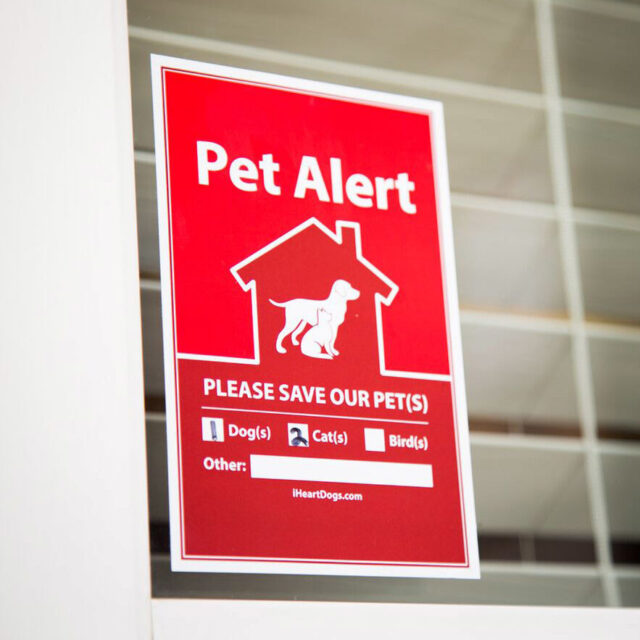

It’s also smart to keep a card in your wallet with information about your cats. If something happens to you, that card alerts emergency workers that animals at home need help.
Home Safety: Protecting Your Cat When You’re Not There
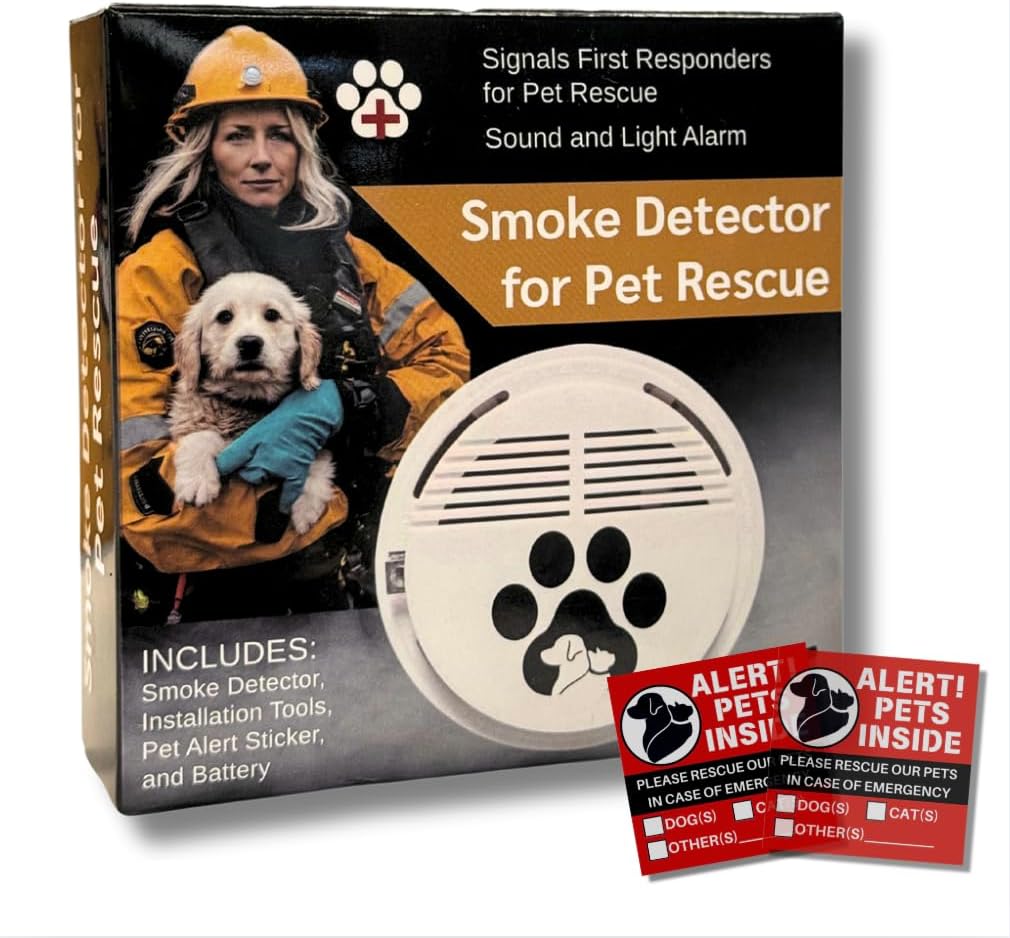
Emergency preparedness isn’t just about evacuation. Some disasters, like house fires, happen while you’re away. A Pet Smoke Detector and Alarm can alert monitoring services to pets in the home, giving responders the heads-up they need to look for your cat during a fire.

Designate a Cat Caretaker
Nobody wants to think about this, but what if you can’t get to your cat? Having a trusted friend or family member designated as your cat’s emergency caretaker is just good planning.
Pick someone your cat already knows and trusts. Cats pick up on stress fast, and being handled by a total stranger on top of everything else can push an already anxious cat over the edge. If your designated caretaker has spent time at your house and your cat is comfortable around them, the transition will be smoother.
Make sure your caretaker knows where your cat’s go-bag and carrier are stored, which vet you use, and any medications or health conditions to be aware of. A quick one-page info sheet taped to the carrier covers all the basics.
Practice Car Rides Before the Real Thing
Cat parents know this all too well: most cats lose it in the car. The unfamiliar motion, the engine noise, the smells. It’s a sensory overload that triggers panic in a lot of felines. But here’s what most people don’t realize: you can actually train your cat to tolerate car rides with practice.
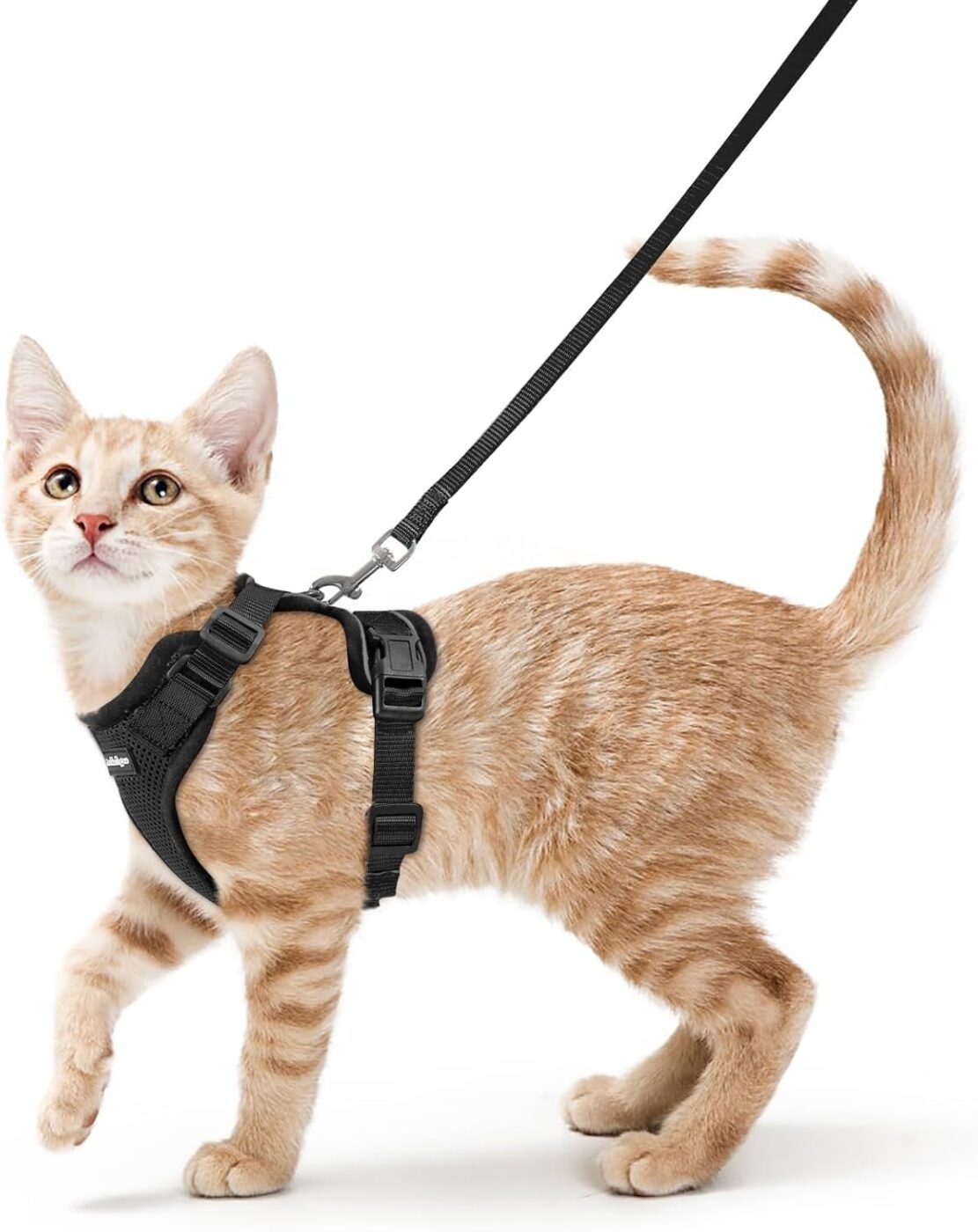
A rabbitgoo Escape Proof Cat Harness and Leash Set gives you an extra layer of security during car travel and evacuation. If you need to open the carrier briefly (for food, water, or a litter break), a harness keeps your cat from bolting in an unfamiliar environment.
Start small. Set the carrier in the car with the door open. Give your cat a treat, then take the carrier back inside. Once that feels normal, try sitting in the car with the engine running for a few minutes. Then a short trip to the end of the driveway. Then around the block. End each session with treats and praise. Over time, your cat associates the car with positive experiences instead of the terrifying vet visit.
If your cat is traveling by car for the first time, keep the trip short and bring familiar-smelling items in the carrier. A blanket from their favorite napping spot works wonders.

Frequently Asked Questions
1. How do I get my cat into a carrier during an emergency?
Practice beforehand. Leave the carrier out with the door open so your cat treats it like a regular hiding spot. Place treats and a familiar blanket inside. During an actual emergency, approach calmly, wrap your cat in a towel if needed, and place them inside rear-end first to reduce resistance.
2. What if my cat escapes during an evacuation?
A microchip and collar with updated ID tags give you the best chance of reunion. Contact local shelters, post on social media and lost pet databases, and leave familiar-smelling items (like a used litter box) outside your home if it’s safe to return. Microchipped cats have been reunited with families even hundreds of miles away.
3. Should I sedate my cat for evacuation travel?
Talk to your vet before giving any sedatives. Some cats react badly to sedation, especially under stress. Your vet can prescribe anti-anxiety medication that’s safer for travel if your cat has severe car anxiety. Never use over-the-counter human medications on your cat.
4. How often should I update my cat’s emergency kit?
Check it every 6 months. Rotate food and water, update medications, replace expired first aid supplies, and make sure photos and contact information are current. Set a calendar reminder so you don’t forget.
5. Can I take my cat to an emergency shelter?
Not all shelters accept pets. The federal PETS Act requires state and local emergency plans to address pet evacuation, but individual shelters set their own policies. Always have a backup plan: a pet-friendly hotel, a friend’s house outside the evacuation zone, or a boarding facility.
Your Cat Is Counting on You to Have a Plan
Emergency preparedness for your cat isn’t something you do once and forget about. Check your go-bag every six months, update your cat’s ID tags if you move or change phone numbers, and practice those car rides when life is calm.
The reality is, your cat can’t pack their own bag or call a pet-friendly hotel. That’s on you. But the good news? A single afternoon of preparation now can make the difference between a stressful but manageable evacuation and a genuinely dangerous situation for your feline.
So grab a bag, pack it up, and hope you never need it. Your cat will thank you. Well, probably not out loud. But you know what I mean.