
Some cats communicate with an occasional meow, while others seem determined to keep the conversation going all day. Vocal breeds may greet familiar people, announce meals, request attention, comment on closed doors, or produce an impressive collection of chirps, trills, and meows. Genetics can influence how talkative a cat tends to be, although personality, environment, age, and learned behavior matter too. Some breeds have powerful voices, while others communicate through softer sounds. Sharing a home with these conversational cats can feel like having a tiny roommate with plenty to say.
Siamese

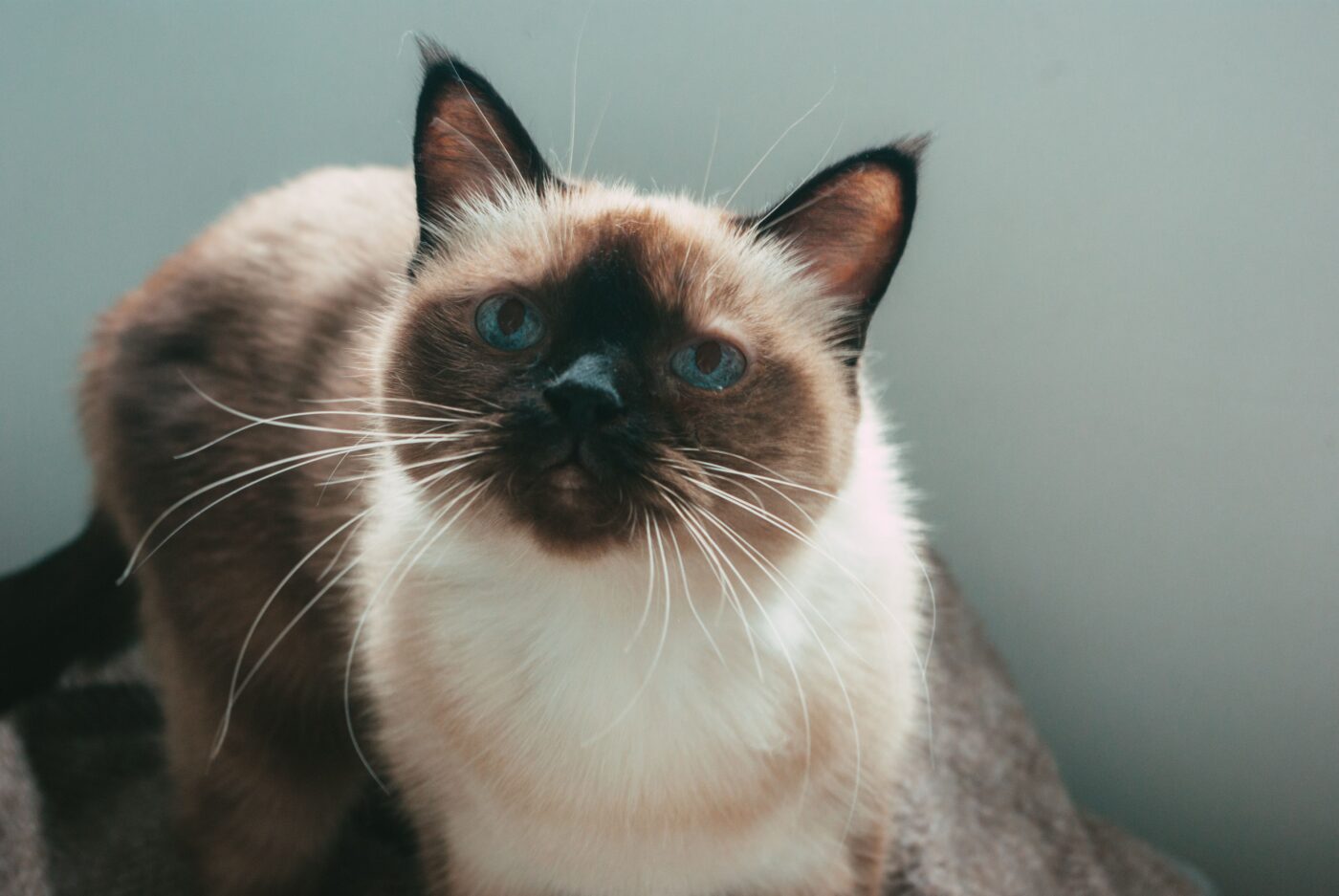
Few breeds have a vocal reputation quite like the Siamese. These highly social cats are famous for communicating with distinctive, sometimes surprisingly powerful voices that can sound very different from an ordinary meow. A Siamese may vocalize when greeting familiar people, requesting attention, anticipating dinner, or reacting to an interesting household event. Their intelligence and people-oriented nature can make communication an important part of everyday interaction, especially when vocalizing consistently earns a response. Many also enjoy following household members and participating closely in daily routines, giving them plenty of opportunities to offer commentary. Individual personalities still vary, so not every Siamese will be equally talkative. Still, anyone hoping for a quiet, distant companion may find this famously conversational breed has other plans.
Oriental Shorthair
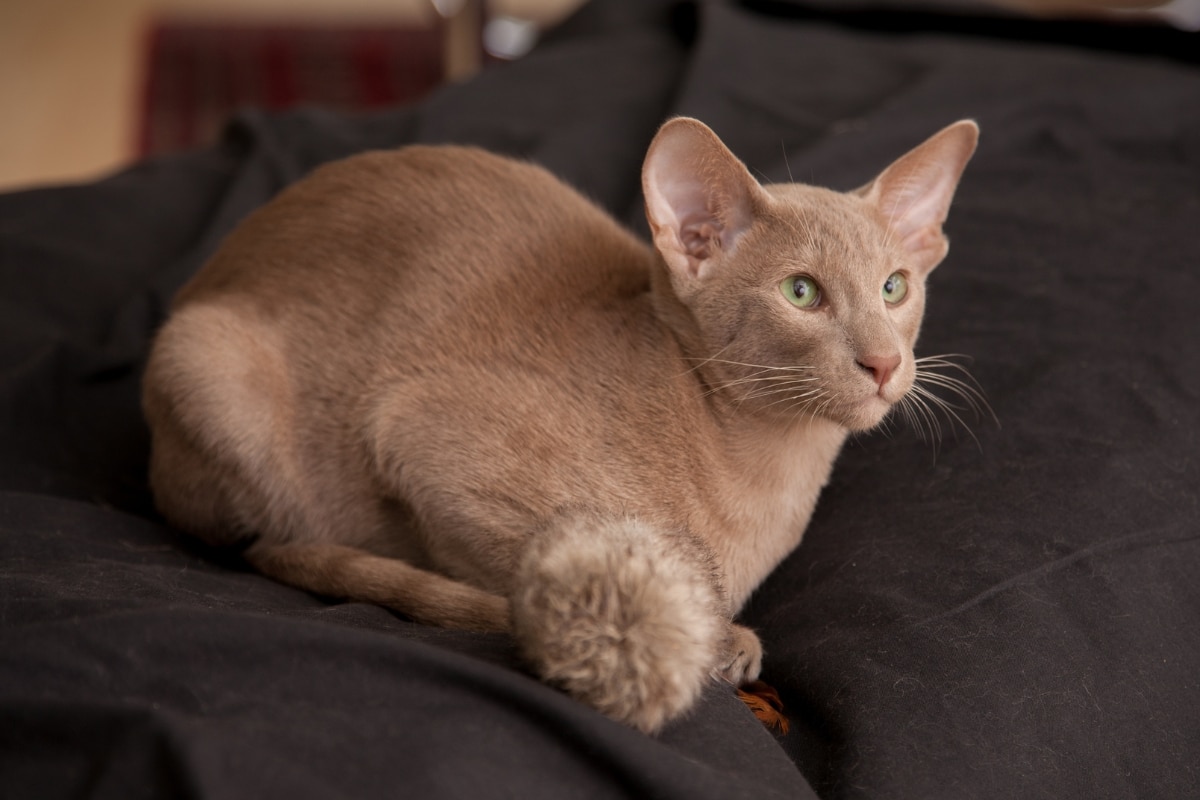
Closely related to the Siamese, the Oriental Shorthair shares much of that breed’s enthusiasm for social interaction and vocal communication. Their voices can range from soft conversational sounds to persistent meows when they believe something deserves attention. Intelligent and curious, these cats frequently become involved in household activity rather than quietly observing everything from a distant corner. That sociability gives them plenty to communicate about, especially when they want companionship, play, food, or access to something interesting. An Oriental Shorthair may also learn that certain sounds produce predictable human responses, encouraging an already vocal personality. Breed tendencies are never guarantees, but these sleek cats are widely associated with expressive communication. For people who enjoy responding to their cat throughout the day, the conversation may rarely feel one-sided.
Burmese
The Burmese tends to combine a social personality with an eagerness to communicate. Their vocalizations are often described as softer than the famously intense voice of their Siamese relatives, but that does not necessarily make them quiet companions. Many Burmese enjoy interacting closely with familiar people and may use meows, rumbles, and other sounds to participate in daily routines. Their people-oriented temperament can keep them nearby while household activities unfold, creating frequent opportunities for vocal exchanges. A Burmese that learns a particular sound attracts attention may happily repeat it when they want interaction. These cats are also playful and curious, qualities that can make them active participants rather than silent observers. Their chatty reputation is therefore closely connected with their sociability and interest in whatever the household is doing.
Balinese
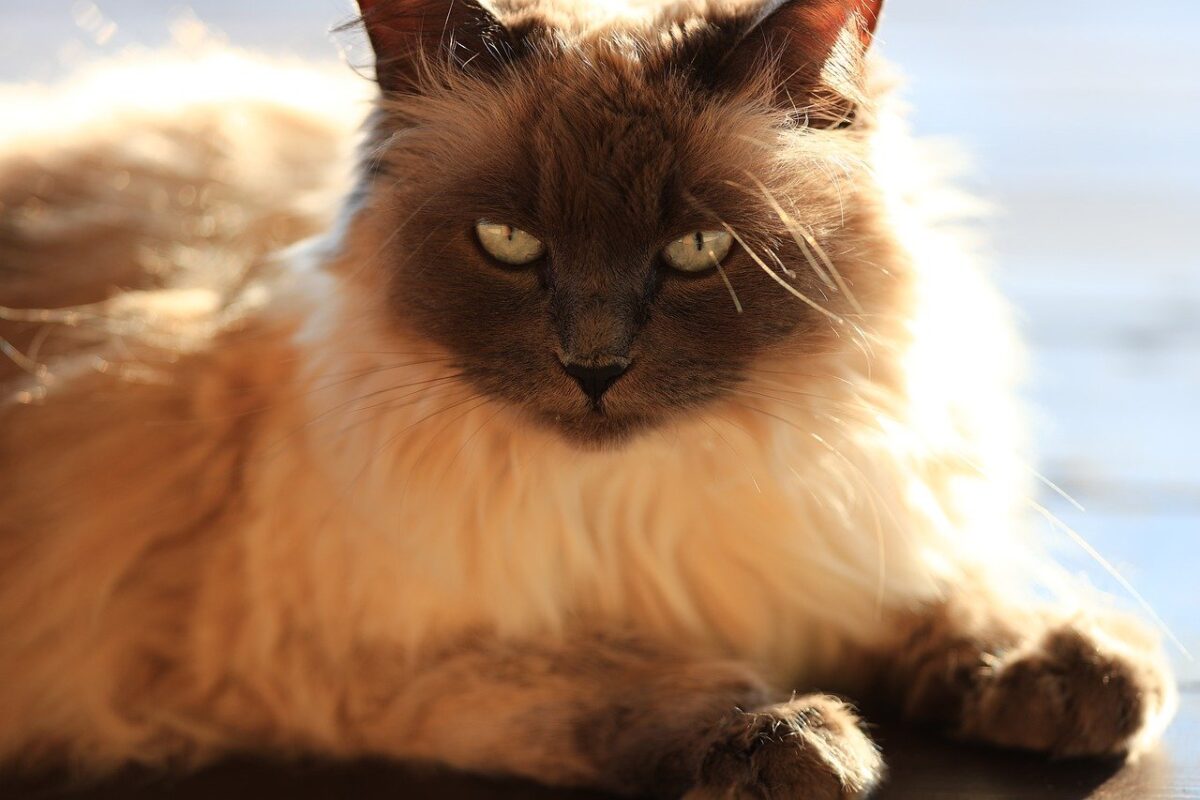
The elegant Balinese may look graceful and reserved at first glance, but silence is not necessarily part of the package. Closely related to the Siamese, this long-haired breed is often social, intelligent, and communicative. Many Balinese use their voices to greet familiar people, request interaction, or respond when spoken to, making ordinary household moments feel surprisingly conversational. Their vocal style can vary between individuals, and some may sound softer than particularly outspoken Siamese cats. The motivation behind all that talking often reflects their interest in social activity. Balinese cats commonly enjoy being involved with their families and can become curious about anything happening nearby. A cat that spends plenty of time participating in household life naturally has more opportunities to express opinions about how those activities should proceed.
Tonkinese
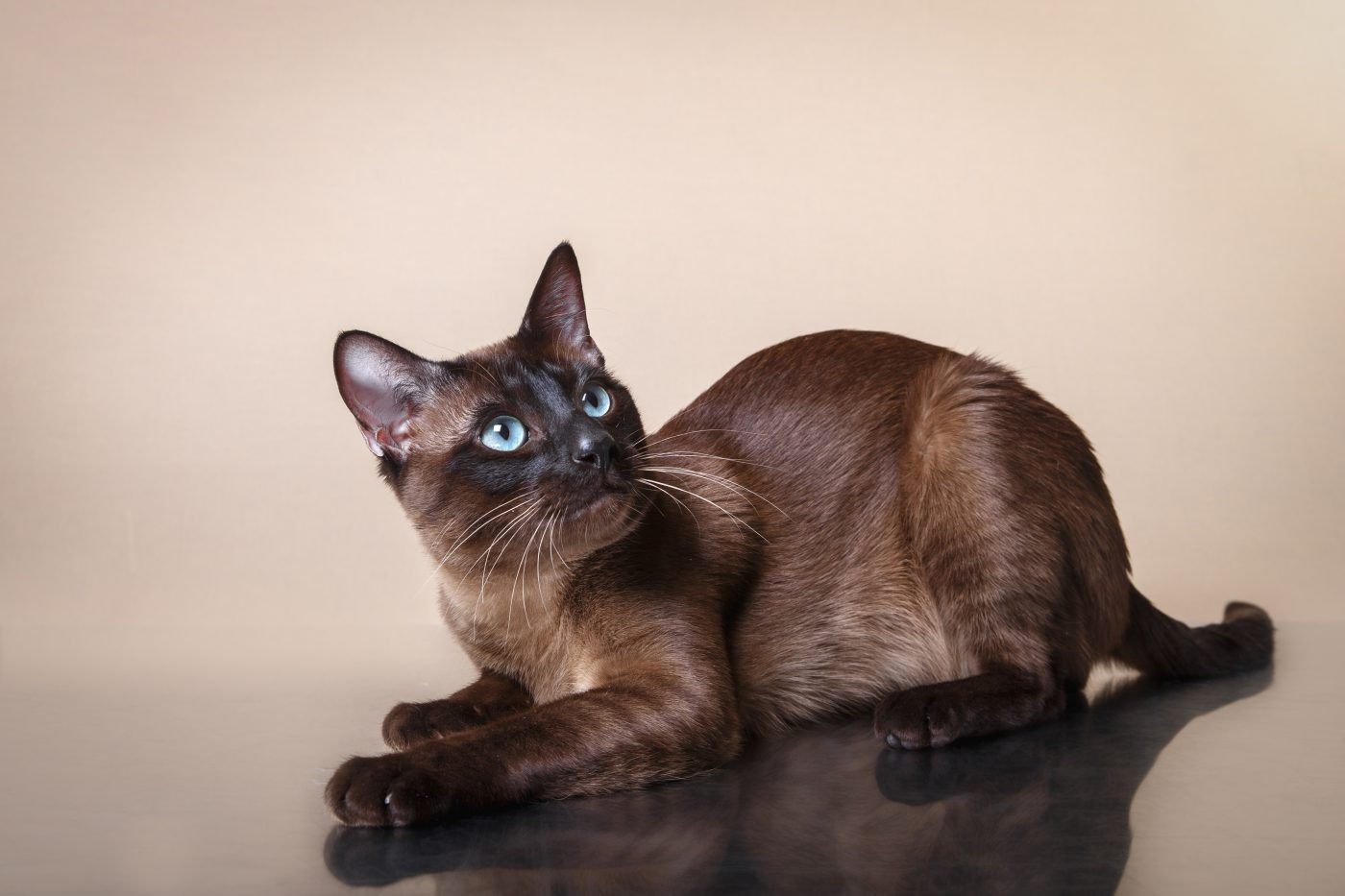
With Siamese and Burmese ancestry, the Tonkinese inherited plenty of traits associated with sociable, communicative cats. Many enjoy staying close to familiar people and using their voices during greetings, play, meals, and other everyday interactions. Their vocalizations may not always have the same intensity associated with the most outspoken Siamese, but they can still be persistent conversationalists. Tonkinese cats are typically curious and active, so their communication frequently accompanies exploration and social participation rather than hours spent quietly keeping to themselves. Intelligence can add another dimension because cats quickly discover which vocalizations earn useful responses from humans. A Tonkinese that receives attention after a particular meow may add that sound to their regular communication repertoire, creating an ongoing conversation shaped by both natural temperament and learned experience.
Bengals
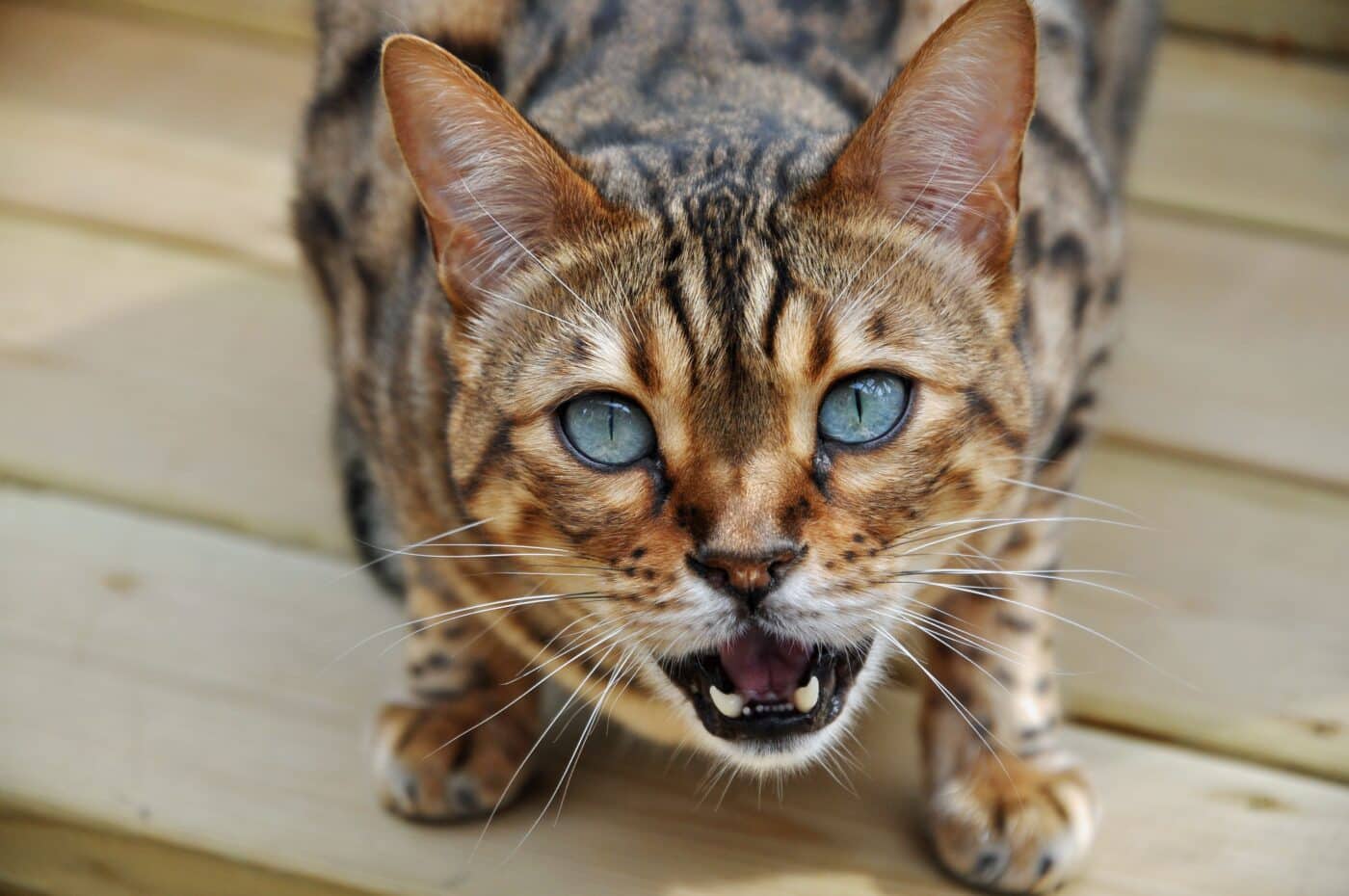
Bengals can bring considerable energy to a household, and some bring an equally impressive soundtrack. These athletic, intelligent cats may communicate through meows, chirps, trills, and other expressive sounds, particularly when excited or interested in something happening around them. Their curiosity can give them plenty of reasons to vocalize, including requests for play, attention, access, or participation in an activity. Bengals also tend to benefit from substantial mental and physical enrichment, so persistent vocalizing can sometimes indicate boredom or a desire for engagement rather than simple chattiness. Individual variation remains important, and plenty depends on personality and environment. Still, their combination of intelligence, activity, curiosity, and social communication can create a companion who rarely hesitates to make their presence known.
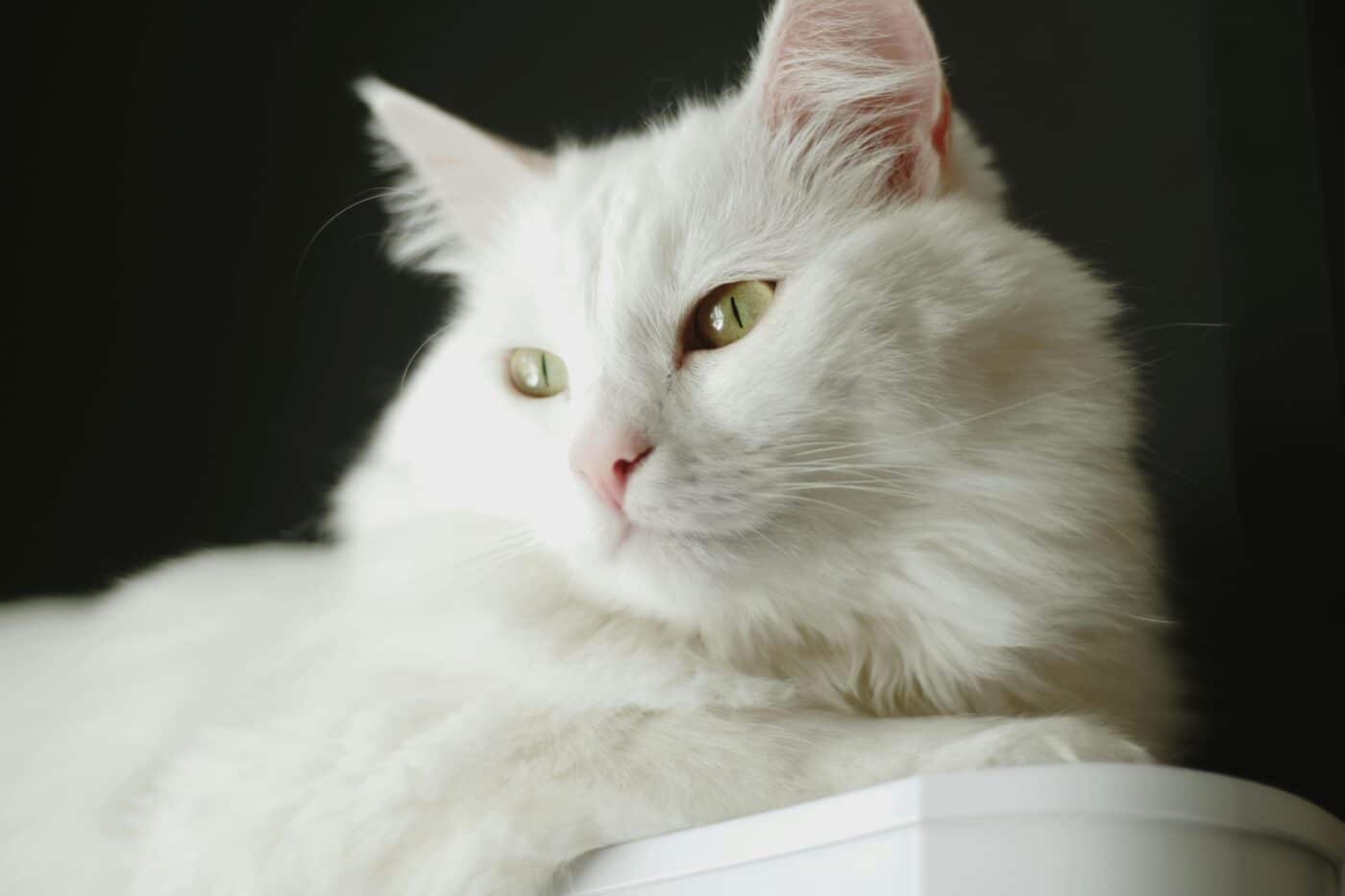
Turkish Angoras are intelligent, active cats that frequently develop a strong interest in everything happening around their homes. Many are communicative with familiar people, using meows and other vocalizations alongside body language to request attention or participate in household routines. Their curiosity can contribute to that talkative streak because an engaged cat has plenty of opportunities to react to doors, meals, games, visitors, and other daily events. Turkish Angoras are also known for being confident and interactive, traits that can make them surprisingly persistent when they want something. Their communication does not always mean affection, since vocalizing can also express excitement, expectation, or simple interest. Individual cats differ considerably, but a socially engaged Turkish Angora may develop an impressive vocabulary of sounds that regular household members learn to recognize.
Japanese Bobtail
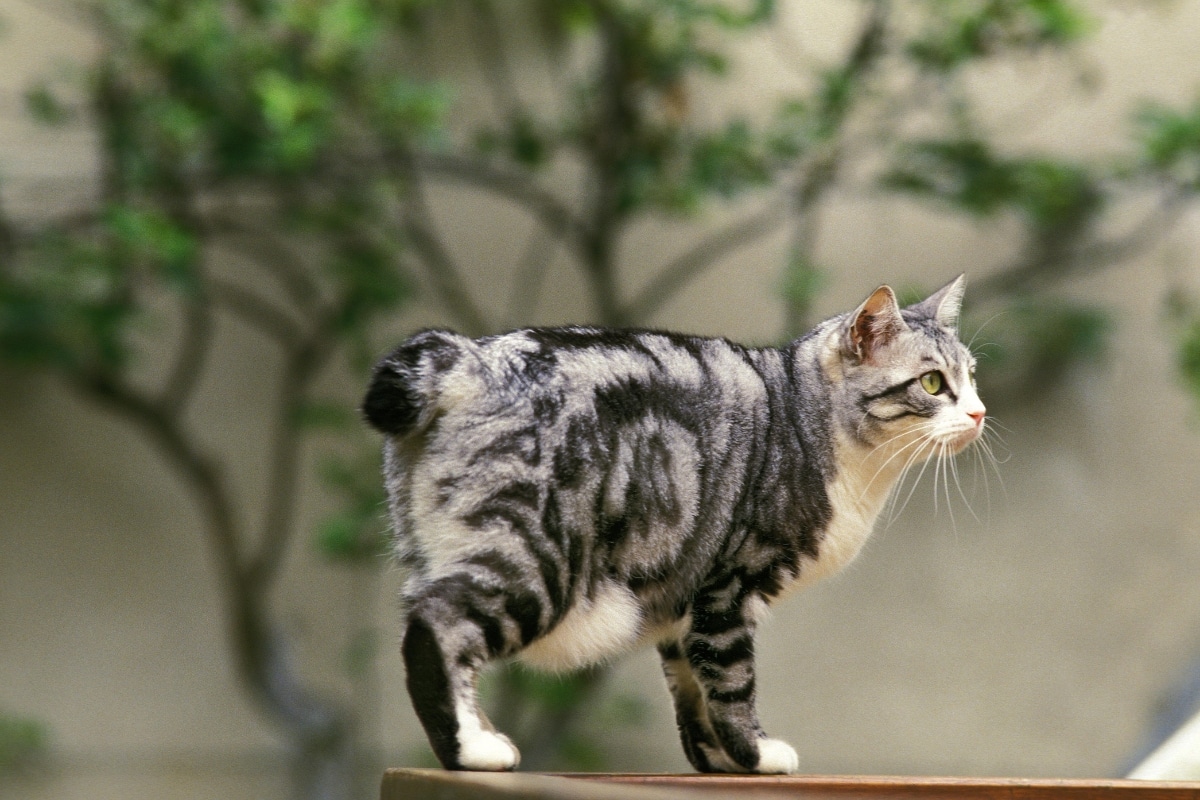
Japanese Bobtails have a reputation for being outgoing and communicative, with voices sometimes described as soft and musical. Rather than relying on one repetitive meow, some individuals produce varied chirps, trills, and other sounds during interactions with familiar people. Their playful, socially engaged personalities can make these vocal exchanges a regular feature of daily life. A Japanese Bobtail may communicate during games, greetings, meals, or moments when curiosity draws them toward household activity. Their intelligence can also help them learn which sounds receive particular responses, gradually shaping communication between cat and human. Not every member of the breed will become a constant conversationalist, but the Japanese Bobtail’s combination of sociability and expressive vocal tendencies makes them a natural fit for homes where a little feline commentary is appreciated.
Ocicat
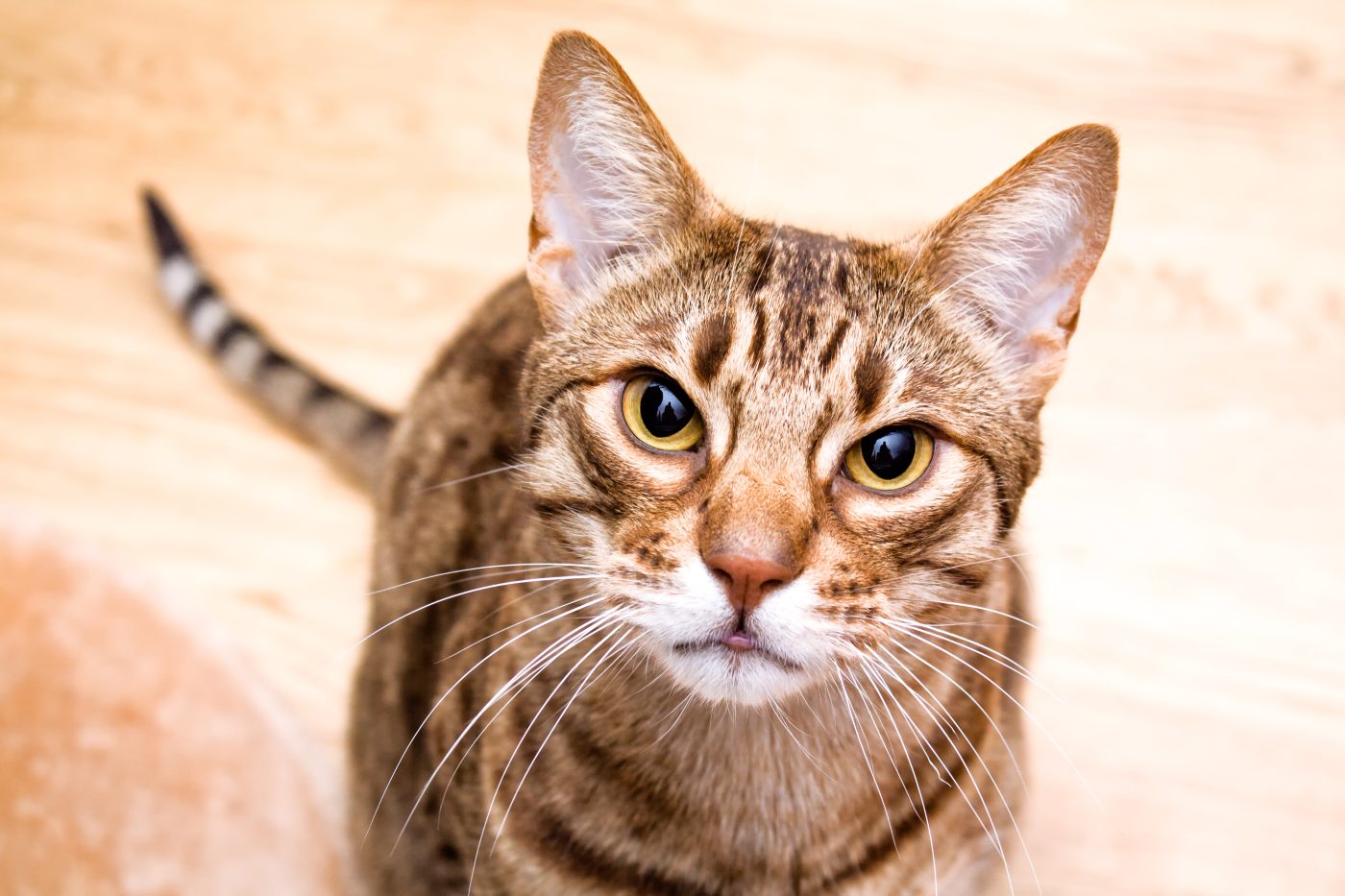
Despite their wild-looking spotted coat, Ocicats are domestic cats with personalities often described as social, confident, and interactive. Many enjoy staying involved with household activity and may use vocalizations to communicate with the people around them. Their voices can appear during greetings, requests for attention, play sessions, or moments when they want to investigate something beyond their reach. Because Ocicats tend to be intelligent and energetic, they can also become skilled at learning which behaviors produce desired results. A meow that repeatedly opens a door or starts a game can quickly become part of their communication strategy. Vocal tendencies differ between individuals, but their outgoing temperament often means they are comfortable making their needs known rather than disappearing quietly whenever the household becomes busy.
Sphynx
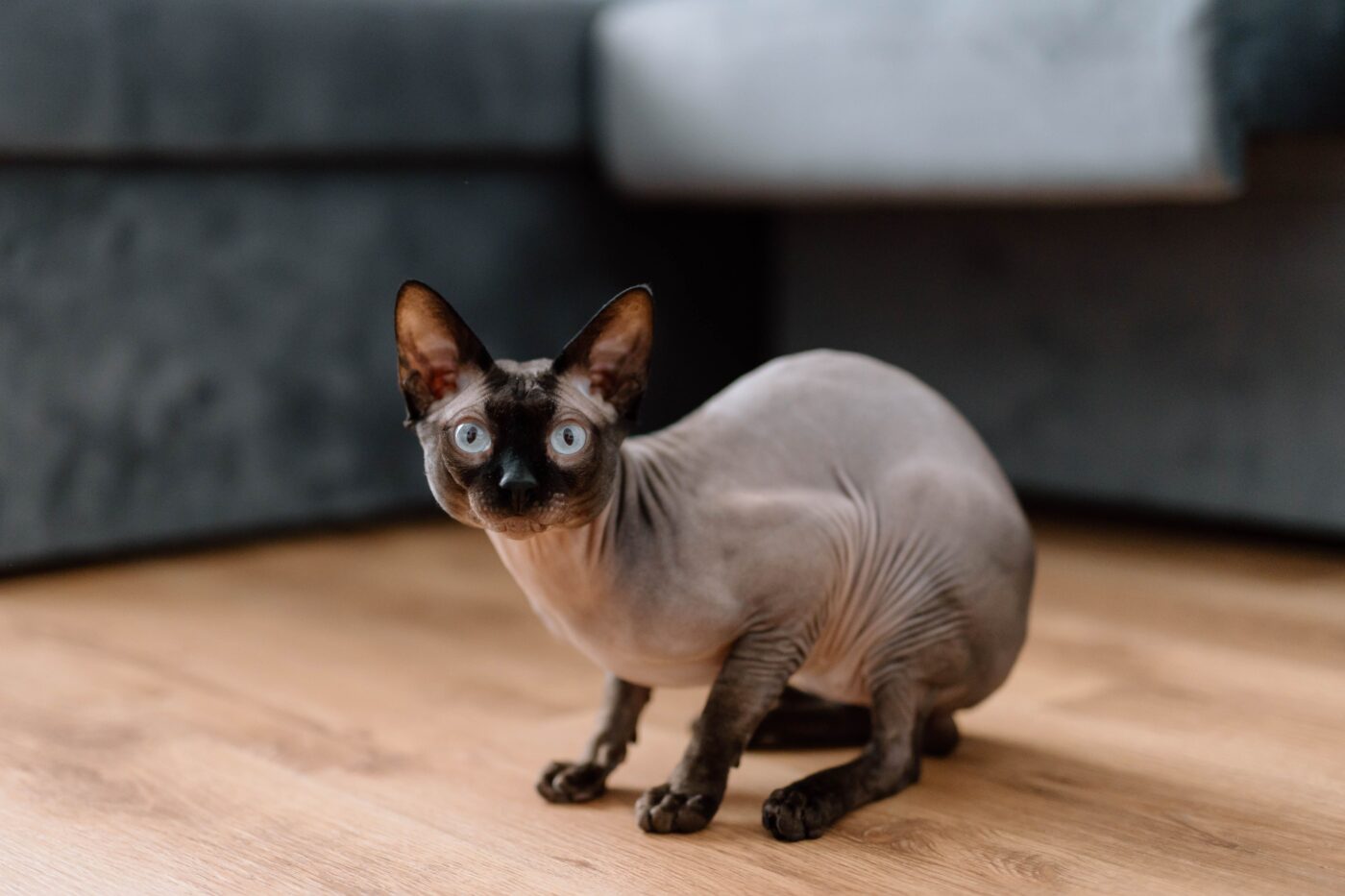
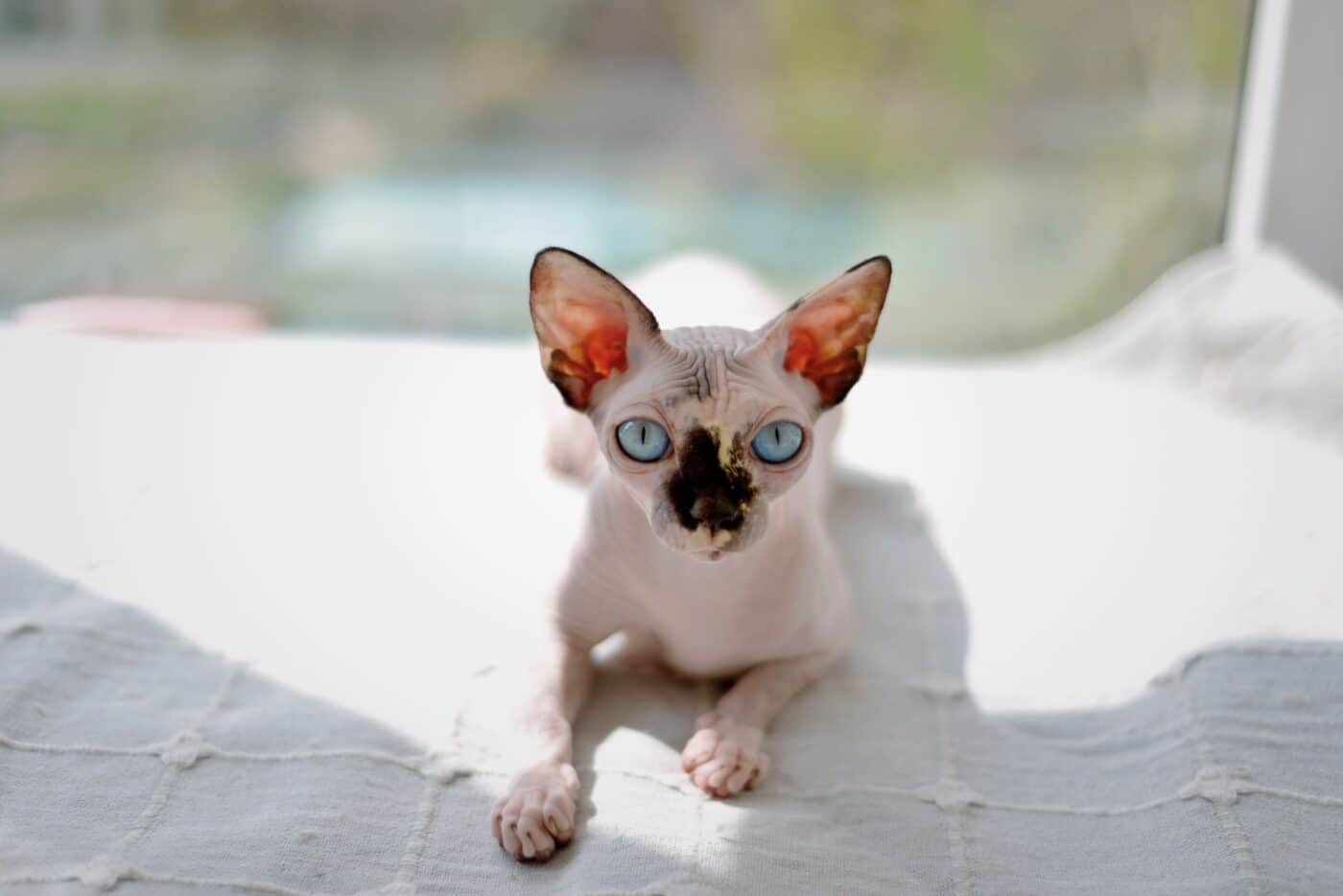
The Sphynx is famous for more than their nearly hairless appearance. Many are highly social cats that enjoy staying close to people, and vocal communication can become part of that constant interaction. They may meow or chirp when seeking attention, anticipating meals, greeting someone, or trying to settle into a comfortable spot. Their desire for warmth can also influence their behavior, since a Sphynx looking for a cozy lap or blanket may become quite persuasive about the request. These cats are frequently playful and curious, so vocalizing can accompany exploration and excitement as easily as social attention. Every Sphynx has an individual personality, but the breed’s generally interactive nature means many prefer participating directly in household life rather than observing silently from across the room.
Singapura
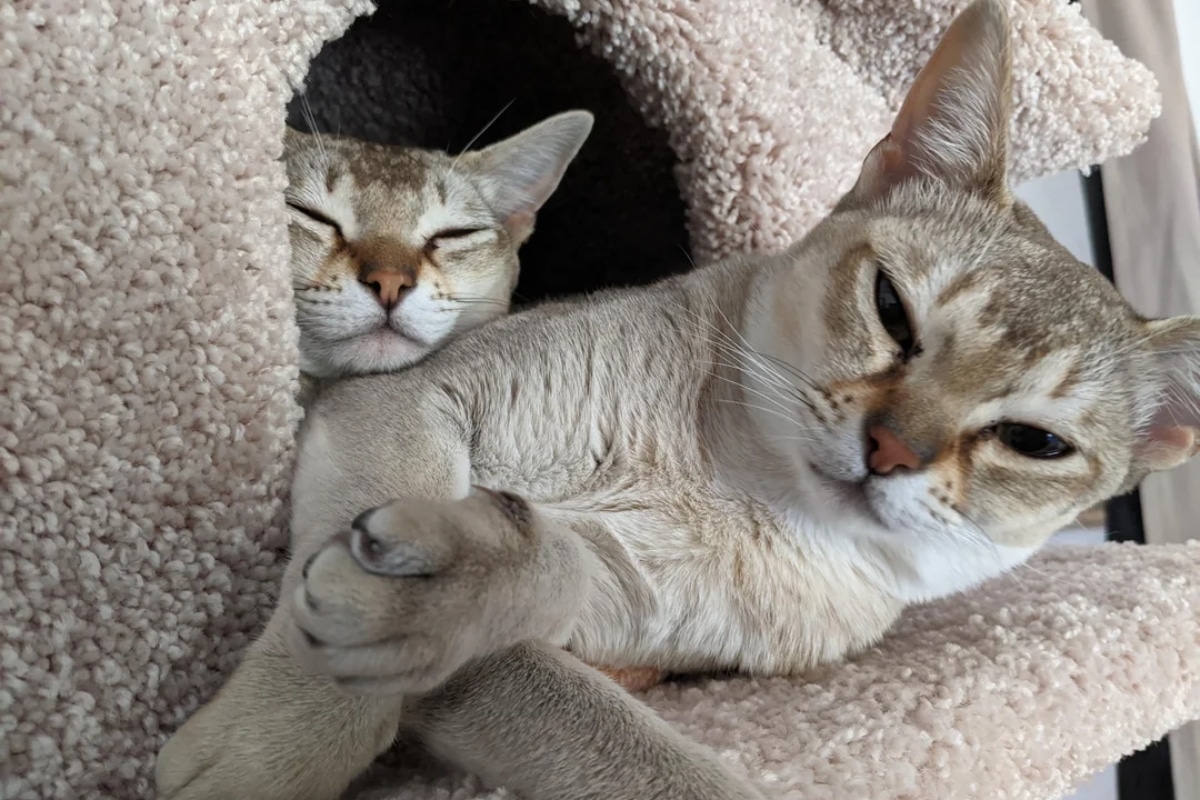
The petite Singapura can pack plenty of personality into a small frame. These curious, socially interested cats often enjoy observing household activities closely and interacting with familiar people. Some use gentle meows and other sounds to communicate when they want attention, companionship, or involvement in whatever is happening nearby. Their vocal style may be less forceful than that of breeds famous for loud calls, proving that being chatty does not necessarily require impressive volume. Singapuras are typically active and inquisitive, which can create frequent opportunities for communication throughout the day. They may follow people, investigate changes in their surroundings, or appear when something interesting begins. Individual temperament always matters, but their combination of curiosity and sociability can make the Singapura a delightfully expressive little companion.
The Conversation Never Really Ends
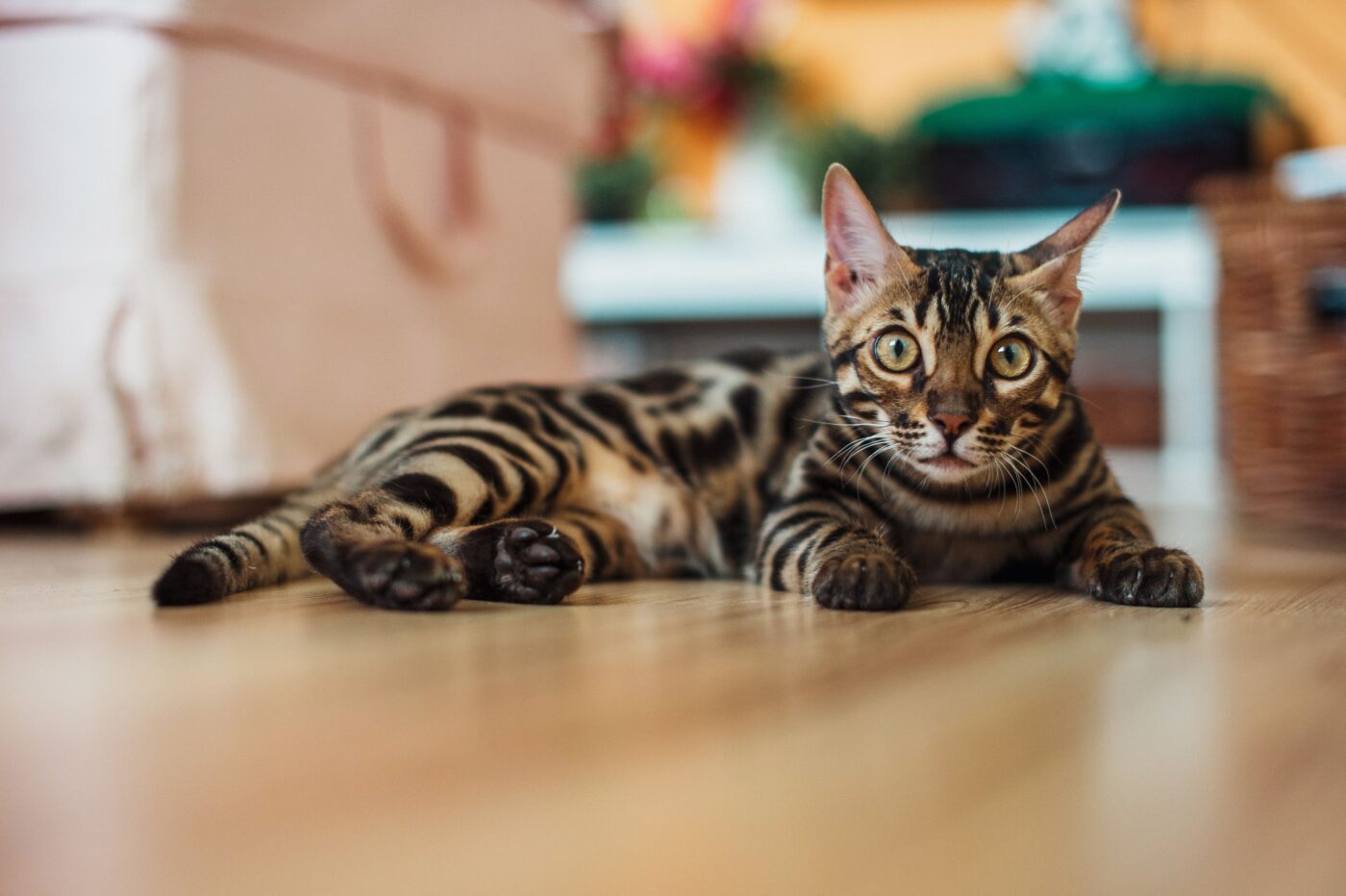
Living with a chatty cat can turn ordinary routines into lively exchanges. Some vocal breeds announce themselves boldly, while others specialize in gentle chirps, trills, and conversational meows that familiar people gradually recognize. Breed tendencies can influence vocal style, but personality, environment, socialization, routine, and learned responses also shape everyday communication. A naturally talkative companion may have different sounds for meals, play, greetings, attention, and curiosity. Listening to the circumstances surrounding those vocalizations can make their meaning easier to understand and keep even a quiet household wonderfully lively.