
Some cats accept decisions quietly, while others seem determined to offer an immediate counterargument, preferably at full volume. Certain breeds are especially known for being vocal, intelligent, social, or confident enough to make their preferences unmistakably clear. Their sounds can range from soft chirps and trills to persistent meows timed for maximum dramatic effect. Individual personalities vary, and cats communicate for many different reasons. Still, living with an expressive breed can feel remarkably conversational when everyday household moments inspire what sounds suspiciously like a carefully prepared feline rebuttal.
Siamese
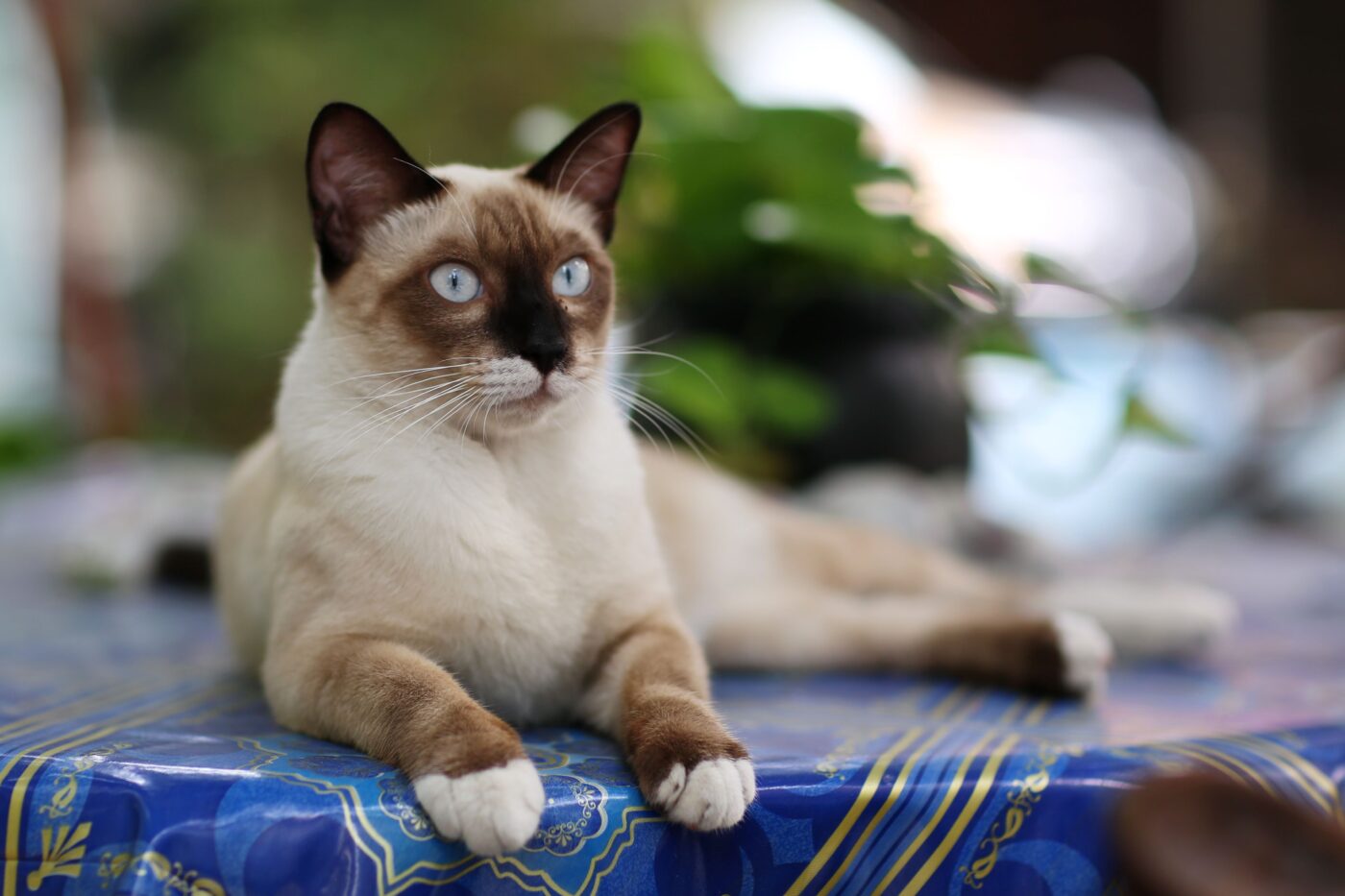
The Siamese has earned a legendary reputation for vocal communication, and many members of the breed seem delighted to keep conversations going. Their voices can be persistent and distinctive, especially when they want attention, food, play, access to something interesting, or involvement in household activity. Siamese cats are also intelligent and strongly social, so vocalizing can become part of an interactive relationship with familiar people rather than simple background noise. Humans who regularly answer may unintentionally reinforce these exchanges, creating increasingly elaborate conversations over time. Individual personalities vary, but a socially engaged Siamese is rarely shy about expressing a preference. Ignore the first comment, and another may arrive shortly afterward with enough conviction to suggest the matter remains very much open for discussion.
Oriental Shorthair
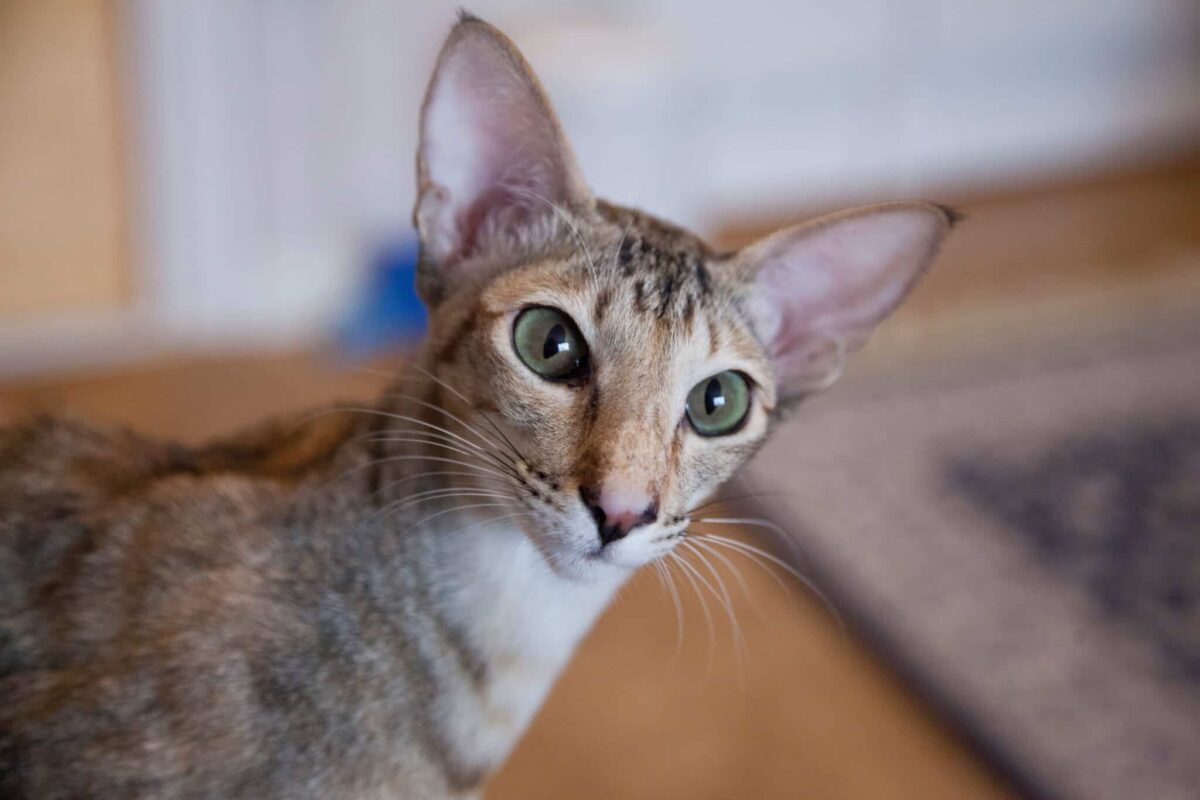
Closely related to the Siamese, the Oriental Shorthair shares much of that breed’s intelligence, sociability, and enthusiasm for communication. Many are highly interactive cats that enjoy following household activity and making their presence known through an impressive variety of sounds. Their vocal behavior can accompany requests for attention, play, companionship, or access to whatever interesting event is happening nearby. Because these cats tend to thrive on engagement, being excluded from the action may inspire persistent attempts to regain someone’s attention. Regular play, enrichment, and social interaction can provide productive outlets for their active minds. An Oriental Shorthair does not literally understand the concept of winning an argument, but their determination to continue communicating until someone responds can certainly create that impression.
Burmese
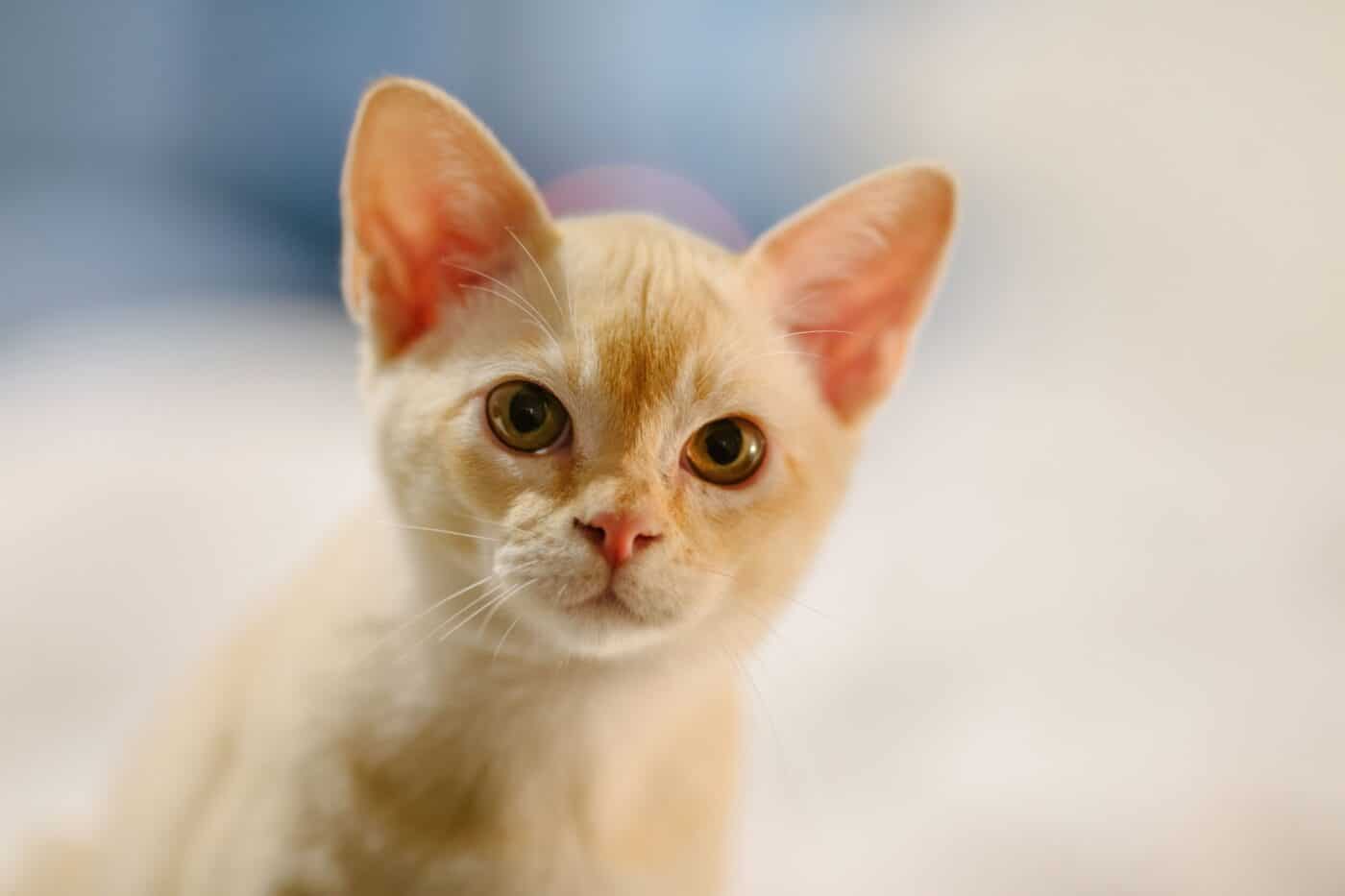
Burmese cats are strongly people-oriented companions that frequently prefer participation over quiet observation. Many use softer voices than their Siamese relatives, yet they can still be persistent communicators when something important requires human attention. Their sociable personalities mean they may follow people around, initiate contact, and respond enthusiastically when spoken to. Vocalization can become especially effective when experience teaches them that certain sounds produce petting, play, food, or another valued response. Intelligence adds another layer because Burmese cats can quickly learn household routines and notice when an expected event fails to happen on schedule. Their version of having the last word may not always be loud. Sometimes a determined little sound, repeated with impeccable timing, is more than sufficient to keep the conversation going.
Bengal
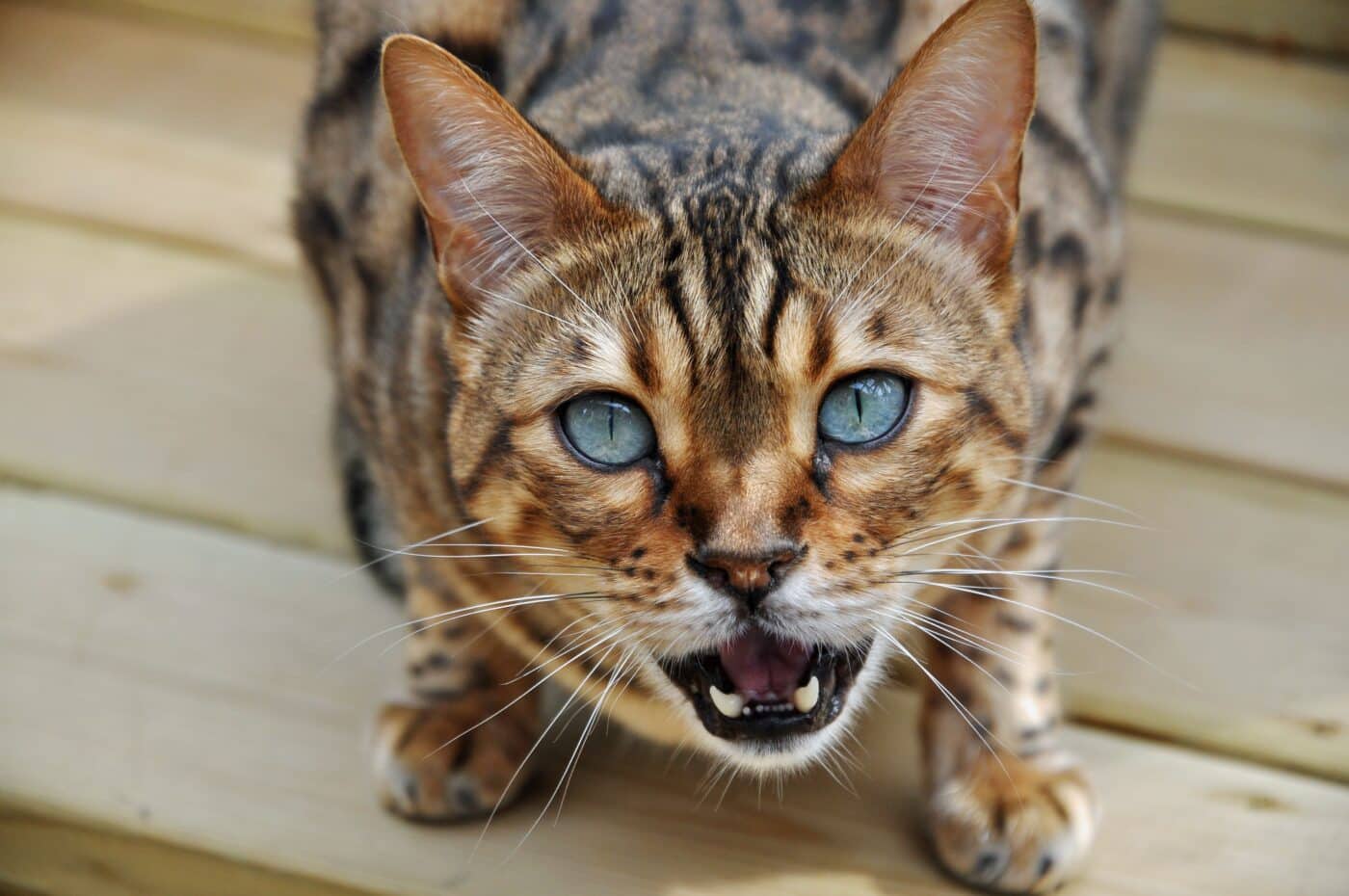
The Bengal brings confidence, intelligence, curiosity, and impressive energy to almost everything they do, including communication. Many are expressive cats capable of producing meows, chirps, trills, and other distinctive sounds during exploration or interaction. Their active minds often encourage them to investigate household activity closely, and they may become especially communicative when seeking play, access, stimulation, or attention. Bengals typically benefit from substantial enrichment, including climbing opportunities, interactive games, puzzles, and appropriate outlets for physical activity. Without enough engagement, a clever Bengal may invent alternative entertainment that humans find considerably less convenient. Vocal tendencies vary between individuals, but the breed’s combination of confidence and persistence can make their preferences extremely difficult to overlook. A Bengal with an opinion generally has several methods available for delivering it.
Tonkinese
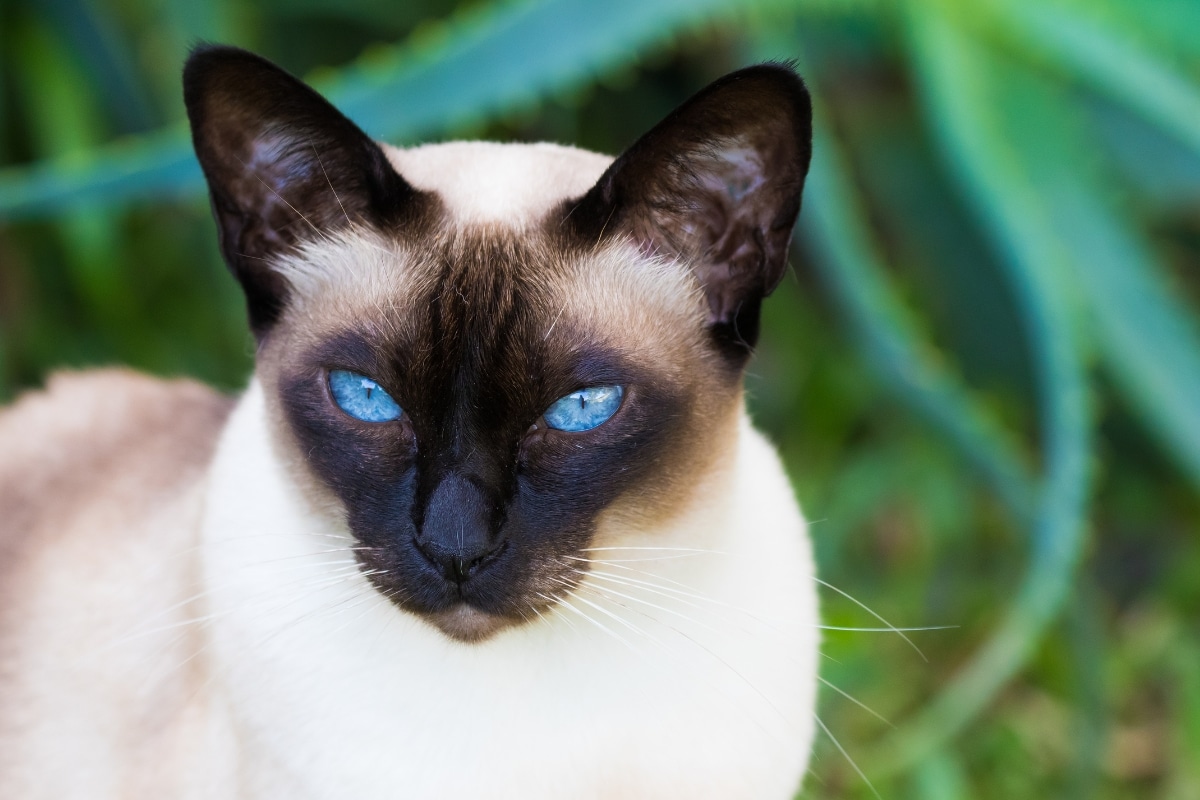
Tonkinese cats tend to approach social life with enthusiasm, and many enjoy maintaining an active connection with their humans throughout the day. Developed from Siamese and Burmese ancestry, the breed combines intelligence, affection, playfulness, and a noticeable talent for communication. Some use conversational vocalizations when greeting familiar people, requesting interaction, or expressing interest in whatever activity is unfolding nearby. Their social nature can also make extended isolation less appealing for certain individuals, so companionship and enrichment are important considerations. Tonkinese cats often seem happiest when included rather than treated as distant observers. That eagerness to participate can make them charming conversational companions. When a Tonkinese responds after being spoken to, then responds again, the exchange can continue until the human begins wondering who actually started the discussion.
Egyptian Mau
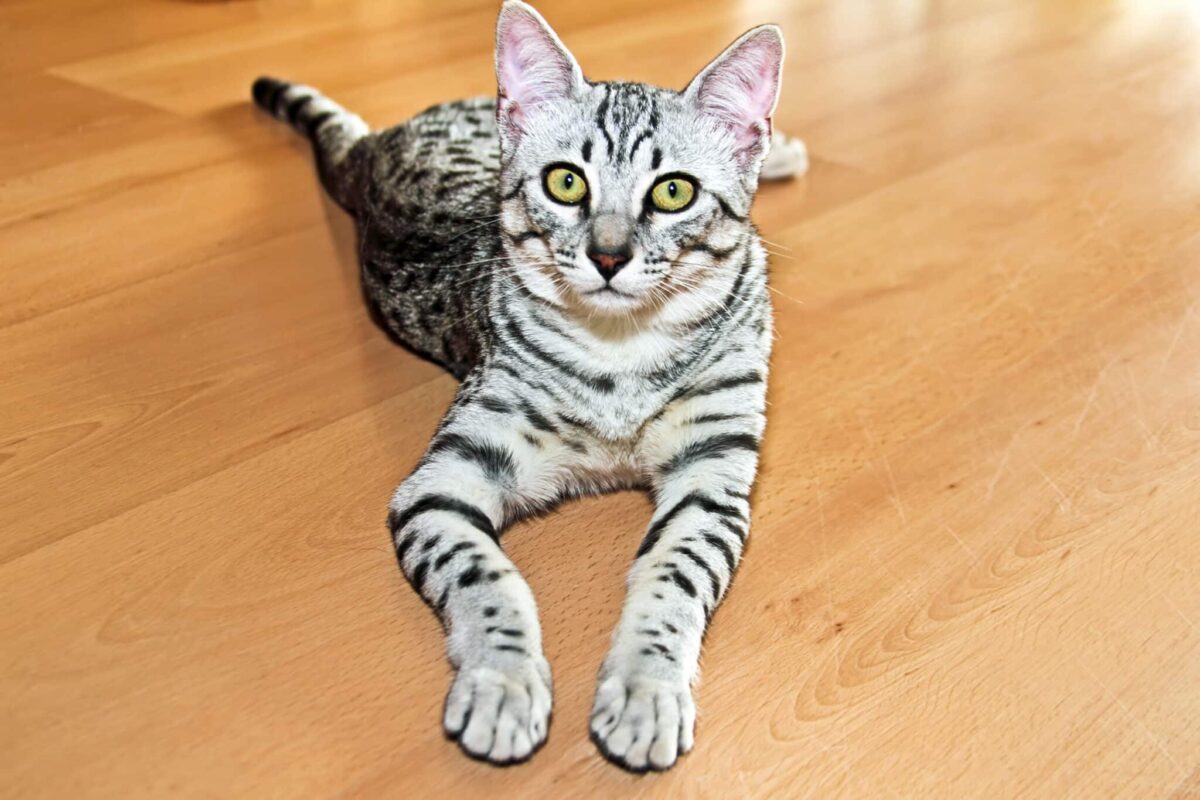
Athletic and highly observant, the Egyptian Mau can be remarkably expressive with familiar people. Members of the breed may use chirps, trills, meows, and animated body language during social interactions, particularly when excited or interested in something happening nearby. Their intelligence and active nature mean they generally appreciate opportunities to run, climb, explore, and engage in interactive play. Some develop strong preferences about routines and favorite activities, making their reactions noticeable when expectations are not immediately met. Individual temperaments vary, and unfamiliar situations may bring out a more reserved side in some cats. Once comfortable, however, an Egyptian Mau can communicate with impressive enthusiasm. A lively voice paired with an attentive expression can make even a simple request sound like a matter requiring immediate household consideration.
Devon Rex
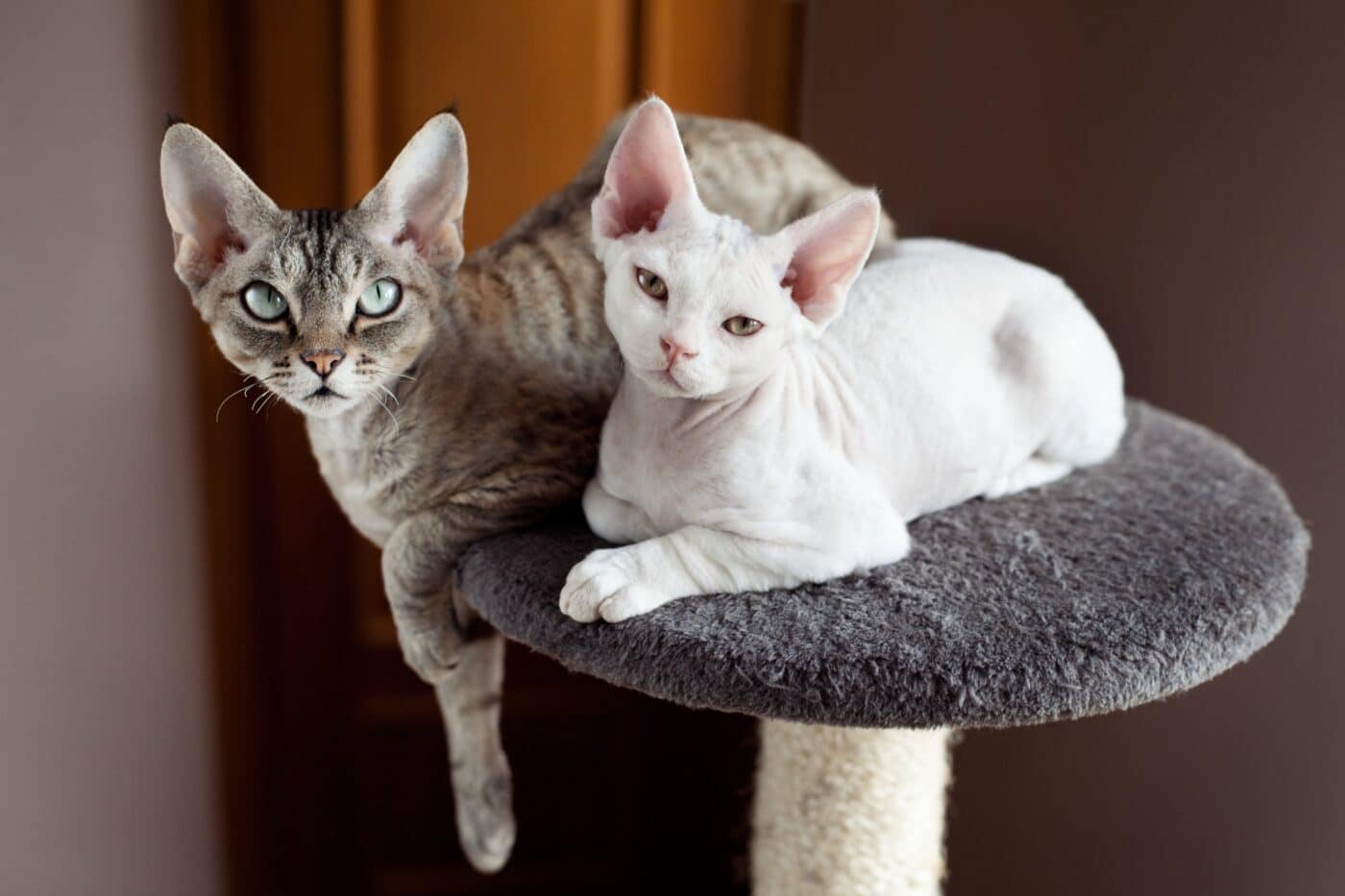
Japanese Bobtails are frequently described as active, intelligent, outgoing cats with a surprisingly broad vocal repertoire. Rather than relying only on conventional meows, some produce chirps and other varied sounds that give their interactions a distinctly conversational quality. Their playful, socially engaged personalities often place them close to household activity, where communication can help attract attention or maintain interaction with familiar people. Many enjoy games and mentally stimulating activities, giving their humans plenty of opportunities for back-and-forth engagement. Their distinctive short tails may attract immediate attention visually, but their personalities can be equally memorable. A Japanese Bobtail that enjoys responding to conversation can make a quiet room considerably livelier, especially once they discover that vocal participation reliably earns an interested human response.
Turkish Van
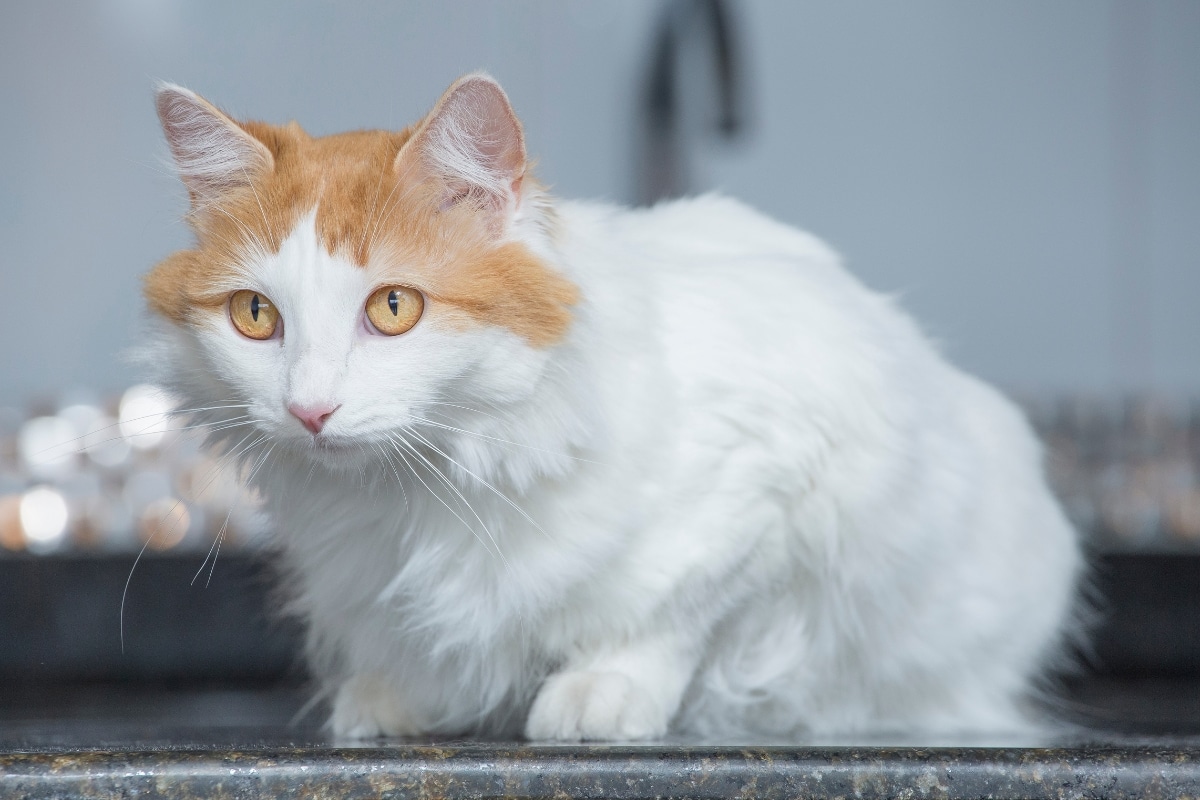
Independent confidence gives the Turkish Van a different route to having the last word. These energetic, intelligent cats are often active participants in their surroundings and can develop very clear preferences about interaction, handling, play, and personal space. Not every Turkish Van is exceptionally vocal, so their inclusion is less about nonstop conversation and more about a personality that can be remarkably assertive. Some communicate through sounds, while others rely heavily on body language and decisive behavior to make their intentions obvious. They generally benefit from opportunities to climb, explore, and play rather than being expected to spend every day quietly lounging. Respecting individual boundaries is especially important. A Turkish Van may not comment on every household decision, but when they object to one, subtlety is not always part of the response.
Sphynx
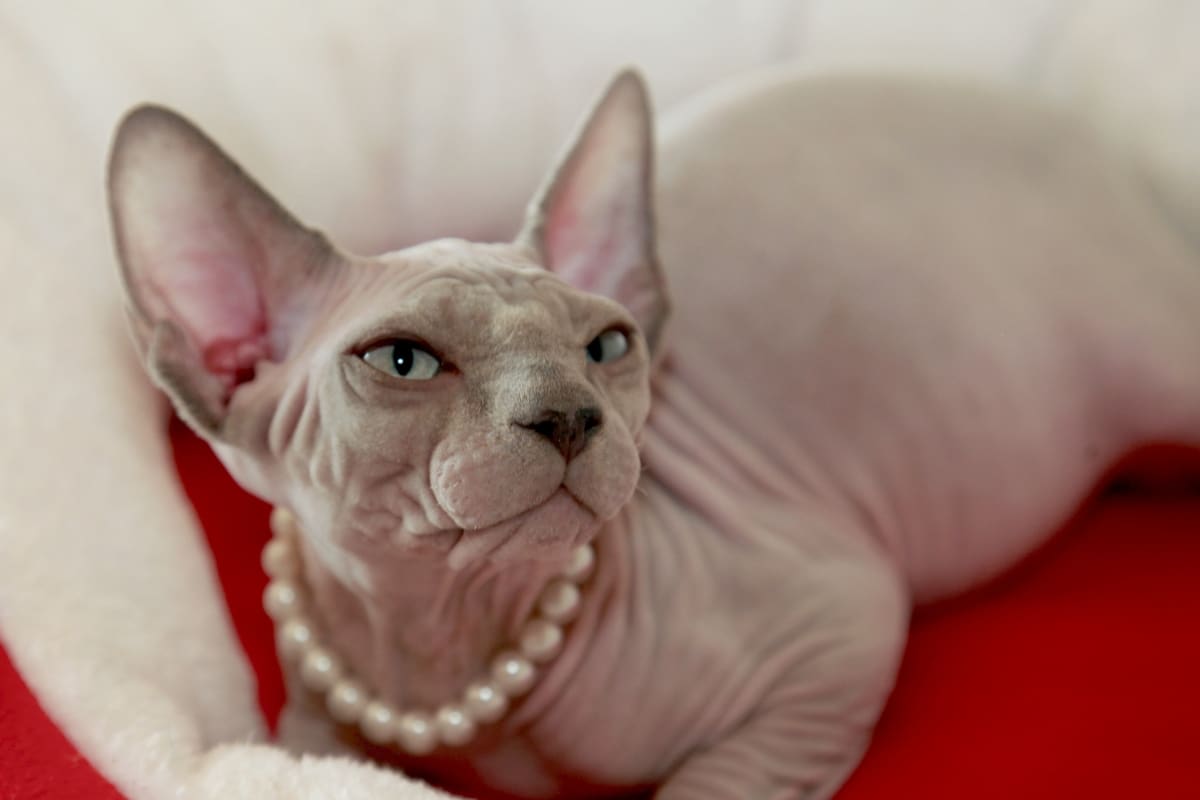
Sphynx cats are famous for their striking appearance, but their social personalities can be equally attention grabbing. Many are outgoing, curious companions that actively seek interaction and enjoy remaining involved with their households. Vocal communication can become one tool for maintaining that connection, particularly when they want attention, warmth, food, play, or access to a favorite resting place. Because their sparse coats provide less insulation, seeking warm locations and close physical contact can have practical motivations in addition to social ones. Their expressive faces and enthusiastic behavior can make every request seem particularly dramatic, even when the underlying need is simple. Individual Sphynx cats vary in talkativeness, but many possess enough confidence and social motivation to ensure their humans rarely have to guess when something deserves immediate attention.
Ocicat
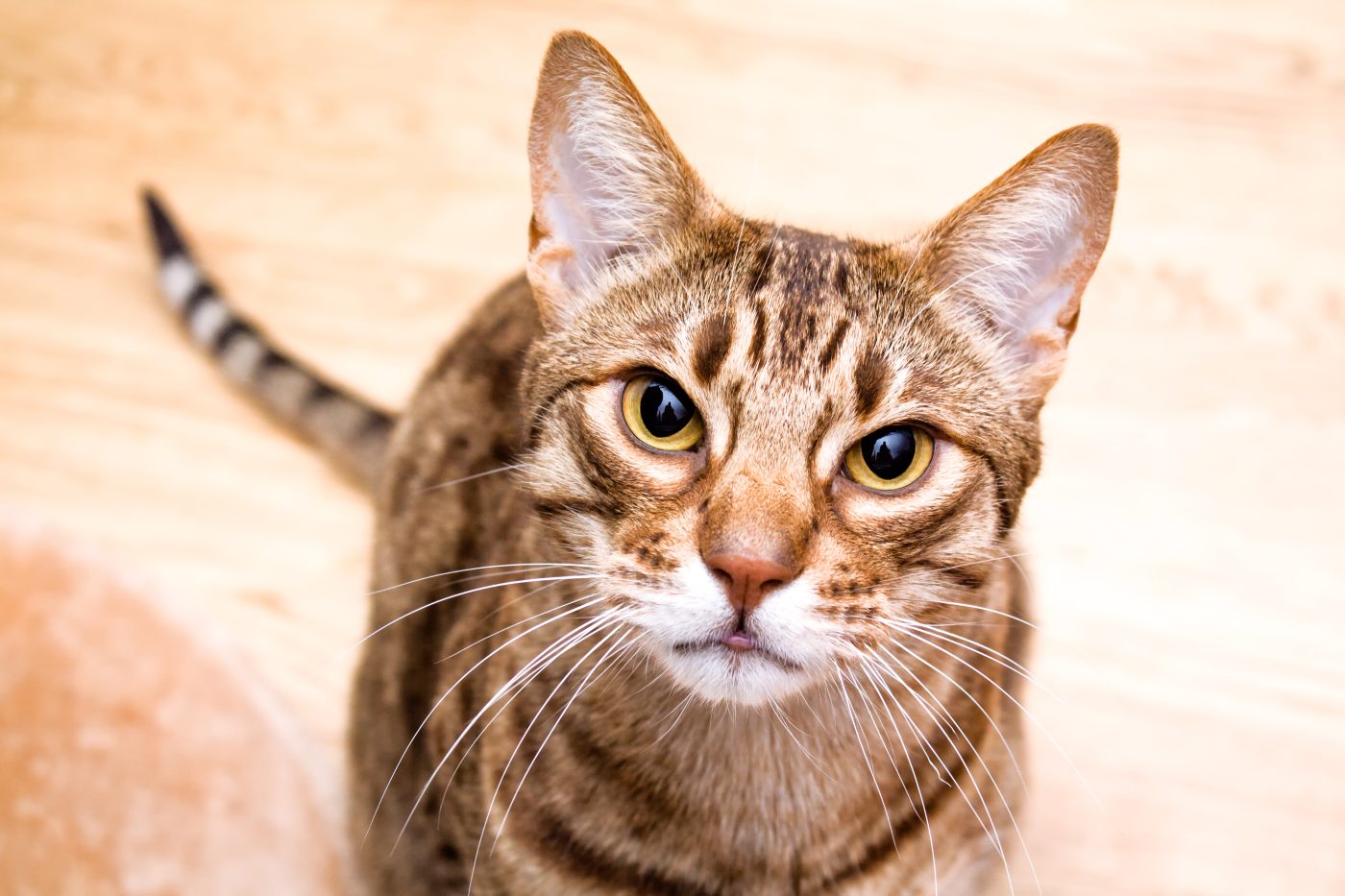
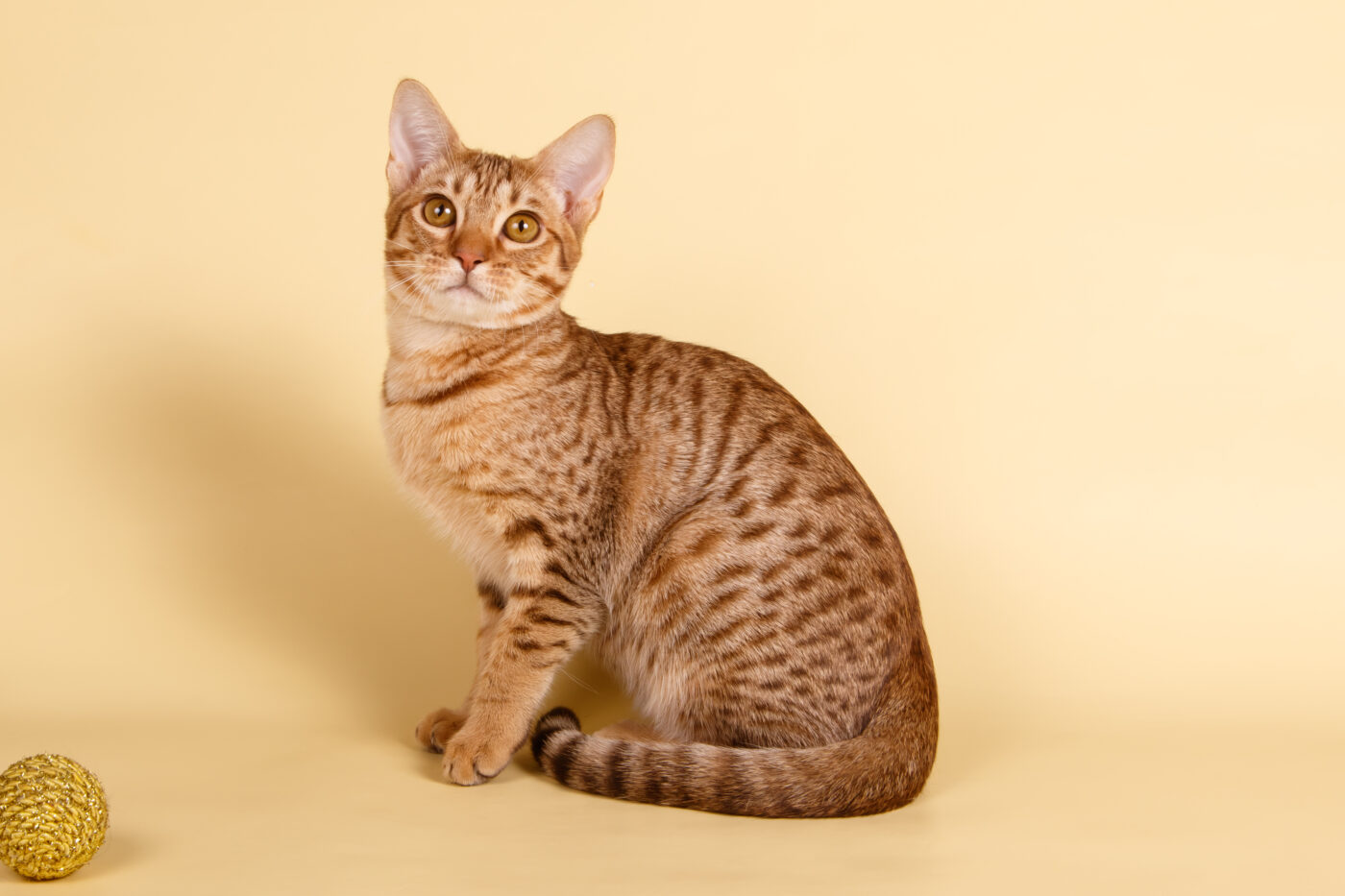
The Ocicat may look wonderfully wild, but this domestic breed is generally recognized for being social, active, and highly engaged with people. Intelligence and confidence can make these cats enthusiastic participants in household routines, and many enjoy interactive games, training, and other activities that provide both mental and social stimulation. Some Ocicats use vocalizations readily when greeting people or seeking engagement, while others communicate their intentions through persistent proximity and expressive body language. Their energetic nature means boredom can become an issue when appropriate outlets are limited, so regular enrichment is particularly useful. An Ocicat that wants something may be clever enough to experiment with different strategies until one works. Once a successful method earns the desired response, humans should probably expect a repeat performance.
Maine Coon

Maine Coons may be physically impressive, but many communicate with surprisingly gentle chirps, trills, and soft vocalizations. Their social and intelligent personalities often encourage them to remain involved in household activities, following familiar people or observing whatever happens nearby. Some become wonderfully conversational, responding when spoken to or producing distinctive sounds when they want attention, food, play, or access to something interesting. Individual Maine Coons vary considerably in talkativeness, but many have little difficulty communicating their preferences through a combination of voice and persistent presence. Their softer vocal style can make their commentary especially charming. A carefully timed trill after a human decision may sound remarkably like a polite request to reopen negotiations immediately.
The Debate Is Never Officially Over

Living with a communicative cat can turn ordinary routines into ongoing negotiations filled with meows, chirps, trills, meaningful stares, and perfectly timed interruptions. Breed tendencies can influence how vocal, confident, or socially engaged a cat may be, but personality, environment, learning, and individual preferences matter just as much. Listening carefully helps humans understand requests for play, companionship, or other needs. For naturally expressive cats, frequent commentary may simply be part of daily life. Ending the conversation, however, does not mean the cat agrees that the discussion is over.
This content was created with AI assistance and edited by the iHeartCats team.