
Cats meow at people, almost never at other cats, because meowing is a behavior they learned specifically to communicate with humans. The nine most common reasons are wanting food, greeting you, requesting attention, wanting to go outside, stress or boredom, mating behavior, age-related cognitive decline, pain, or illness, including urinary blockages, which are a medical emergency. If your cat suddenly meows more than usual, especially while straining in the litter box, get her to a veterinarian within 24 hours.
This guide is evidence-reviewed, not hands-on tested.
So why do cats bother talking to us in the first place? Mercer University psychologist John Wright has spent years studying cat behavior, and he told LiveScience back in 2014 that cats “know how to work us to their advantage.” Vocal communication, as he put it, becomes a tool.
Adult cats mostly save their meows for the humans in the house instead of each other, leaning on scent and body language with other cats. Isn’t it a little wild that an entire vocabulary developed just so your cat could talk to you?
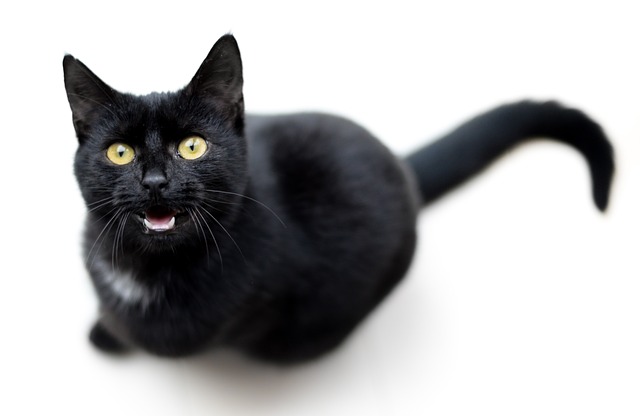
Every cat is an individual, and some just like to talk more than others. Cats also tend to bond more tightly with one person in the household, and that favorite human usually hears the most meowing. Genetics play a role too. Breeds like the Siamese are famous chatterboxes, while others stay quiet unless something is really on their mind.

What Are the 9 Normal Reasons Cats Meow?
Listen closely and you’ll start to notice real differences in tone, length, and volume between one meow and the next. Here’s what each one usually means.
1. Crying for Mom (The Kitten Instinct)
Kittens meow to call their mother from the moment they’re born. Newborns can’t see until their eyes open 8 to 12 days later, so that early darkness is stressful, and a tiny cry brings mom running with purrs and grooming. As kittens grow, they learn to save their meows mostly for attention. Human cat parents end up filling the same role mom once did, coming running the second that little voice sounds off.
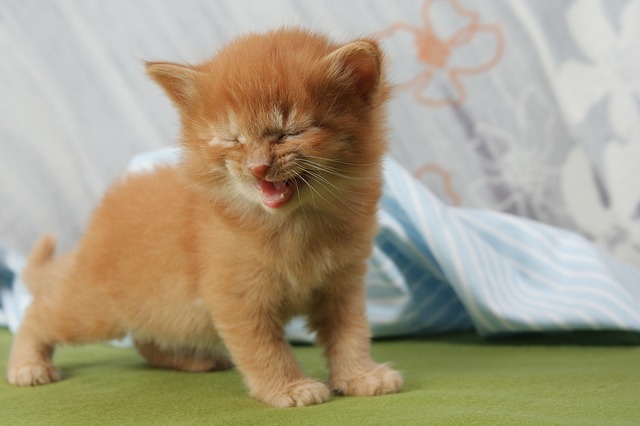
2. Greeting You (“Hello” Meow)
Why does my cat meow when I pet her or walk into a room? Often it’s just a greeting. Cats pick up on patterns, and the sound you make when you greet them tends to become one of the “words” they mimic back.
A short, chirpy meow when you walk in the door usually means she’s genuinely glad to see you. Hear a few in a row, and you’ve got a cat who’s pretty excited.
Some cats take the greeting further and want to touch noses with you right after, which is its own form of hello in cat body language.

3. Demanding Food (“Feed Me” Meow)
Every cat parent knows this one without fail. It’s loud, it’s insistent, and it does not stop until the bowl gets filled. You’ll often get the demand meow paired with leg-twining and walking right in your path, a move some owners call “tripping the human.” Anything to get dinner on the table, right?
4. Meowing at Night (Boredom or Restlessness)
Cats sleep 12 to 16 hours a day, so a lot of that energy comes out after dark. If your cat suddenly turns into a midnight yowler, it’s usually boredom or a simple desire to play rather than anything serious. The sound is typically loud and searching, not quiet, and it can pull you straight out of a deep sleep. A puzzle feeder or a quick play session before bed often solves it within a week or two.

5. Asking to Go Outside
This one usually starts polite and escalates into a full-on pleading racket. You’ll often catch your cat staring out a window or lingering by the door first. If your cat stays indoors, distraction works better than ignoring the request.
Boxes, paper bags, catnip, and new toys all give an indoor cat something to focus on besides the door. A vet-reviewed look at indoor cat life can help you build that kind of enrichment at home.
6. Hunting Chatter (Chirps and Clicks at Prey)
Ever caught your cat’s jaw chattering at a bird through the window? The voice chatters right along with it. Researchers studying this behavior have a few theories: your cat might be mimicking prey sounds, working through frustration at not being able to pounce, or just too excited to stay quiet.
That same hunting drive shows up in other odd behaviors, like ambushing your feet under the blanket. Whatever the real answer, you’ll know your cat has gone full predator the moment it starts.
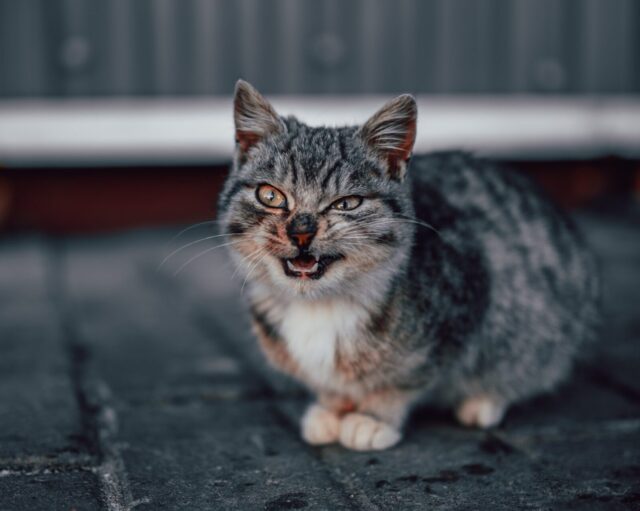
7. Startle or Pain Meow (“Excuse Meow?!”)
This one sounds like a sudden siren. It’s high-pitched, loud, and almost always shows up right after you step on a tail or paw by accident. Watch for claws in these moments since a startled cat reacts fast. A similar sharp meow can also show up when you’ve annoyed her, like rubbing her belly when she clearly didn’t invite it.
8. Territorial Warning Meow
Long, loud, and anything but melodious, this meow often slides into growling or hissing. It shows up when a cat feels like her territory is under threat, most commonly when a strange cat, or any unfamiliar animal, shows up outside the window. Your cat isn’t being dramatic. She genuinely believes that intruder needs to go.

9. Distress Wail (Something’s Wrong)
This low, eerie moan means trouble. It signals real distress, often paired with pain or frustration, and it’s one sound you should never ignore. Plenty of cats let out this exact wail right before vomiting. Hear it, and you check on your cat immediately, no exceptions.
Normal Meow vs. Warning-Sign Meow
Use this quick chart to sort an ordinary meow from one that means it’s time to call the vet.
When Is Cat Meowing a Sign of a Problem?
Excessive meowing, especially when it’s new or sounds different than usual, can mean something is wrong. If your cat has started crying nonstop or in a way that sounds like real distress, check for these five causes.
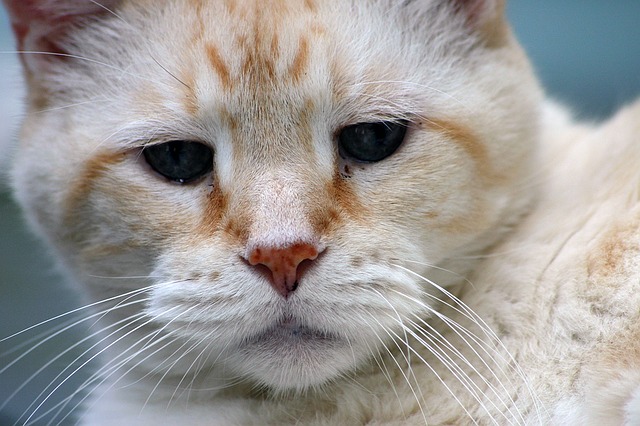
Aging (Cognitive Decline)
As cats get older, cognitive changes can leave them wandering the house and meowing, often at night when everything is dark and quiet. According to the Cornell Feline Health Center, senior cats with cognitive dysfunction can become disoriented after dark, and that confusion often comes out as vocalizing. A nightlight can help some cats, and a veterinarian can prescribe medication for cats who struggle more than that.
Stress or Anxiety
Anxious cats pace and meow out their distress. What changed recently? New food, new litter, a new pet, or even rearranged furniture can all rattle a cat more than you’d expect.
Separation anxiety is one of the most common triggers. Some cats do better with a feline sibling, but if that’s not an option, the ASPCA recommends “having a pet sitter come partway through the day to visit and play with her.”
Litter box stress is another common culprit. A cat who feels uneasy about where to go will often cry about it, then go somewhere she shouldn’t. Food changes matter too. If your cat refuses a new diet, try adding a low-sodium broth or a food topper to make it more appealing.
Illness
A handful of feline illnesses list excessive vocalizing as a symptom. According to PetMD, veterinarian Dr. Courtney Marsh points to hyperthyroidism, blood pressure problems, and throat disorders as common medical reasons behind a sudden change in vocal behavior.
“There are also instances that would constitute an emergency, like a urinary tract blockage,” Dr. Marsh explains. “Many cats will vocalize loudly and continuously in the litter box because that condition is so painful.”
That specific combination, loud crying while straining in the litter box, is one of the clearest signals on this whole list. The Cornell Feline Health Center notes that urethral blockages are a true emergency, most common in male cats, and can become fatal within 24 to 48 hours without treatment. If you see this combination, skip the wait-and-see approach and get to an emergency vet the same day.
Pain from Injury
Notice your cat grumbling while walking, jumping, or climbing down from a favorite perch? Check her over for tender spots. The same goes if she keeps grooming one area obsessively or snaps at you when you touch a specific spot. Either way, that’s a vet visit, not a wait-and-see situation.
Wanting to Mate
Unspayed and unneutered cats get loud, fast. A female in heat will meow nonstop looking for a mate, and a male who catches her scent will yowl right back while trying to find her. This can go on for hours. The ASPCA notes that spaying or neutering largely eliminates this kind of mating-related vocalizing, along with a long list of other benefits.
Every Meow Matters
Whether it’s a cheerful greeting or a real cry for help, your cat’s meow is her voice, and she’s trusting you to listen. Pay attention to tone, timing, and what’s happening around her, and you’ll get better at reading what she’s actually saying. Some meows are playful. Others are serious.
Either way, they’re part of the bond the two of you share. So the next time your cat speaks up, don’t just hear it. Listen.