
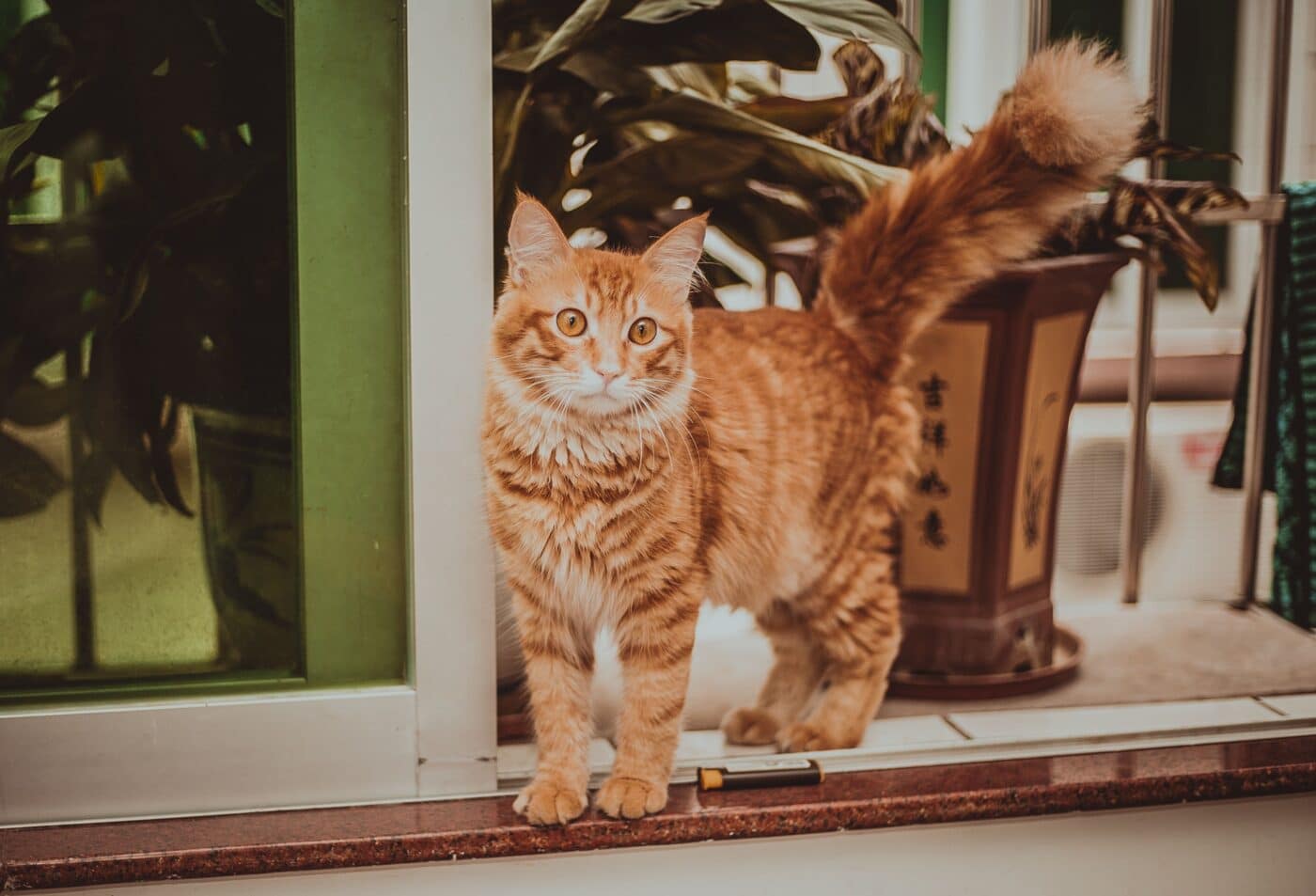
Cats rarely need grand gestures to show that someone matters to them. Their affection can appear in tiny everyday moments, such as choosing a nearby sleeping spot, offering a gentle head bump, or simply relaxing without keeping watch over the room. Because feline communication relies heavily on body language, scent, proximity, and voluntary social contact, some of their warmest signals are easy to overlook. Individual personalities shape how affection appears, and not every cat enjoys constant touching or cuddling. Learning to notice these quieter behaviors can reveal just how much trust, comfort, and social connection may be hiding inside an ordinary day together.
They Give You Slow Blinks
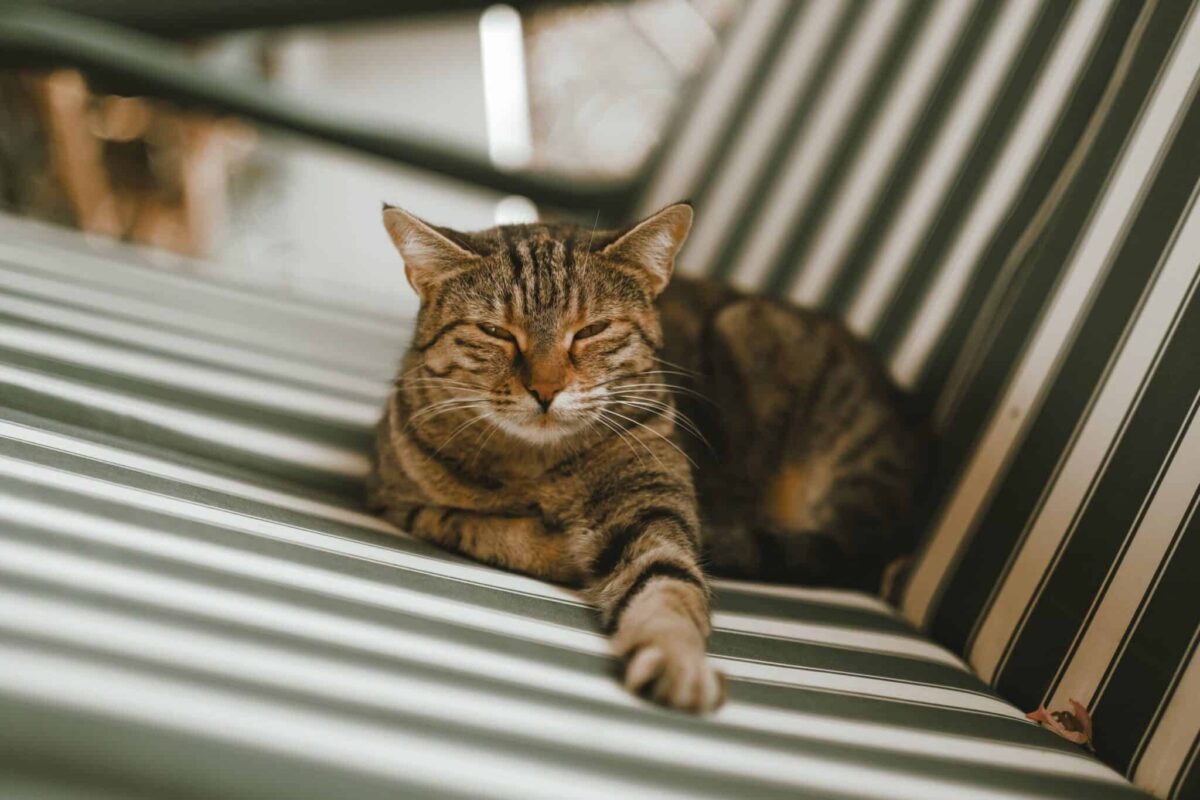
A long, relaxed blink can be one of the quietest ways a cat communicates comfort during a social interaction. Rather than keeping their eyes wide and alert, they soften their gaze and slowly close and reopen their eyelids while looking toward someone familiar. Research has found that slow-blink interactions can play a positive role in cat-human communication, although the meaning should always be considered alongside the rest of the cat’s body language. Relaxed ears, loose posture, and a calm expression make the signal easier to interpret. Some cats will even respond when a familiar person slowly blinks back. It may not translate literally into human words, but it can become a wonderfully subtle exchange between a cat and someone they feel comfortable around.
They Choose to Sleep Near You
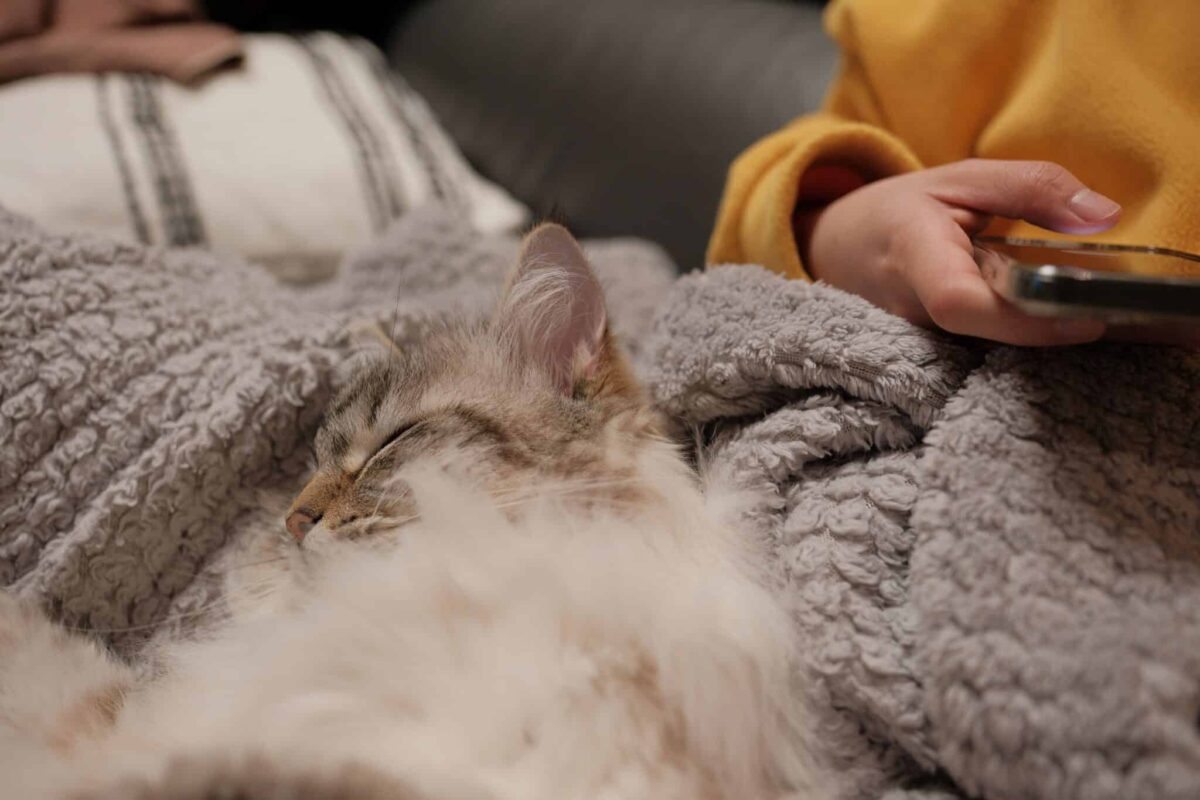
Sleep leaves cats less prepared to respond immediately to unexpected events, so choosing a resting place near someone can reflect a meaningful level of comfort. A cat does not need to curl directly on a person’s lap for proximity to matter. Some prefer the opposite end of the couch, the corner of the bed, or a favorite perch beside the place where their person works. The important detail is that they repeatedly choose to relax nearby when other locations are available. Warmth and convenience can certainly influence sleeping spots, so proximity alone is not absolute proof of affection. Still, when it appears alongside other relaxed social behaviors, voluntarily sleeping near someone can fit beautifully into a larger pattern of trust and companionship.
They Rub Their Face Against You
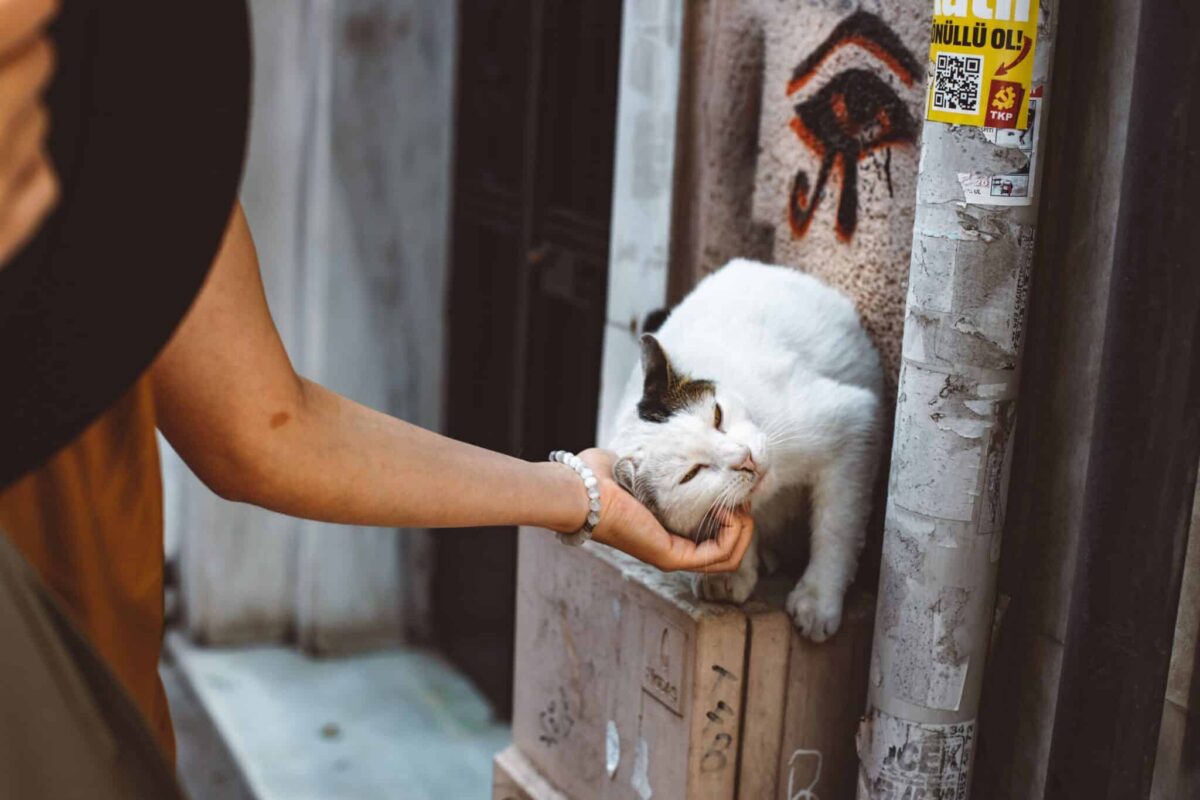
That gentle cheek rub carries a distinctly feline combination of scent communication and social contact. Cats have scent glands around parts of their face, including the cheeks and chin, and rubbing can deposit chemical signals onto people and objects within their environment. Friendly cats also perform social rubbing with familiar companions, so a relaxed face rub directed toward a person can have both scent-related and social significance. Context matters because rubbing may occasionally serve other purposes, including requesting attention or reinforcing a familiar routine. When a cat approaches voluntarily with a relaxed posture, presses their cheek or forehead against someone, and remains comfortable nearby, the gesture can become part of an established social bond. It is affection expressed in a language where touch and scent work together.
They Follow You Around the House
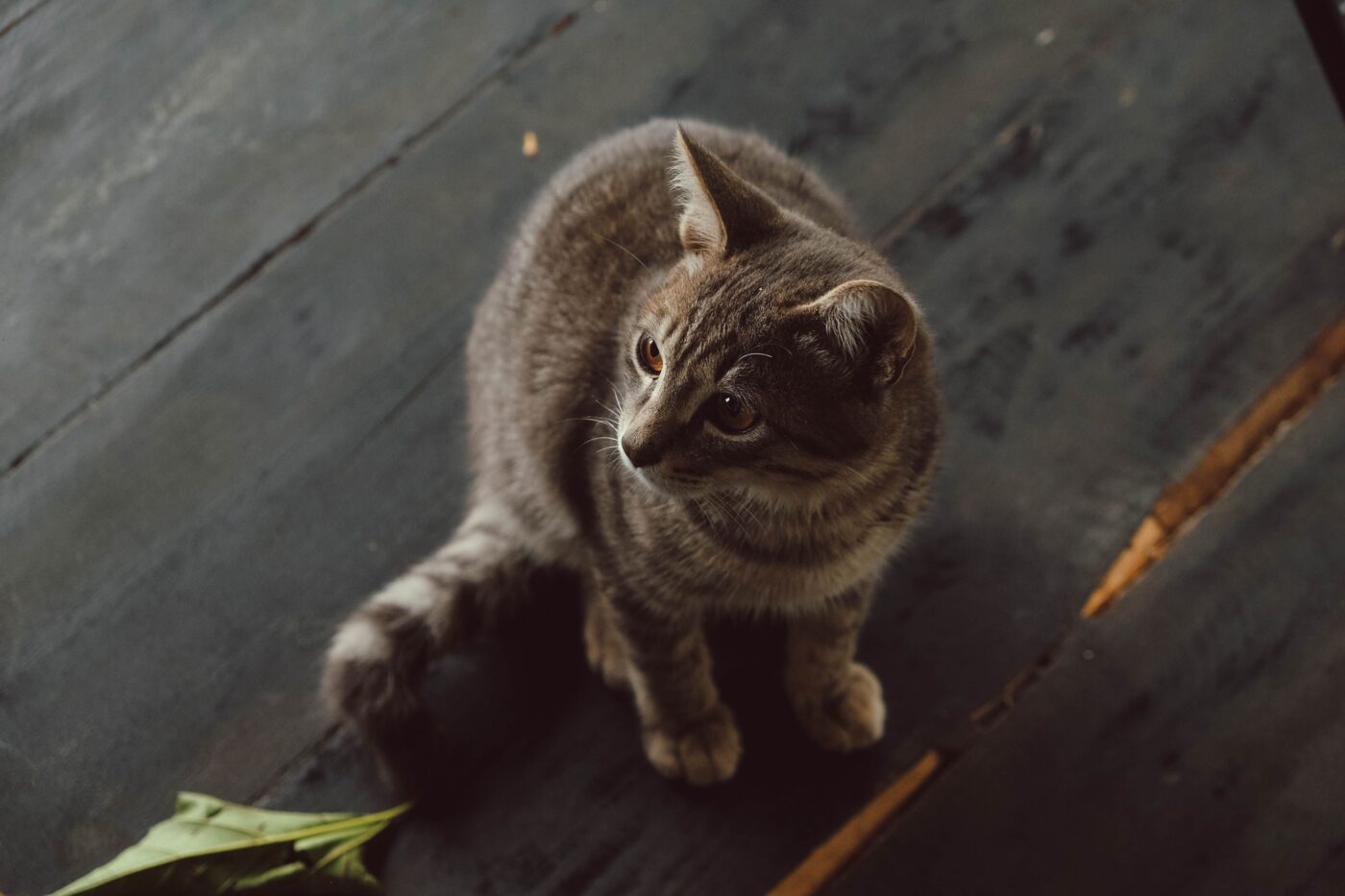
Finding a cat behind you in the kitchen, outside the bathroom, and beside your desk can make it seem as though you have acquired a tiny supervisor. Following has several possible motivations, including curiosity, routine, anticipation of food, or interest in whatever activity is happening next. Yet some cats simply prefer spending time within the same general area as familiar people. The distinction often becomes clearer when there is no obvious resource waiting at the destination. A cat that quietly follows someone and then settles nearby may be choosing social proximity rather than demanding anything specific. Independent personalities may express attachment this way instead of seeking constant physical contact. Staying close can be their comfortable compromise between companionship and maintaining that famously feline sense of personal space.
They Knead While Relaxing With You
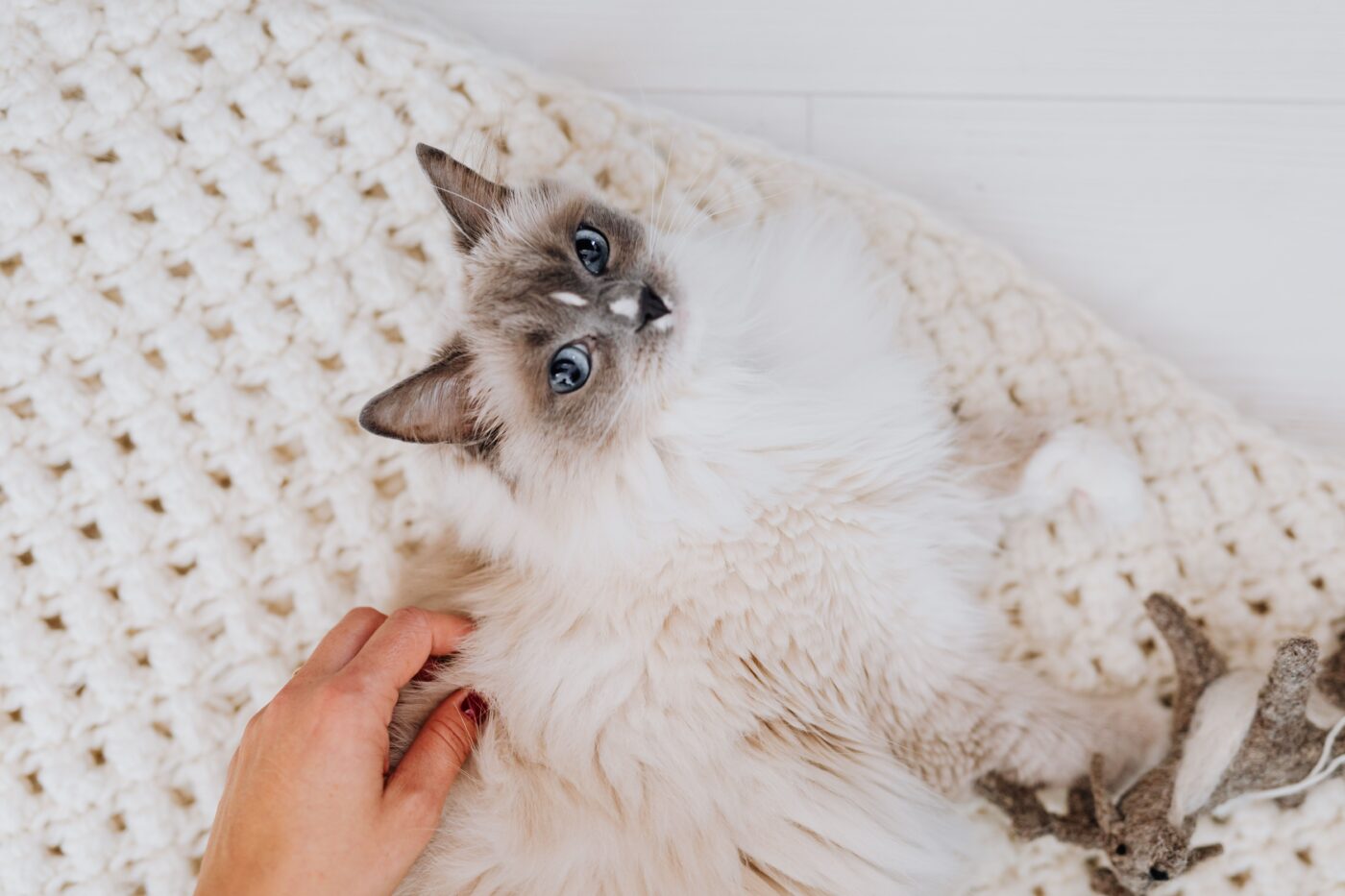
Rhythmic paw pressing begins during kittenhood, when nursing kittens knead around their mother’s belly. Many cats continue kneading into adulthood, particularly when they are comfortable and settling down to rest. A cat that begins kneading while curled beside someone may be experiencing a relaxed, pleasant emotional state associated with that moment. The behavior is not necessarily a deliberate message of affection, and cats also knead blankets, beds, and other soft surfaces when no person is involved. Still, kneading during calm social contact can become part of a familiar comfort ritual shared with someone they trust. Purring, relaxed muscles, soft eyes, and eventually falling asleep can strengthen that interpretation. Those busy paws may be less a declaration than a visible sign that the cat feels wonderfully at ease.
They Groom You
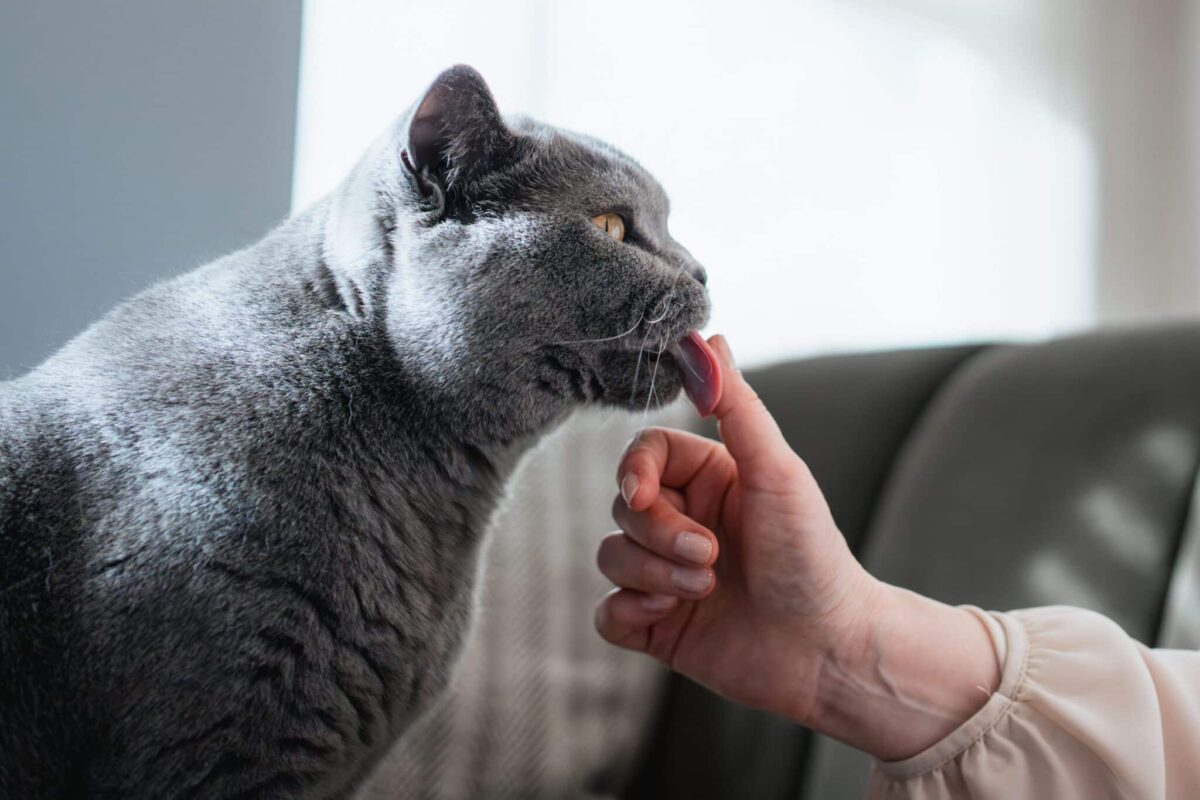
A few deliberate licks on a hand, arm, or hair can resemble the social grooming cats sometimes direct toward familiar companions. Grooming between socially comfortable cats can help maintain relationships in addition to its practical cleaning function. When similar behavior is directed toward a human, it may occur as part of friendly social interaction, although taste, interesting scents, or grooming habits can also motivate licking. Some cats become especially enthusiastic after encountering salty skin or unfamiliar hair products, so context remains important. Gentle grooming accompanied by relaxed posture and voluntary proximity can nevertheless fit within a broader pattern of social connection. The cat is interacting through a behavior that already has significance in feline relationships, even if their human companion was not particularly hoping for a new hairstyle.
They Greet You With an Upright Tail
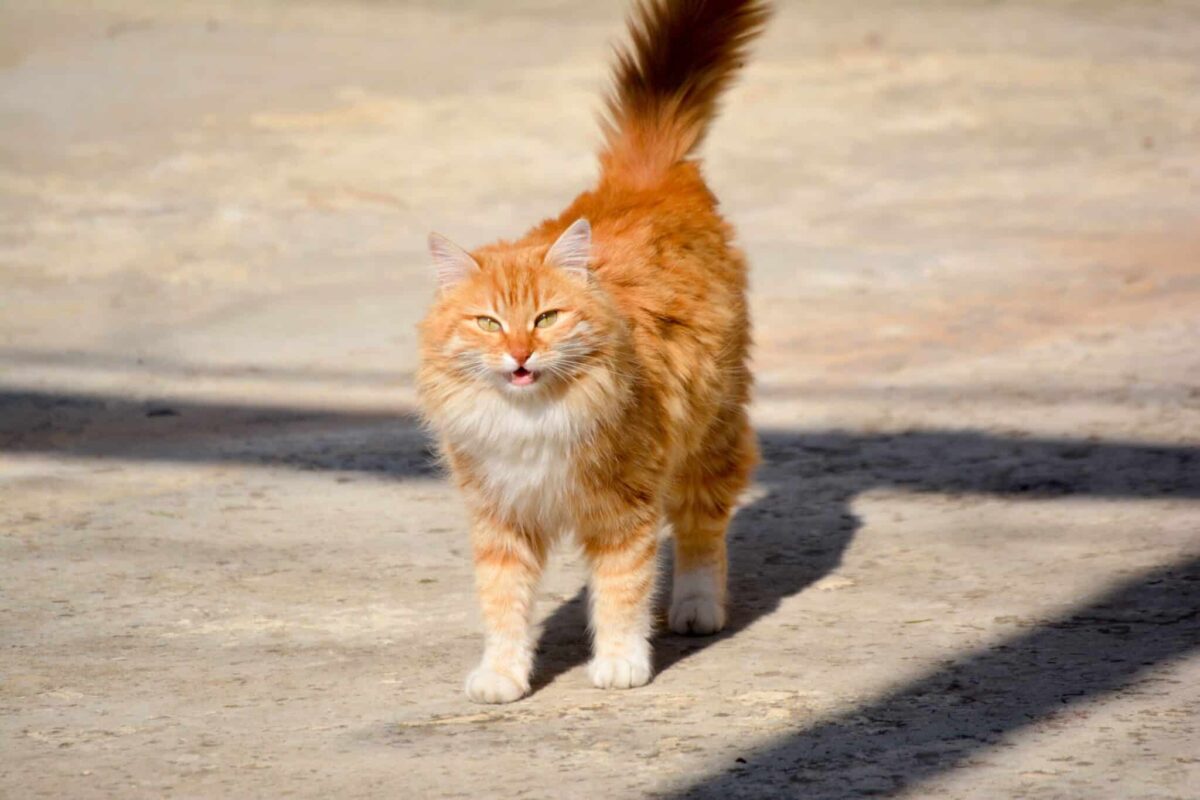
Watch the tail when a cat approaches because its position can provide valuable information about the interaction. An upright tail is commonly associated with friendly social approaches in domestic cats, particularly when the rest of the body looks relaxed. Some cats add a slight curve at the tip before walking over for a greeting, cheek rub, or gentle head bump. This posture differs considerably from a puffed tail or tense body that signals heightened arousal or fear. A cat that regularly approaches a familiar person with their tail comfortably raised is showing a willingness to engage socially. The gesture may appear during greetings after someone comes home or simply when paths cross during the day. Quiet and brief as it is, that confident approach can say plenty about comfortable social familiarity.
They Bring Their Favorite Toy Near You
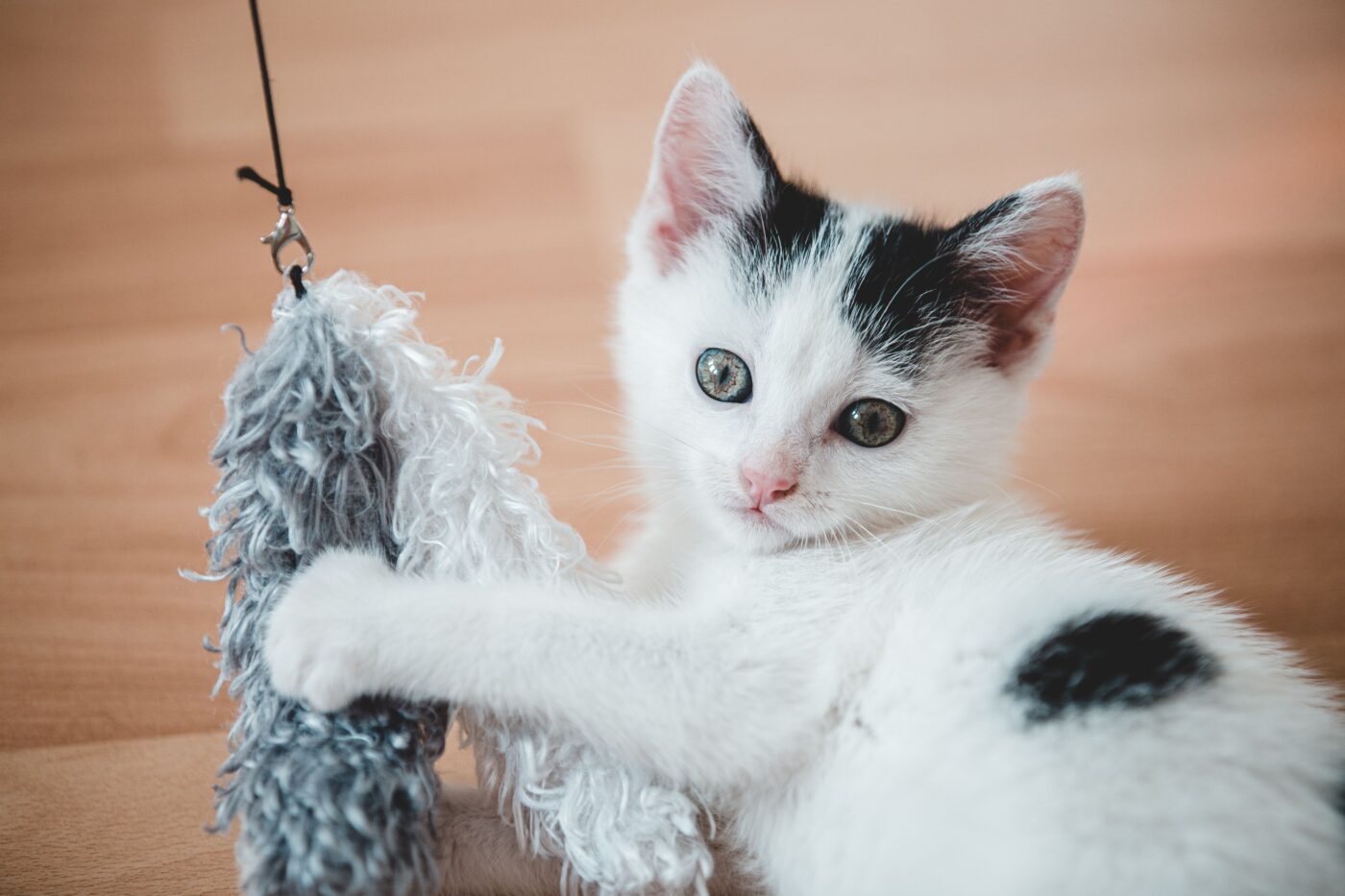
Discovering a toy beside your chair or watching a cat carry one across the room can have several explanations. Play objects tap into predatory behaviors, and some cats naturally carry their captured toys after chasing or pouncing on them. Others learn that bringing a toy near a person successfully starts an interactive game. When the behavior repeatedly leads to shared play, it can become a familiar social routine that the cat actively initiates. This does not necessarily mean they are presenting a heartfelt gift in the human sense. The meaningful part is often their decision to involve someone in an activity they enjoy. A cat that drops a toy nearby and waits expectantly may be inviting participation, making shared play one of the livelier ways they maintain a valued social relationship.
They Sit With Their Back Toward You
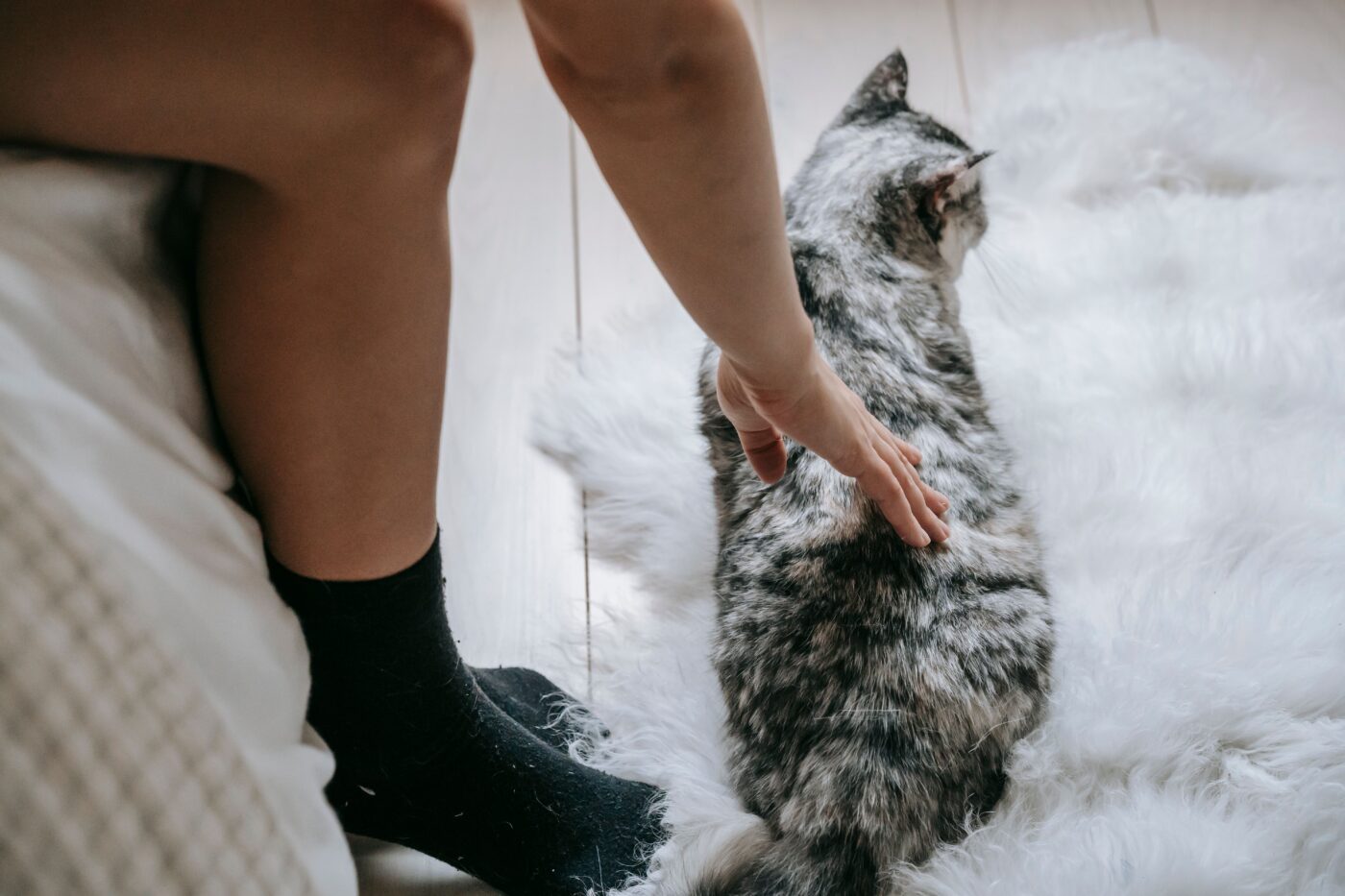
Being presented with the back of a cat’s head may not look particularly affectionate, but context can change the interpretation. Cats constantly monitor their surroundings, especially when something feels unfamiliar or uncertain. Choosing to sit close to someone while facing away can occur when the cat feels comfortable enough not to maintain constant visual attention toward that person. They may watch the room, stare through a window, or simply relax while remaining within easy social proximity. Of course, turning away by itself is not proof of trust, and cats adopt positions for countless practical reasons. When it happens repeatedly alongside relaxed posture, voluntary closeness, and other friendly behaviors, sitting with their back toward someone can reflect an understated form of comfort that asks for nothing except shared space.
They Show You Their Belly While Relaxing
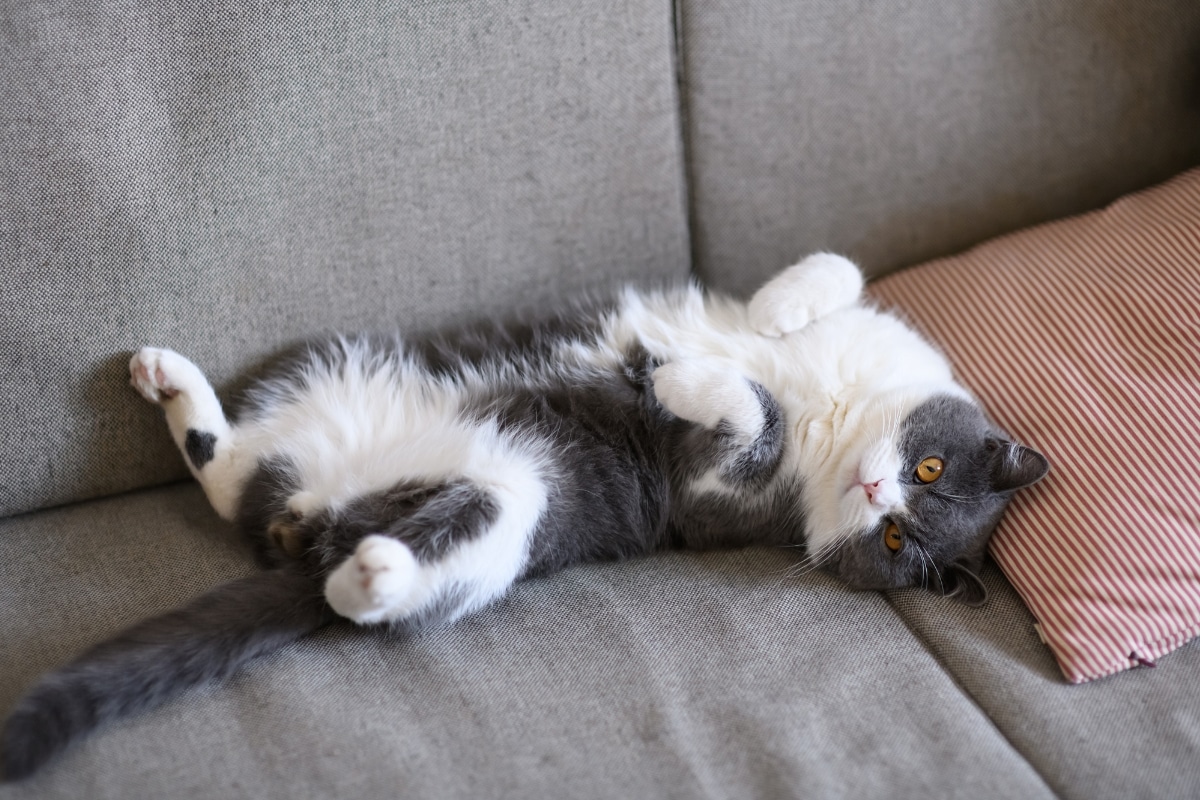
A cat stretched across the floor with their belly exposed can look completely carefree, and that relaxed posture may indeed indicate that they feel secure in their surroundings. The abdomen is a vulnerable area, so resting openly rather than remaining tightly tucked can accompany a high level of comfort. However, exposing the belly is not automatically an invitation to touch it. Many cats prefer petting around the head and cheeks and may quickly grab an approaching hand if their stomach is handled. Respecting that distinction is part of understanding feline affection on feline terms. When a cat rolls nearby, stretches out, and remains loose and peaceful, appreciating the display without immediately reaching for their belly may be the most respectful response to the trust behind it.
They Simply Choose to Be Near You
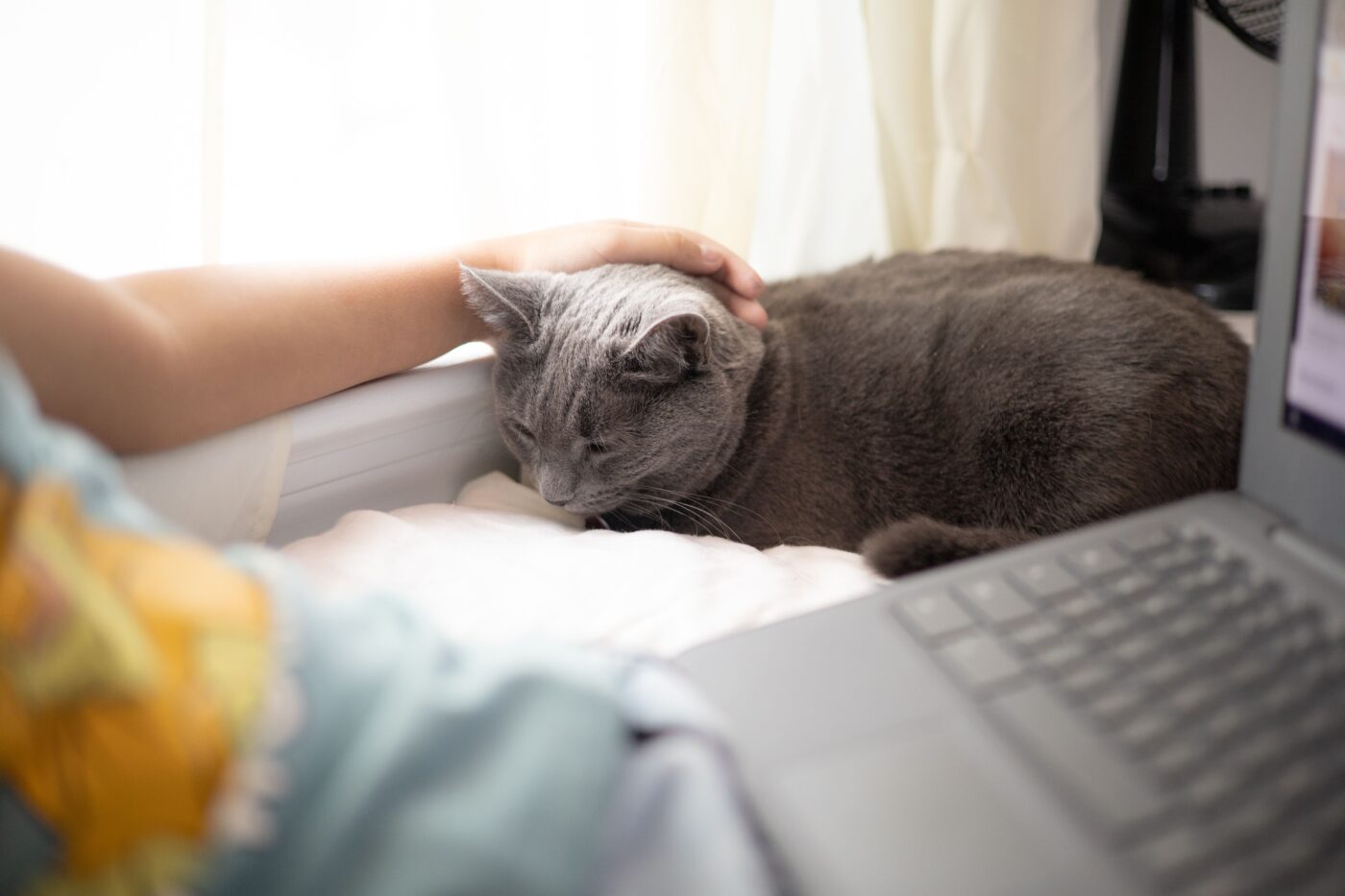
Some of the strongest social signals arrive without meowing, touching, or dramatic displays. A cat may sit on the same couch, nap beside a desk, occupy a nearby chair, or quietly appear in whichever room their favorite person is using. This kind of voluntary proximity can be especially meaningful for cats that are naturally reserved about physical contact. They have plenty of places they could spend their time, yet repeatedly choose one close to someone familiar. Practical factors such as warmth and comfortable furniture can influence that choice, so the broader pattern matters. When a cat consistently seeks nearby resting places and displays relaxed body language there, quiet companionship can become an important part of how they maintain a comfortable and familiar social relationship.
The Quietest Love Can Speak Volumes
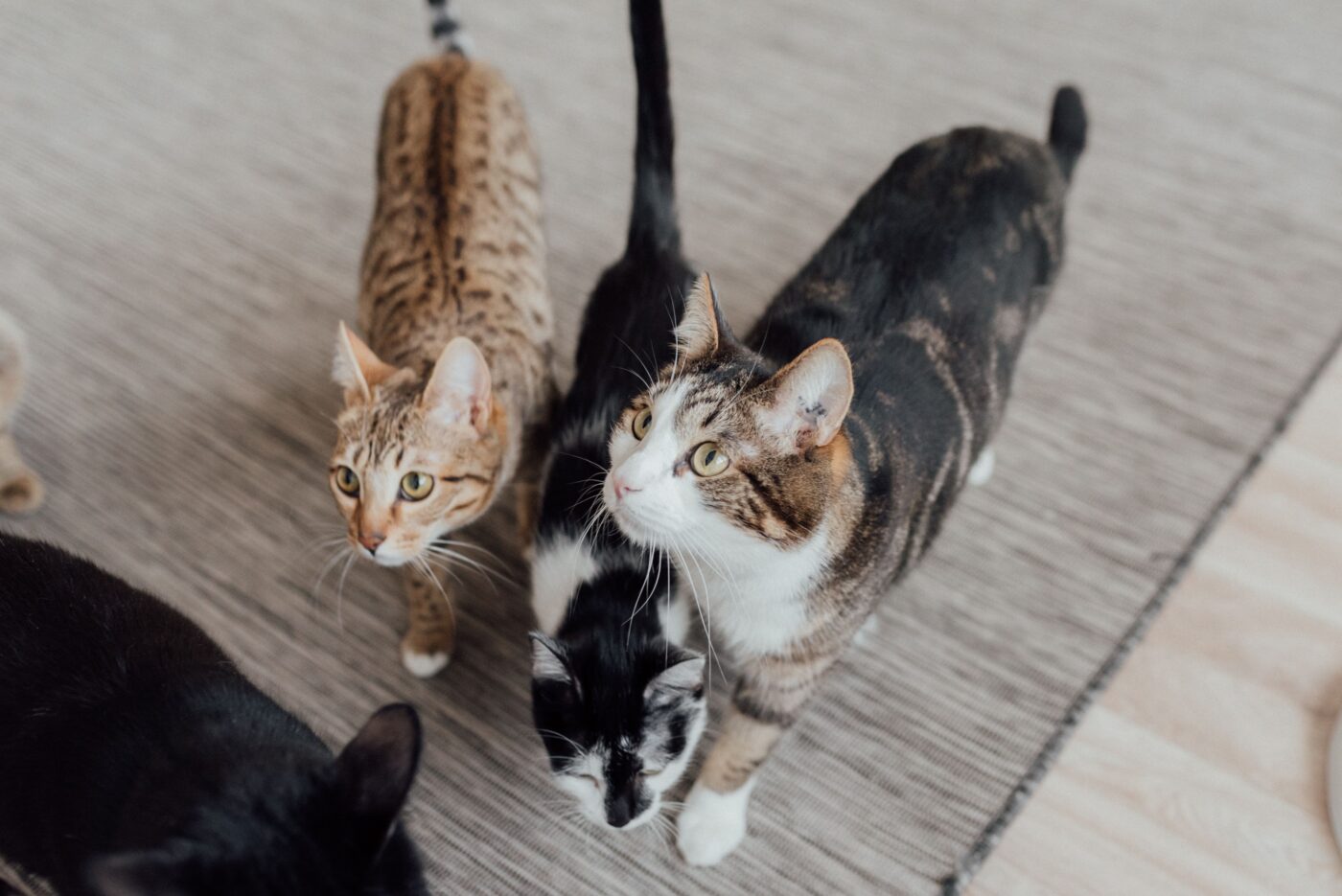
Cat affection does not always mean cuddling or constant demands for attention. Some cats communicate attachment through slow blinks and gentle rubbing, while others choose the same room and settle comfortably nearby. Personality, early experiences, environment, and preferences influence how a cat interacts with familiar people. The most meaningful clues often come from patterns of voluntary, relaxed behavior over time. Learning those individual signals can make everyday interactions feel richer. Sometimes a cat’s warmest message is simple: they feel safe, comfortable, and content sharing their space with you.
This content was created with AI assistance and edited by the iHeartCats team.