
iHeartDogs is reader-supported. When you buy via links on our site, we may earn an affiliate commission at no extra cost to you.
There’s something about the smell of turkey that can bring even the sleepiest cat running to the kitchen. Whether your feline is hoping for a taste of Thanksgiving dinner or simply loves poultry-flavored snacks, turkey cat treats offer a delicious way to make treat time feel extra special.
Turkey is a source of animal protein, and plain, properly cooked turkey meat can be a safe occasional snack for many cats. However, not every turkey-flavored treat contains the same ingredients, and some products are better suited for rewarding good behavior while others work as meal toppers or food complements.
The best turkey cat treats come in all kinds of tempting textures, from crunchy bites and soft morsels to freeze-dried meat and lickable goodies. We’ve rounded up nine turkey-inspired options for different feline preferences, along with helpful information about whether cats can eat turkey, its nutritional benefits, and how to share it safely.
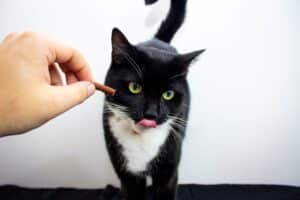
9 Best Turkey Cat Treats for Cats Who Love Poultry
1. Stella & Chewy’s Meowfulls Freeze-Dried Cat Treats, Turkey & Duck Recipe
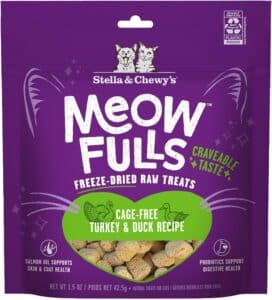
For cats who appreciate a little variety in their poultry snacks, Stella & Chewy’s Meowfulls Turkey & Duck Recipe brings two savory flavors together in one treat. The freeze-dried format offers a different eating experience from traditional crunchy biscuits, making it an interesting option for cats who enjoy meat-forward snacks. Turkey and duck also create a flavorful combination for felines who aren’t particularly excited by ordinary chicken treats. These bites can be offered as an occasional reward or used to add excitement to a treat-time routine.
Freeze-dried treats are especially convenient for pet parents who prefer snacks that are easy to portion and store. Check the package for the complete ingredient list, feeding recommendations, and whether the recipe contains raw ingredients before serving.

2. Dr. Elsey’s cleanprotein Protein Bites Turkey
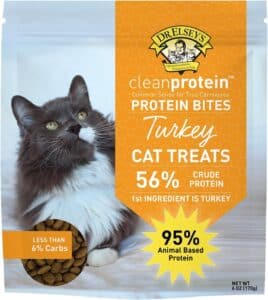
Dr. Elsey’s cleanprotein Protein Bites Turkey are worth considering for cat parents who want a protein-focused alternative to ordinary cat treats. Turkey gives these bites a familiar poultry flavor, while the convenient treat format makes them suitable for everyday rewards. They can be particularly useful during short training sessions, when you want to reinforce behaviors without turning every reward into a full meal. The turkey recipe also offers a change of pace for cats who usually receive fish or chicken treats.
These bites may appeal to shoppers who pay close attention to the protein sources in their cat’s snacks. As with any treat, compare the ingredient list and calorie information with your cat’s dietary needs, especially if your feline is following a veterinarian-recommended feeding plan.
3. Whole Life Cat Just One Turkey Freeze-Dried Cat Treats
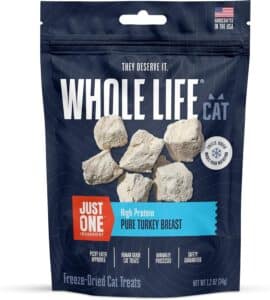
Sometimes the simplest treats are the most appealing, and Whole Life Cat Just One Turkey Freeze-Dried Cat Treats take an uncomplicated approach to snacking. These turkey-focused bites are a natural choice for cat parents who want a straightforward meat treat rather than a complicated combination of flavors. Their freeze-dried texture also offers something different from soft treats and crunchy kibble-style snacks. You can offer a small piece as a reward or crumble an appropriate amount over your cat’s regular food for added interest.
This style of treat is particularly appealing when you’re trying to keep track of which proteins your cat eats. Always check the current package label for ingredients, processing details, and portion recommendations, since a short ingredient list doesn’t automatically make a product suitable for every cat.
4. Blue Buffalo Wilderness Chicken & Turkey Soft Cat Treats
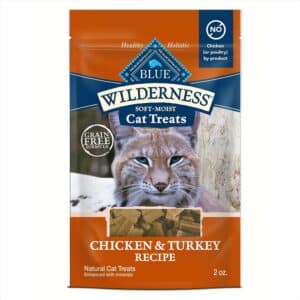
Not every cat enjoys a crunchy snack, which is where Blue Buffalo Wilderness Chicken & Turkey Soft Cat Treats come into the picture. Their soft texture makes them a tempting option for felines who prefer a more tender bite, while the chicken-and-turkey combination offers plenty of poultry appeal. These treats are also convenient for pet parents who like to reward their cats during playtime, training, or quiet bonding moments. The combination of familiar flavors may be especially inviting to cats who already enjoy poultry-based meals.
Soft cat treats can be useful when you want something different from dry biscuits or freeze-dried pieces. They still need to be appropriately sized for your cat, and cats with dental discomfort or difficulty chewing should be evaluated by a veterinarian rather than relying on soft treats alone.
5. BONKERS Purrpops Freeze-Dried Catnip & Turkey Flavored Lollipop Cat Treats

BONKERS Purrpops bring a playful twist to turkey cat treats with their lollipop-inspired presentation. Combining turkey flavor with catnip, these unusual snacks are designed to make treat time a little more entertaining for curious felines. The interactive format gives pet parents a way to offer a treat while spending time engaging with their cats. It’s a fun alternative to simply dropping a few treats into a bowl and walking away.
Cats respond to catnip differently, so some may find the experience more exciting than others. Supervise interactive treat sessions, follow the package instructions, and avoid allowing your cat to chew or swallow any nonedible components of the treat holder.
6. Purrly Interactive Lickable Cat Treats, Chicken Breast & Turkey
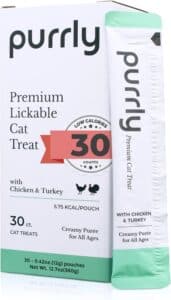
For cats who would rather lick their treats than crunch them, Purrly Interactive Lickable Cat Treats offer a different way to enjoy poultry flavors. The chicken breast and turkey combination gives these treats a savory appeal, while the lickable format creates opportunities for hand-feeding and interactive bonding. They can be a fun choice for cats who eagerly approach when they see a treat pouch or enjoy taking their time with a soft snack. The moist texture also provides a change from the dry treats that dominate many feline snack collections.
Lickable treats are particularly useful for adding variety to your cat’s routine, but they shouldn’t automatically be treated as complete meals. Check the package for serving instructions and nutritional information, and keep any extra moisture benefits in perspective since cats still need regular access to fresh water.
7. Temptations Turkey Flavor Cat Treats
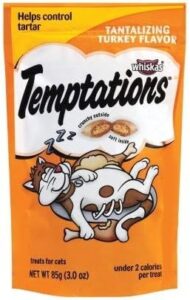
Temptations Turkey Flavor Cat Treats bring a familiar snack style to the turkey-loving feline crowd. Their crunchy exterior and softer center create a contrast in textures that many cats find appealing, making them an easy option for everyday rewards. The turkey flavor adds a seasonal twist to a classic treat routine without requiring you to save them for Thanksgiving. They’re also convenient for offering a few individual pieces during playtime or after a successful grooming session.
For cats who love crunchy treats but enjoy a little softness inside, this style can be especially enticing. Follow the feeding guide on the package and remember that even small treats contribute calories to your cat’s daily intake.
8. Stella & Chewy’s Freeze-Dried Raw Cat Dinner Morsels, Premium Turkey Recipe
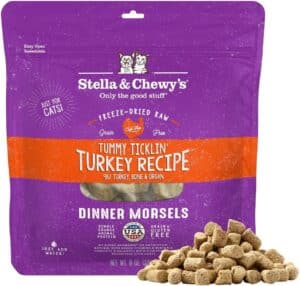
Who says a special treat has to be something served between meals? Stella & Chewy’s Premium Turkey Dinner Morsels offer a way to make your cat’s regular dinner feel like a special occasion. These turkey-based morsels can be served as a complete meal or used as a topper according to the package directions, bringing a little extra excitement to the food bowl. For turkey-loving cats, it’s a fun way to turn an ordinary dinner into something worth celebrating.
Made with turkey, organs, and bone, this freeze-dried raw recipe offers a meat-focused alternative to traditional cat food. Because it’s a raw product, follow the manufacturer’s handling and preparation instructions carefully, and wash your hands and feeding surfaces after serving.
9. Purina Friskies Lil’ Gravies Cat Food Complement, Roasted Turkey Flavor
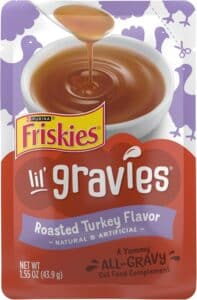
Sometimes the best treat is a little something extra on top of dinner, and Friskies Lil’ Gravies Roasted Turkey Flavor delivers just that. This savory, lickable gravy can be poured over your cat’s regular food or offered separately as an occasional snack. It’s especially fun for cats who love licking up every last drop of sauce from their bowls. Think of it as a little turkey-inspired finishing touch that makes an everyday meal feel special.
The smooth gravy adds flavor and moisture to your cat’s usual food, making it an appealing option for felines who enjoy saucy meals. Since Lil’ Gravies is a supplemental food complement rather than a complete meal, it’s best served alongside your cat’s regular balanced diet.
Can Cats Eat Turkey?
Yes, most healthy cats can eat small amounts of plain, fully cooked turkey meat. As obligate carnivores, cats need animal-derived nutrients, and turkey provides protein that can fit into their diet when prepared appropriately.
However, the turkey on your Thanksgiving table isn’t necessarily the same as the turkey your cat should eat. Seasonings, rich sauces, bones, and fatty skin can turn an otherwise suitable piece of meat into something that may upset your cat’s stomach or pose a more serious risk.
The safest approach is to offer a small amount of fully cooked, boneless, skinless turkey without added salt, butter, garlic, onion, or other seasonings. Let it cool, cut it into small pieces, and serve it as an occasional treat rather than a replacement for your cat’s regular food.
Is Turkey Good for Cats?
Turkey can be a nutritious addition to a cat’s treat rotation when served in appropriate portions. It provides animal protein and contains naturally occurring nutrients that support normal body functions, although the precise nutritional profile varies by cut and preparation method.
Turkey Provides Animal Protein
Cats depend on animal-derived nutrients to maintain their health, and turkey is one source of dietary protein. Protein contributes to normal muscle maintenance and many essential processes throughout the body.
However, plain turkey meat alone doesn’t provide every nutrient cats need in the proper proportions. A complete and balanced commercial cat food should remain the foundation of your feline’s daily diet unless your veterinarian recommends otherwise.
Turkey Offers a Different Poultry Flavor
Cats who regularly eat chicken may enjoy turkey as a change of pace. Although the two meats are similar in some ways, they have distinct flavors and nutritional profiles.
Offering different appropriate treats can help make snack time more interesting. Introduce new foods gradually, especially if your cat has a sensitive stomach or a history of reacting to dietary changes.
Turkey Can Be a Lean Treat
Skinless turkey breast is generally a leaner choice than fatty cuts or turkey skin. Small pieces of plain cooked breast meat can therefore be a practical option when you want to offer a simple meat-based snack.
Portion control still matters, even with lean foods. Too many extras can displace important nutrients from your cat’s balanced meals and contribute to unwanted weight gain.
Can Cats Eat Thanksgiving Turkey?
Thanksgiving turkey may smell irresistible to your cat, but the holiday bird often contains ingredients that aren’t appropriate for feline companions. Butter, salt, rich drippings, stuffing, garlic, onions, and other seasonings can make sharing leftovers risky.
If you want your cat to join the celebration, set aside a small piece of plain turkey before adding any seasonings or sauces. Cook it thoroughly, remove the skin and bones, and let it cool before serving.
Turkey Foods Cats Should Avoid
- Turkey bones: Both raw and cooked bones can create choking, injury, or digestive obstruction risks.
- Turkey skin: The high fat content may cause digestive upset, particularly in sensitive cats.
- Garlic and onions: These ingredients are toxic to cats, including when used in seasoning mixtures.
- Turkey gravy: Human gravy often contains salt, fat, onion, garlic, or other unsuitable ingredients.
- Stuffing: Common ingredients such as onions, garlic, butter, and seasonings make it a poor choice for cats.
- Deli turkey: Processed turkey may contain excessive sodium and added seasonings.
- Raw turkey: Raw poultry can contain harmful bacteria that pose risks to pets and people.
A small serving of plain cooked turkey is a much better holiday surprise than sharing food directly from a seasoned dinner plate. When in doubt about a particular dish or ingredient, leave it off your cat’s menu.

How to Choose the Best Turkey Cat Treats
Not all turkey cat treats are alike, and the right choice depends on your cat’s preferences, nutritional needs, and how you plan to serve them. A little label reading can help you find a snack that’s both enjoyable and appropriate.
1. Check the Ingredient List
Some turkey treats contain turkey meat as a primary ingredient, while others combine turkey with chicken, duck, or additional flavors. Products described as turkey-flavored may contain flavoring rather than a substantial amount of turkey meat.
If you’re looking for a particular protein source, read the entire ingredient list rather than relying on the front of the package. This is especially important for cats with food allergies or veterinarian-directed dietary restrictions.
2. Consider Your Cat’s Favorite Texture
Crunchy treats offer a crisp bite, while soft treats and lickable snacks provide a different eating experience. Freeze-dried products can vary in texture depending on their ingredients and how they’re prepared.
A cat who turns away from one turkey treat may happily accept another format. Choosing a texture your feline already enjoys can make introducing a new flavor easier.
3. Look at Calories and Serving Sizes
Treats can add up quickly, particularly when you offer several throughout the day. Many veterinary nutrition recommendations suggest keeping treats and other extras to no more than approximately 10% of a cat’s daily calorie intake.
Check the calories per treat or pouch and adjust portions to your cat’s individual needs. Cats on weight-management plans may need smaller allowances or specific treats recommended by their veterinarian.
4. Know the Difference Between Treats and Complete Foods
Traditional cat treats are intended for occasional rewards, while food toppers and complements are designed to accompany regular meals. Complete and balanced foods are formulated to provide essential nutrients when fed according to their nutritional adequacy statements.
This distinction matters when comparing products such as Stella & Chewy’s Dinner Morsels and Friskies Lil’ Gravies. Always follow the exact product’s feeding directions rather than assuming every turkey-flavored item should be served the same way.
5. Pay Attention to Raw and Freeze-Dried Labels
Freeze-dried products aren’t necessarily cooked, and some are specifically marketed as raw. Raw animal ingredients may carry pathogens, so handling and feeding precautions are important.
If your household includes young children, older adults, pregnant people, or anyone with a weakened immune system, ask your veterinarian about safer alternatives to raw pet foods. Wash hands and food-contact surfaces after handling pet treats and follow the manufacturer’s storage instructions.
How Much Turkey Can a Cat Eat?
The appropriate amount depends on your cat’s size, age, health, regular diet, and total daily calorie needs. A few small pieces of plain cooked turkey may be enough for an occasional reward, while commercial treats should be portioned according to their packaging.
For most healthy cats, extras should remain a small part of the daily diet rather than replacing nutritionally complete meals. If your cat has a medical condition, requires a prescription diet, or needs to lose weight, consult your veterinarian before regularly adding turkey treats.

Frequently Asked Questions About Turkey Cat Treats
1. Can Cats Eat Turkey Every Day?
Cats can eat turkey as part of a complete and balanced cat food, but plain turkey meat or turkey treats shouldn’t replace their regular diet. Small daily treats may be appropriate for some cats if they fit within the cat’s calorie allowance and don’t interfere with nutritional balance.
2. Is Turkey Better Than Chicken for Cats?
Neither turkey nor chicken is automatically better for every cat, since both can provide useful animal protein. The best choice depends on the complete nutritional formulation, your cat’s preferences, and any individual dietary sensitivities.
3. Can Kittens Eat Turkey Treats?
Kittens may be able to enjoy small amounts of age-appropriate turkey treats once they’re eating solid food. However, their nutritional needs are especially important during growth, so treats should be limited and the product’s age recommendations should be checked.
4. Can Cats Eat Turkey Breast?
Yes, plain, fully cooked, boneless, skinless turkey breast is generally an appropriate occasional treat for healthy cats. Serve it in small pieces without seasoning, sauces, or added fat.
5. Can Cats Eat Dark Turkey Meat?
Cats can have small amounts of thoroughly cooked, boneless, unseasoned dark turkey meat, although it may contain more fat than breast meat. Remove the skin and visible excess fat before offering a small portion.
6. Can Cats Eat Turkey Skin?
Turkey skin isn’t recommended as a cat treat because it is relatively high in fat and may contain seasonings. Plain skinless turkey meat is a better option for sharing a little poultry with your feline.
7. Can Cats Eat Turkey Bones?
No, cats should not be given turkey bones, whether raw or cooked. Bones can cause choking, mouth injuries, or dangerous digestive complications.
8. Can Cats Eat Turkey Gravy?
Gravy made for people is generally best avoided because it may contain onion, garlic, excess salt, or rich fats. A cat-specific gravy complement can be an alternative when used according to its label and alongside a balanced diet.
9. Can Cats Eat Deli Turkey?
Deli turkey isn’t an ideal treat because processed meats often contain added sodium, preservatives, or seasonings. Plain home-cooked turkey without added ingredients is generally a better choice.
10. Are Freeze-Dried Turkey Treats Safe for Cats?
Safety depends on the ingredients, processing method, manufacturing controls, and your cat’s individual health needs. Freeze-dried raw products can carry pathogen risks, so read labels carefully and discuss raw feeding with your veterinarian.
11. Can Cats Be Allergic to Turkey?
Yes, cats can develop adverse food reactions to turkey proteins, although you shouldn’t assume turkey is the cause of symptoms without veterinary evaluation. If your cat develops persistent itching, digestive problems, or other symptoms after a dietary change, contact your veterinarian.
12. Are Turkey Cat Treats Good for Senior Cats?
Turkey treats can be appropriate for some senior cats, but texture, calories, and medical conditions should guide the choice. Older cats with kidney disease, digestive problems, or prescription diets may need special restrictions, so ask your veterinarian before introducing new treats.
13. Can Turkey Treats Help With Cat Training?
Turkey treats can work well as rewards when your cat finds them motivating and they’re easy to portion. Offer small pieces immediately after the desired behavior and keep training sessions short, positive, and enjoyable.

Give Your Cat Something Delicious to Gobble Up
Whether your feline loves crunchy bites, soft snacks, lickable goodies, or simple turkey meat treats, there are plenty of ways to bring a little poultry-inspired excitement to treat time. Choosing the right texture and reading the ingredient label can help you find something that suits your cat’s tastes and dietary needs.
And when Thanksgiving rolls around, your cat doesn’t have to miss out on the celebration. A small serving of plain cooked turkey or a carefully chosen turkey cat treat can make your favorite little dinner guest feel included without sharing the risky ingredients from your holiday plate.
This content was created with AI assistance and edited by the iHeartDogs team.