
Thanksgiving is one of those holidays that practically revolves around food. And if you’re a cat owner, you’ve probably caught your feline staring you down from across the table, wondering why they’re not getting a plate too.
Good news: some of what’s on your Thanksgiving spread is actually fine for cats. You just need to know which foods, how to prepare them, and how much is okay to give. Cats are obligate carnivores, so most of their nutrition should come from animal protein. But the occasional plant-based snack won’t hurt them, as long as it’s served correctly.
We’ve pulled together 10 cat-safe Thanksgiving foods your kitty can enjoy alongside the family feast. A few rules apply across the board: no added butter, no salt, no sugar, and no seasonings of any kind. Plain is always the goal. And start with a tiny amount the first time so you know how your cat’s stomach handles each new food.
- ✅ Apple: flesh only, seeds removed
- ✅ Pumpkin: plain puree, not pie filling
- ✅ Sweet potato: plain and cooked
- ✅ Turkey: plain white meat, no bones or skin
- ✅ Green beans: steamed, no seasoning
- ✅ Carrots: small pieces, cooked or raw
- ✅ Cranberries: plain only, not canned sauce
- ✅ Spinach: small amount, cooked (skip for cats with urinary issues)
- ✅ Broccoli: steamed, plain
- ✅ Cabbage: cooked, plain

The 10 Cat-Safe Thanksgiving Foods You Can Share
Not every item on the Thanksgiving table is a risk. These 10 foods, prepared correctly and served in small amounts, can be a fun way to include your cat in the holiday meal. Keep servings small, watch for reactions, and when in doubt, skip it.
#1: Apple
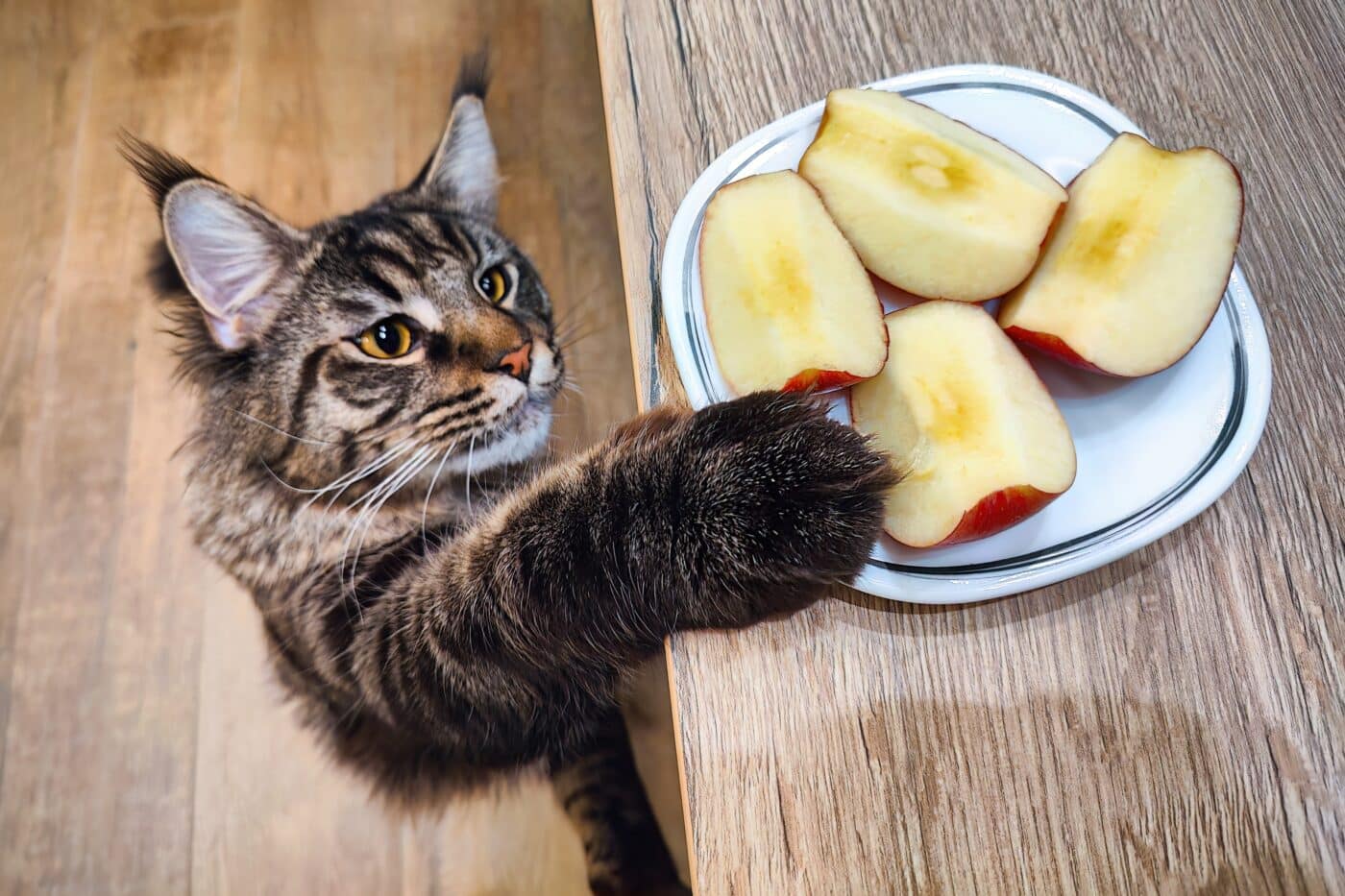
Apples are fine for cats in small amounts, but preparation matters. The flesh is safe. The seeds are not. Apple seeds contain amygdalin, a compound that breaks down into hydrogen cyanide in the body. Even a few seeds can cause real problems, so cut them out completely before offering a piece.
Go for a slice about the size of a dice and remove the skin if your cat seems sensitive to added fiber. Most cats aren’t particularly interested in fruit since they can’t taste sweetness the way we do, but some will nibble out of curiosity. That’s fine. Just limit it to a bite or two.
Skip the applesauce, apple pie filling, and anything with added sugar, cinnamon, or butter. Plain raw apple only.
#2: Pumpkin
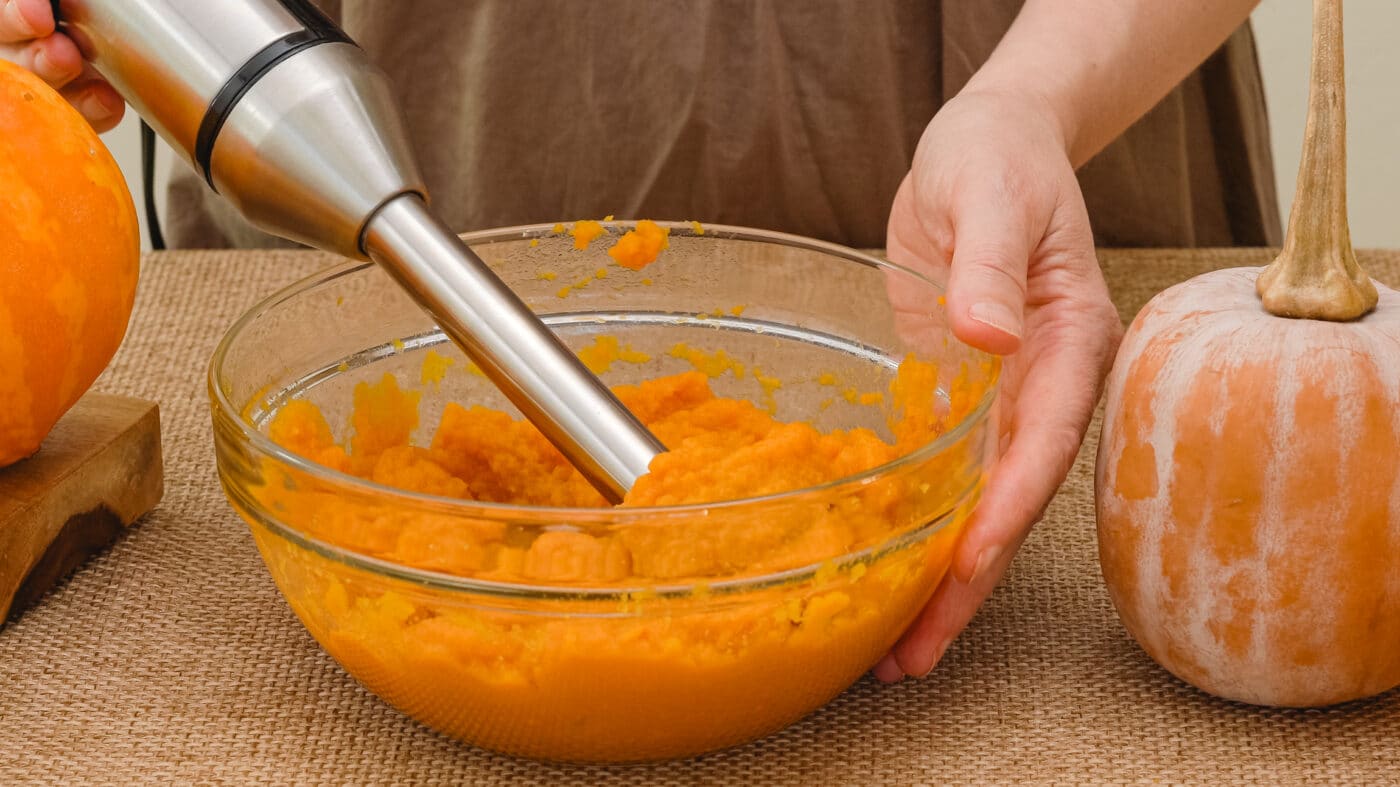
Pumpkin might be the single most cat-friendly Thanksgiving food on this list. Plain canned pumpkin puree (not pie filling, which is loaded with spices and sugar) is something vets regularly recommend for cats dealing with both constipation and loose stools. The soluble fiber regulates digestion in both directions, which is pretty useful.
A teaspoon is plenty for most cats. Too much pumpkin will actually cause the digestive upset you were hoping to avoid. Look for a canned pumpkin with one ingredient on the label: pumpkin.
Fresh cooked pumpkin works just as well. Roast it plain, let it cool completely, and offer your cat a small spoonful. Just make sure it hasn’t been near the holiday pie dish seasoned with nutmeg, cinnamon, or cloves. Nutmeg is toxic to cats.
#3: Sweet Potato
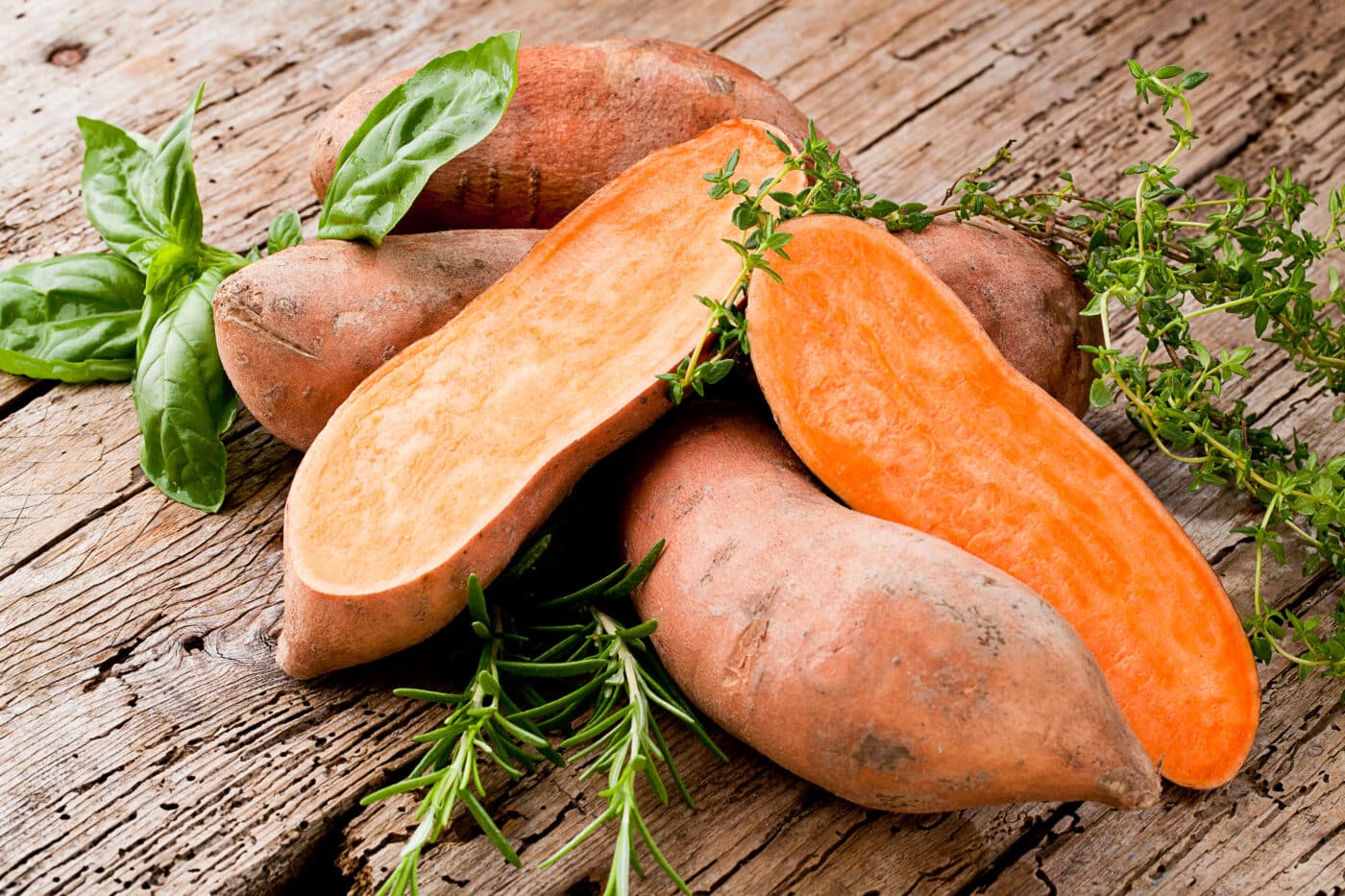
Sweet potato is rich in beta-carotene, fiber, and several B vitamins. Cats can benefit from some of these nutrients, but only when it’s prepared plain. The traditional Thanksgiving version with brown sugar, marshmallows, and butter is completely off the table for cats.
Boil or steam a small piece, let it cool, and offer it plain. Most cats will sniff it suspiciously before deciding whether it’s worth their time. If they walk away, don’t force it. Cats are obligate carnivores, so plant foods are occasional extras, not dietary necessities.
A teaspoon or two of plain mashed sweet potato is more than enough for one sitting. Never serve it hot.
#4: Turkey

Turkey is the centerpiece of Thanksgiving, and yes, your cat can have some. Cooked plain turkey breast is an excellent protein source for cats. It’s lean, easy to digest, and most cats are genuinely enthusiastic about it.
What they can’t have: the skin (too high in fat and can trigger pancreatitis), the bones (cooked bones splinter and can cause internal damage or blockages), the dark meat (higher fat content), and anything seasoned with garlic or onion. Onion and garlic are toxic to cats and can cause hemolytic anemia even in relatively small amounts.
Pull a small piece of plain white meat, remove any visible fat, and let it cool before serving. Keep the portion to about a tablespoon. If your turkey was brined or heavily basted, skip it entirely; the sodium content alone can stress a cat’s kidneys.
#5: Green Beans
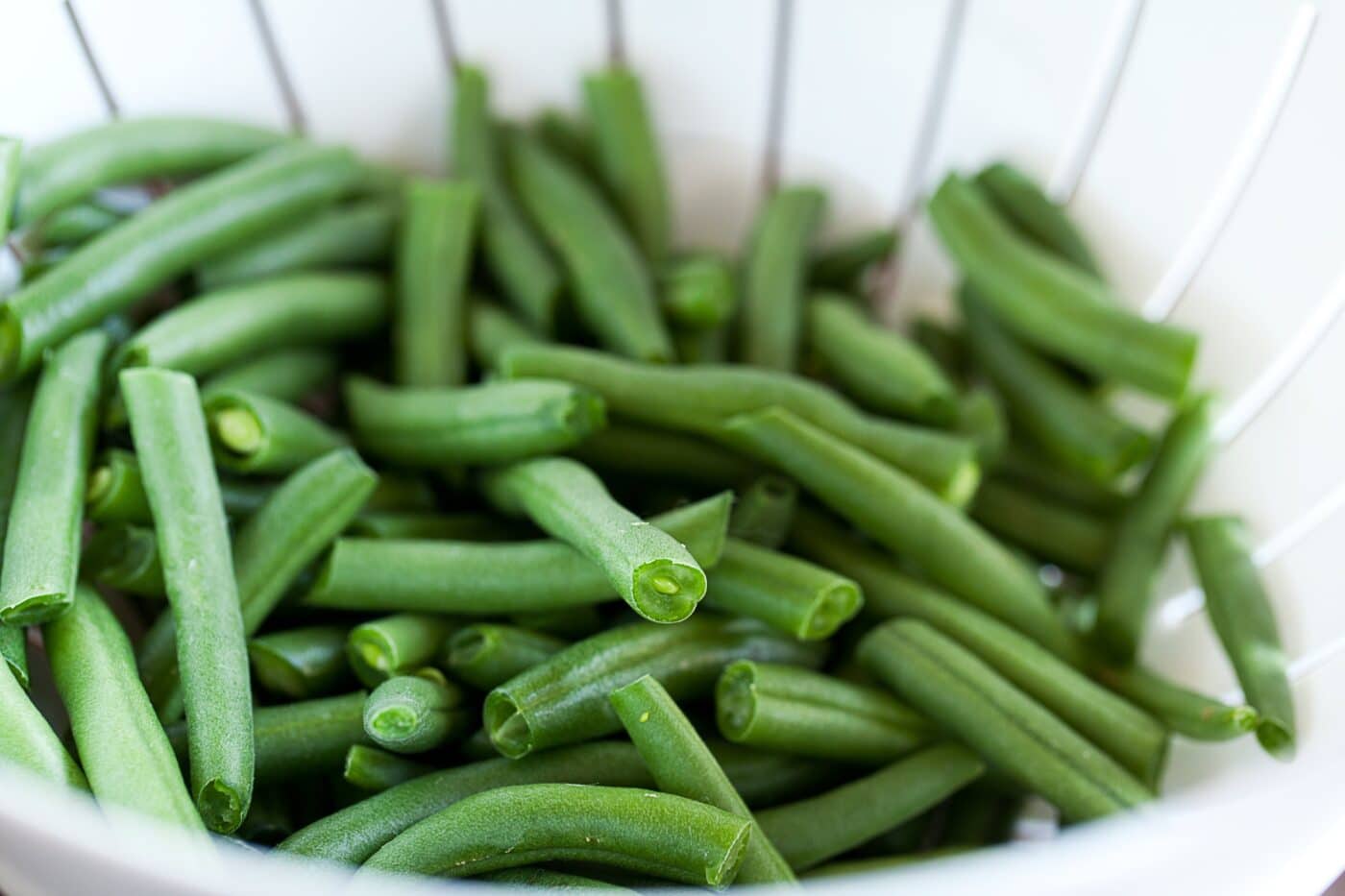
Steamed or boiled green beans are genuinely good for cats. They’re low in calories, contain some fiber, and some cats actually like the texture. Vets sometimes suggest plain green beans as a diet supplement for overweight cats, because they help cats feel fuller without adding significant calories.
The catch is the same as everything else on this list: plain only. Green bean casserole with cream of mushroom soup and fried onions is not the same thing. Onions are toxic to cats, so any dish containing them is off the menu entirely.
Plain steamed or boiled beans, chopped into small pieces so they’re not a choking hazard. A few beans is plenty for one sitting.
#6: Carrots

Carrots are safe for cats cooked or raw, though cooked tends to be easier for them to chew and digest. Raw carrot pieces can be a choking hazard if they’re too large, so cut them small, pea-sized or smaller.
Nutritionally, carrots offer beta-carotene and some fiber. Cats don’t convert beta-carotene into vitamin A the same way humans do (they need preformed vitamin A from animal sources), so don’t think of carrots as a vitamin supplement for your cat. They’re a safe, low-calorie occasional snack and nothing more.
Plain steamed or boiled carrot only. No glazed carrots, no honey, no brown sugar, no butter.
#7: Cranberries
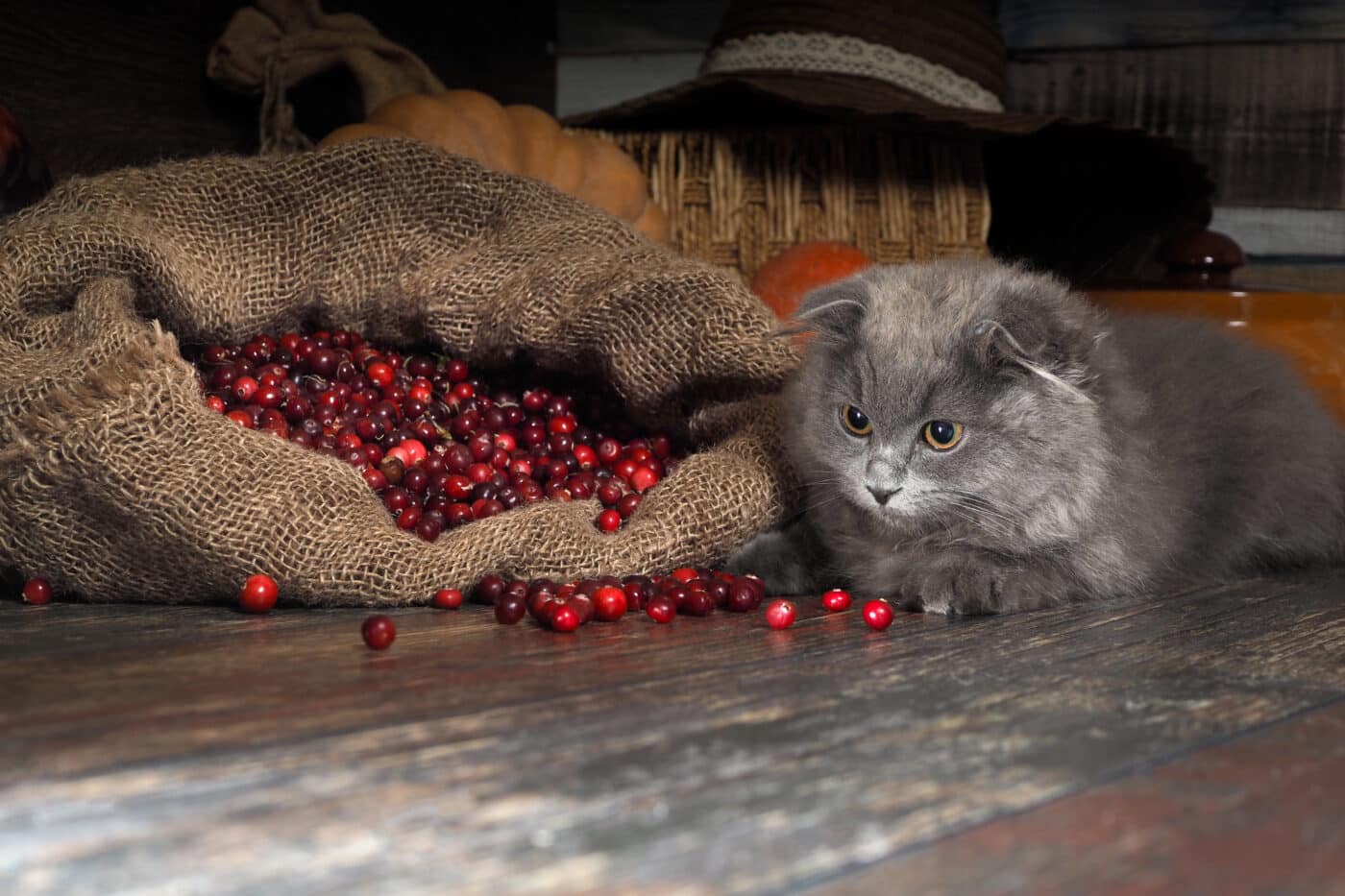
This one surprises most people. Plain cranberries are safe for cats, and there’s actually a reason you might want to offer them. Cranberries contain compounds called proanthocyanidins that may help prevent certain bacteria from adhering to the urinary tract wall. That’s exactly why cranberry extract shows up in many urinary and kidney health supplements for cats.
That said, most cats won’t eat raw cranberries willingly. They’re tart, and cats don’t have much of a pull toward sour flavors. Try mashing a few plain cooked cranberries and mixing them into a small amount of plain turkey or pumpkin puree, that tends to go over better.
Canned cranberry sauce is off the table. The standard jellied or whole berry sauce has around 22 to 25 grams of sugar per serving. Not for cats.
#8: Spinach

Spinach is packed with vitamins K, A, and C, plus calcium and iron. Cats can have a small amount of plain cooked spinach, but there’s one important exception: if your cat has any history of urinary tract problems or kidney disease, skip the spinach entirely.
Spinach contains calcium oxalate, a compound that can contribute to crystal formation in cats who are already prone to urinary issues. For healthy cats with no such history, a small pinch of plain cooked spinach occasionally is fine. Just don’t make it a regular part of their diet.
Plain steamed spinach, no oil, no garlic, no salt. A small pinch is all you need. Less is more with this one.
#9: Broccoli

Some cats eat broccoli without hesitation. Others walk away without a second look. Either response is totally fine. Broccoli is safe for cats, low in calories, and contains antioxidants and a bit of fiber.
Steam or boil it until soft before offering it to your cat. Raw broccoli can cause gas and digestive discomfort, and the firm floret texture can be harder to chew. Plain and cooked is the way to go. No cheese sauce, no butter, no seasoning.
If your cat occasionally chews on household plants, offering a small piece of plain steamed broccoli gives them something safer to satisfy that urge. And if you’re decorating the house for the holidays, it’s worth checking out this guide to cat-safe houseplants and toxic ones to avoid, some popular holiday decorations are surprisingly dangerous for cats.
#10: Cabbage
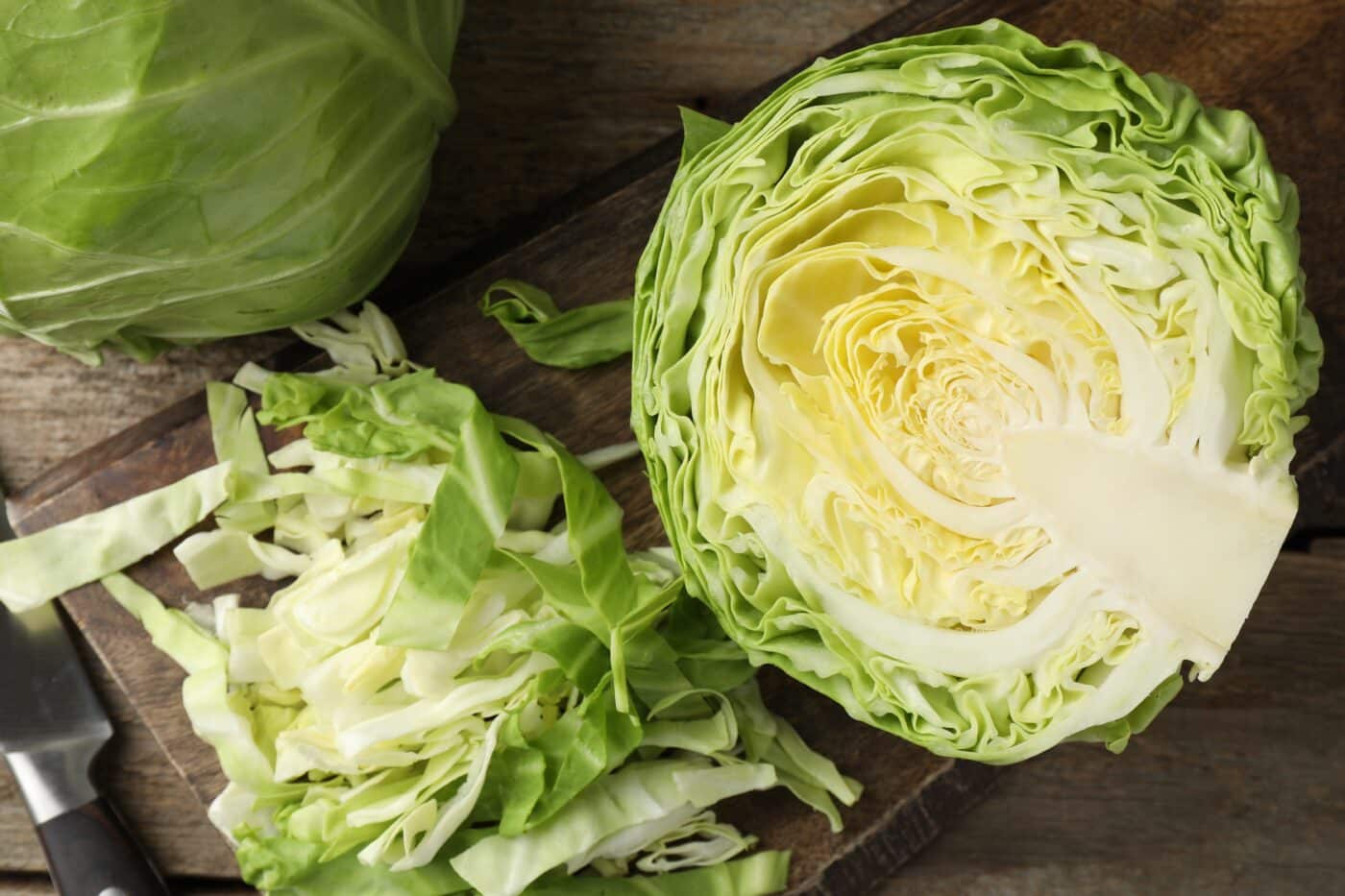
Cabbage rounds out the list. Like the other cruciferous vegetables here, it’s more digestible when cooked. Raw cabbage contains thiocyanate, which in large quantities can affect thyroid function. In the small amount your cat would realistically eat, it’s not a serious concern, but cooking removes most of it anyway, so just cook it.
Steam or boil a small piece and let it cool completely before serving. A few shredded strands is plenty. Plain only: no butter, no vinegar, no salt, no caraway seeds.
Keep these completely off your cat’s plate:
- Onions and garlic, toxic; cause hemolytic anemia even in small amounts
- Stuffing, almost always contains onion, garlic, chives, or herbs
- Alcohol, extremely dangerous even in tiny amounts
- Xylitol, artificial sweetener in some sugar-free dishes, highly toxic to cats
- Grapes and raisins, can cause acute kidney failure
- Nutmeg, toxic to cats; found in many pumpkin pie and sweet potato dishes
- Chocolate, contains theobromine, toxic to cats
- Cooked bones, splinter and can cause internal injury or blockage
- Heavily salted or brined foods, hard on a cat’s kidneys
How to Serve Thanksgiving Food Safely to Your Cat
Even with foods that are technically safe, a few ground rules keep things running smoothly:
- Always plain. No butter, no oil, no salt, no sugar, no seasoning.
- Start with a bite-size amount and wait 24 hours before giving more.
- Keep total table scraps under 10% of your cat’s daily calorie intake.
- Serve in a separate bowl, away from the main dinner table spread.
- Never give turkey bones of any kind: cooked or raw.
- If your cat has kidney disease, diabetes, or IBD, check with your vet before sharing any human food.
If you want to give your cat something purpose-built for them, check out these easy DIY cat treat recipes you can make fresh for the occasion. Or browse our roundup of the best cat training treats if you’re looking for something with a little more structure than table scraps.

Frequently Asked Questions
1. Can cats eat Thanksgiving leftovers?
Some leftovers are fine: plain turkey, plain cooked vegetables with no added ingredients, or a small amount of plain pumpkin puree. But most Thanksgiving dishes are loaded with butter, onion, garlic, salt, or sugar. Check each ingredient before offering anything from the main dishes, and err on the side of skipping it if you’re not sure.
2. How much Thanksgiving food can I give my cat?
Keep treats from the table under 10% of your cat’s daily calorie intake. For an average adult cat eating around 200 to 250 calories a day, that’s 20 to 25 calories worth of extras. A small piece of plain turkey breast is roughly 10 to 15 calories. Keep the total amount small and limit it to one or two items during the meal.
3. Is turkey safe for cats with kidney disease?
Cats with kidney disease often need a protein-restricted, low-phosphorus diet, so extra turkey may not be appropriate. Check with your vet before sharing any protein-rich foods with a cat who has kidney issues. When in doubt, stick to their prescribed diet during the holidays.
4. Can kittens eat Thanksgiving food?
Kittens have more sensitive digestive systems than adult cats and need specific nutrients to support their growth. Stick to their regular kitten food during the holidays and skip the table scraps until they’re fully grown, typically around 12 months of age.
5. Why does my cat beg for food even though cats can’t taste sweetness?
Cats are drawn to the smell of food, not the taste of sweetness. The aroma of roasted turkey, cooked vegetables, or savory drippings will absolutely get their attention. They’re responding to protein and fat scent cues, not the sweetness we associate with holiday food. That’s why a cat will beg for your pumpkin pie plate even though the sweetness means nothing to them, it smells like food.

Give Your Cat a Seat at the Table (Just a Small One)
Thanksgiving is about sharing, and there’s no reason your cat has to sit out entirely. The 10 foods on this list are a safe starting point for including your kitty in the holiday meal in a way that won’t send you to the vet afterward.
Keep portions small, keep preparation plain, and stick to foods you’ve confirmed are safe. The real gift this Thanksgiving isn’t a bigger serving. It’s knowing your cat gets to be part of the celebration without consequences. Happy Thanksgiving to you and your feline family members.