
The best cat breeds for frequent travelers are low-maintenance, independent breeds that tolerate solitude and routine changes well: the British Shorthair, Russian Blue, American Shorthair, Maine Coon, and Exotic Shorthair top the list. These breeds, recognized by the Cat Fanciers’ Association (CFA), typically show self-sufficiency between feedings, low grooming demands, and calm adjustment to pet sitters or boarding. Mixed-breed and shelter cats with similar temperaments make equally good choices; breed alone doesn’t guarantee travel-friendliness. Evidence-reviewed, not hands-on tested.
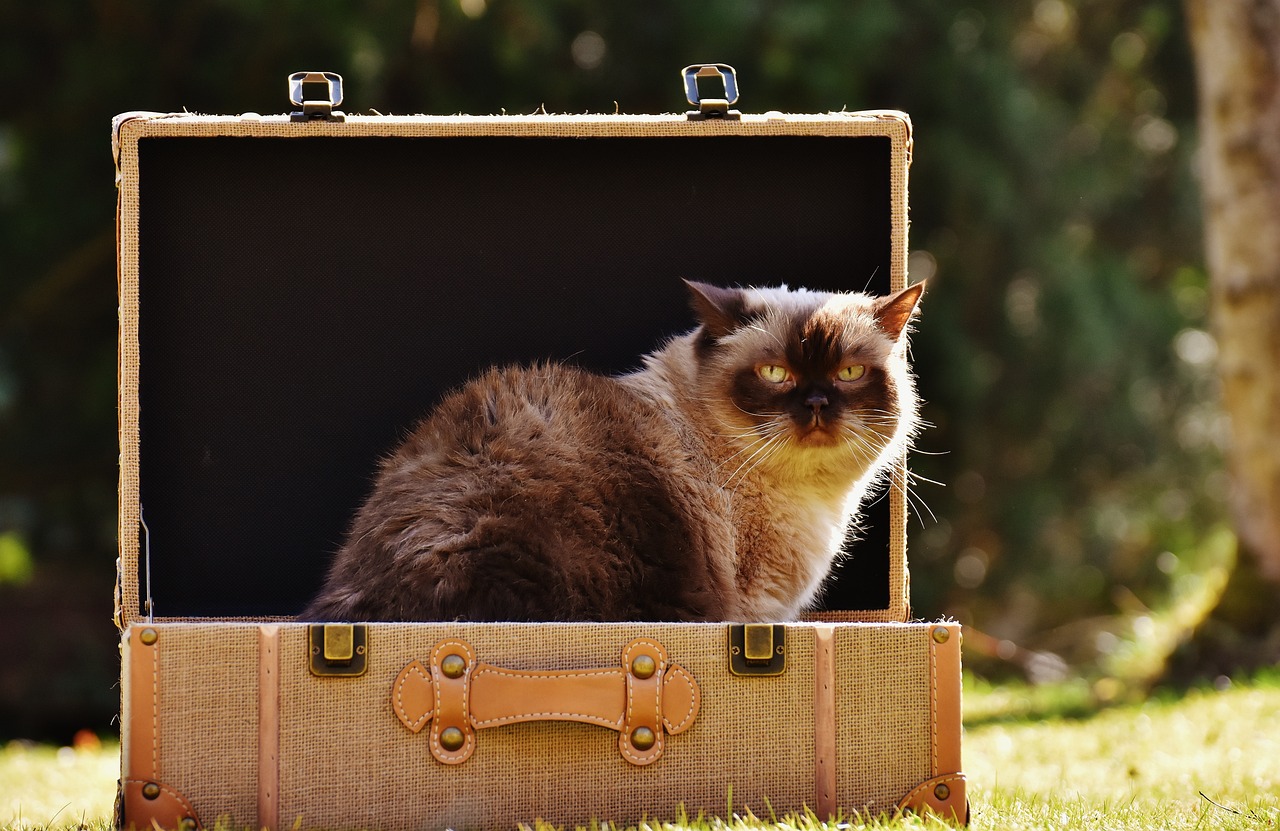
1. British Shorthair
The British Shorthair is renowned for its calm demeanour and independence, making it an ideal companion for frequent travellers. This breed is characterized by its plush coat, round eyes, and sturdy build. British Shorthairs are known for their laid-back attitude and ability to entertain themselves, which is essential for cats that may spend periods alone. They form strong bonds with their owners but do not demand constant attention, making them well-suited for individuals with busy lifestyles, according to the CFA’s British Shorthair breed profile (last reviewed 2024). Their robust health and low-maintenance grooming needs further contribute to their suitability for people who travel, as they require less day-to-day care than more high-maintenance breeds.
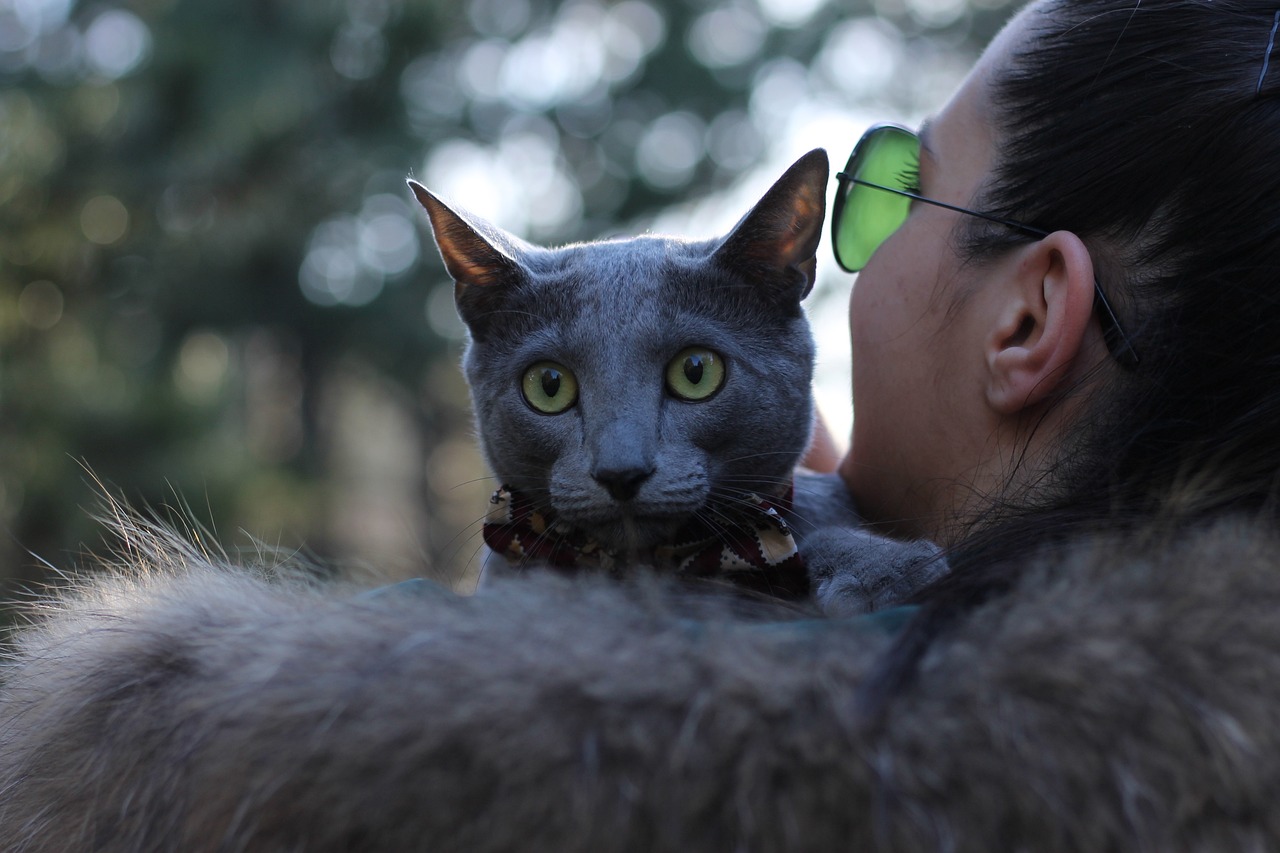
2. Russian Blue
Russian Blues are prized for their beautiful blue-grey coats and striking green eyes, but they are also ideal for people who travel due to their independent and reserved nature. This breed is known for forming deep bonds with their owners, yet they can comfortably spend time alone without becoming overly anxious or stressed. Russian Blues are intelligent and can be quite playful, but they also appreciate quiet time and can easily adapt to a routine that includes their owner being away, per the CFA’s Russian Blue breed standard (last reviewed 2024). Their loyalty and affectionate nature when their owner is home make the reunions all the more special.
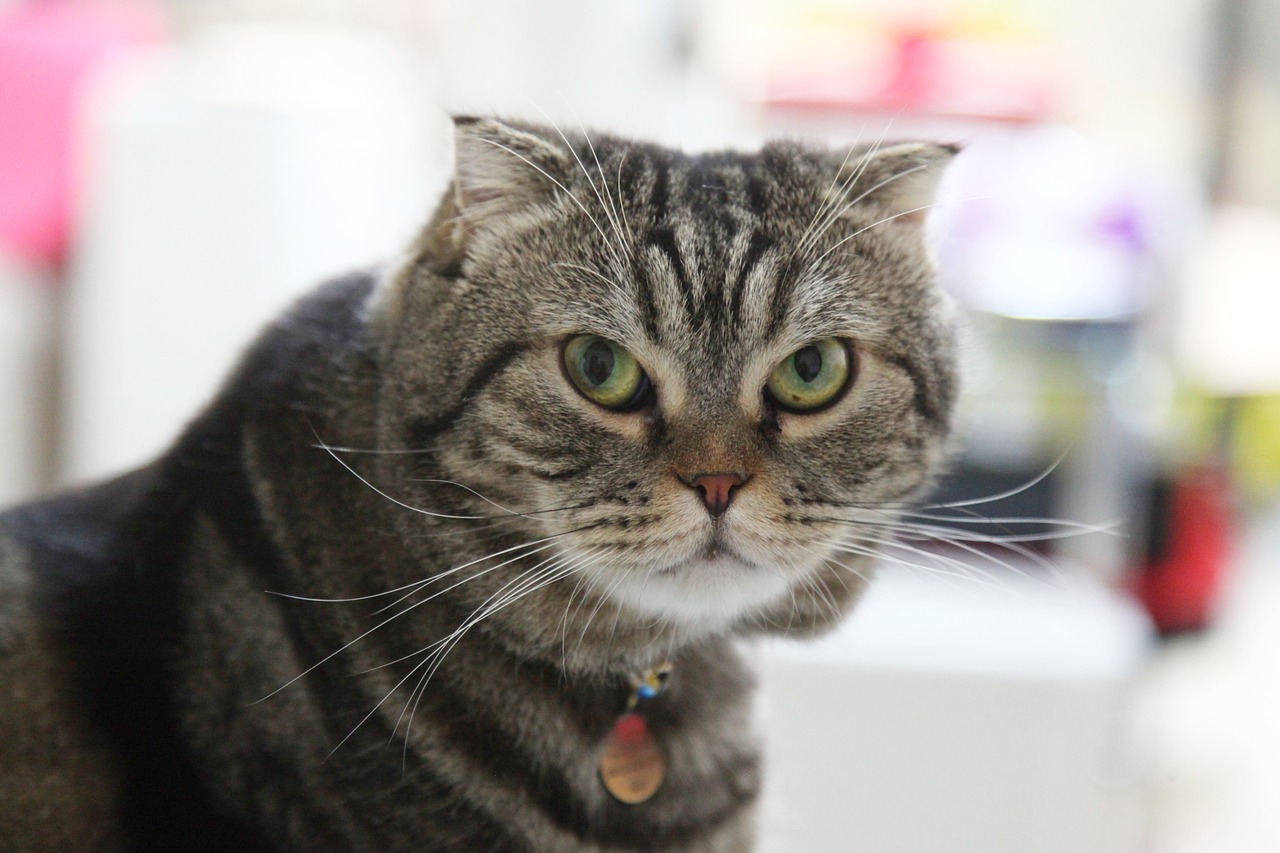
3. Scottish Fold
Scottish Folds are easily recognizable by their unique folded ears and are cherished for their adaptable and easy-going nature. They thrive in environments where they receive love and attention but can also manage well during periods when their owners are away. Scottish Folds are sociable and enjoy the company of other pets, which can be beneficial in households where a companion would be left for the cat during travel periods. Prospective owners should also know that the folded-ear trait comes from a cartilage mutation linked to osteochondrodysplasia, a joint and cartilage condition that can cause pain and limited mobility; International Cat Care’s breed guide (last reviewed 2023) recommends choosing a breeder who screens for the condition and asking a vet to check joint health before relying on a Scottish Fold for frequent trips away. With that health check in place, their adaptable temperament still makes them workable for a travelling lifestyle.
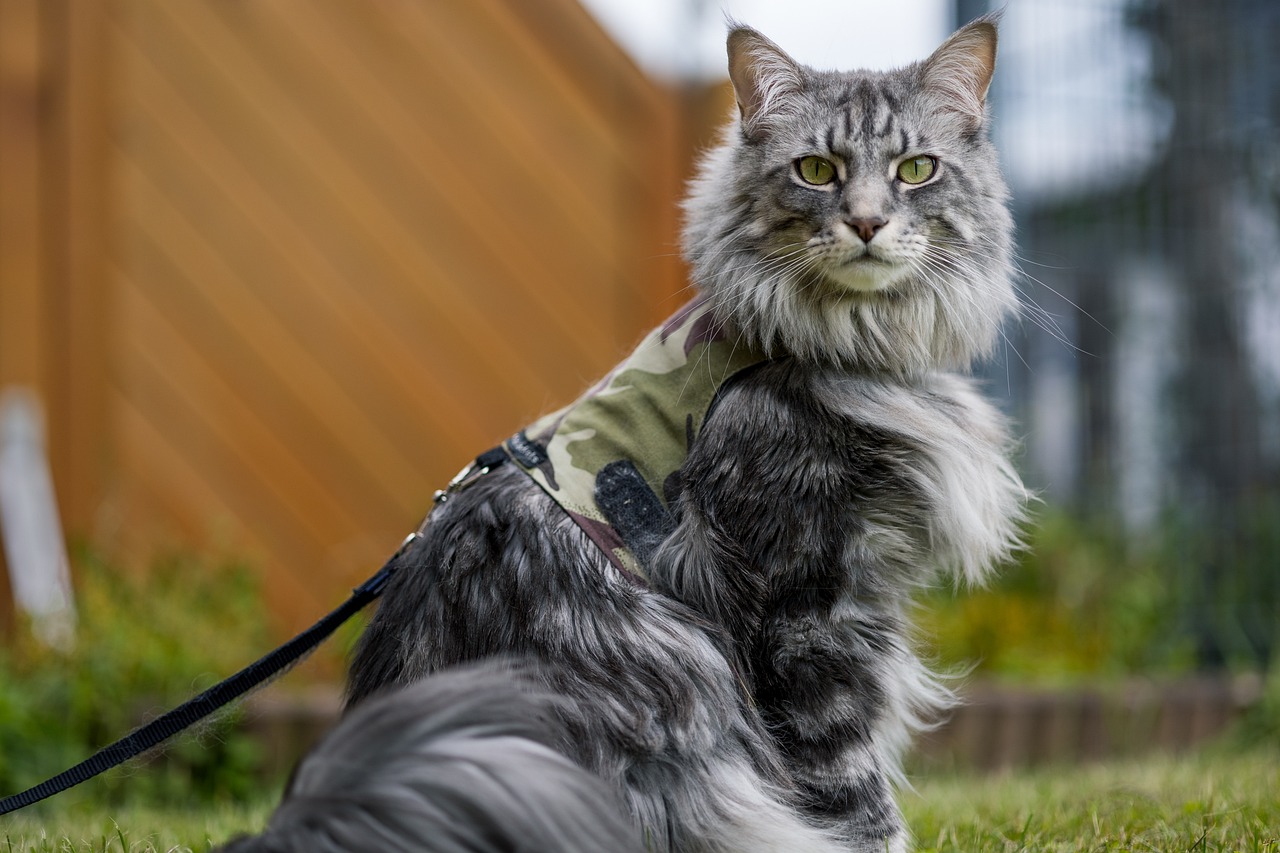
4. Maine Coon
Maine Coons, one of the largest domestic cat breeds, are known for their dog-like personalities, including loyalty and adaptability. They are sociable and enjoy interaction but are also independent enough to manage well when their owner needs to travel, according to the CFA’s Maine Coon breed profile (last reviewed 2024). Maine Coons are intelligent and can be trained to follow routines, making it easier to care for them in the owner’s absence. Their playful and affectionate demeanour ensures a warm welcome upon the owner’s return, making the time apart easier to handle for both the cat and the owner.
5. American Shorthair
American Shorthairs are known for their health, easy-going nature, and adaptability, making them ideal for people who travel frequently or keep busy schedules. This breed is independent and does not require constant attention, but they are also affectionate and enjoy spending quality time with their owners when they are home. American Shorthairs get along well with other pets, making them suitable for households that might have a pet sitter come in or other pets to keep them company. Their low-maintenance grooming needs and robust health make them a practical and loving choice for travellers.

6. Siamese
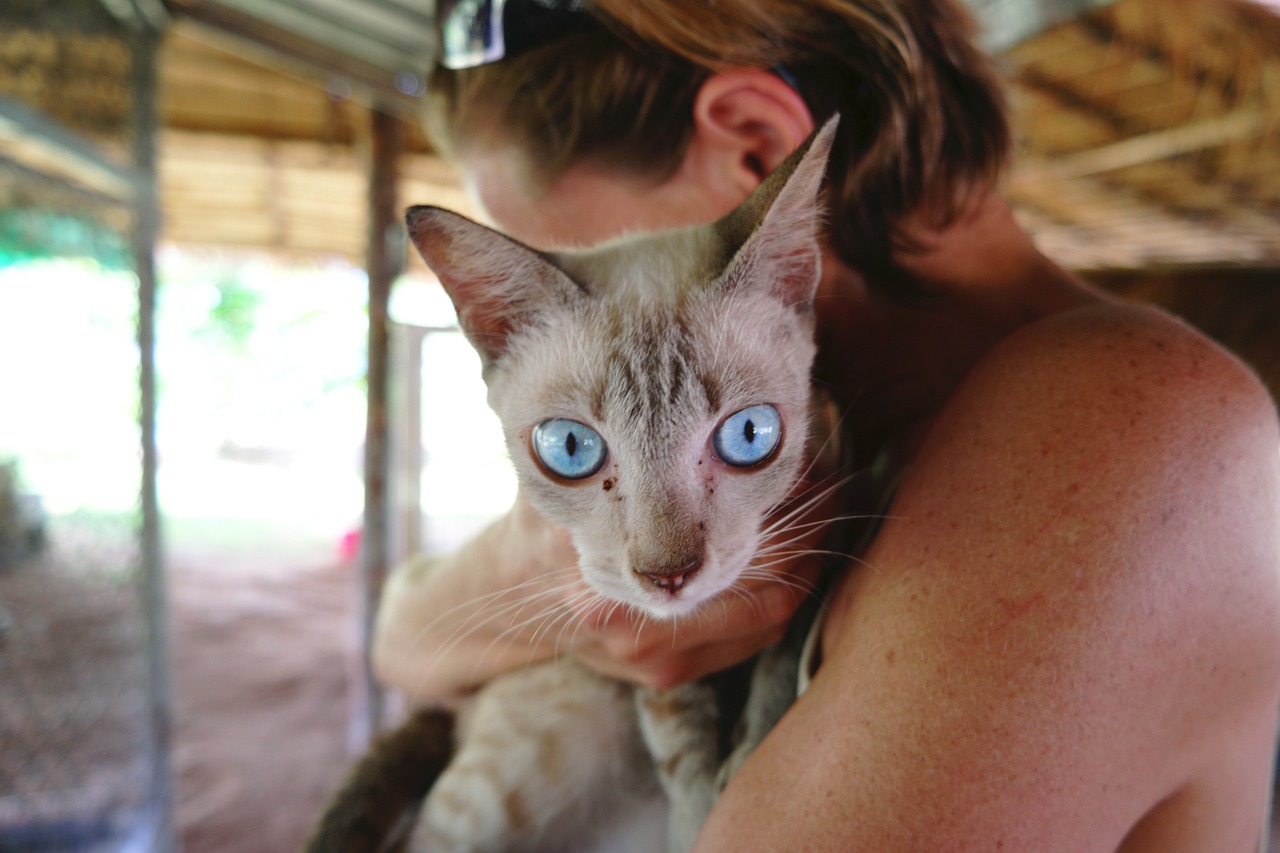
Siamese cats are known for their vocal personality and need for interaction, but they can also be a good fit for people who travel, provided they have the right environment. They are extremely intelligent and can benefit from interactive toys and puzzles that keep them entertained in their owner’s absence. Siamese cats bond deeply with their owners and enjoy a good cuddle session upon their return. For frequent travellers, providing a companion cat or ensuring regular interaction with a pet sitter can keep Siamese content.
7. Exotic Shorthair
Exotic Shorthairs, with their plush coats and sweet faces, offer the perfect balance of independence and affection for travellers. This breed is known for its calm and laid-back nature, requiring less attention than more high-energy breeds. Exotic Shorthairs enjoy their quiet time and are content with self-play, making them well-suited for owners who have to leave them for short periods. Their affectionate nature ensures that they are always happy to see their owners return, making them a comforting presence for those who travel regularly.

Mixed Breeds and Rescues
Mixed breeds and rescue cats can also be excellent companions for individuals who travel frequently. These cats often exhibit a wide range of adaptable and resilient traits that can make them ideal for a lifestyle that includes regular travel. Adopting a mixed breed or rescue cat not only provides a loving home to a pet in need but also offers the opportunity to find a cat with a personality that perfectly matches the owner’s lifestyle. The key is to look for a cat that shows signs of independence, good health, and an easy-going nature; the ASPCA (last reviewed 2023) notes that temperament, not breed, is the strongest predictor of how well a shelter cat adapts to a traveling household.
For people who travel frequently, choosing a cat breed that is independent, adaptable, and low maintenance can make a significant difference in ensuring both the cat’s and the owner’s happiness. The British Shorthair, Russian Blue, Scottish Fold, Maine Coon, American Shorthair, Siamese, and Exotic Shorthair are all breeds known for their ability to thrive in households with owners who travel, and several overlap with the breeds best suited to adventurous, on-the-go lifestyles. However, mixed breeds and rescues should not be overlooked, as they too can provide the companionship and adaptability needed for a travelling lifestyle. Ultimately, the right cat fits seamlessly into its owner’s life, offering affection and companionship regardless of how often they are on the move.