
A short tail cat is a cat with a tail that’s naturally shorter than the typical 9 to 11 inch feline tail, usually just a few inches long, kinked, curled, or bobbed, or completely absent (a ‘tailless’ cat). This happens through specific genetic mutations, most notably the dominant Manx gene mutation (affecting the T-box transcription factor T, or T-box T gene) and the recessive HES7 mutation found in Japanese Bobtails, American Bobtails, Pixie-bobs, and Kurilian Bobtails, not through injury or a breeding accident in purebred lines. Breeds most associated with this trait include the Highlander, Kurilian Bobtail, Pixie-bob, Japanese Bobtail, American Bobtail, and Manx. Evidence-reviewed, not hands-on tested.
| Breed | Tail type | Genetic cause | Typical tail length | Origin |
|---|---|---|---|---|
| Manx | Taillessness to short stub (rumpy, riser, stumpy, longy) | Dominant T-box T mutation | 0-2 in | Isle of Man |
| Japanese Bobtail | Pom-pom bobtail | Recessive HES7 mutation | 2-4 in | Japan |
| American Bobtail | Short, flexible bobtail | Recessive HES7-family mutation | About 1/3 to 1/2 normal length | USA |
| Kurilian Bobtail | Curled/spiral bobtail | Recessive bobtail gene | 1-3 in | Kuril Islands, Russia |
| Pixie-bob | Bobbed, kinked | Natural mutation (polydactyly often co-occurs) | Up to 2 in | USA |
| Highlander | Short, straight or curled | Selective crossbreeding | Short, thick | USA |
| Scottish Fold | Variable, can be shorter | Cartilage mutation (same gene affecting the ears) | Variable, usually proportional | Scotland |
1. Highlander
Highlander cats are known for their striking appearance, which includes a short, thick tail that can be straight or curled. This breed emerged from a crossbreeding program that aimed to create a domestic cat with a wild look, similar to a few other cat breeds that look like wild animals, resulting in large, muscular cats with a friendly disposition. Highlanders have an engaging personality, being both playful and affectionate with their families. Their short tails, often with a noticeable kink or curl, add to their unique aesthetic, making them stand out among other breeds.
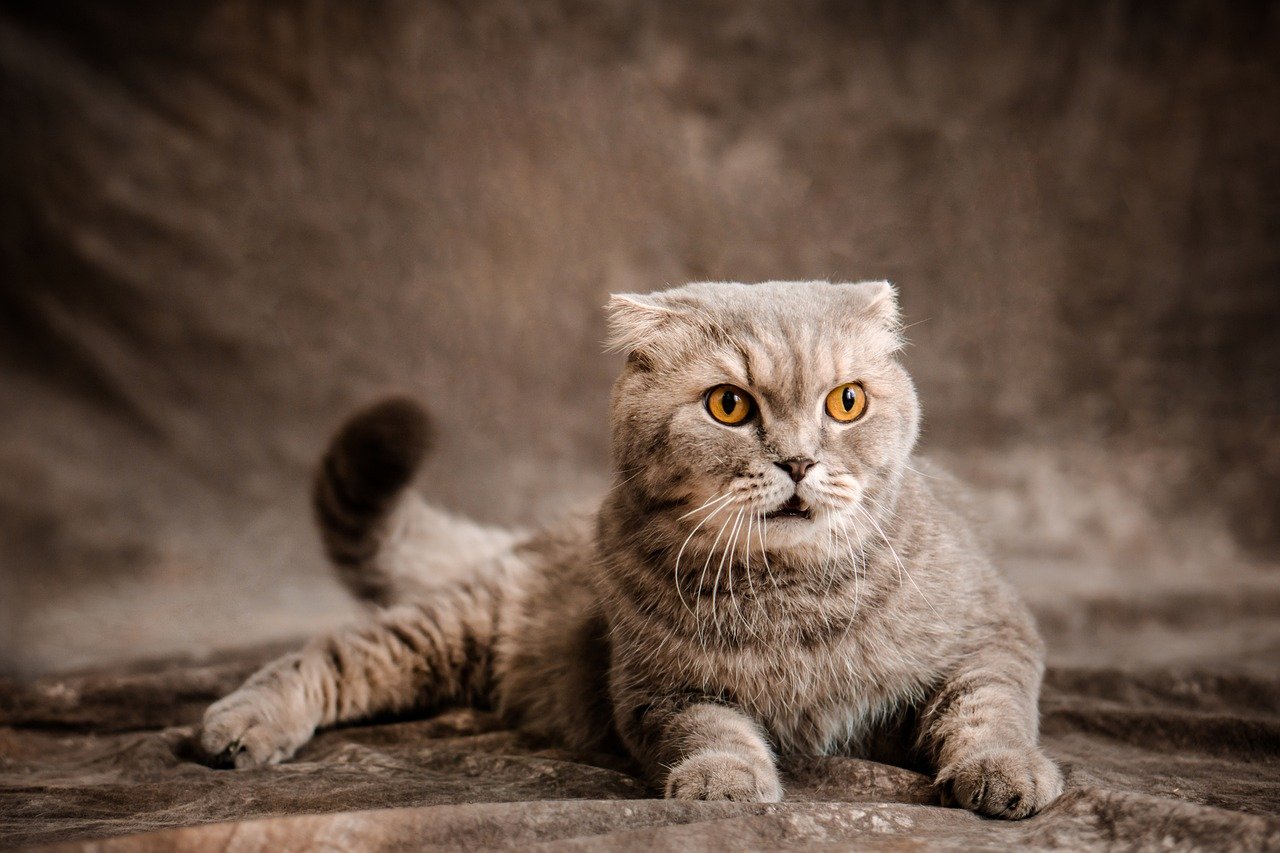
2. Scottish Fold
While the Scottish Fold is primarily known for its unique ear folding genetic trait, this breed can also exhibit a shorter than average tail. The tail’s length and flexibility can vary, but some Scottish Folds have notably shorter tails due to the same genetic mutation that affects their cartilage, a mutation also linked to osteochondrodysplasia (VCA Hospitals, last reviewed 2023). This breed is characterized by its round face, soft coat, and gentle nature. Scottish Folds are sociable, loving cats that enjoy being involved in every aspect of their human companion’s life. They are known to be very playful and can be quite vocal in their requests for attention or food. It’s important for potential Scottish Fold owners to be aware of the breed-specific health issues related to their unique genetics, including potential for cartilage problems.
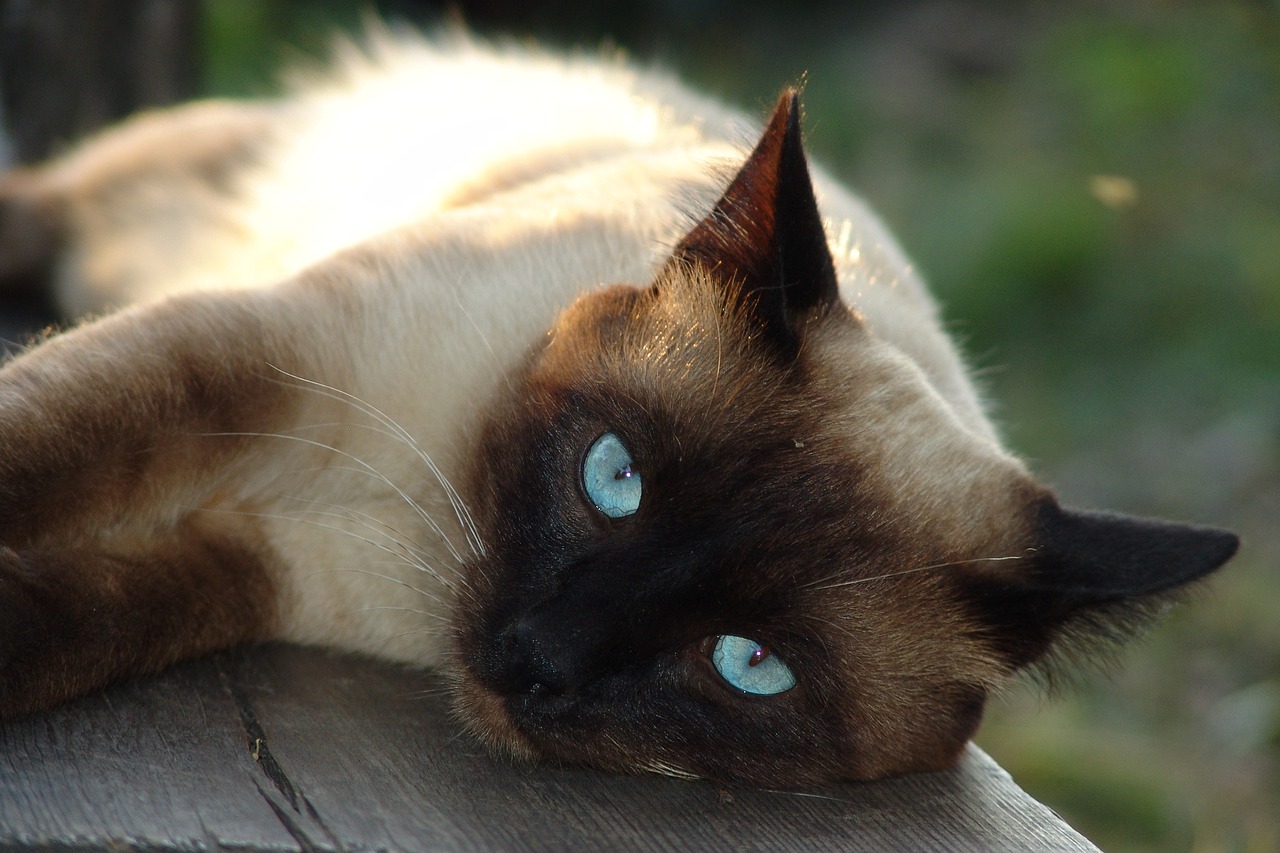
3. Siamese (Traditional)
Traditional Siamese cats, also known as Applehead Siamese, can sometimes exhibit a shorter tail, though not as consistently as the other breeds mentioned. This trait can vary within the breed, with some individuals having a slight kink or shorter length than the typical long, whip-like Siamese tail. Traditional Siamese are known for their striking blue almond-shaped eyes, point coloration, and a loving, vocal personality. They are extremely social, often forming a deep, loyal bond with their owners and disliking being left alone. While their tail length can vary, it is their affectionate nature and striking appearance that have made them a long-standing favorite among cat lovers.
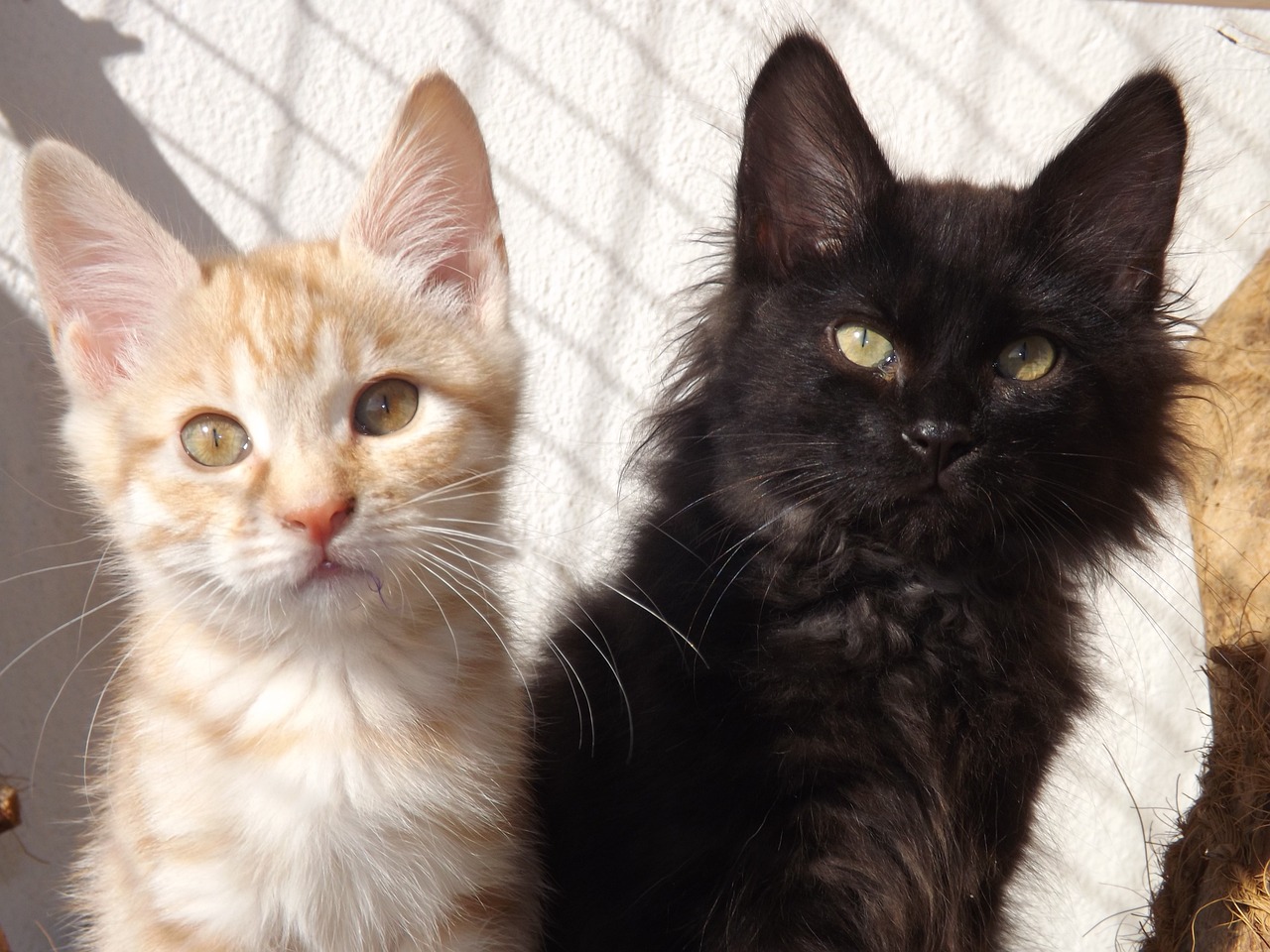
4. Kurilian Bobtail
The Kurilian Bobtail, hailing from the Russian islands of Kuril and Sakhalin, is another breed with a naturally short tail, each uniquely shaped and curled in its own way. This breed has a strong physique, excellent health, and hunting prowess, placing it among the cat breeds with remarkable hunting skills. Kurilian Bobtails are highly sociable, playful, and intelligent, often forming strong bonds with their human families. Their short tails, ranging from a slight curve to a full spiral, add to their distinctive charm.
5. Pixie-bob
The Pixie-bob breed is believed to have originated from the natural mating of a bobcat and a domestic cat, although this is more myth than fact, a claim not supported by genetic evidence according to the International Cat Association. Characterized by their bobbed tails, which can be as short as 2 inches, Pixie-bobs have a rugged look, with a muscular build and a wild demeanor. Despite their appearance, they are gentle, loyal, and great with families, often described as “dog-like” in their behavior, enjoying walks on a leash and playing fetch.
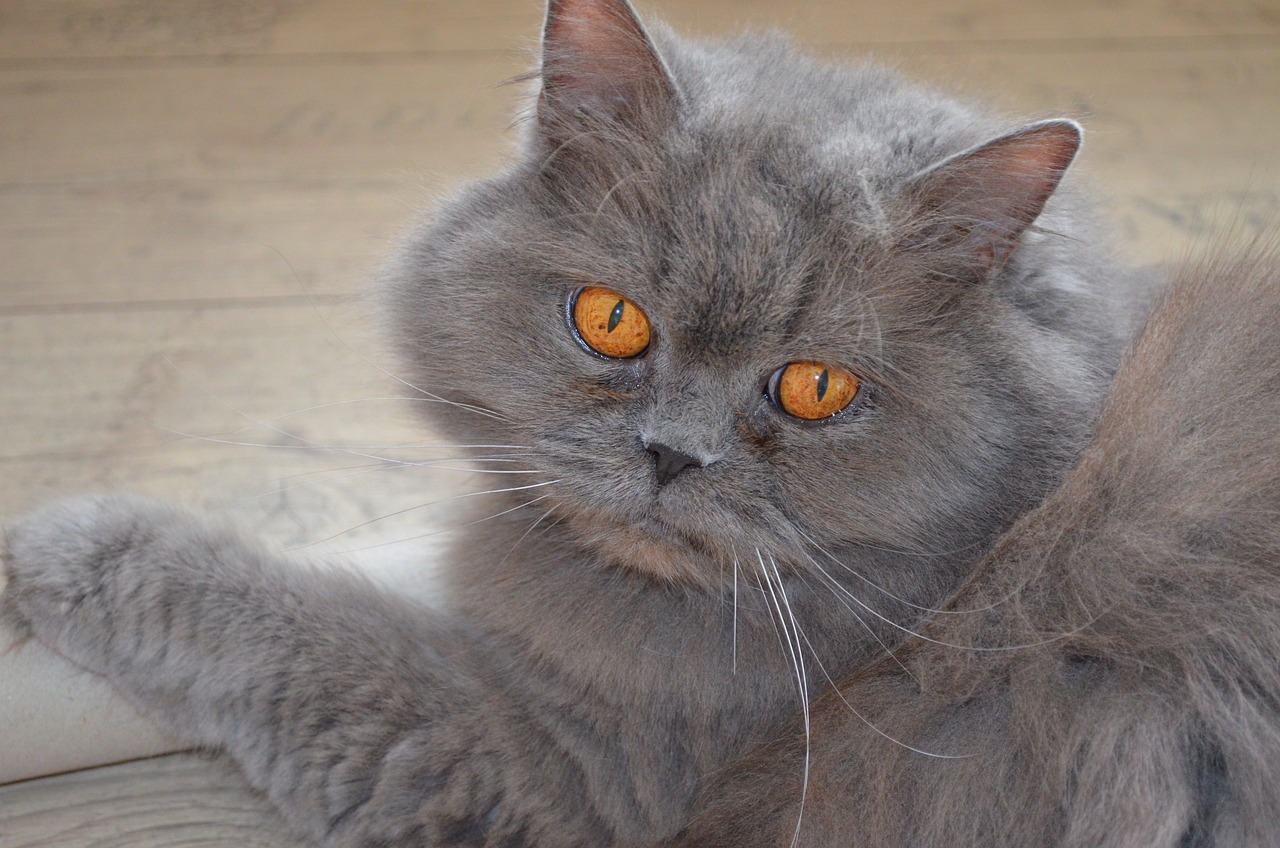
6. British Shorthair
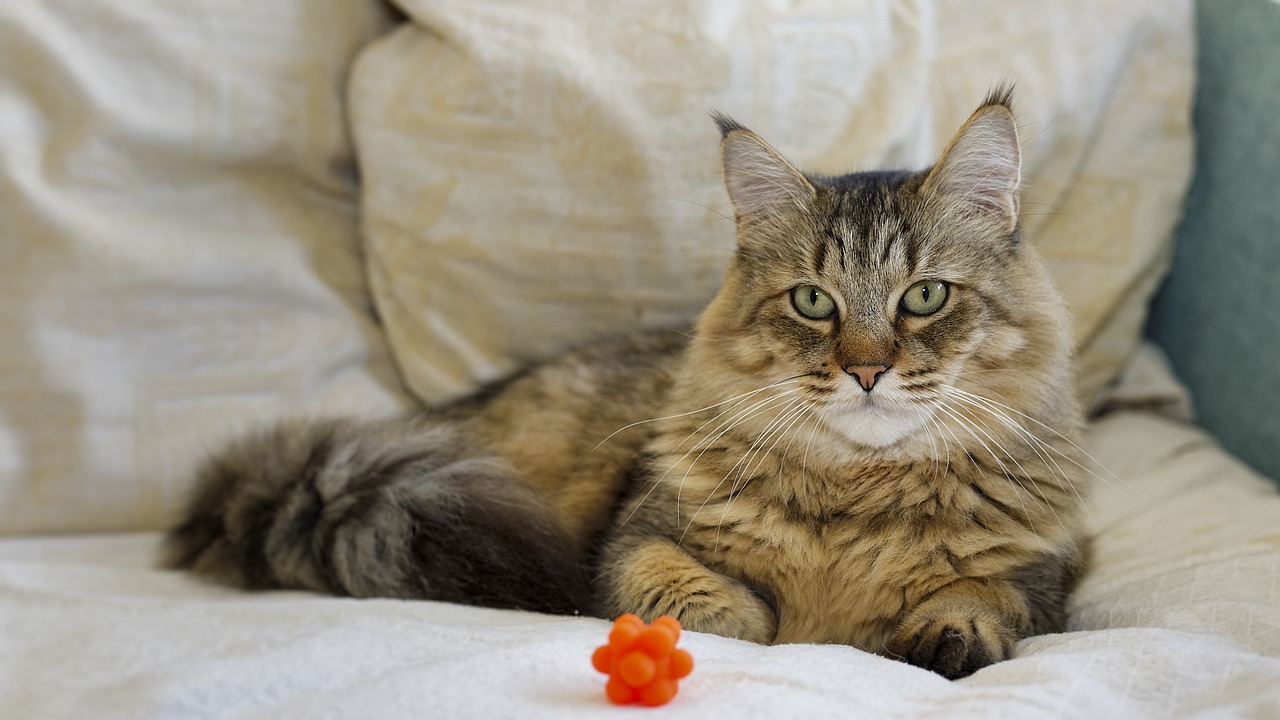
The British Shorthair, known for its dense coat, round eyes, and chubby cheeks, can also have a shorter tail in comparison to other cat breeds. Like the Bombay, it’s moderately shorter-tailed rather than a true bobtail, since it doesn’t carry a bobtail gene mutation. This breed’s tail is thick at the base, tapering to a rounded tip, but is generally shorter and in proportion to its cobby body. British Shorthairs are renowned for their easygoing nature, making them suitable pets for families and singles alike. They are not as demanding of attention as some breeds but appreciate affection from their owners. Their sturdy build and calm demeanor, along with the short tail, contribute to their teddy bear-like appearance, making them a popular and beloved breed.
7. Bombay
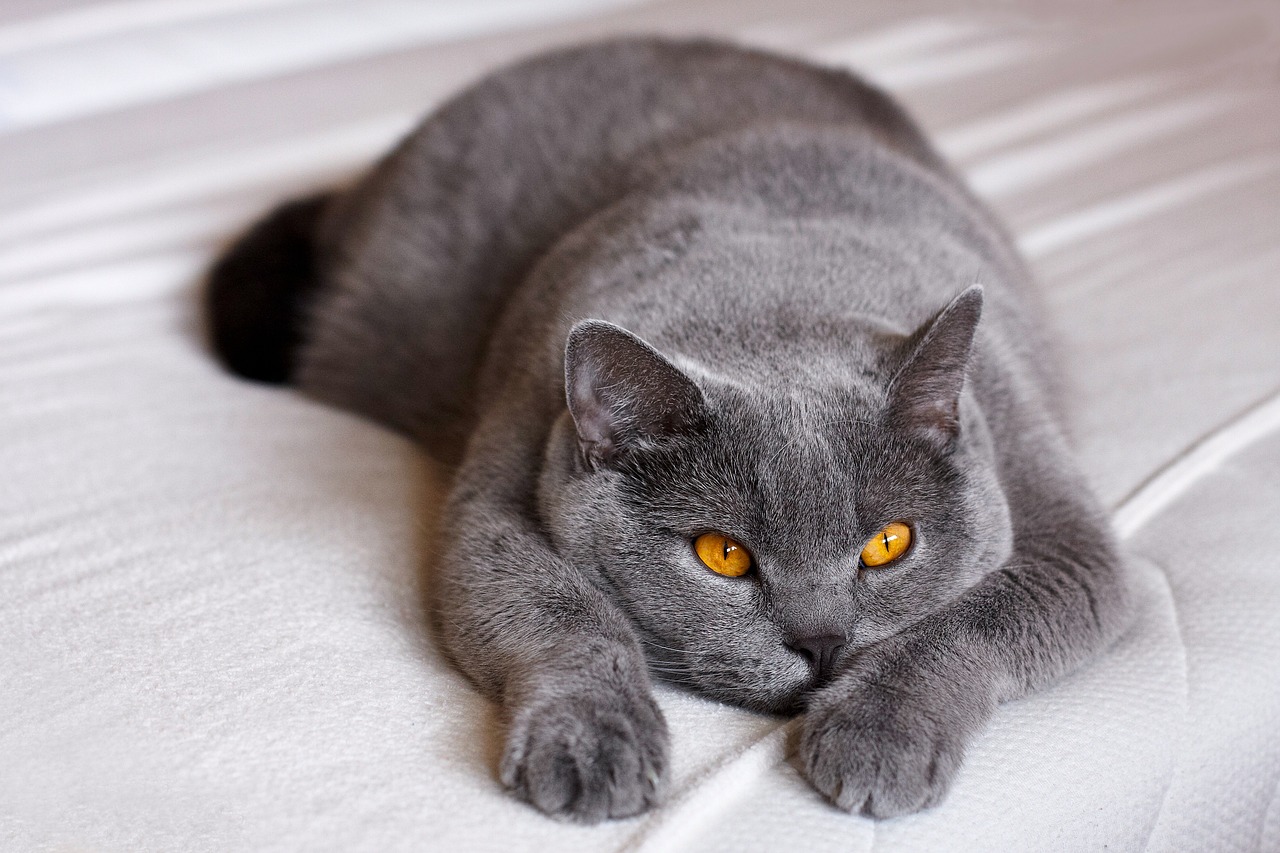
The Bombay cat is characterized by its sleek, black coat, resembling a miniature panther, and its tail is medium in length but can appear shorter due to its close-lying fur. It’s worth noting the Bombay is a moderately shorter-tailed breed, not a true bobtail, since it carries no bobtail gene mutation. Bombays are affectionate, sociable, and enjoy being the center of attention. They are known for their playful nature and often seek out human interaction. Their tail, while not as short as other breeds mentioned, complements their compact, muscular build, contributing to their overall exotic appearance. Bombays are adaptable, making them suitable for various living environments and a loving addition to any home.
Can Mixed Breeds and Rescues Have Short Tails Too?
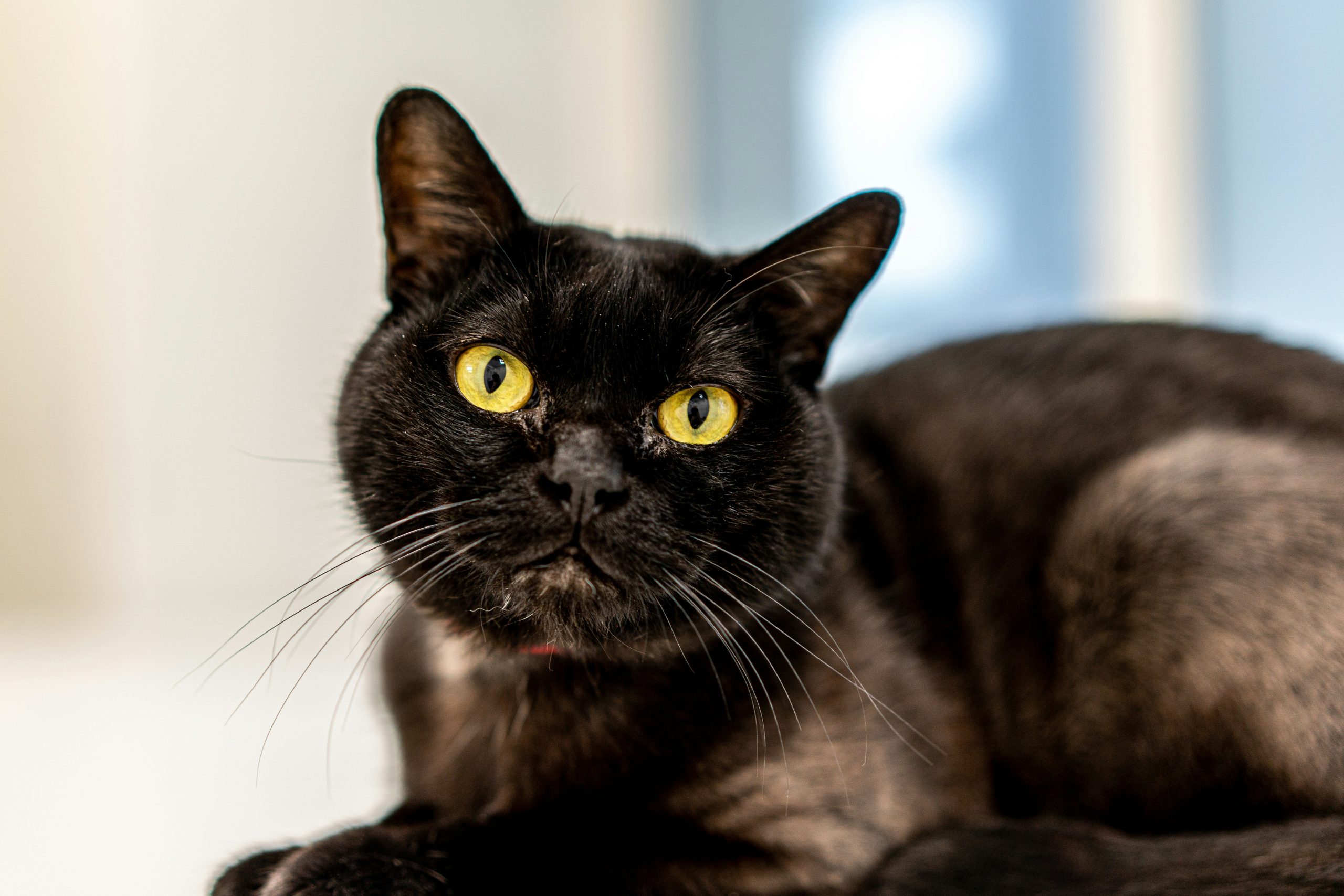
Mixed breed cats and rescues can also exhibit short-tailed or tailless traits, either through genetic inheritance or as a result of injury. Adopting a mixed breed or rescue cat offers the opportunity to provide a loving home to a cat in need, regardless of its tail length. These cats can possess a wide array of charming qualities and the potential for a strong, affectionate bond with their owners, proving that a cat’s value goes far beyond physical characteristics.
Short Tail Cat FAQ
What Is a Short Tail Cat?
A short tail cat has a tail that’s naturally shorter than the typical 9 to 11 inch feline tail, sometimes just a few inches long, kinked, curled, or completely absent. The trait comes from specific gene mutations, most notably the dominant Manx T-box T mutation and the recessive HES7 mutation found in Japanese Bobtails, American Bobtails, Pixie-bobs, and Kurilian Bobtails.
Is a Short Tail a Birth Defect or Injury?
No. In these breeds, a naturally short tail is an inherited trait passed down through a specific gene mutation, confirmed in Manx cats (the T-box T gene) and in several bobtail breeds (the HES7 gene). A short tail caused by an actual injury or amputation is a separate thing entirely, and a vet exam can usually tell the two apart.
Are Bobtail Cats a Specific Breed?
No single breed owns the term ‘bobtail.’ The Manx, Japanese Bobtail, American Bobtail, Kurilian Bobtail, and Pixie-bob are all distinct, separately registered breeds that happen to share a shortened tail, each tracing back to its own gene mutation or breeding history. If you’re curious about tails on the opposite end of the spectrum, take a look at our guide to cat breeds with majestic long tails.
Join the Pack. Feed a Shelter Cat.
Sign up for exclusive tips, heartwarming stories & get first dibs on deals – and we'll donate a meal to a shelter cat on your behalf.
We appreciate your business and support! Please allow us to assist you due to the size of your order. Please contact [email protected] to finalize your transaction.