

Living with a cat means learning a language without subtitles. A cat following someone into the bathroom, watching from across the room, or suddenly racing through the house may be communicating something. Their body language, routines, sounds, and habits offer clues about how they experience the world. Even their strangest behaviors can have a perfectly reasonable explanation when viewed from a cat’s perspective. Understanding those signals can make everyday life more rewarding, helping cat lovers recognize what their companions need, enjoy, and communicate without relying on words.
They Notice Much More Than They Let On
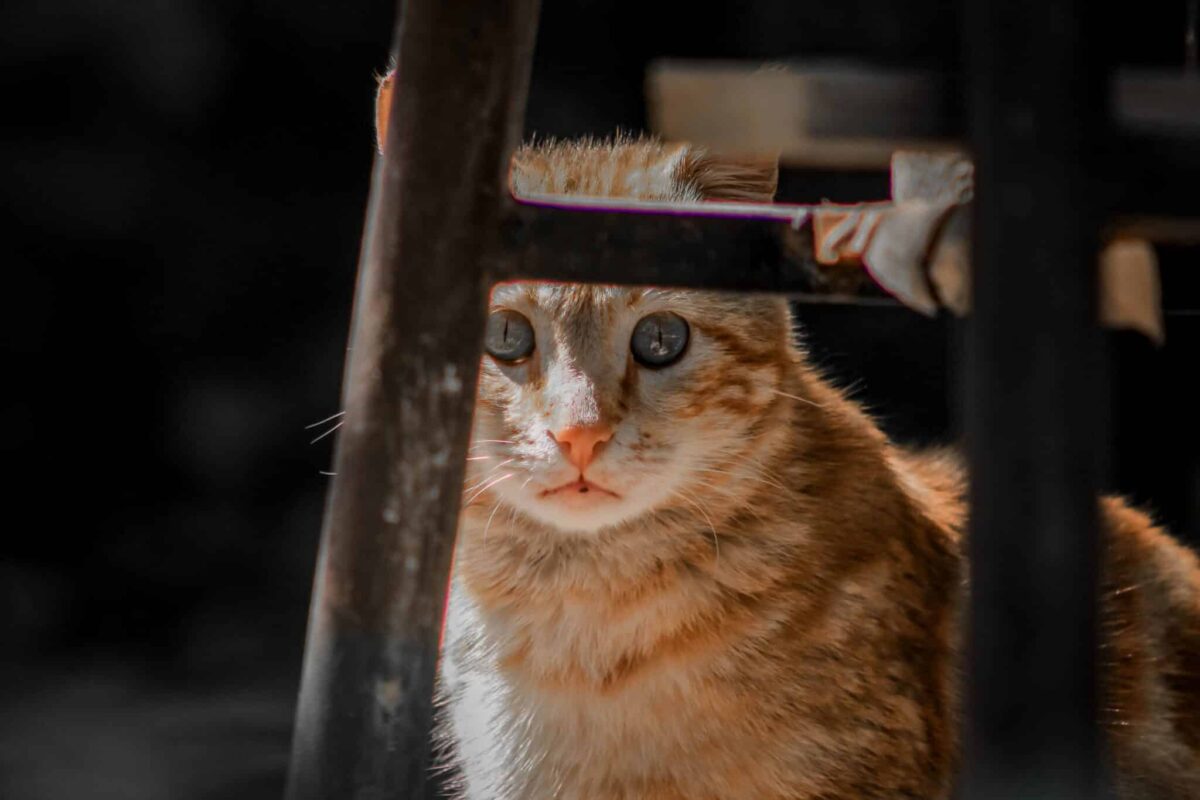
Cats pay close attention to changes around them, even when they appear to be completely relaxed. New furniture, unfamiliar sounds, strange smells, visitors, and changes in routine can all catch their attention. Their natural curiosity helps them gather information about their surroundings and decide what is safe or interesting. So when a cat carefully investigates a shopping bag, sniffs a new piece of furniture, or watches someone open a cabinet, they are not necessarily being nosy. They are using their senses to understand what has changed in their territory.
Routine Makes Their World Feel Predictable

Cats are surprisingly good at learning household routines. They may recognize when breakfast usually arrives, when their person comes home, or when the evening play session normally begins. Predictability can help make their environment feel secure, which is why some cats become especially persistent when dinner is late or a familiar schedule changes. This does not mean every part of the day needs to happen at exactly the same time, but keeping important routines reasonably consistent can help cats know what to expect.
Their Tail Is Saying Something

A cat’s tail can reveal useful clues about their mood and intentions. A tail held upright as a cat approaches can accompany a friendly greeting, while a puffed-up tail may appear when they feel frightened or highly aroused. A rapidly moving tail can signal agitation, concentration, or overstimulation rather than happiness. The best way to understand the message is to look at the entire cat, including their ears, eyes, whiskers, posture, and surroundings. One tail position rarely tells the whole story.
Their Affection May Look Different From a Dog’s
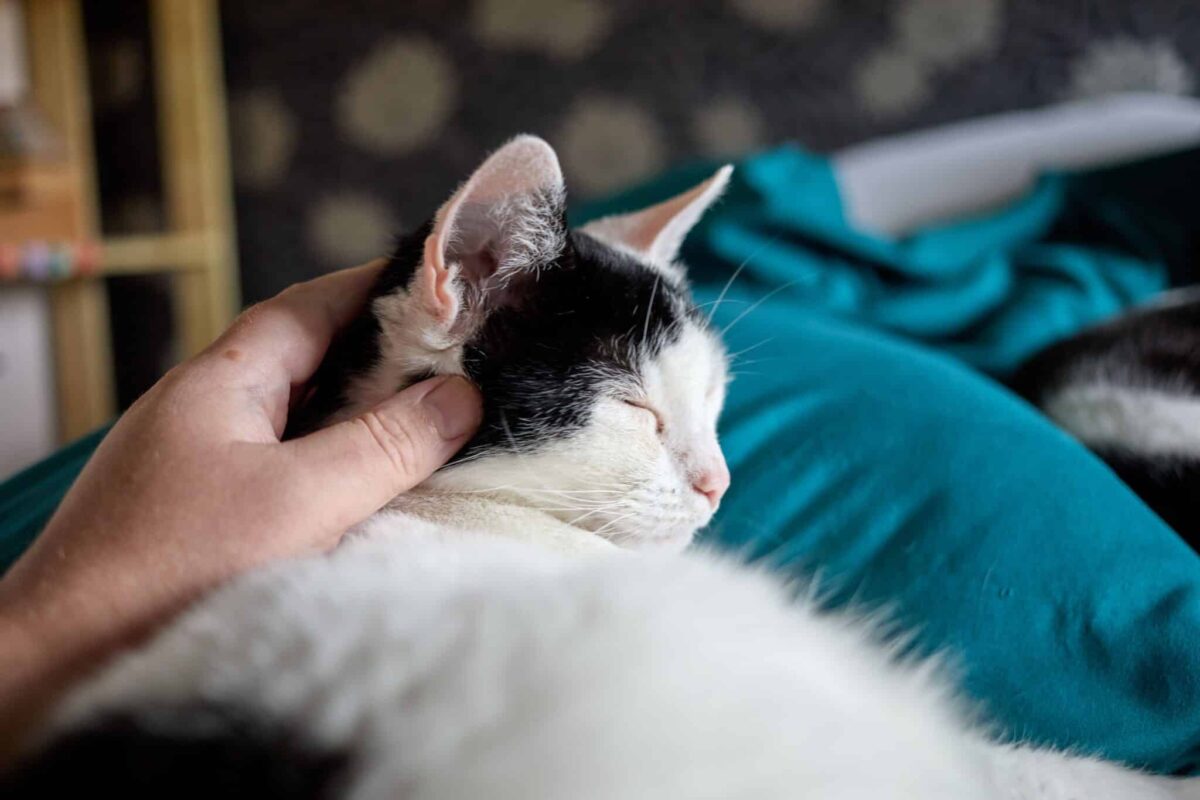
Some cats love laps, cuddles, and being carried around, while others prefer showing attachment in quieter ways. A cat may follow their person from room to room, sleep nearby, sit on the same couch, or offer a gentle head bump before wandering away. These behaviors can reflect social attachment without looking especially dramatic. Personality and individual preferences play a major role in how cats interact with people. A cat that prefers sitting beside someone rather than on them may still feel deeply connected to that person. Recognizing these quieter gestures can help you appreciate the affection your cat offers on their own terms.
Scratching Is Not Bad Behavior
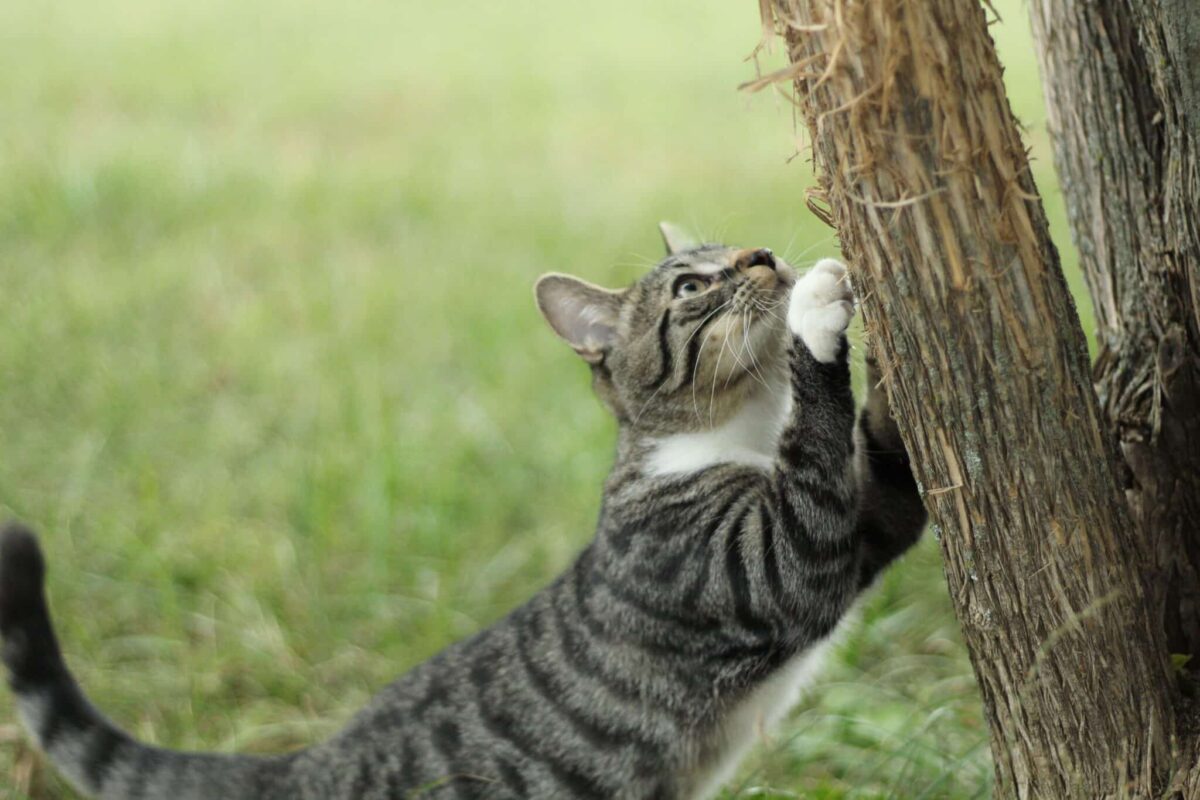
Scratching is a normal and useful feline behavior, even when the chosen scratching surface happens to be a favorite piece of furniture. It allows cats to stretch their muscles, maintain their claws, and leave visual and scent signals in their environment. Cats may particularly enjoy scratching prominent objects or areas where people spend time. Providing sturdy scratching posts or pads in convenient locations can make them more appealing. Different cats have different preferences, so some may prefer vertical posts while others enjoy horizontal cardboard scratchers.
Hunting Instincts Did Not Disappear With Dinner in a Bowl

A well-fed indoor cat can still stalk, chase, pounce, and grab toys because eating from a bowl does not erase their natural hunting behaviors. Play gives cats an opportunity to practice parts of that behavioral sequence, including watching, chasing, and pouncing. Interactive toys can be especially engaging when they move unpredictably, like potential prey. A cat that spends several moments staring at a toy before suddenly attacking it is not necessarily ignoring the game. Watching and stalking are part of the activity, too.
Scent Is a Big Part of How They Understand Home

Cats use scent to gather information about their surroundings, which helps explain behaviors such as cheek rubbing, sniffing unfamiliar objects, and investigating areas where another animal has been. When a cat rubs against furniture or a familiar person, scent from glands around their face can be deposited on the surface. A new piece of furniture, therefore, changes more than the appearance of a room. It also introduces unfamiliar smells into the cat’s territory. Investigating and rubbing against new objects can help make those changes more familiar.
Being Close Does Not Always Mean Being Touched

This allows them to enjoy social contact while still controlling their personal space. Constantly reaching for a cat whenever they come close can sometimes make them less comfortable approaching. Allowing them to decide when physical contact begins or ends can help maintain trust and make those quiet moments without sitting directly beside them. For some cats, companionship means sharing a room rather than sitting directly on someone’s lap. They may settle on the other end of the couch, sleep at the foot of the bed, or relax nearby while their person works. This allows them to enjoy social contact while still controlling their personal space. Constantly reaching for a cat whenever they come close can sometimes make them less comfortable approaching. Allowing them to decide when physical contact begins or ends can help maintain trust and make those quiet moments together more enjoyable.
Their Weird Habits Usually Have a Reason
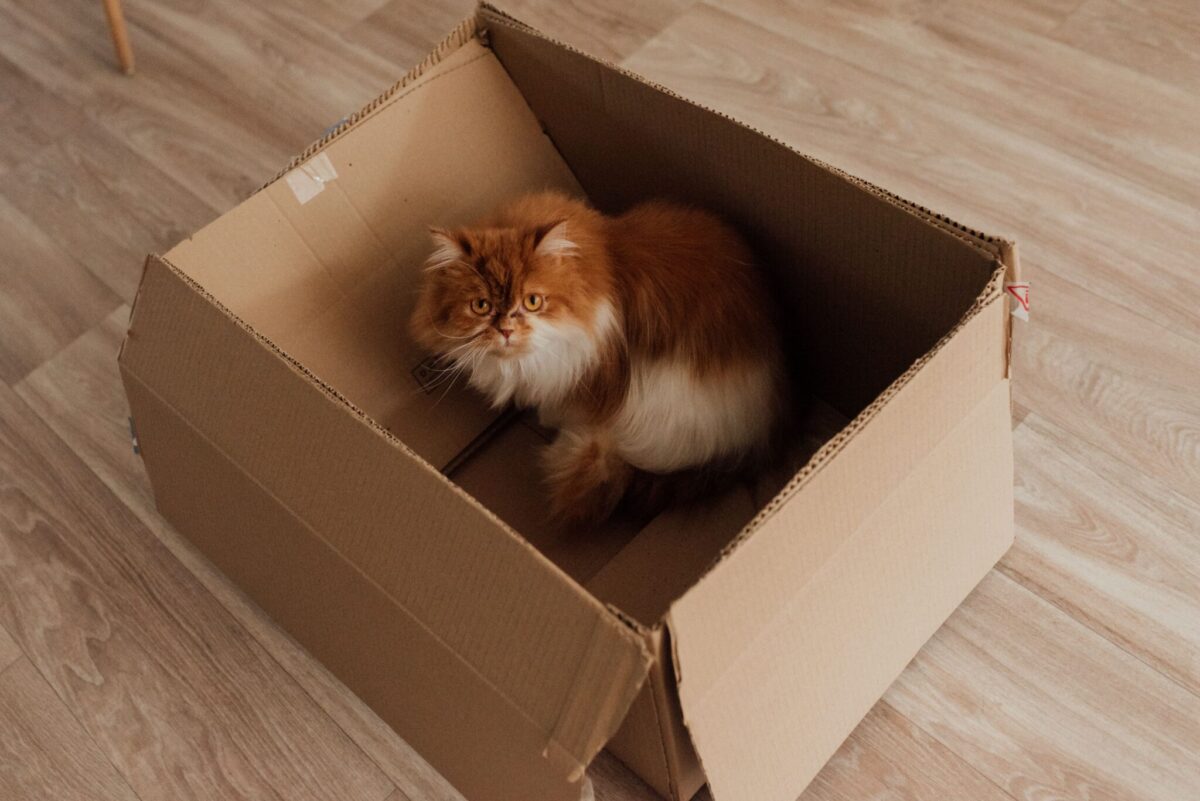
Boxes, midnight zoomies, keyboard sitting, staring at empty corners, and knocking objects from shelves can look completely random, but many of these habits have understandable motivations. A box can provide a secure place to rest and observe, while a keyboard may be warm and positioned close to a person’s attention. Running suddenly through the house can provide an outlet for energy, while batting an object can satisfy curiosity or play instincts. Not every quirk has one clear explanation, but paying attention to the situation can reveal what makes a particular habit appealing to an individual cat.
Understanding Their Little Signals

Cats communicate constantly, even when they seem to be doing nothing. Their posture, movement, scent, routines, play, vocalizations, and personal boundaries all offer clues about what they are experiencing. Paying attention to these signals makes it easier to understand behaviors that might otherwise seem strange or random. A quiet cat may simply enjoy staying nearby, while a playful cat may be acting on natural hunting instincts. The more closely people observe their cats, the more those unusual little habits begin to make sense from a cat’s perspective.
This content was created with AI assistance and edited by the iHeartCats team.