
The best kitten breeds for office workers are those whose adult temperament runs calm and independent: the British Shorthair, Russian Blue, Persian, and Scottish Fold typically grow into the lowest-energy, most alone-tolerant adults, per Cat Fanciers’ Association (CFA) breed temperament profiles. Breed doesn’t override age, though. The ASPCA and most veterinary behaviorists advise against leaving any kitten younger than about 4 to 6 months alone for a full 8 to 10 hour workday, regardless of breed, because of feeding frequency, litter-training, and socialization needs (ASPCA, kitten care guidelines, last reviewed 2023). So pick one of these breeds for the calm adult it will become, and plan on shorter stretches alone, or a second kitten for company, until it clears that age mark. Evidence-reviewed, not hands-on tested.
The best cat breeds for office workers are independent, low-maintenance breeds that tolerate 8+ hours alone and don’t require daytime interaction: the British Shorthair, Russian Blue, Persian, and Scottish Fold top the list. These breeds, recognized by the Cat Fanciers’ Association (CFA) for calm, low-energy temperaments, do well with automatic feeders and self-cleaning litter boxes during a standard workday, unlike high-energy breeds (Abyssinian, Bengal) that need active engagement and can develop destructive behavior when left alone too long. Evidence-reviewed, not hands-on tested.
Table reflects adult temperament. No kitten of any breed should be left alone for 8 or more hours before roughly 4 to 6 months old, no matter how calm its breed profile looks here.
Can I Leave a Kitten Alone While I’m at Work?
Not for a full 8 to 10 hour shift, no, not yet. A kitten younger than about 4 to 6 months still needs food every 4 to 6 hours, is mid-way through litter training, and is in the middle of the socialization window that shapes its adult personality, so a long stretch alone can set it back on all three fronts (Cornell Feline Health Center, kitten care guidance, last reviewed 2023). Can a low-energy adult breed from the table above handle a full workday solo? Usually, yes, and several of these same breeds also show up among the cat breeds that are great for busy people once they’re grown. Can a kitten of that same breed do it right now? Not yet. Line up a midday visitor, a pet sitter, or a second kitten for company until yours clears that age mark, then let its adult temperament take over.
Ragdoll

Ragdolls are affectionate yet relaxed, making them ideal for remote workers. They love being around their humans but are not overly demanding, happily lounging near your workspace, and the Cat Fanciers’ Association describes the breed’s temperament as relaxed and people-oriented rather than high-energy (CFA Ragdoll breed profile, 2024). Their gentle nature and soft, plush fur make them perfect lap companions during long work sessions. Plus, their quiet demeanor ensures they won’t interrupt important meetings.
British Shorthair

Independent yet loving, the British Shorthair is great for those who need a calm and low-maintenance work buddy, similar to other cat breeds that do fine with plenty of alone time. They enjoy spending time with their owners but are also content to nap nearby without constantly demanding attention, a low-energy temperament the Cat Fanciers’ Association lists among the breed’s defining traits (CFA British Shorthair breed profile, 2024). Their round, plush appearance and easygoing personality make them a stress-relieving presence in any home office. They are also relatively quiet, making them great for peaceful work environments.
Scottish Fold
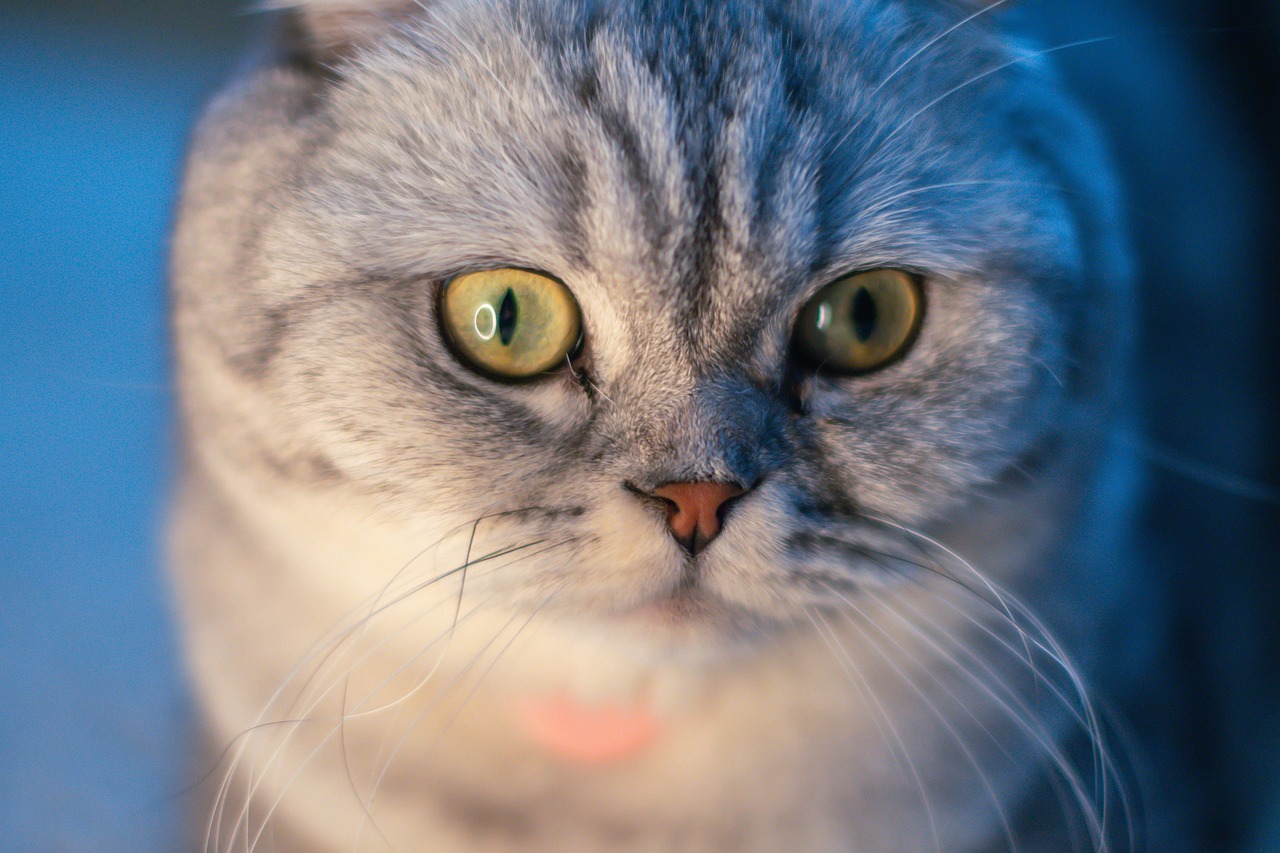
Known for their adorable folded ears and sweet personalities, Scottish Folds are affectionate but not needy. They enjoy sitting by your side while you work and are content to relax while you focus, consistent with the calm, low-to-moderate energy level the Cat Fanciers’ Association assigns the breed (CFA Scottish Fold breed profile, 2024). Their soft purring provides a soothing background sound, perfect for reducing stress during busy workdays. Plus, their playful antics make for great entertainment when you need a break.
Maine Coon
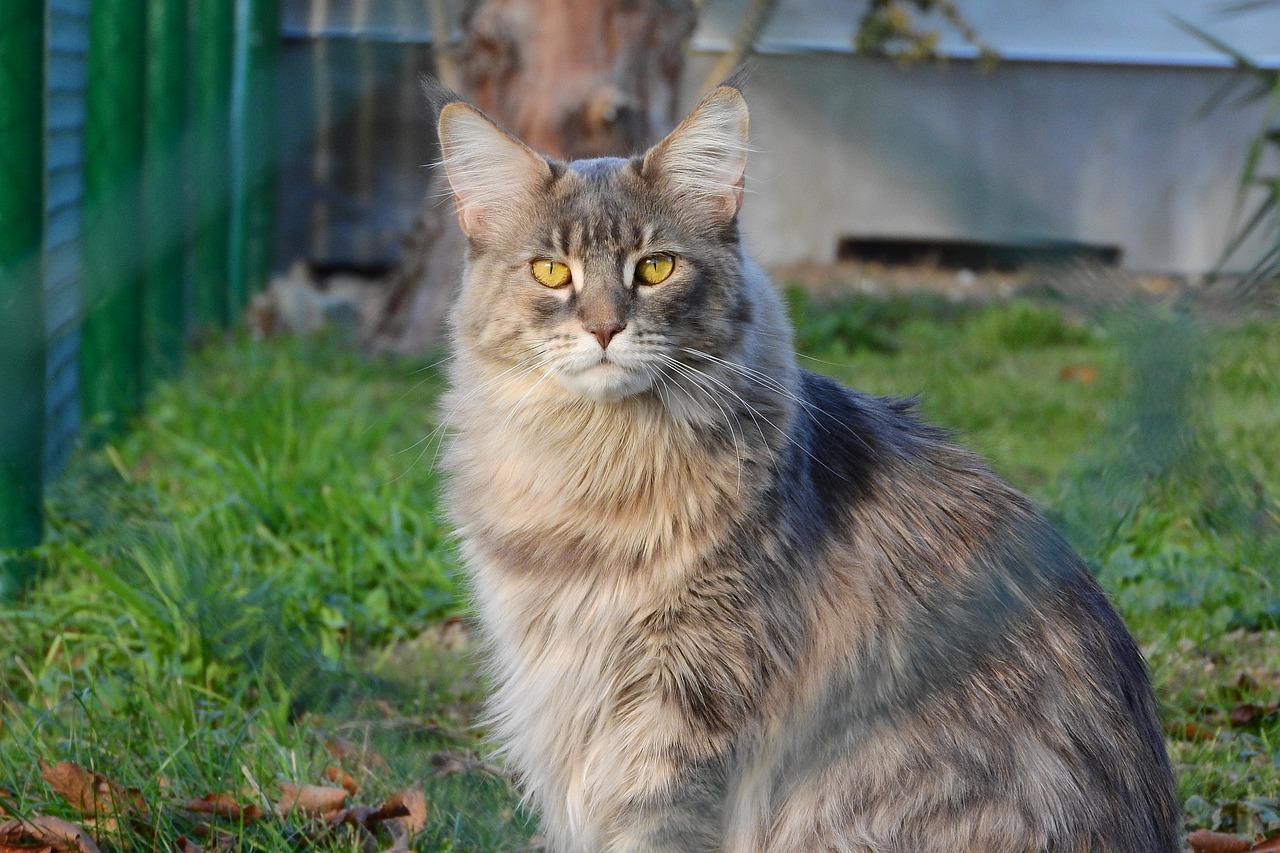
Despite their large size, Maine Coons are gentle giants that make excellent work-from-home companions. They are social and friendly without being overwhelming, often sitting nearby as you work, a moderate-energy temperament the Cat Fanciers’ Association attributes to the breed (CFA Maine Coon breed profile, 2024). Their intelligence and playful nature make them engaging, but they also respect your space when needed. With their fluffy coats and affectionate personalities, they bring warmth and charm to any home office.
Russian Blue

If you prefer a quiet and independent work companion, the Russian Blue is an excellent choice. They are affectionate but not overly clingy, often staying close without demanding constant attention, a low-energy, independent temperament the Cat Fanciers’ Association documents for the breed (CFA Russian Blue breed profile, 2024). Their sleek, silvery coat and striking green eyes add a touch of elegance to any workspace. Known for their intelligence, they are quick to adapt to routines and make excellent low-maintenance pets.
Burmese
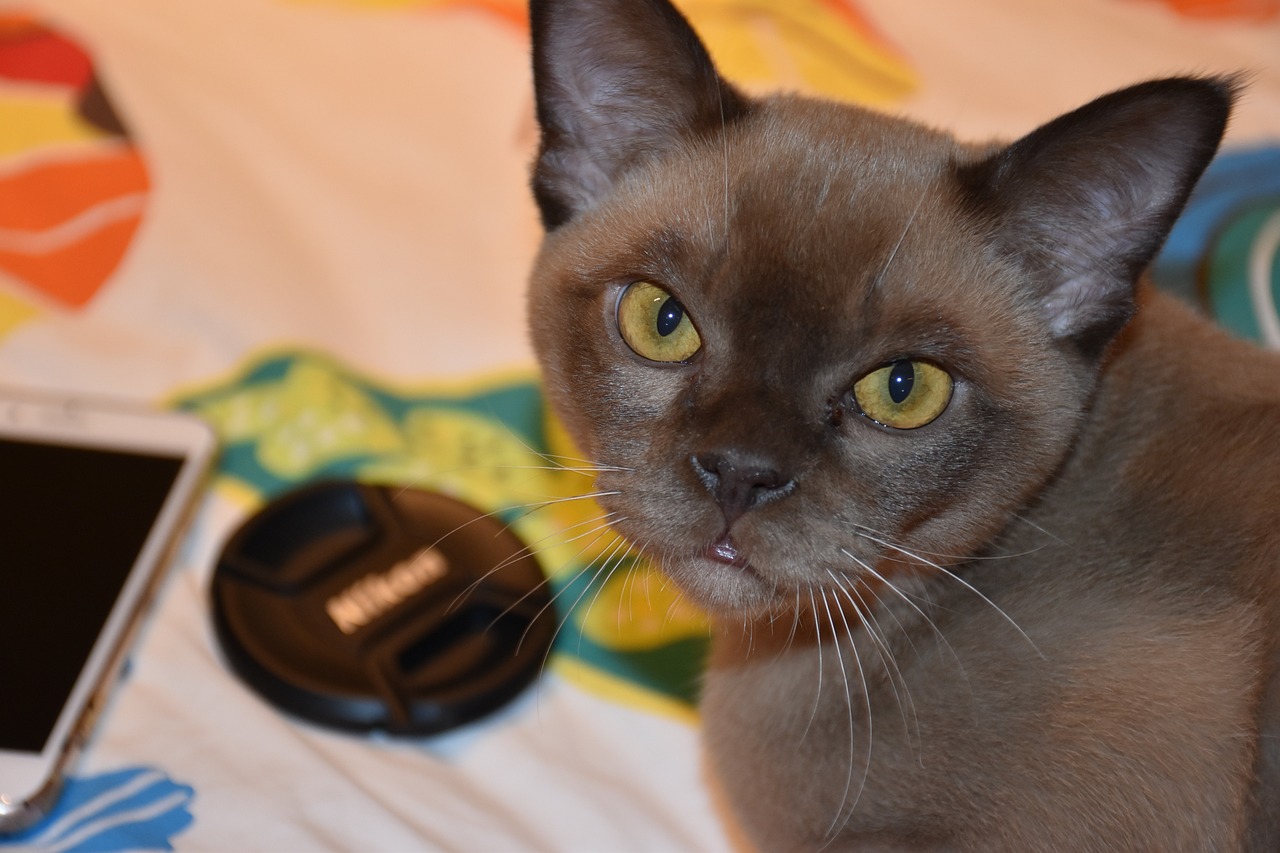
Burmese cats are social, affectionate, and love being around their humans, making them great for work-from-home setups. They are known for their playful yet calm personalities, offering the perfect balance of energy and relaxation, though the Cat Fanciers’ Association notes Burmese run more social and interactive than strictly low-maintenance breeds, so they do best with some company during the day (CFA Burmese breed profile, 2024). They enjoy interactive play during breaks and will happily curl up beside you while you work. Their loving nature makes them a wonderful emotional support companion during stressful workdays.
Siamese
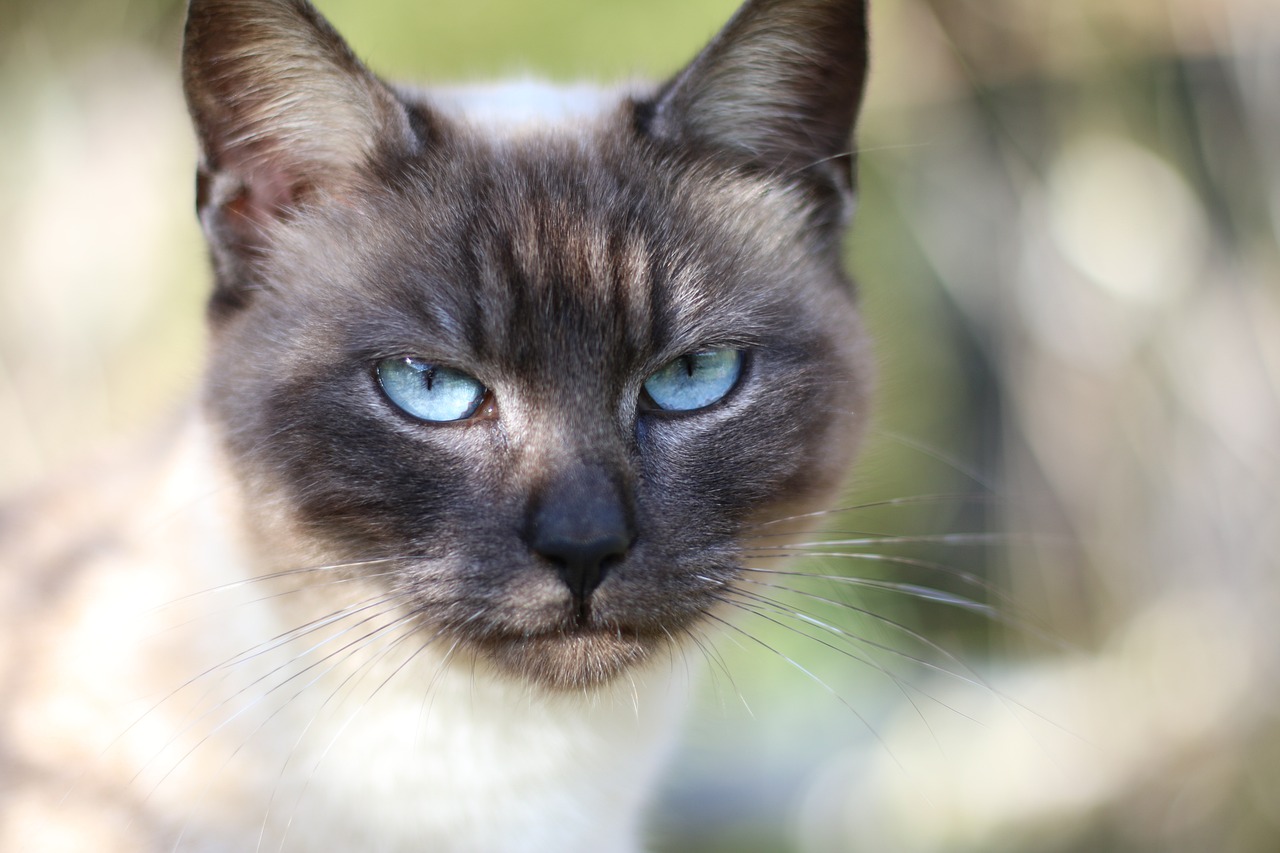
Siamese cats are vocal and interactive, making them great for people who enjoy companionship while working. They love “talking” to their owners and will happily keep you company throughout the day, a trait covered in more depth among other cat breeds with distinctive vocal patterns. Their social nature makes them great for remote workers who appreciate a more engaging pet, though the Cat Fanciers’ Association classifies the breed as highly vocal and people-oriented, meaning a full workday alone is a harder fit than it is for quieter breeds (CFA Siamese breed profile, 2024). Though they enjoy attention, they are also independent enough to relax when you’re busy.
Birman
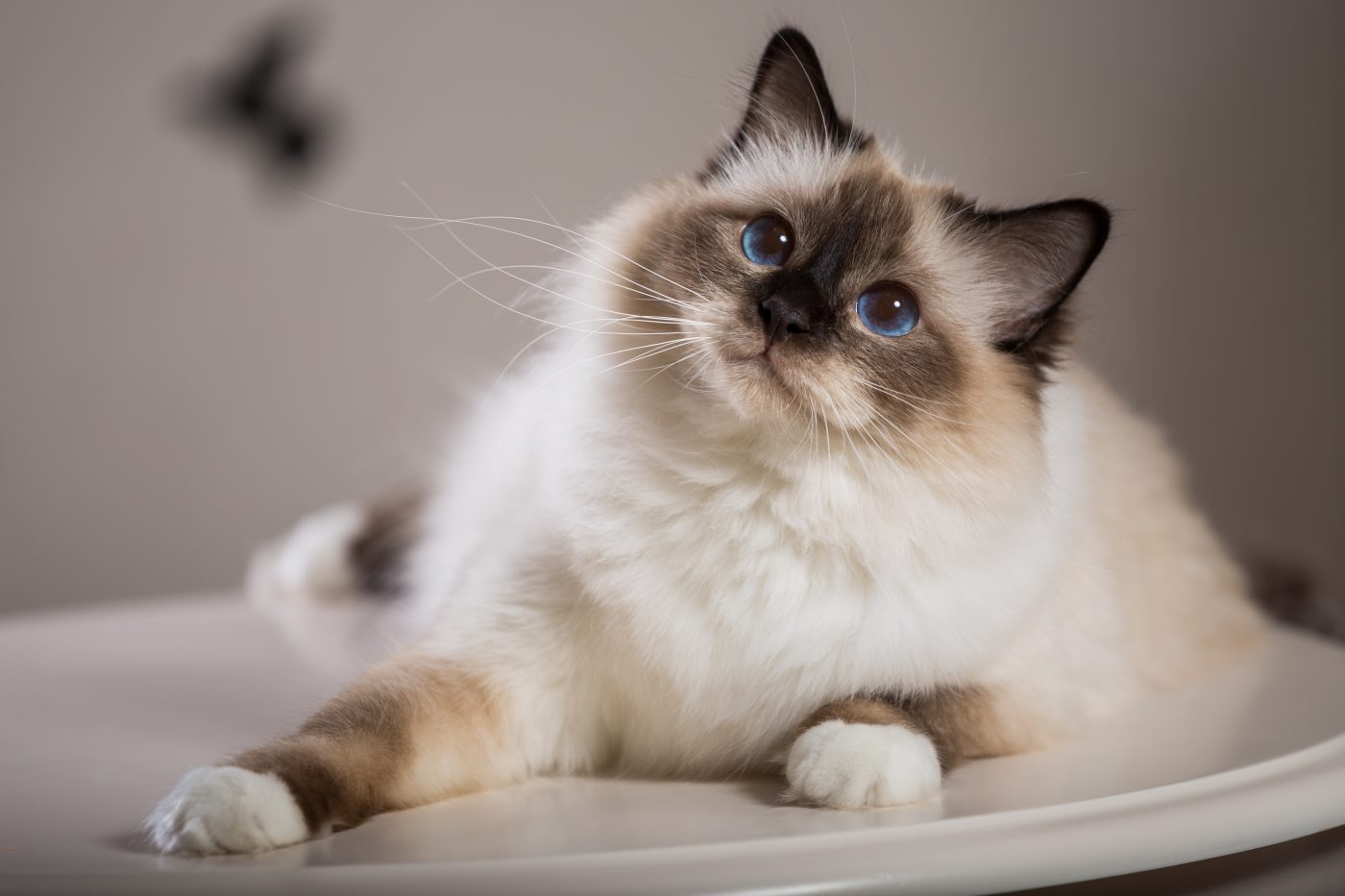
Birmans are affectionate, quiet, and gentle, making them perfect for a peaceful work environment. They love being around their owners but are not overly demanding, often resting nearby while you work, a gentle, low-energy temperament the Cat Fanciers’ Association lists among the breed’s core traits (CFA Birman breed profile, 2024). Their beautiful blue eyes and soft, fluffy coats add to their charm. A Birman will provide companionship without distraction, making them an excellent home office pet.
Devon Rex
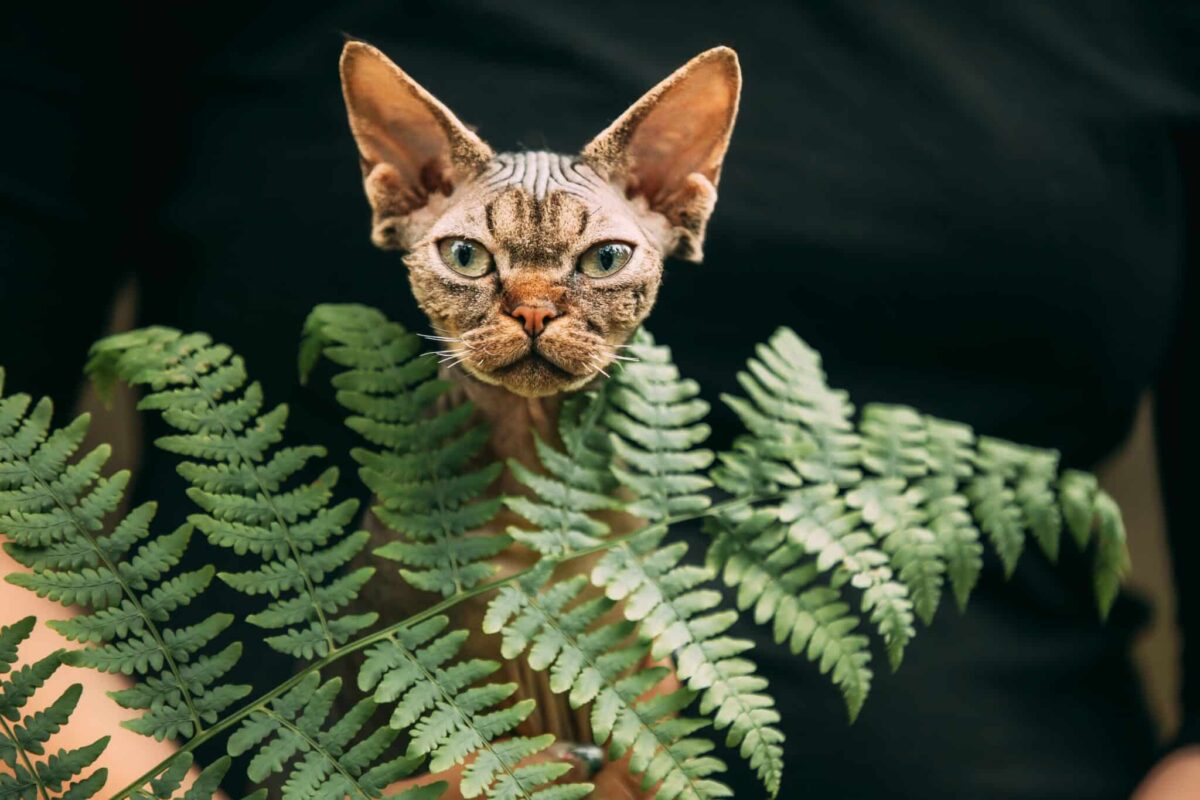
For those who enjoy a quirky and playful companion, the Devon Rex is a fantastic choice. These cats have a mischievous yet affectionate nature and love to interact with their owners, consistent with the active, highly social temperament the Cat Fanciers’ Association documents for the breed (CFA Devon Rex breed profile, 2024). Their short, curly coats require minimal grooming, making them low-maintenance, since the breed’s fine, sparse coat sheds less and needs less frequent brushing than longer-haired breeds (VCA Animal Hospitals, grooming guidance, last reviewed 2023). They bring a lively energy to your workday while still respecting your need for focus.
Persian
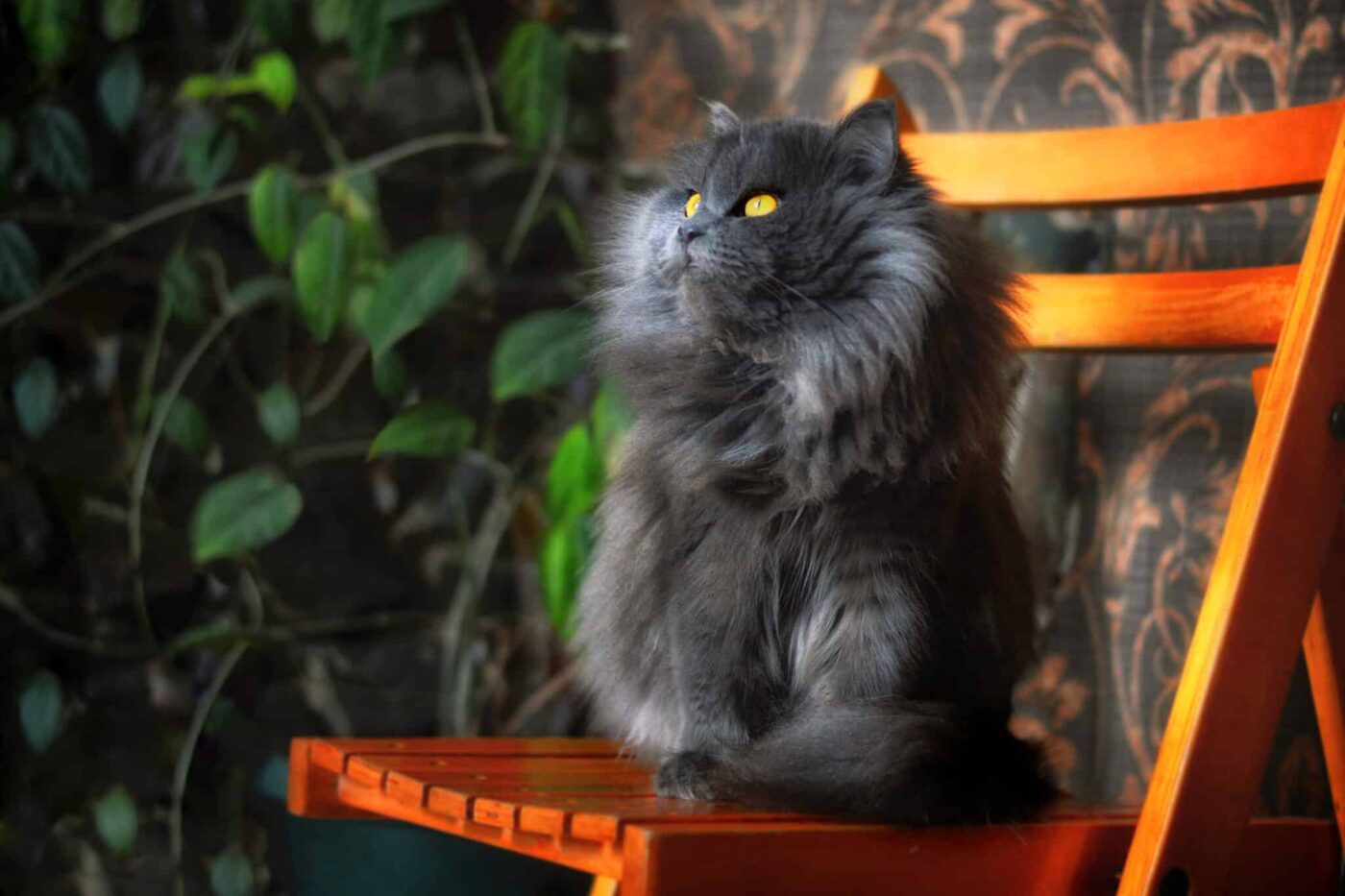
If you’re looking for a relaxed and low-energy cat, the Persian is an excellent fit, a temperament the Cat Fanciers’ Association lists as one of the breed’s core traits (CFA Persian breed profile, 2024). These fluffy felines prefer lounging in cozy spots and won’t interrupt your workflow with high-energy antics. They require regular grooming, but their affectionate and calm demeanor makes up for it, with the Cornell Feline Health Center recommending daily brushing for Persians to prevent matting in their long double coat (Cornell Feline Health Center, grooming guidance, last reviewed 2023). A Persian cat is the ultimate stress-reliever for remote workers who want a peaceful companion.
Abyssinian

Abyssinians are active and intelligent, making them perfect for those who like a bit of playfulness in their day, a high-energy temperament the Cat Fanciers’ Association documents for the breed (CFA Abyssinian breed profile, 2024), meaning Abyssinians generally need more daytime engagement than lower-energy breeds. They enjoy exploring and will often find a comfortable spot to observe you as you work, the same curious streak that puts them among the cat breeds suited to adventurous souls. Their curiosity and social nature make them engaging companions, but they are also independent enough to entertain themselves, though the ASPCA notes that high-energy cats left without enough engagement during long stretches alone can develop destructive habits like excessive scratching or chewing (ASPCA, common cat behavior issues, last reviewed 2022). If you like a cat with a bit of personality, the Abyssinian is a great choice.
Because Every Office Worker Needs a Furry Assistant
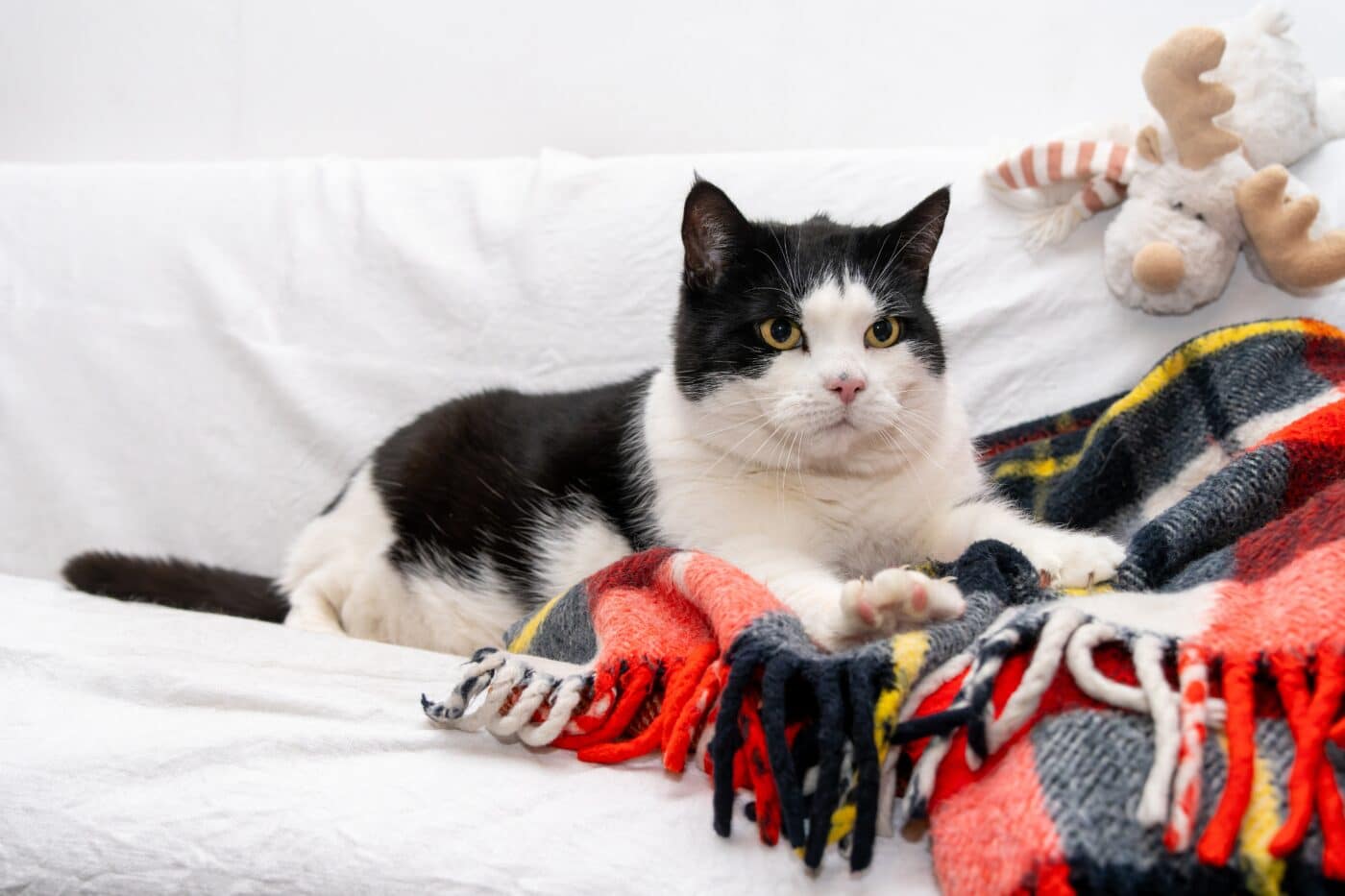
Having a cat as a companion can bring comfort and company to your day, even when you’re gone eight or ten hours at the office, once that cat is a full-grown adult and not a kitten still learning the basics. The right breed matches your schedule: a quiet, low-maintenance adult cat that’s fine with an automatic feeder and a self-cleaning litter box while you’re out, the same steady routine that helps a cat thrive in an apartment setting, or one that wants a few focused minutes of attention the moment you walk back in. These breeds help cut stress, settle in fast after a long commute, and make coming home from the office feel less like starting a second job.
Does your schedule run busier than a standard nine-to-five? Look for the lowest-energy, most independent breeds on this list first, since they’re the ones built to handle long stretches without you. A little planning around feeding and litter setup goes a long way toward keeping a happy, settled cat waiting when you get home.
Frequently Asked Questions
What age can a kitten handle a full workday alone?
Most kittens reach that point around 4 to 6 months old, once they’re reliably using the litter box, eating on a normal adult schedule, and past the heaviest part of the socialization window, per ASPCA kitten care guidelines. Before that age, plan on a midday check-in, a pet sitter, or a second kitten for company instead of a full 8 to 10 hour day solo. If your work schedule includes travel on top of office hours, the same age rule applies, and you might also want to see which cat breeds handle frequent travel best once your kitten is grown.