

Cats can act wonderfully casual about their relationships, then suddenly reveal that they remember more than expected. A familiar voice can bring them running, a daily routine can have them waiting in exactly the right place, and a recognizable scent can make clothing especially appealing. Cats form memories through repeated experiences, associations, sensory information, and learning. Their memories do not necessarily work like human nostalgia, but familiar people can become connected with specific cues that help cats recognize, anticipate, and respond to the humans they know best.
The Sound of Their Voice

A familiar voice can become a powerful recognition cue. Research suggests domestic cats can distinguish their owner’s voice from unfamiliar human voices, even when the speaker is not visible. That does not guarantee they will come running every time they are called, of course. Recognition and obedience are very different things. Repeated exposure helps cats learn the pitch, rhythm, and other characteristics associated with people they regularly encounter. Those sounds may also predict meaningful events, including meals, play, greetings, or attention. A cat that perks up when one particular person speaks may therefore be responding to learned familiarity rather than understanding every word. The impressive part is that they can recognize who is talking while still exercising their traditional feline right to decide if responding is worthwhile.
Their Familiar Scent
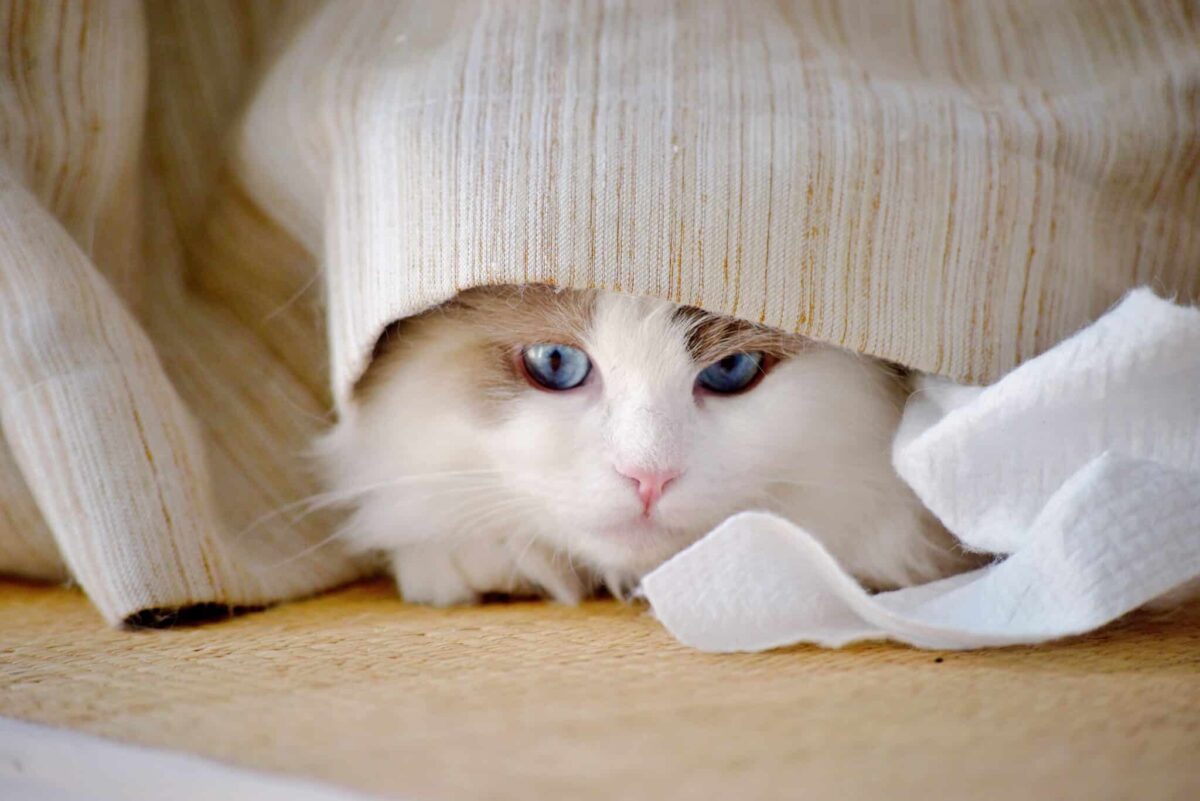
Smell plays an enormous role in how cats understand their surroundings. A person who shares their home contributes scent to clothing, bedding, furniture, and frequently touched surfaces, creating familiar olfactory information throughout the environment. Repeated exposure can help that person’s odor become part of what the cat recognizes as normal and predictable. This may help explain why some cats settle on recently worn clothing or investigate belongings belonging to someone they know well. Scent alone should not automatically be interpreted as proof of emotional attachment because warmth, texture, and location can influence those choices too. Still, a familiar human scent provides information a cat has encountered countless times, allowing recognition to happen through the nose long before a person needs to say anything.
Their Daily Routine

Cats can become impressively skilled at learning household patterns. Breakfast happens around a certain part of the morning, someone returns home after a predictable stretch of quiet, and evening relaxation may occur in the same room each day. Through repetition, cats can associate particular people with sequences of events and environmental cues. Their sense of routine does not require understanding a clock the way humans do. Changes in light, household sounds, activity levels, hunger, and learned associations can all help them anticipate what usually happens next. That is why a cat may appear moments before a familiar ritual begins. When their favorite human consistently participates in those routines, the person becomes part of the pattern. Being five minutes late may then inspire the sort of stare normally reserved for serious administrative failures.
How They Are Usually Greeted

Repeated social interactions can teach cats what to expect when a familiar person enters the room or returns home. A human who consistently speaks softly, offers gentle attention, or allows the cat to approach at their own pace creates a predictable pattern. Over time, the cat can learn associations between that person’s arrival and what usually follows. Some respond by approaching with an upright tail, vocalizing, rubbing against nearby surfaces, or simply appearing in the same room. Others prefer a quieter acknowledgment. These responses are influenced by temperament, previous experiences, and the relationship itself, so there is no universal feline greeting ceremony. What matters is consistency. Familiar interactions can become learned social expectations, helping explain why one person may receive an enthusiastic doorway welcome while another barely earns an ear twitch.
The Way They Are Touched
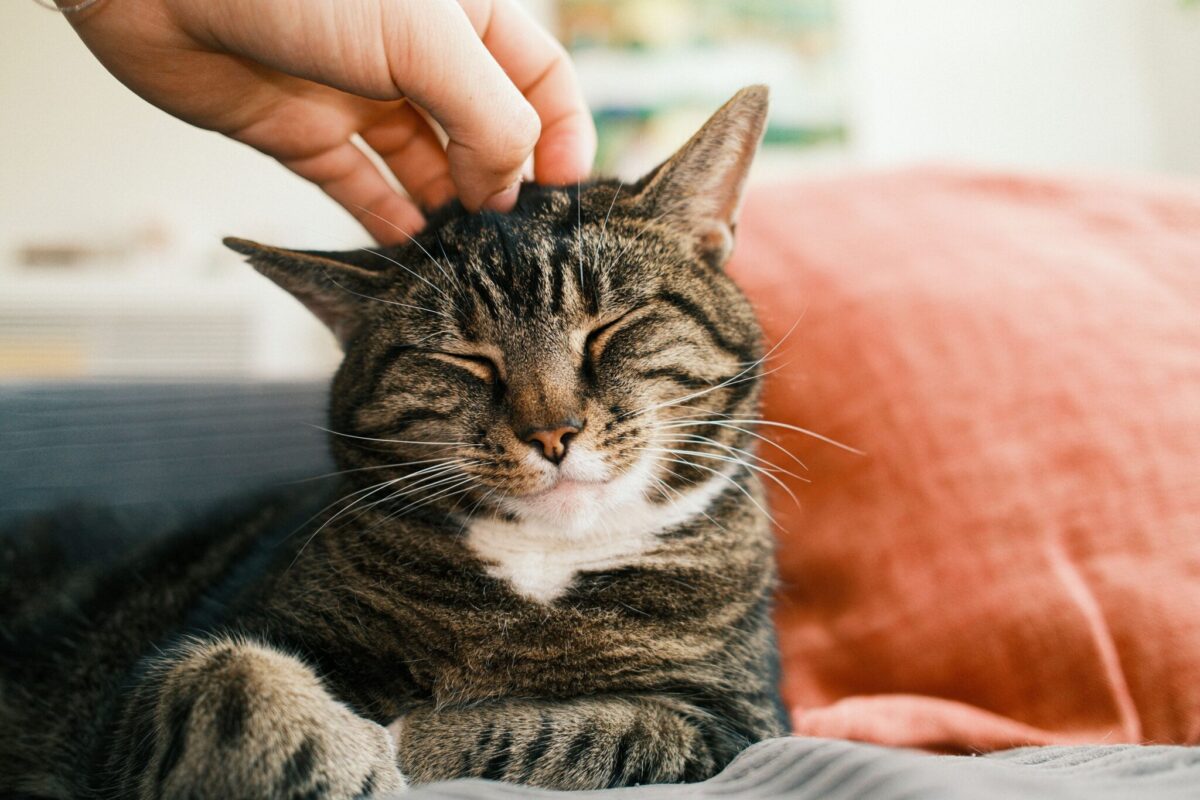
Cats can learn remarkably specific preferences around human touch. One person may consistently scratch beneath the chin, another may stroke along the cheeks, and someone else may repeatedly reach toward an area the cat would rather keep untouched. Through experience, cats can associate individuals with particular handling styles and respond accordingly. A cat that approaches one person readily for petting may have learned that interactions with them are predictable and comfortable. That response should still remain voluntary because preferences can change depending on mood, arousal, pain, and circumstances. Watching body language matters more than assuming yesterday’s favorite scratch will always be welcome. When a human repeatedly respects signals such as turning away, tail movement, skin twitching, or leaving, the cat can learn something equally valuable: interaction with that person allows them meaningful control.
Who Provides Their Favorite Resources

Food has an impressive ability to make certain household relationships memorable. Cats can learn which person fills the bowl, opens the treat container, initiates play, provides access to favorite spaces, or handles other valued resources. Through associative learning, sights, sounds, locations, and people that reliably predict rewarding outcomes can become meaningful cues. This does not mean every cat approaching the household food provider is expressing deep devotion. Sometimes the motivation really is dinner, and there is nothing emotionally mysterious about it. Still, remembering who reliably provides important resources demonstrates learning and recognition. The association can become so strong that a cat starts appearing before the usual event even begins. A human may believe they are quietly walking toward the kitchen, while the cat has already recognized the opening sequence of the evening meal ceremony.
Their Favorite Shared Games
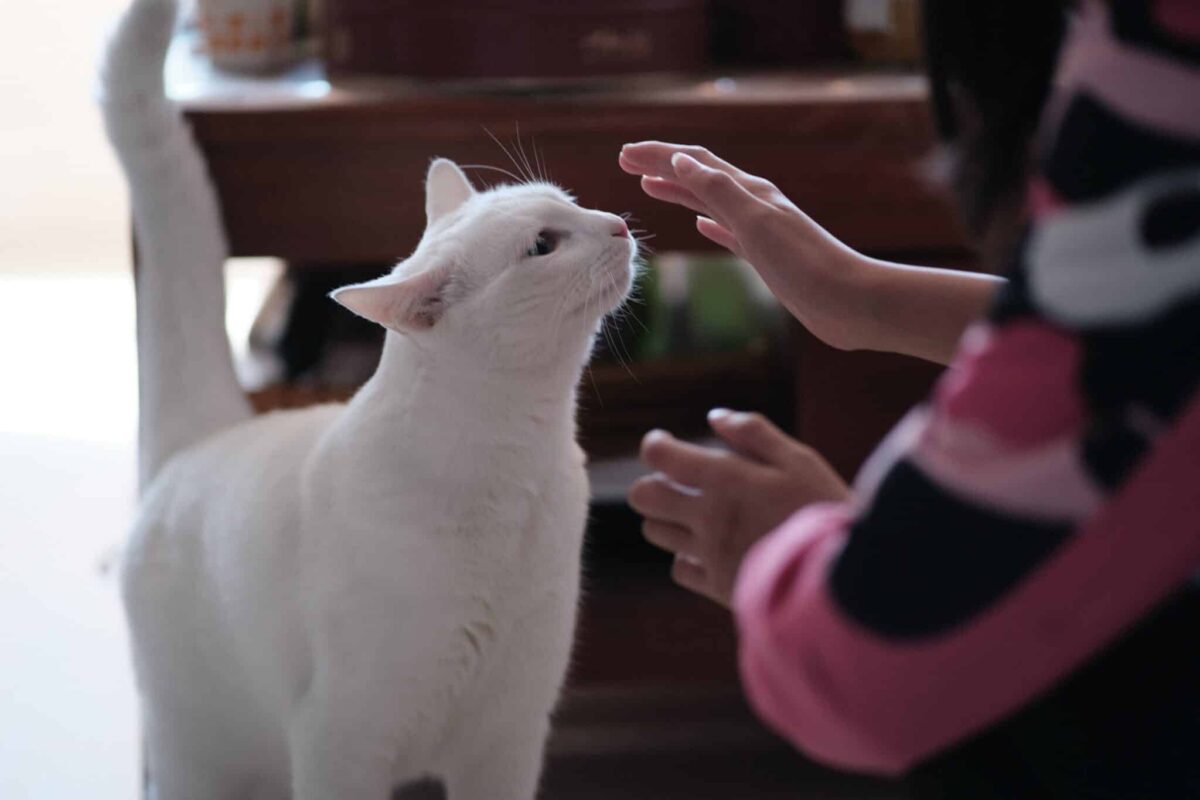
Play can create highly recognizable patterns between cats and people. A particular human may move an interactive toy in an especially exciting way, toss a favorite object down the hallway, or initiate a game at roughly the same time each evening. Repetition allows the cat to learn the cues predicting that activity, including where the person sits, what they pick up, and how the game normally begins. Cats are natural hunters, and interactive play can engage parts of the predatory sequence such as stalking, chasing, pouncing, and capturing. When one person regularly provides those opportunities, their presence can become associated with enjoyable stimulation. A cat waiting near the toy drawer when that human enters the room may not be reminiscing about yesterday’s game, but they have clearly learned who tends to make the interesting stuff happen.
Places Where They Spend Time Together
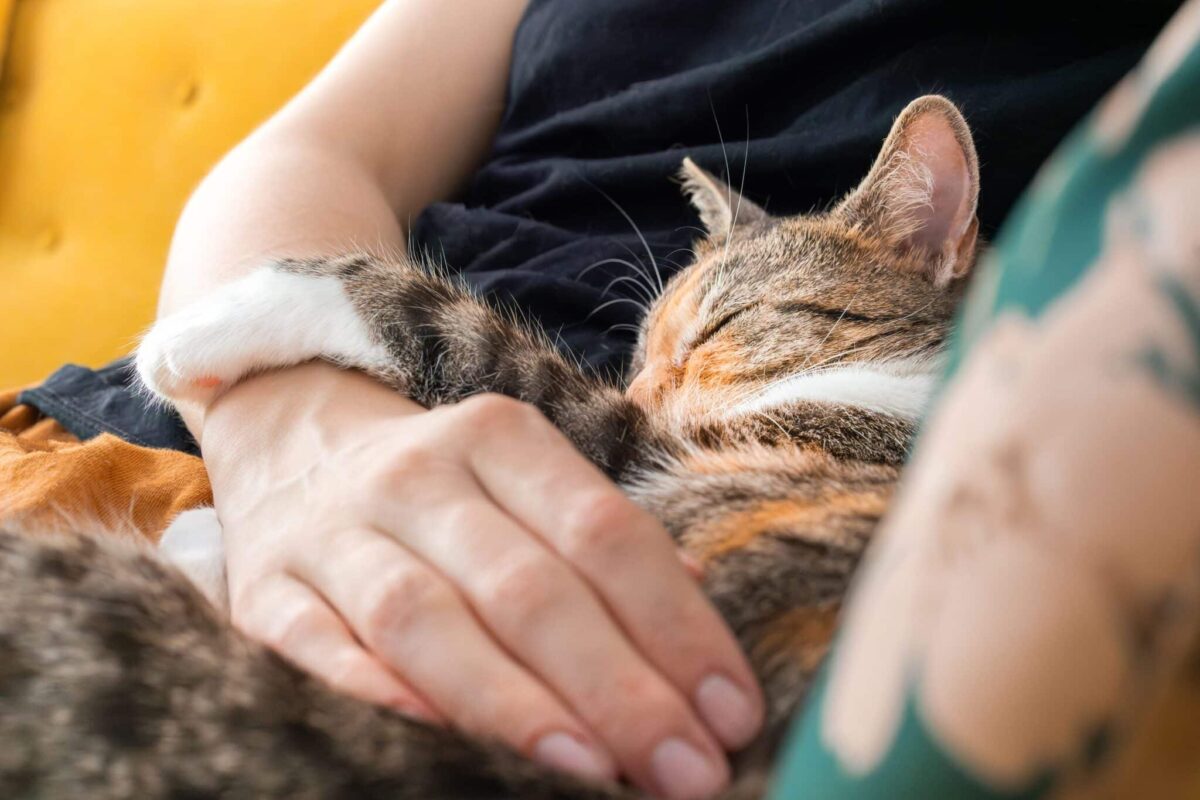
Memory is often connected with context, and cats learn which locations regularly provide comfort, activity, food, rest, or social interaction. A particular corner of the couch may become associated with quiet companionship, while a desk chair might predict that their human will remain nearby for several hours. Repeated experiences can make these places part of a familiar routine involving both the environment and the person. That helps explain why some cats arrive at a shared resting spot before their human settles there. The location itself may be appealing because of warmth, softness, or security, so social attachment should not be assumed as the only motivation. Still, when a person and place repeatedly appear together in a cat’s daily experience, both can become reliable cues for what usually happens next.
Experiences That Made Them Feel Safe
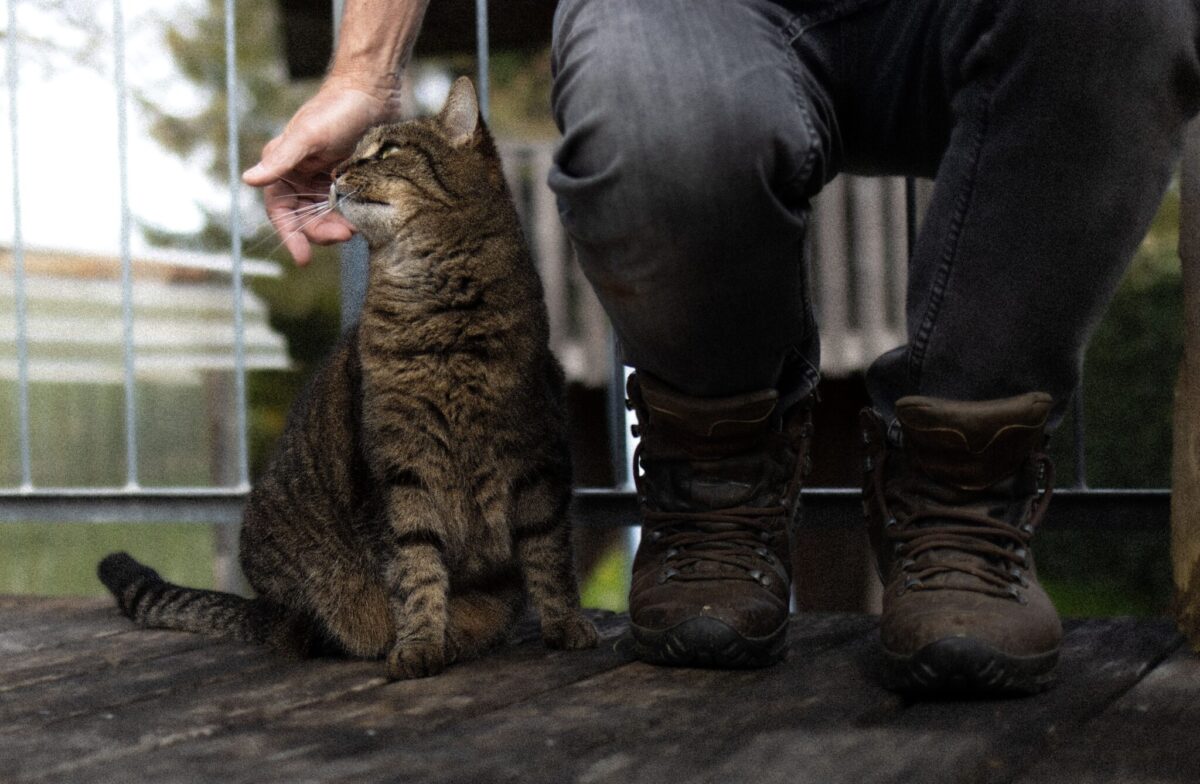
Positive experiences can shape how a cat responds to particular people over time. A human who consistently behaves predictably, avoids forcing unwanted contact, provides appropriate care, and allows the cat to retreat when needed can become associated with relatively safe interactions. This matters especially for cautious cats, whose willingness to approach may develop gradually through repeated experiences rather than appearing immediately. Learning also works in the opposite direction. Frightening or rough interactions can create negative associations, which is one reason respectful handling is so important. Cats do not need a humanlike narrative about trust to learn which situations have historically felt safe or threatening. Their future behavior can reflect those experiences. When a cautious cat repeatedly chooses to relax near someone, that history of predictable interactions may be helping shape the choice.
The Sounds That Predict Their Arrival

Recognition can begin before a familiar human even enters the room. Repeated environmental sounds may become predictors of someone’s arrival, such as footsteps in the hallway, a particular door opening, or another distinctive part of the household routine. Through associative learning, cats can connect those cues with what regularly follows. That may explain why a cat suddenly heads toward an entrance before the person becomes visible. The animal is not necessarily demonstrating an extraordinary ability to identify every individual sound in isolation. Instead, several familiar cues may work together as a reliable sequence. Cats are excellent observers of recurring patterns, particularly when those patterns lead to something relevant. By the time their favorite human actually appears, the cat may have been following the familiar soundtrack of their arrival for several moments already.
How That Person Makes Them Feel

Cats may not store an emotional autobiography in the human sense, but experiences with particular people can influence future responses. Someone repeatedly associated with gentle handling, enjoyable play, predictable routines, resources, and freedom from unwanted interaction can become connected with positive expectations. Those learned associations may appear in subtle ways, including approaching voluntarily, resting nearby, maintaining relaxed body language, or seeking interaction. No single behavior proves that a person is the cat’s favorite, and preferences can depend on context. A cat might seek one household member for play and another for quiet resting. Still, the broader history of interactions matters. Cats learn from what repeatedly happens around particular people, and those accumulated experiences can help shape whom they approach, avoid, follow, or choose to settle beside.
The Memory Bank Has Whiskers
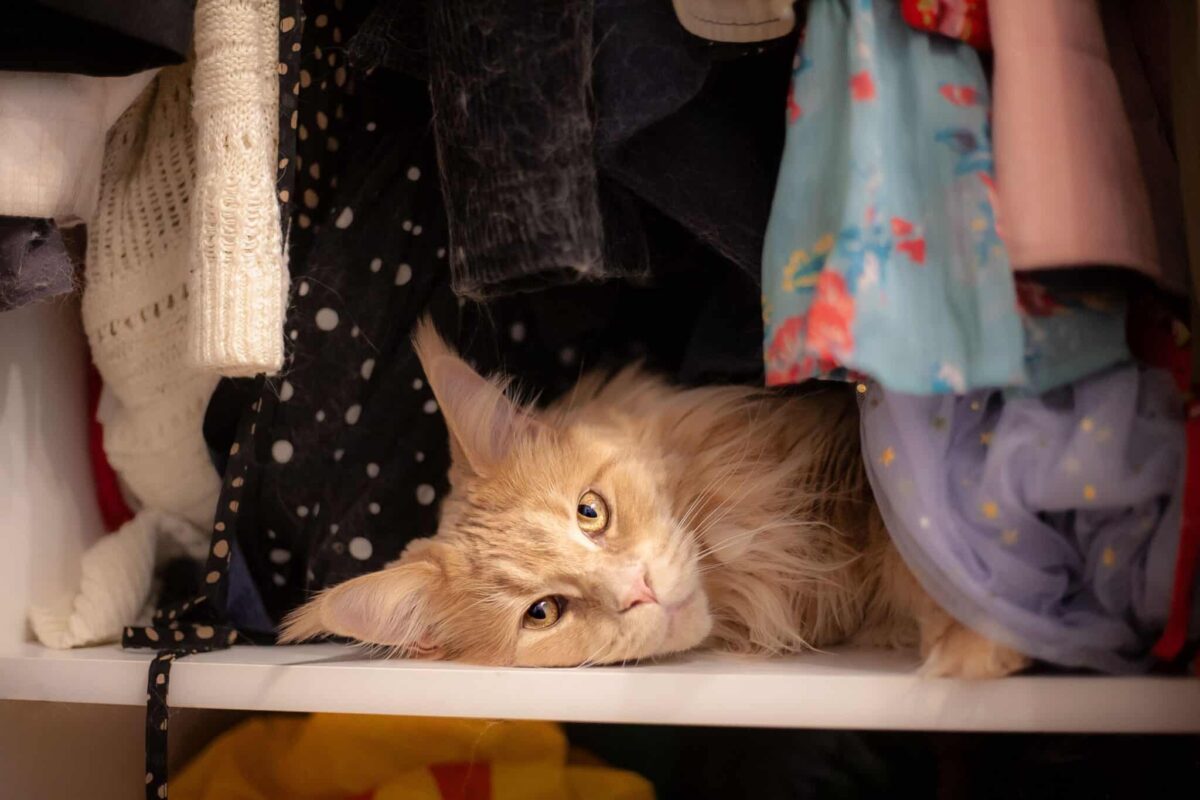
A cat may never reveal exactly what they remember, but their everyday behavior offers fascinating clues. Recognition develops through voices, scents, routines, locations, repeated interactions, and familiar associations. These memories can help cats predict where resources appear, which situations feel comfortable, and how familiar people usually behave. Individual personalities and experiences shape every relationship differently, so affection cannot be measured by one dramatic gesture. Sometimes familiarity looks wonderfully ordinary: a cat waiting in the usual place, recognizing a familiar cue, and calmly choosing to stay close once again.
This content was created with AI assistance and edited by the iHeartCats team.