
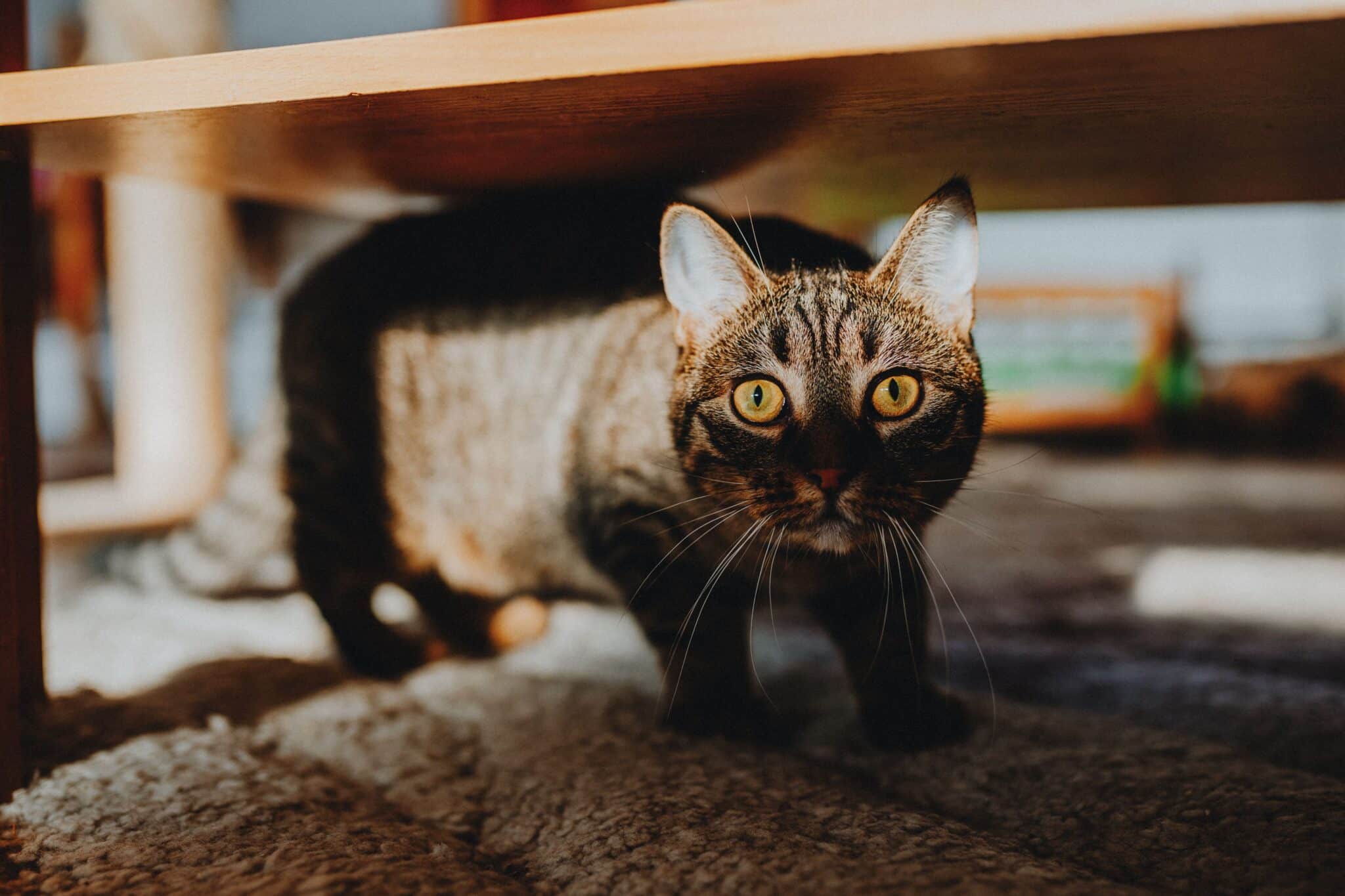
One moment, your cat is peacefully lounging on the couch, and the next, they are racing through the hallway, bouncing off furniture, and disappearing around corners. These sudden bursts of energy can be hilarious, especially when they happen without warning. Often called the zoomies, these episodes are a normal part of feline behavior. From leftover hunting energy to playful excitement and natural instincts, several factors can explain why an otherwise relaxed cat suddenly transforms the entire house into a racetrack.
They Have Extra Energy to Burn
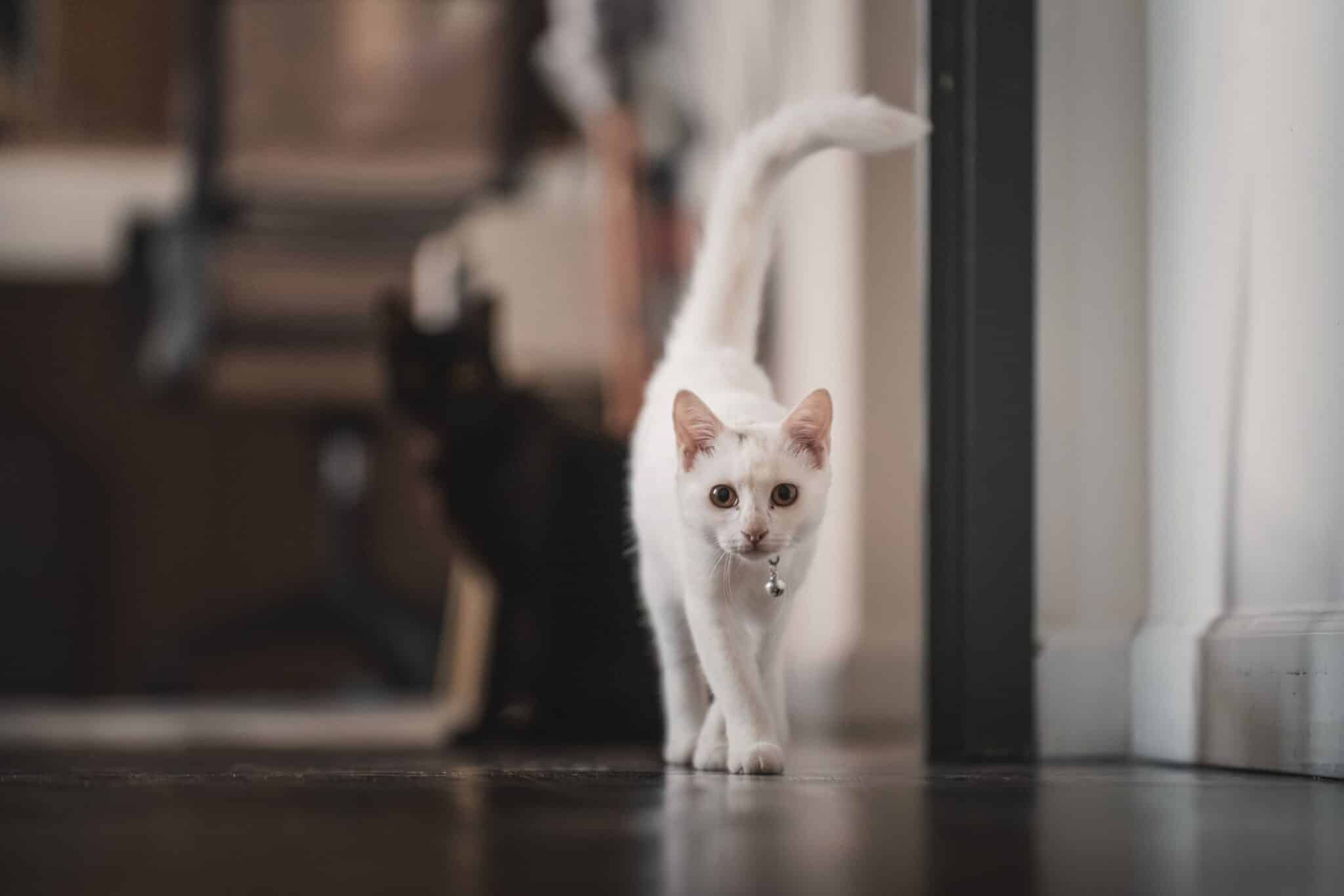
Indoor cats can spend considerable portions of the day sleeping, resting, and watching the world from comfortable spots. When they finally have an opportunity to release pent-up energy, a sudden sprint through the house can become their favorite activity. These bursts may happen after a long nap or during the evening when household activity increases. Young cats and naturally energetic individuals may experience them particularly often. Regular interactive play, climbing opportunities, and toys that encourage chasing can help provide healthy outlets for that energy. Sometimes, a quick lap around the house is simply an enthusiastic workout.
Their Hunting Instincts Kick In
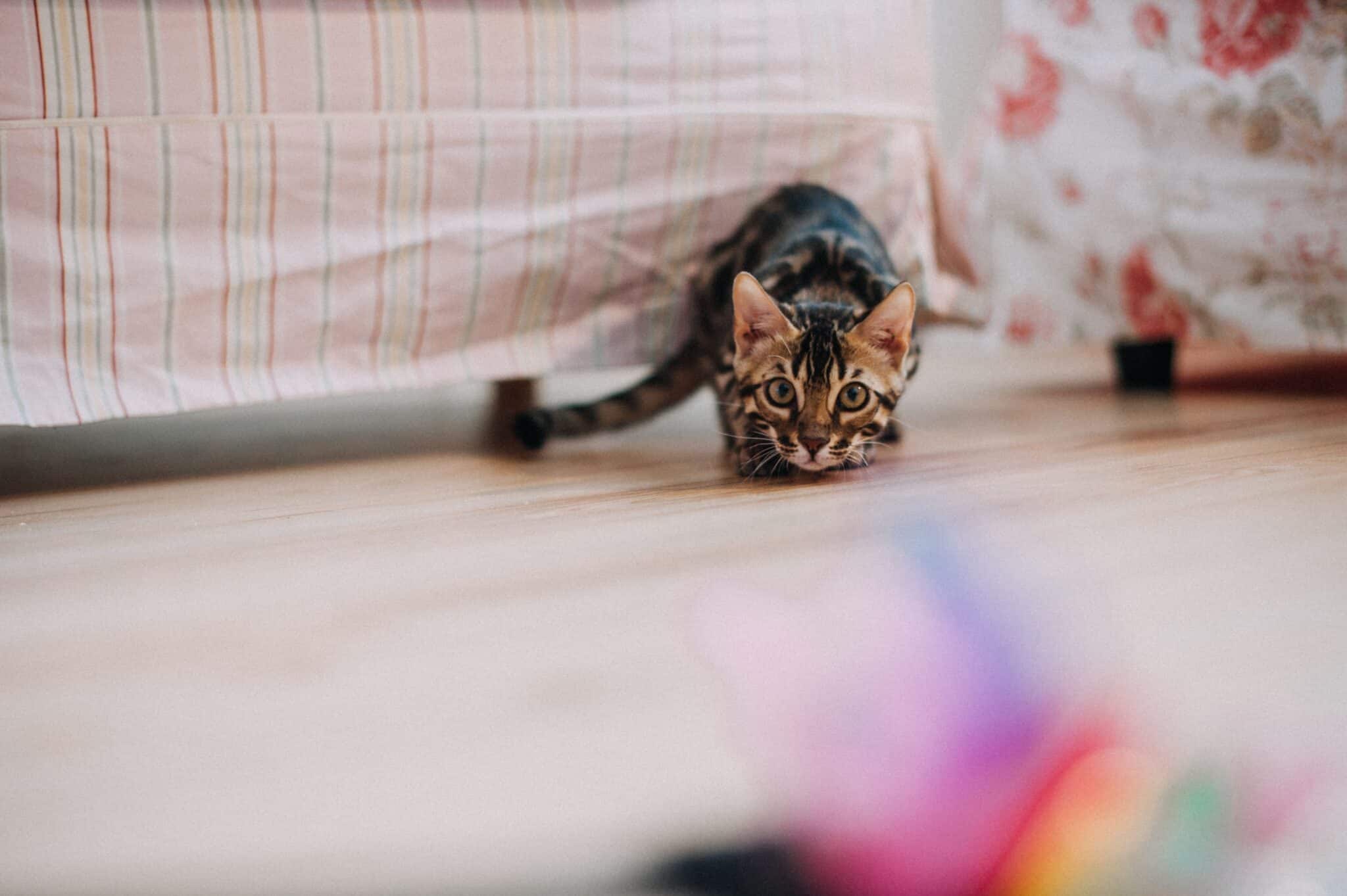
Even well-fed house cats retain the instincts of their wild ancestors. Hunting involves stalking, chasing, pouncing, and capturing prey, which requires sudden bursts of speed and energy. A cat racing down the hallway may be expressing the same instincts, even without an actual mouse or insect nearby. Small movements, shadows, rustling sounds, and imaginary targets can trigger an exciting chase. These natural behaviors explain why cats sometimes sprint, abruptly change direction, and leap onto furniture. Providing wand toys, moving toys, and short play sessions can help satisfy their desire to practice these instinctive hunting skills.
They Just Woke Up From a Long Nap
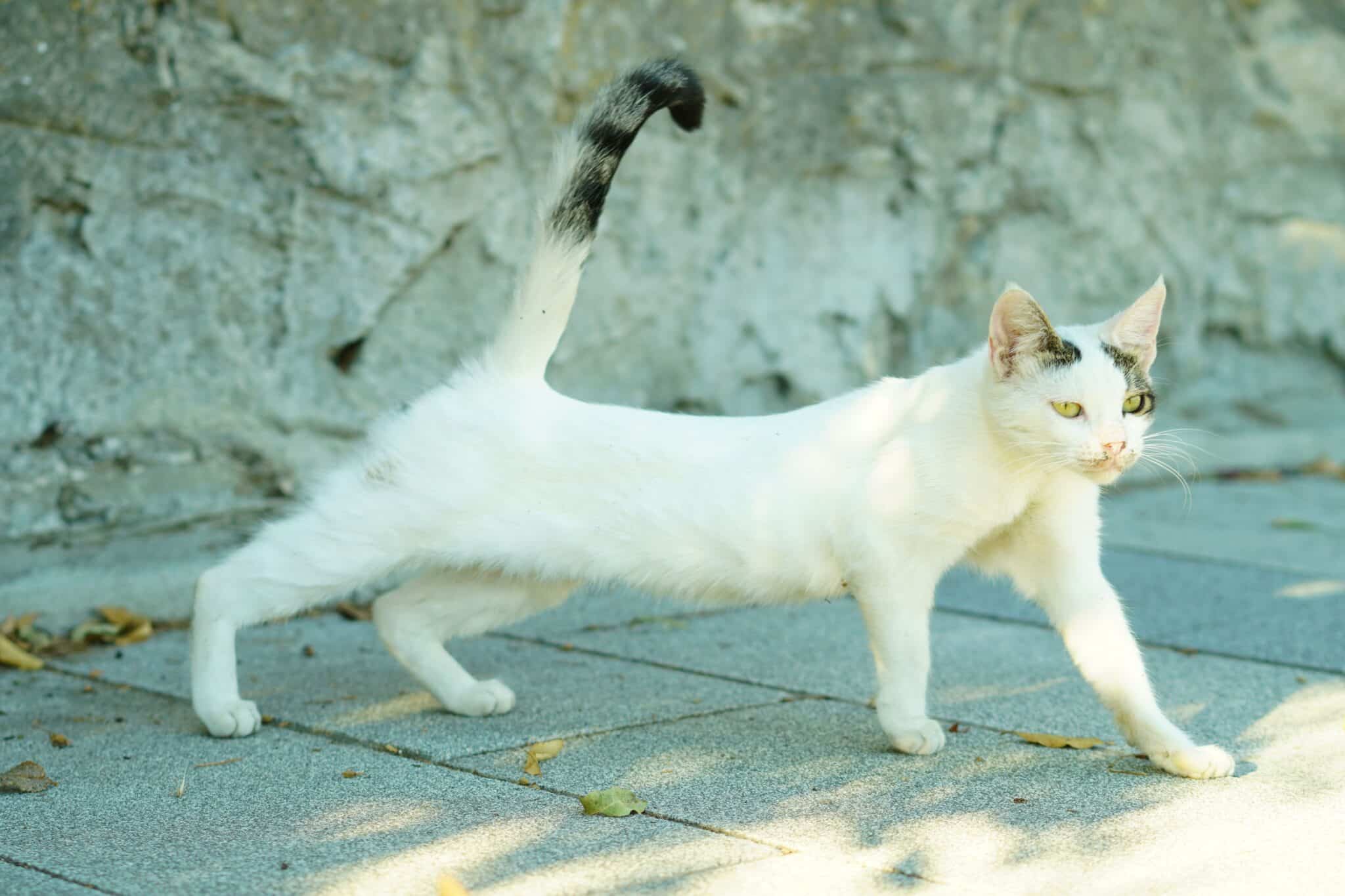
Cats can sleep for approximately 12 to 16 hours a day, with some individuals resting even longer. After spending hours curled up in a favorite sleeping spot, they may suddenly feel ready to move, explore, and play. A quick sprint around the house can help them transition from resting to being active. This behavior is especially entertaining when a sleepy-looking cat suddenly launches into a full-speed chase without any obvious warning. These bursts are generally normal when accompanied by otherwise healthy behavior. Regular opportunities for movement throughout the day can help cats maintain an enjoyable balance between rest and activity.
They Are Experiencing the Evening Energy Surge
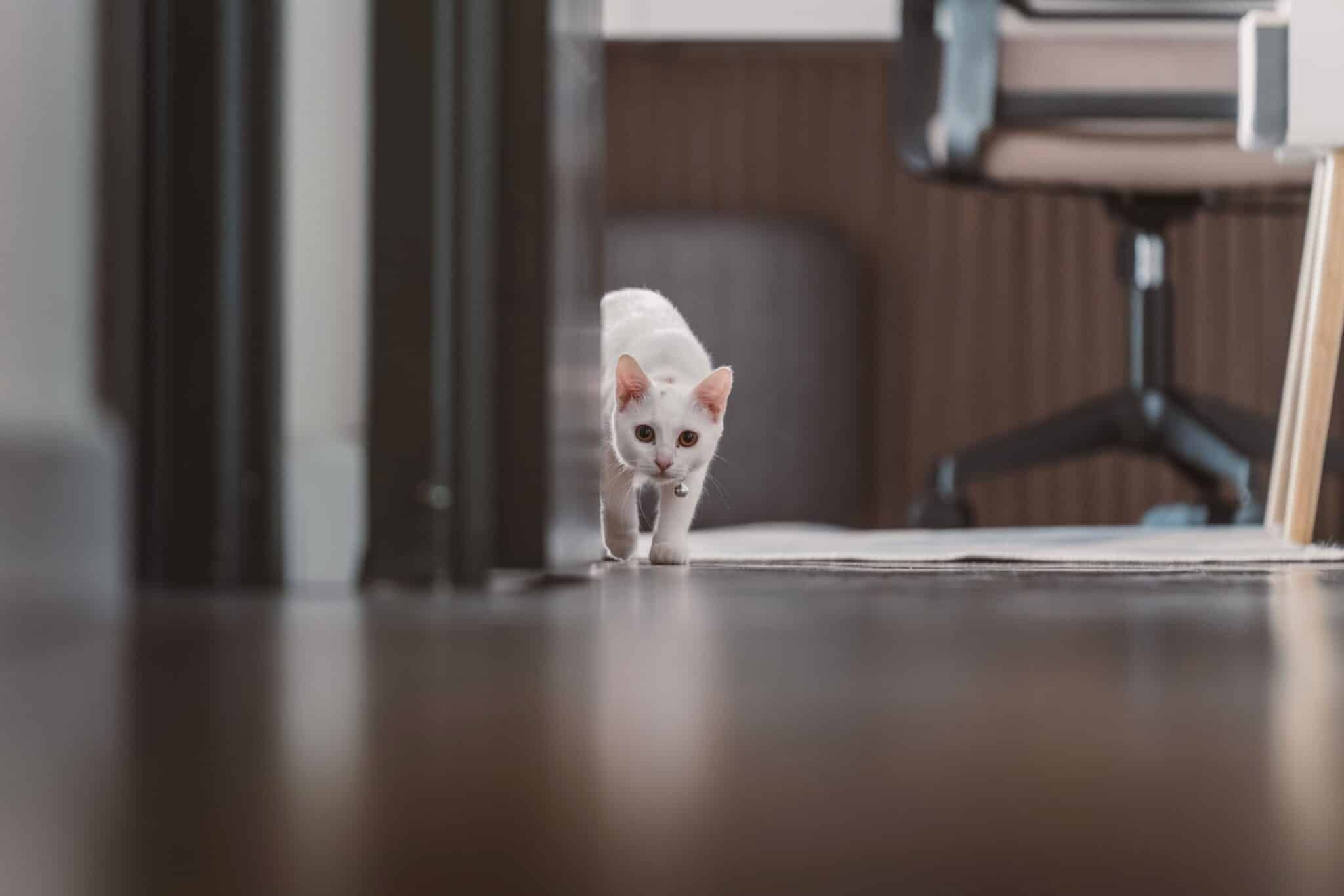
Cats are naturally crepuscular, meaning they tend to be most active around dawn and dusk. These periods coincide with the times when many small prey animals are naturally active. Even indoor cats retain this biological rhythm, which can explain why a peaceful evening suddenly turns into a high-speed performance. A cat may begin running through bedrooms, chasing toys, and jumping onto furniture just as the household settles down. Evening play sessions can help channel this energy into enjoyable activities. Interactive games before bedtime may also encourage a more predictable nighttime routine.
They Are Excited About Something New
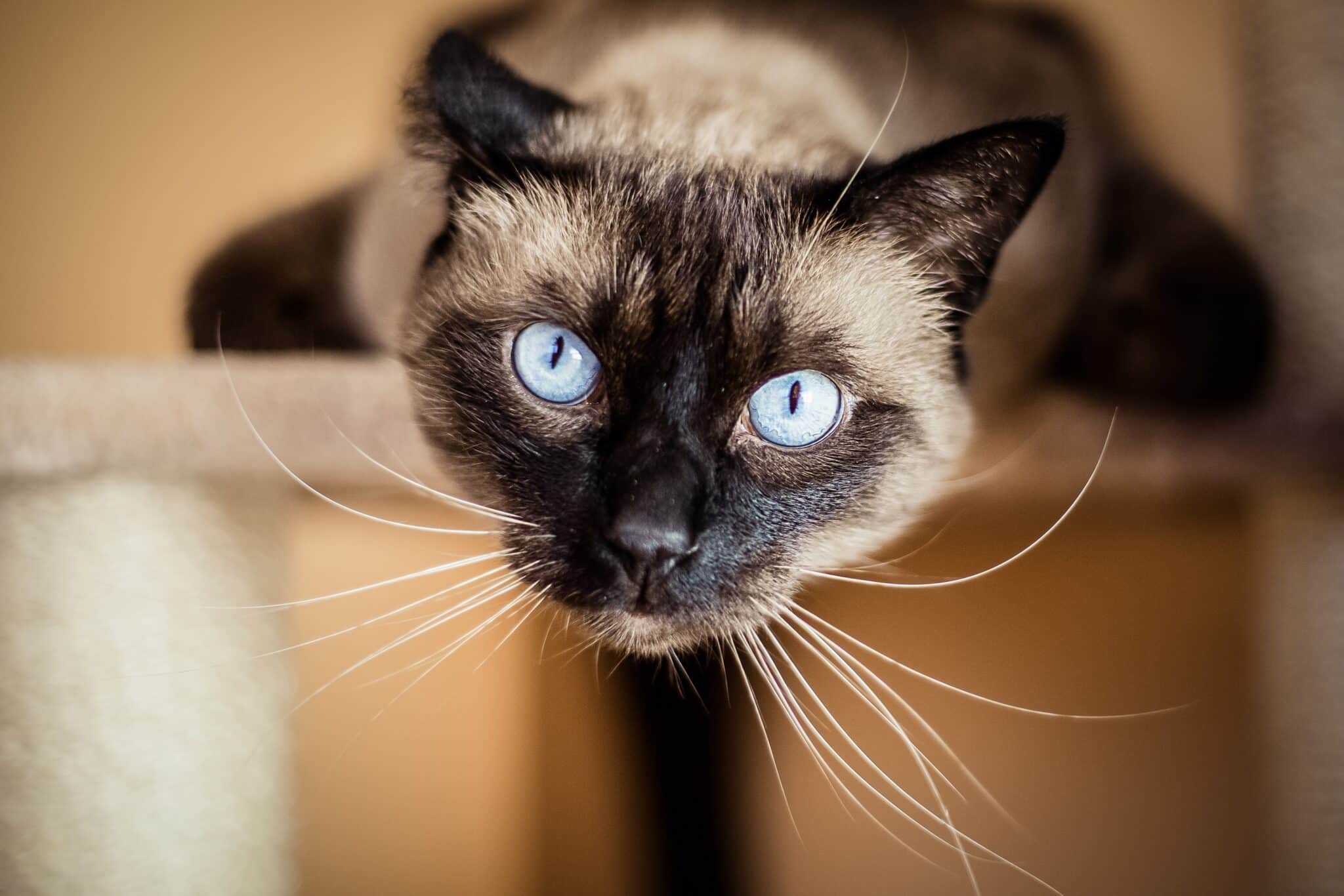
A new object, interesting smell, or unexpected household activity can trigger an enthusiastic reaction. Cats rely heavily on their senses to understand their surroundings, so even small environmental changes can capture their attention. A delivery box, freshly moved piece of furniture, or unfamiliar toy might inspire an energetic investigation. Sometimes, the excitement builds into running, jumping, and repeated trips between rooms. These reactions are especially common among curious cats that enjoy exploring their environment. Allowing supervised investigation and providing safe opportunities for exploration can make these experiences more rewarding.
They Are Playing Chase With Another Pet
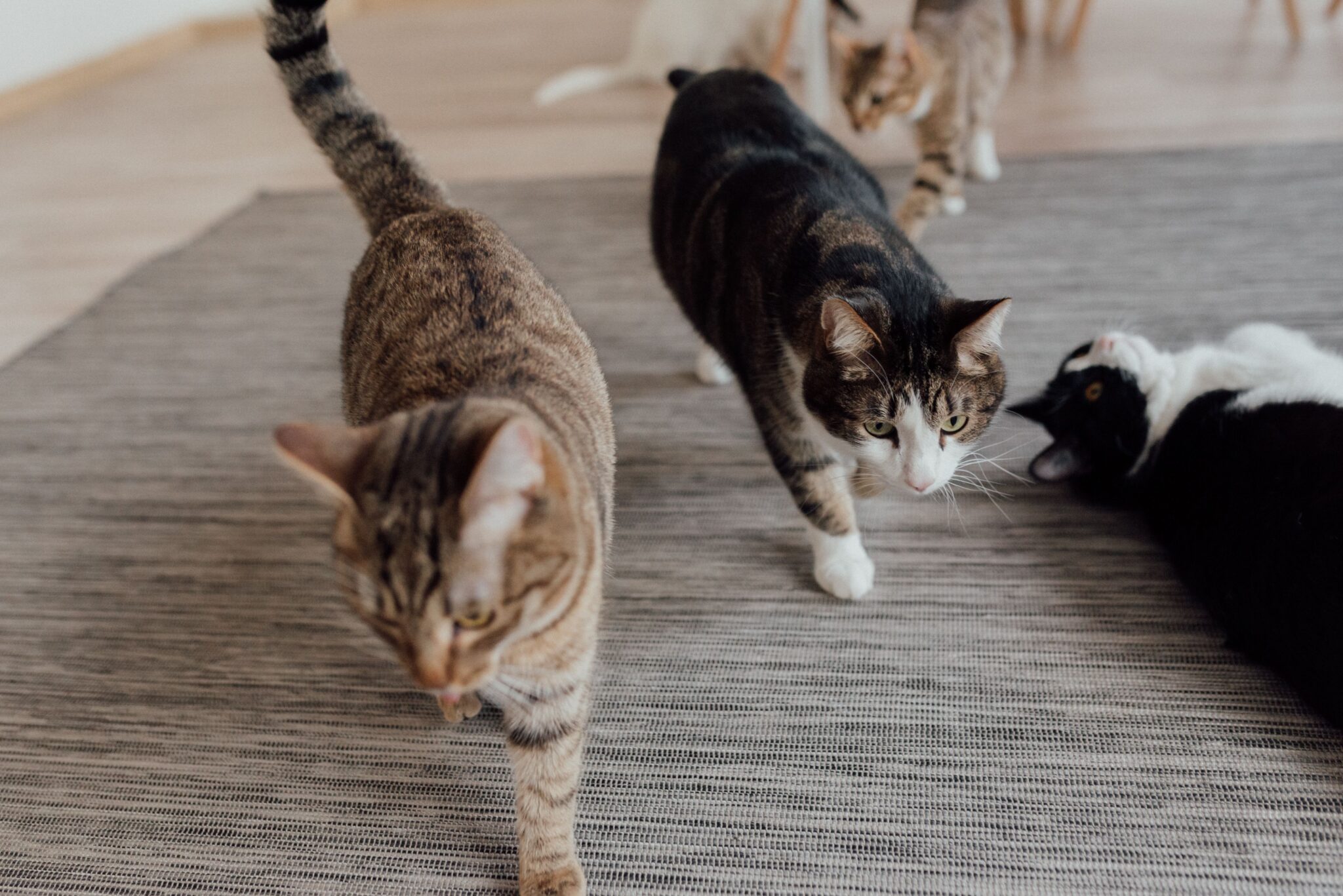
Households with multiple cats may regularly witness spontaneous races between furry companions. One cat might suddenly dash across the room, prompting another to follow closely behind. These playful chases can involve pouncing, hiding behind furniture, and switching roles during the game. Friendly play generally includes relaxed body language, occasional pauses, and both cats willingly returning for another round. However, flattened ears, persistent growling, hissing, or attempts to escape may indicate tension rather than enjoyment. Providing enough resources, hiding places, and separate resting areas can help prevent competition and keep shared playtime positive.
They Want Your Attention
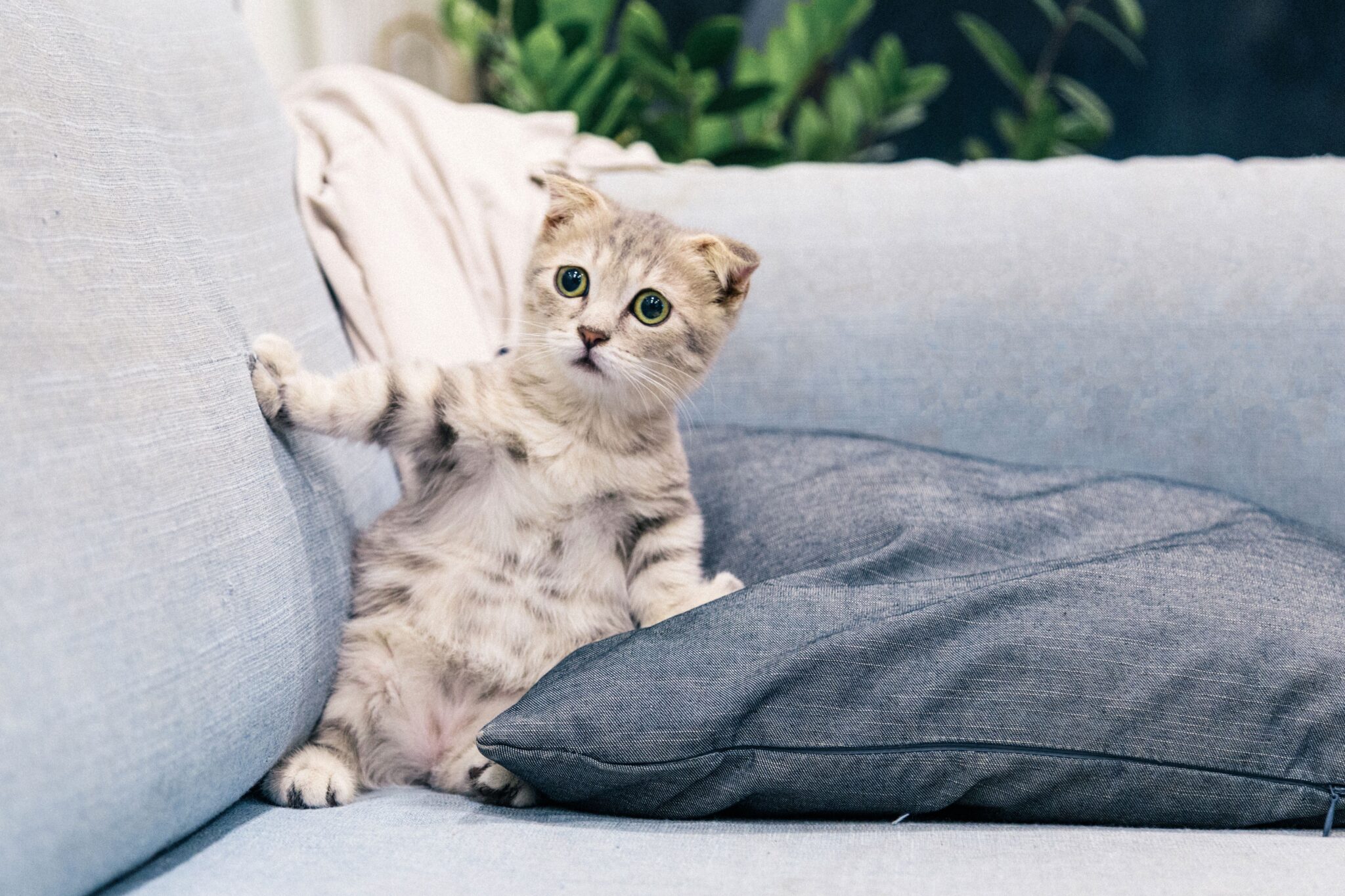
Some cats discover that dramatic bursts of speed quickly attract human attention. A sudden dash across the room may make someone laugh, call their name, or get up to investigate. If these reactions happen repeatedly, a cat can learn that energetic behavior leads to an interesting interaction. Their running may sometimes be followed by a playful invitation, such as approaching with a raised tail or dropping beside a favorite toy. Providing regular attention and interactive play can help meet their social needs. Not every sprint is an attention-seeking performance, but learned behavior can influence when these episodes occur.
They Are Reacting to Exciting Sounds
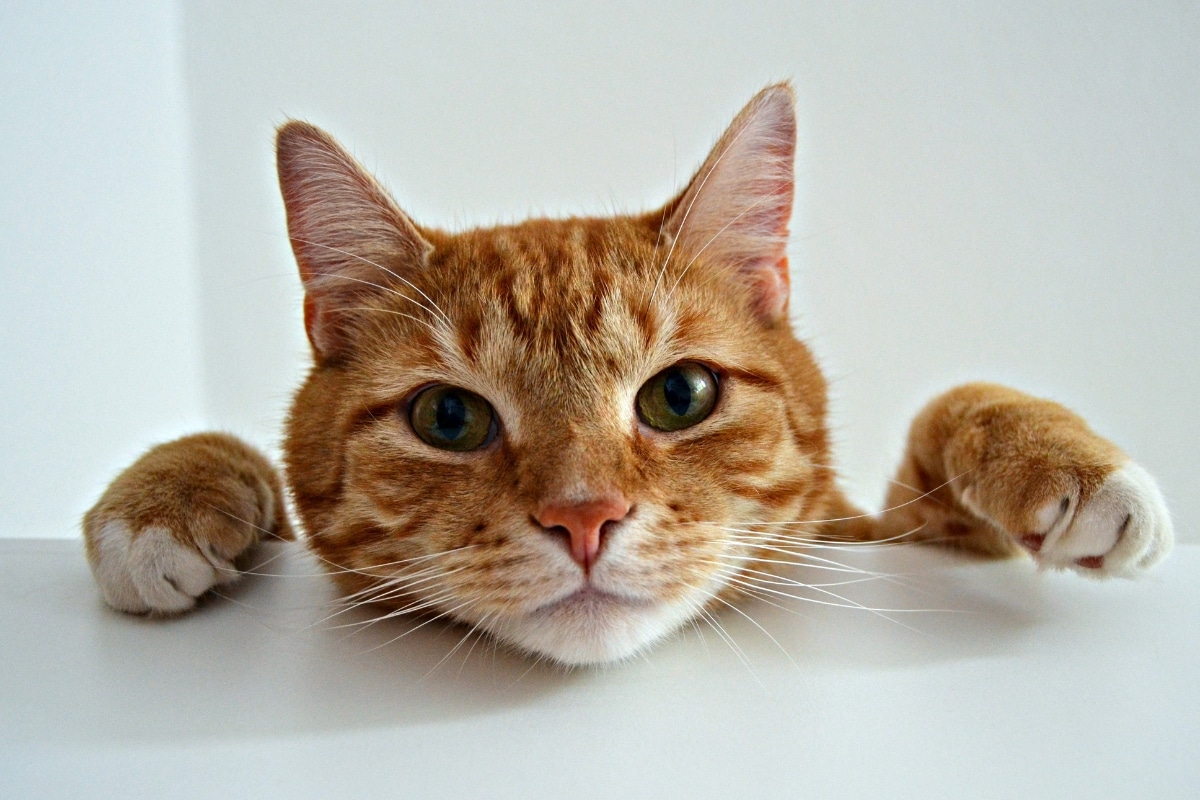
Cats have highly sensitive hearing and can detect sounds that people barely notice. A rustling bag, squeaky object, distant bird call, or noise from another room may immediately capture their attention. Their reaction can involve running toward the sound, racing away from it, or investigating several rooms. Some cats become particularly animated when they hear familiar noises associated with food, toys, or household activities. Paying attention to what happens immediately before a sprint can reveal possible triggers. If sudden running consistently follows frightening sounds, providing a quiet retreat can help the cat feel more secure.
They Are Celebrating a Successful Litter Box Visit
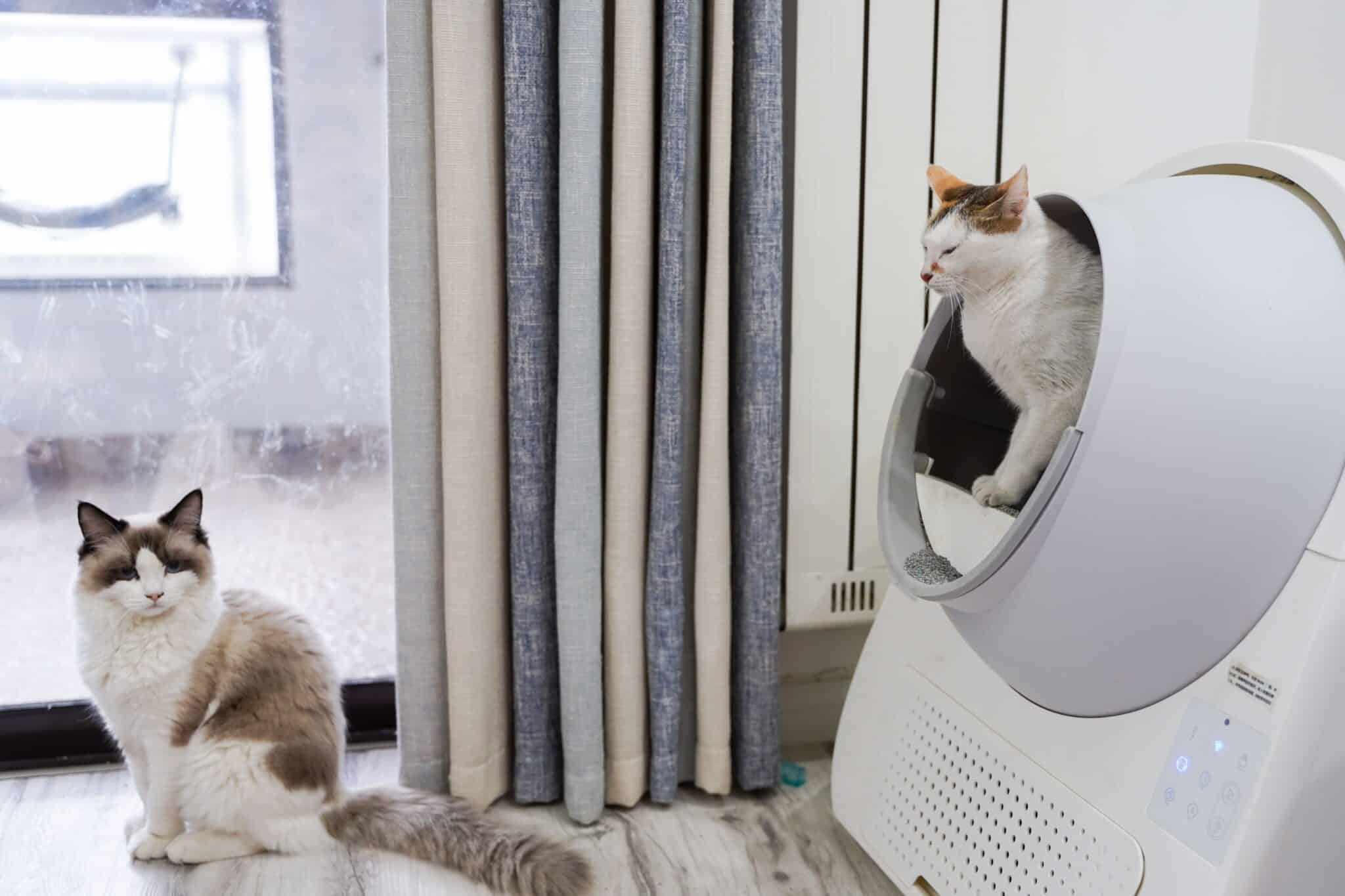
Some cats sprint around the house immediately after using the litter box. This amusing behavior is sometimes called the post-poop zoomies, and several explanations have been suggested. The sensation of relief after elimination may contribute to the excitement, while individual habits and instinctive behaviors could also play a role. There is no single confirmed explanation for every cat. Occasional post-litter box racing is generally harmless when bathroom habits remain normal. However, repeated straining, crying, blood in the urine or stool, or frequent unsuccessful litter box visits deserve prompt veterinary attention.
They Are Releasing Excitement After Grooming
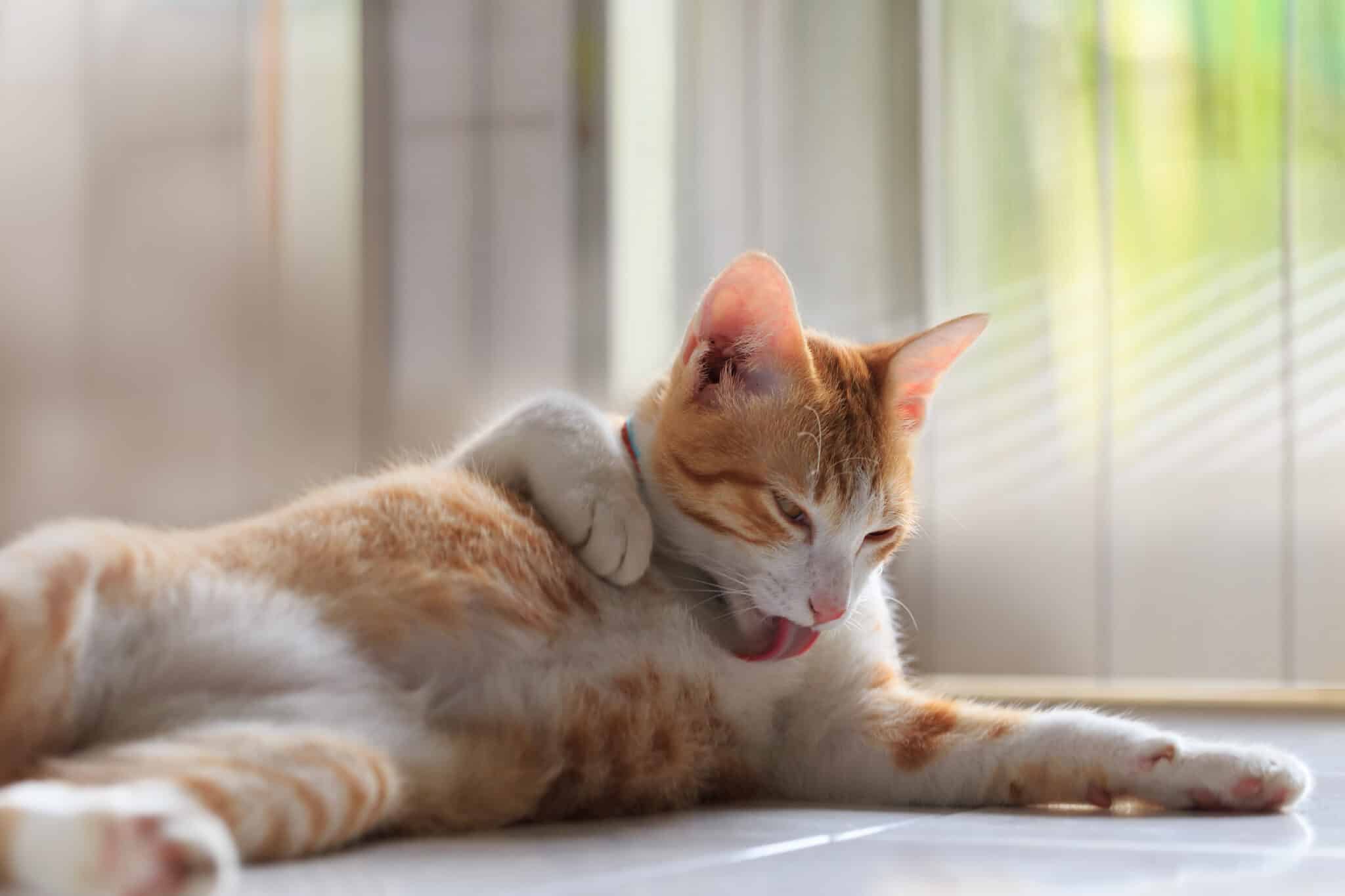
Cats spend a considerable amount of time grooming themselves, using their rough tongues to clean their coats and remove loose fur. Occasionally, a grooming session ends with a sudden burst of movement. A cat might shake its body, stretch its legs, and race toward another room as if ready for an entirely new activity. These episodes may reflect a transition between resting, grooming, and playing rather than one specific emotional response. Every cat develops individual routines, and some simply become energetic after sitting still for a while. Regular grooming and comfortable resting areas can support their everyday routines.
They Are Responding to Stress or Discomfort
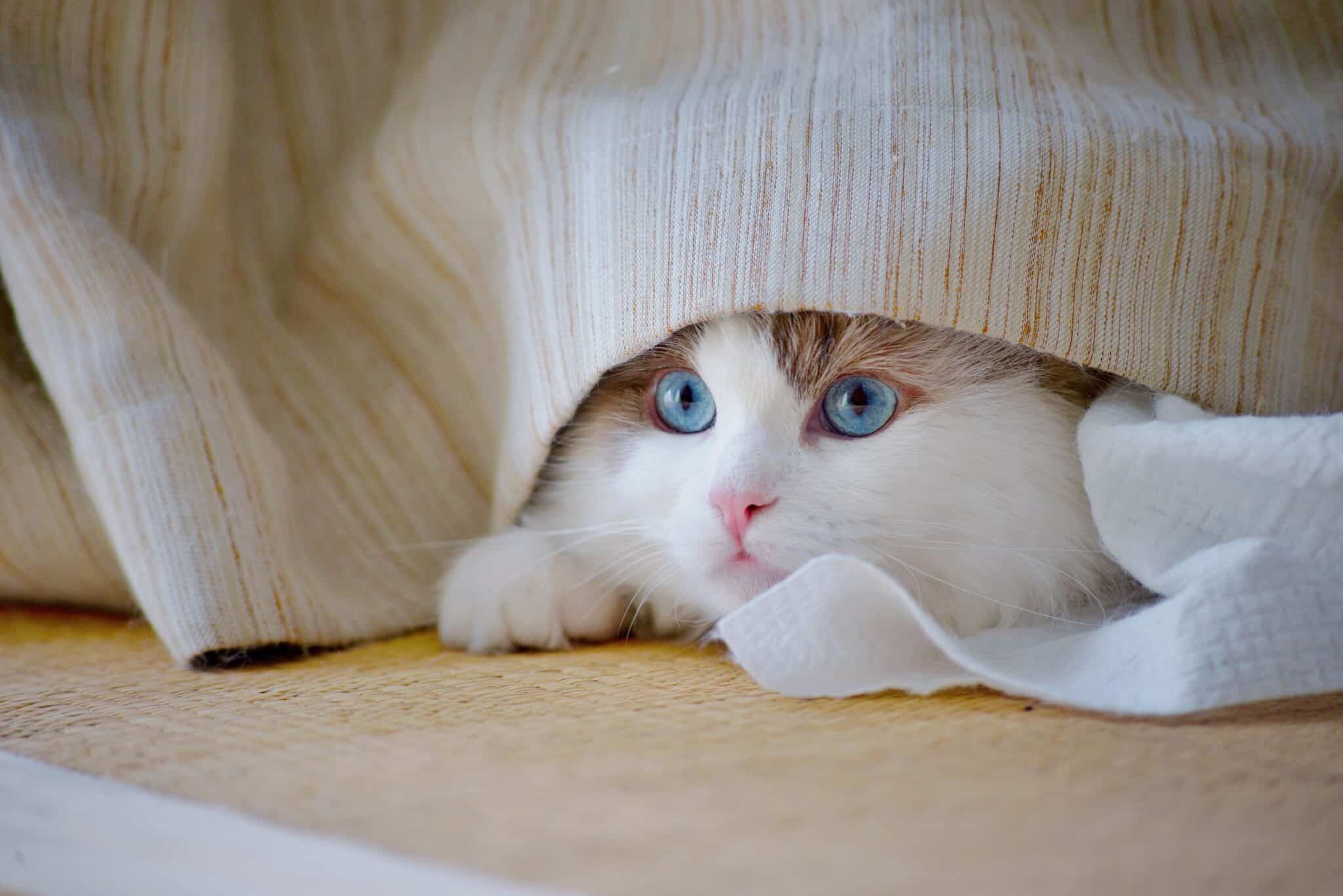
Not every sudden sprint is a playful expression of happiness. Cats sometimes dash away when frightened by unfamiliar noises, unexpected movements, or changes in their surroundings. Running can also occur alongside discomfort, irritation, or unusual restlessness. Pay attention to accompanying signs such as hiding, excessive grooming, vocalizing, changes in appetite, or unusual litter box habits. If the behavior is new, unusually frequent, or accompanied by other concerning symptoms, a veterinary examination can help identify possible problems. Understanding the difference between playful zoomies and distressed movement helps ensure that unusual behavior receives appropriate attention.
The Zoomies Are Part Of What Makes Cats So Entertaining
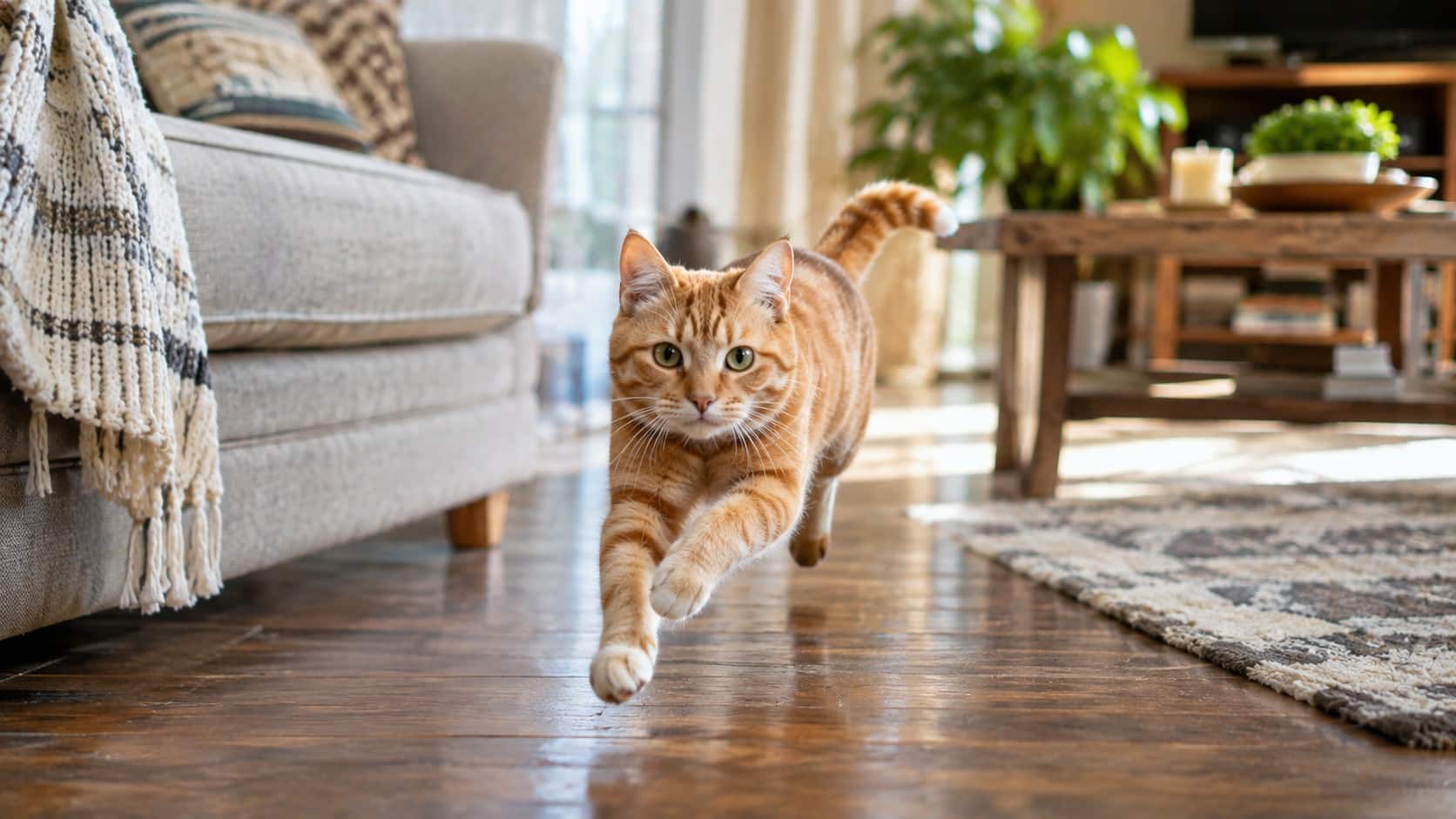
Those household races are often harmless expressions of feline energy, instincts, curiosity, and excitement. A sudden sprint may follow a nap, an exciting sound, an invitation to play, or a moment when a cat feels ready to move. Paying attention to timing, surroundings, and body language can help explain what motivates episodes. Regular play, environmental enrichment, comfortable resting spaces, and predictable routines support healthy behavior. Although the zoomies can turn an evening into a comedy show, unusual changes in activity or signs of discomfort should never be ignored.
This content was created with AI assistance and edited by the iHeartCats team.