
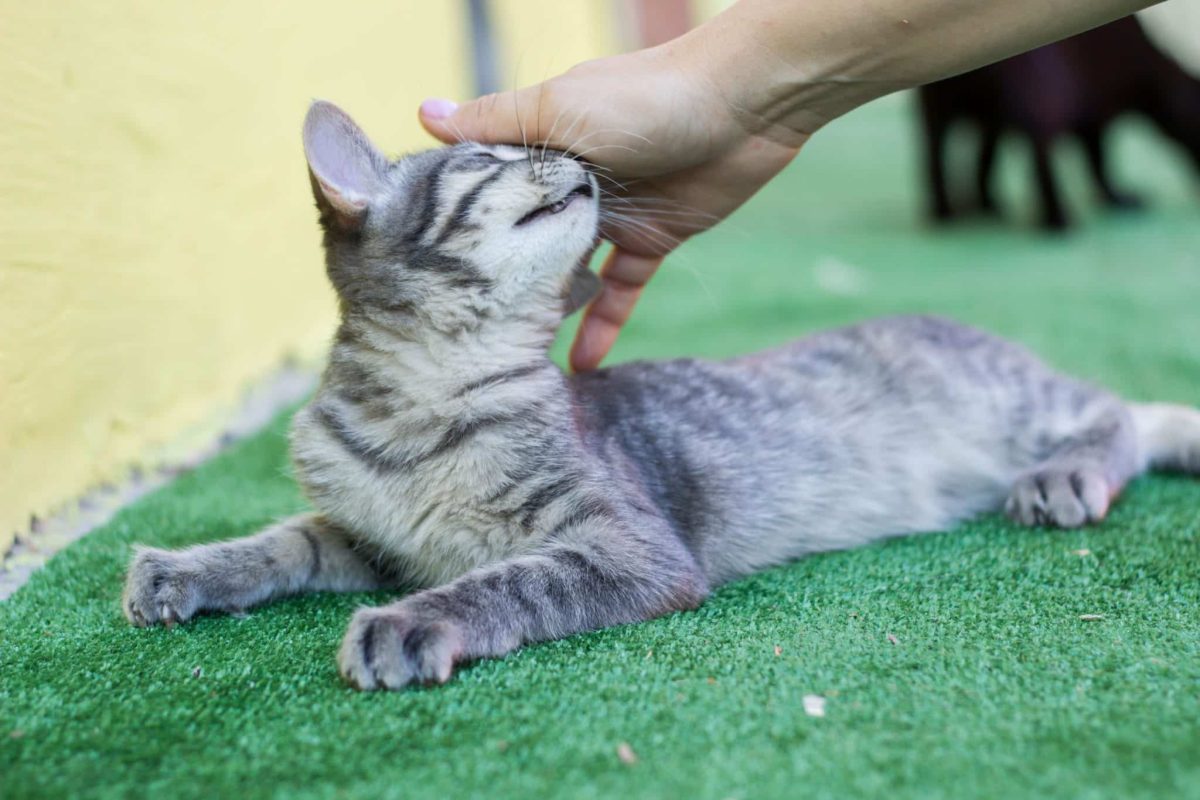
A cat strolls over, presses their cheek against your hand or leg, and continues rubbing as though carefully polishing you. The gesture can feel affectionate, but face rubbing carries more meaning than a request for cuddles. Cats have scent glands around their cheeks, chin, forehead, and lips, making facial contact important for communication and scent marking. Context offers clues about motivation. A relaxed greeting, a request for attention, a familiar routine, or a desire to reinforce comforting scents can inspire those enthusiastic head bumps cat lovers know so well.
They Are Leaving Their Scent on You
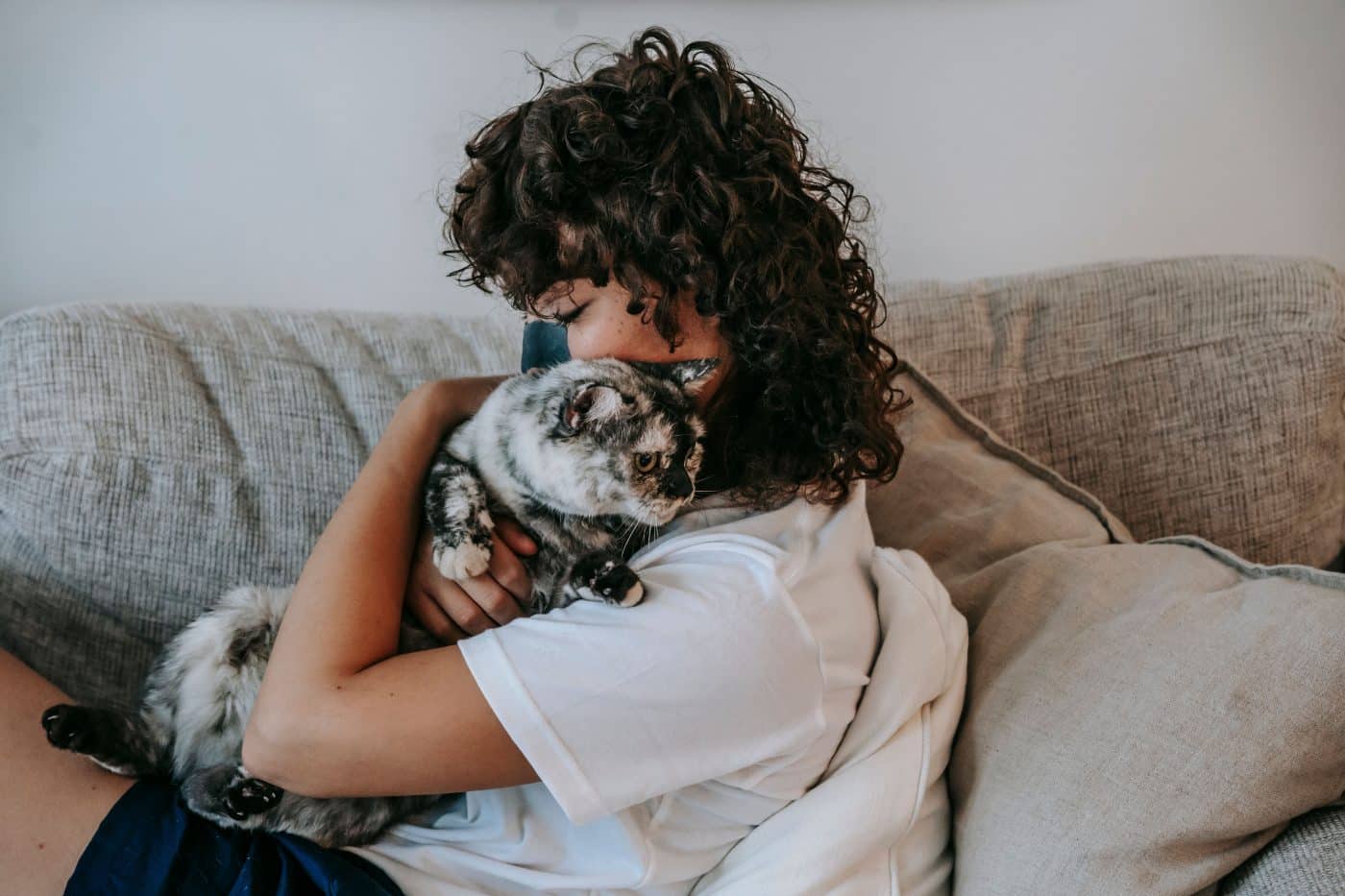
Scent plays an enormous role in how cats understand their surroundings. Glands located around the cheeks, chin, forehead, and lips release chemical signals that can be deposited when a cat rubs their face against a person or object. Humans usually cannot detect these scents, but they contribute to the complex scent landscape cats use to recognize familiar parts of their environment. When your cat repeatedly brushes their cheek against your hand or leg, they may be adding their scent to something already considered familiar. This does not necessarily mean they are declaring ownership in the human sense. Scent marking is better understood as a normal form of feline chemical communication that helps make people, objects, and spaces smell recognizable within their everyday world.
They Are Greeting You
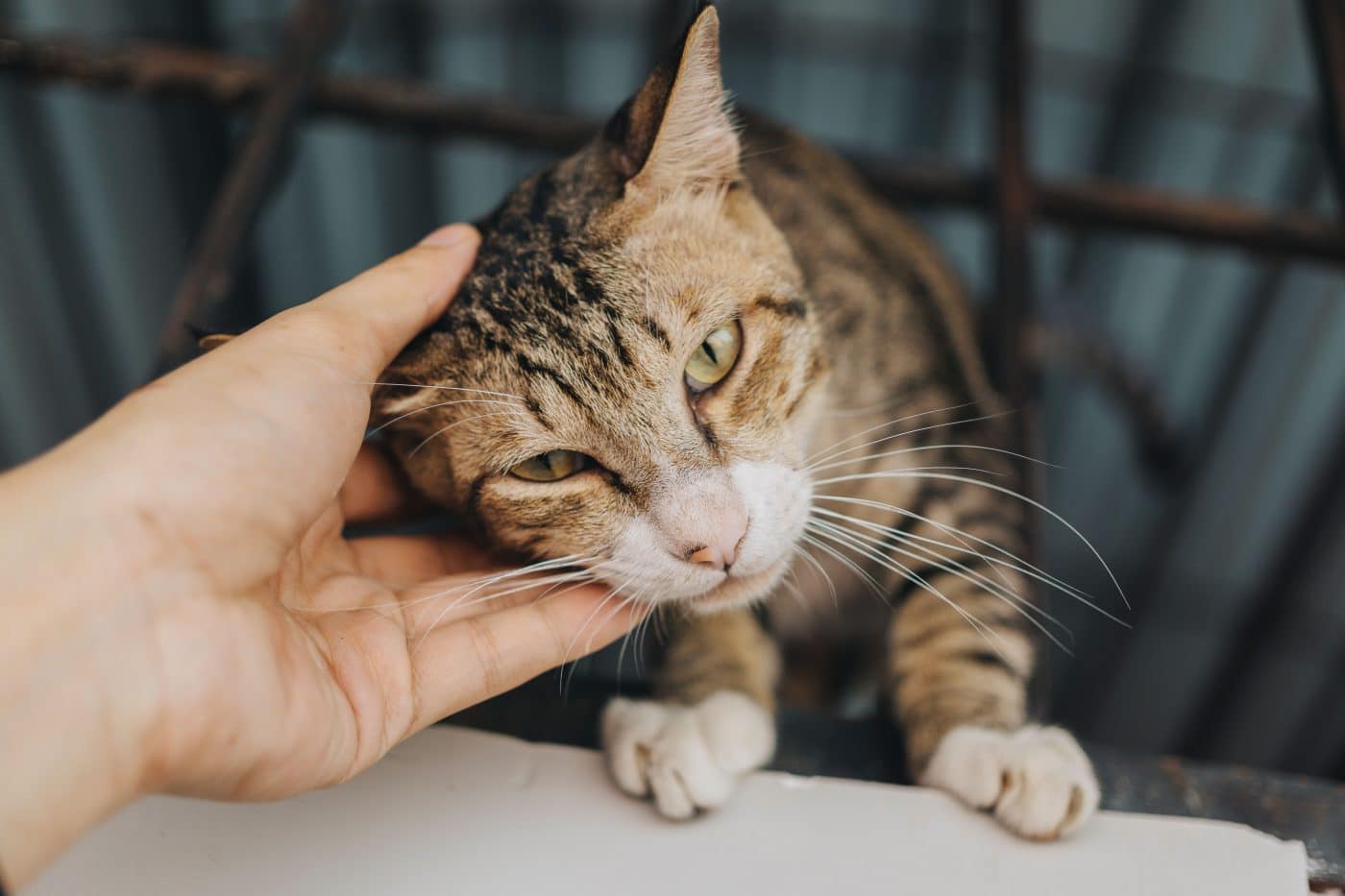
Face rubbing can be part of a friendly greeting, particularly when it appears alongside relaxed body language. A cat may approach with their tail upright, give a soft head bump, rub their cheek along a familiar person, and then continue with their day. Similar rubbing behaviors can occur between cats that share comfortable social relationships, making the gesture part of a broader feline communication system. Timing offers an important clue. A cat that regularly rubs against someone after they return home, wake up, or enter a room may have incorporated the gesture into a familiar greeting ritual. The contact can combine social interaction with scent exchange, allowing the cat to reconnect physically and chemically with someone who belongs within their familiar environment.
They Feel Comfortable Around You
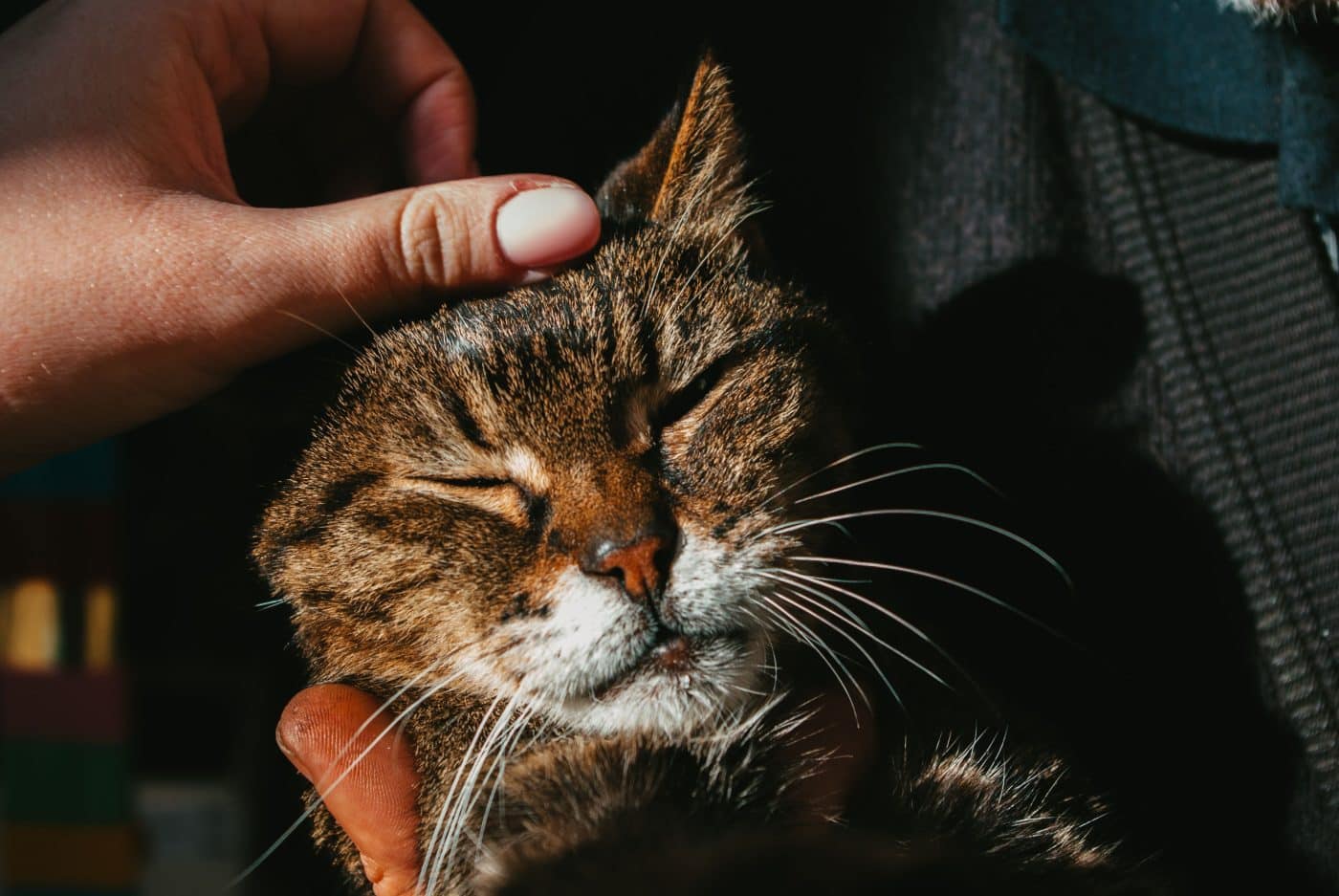
Close facial contact requires a cat to approach within touching distance and briefly focus on rubbing rather than monitoring everything around them. When the interaction occurs with loose posture, neutral ears, soft eyes, and other relaxed signals, it can indicate that the cat feels comfortable in that moment. A cautious or frightened cat is generally more likely to maintain distance until they feel secure enough to approach. Personality matters greatly because some confident cats rub against many familiar people, while more reserved individuals may offer facial contact selectively. Face rubbing alone cannot measure the strength of a relationship, but voluntary, relaxed contact can fit naturally into a broader pattern of social comfort. The cat feels secure enough to approach and interact on their own terms.
They Are Refreshing Familiar Scents
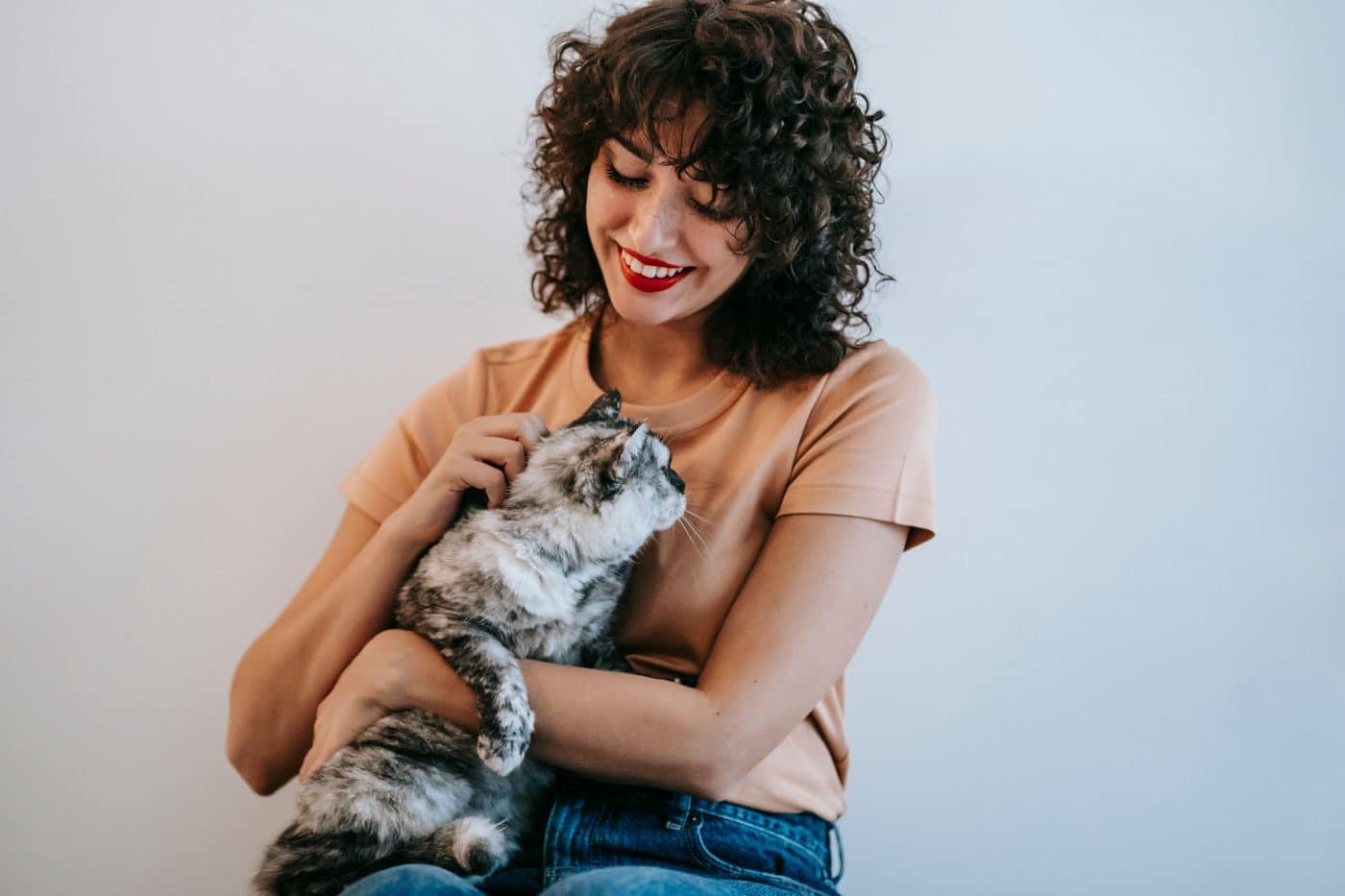
Someone returning home may bring an entire collection of unfamiliar smells with them. Clothing can carry scents from outdoors, other animals, workplaces, stores, or countless places a cat never visited. Face rubbing can help deposit familiar feline scent onto a person whose smell has temporarily changed. Cats also rub repeatedly against furniture and other household objects, helping maintain a recognizable scent environment over time. This does not mean they become distressed every time someone smells different. Rather, refreshing scent marks can simply be part of ordinary feline communication and environmental familiarity. A particularly enthusiastic rubbing session after someone returns from being away may therefore have a practical scent-related component alongside any social greeting that is happening at the same time.
They Want Attention
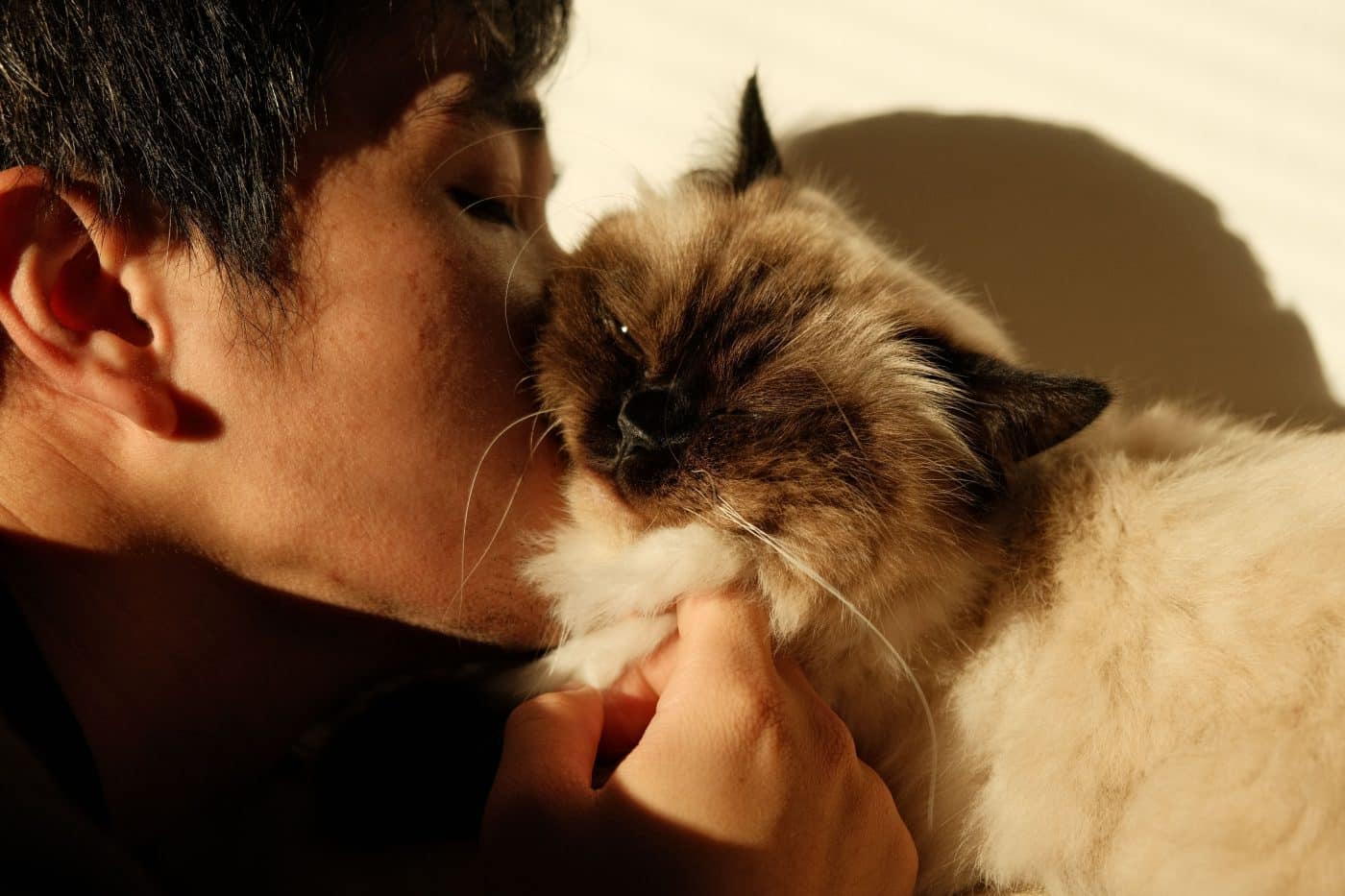
Sometimes the message behind a cheek rub is wonderfully straightforward: interaction would be appreciated. Cats quickly learn which behaviors attract human attention, and pushing a forehead or cheek against someone can be difficult to ignore. When rubbing is followed by lingering nearby, purring, leaning into touch, or presenting the head again, the cat may be encouraging continued social contact. Some individuals particularly enjoy scratches around the cheeks, chin, and head, although preferences vary and body language should always guide interaction. This request does not make every face rub purely attention-seeking because scent marking and social communication can occur simultaneously. Still, when a cat repeatedly returns for another rub after petting stops, they may be giving a fairly recognizable request for more attention.
They Have Learned It Gets a Response
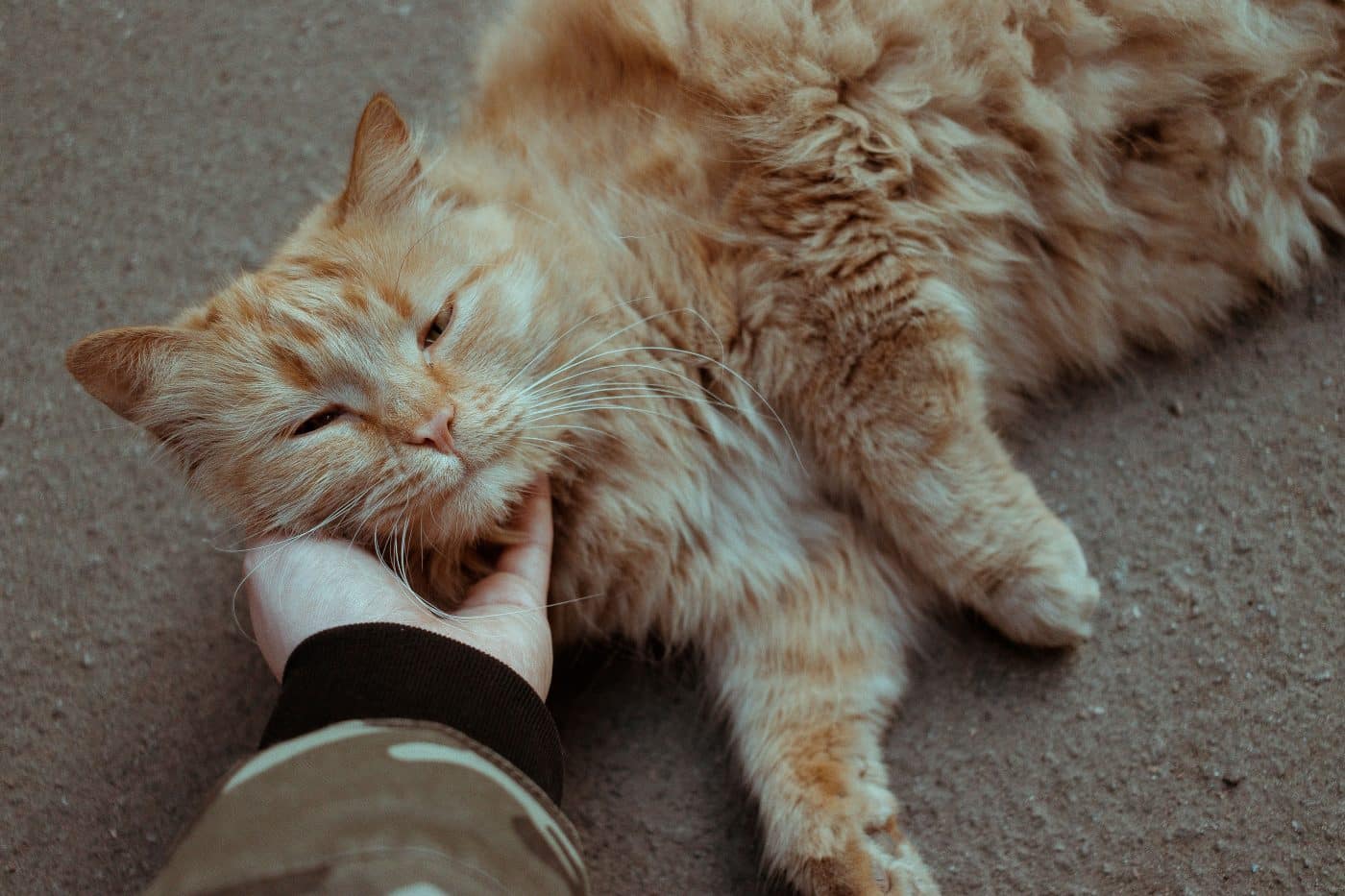
Cats are skilled at learning which actions produce useful outcomes. A face rub might initially occur as ordinary scent marking or social contact, but if it consistently leads to petting, conversation, food, play, or another enjoyable response, the behavior can become reinforced. Soon, a strategically delivered head bump may function as an effective way to get a human’s attention. This learning does not replace the behavior’s natural communication functions. Instead, cats can adapt an existing behavior based on what happens afterward. Household members may even notice that rubbing appears at particular times, such as before meals or during familiar evening routines. When a cat has discovered that one gentle cheek rub reliably makes a person respond, there is little reason to abandon such an effective strategy.
They Are Reinforcing a Social Bond
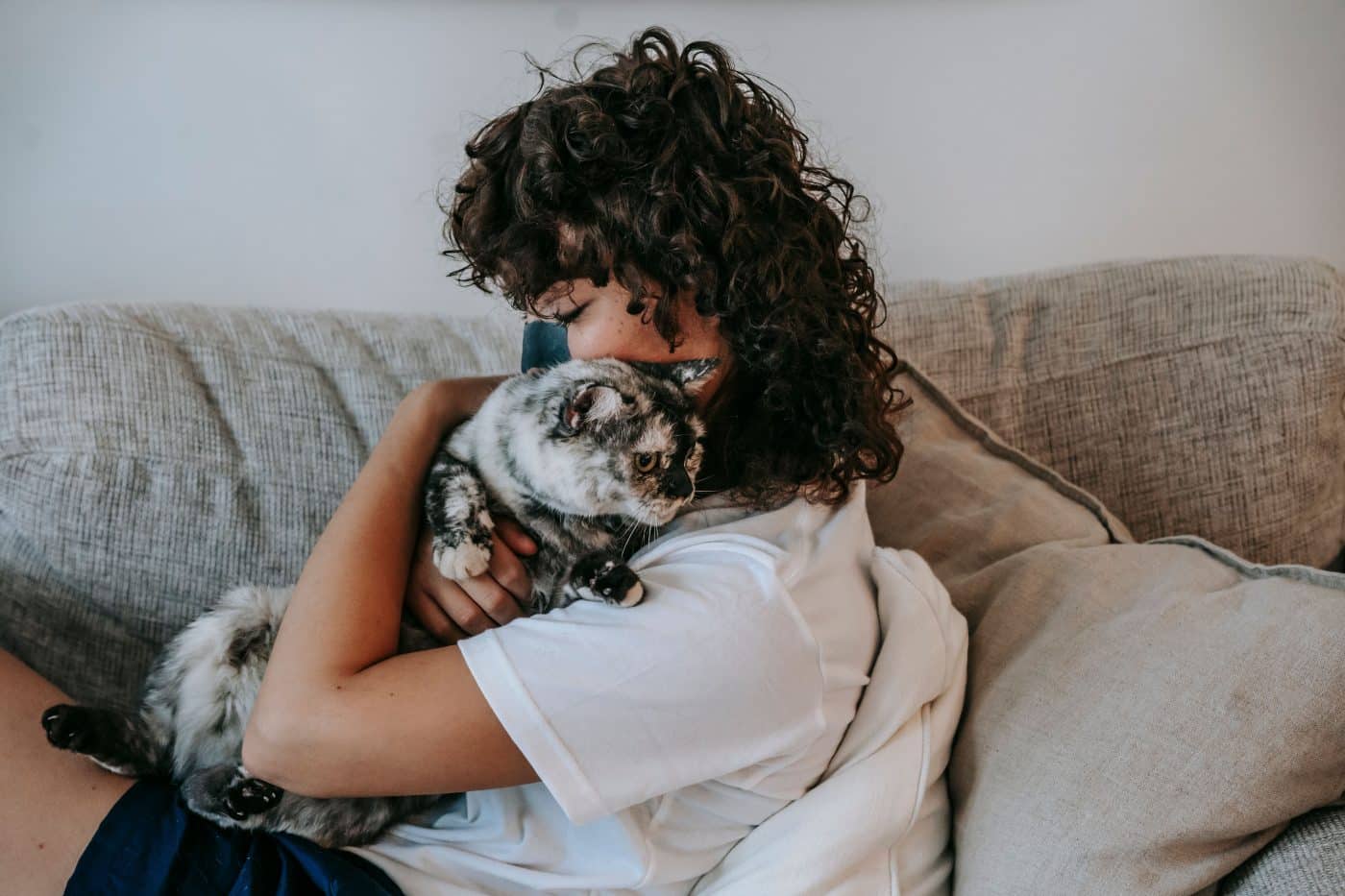
Friendly cats can engage in allorubbing, a social behavior in which individuals rub their heads or bodies against one another. Domestic cats may direct similar contact toward familiar humans, particularly during relaxed interactions. This can help explain why face rubbing sometimes appears alongside other social behaviors such as approaching with an upright tail, resting nearby, or seeking gentle physical contact. Scent exchange may also contribute to the interaction, so the social and chemical functions are not necessarily separate. Importantly, not every cat expresses comfortable relationships through frequent rubbing. Some prefer proximity, play, slow blinking, or other forms of interaction. When voluntary face rubbing occurs regularly within an established relationship, however, it can be one component of the cat’s familiar social behavior toward that person.
They Are Making Their Environment Feel Familiar
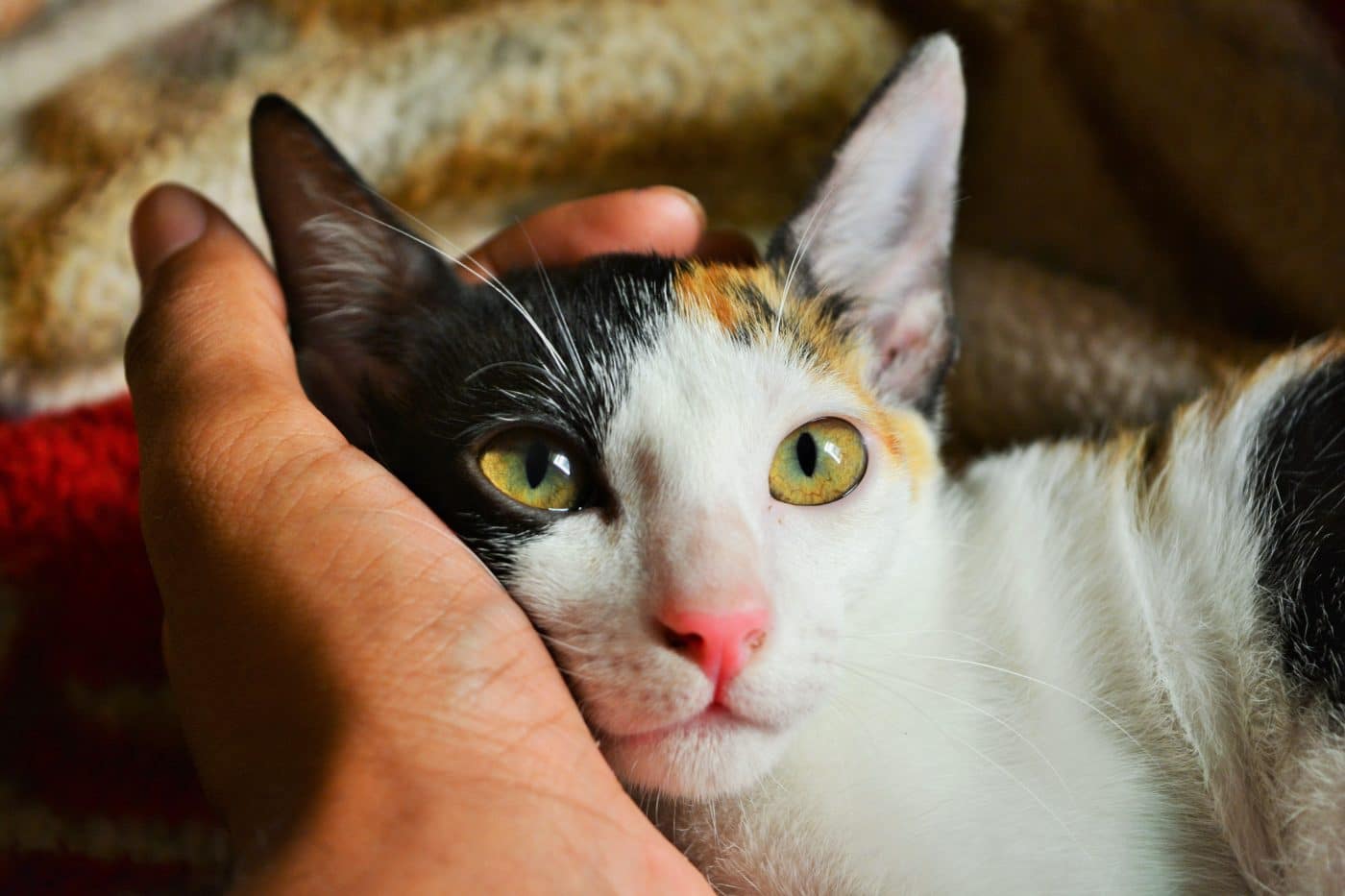
Cats rely heavily on scent to organize and interpret their surroundings. Familiar scent marks on furniture, doorframes, household objects, and people can contribute to an environment that smells recognizable and predictable. Rubbing against a person may therefore fit into the same broader pattern as cheek rubbing against corners and other frequently encountered surfaces. This can be particularly noticeable when a cat is settling into a comfortable routine or moving through familiar parts of the home. The behavior does not necessarily indicate anxiety or insecurity. Scent marking is a normal part of feline life and can occur when cats are perfectly relaxed. By repeatedly depositing facial scents throughout their surroundings, they help maintain the chemical familiarity of a territory they regularly use and understand.
It Has Become Part of Their Routine
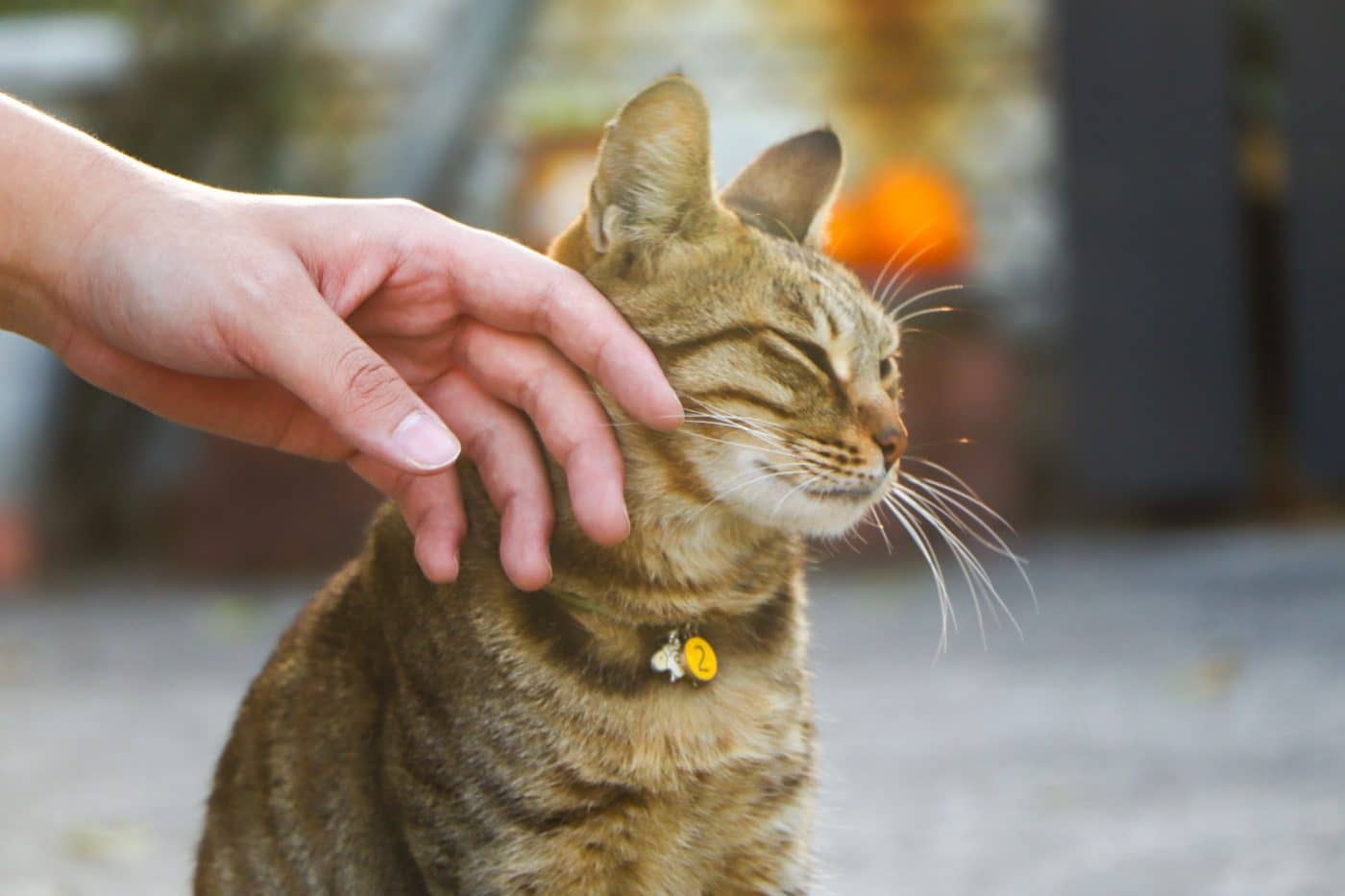
Some face-rubbing sessions become so predictable that they function almost like scheduled appointments. A cat might greet someone with cheek rubs every morning, bump against their legs before dinner, or request a familiar head scratch each evening. Repetition can turn naturally occurring social and scent-marking behavior into a dependable household routine. Cats are excellent at recognizing patterns, especially when those patterns lead to pleasant or predictable outcomes. The original motivation may include greeting, scent exchange, attention, or several factors working together. Over time, however, the sequence itself becomes familiar. When the cat arrives at the same moment and performs the same affectionate-looking ritual each day, face rubbing may simply be one of the comforting little routines that helps structure their life.
The Head Bump Says More Than Hello
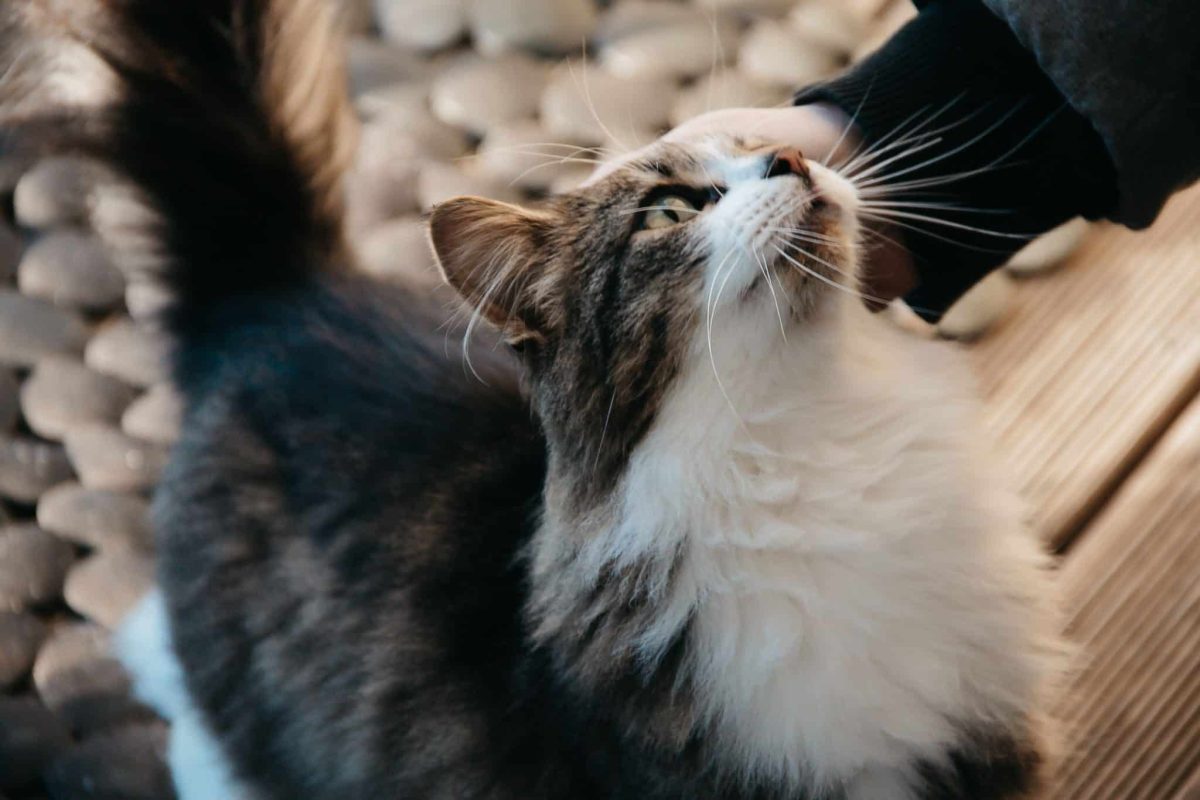
Face rubbing may seem like a simple gesture, but cats use it for scent communication, social interaction, learned behavior, and familiar routines. The surrounding details can offer useful clues, including when rubbing happens, what the cat does afterward, and how relaxed their body appears. For many cats, cheek rubs and gentle head bumps become ordinary parts of living with familiar people. Every nudge does not necessarily mean affection. Sometimes the sweetness comes from something distinctly feline: communicating comfort, familiarity, trust, and meaningful social connection through familiar shared scent.
This content was created with AI assistance and edited by the iHeartCats team.