
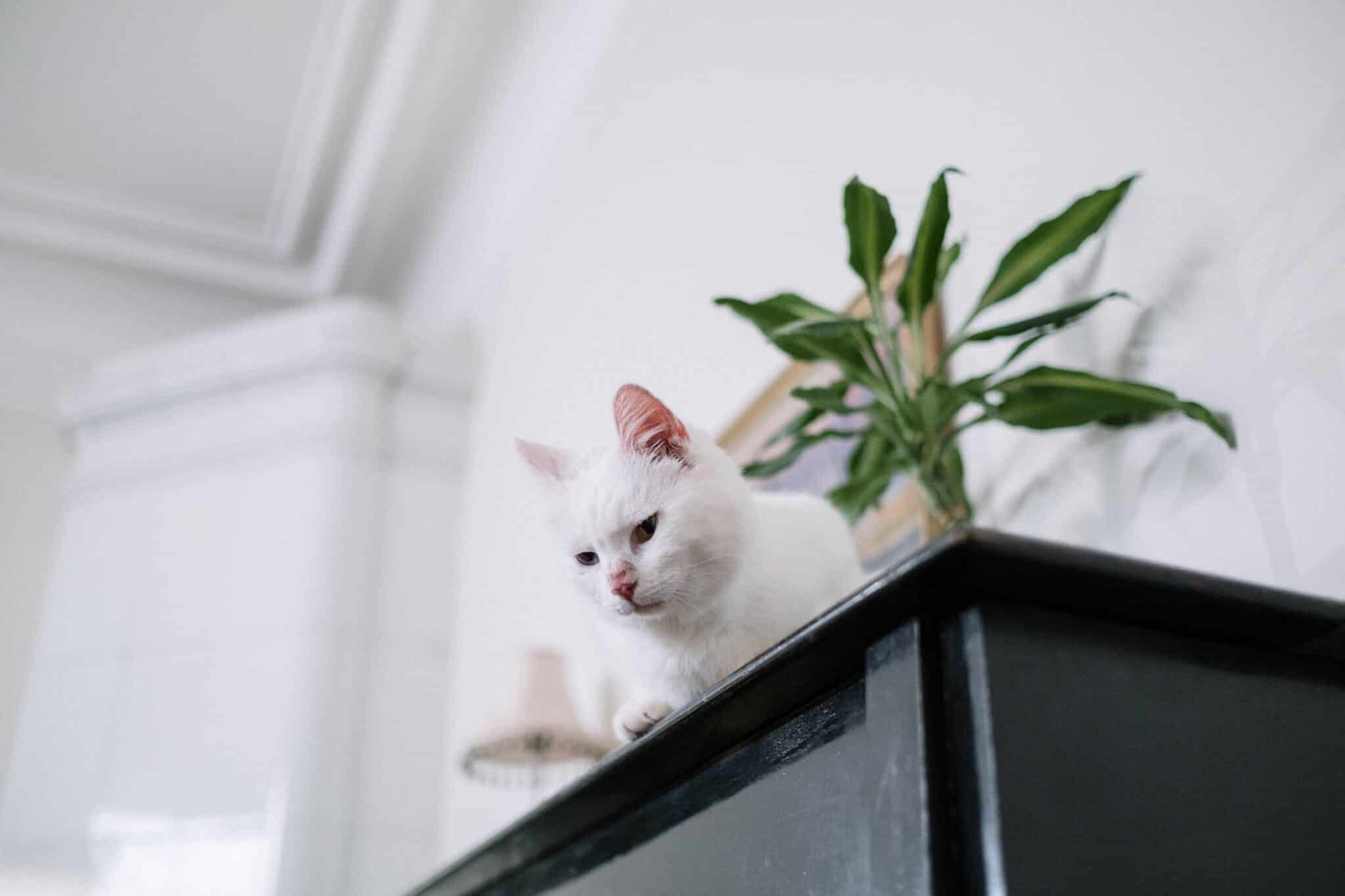
Some cats are happy curling up beside their favorite person, while others prefer the highest seat in the house. The top of the refrigerator, a tall bookshelf, or even a human’s shoulders can become prime feline real estate. From these lofty perches, cats watch the household as though they have an important job to do. Although this habit can look amusing, it serves several purposes. Height offers security, entertainment, warmth, and a better view of their surroundings while reflecting their individual personalities and natural instincts.
They Feel Safer Up High
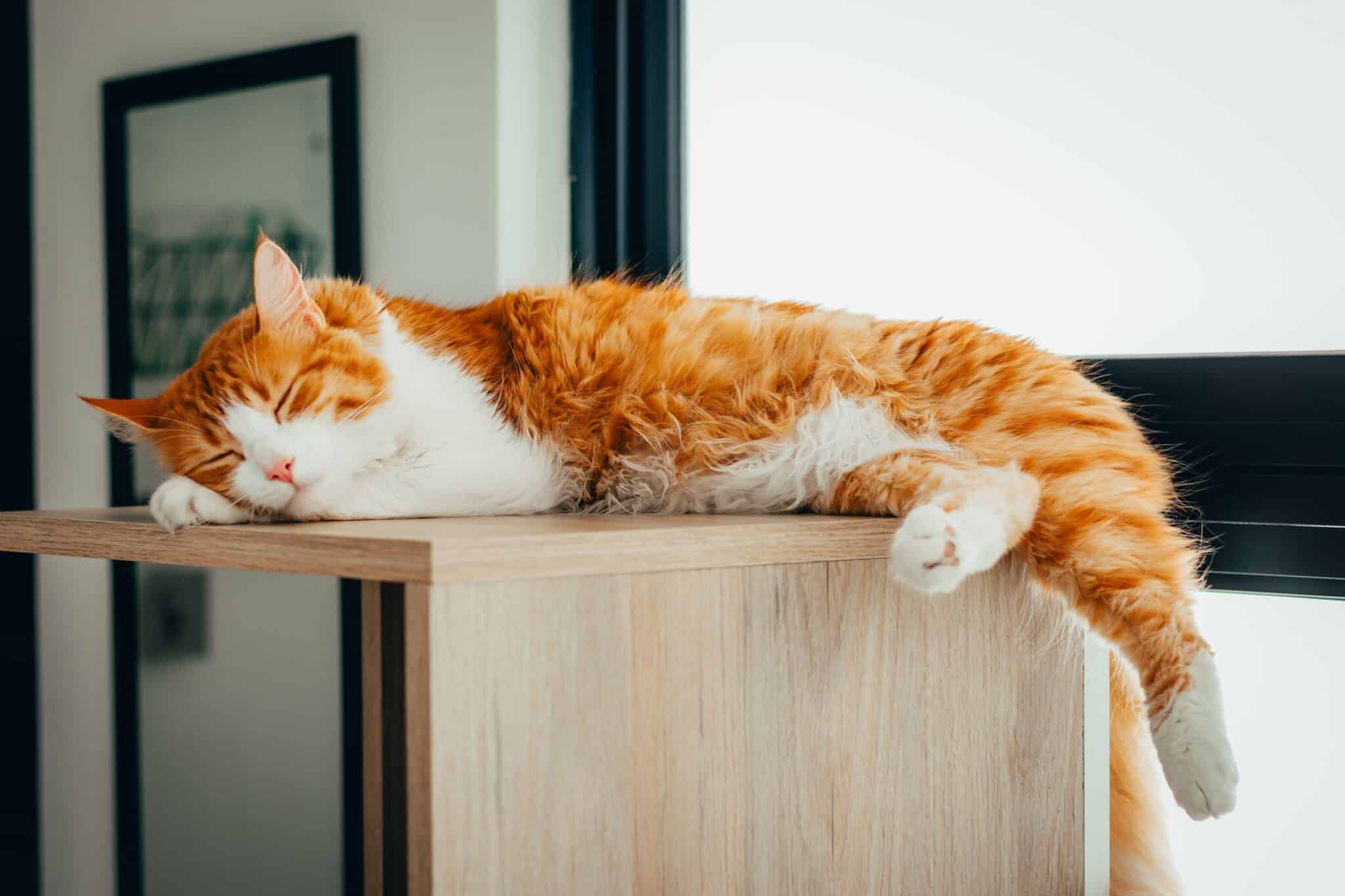
For many cats, height offers a sense of security. In the wild, climbing allows cats to observe their surroundings while keeping some distance from potential threats. Although domestic cats generally live much safer lives, those instincts still influence where they choose to rest. A high shelf or sturdy cat tree can provide a comfortable retreat where a cat can relax without worrying about someone suddenly approaching from behind. This can be especially appealing in busy households with children, visitors, or other pets. If your cat regularly retreats to an elevated perch when the house becomes noisy, they may simply prefer a quieter place to observe everything from a comfortable distance.
They Want to Keep an Eye on Everything
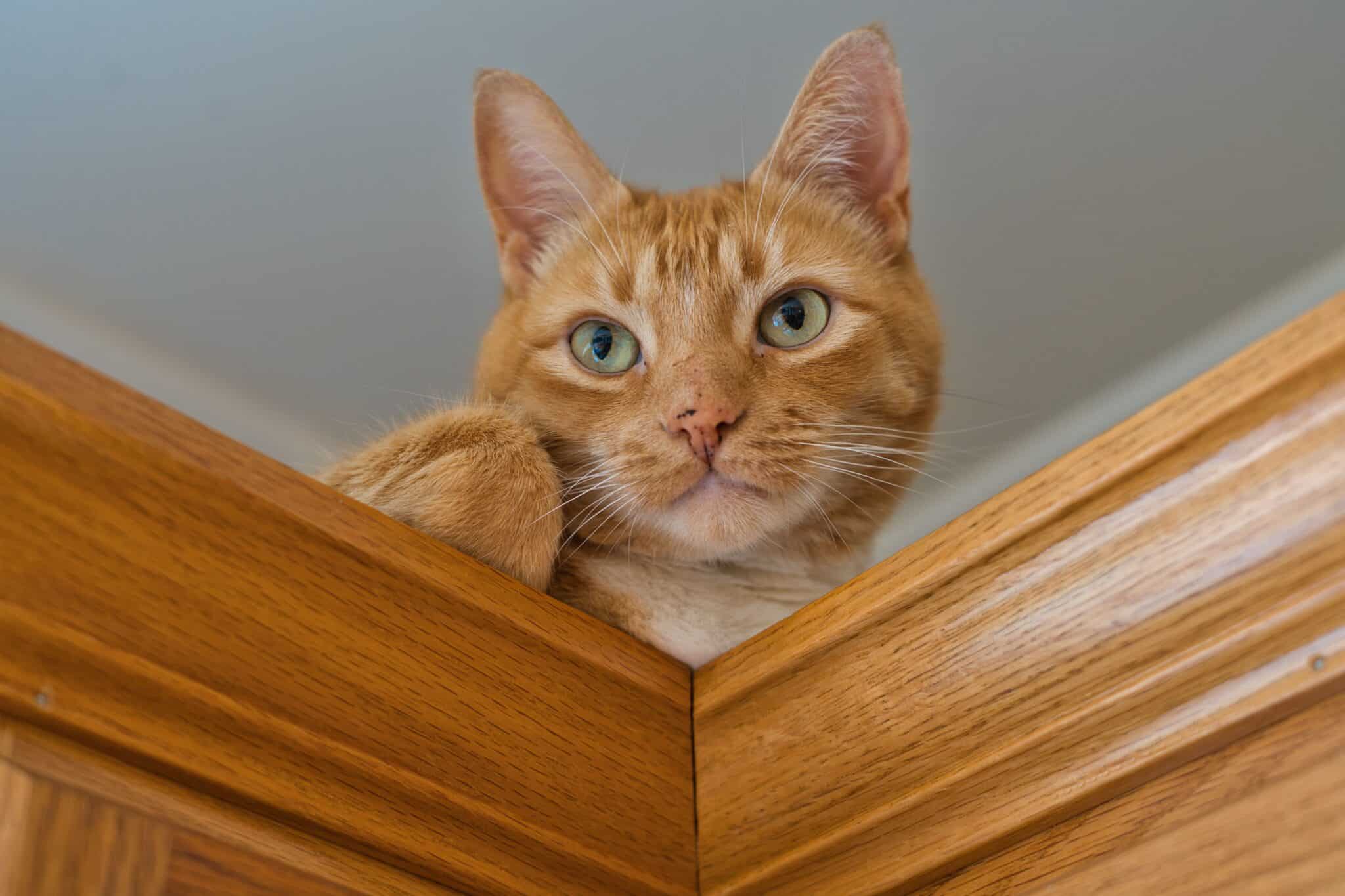
Cats are naturally curious observers. Sitting above everyone gives them a broader view of the room, making it easier to follow movement and notice changes in their environment. From a high perch, a cat can watch someone prepare dinner, track a toy across the floor, or monitor another pet wandering through the house. This elevated viewpoint provides mental stimulation, too. Even when a cat appears to be doing absolutely nothing, watching everyday activity can be an engaging way to spend time. Some cats prefer the top of a bookshelf because it overlooks the entire living room, while others choose a kitchen cabinet with a clear view of meal preparation. Their favorite location often reflects what interests them most.
They Are Following Their Climbing Instincts
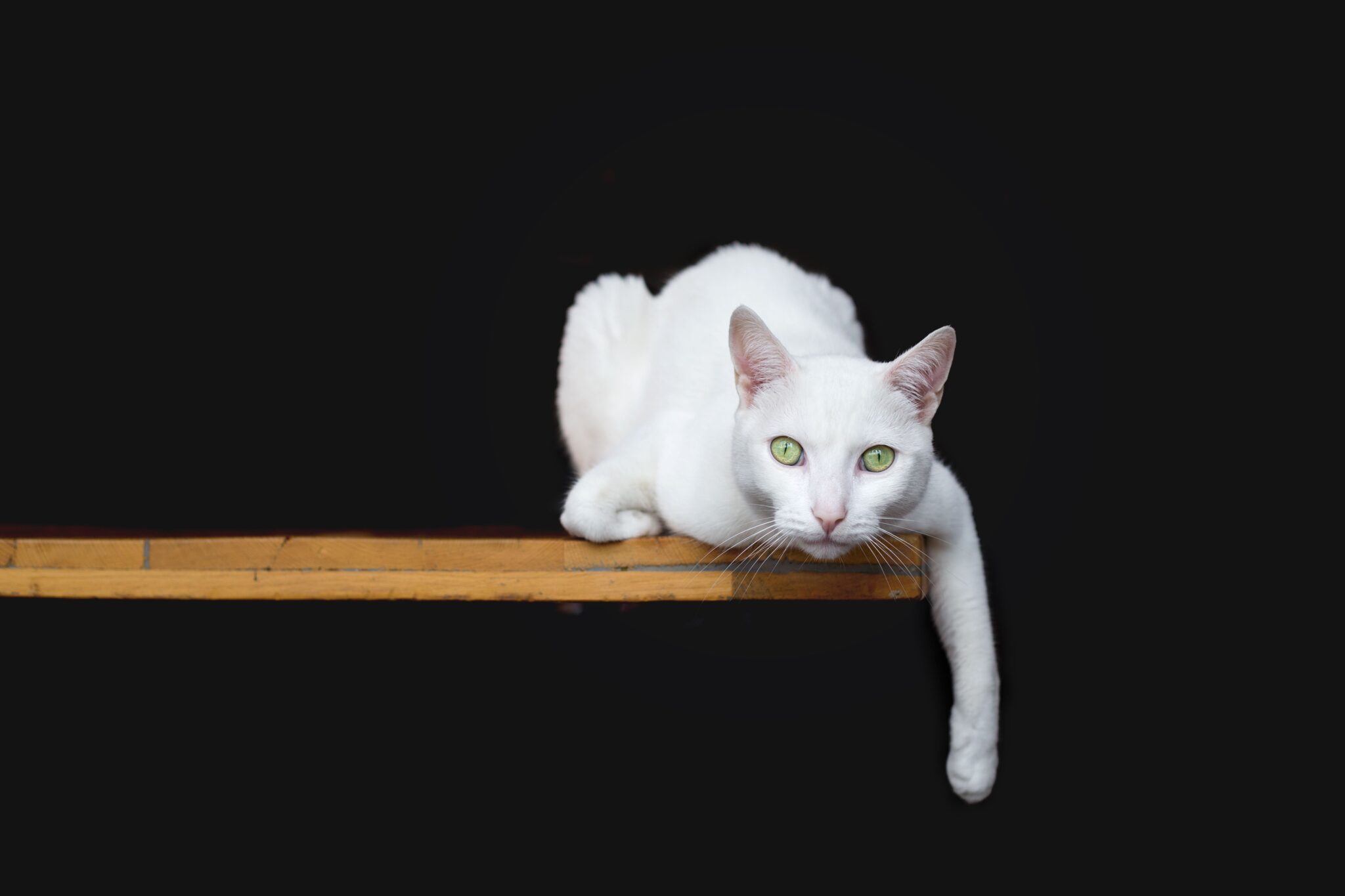
Climbing is a natural feline behavior, and many domestic cats enjoy exploring vertical spaces as much as they enjoy investigating the floor. Their flexible bodies, strong hind legs, and retractable claws help them navigate many elevated surfaces. In nature, climbing can help cats escape danger, explore their surroundings, and reach desirable resting places. At home, those same instincts may lead them to scale a cat tree, jump onto a wardrobe, or investigate the highest accessible shelf. Athletic, energetic cats may actively seek out new heights, while older cats or those with mobility limitations may prefer lower platforms. Giving climbing enthusiasts a sturdy cat tree or cat-friendly shelves provides an appropriate outlet for this behavior and helps protect household decorations from adventurous paws.
They Want a Break From Other Pets
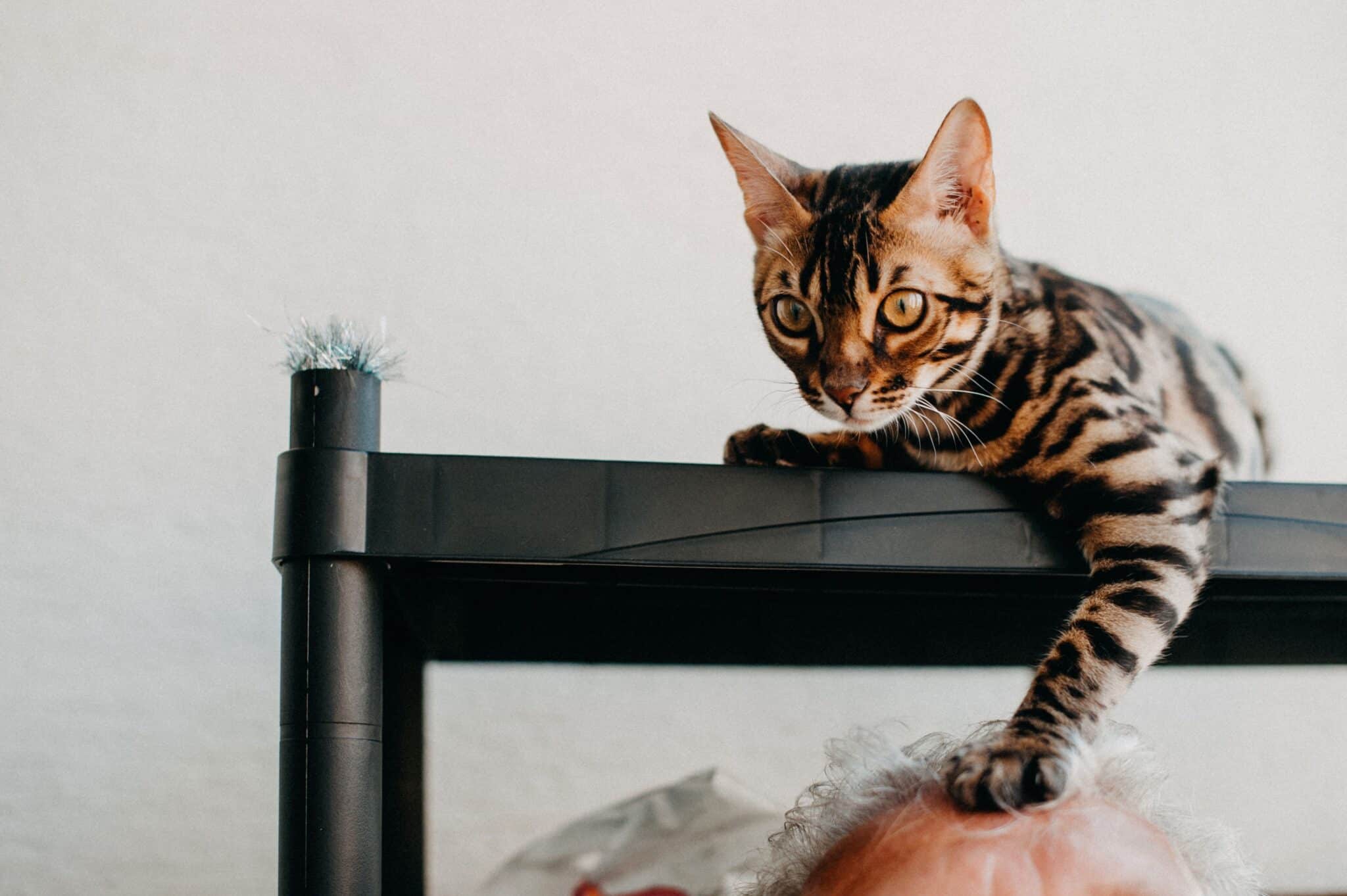
In a home with multiple animals, an elevated perch can provide valuable personal space. Dogs, other cats, and even enthusiastic kittens may sometimes overwhelm a cat that prefers a little distance. A high resting spot gives the cat an opportunity to watch household activity without being directly involved. This is particularly important in homes where animals have different energy levels. A playful kitten may constantly invite an older cat to wrestle, while a friendly dog may approach whenever the cat settles down. Having a safe, elevated escape route allows the cat to decide when to interact. Providing several resting areas at different heights can reduce competition and help every pet enjoy a little breathing room.
They Have Discovered a Warm, Comfortable Spot
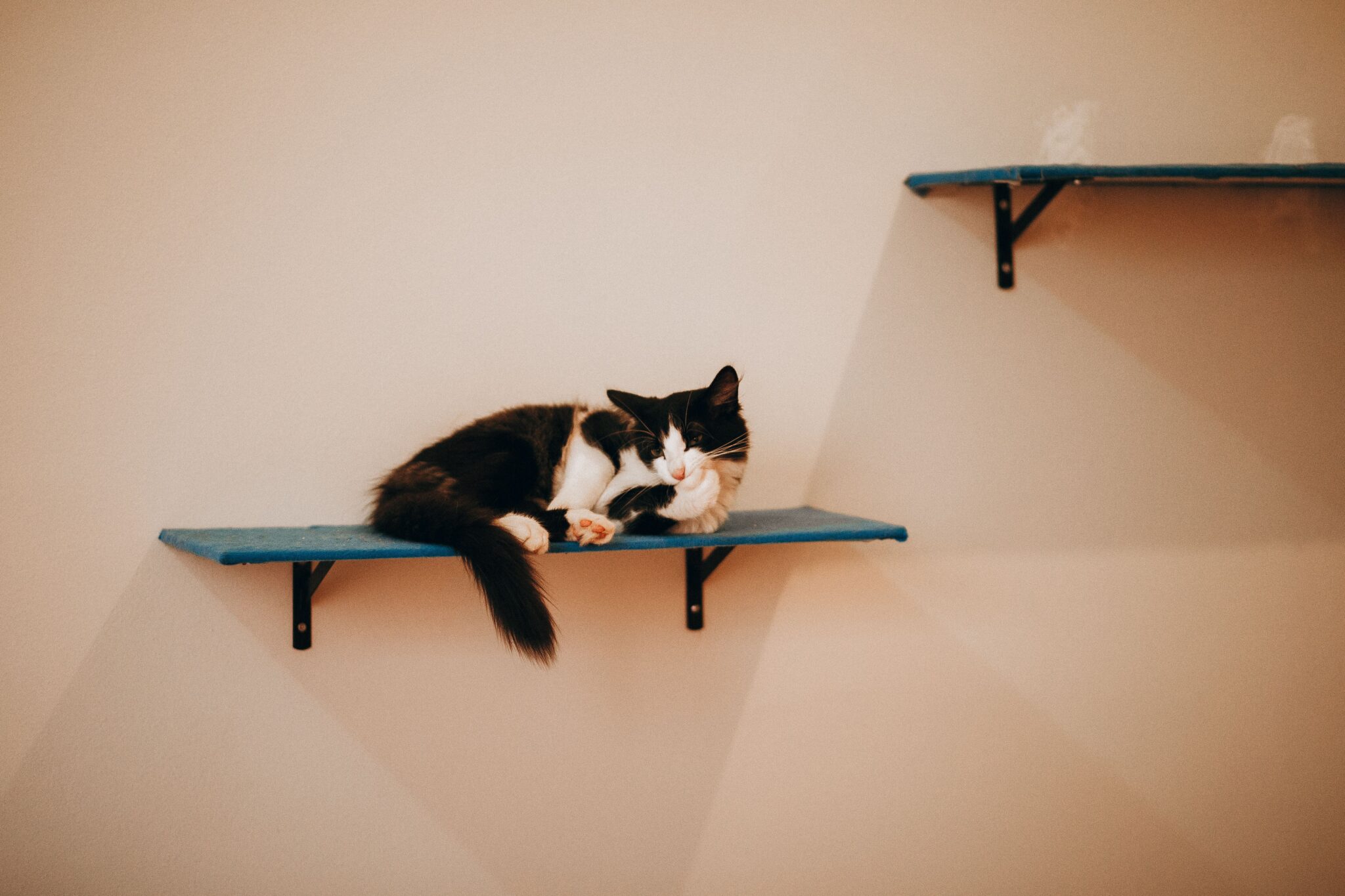
Cats are experts at finding comfortable places to rest, and elevated locations sometimes offer appealing combinations of warmth and coziness. Heat may rise in some indoor environments, while high shelves near windows can receive pleasant sunlight throughout the day. A cat might settle on top of a cabinet because it stays warm or choose a high cushion that catches the afternoon sun. Once they discover a particularly comfortable location, they may return to it repeatedly. Warmth is not the only consideration, either. Cats also look for soft surfaces, quiet surroundings, and places where they can curl up without being disturbed. Adding a washable cushion to a stable cat shelf may encourage them to rest comfortably without squeezing onto narrow or unsuitable furniture.
They Enjoy Being the Center of Attention
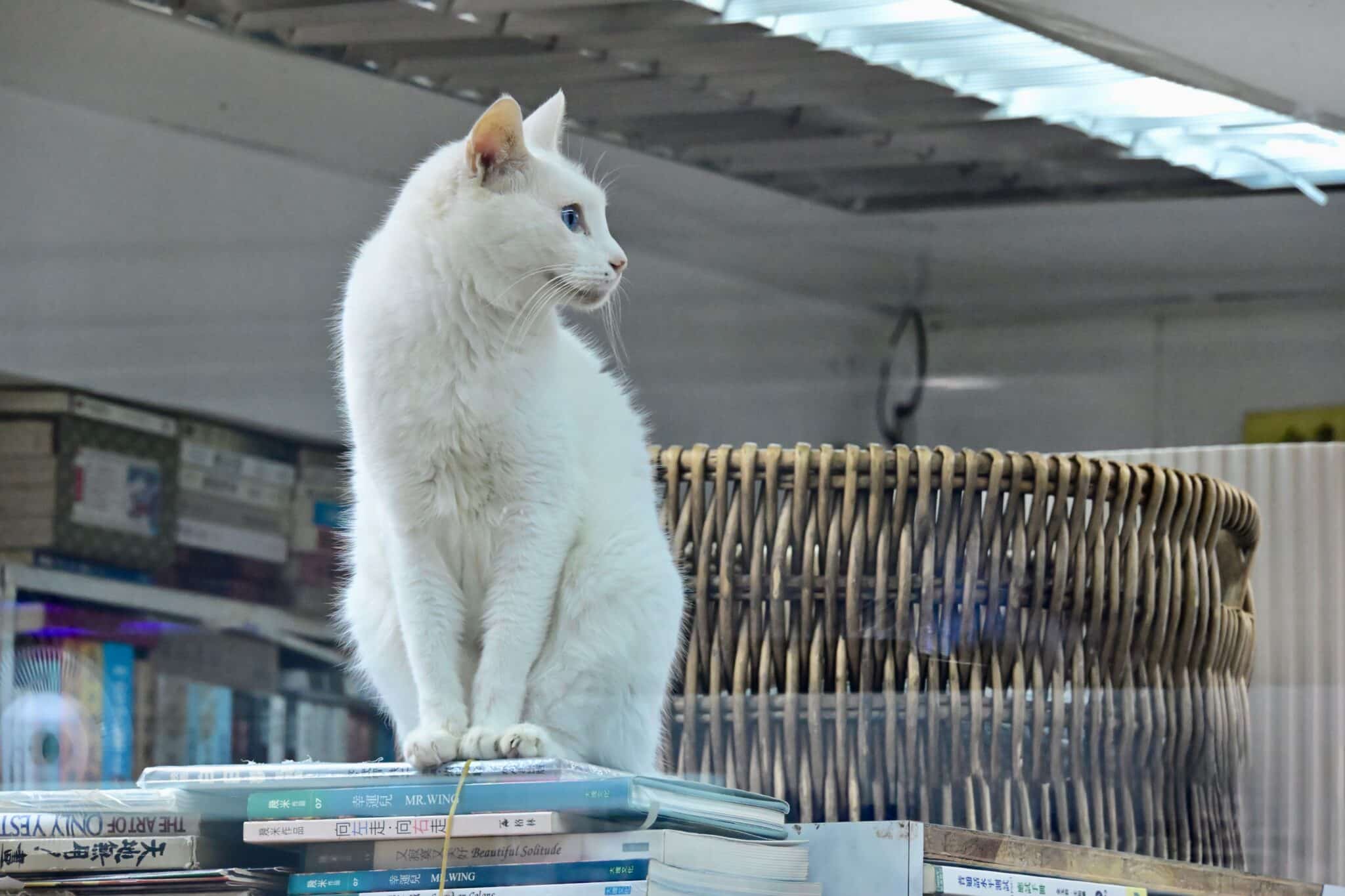
Some cats quickly learn that climbing to a prominent location attracts attention. When a cat jumps onto a tall cabinet, their human may immediately look up, speak to them, laugh, or approach to help them down. From the cat’s perspective, that behavior can produce an interesting social response. Cats learn through experience, and behaviors that lead to rewarding outcomes may become more frequent. If your cat repeatedly chooses an elevated spot whenever the household is busy, they may have discovered an effective way to get noticed. This does not mean they are deliberately demanding attention every time they climb. They may genuinely enjoy the location, too. Offering regular play sessions and rewarding the use of safe perches can help meet their social needs without encouraging risky climbs.
They Are Keeping Track of Their Territory
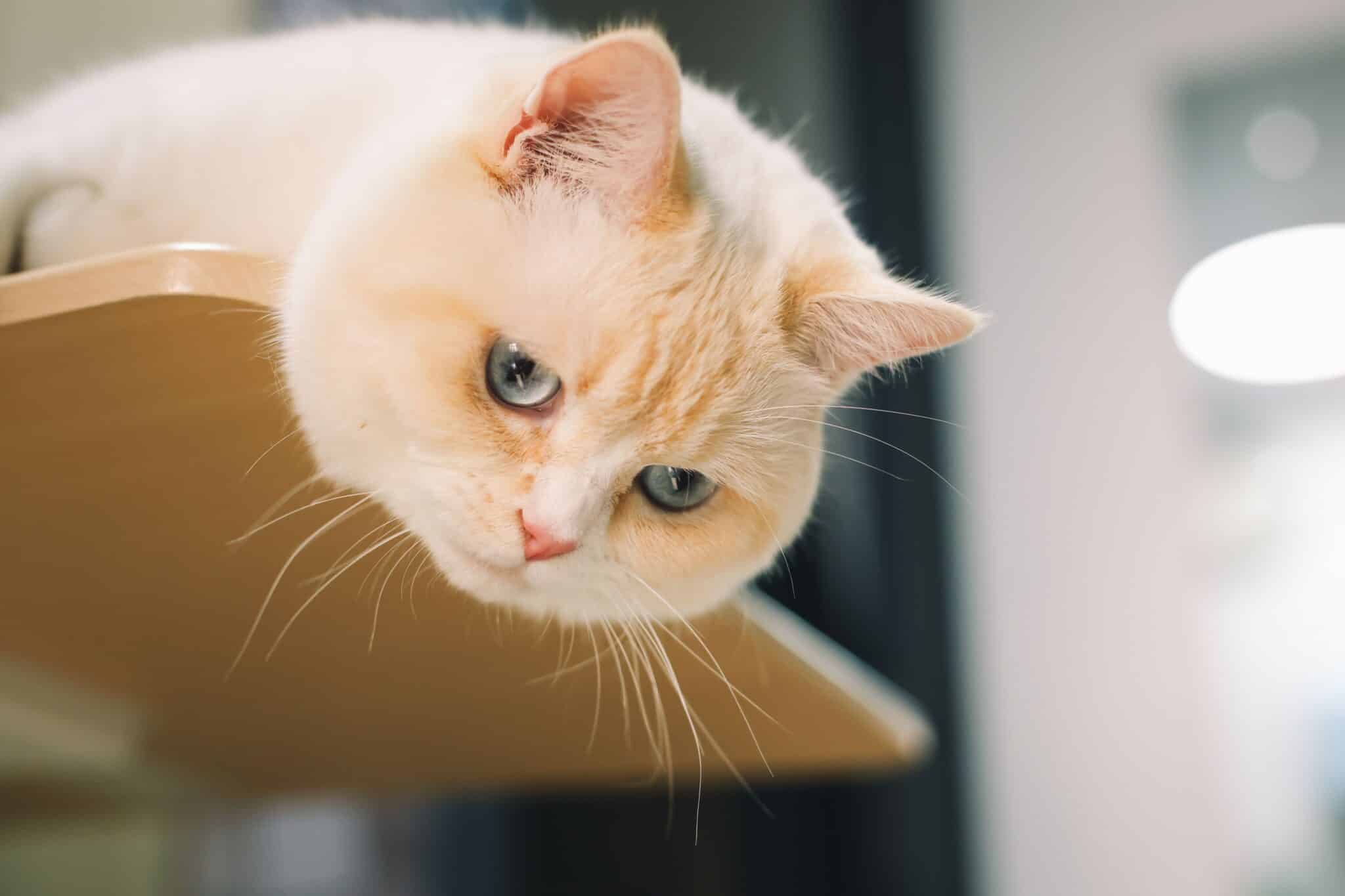
Cats rely heavily on familiarity when navigating their surroundings. They recognize important locations, monitor changes, and use scent to establish a sense of ownership and comfort within their home. An elevated position can serve as a convenient observation point from which a cat watches familiar people, other animals, and activity near windows or doorways. This may be especially appealing in a household where several pets share space. Territorial behavior does not always mean aggression or a desire to dominate other animals. Often, it simply involves monitoring a familiar environment and maintaining access to preferred resources. Providing multiple perches and resting areas helps ensure that one cat does not need to guard a single favorite location to feel comfortable.
They Want to Avoid Being Disturbed While Sleeping
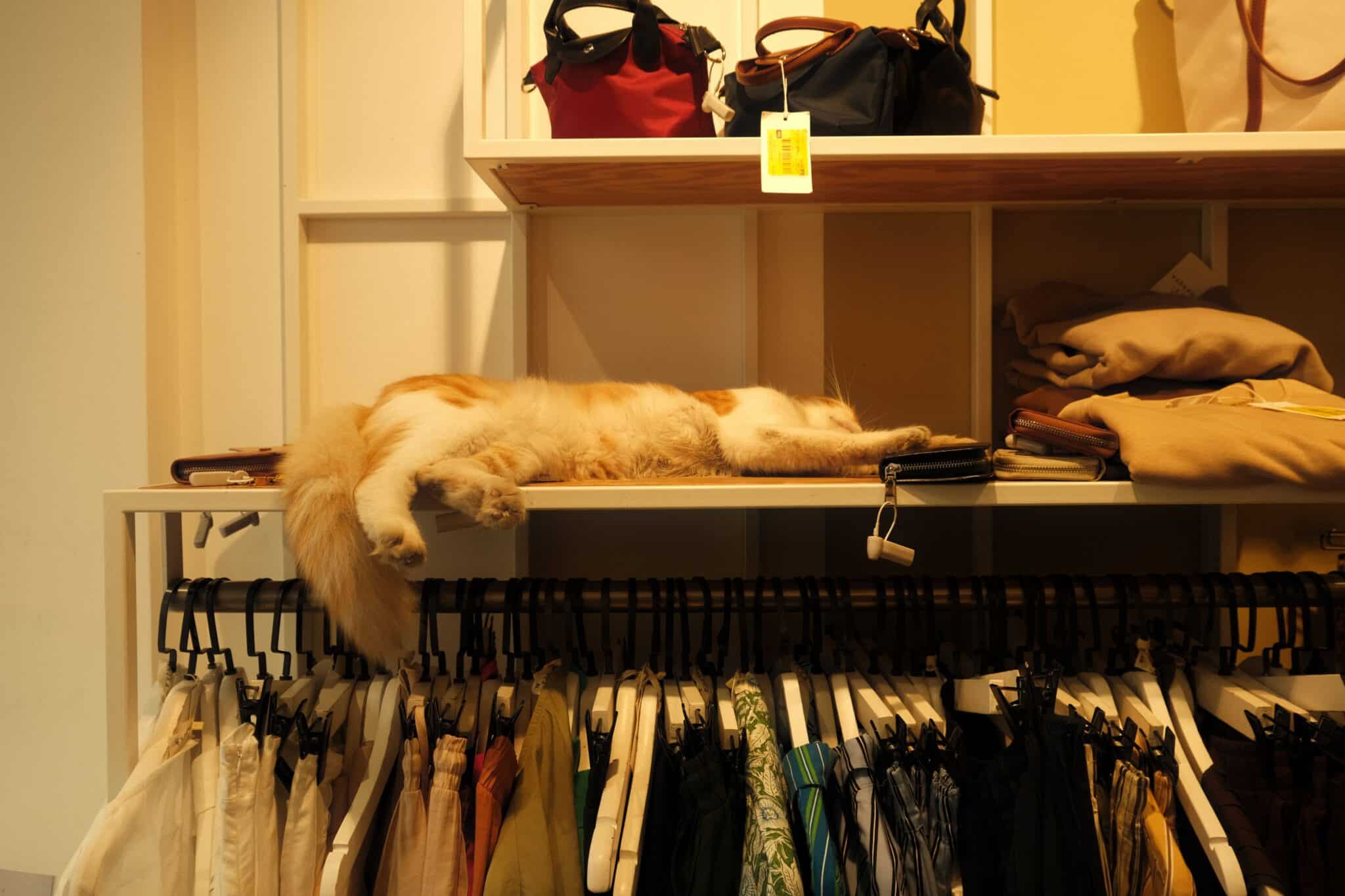
Cats spend a substantial portion of their day resting, and finding a peaceful sleeping location is important to them. A high perch can be appealing because fewer household disturbances reach it. Footsteps, moving furniture, children playing, and other pets passing through the room may make floor-level resting places less attractive. A shelf or cat tree can provide a quieter alternative where a cat can stretch out or curl into a ball. Familiar surroundings and predictable routines may help them settle more comfortably. However, not every high perch is automatically restful. A narrow shelf, a wobbly cabinet, or a location beside a noisy appliance may create more stress than comfort. The best elevated resting area is stable, spacious, and located somewhere the cat can relax undisturbed.
They Are Curious About What’s Happening Below
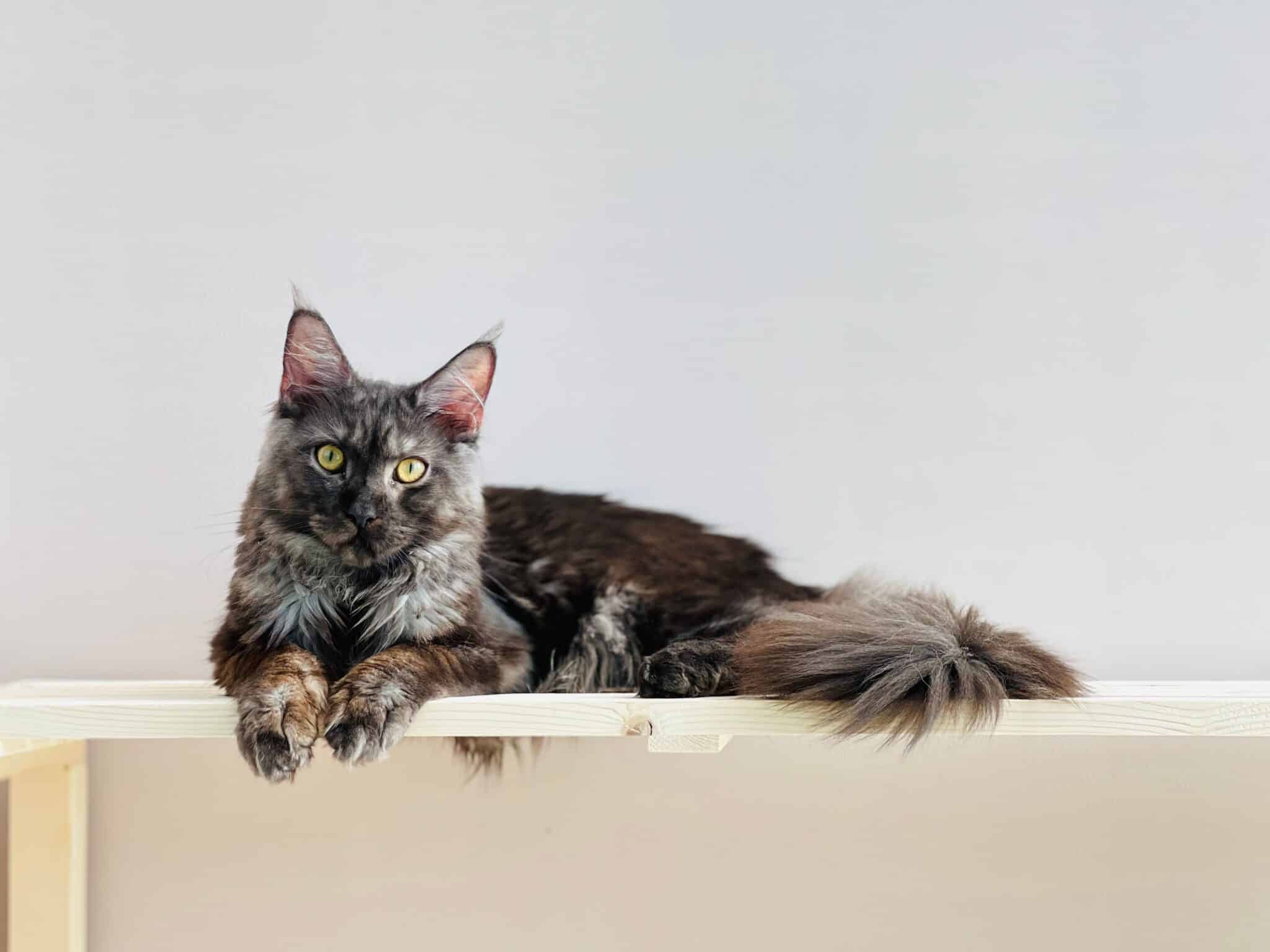
Cats are natural investigators, and an elevated position can make ordinary household activity more interesting. From above, they can observe moving objects, follow people walking between rooms, and watch other pets explore. Movement is especially compelling because cats have strong visual abilities for detecting changes in their surroundings. A toy rolling across the floor or a bird fluttering outside a window can quickly capture their attention. Some cats also enjoy studying activities they cannot easily join, such as food preparation or someone arranging shopping bags. Their elevated position provides a clear view while allowing them to remain comfortably removed from the action. Interactive toys and supervised play sessions can satisfy this curiosity without encouraging dangerous jumps from unsuitable heights.
They Prefer a Higher Spot When Feeling Uncertain
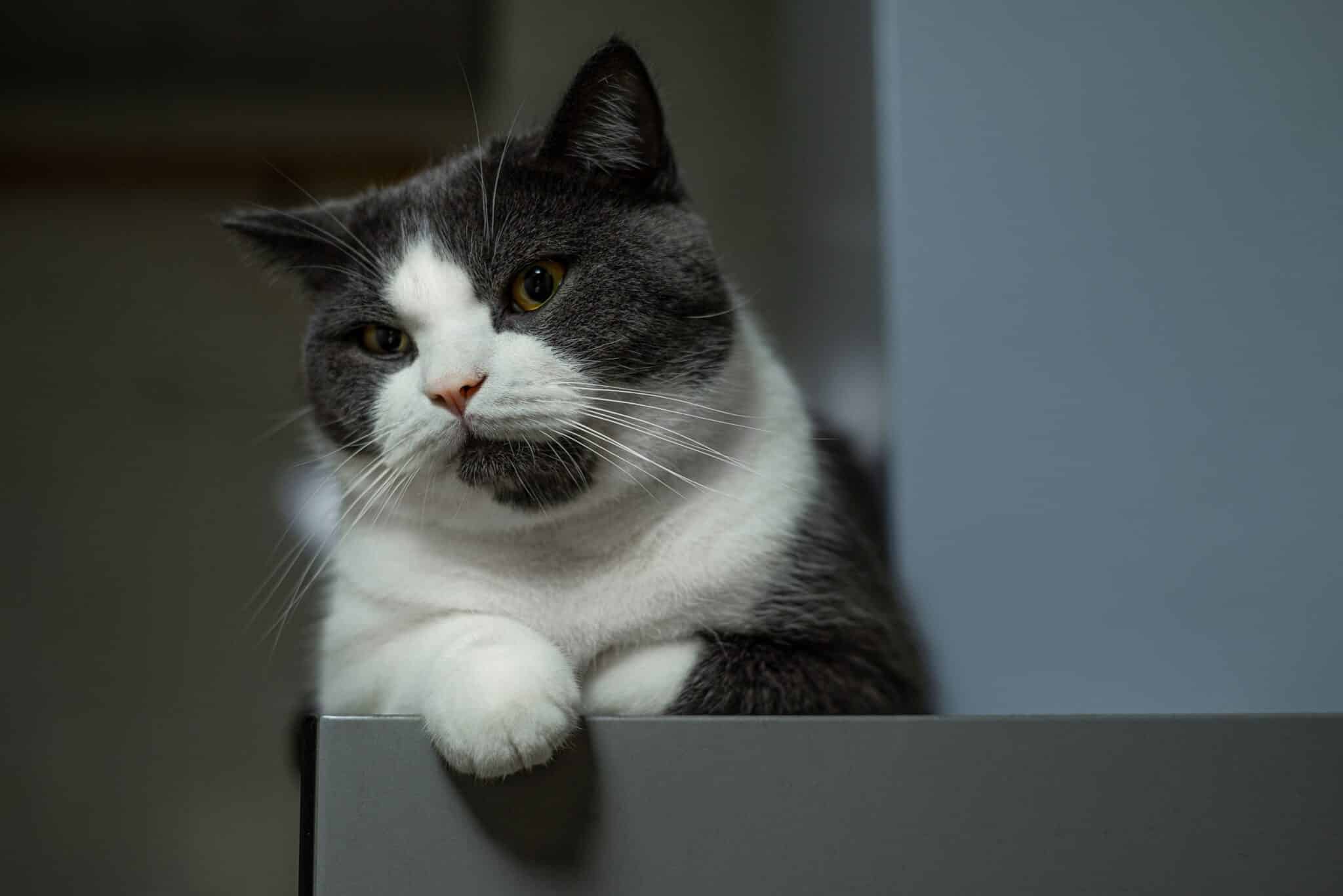
Unfamiliar people, unusual noises, changes in furniture placement, and new animals can make some cats feel less comfortable in their surroundings. When that happens, an elevated perch may provide a useful vantage point for observing without approaching the source of uncertainty. Height can give a cat more distance from unfamiliar activity while preserving a clear view of what is happening. Rather than immediately hiding under a bed, they may choose a high shelf where they can monitor the situation and decide whether to come closer. If your cat seeks high spots during unfamiliar situations, allow them to choose when to interact. Avoid pulling them down or forcing introductions. If the behavior appears suddenly alongside persistent hiding, changes in appetite, or other signs of distress, consider discussing the change with a veterinarian.
They Simply Love Their Favorite Perch
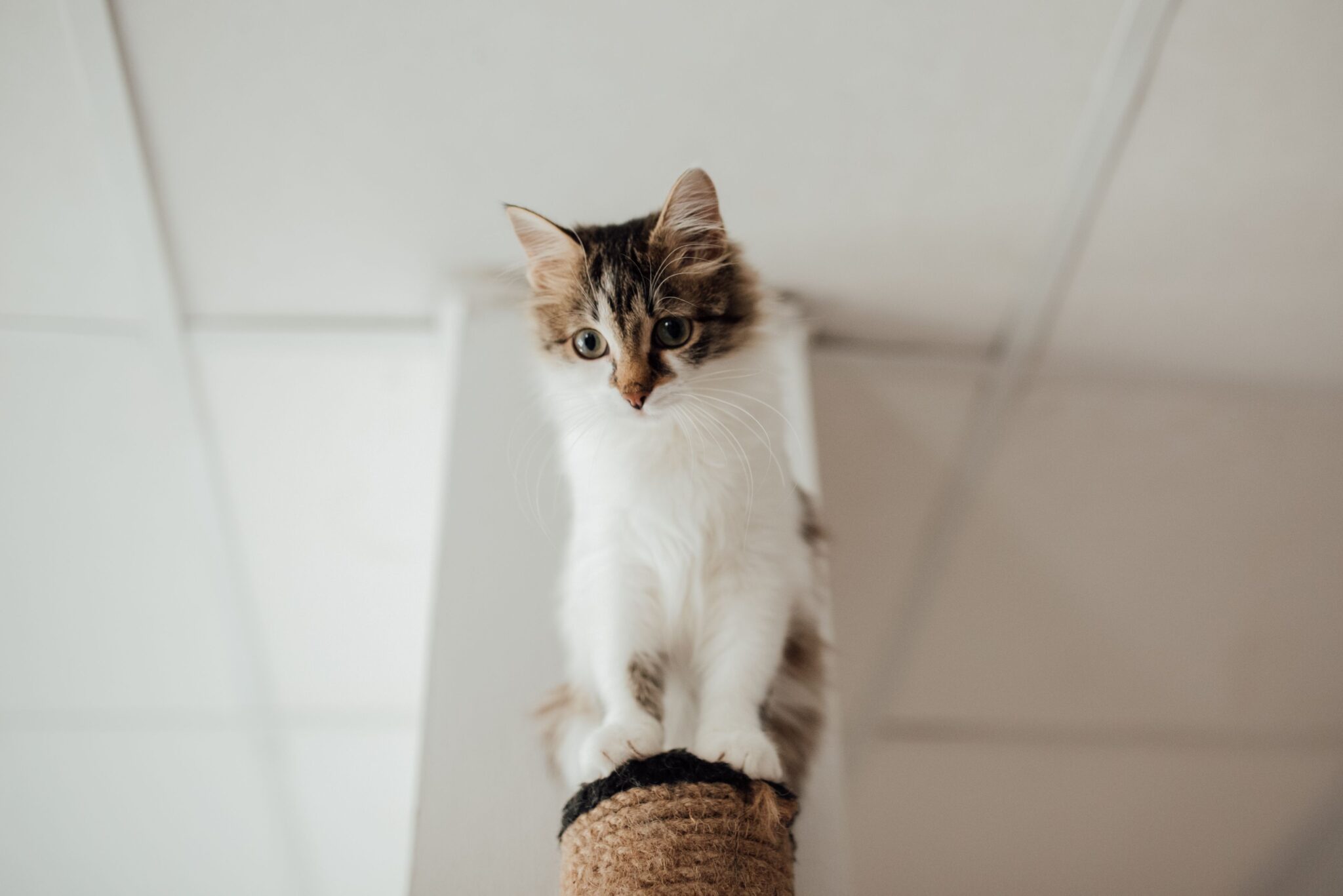
Sometimes, the explanation is refreshingly simple: the spot feels right. Cats develop individual preferences for sleeping surfaces, viewpoints, textures, and locations, and those preferences can become part of their daily routines. One cat may love a tall cat tree overlooking the garden, while another prefers the back of a sofa that happens to sit slightly above everyone else. A particularly comfortable perch can become a familiar resting place that the cat returns to after meals, play sessions, or social interactions. Habit plays a role, too. Once a location becomes associated with peaceful naps or enjoyable observations, a cat may continue choosing it even when other options are available. As long as the spot is safe and the cat seems comfortable, their preference may simply be part of what makes them an individual.
Life Is Better With A Cat’s-Eye View
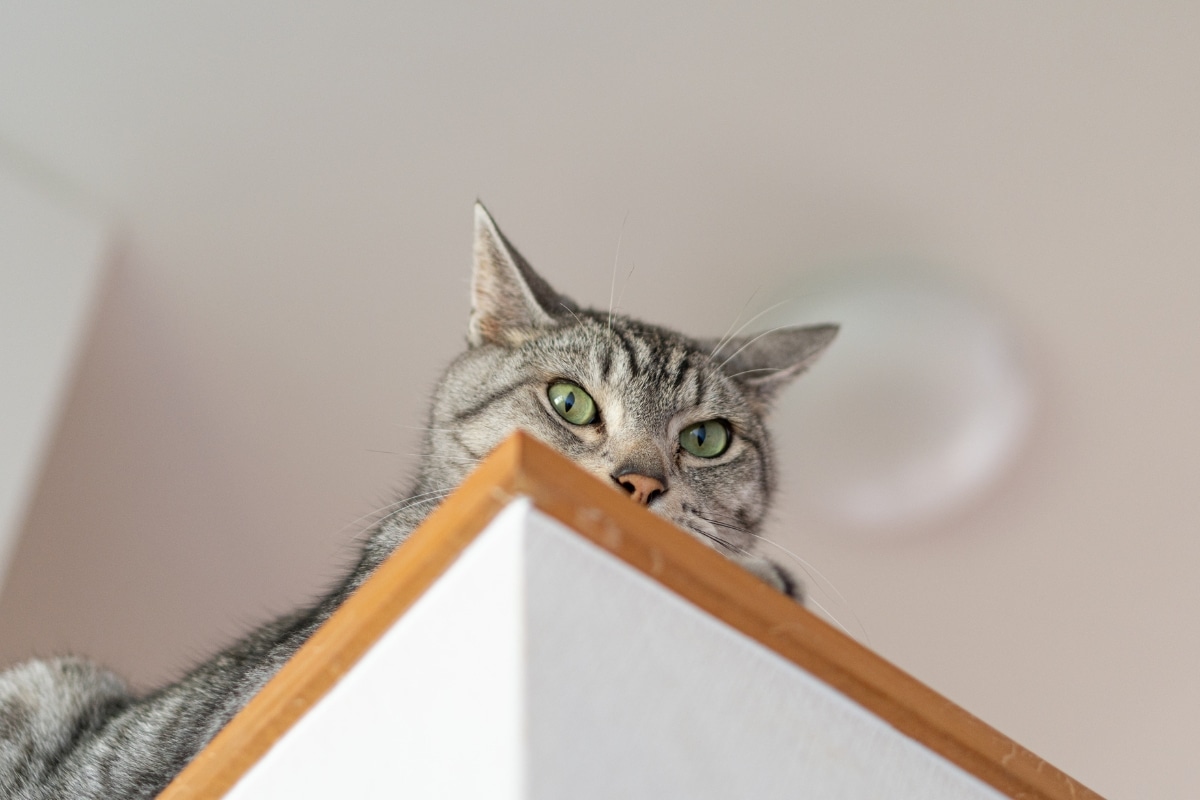
A cat perched above the household can be entertaining to watch, but this habit also reveals how cats experience their environment. Height may provide security, mental stimulation, warmth, privacy, or a convenient place to observe people and other animals. Sometimes, the explanation is simple: a cat has found a favorite spot and sees no reason to give it up. Understanding these preferences helps create a cat-friendly home. Sturdy cat trees, secure shelves, and comfortable resting platforms encourage safe climbing while helping cats feel comfortable, confident, and content.
This content was created with AI assistance and edited by the iHeartCats team.