
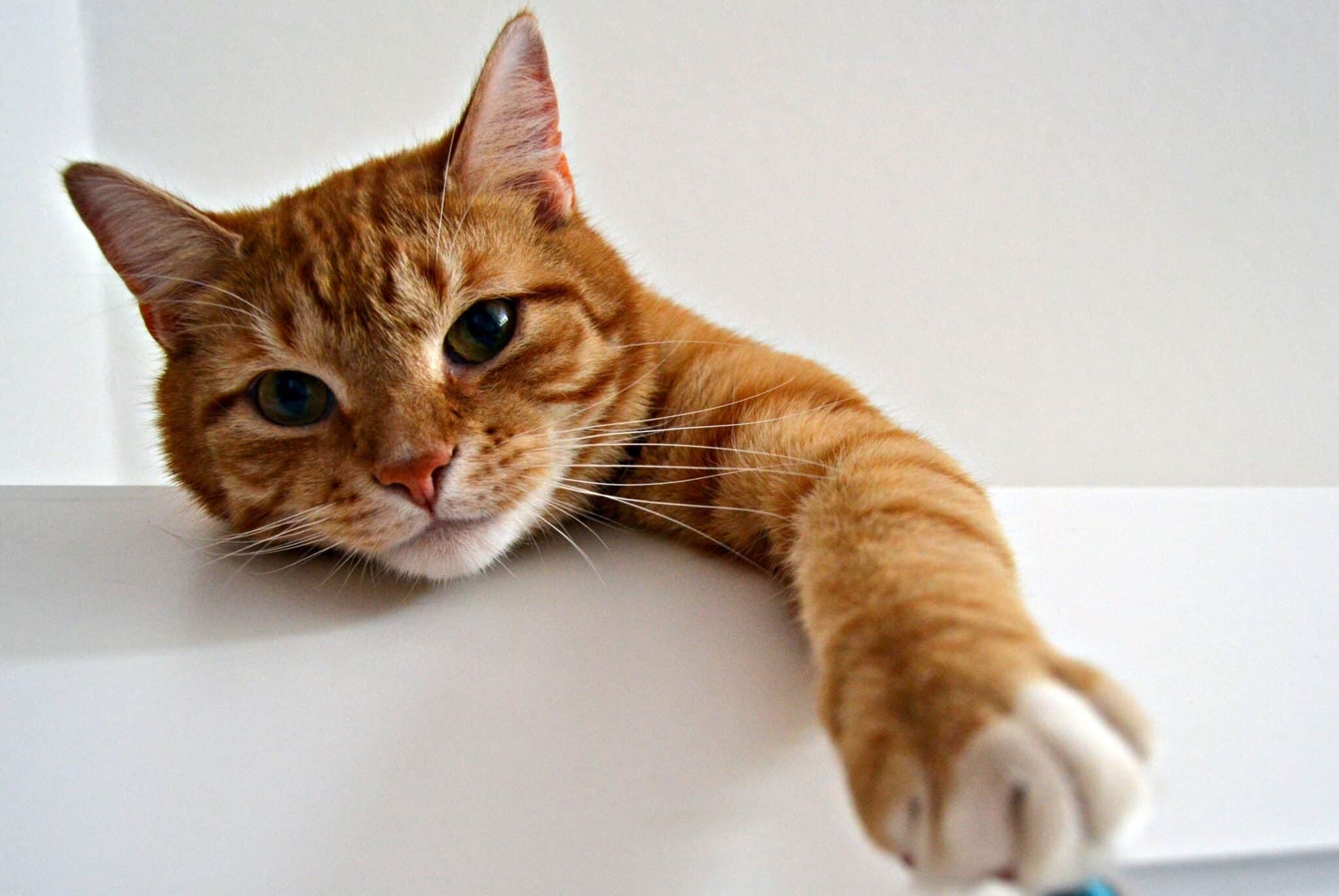
Those tiny paws deserve more attention than they usually get. From soft toe beans and delicate whiskers to impressive climbing abilities, a cat’s paws have fascinating features that help them navigate the world. They cushion quiet footsteps, provide traction during daring jumps, and even help cats communicate. Their sensitive structures also help them understand their surroundings. Beneath fluffy toes lies a sophisticated design shaped by feline evolution. Some features are easy to spot, while others reveal just how remarkable a cat’s body is.
Cat Paw Pads Help Cushion Every Step
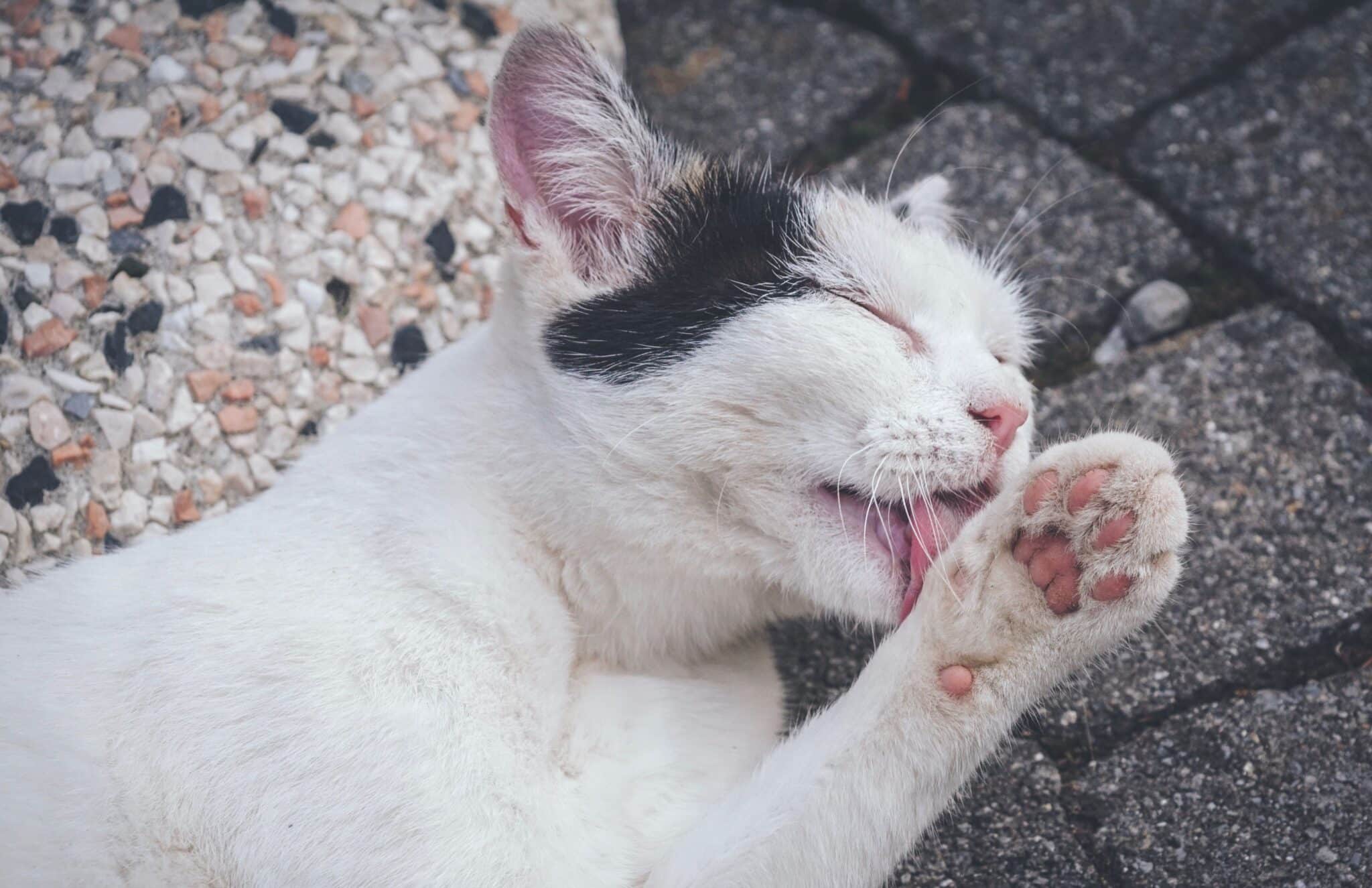
Those soft little paw pads do much more than make cats irresistibly cute. The thick, fatty tissue inside each pad helps cushion their feet when walking, jumping, and landing. This natural padding absorbs some of the impact of movement and helps protect delicate structures underneath. Paw pads also provide traction, allowing cats to maintain their footing as they navigate different surfaces. Their texture and flexibility are especially useful when climbing or making quick turns during play. The next time a cat leaps from a shelf and lands gracefully, those remarkable little cushions are helping make the movement possible.
Cats Have Sweat Glands in Their Paw Pads
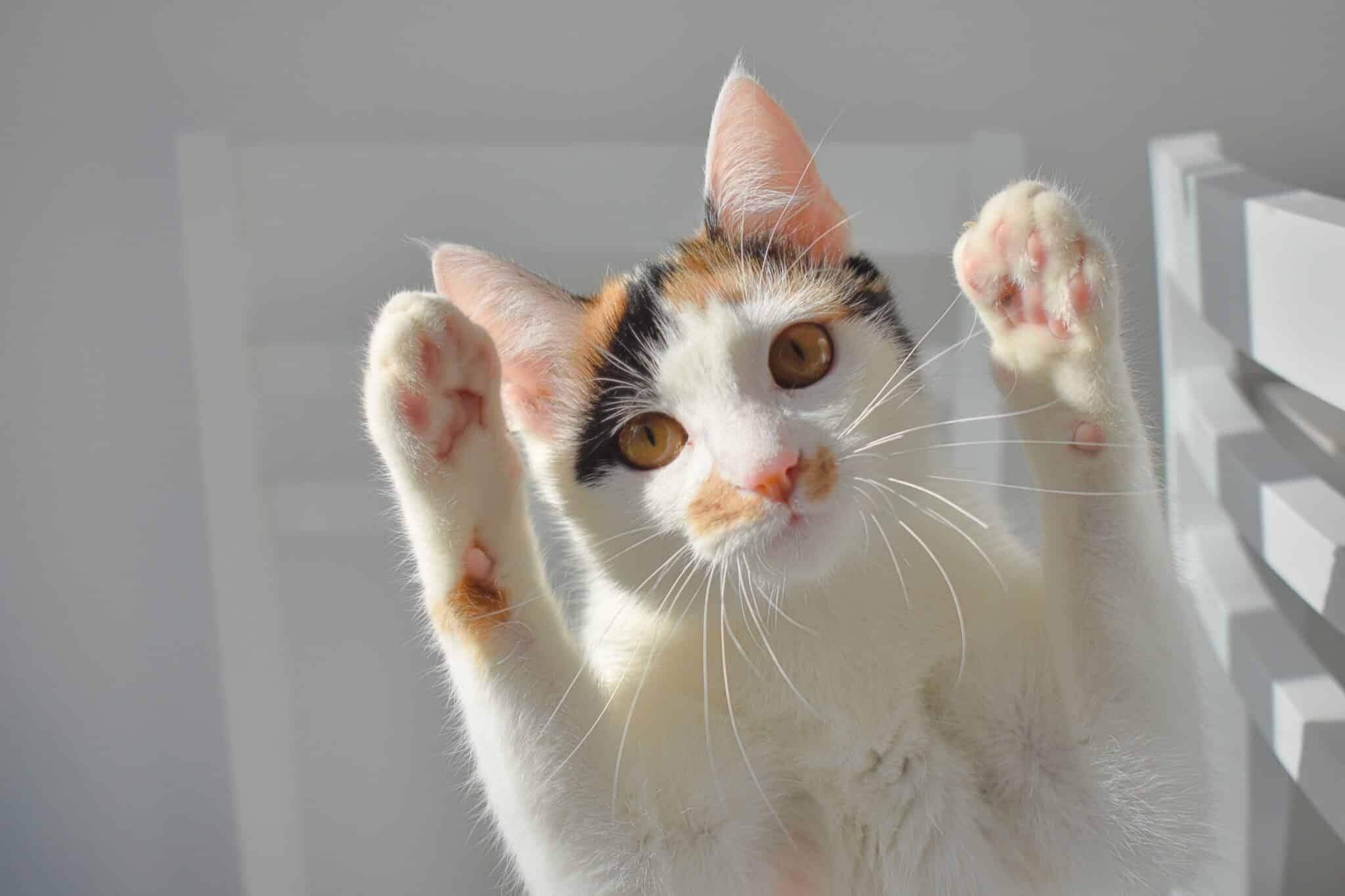
Cats have sweat glands located in their paw pads, making their feet one of the few places where they can release moisture through sweating. These glands are not their primary cooling system, since cats mainly regulate body temperature through other methods, including grooming and seeking cooler surroundings. Paw sweating can become more noticeable when a cat feels stressed, excited, or overheated. You might even notice tiny damp footprints on a smooth surface after a nervous visit to the veterinarian. Although this feature may seem surprising, it is a normal part of feline physiology and another interesting detail hidden beneath those adorable toes.
Their Front and Back Paws Have Different Numbers of Toes
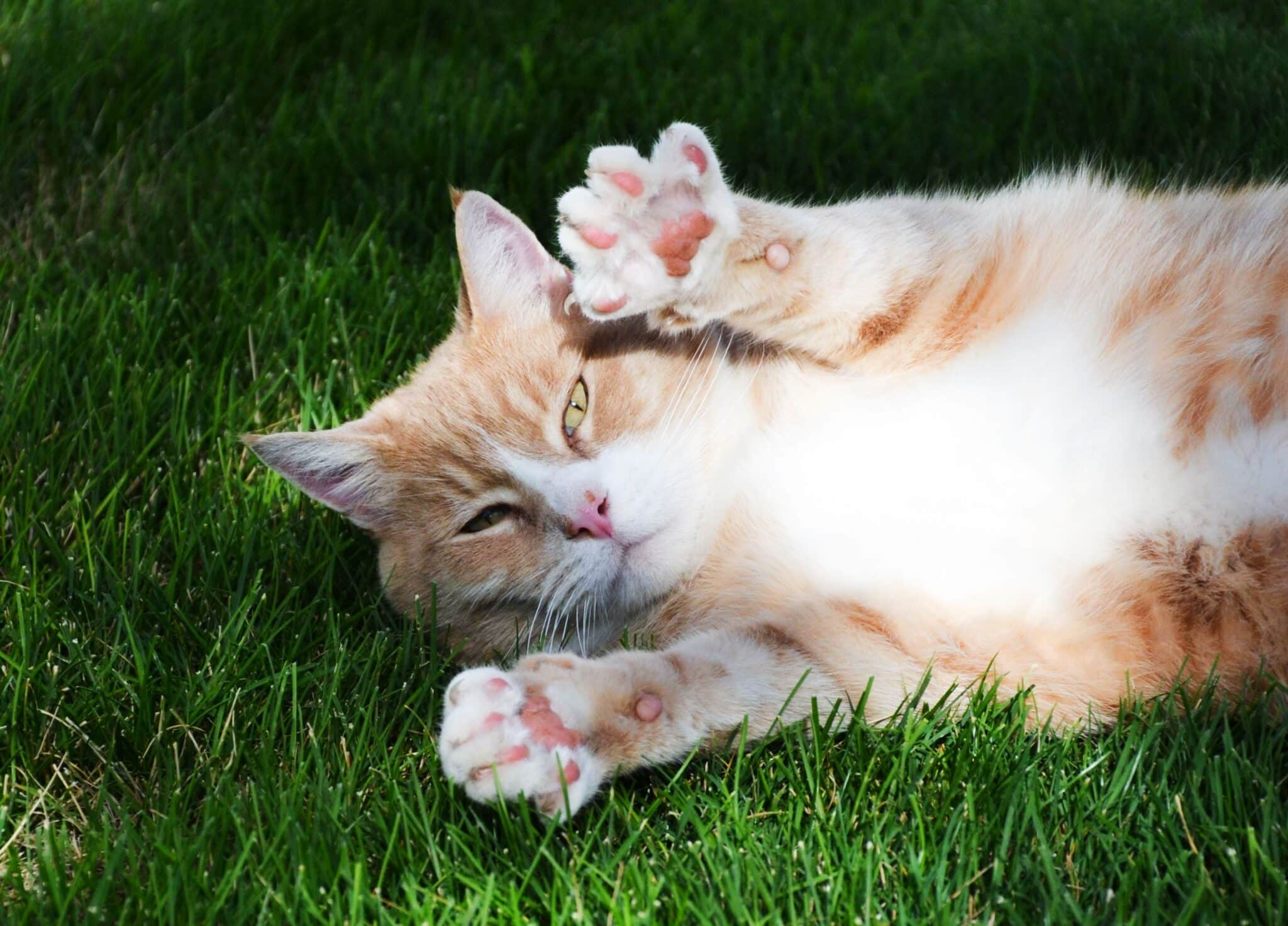
A typical cat has 18 toes, with five on each front paw and four on each back paw. The extra toe on each front foot is called a dewclaw, which sits higher than the other toes and does not normally touch the ground while walking. These toes serve useful purposes during climbing, gripping, and handling objects. The dewclaw can help a cat hold onto toys or stabilize something between its paws. Some cats have additional toes because of a naturally occurring genetic variation called polydactyly. This means an especially adorable set of oversized paws may sometimes come with a few extra toes.
Toe Beans Help Cats Grip Different Surfaces
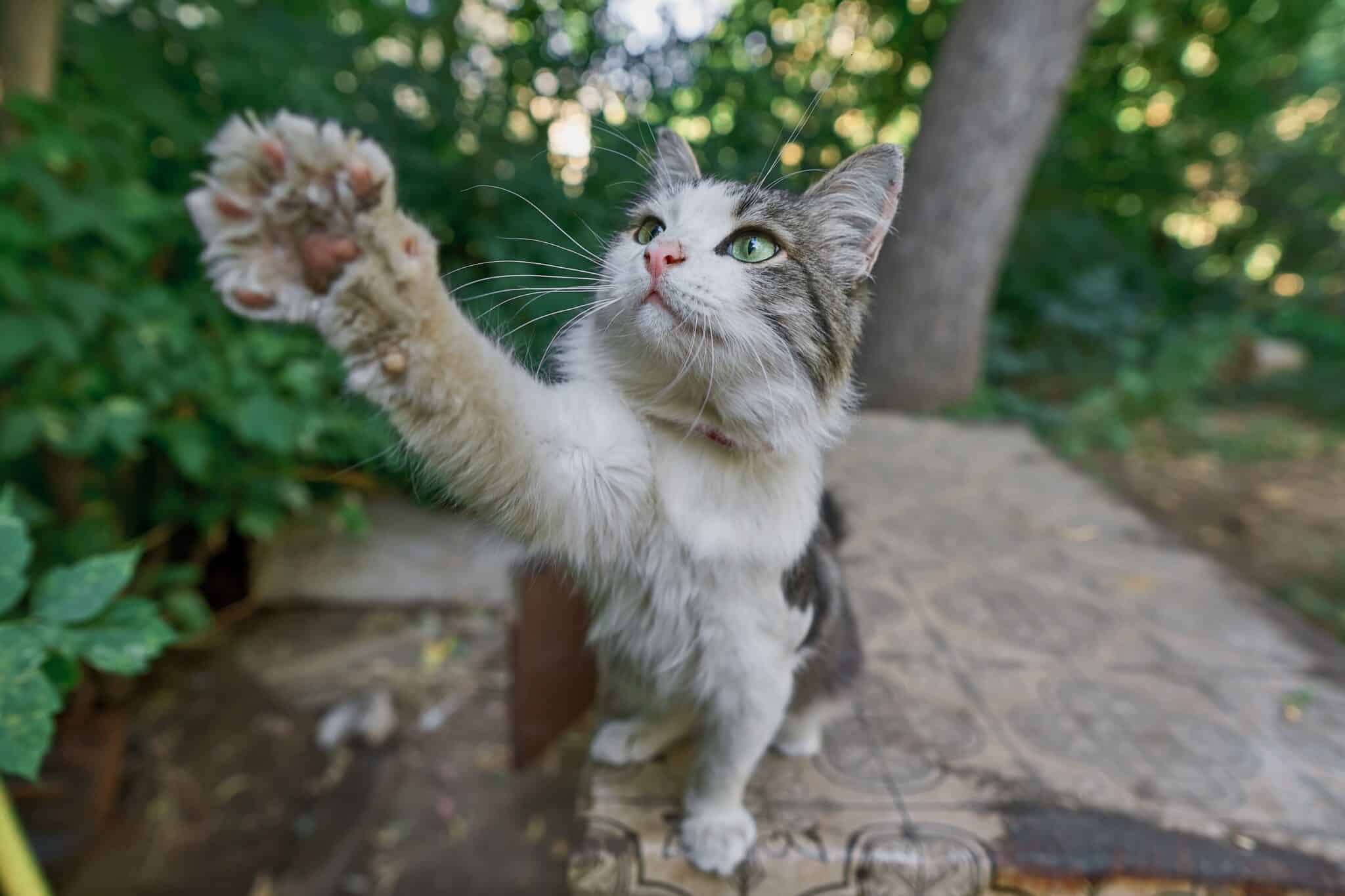
Those colorful little pads on the underside of a cat’s toes are affectionately called toe beans, and they have practical purposes beyond looking adorable. Their slightly textured surfaces help provide traction when cats walk, climb, or make sudden movements. The pads also help cats maintain contact with objects when gripping toys or navigating uneven surfaces. A cat’s toe beans can be pink, black, brown, gray, or a combination of colors, depending largely on pigmentation. Some cats even have different shades on the same paw. Their appearance makes every set of paws unique, giving cat lovers another tiny detail to admire.
Cats Walk on Their Toes
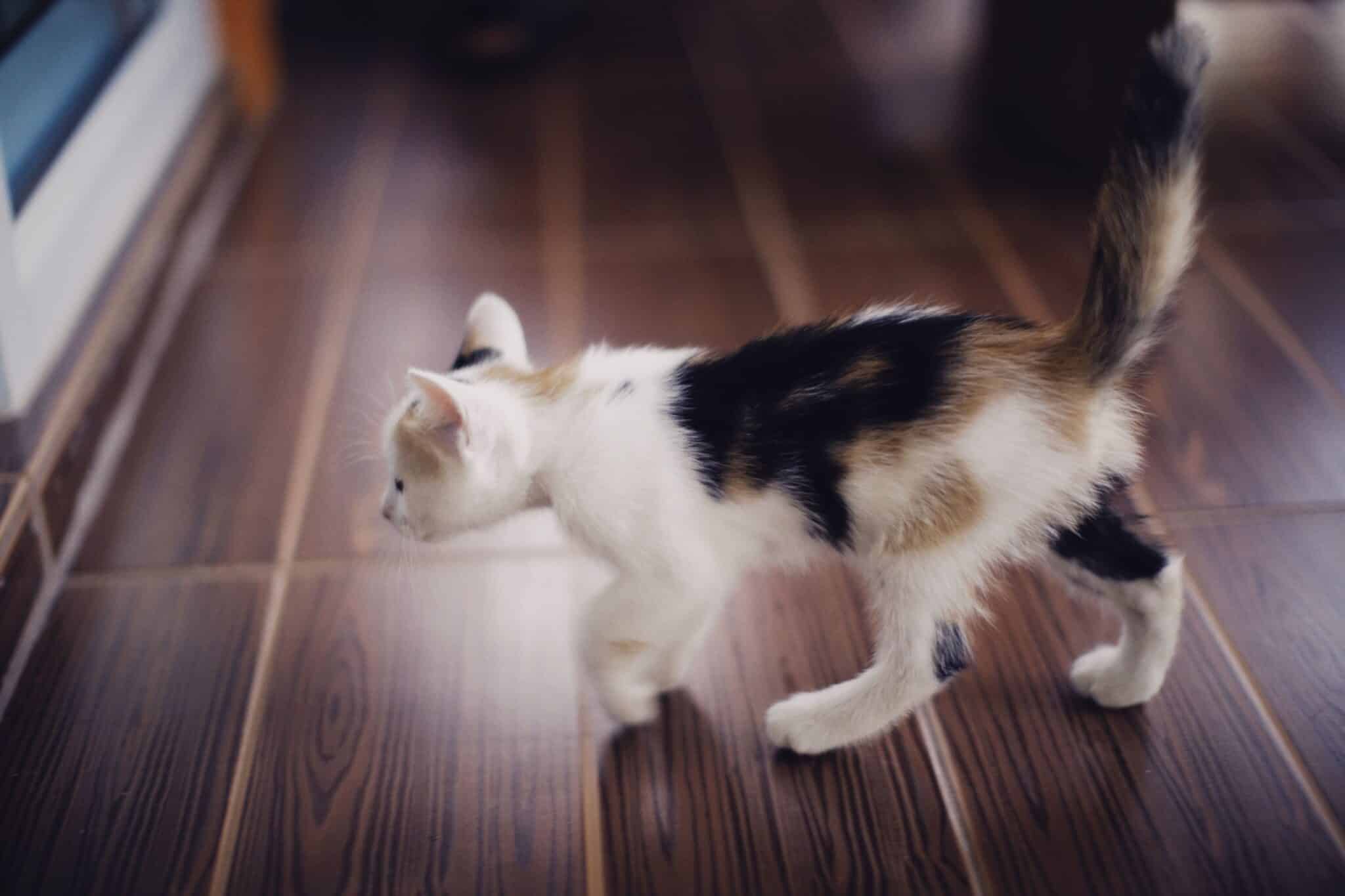
Unlike humans, who place their heels on the ground when walking, cats are digitigrade animals. This means they walk on their toes rather than placing their entire feet flat against the surface. Their heel bones remain elevated, giving their legs a distinctive shape and contributing to their graceful movement. Walking this way helps cats move efficiently while maintaining the flexibility needed for jumping, running, and climbing. It also contributes to their ability to approach objects quietly when investigating their surroundings. The next time a cat silently appears beside someone, those specialized little feet deserve some of the credit.
Their Paws Are Surprisingly Sensitive
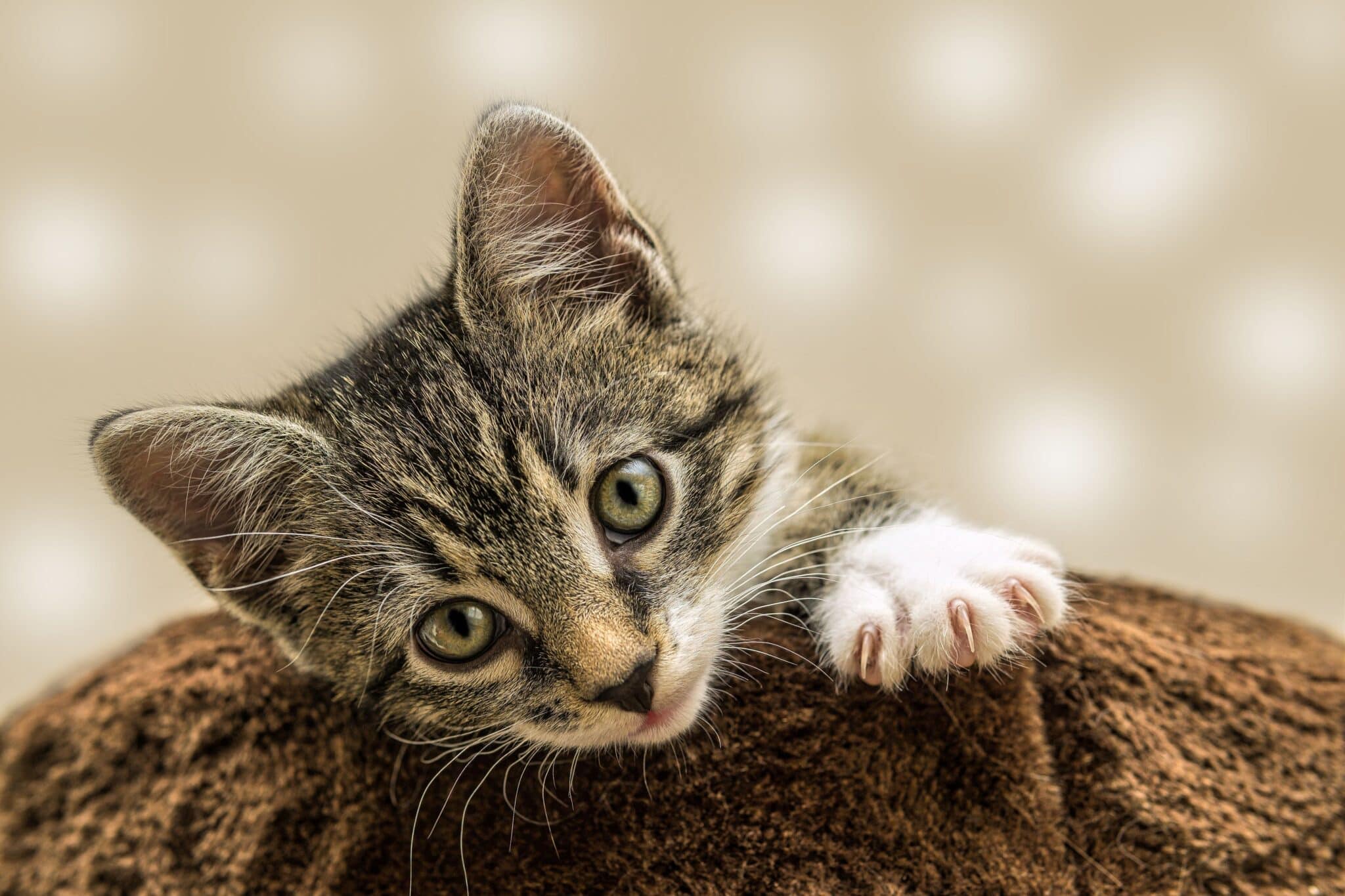
A cat’s paws contain numerous nerve receptors that help them detect pressure, texture, vibration, and changes in their surroundings. This sensitivity allows them to gather information when walking across unfamiliar surfaces or investigating interesting objects. It also explains why some cats dislike having their feet handled, even when they enjoy other forms of affection. A sudden touch to the paw can feel especially noticeable because of the many sensory structures packed into this small area. Respecting a cat’s handling preferences is important during grooming and nail trimming. Those delicate paws are not just tools for movement but also valuable sensory instruments.
Cats Use Their Paws to Explore Objects
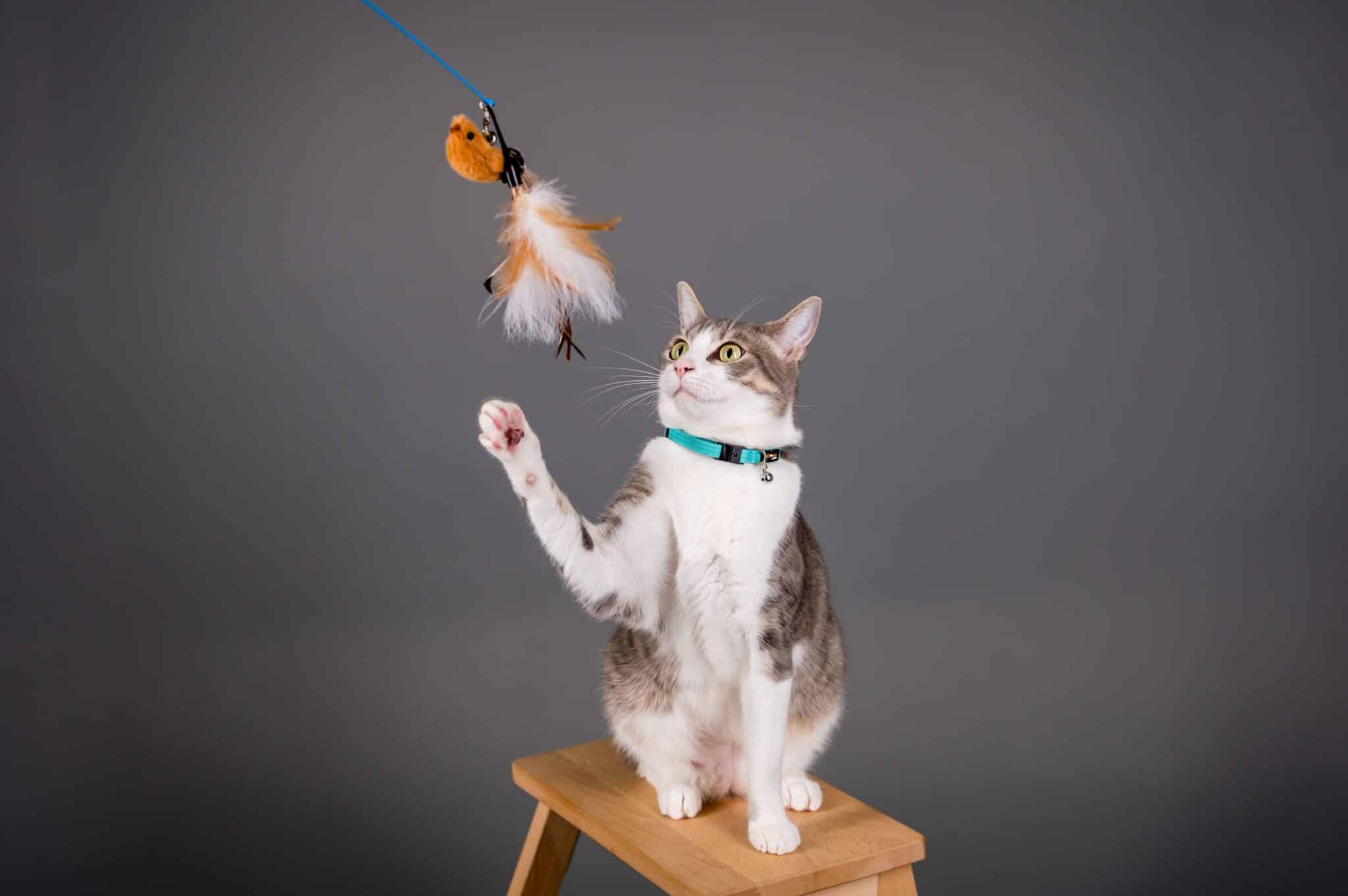
A curious cat rarely investigates everything with its nose alone. Reaching out to tap, touch, or gently push an unfamiliar object allows them to gather information before deciding what to do next. Their sensitive paw pads help detect textures and movement, while their claws can provide additional grip when necessary. This explains why a cat might repeatedly poke a toy, tap a dripping faucet, or push a small object off a table. These actions can involve curiosity, play, and natural hunting instincts. Their paws are useful investigative tools, helping them interact with the environment one little tap at a time.
Cats Have Scent Glands in Their Paws
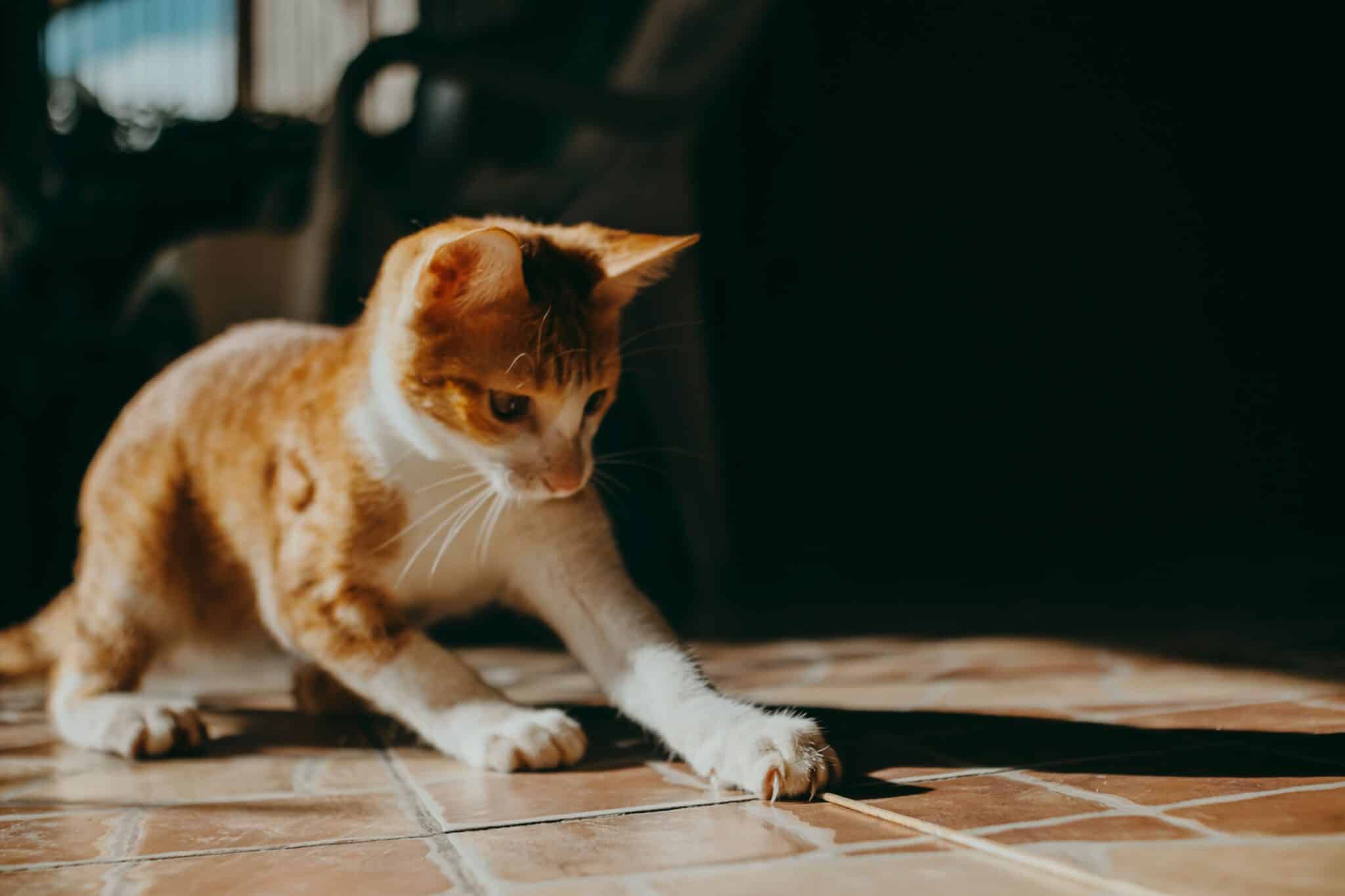
A cat’s paws help spread familiar scents around its environment. Scent glands are located between the toes, allowing cats to leave chemical messages when scratching or interacting with different surfaces. These scent markings contribute to how cats establish familiarity with their surroundings. Scratching a favorite post, for example, does more than help maintain their claws. It also deposits scent and leaves visible marks that communicate information to other cats. This behavior is one reason scratching is such an important part of feline life. Providing suitable scratching surfaces allows cats to express natural instincts while protecting household furniture.
Their Claws Extend and Retract
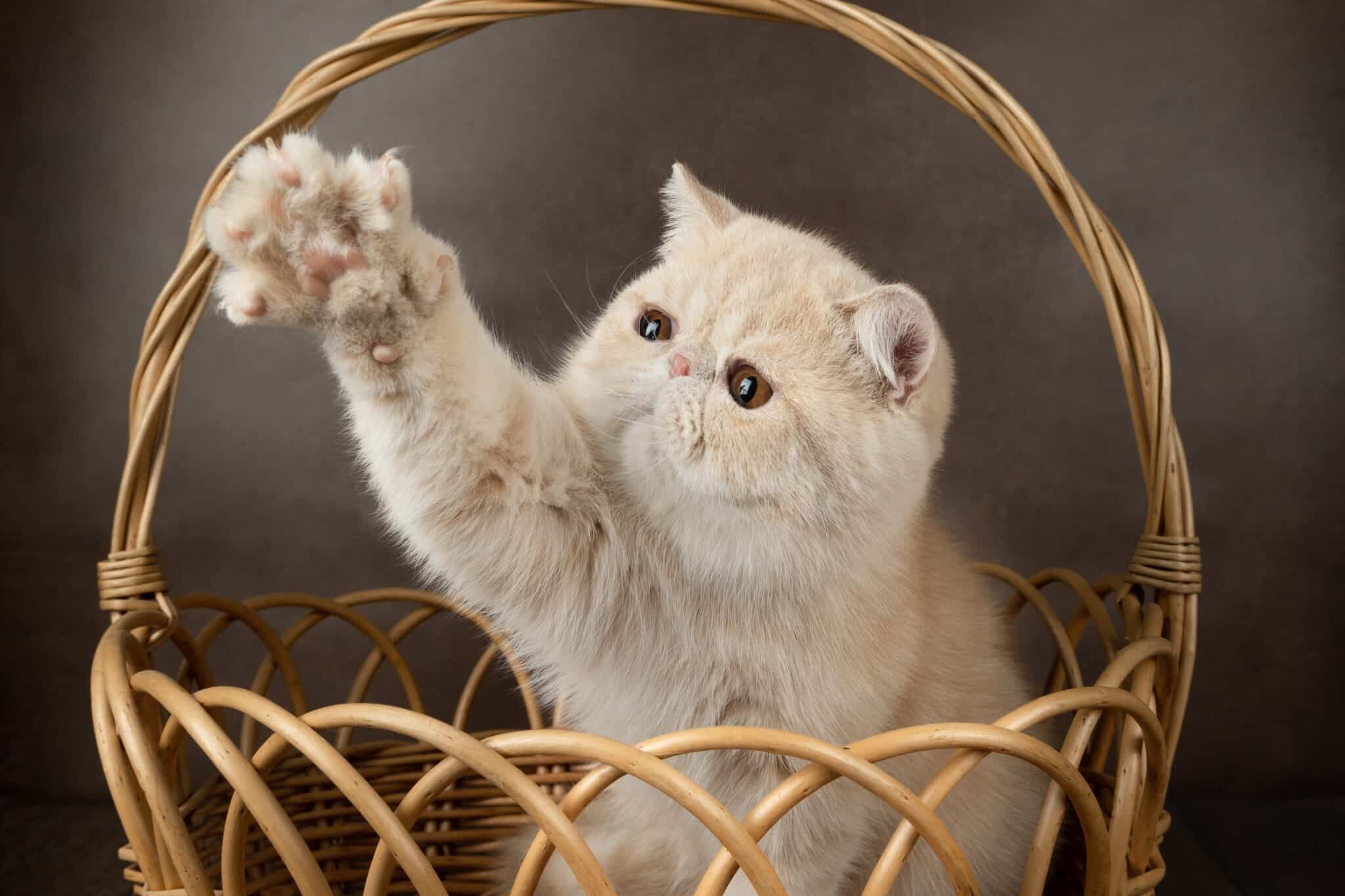
Cats have retractable claws that can extend when needed and remain protected when relaxed. This arrangement helps keep the claws relatively sharp by reducing unnecessary contact with the ground during ordinary walking. Tendons and specialized structures control the movement, allowing cats to extend their claws for climbing, hunting, gripping, and defense. You might notice a cat’s claws appearing when they stretch, knead a blanket, or reach for a favorite toy. Although their claws are usually hidden while walking, they remain essential tools for everyday activities. Regular scratching also helps remove the worn outer layers of the claws.
Cats Can Be Left-Pawed or Right-Pawed
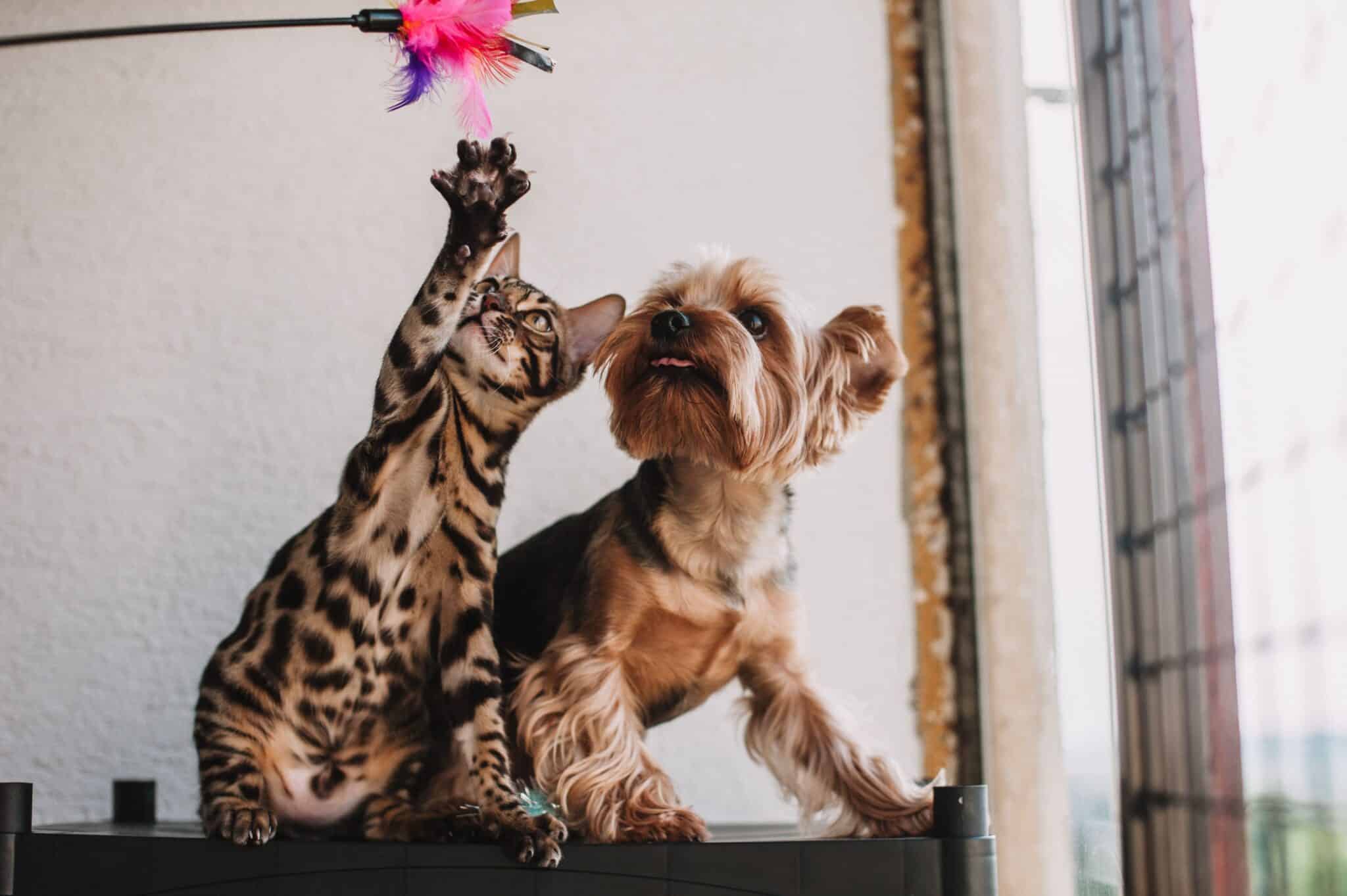
Just like humans can favor one hand, cats may show preferences for using one paw over the other. Researchers have observed that some cats consistently favor a particular front paw when reaching for objects, stepping down, or retrieving food. Paw preference can vary between individuals, and some cats show little difference between their left and right sides. Interestingly, studies have suggested that paw preferences may also differ between male and female cats, although individual variation remains important. Watching which paw a cat uses first during everyday activities can reveal an interesting detail about its movement patterns and coordination.
Cats Knead With Their Paws for Several Reasons
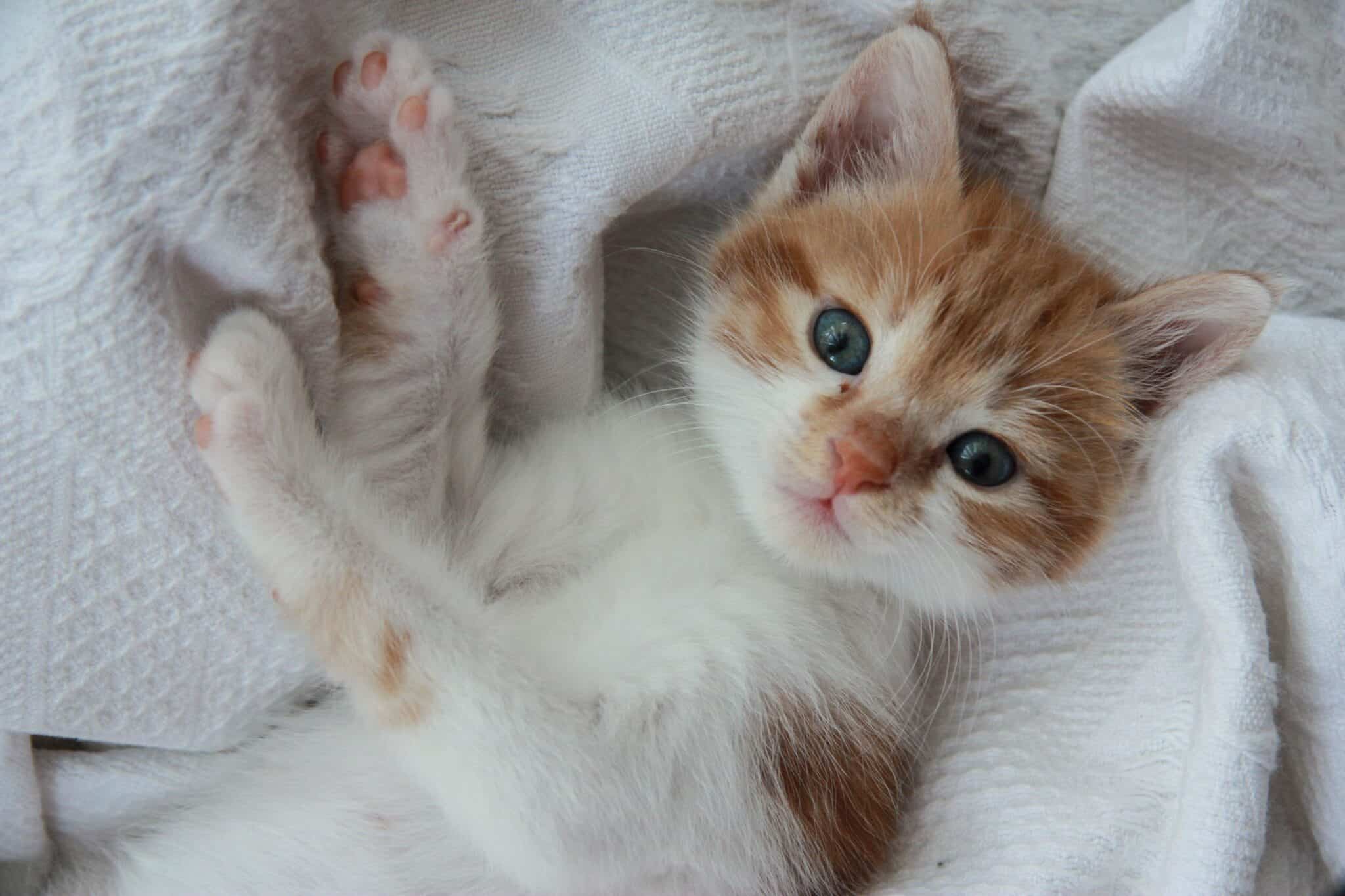
Kneading is the familiar behavior where a cat alternates its front paws against a soft surface, often while purring or looking especially relaxed. The movement begins during kittenhood, when kittens knead their mother’s belly while nursing. Many cats continue the behavior into adulthood, sometimes pressing blankets, pillows, or their favorite person’s lap. Kneading may be associated with comfort, relaxation, and familiar feelings from early life. It can also involve scent marking because cats have scent glands in their paws. Although some cats extend their claws during the process, providing a thick blanket can make these affectionate little routines more comfortable.
Some Cats Have Extra Toes
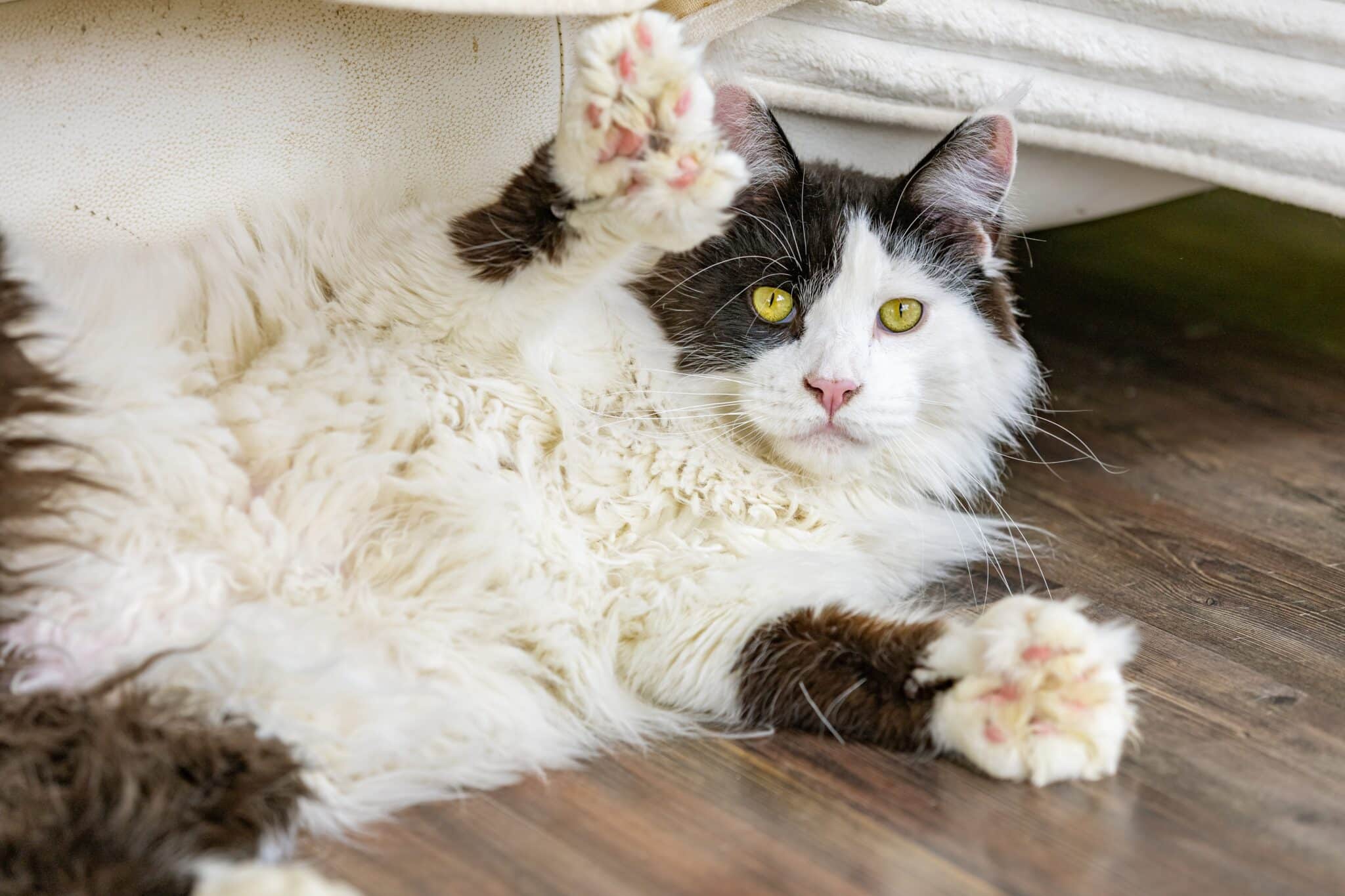
Some cats are born with more than the usual number of toes because of a genetic condition called polydactyly. These cats are often described as having mitten paws because their extra digits can make their feet look wider or unusually shaped. The additional toes most commonly appear on the front paws, although all four feet can be affected. Polydactyly is generally harmless, but extra claws may require additional attention during routine nail care. Some polydactyl cats even develop particularly impressive-looking paws that make them stand out. Their unusual feet are a natural genetic variation, adding another fascinating twist to feline anatomy.
Cats Use Their Paws to Communicate
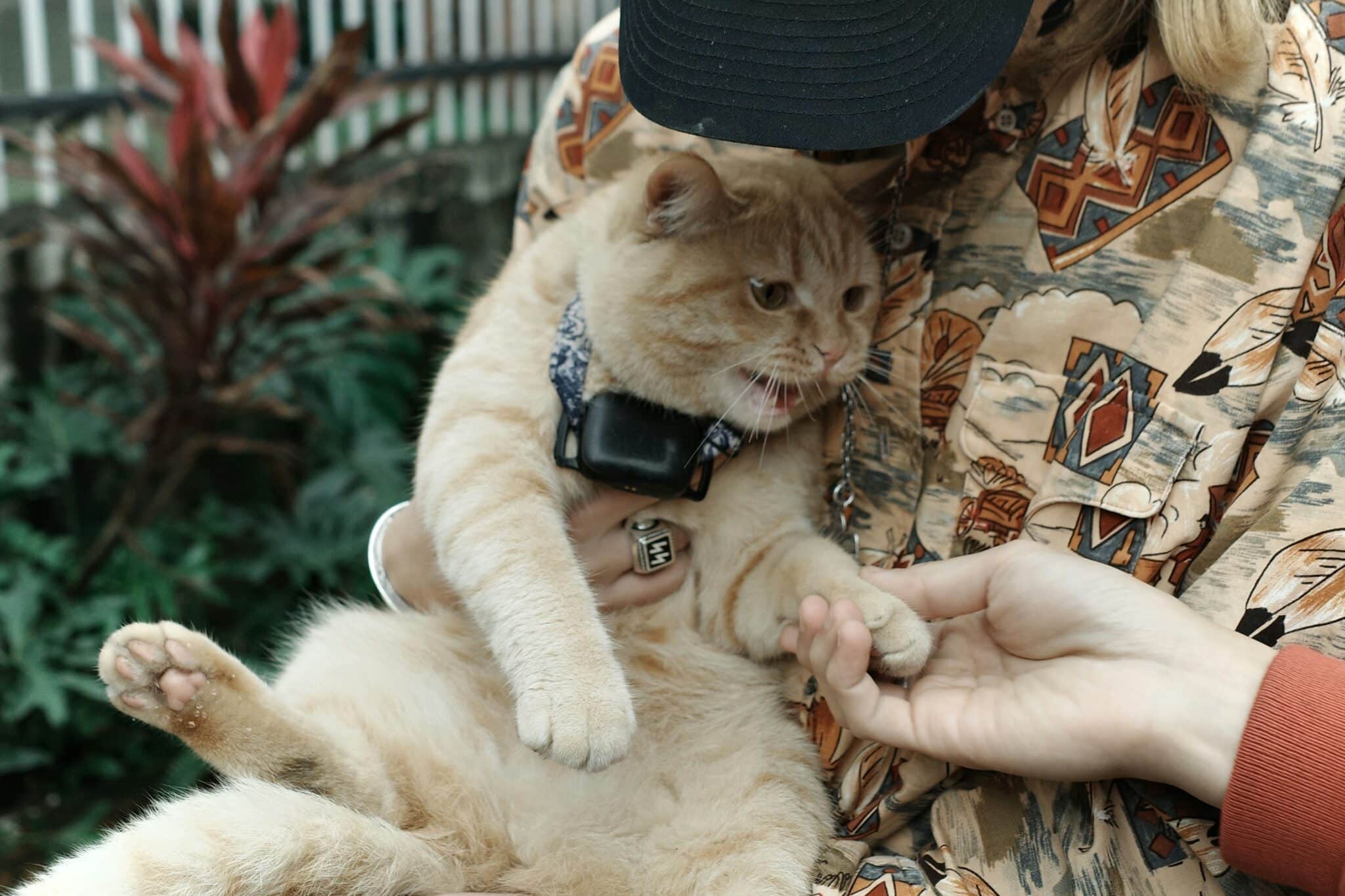
A gentle paw touch can communicate curiosity, a request for attention, or an invitation to interact. Some cats reach toward their favorite people when they want to play, while others place a paw on a nearby object to investigate it. Pawing can also happen during social interactions with other cats, particularly when initiating play. However, the meaning depends on the surrounding body language and situation. A relaxed cat reaching out gently communicates something different from one swatting with flattened ears and a tense posture. Paying attention to these small movements helps people understand their cats’ individual communication styles.
Those Tiny Paws Deserve Plenty Of Appreciation
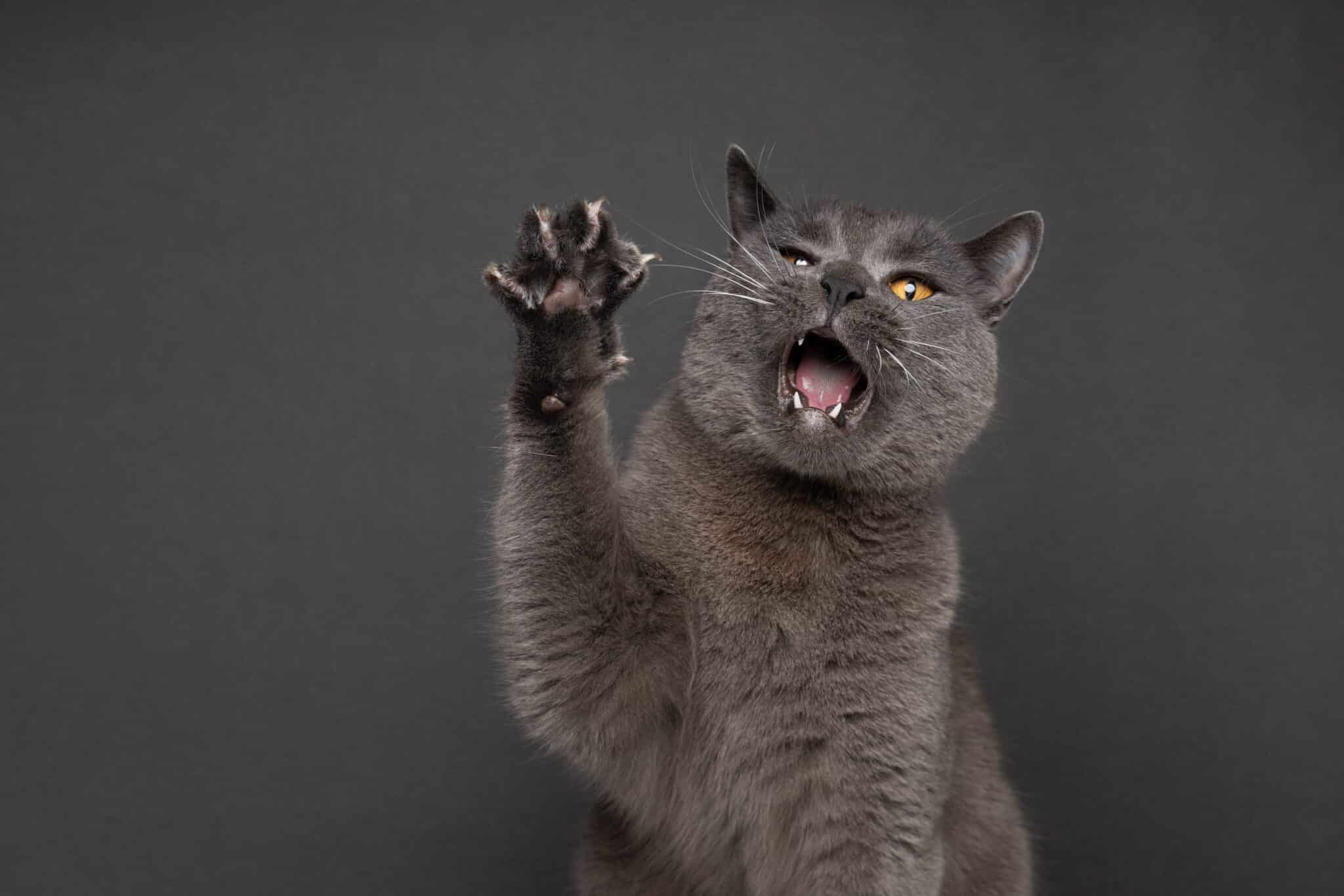
A cat’s paws are remarkable structures that combine sensory abilities, movement, communication, and protection. Their soft pads cushion landings, while sensitive toes help investigate unfamiliar surfaces. Claws support activities ranging from climbing to scratching, and familiar behaviors like kneading and gentle paw touches have explanations rooted in feline instincts. Taking a closer look at these adorable feet reveals how much cats rely on them every day. Keeping paws clean, checking claws regularly, and respecting their sensitivity are simple ways to support feline comfort and well-being throughout their lives.
This content was created with AI assistance and edited by the iHeartCats team.