
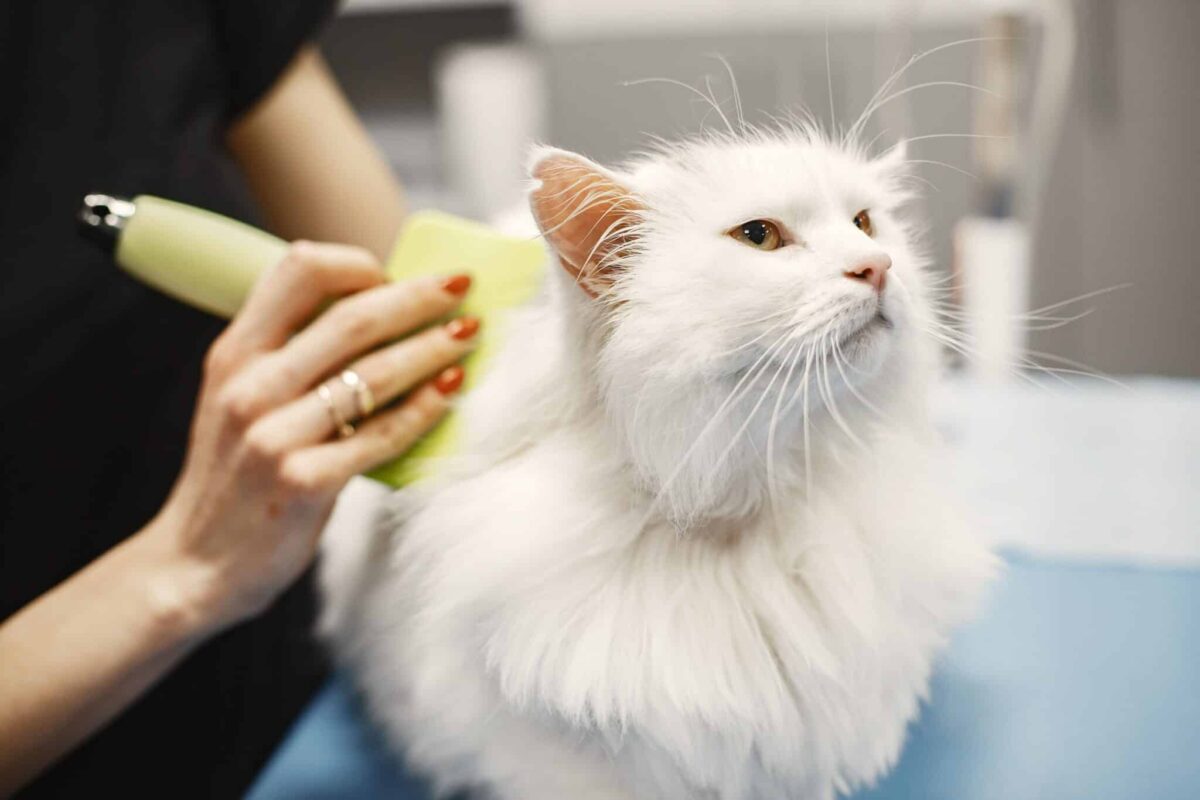
Some cats seem to have a sixth sense for finding their favorite human. They wait outside the bathroom, curl up beside the same person every night, follow a family member from room to room, or appear whenever that person sits down. While no breed guarantees a lifelong one-person bond, certain cats are known for forming close, people-centered relationships. Some show attachment through constant companionship, while others prefer quieter connections built around routine, play, conversation, or simply staying nearby. Genetics, early socialization, household dynamics, and personality all shape these relationships.
Ragdoll
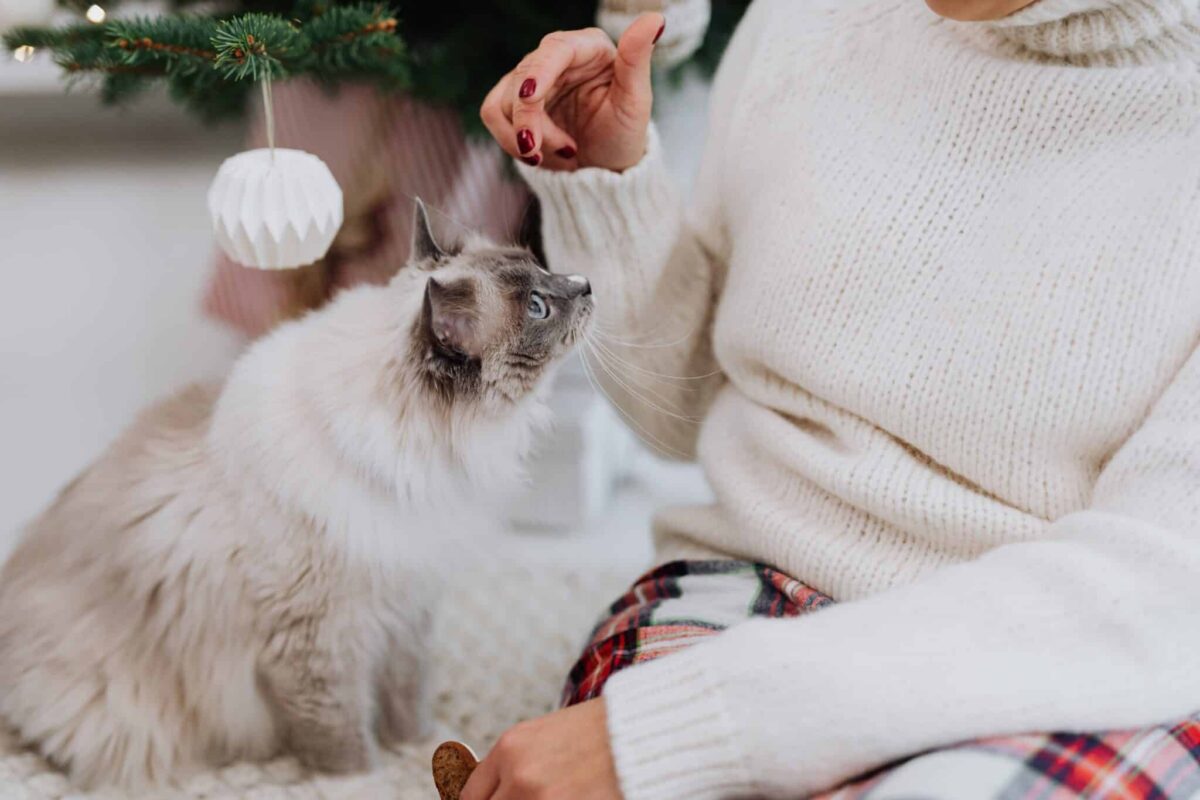
Ragdolls are famous for their relaxed, affectionate personalities, but their loyalty is often expressed through companionship rather than constant demands for attention. Many enjoy following their people from room to room, settling nearby while household activities unfold, and joining in interactive play. Their easygoing nature can make a Ragdoll seem almost like a shadow without the intensity of some more vocal breeds. They may not insist on being held every minute, but they often want to know where their favorite people are. Their willingness to play fetch or participate in interactive games can also create repeated positive experiences with one particular person, strengthening an already close relationship.
Birman

The Birman has a particularly strong reputation for loyalty and human companionship. These gentle, affectionate, people-oriented cats may follow their caregivers throughout the day and often enjoy being held or relaxing in their caregiver’s arms. That combination makes the Birman a natural candidate for the cat who seems to appoint a favorite person. Their attachment does not necessarily mean they dislike everyone else, since Birmans can be sociable and adaptable. Still, one caregiver can become especially important when that person consistently provides meals, play, grooming, quiet companionship, and predictable interaction. Their soft voice can add another layer to the relationship, particularly when a Birman learns that their favorite human responds to their gentle attempts at conversation.
Burmese
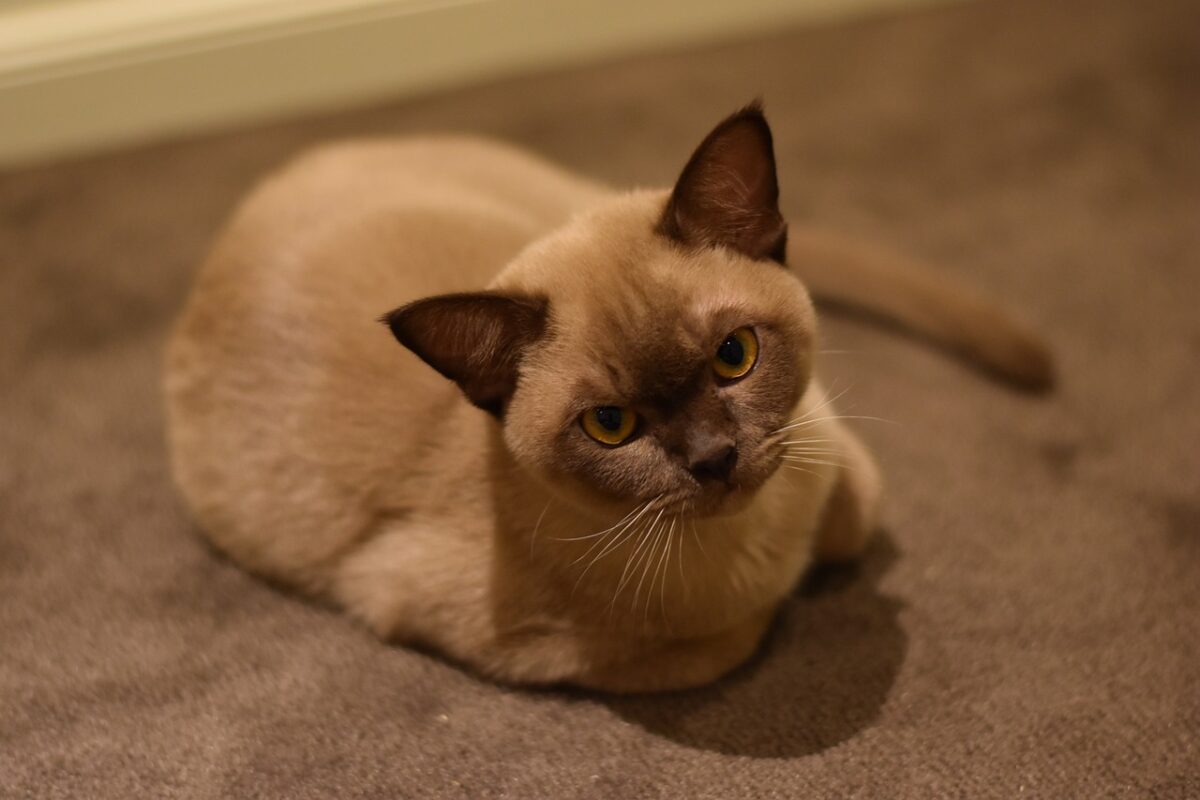
A Burmese can turn companionship into a full-time occupation. These highly people-oriented cats are known for seeking laps, joining family activities, and enjoying plenty of interaction. Their attachment can become especially obvious in homes where one person provides the most consistent attention. A Burmese may greet that person, settle beside them while they work, or turn ordinary playtime into a daily ritual. Their intelligence also gives the relationship plenty of room to grow because they tend to enjoy games, tricks, puzzle toys, and interactive activities. That does not mean every Burmese will choose one human exclusively. They can be loving toward an entire household, but their intensely social nature can make a particularly close bond with a favorite caregiver unmistakable.
Siamese
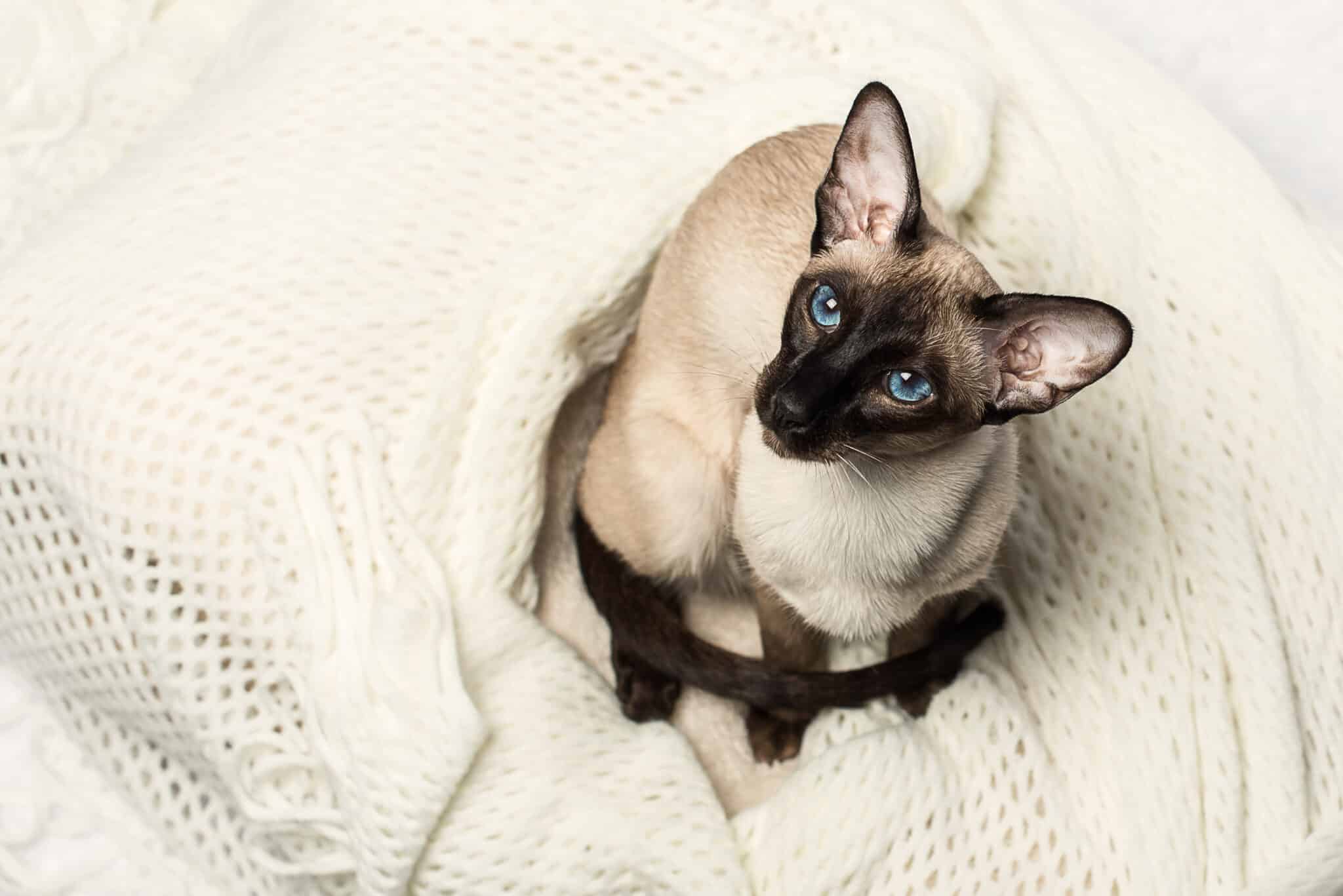
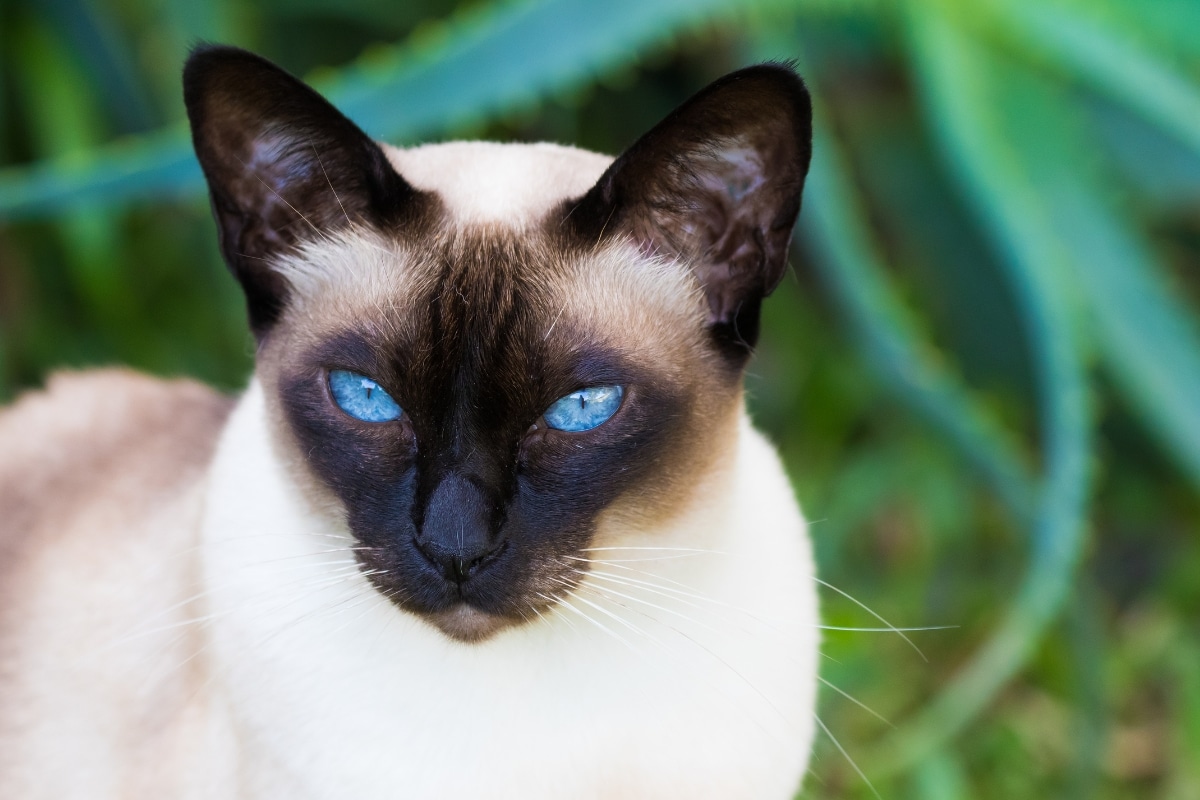
Few breeds make their social preferences quite as obvious as the Siamese. These intelligent, active cats are famously vocal and enjoy interacting with their people throughout the day. A Siamese can form a powerful bond with the person who talks to them, plays with them, and responds consistently to their many vocalizations. The relationship may look less like quiet devotion and more like an ongoing conversation, with the cat commenting on breakfast, supervising household chores, demanding a game, and offering an opinion when a door is closed. Their need for companionship means they generally do best with plenty of social interaction. For the right person, that constant engagement can become one of the breed’s most endearing qualities.
Tonkinese
Tonkinese cats blend the social qualities of the Siamese and Burmese, and their people-centered personality can make them intensely engaging companions. These friendly, active, smart cats often enjoy family attention and sitting in a person’s lap, and they may not enjoy being left alone for long periods. A Tonkinese may bond through participation rather than simply waiting for affection. Puzzle toys, fetch, training games, household exploration, and cuddling can all become shared activities. Their playful personality can also make the relationship feel highly interactive. They may have a preferred person while still enjoying other household members, children, and compatible pets. The strongest bond usually develops through regular attention and positive interaction rather than any guaranteed breed-specific preference.
Russian Blue
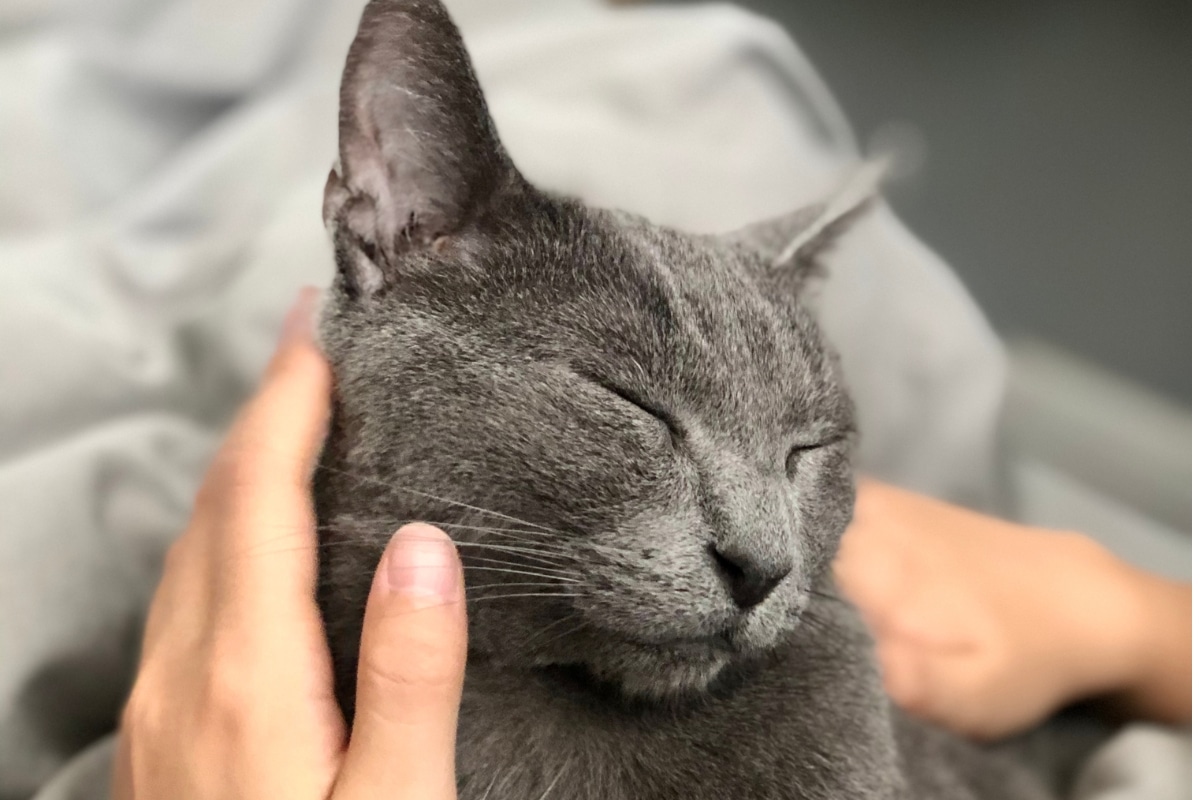
The Russian Blue can be more selective about social relationships than some outgoing breeds, which is part of what gives their affection such a special quality. These cats may initially observe people carefully and seem reserved with strangers, but once they become comfortable with someone, they can be remarkably affectionate. That gradual approach can create the impression that a Russian Blue has deliberately chosen a particular person. Rather than immediately greeting everyone, they may watch from a safe distance before deciding whom to approach. Once trust develops, their affectionate behavior can become much more apparent. Some enjoy bringing toys to their people, playing fetch, or quietly staying nearby. Their loyalty is often less about demanding attention from everyone and more about building confidence with the humans they know well.
Maine Coon
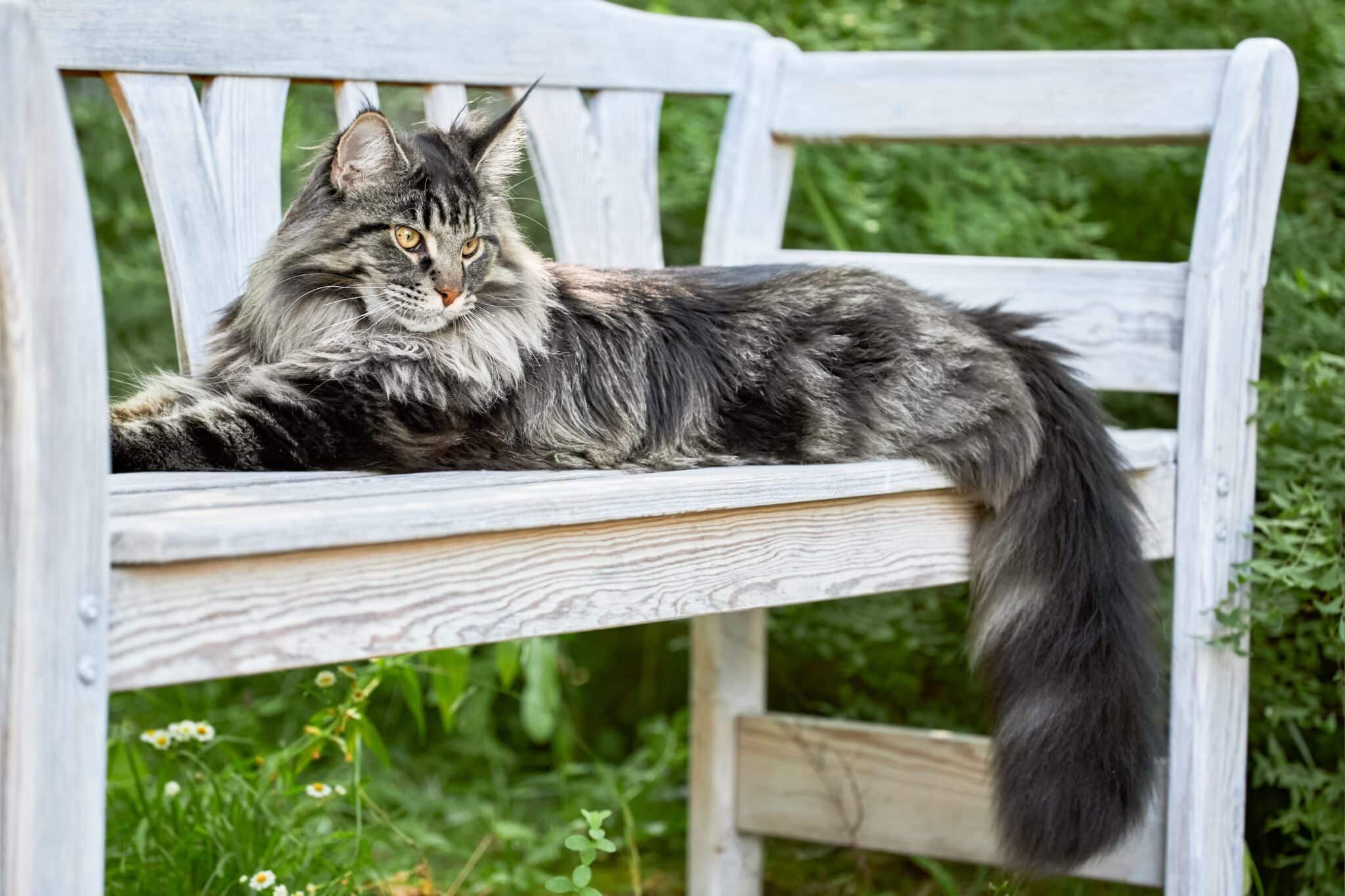
Maine Coons may be enormous, but their approach to loyalty can be surprisingly understated. These social, loving companions frequently follow their people from room to room without necessarily demanding constant attention. That makes the breed a good match for someone who appreciates a cat that wants to share their space without needing to occupy every inch of it. A Maine Coon may sit nearby while their person works, wait outside a closed door, investigate whatever is happening, or wander after them into the next room. Many remain playful well into adulthood, and activities such as fetch can become bonding opportunities. Their practical, companionable personality allows them to stay interested in what their humans are doing while retaining enough independence to entertain themselves.
Devon Rex
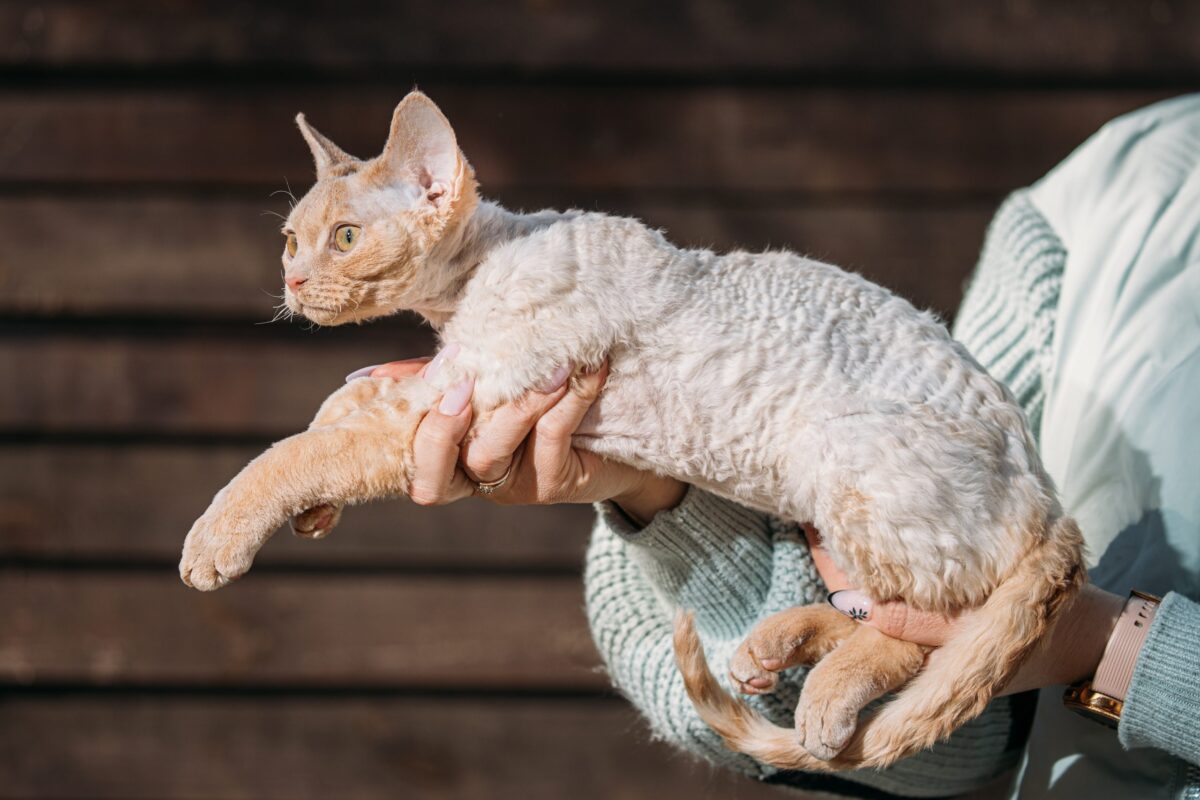
The Devon Rex has little interest in being left out of the action. These highly people-oriented cats may join their humans in bed, curl up on laps, or perch on a favorite person’s shoulder. Their loyalty often looks like enthusiastic participation. A Devon may investigate the kitchen while dinner is being prepared, supervise a person at the computer, or climb onto a shoulder simply because that is where the action is. Their intelligence and playful nature give humans plenty of opportunities to strengthen the bond through interactive games and training. They can become bored without enough stimulation, so companionship and mental activity are important parts of their daily lives. A person who enjoys an active, involved cat may find a particularly devoted companion in the Devon Rex.
Sphynx
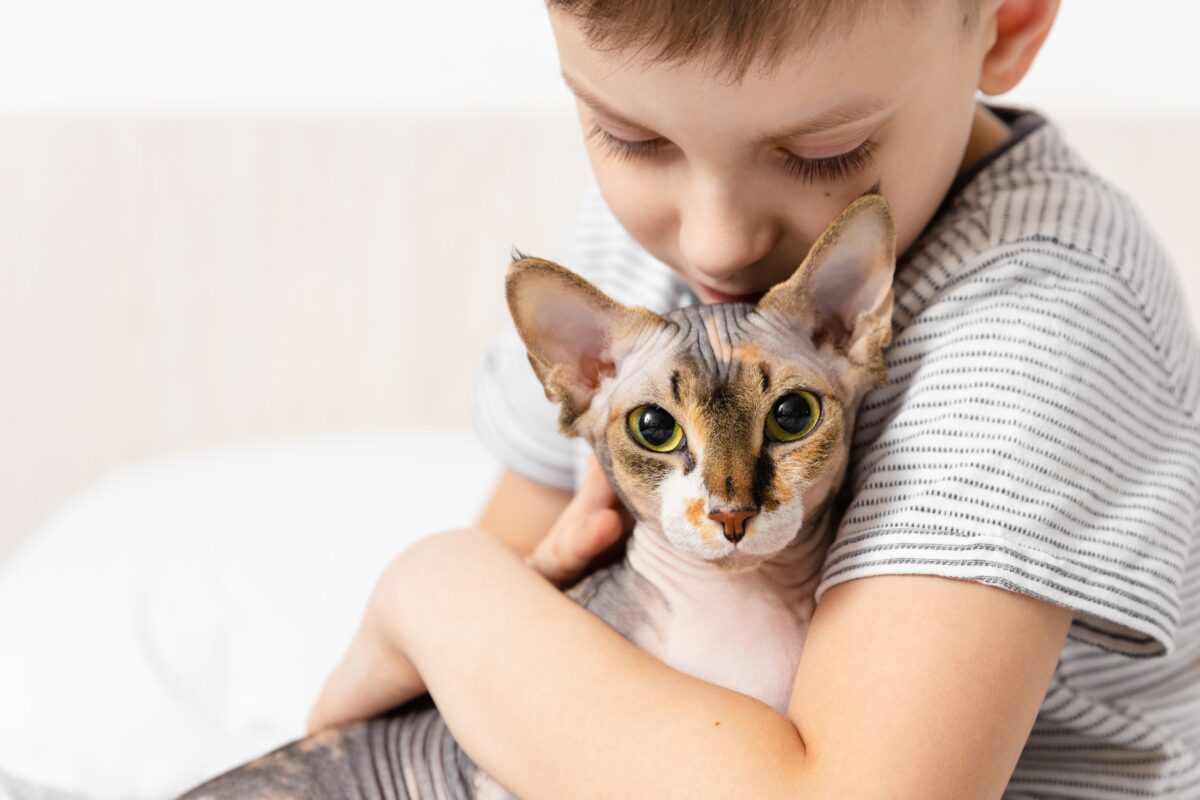
The Sphynx has earned a reputation for being a true shadow cat. These affectionate, inquisitive, friendly cats often seek close contact with their owners, sometimes sleeping under the covers, perching on shoulders, or remaining physically close for long stretches. Their desire for warmth can overlap with their desire for companionship, which helps explain why a Sphynx may gravitate toward a particular human’s lap, bed, or shoulder. That does not make every cuddle purely emotional, since their sparse coat provides less insulation than a typical furry coat. Warm bodies, blankets, sunny spots, and heated surfaces can all be appealing. Still, their social personality is unmistakable, and their frequent desire for interaction, play, and physical closeness can make a strong human-cat bond part of everyday life.
Turkish Angora
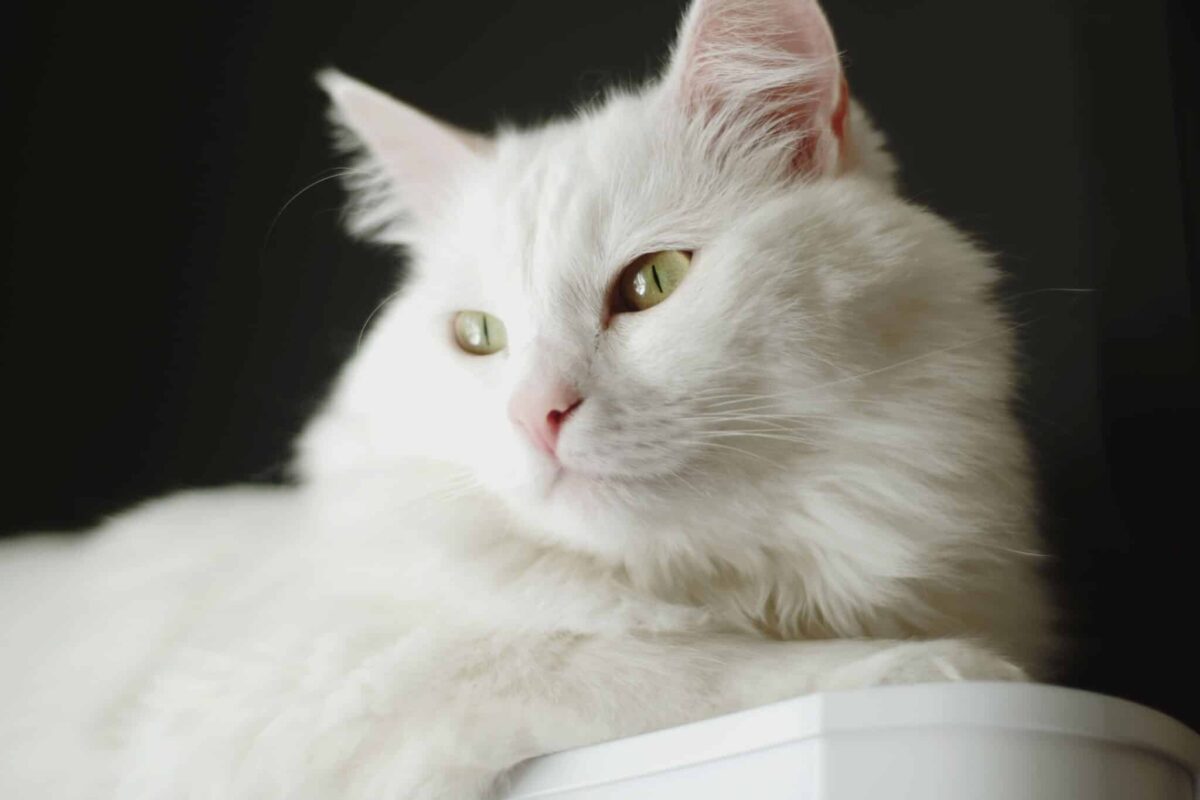
The Turkish Angora combines affection with a clever, active personality. These outgoing cats tend to be interested in participating in household activities and may follow their owners around, stay beside them, or sleep alongside them. For this breed, attachment can be expressed through involvement rather than simply sitting in a lap. A Turkish Angora may investigate whatever their person is doing or find creative ways to attract attention when ignored. Their intelligence and athleticism also mean they need opportunities for play and exploration. A person who regularly provides those outlets can become an especially important partner in the cat’s daily routine. Their confident social nature means they are not necessarily shy around visitors, so having a favorite human does not automatically translate into being a reserved cat.
Bombay
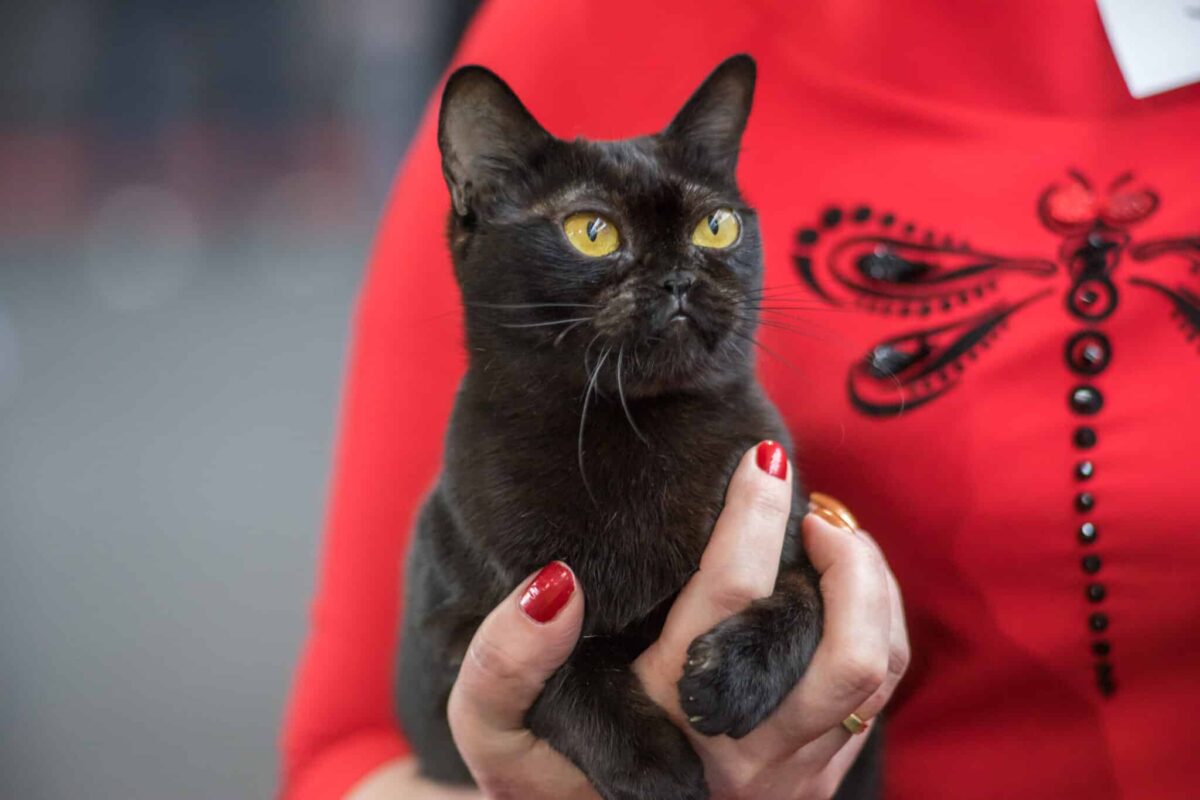
The Bombay was developed from Burmese and American Shorthair ancestry, and their personality retains a strong social streak. These affectionate cats enjoy human interaction, often greet people enthusiastically, and like staying close to their families. A Bombay may follow their favorite person around the house, rub against their ankles during dinner preparation, perch on their shoulder, or settle into their lap during television time. Some even enjoy sleeping beneath the covers with their humans. That constant proximity can make the breed seem particularly devoted, although Bombays generally enjoy the whole family rather than being guaranteed one-person cats. Their playful intelligence also makes shared games and training useful ways to build a relationship, making them especially engaging companions for people who want a cat involved in everyday household life.
Korat
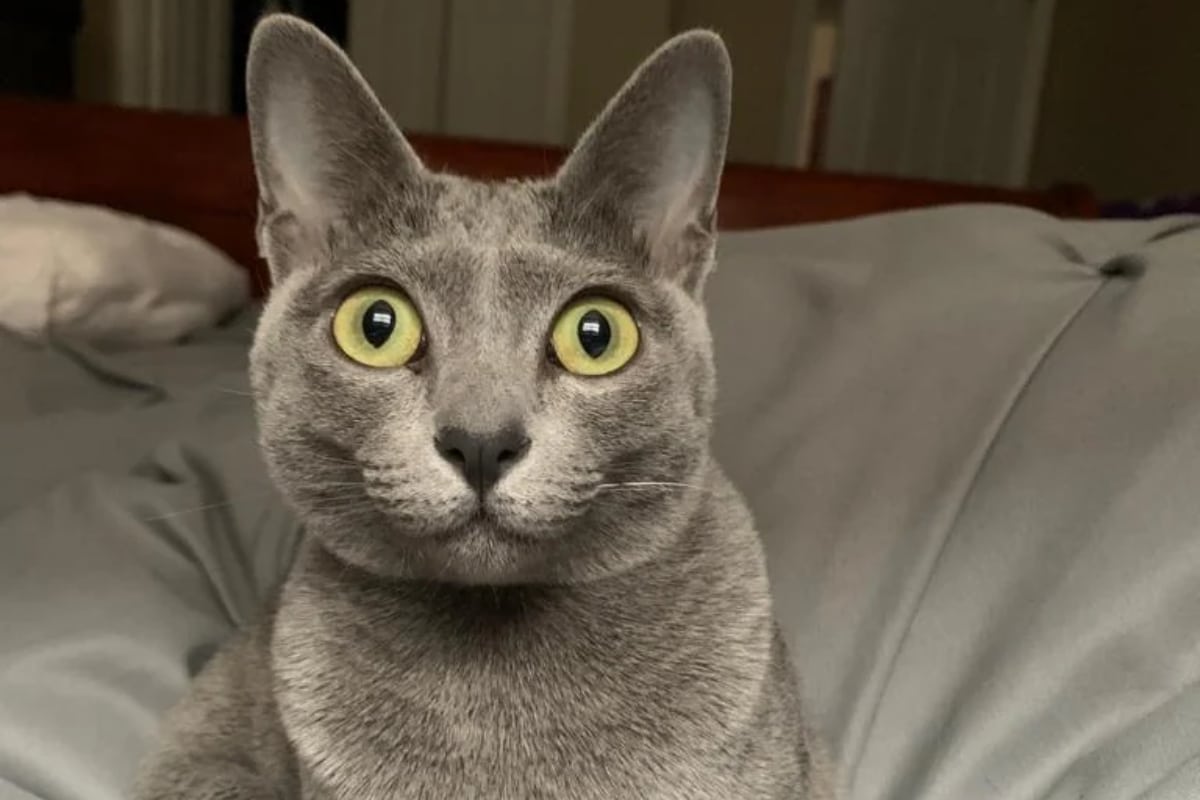
The Korat has a long-standing reputation for forming close social bonds. These social, affectionate cats can become strongly attached to family companionship and may climb onto a person’s lap or arms for attention. Their attachment can sometimes look particularly focused because they value consistent interaction. A Korat may seek out a favorite person for play, physical contact, or reassurance, then become noticeably less engaged when that connection is unavailable. Some are also sensitive to competition for their human’s attention, particularly in multi-pet households. That makes individual personality and household dynamics important considerations. A Korat is not guaranteed to choose one person for life, but their tendency to form strong relationships can make a close bond feel unmistakable once trust and familiarity are established.
Oriental Shorthair
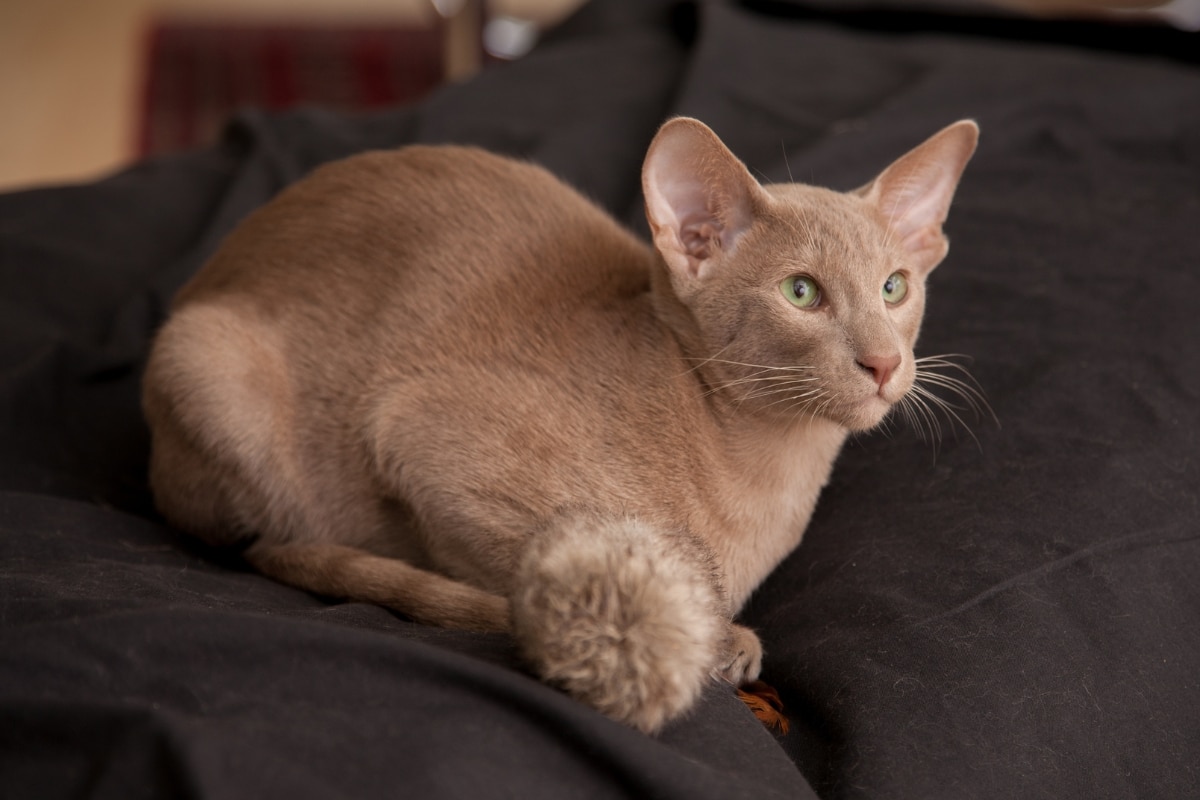
Oriental Shorthairs are among the breeds most likely to make their human relationship a major part of daily life. These lively, intelligent, talkative cats tend to bond closely with their families and need companionship, while some can develop especially strong attachments to one person. That distinction matters because a devoted Oriental Shorthair is not necessarily an antisocial cat. They may love visitors and enjoy interacting with several people while still developing a particularly strong connection with one household member. Their intelligence, playfulness, and vocal communication provide countless opportunities for shared routines. A favorite human may become the person who understands their chatter, throws the favorite toy, opens the puzzle feeder, or joins them under the covers at night. With an Oriental, companionship is often an active, interactive relationship rather than a passive one.
When A Cat’s Favorite Person Becomes Clear
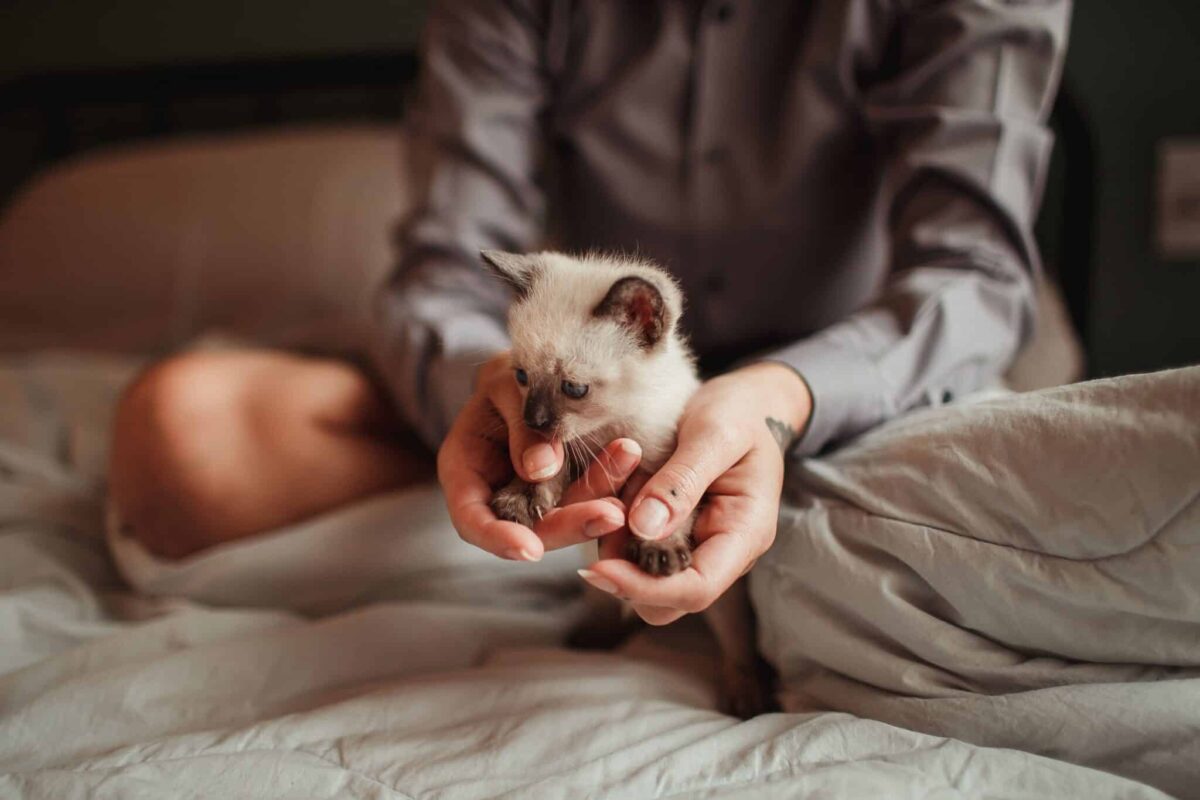
Breed can influence a cat’s social tendencies, but it does not determine their favorite person. Early socialization, individual temperament, household routines, and personal preference all matter. A cat may gravitate toward someone who feeds them, plays with them, respects their boundaries, or provides enjoyable interaction. Sometimes devotion looks like following someone down the hallway, while other times it means quietly choosing the chair beside them. Strong bonds grow through consistency, safety, enrichment, and respecting a cat’s choices about when and how to interact.
This content was created with AI assistance and edited by the iHeartCats team.