
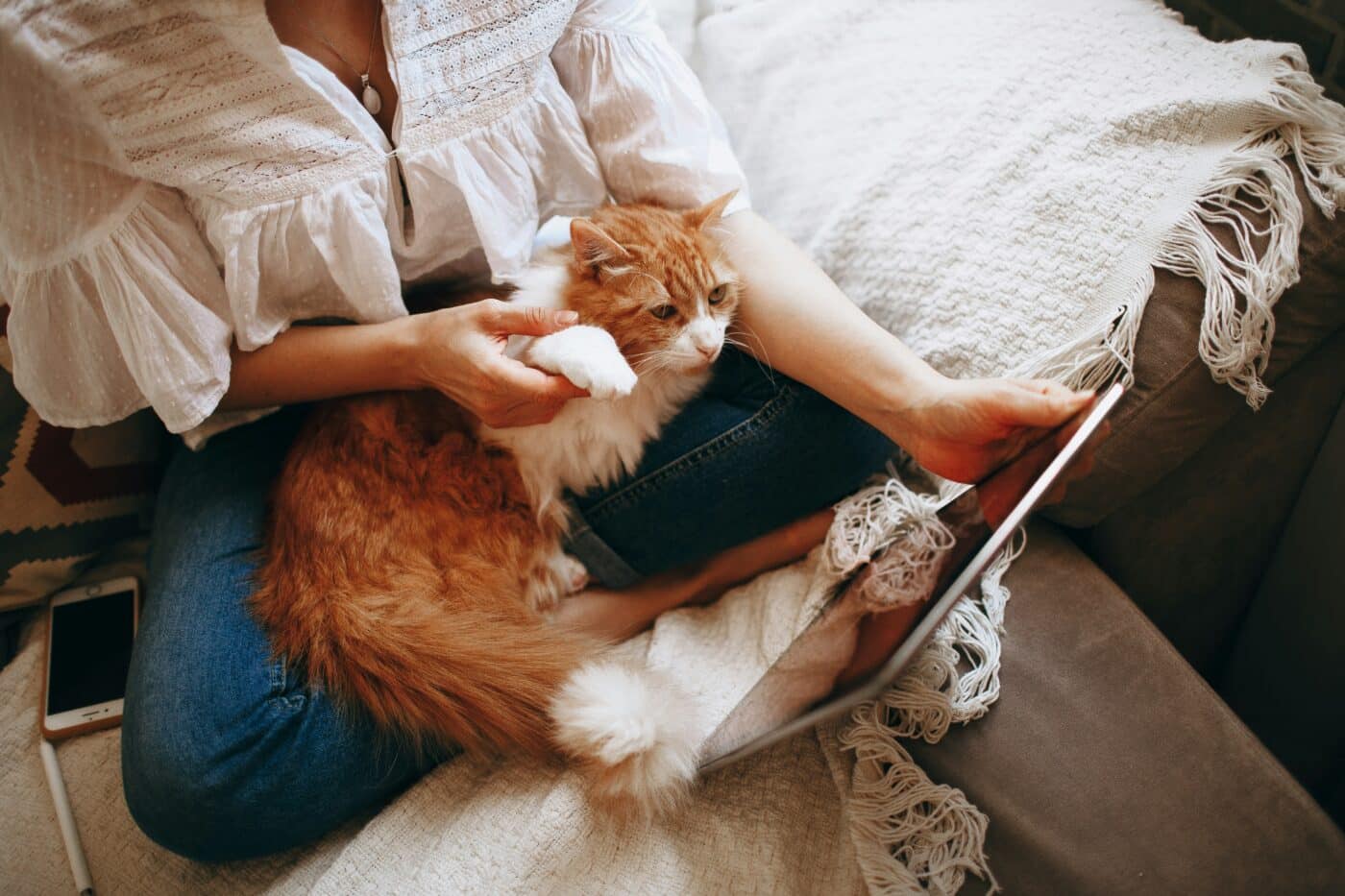
Cats rarely need a formal invitation to make their wishes known. One moment their human is busy, and the next an expectant face appears nearby demanding notice. Requests for attention can be obvious, but many are surprisingly subtle, woven into feline body language, vocalizations, routines, and learned behaviors. Some cats seek affection, while others want play, interaction, reassurance, or simple acknowledgment. Individual personalities shape these requests, but recognizing the little signals helps humans understand when their cat has decided everything else on today’s schedule can probably wait patiently.
They Give a Carefully Timed Meow
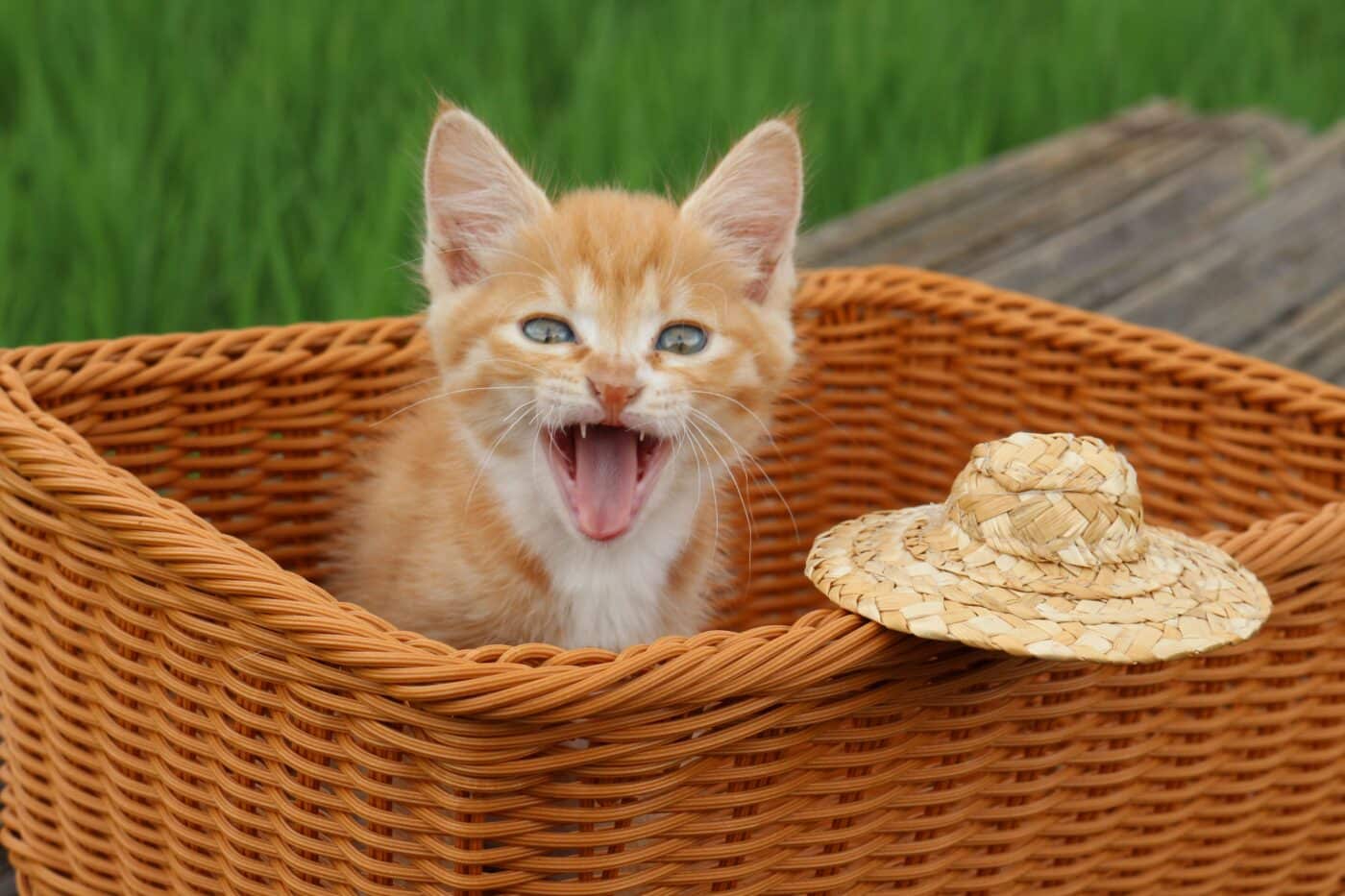
A well-placed meow can be remarkably effective at interrupting human activity. Adult cats use vocalizations extensively when communicating with people, and individual cats often develop their own recognizable repertoire of sounds. A short chirp may invite interaction, while repeated meowing can become a more persistent request when the first attempt receives no response. Context matters because vocalizing can also relate to food, access to a room, excitement, stress, or other needs. Cats quickly learn which sounds produce useful human reactions, so a meow that reliably earns conversation, petting, or play may become part of an established social routine. A sudden major increase in vocalization, especially alongside other behavioral changes, deserves closer attention rather than automatically being interpreted as a request for company.
They Tap You With a Paw
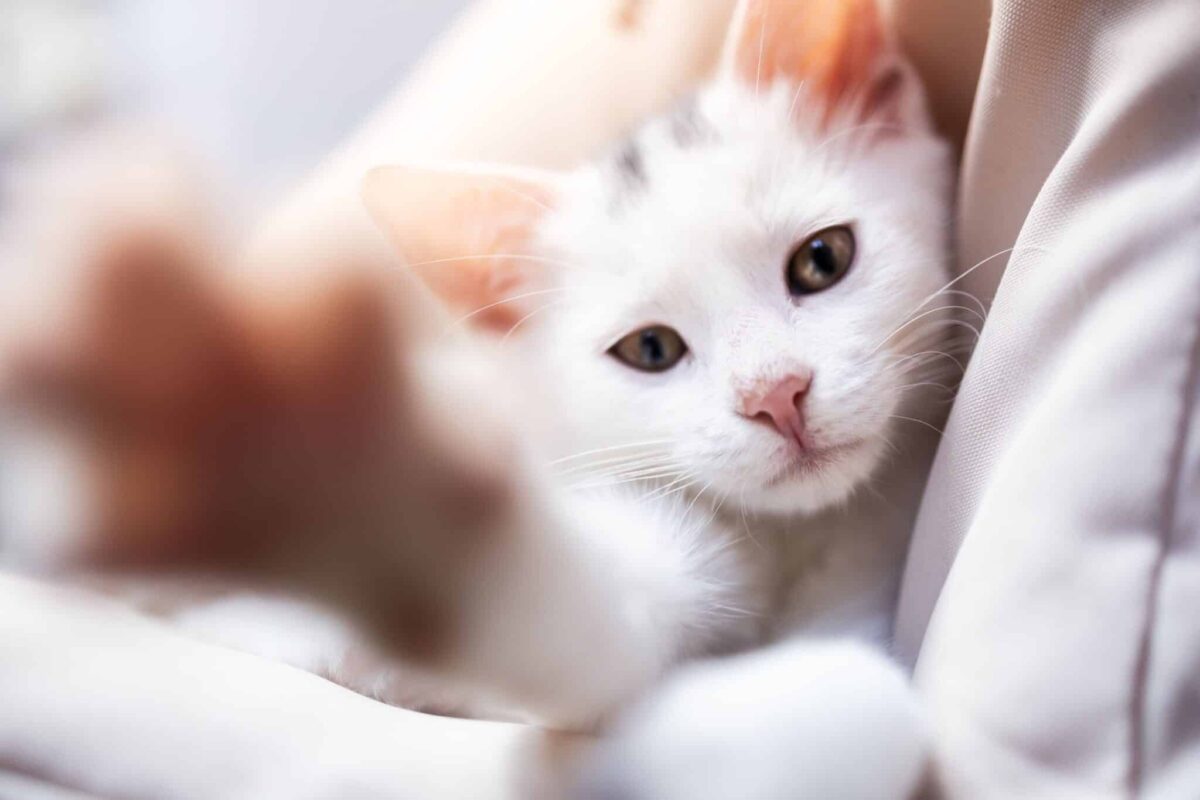
Sometimes feline communication arrives as a soft paw placed directly on an arm or leg. A gentle tap can be an efficient way to attract attention, particularly for a cat that has learned physical contact makes their human look up immediately. Some repeat the gesture if the first attempt fails, gradually transforming a polite request into determined tapping. The meaning depends on what happens around it. A relaxed cat with neutral ears and soft body language may be inviting petting, play, or interaction, while a tense posture or swatting motion communicates something very different. When a gentle paw consistently receives attention, the behavior can become reinforced through experience. Essentially, the cat has discovered a perfectly functional household button, and that button happens to be human.
They Rub Against Your Legs
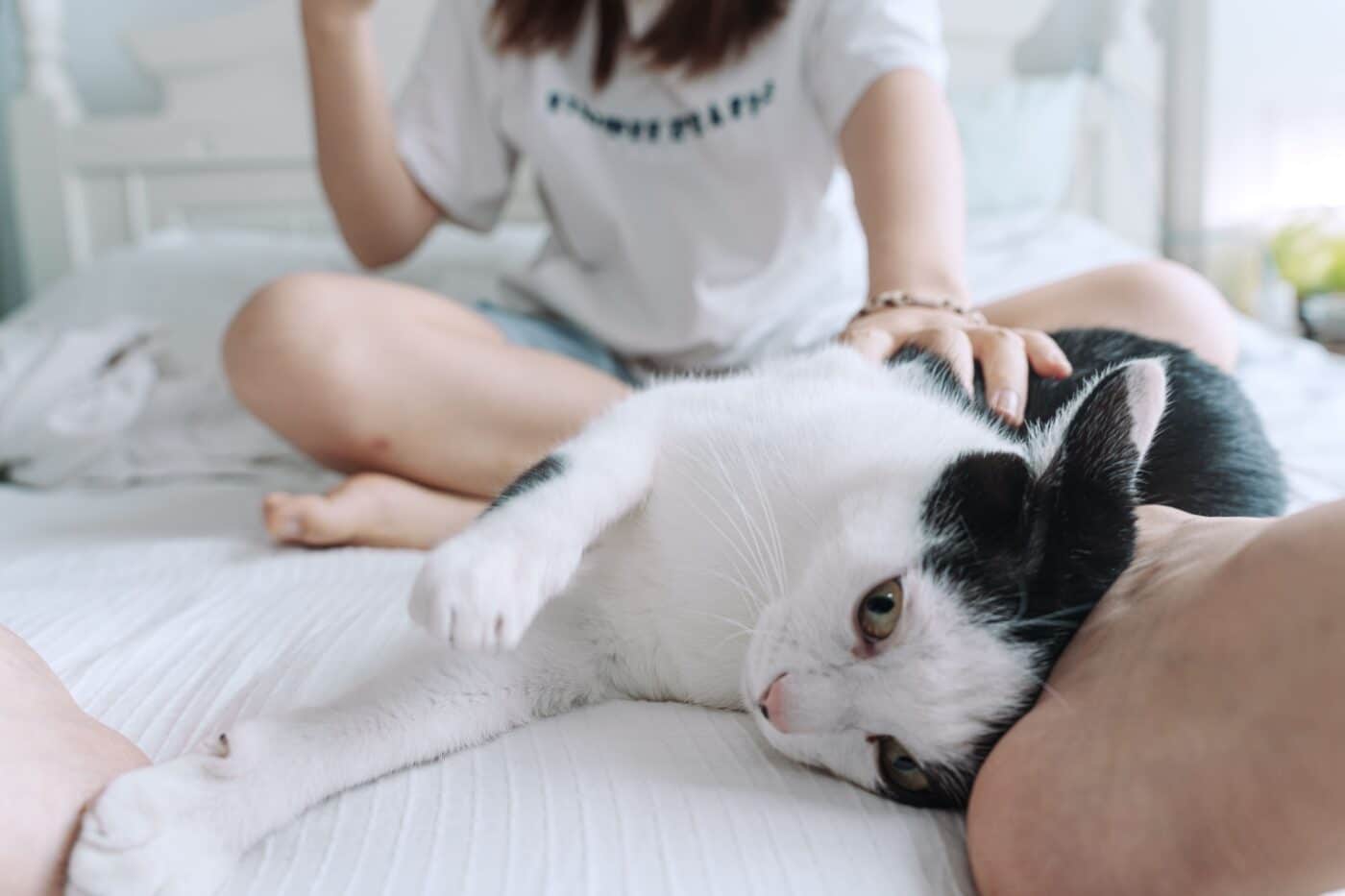
That familiar weave around human ankles can accomplish several things at once. Cats have scent glands around areas including the cheeks and head, and rubbing helps deposit chemical signals onto familiar individuals and objects. Socially comfortable cats may also rub as a greeting or as part of friendly interaction, making the behavior especially common when someone returns home or enters a room. When rubbing is followed by lingering nearby, looking upward, or returning for another pass, the cat may also be encouraging further engagement. Context can reveal if the expected reward is petting, food, play, or simply acknowledgment. The important detail is that rubbing is not merely random physical contact. It can combine scent communication, social familiarity, learned routines, and a very effective strategy for becoming impossible to ignore.
They Sit Directly in Your Line of Sight
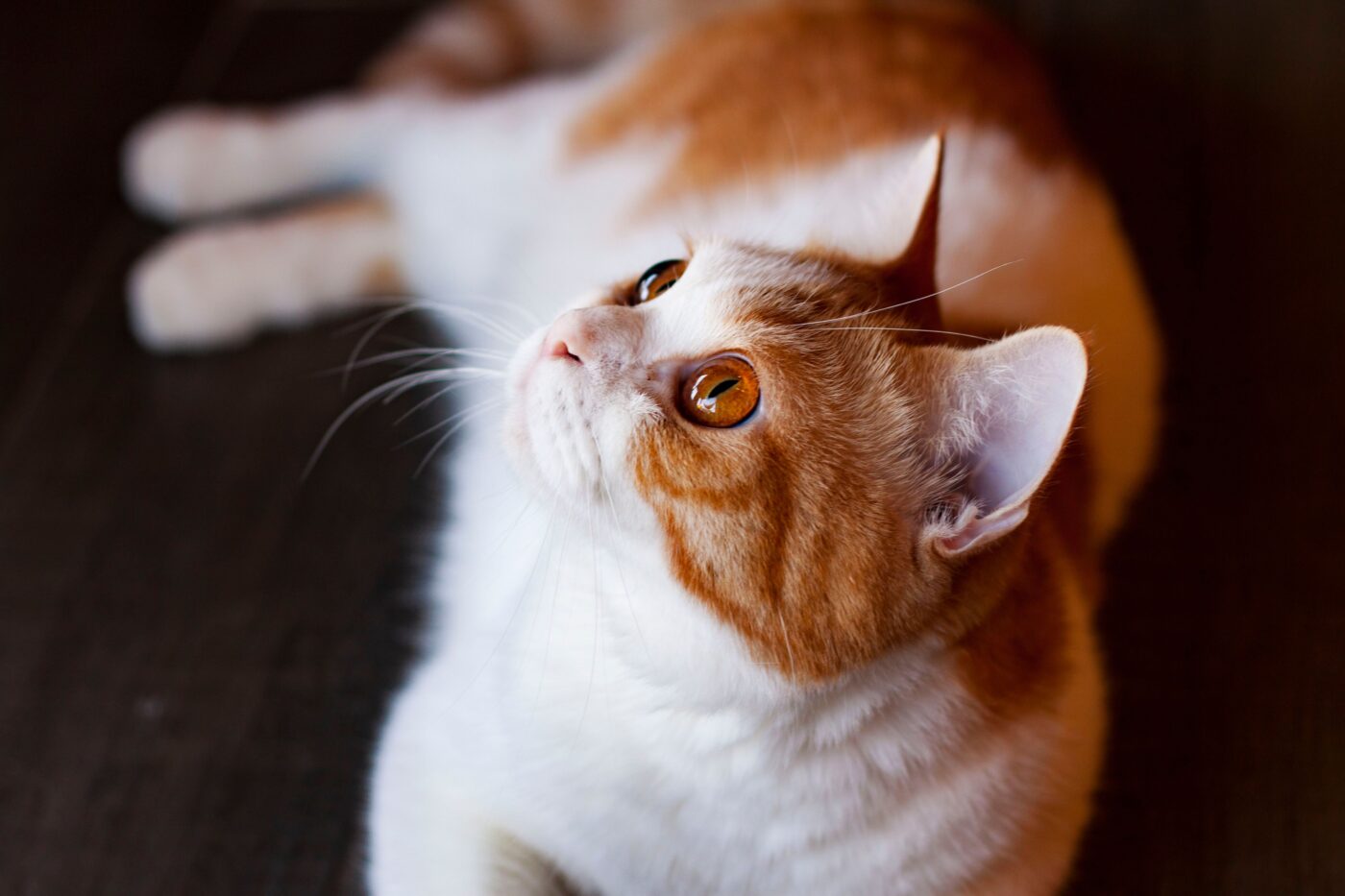
Subtle hints occasionally become strategically placed cats. A companion who settles between their human and a book, television, or other activity may have discovered that occupying the visual field earns a faster response than waiting politely nearby. The motivation can include attention, curiosity, warmth, access to a comfortable location, or interest in whatever has captured the person’s focus. Repetition also matters. When sitting in a particular spot reliably results in conversation, touching, or play, that location can become associated with successful interaction. Body language provides additional clues. A relaxed posture, forward-facing ears, slow blinking, and an interested expression suggest a comfortable social approach. Few communication strategies are more efficient than quietly positioning an entire cat where the intended audience has absolutely no choice but to notice.
They Follow You From Room to Room
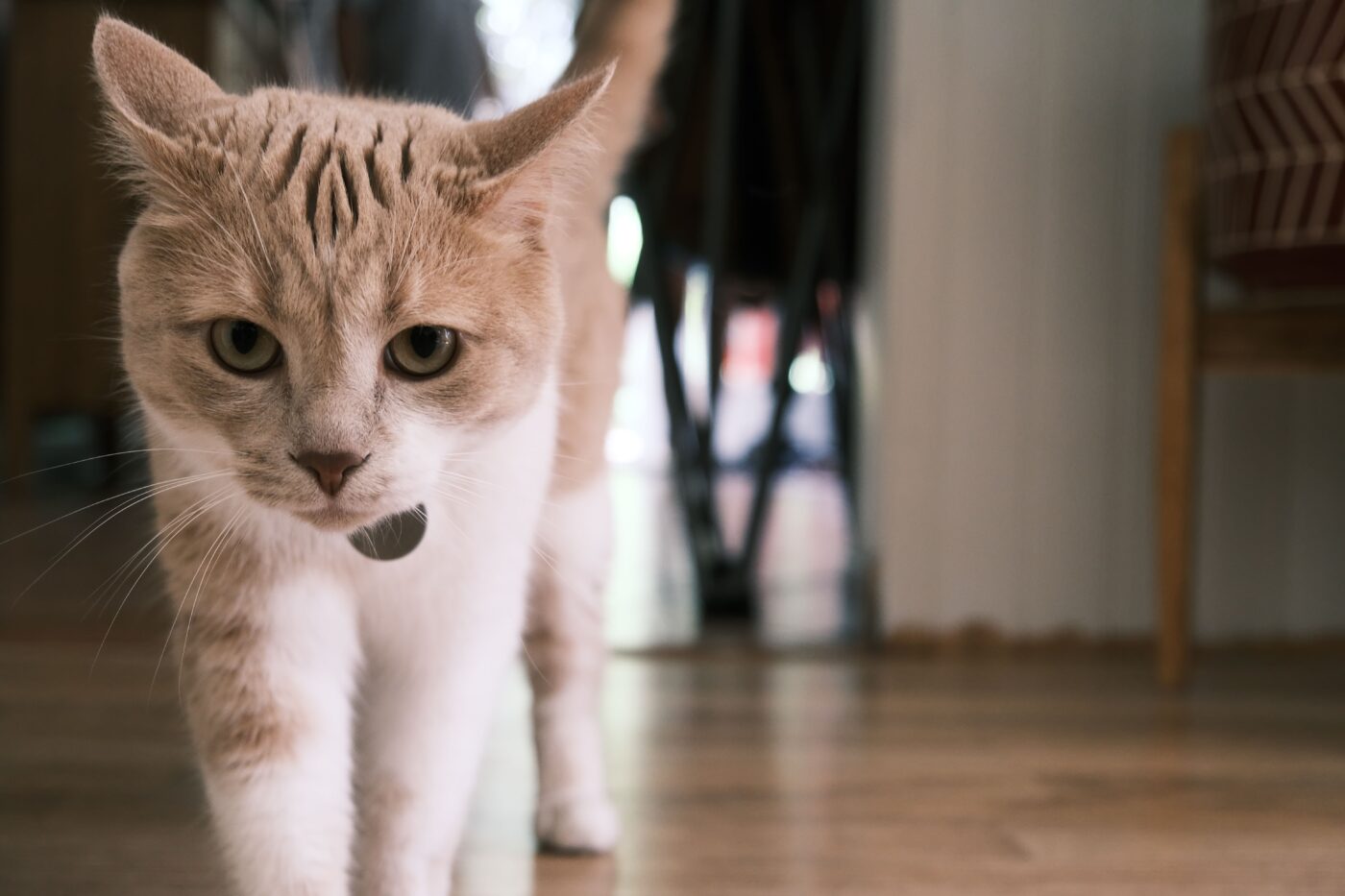
A trip to the kitchen can mysteriously become a two-member expedition when a cat decides to follow along. Social attachment can contribute to this behavior, but curiosity, routine, resource expectations, and simple interest in household activity can matter too. A cat may know that certain rooms predict meals, play sessions, open windows, or other enjoyable events. Others simply prefer spending time near familiar people and relocate whenever their preferred company moves. Following becomes more clearly attention-oriented when the cat repeatedly approaches, vocalizes, rubs, or initiates interaction after arriving. It is still important not to interpret every shadowing session as affection alone. Sometimes the cat wants companionship, and sometimes experience has taught them that a human walking toward the kitchen represents an opportunity worth supervising very closely.
They Head-Butt You Gently
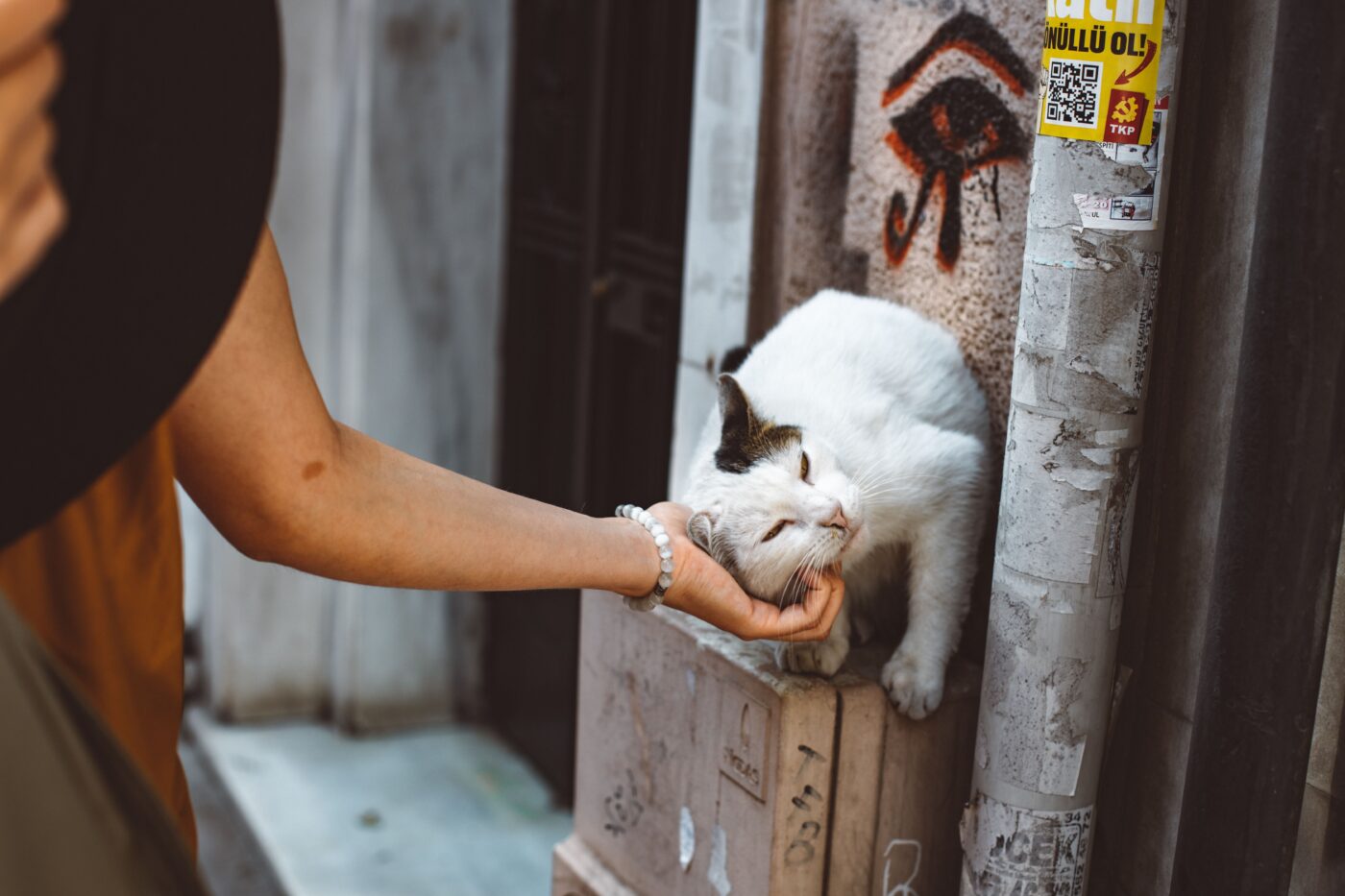
A gentle bump from a cat’s forehead can feel wonderfully deliberate because it usually involves comfortable, close-range social contact. Often called bunting, this behavior can help transfer scent from glands around the head while reinforcing familiarity with trusted individuals. A cat may approach, press their forehead against a hand or body, and remain nearby as an invitation for additional interaction. Some quickly follow the bump with cheek rubbing or position themselves conveniently for petting. Because scent plays such an important role in feline communication, bunting carries more meaning than a simple collision. It can be part of friendly social behavior and familiar scent sharing. When it occurs alongside relaxed posture and voluntary closeness, responding with gentle attention can turn a tiny head bump into a satisfying moment of communication.
They Roll Over Near You
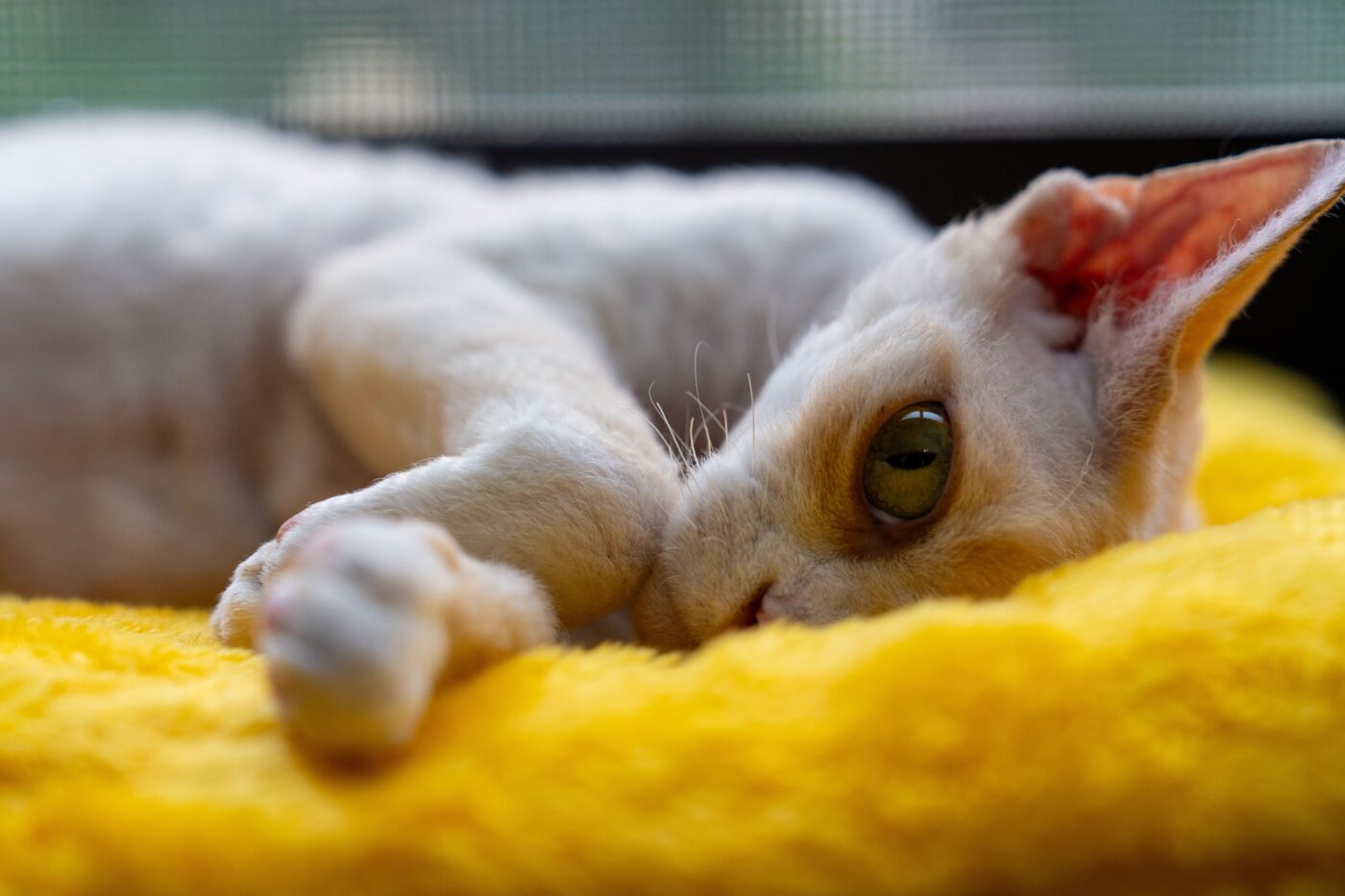
A dramatic flop onto the floor can certainly capture attention, especially when it happens directly in a person’s path. Rolling onto the side or back may indicate relaxation, playful excitement, greeting behavior, stretching, or a desire for interaction, depending on the situation. An exposed belly does not automatically mean the cat wants that area touched. Many cats prefer attention around the cheeks, head, or other familiar petting spots and may react defensively if someone misreads the display as permission for a belly rub. Instead, look at the complete posture and what follows. A cat that rolls, looks toward their human, stretches, and remains comfortably nearby may be creating an opportunity for social engagement. Sometimes getting noticed simply requires adding a little theatrical flair.
They Bring a Toy Over
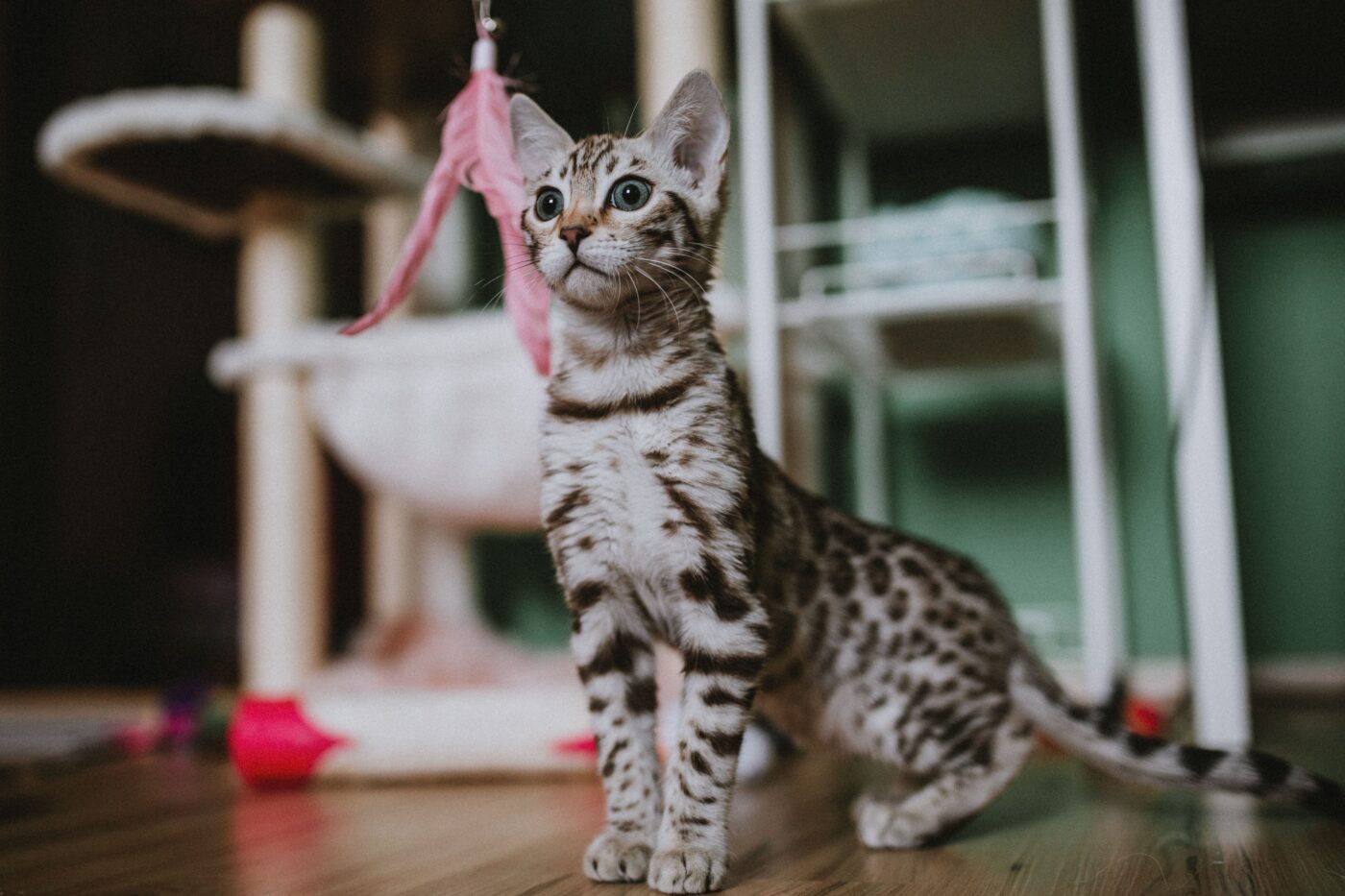
A toy deposited nearby can be one of the clearest invitations to interact. Play allows cats to express parts of their natural predatory sequence, including watching, stalking, chasing, pouncing, and grabbing. Some learn that bringing or positioning a toy near their human successfully starts an entertaining game, particularly when people have responded that way before. Others may carry toys around independently while vocalizing, so delivery does not always represent the same intention. A cat that drops a toy, waits nearby, and becomes animated when their human engages is offering stronger contextual evidence that play is the goal. Regular interactive sessions can provide physical exercise, mental stimulation, and an appropriate outlet for hunting-related behavior, making this particular attention request beneficial for more than simply keeping the cat entertained.
They Give You a Long, Expectant Stare
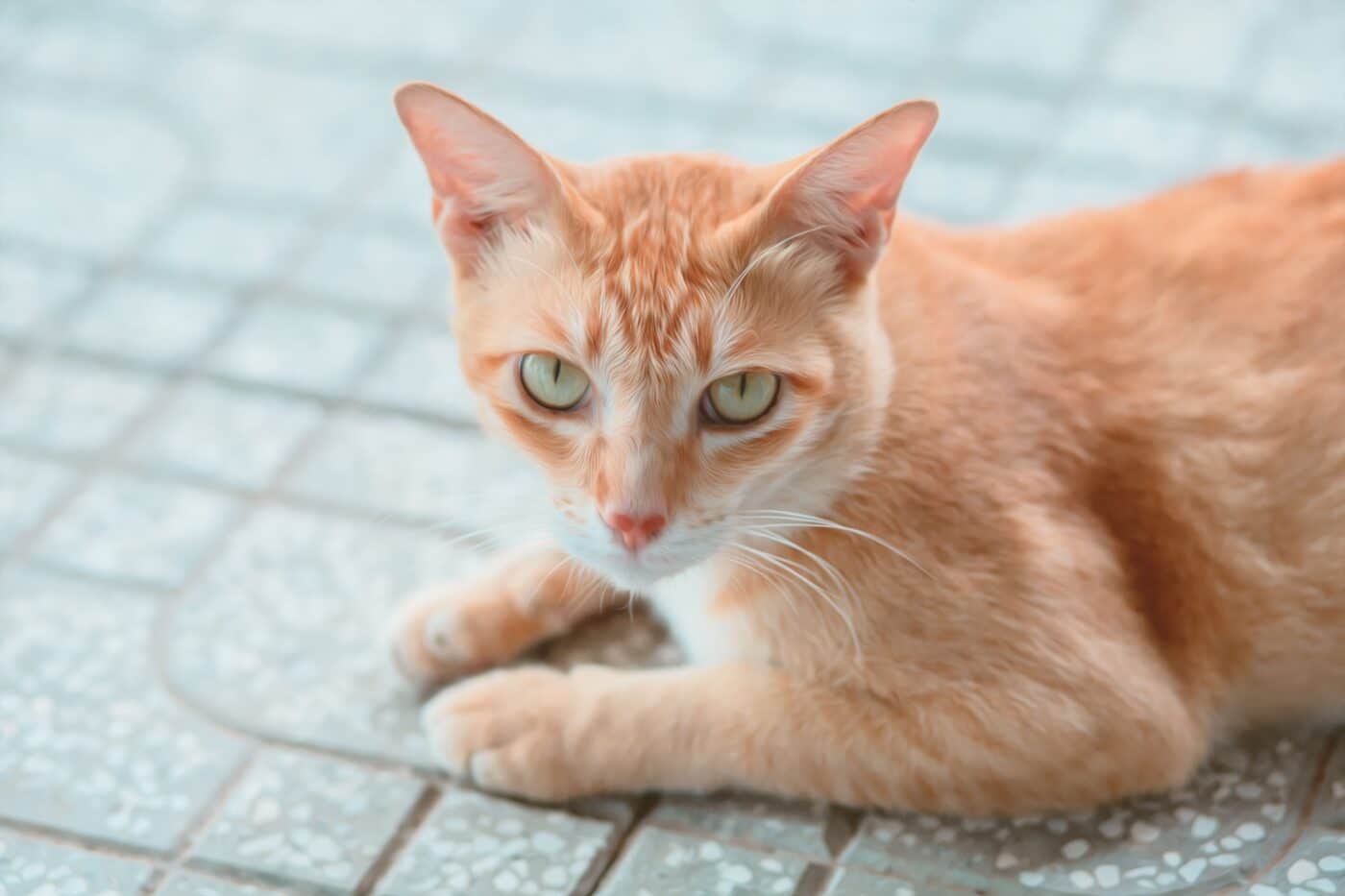
Few things create pressure quite like discovering a cat sitting silently nearby and watching with complete concentration. Staring can have many meanings in feline communication, so the surrounding body language is essential. A comfortable cat with relaxed muscles, neutral ears, and soft eyes may simply be monitoring their human or waiting for a familiar interaction to begin. Some learn that prolonged eye contact eventually produces speech, petting, play, or another desired response. Slow blinking may also occur during calm social exchanges and generally reflects a very different emotional state than the fixed stare of a tense, frightened, or confrontational cat. When the overall posture remains loose and friendly, that quiet gaze may be less mysterious than it appears. The cat has simply discovered that patience can be extremely persuasive.
They Climb Onto Your Lap
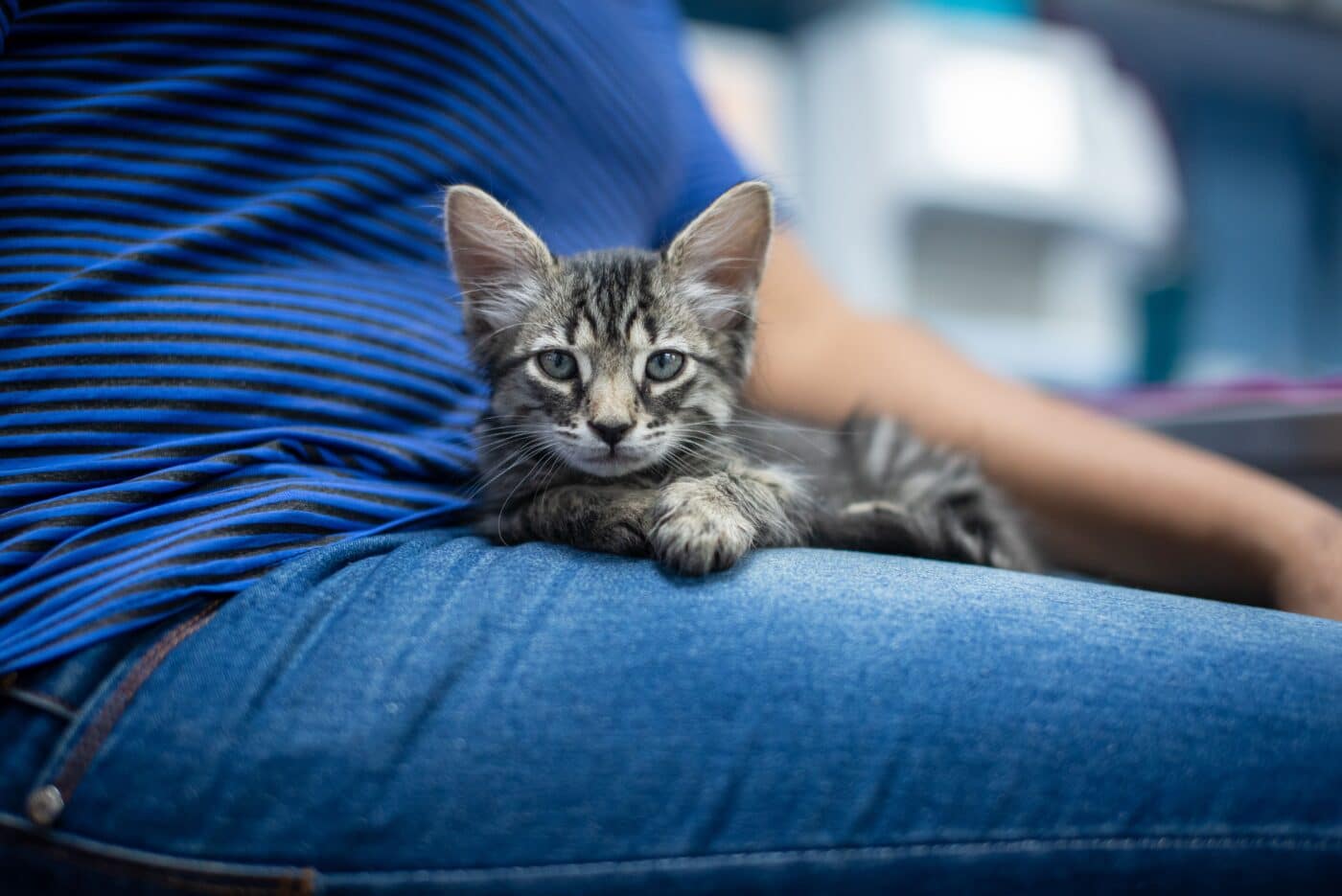
A lap offers several appealing features at once, including warmth, physical contact, familiarity, and a convenient location where being overlooked becomes difficult. Cats that enjoy close social interaction may climb aboard when they want petting, rest, or companionship, especially during predictable quiet periods. Learned associations can strengthen the habit when sitting on a particular person consistently results in gentle touch and uninterrupted relaxation. Still, lap sitting does not carry identical meaning for every individual. Some cats are naturally more physically affectionate, while others prefer staying nearby without direct contact. A cat that voluntarily approaches with relaxed posture, settles comfortably, and remains by choice is demonstrating a clear preference for that moment of closeness. The human’s schedule, unfortunately, may no longer be relevant.
They Nudge Your Hand
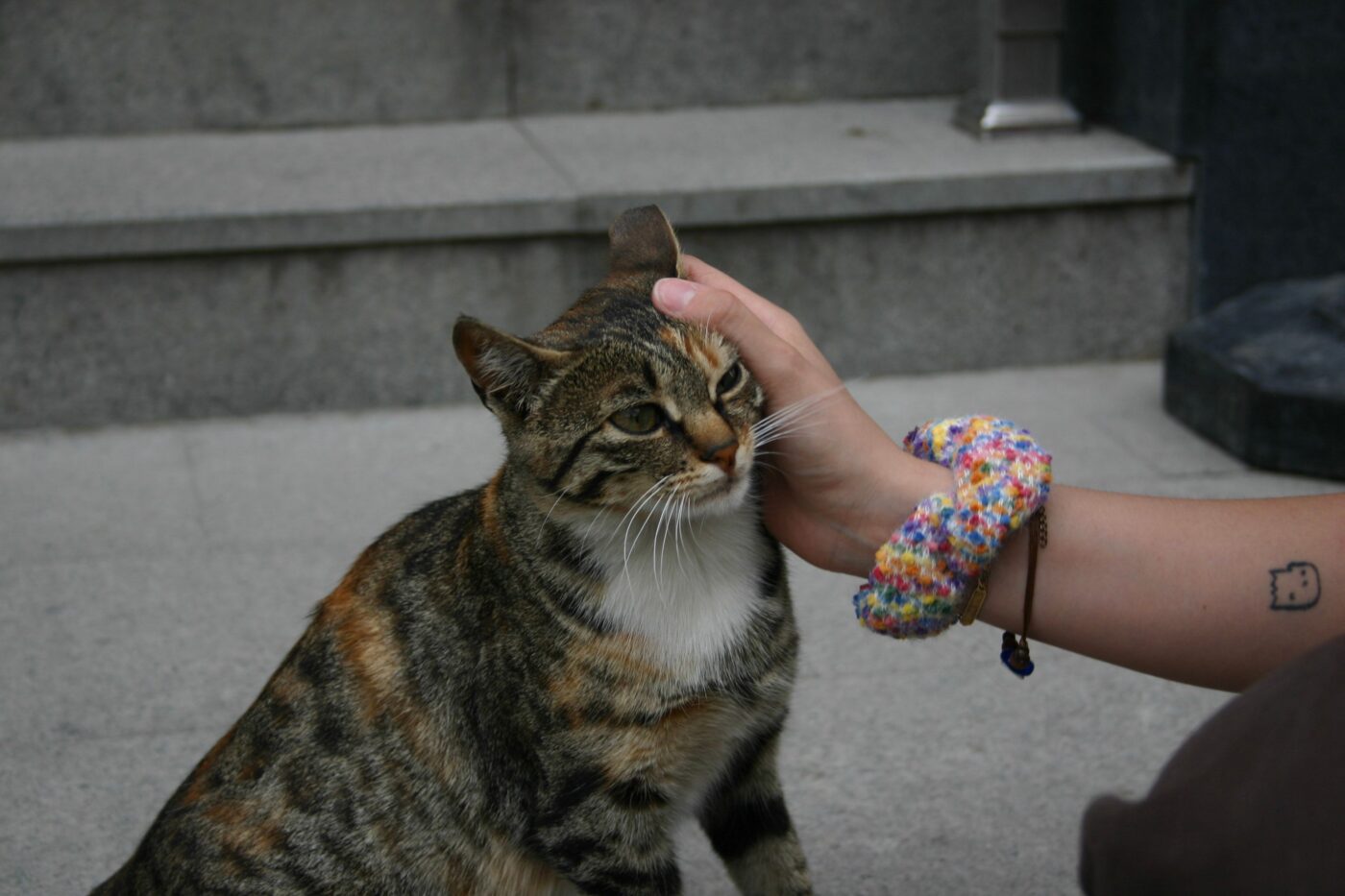
A hand resting quietly can become an obvious target for a cat seeking physical interaction. Some push their forehead or cheek beneath the fingers, effectively positioning the hand exactly where they would like it. This behavior combines active social contact with clear communication, particularly when the cat repeats the nudge after petting stops. Many cats have preferred areas for touch, commonly around the cheeks, chin, or head, and nudging allows them to help direct the interaction. Paying attention to body language remains important because tolerance for petting can change during a session. Tail flicking, skin twitching, flattened ears, or moving away can indicate that the cat has had enough. A relaxed cat returning for another nudge, however, is making the next request rather difficult to misunderstand.
They Interrupt Whatever You’re Doing
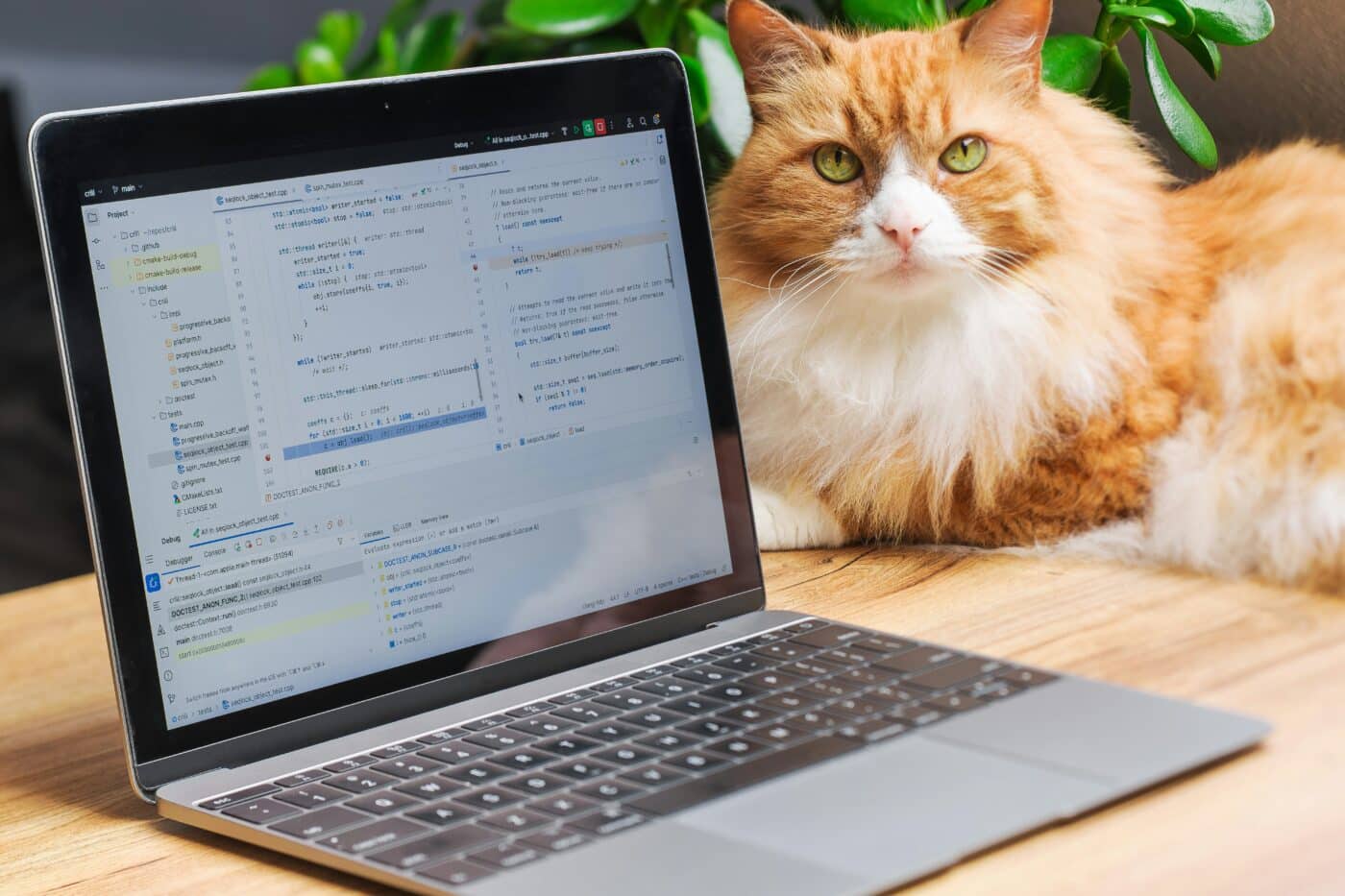
Some cats seem to possess impeccable timing for appearing precisely when human attention is focused elsewhere. A cat may settle near a keyboard, investigate papers, approach during a phone call, or position themselves beside an activity that reliably occupies their person’s focus. Curiosity can certainly motivate these interruptions, especially when movement, warmth, or unfamiliar objects are involved. Learned behavior can play an equally important role. If inserting themselves into an activity consistently earns talking, touching, or play, repeating the strategy makes perfect sense. Rather than assuming the cat is deliberately being troublesome, consider what reward the interruption usually produces. Providing regular opportunities for interactive play and social contact can help satisfy attention needs before the household supervisor decides another work session requires immediate feline involvement.
They Purr and Settle Close Beside You
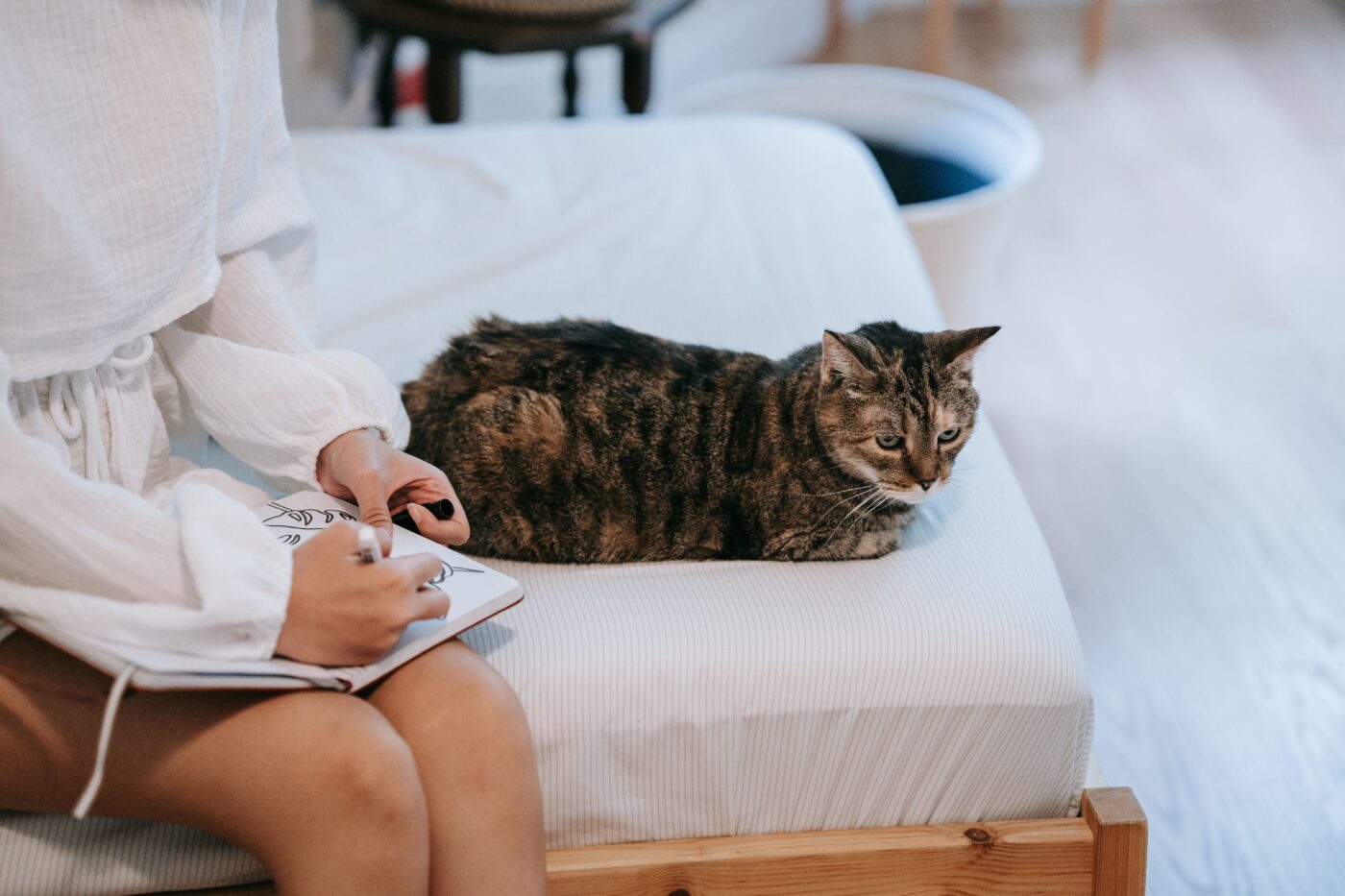
Purring paired with voluntary closeness can accompany a calm request for continued interaction. A cat may settle against their human, lean into gentle petting, or remain nearby while purring softly, creating a relaxed social exchange without demanding constant activity. Purring is not exclusively a sign of happiness, however. Cats can also purr in situations involving stress, discomfort, or self-soothing, which is why context and overall body language matter. When a cat appears relaxed, approaches willingly, maintains comfortable posture, and seeks additional contact, the behavior is more consistent with positive social engagement. For cats that prefer understated communication, simply choosing to settle close can be enough of a request. They may not need a dramatic meow when quiet proximity already delivers the message.
The Attention Department Never Really Closes
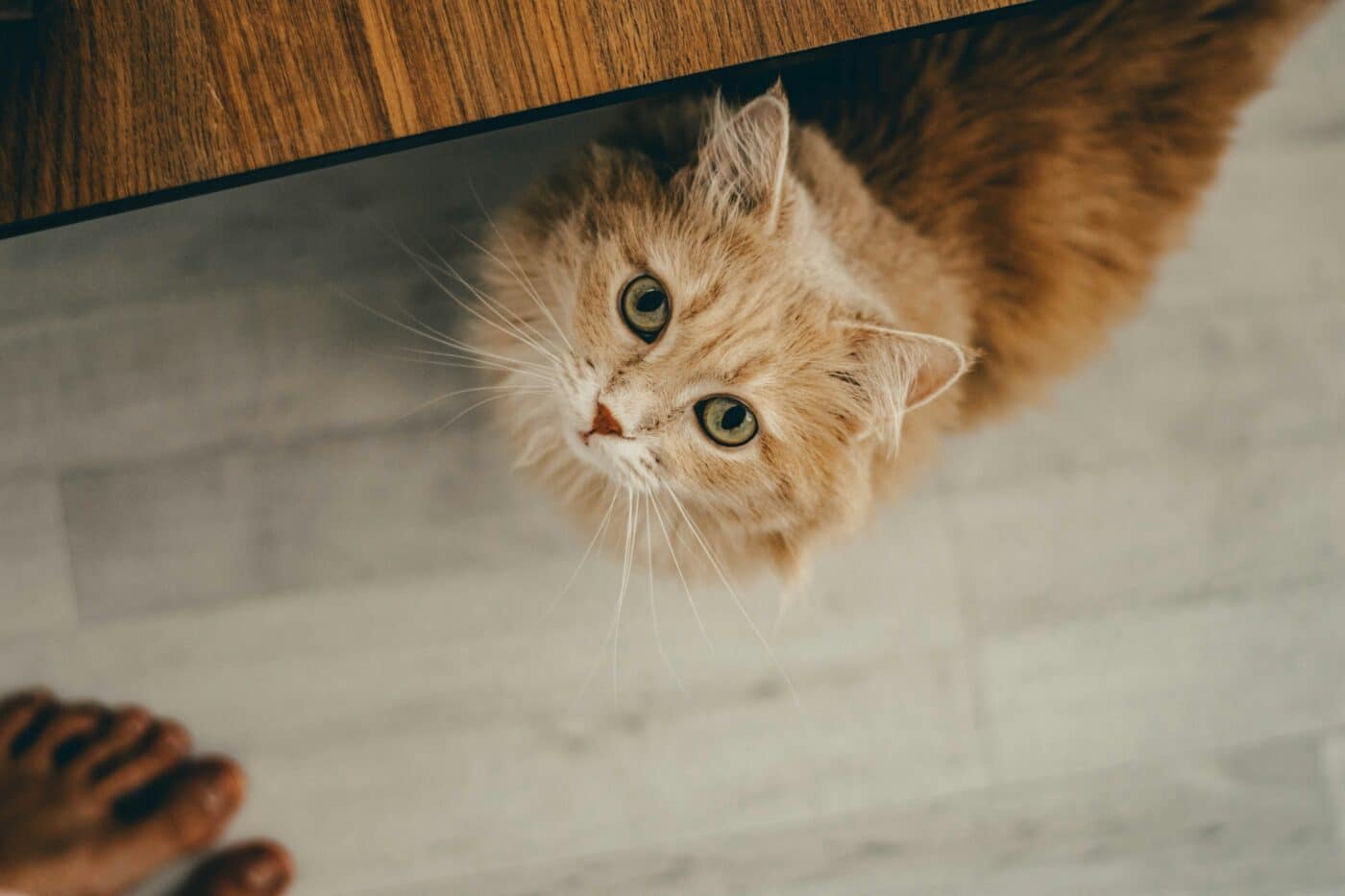
A cat’s requests for attention can range from barely noticeable glances to expertly planned interruptions that stop household productivity altogether. Understanding those signals becomes easier when body language, routines, personality, and context are considered together rather than treating one gesture as having a universal meaning. Some approaches invite affection, while others point toward play, curiosity, companionship, or another familiar reward. Respecting a cat’s boundaries matters just as much as noticing their invitations, especially when they decide an interaction has lasted long enough. Learning these small communication habits can make everyday life together richer, clearer, and considerably more entertaining for everyone involved.
This content was created with AI assistance and edited by the iHeartCats team.