

Bringing a kitten home means introducing them to a world full of unfamiliar smells, sounds, people, and places. Even the most playful little furball can feel overwhelmed when everything suddenly changes. A kitten may hide under furniture, hesitate before approaching, or cry when left alone as they adjust to their surroundings. Fortunately, small gestures can make a big difference in helping them feel secure. Cozy hiding places, gentle interactions, and predictable routines help kittens build confidence, develop trust, and settle into their new homes comfortably at their own pace.
Give Them a Quiet Place to Retreat

A new home can feel enormous to a kitten, especially when people are walking around, appliances are making noises, and every corner smells unfamiliar. Having a quiet retreat gives them somewhere to decompress when they need a break from all the excitement. A comfortable bed, a covered cat hideaway, or a peaceful corner of a room can become their personal sanctuary. Avoid constantly pulling them out of hiding to encourage interaction. Letting a kitten decide when to emerge helps them feel more in control of their surroundings, which can gradually build confidence and make them more comfortable exploring the rest of the home.
Keep Their Daily Routine Predictable
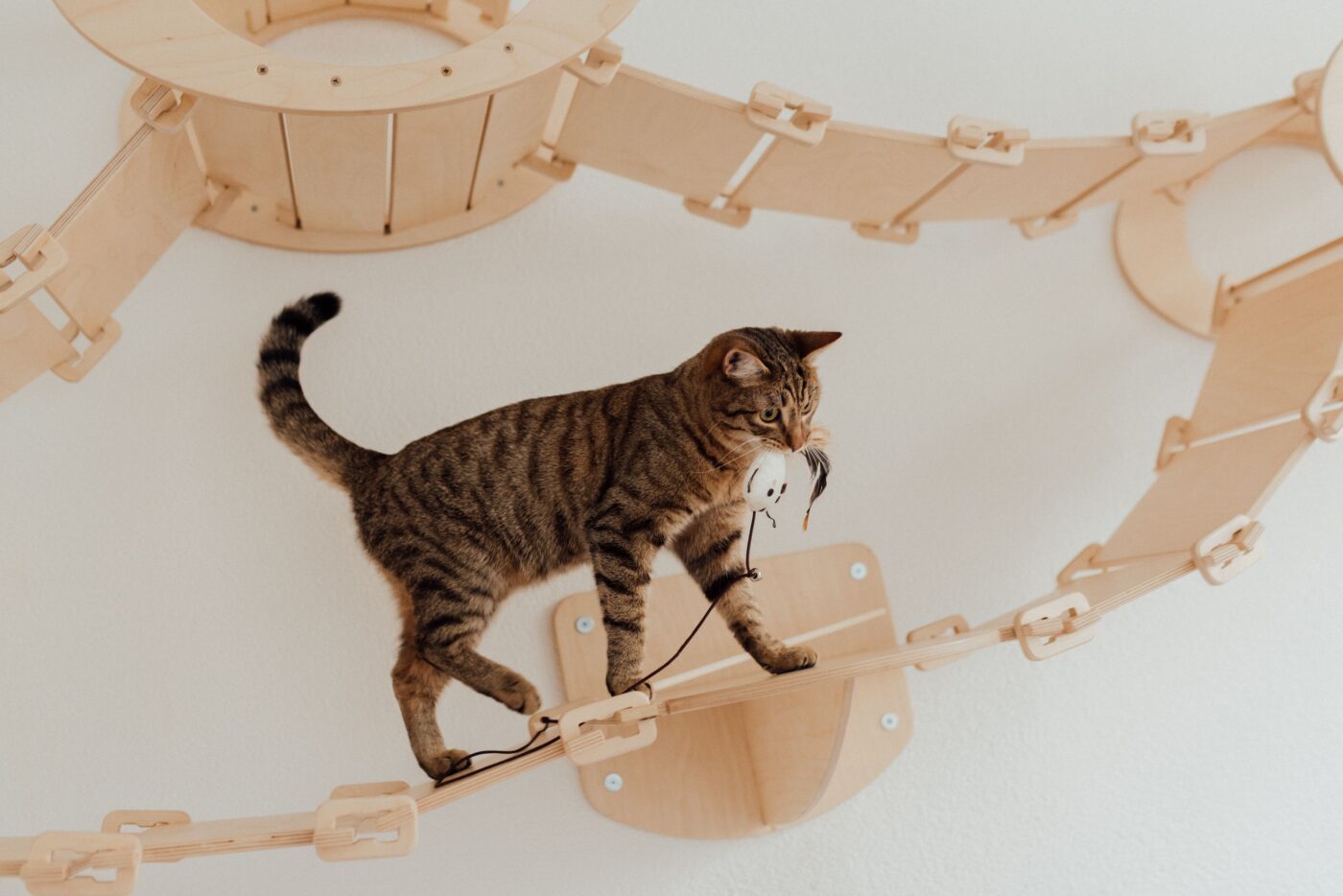
Kittens feel more secure when they can anticipate what happens throughout the day. Consistent feeding times, regular play sessions, familiar bedtime routines, and predictable interactions help reduce uncertainty while they adjust to a new environment. When meals appear around the same times and their favorite activities follow familiar patterns, kittens begin learning that their needs will be met. Constantly changing schedules or introducing too many new experiences at once can make settling in more difficult. A predictable routine does not need to be rigid, but a little consistency helps kittens understand what to expect, making everyday life feel safer and more comfortable.
Let Them Approach You First

It can be tempting to scoop up a tiny kitten every time they appear, but allowing them to initiate contact can help build trust. Sitting quietly nearby, speaking gently, and offering a relaxed hand gives them the opportunity to investigate without feeling pressured. They may sniff your fingers, rub against your leg, or eventually climb into your lap when they feel comfortable. Some kittens warm up quickly, while others need several days or even longer. Respecting their pace teaches them that human interaction does not always mean being restrained or overwhelmed, which can help them become more confident and comfortable around people.
Provide Soft, Warm Bedding

Warm, comfortable bedding gives kittens a cozy place to rest and recharge. Young cats spend considerable time sleeping as they grow, so having a soft, supportive resting spot can help them feel settled. Fleece blankets, kitten-sized beds, and cushioned resting areas can make unfamiliar surroundings feel more inviting. Place their bedding somewhere away from heavy foot traffic, loud appliances, and chilly drafts. Some kittens prefer open beds, while others feel more comfortable in covered spaces. Offering a couple of different options lets them choose what feels best, helping them develop a sense of security and ownership over their favorite resting places.
Use Gentle, Reassuring Voices

Kittens are sensitive to unfamiliar sounds, and loud voices can make a new environment feel intimidating. Speaking in a calm, gentle tone helps create more positive interactions, particularly during the early days of settling in. A soft voice can become familiar over time, allowing a kitten to recognize the people around them without feeling startled. This is especially helpful when approaching them during feeding, playtime, or gentle petting. Avoid shouting, sudden loud reactions, or using your voice to frighten them when they make mistakes. Patience and quiet communication help kittens associate people with safety rather than unpredictable experiences.
Give Them Hiding Spots

Hiding is a natural coping behavior for cats, especially when they encounter unfamiliar surroundings. A cardboard box, covered bed, cat tunnel, or safely accessible space beneath furniture can give a kitten somewhere to retreat when they feel uncertain. These hiding places allow them to observe household activity without being directly involved, which can make new experiences less intimidating. Rather than removing every hiding spot, provide safe options that are easy to monitor and free from hazards. When kittens know they can retreat whenever they need to, they may become more willing to explore, play, and interact once they feel ready.
Introduce New People Slowly

Visitors can be exciting for humans but overwhelming for a kitten who is still learning which people are safe. Instead of encouraging everyone to pick them up or crowd around for a greeting, allow introductions to happen gradually. A visitor can sit quietly, avoid staring directly at the kitten, and let them approach when curiosity takes over. Treats or toys may help create positive associations, provided the kitten feels comfortable enough to engage. Limiting the number of new people they meet at once gives them time to process each interaction, helping prevent frightening experiences that could make them more hesitant around strangers.
Keep Their Food, Water, and Litter Easy to Find

A kitten should not have to navigate a busy household or search unfamiliar rooms to find their basic necessities. Keeping food, fresh water, and a litter box in accessible, familiar locations helps them settle into their surroundings more comfortably. Food and water should be separated from the litter area, and the litter box should be placed somewhere quiet where they can use it without interruptions. During the first few days, keeping these resources within easy reach can be especially helpful. Knowing where everything is allows kittens to develop confidence as they gradually explore more of the home.
Play With Them Gently Every Day

Playtime is more than an opportunity for a kitten to burn off energy. Interactive games help them practice natural hunting behaviors while developing coordination, confidence, and positive associations with their surroundings. Feather wands, soft toys, and lightweight balls can encourage chasing, stalking, and pouncing without overwhelming them. Let the kitten control the pace of the game, taking breaks whenever they lose interest or seem tired. Avoid using hands or feet as toys, since this can encourage biting and scratching during play. Gentle, regular play gives kittens an enjoyable way to interact and feel comfortable around the people in their home.
Avoid Forcing Them Into Scary Situations

A kitten who is frightened by a vacuum cleaner, unfamiliar visitor, or new object needs time to adjust rather than a forced introduction. Pushing them toward something scary or holding them in place while they are distressed can make the experience even more frightening. Allowing them to observe from a comfortable distance gives them the chance to investigate when they feel ready. Gradual exposure paired with treats, play, or other positive experiences may help them become more comfortable over time. Giving kittens the freedom to retreat teaches them that they can safely manage unfamiliar situations without being trapped or overwhelmed.
Keep Their Environment Calm and Safe

A busy household can expose kittens to countless startling experiences, from slammed doors and loud televisions to sudden movements and noisy visitors. Creating a calmer environment helps them relax while they learn about their new surroundings. Secure loose cords, remove dangerous objects, close off unsafe spaces, and make sure windows and balconies are inaccessible unless properly secured. Quiet resting areas should remain available even when the household is active. A safe environment does more than prevent accidents. It allows kittens to explore, play, and rest without constantly encountering situations that could frighten them or put them at risk.
Reward Brave Little Moments
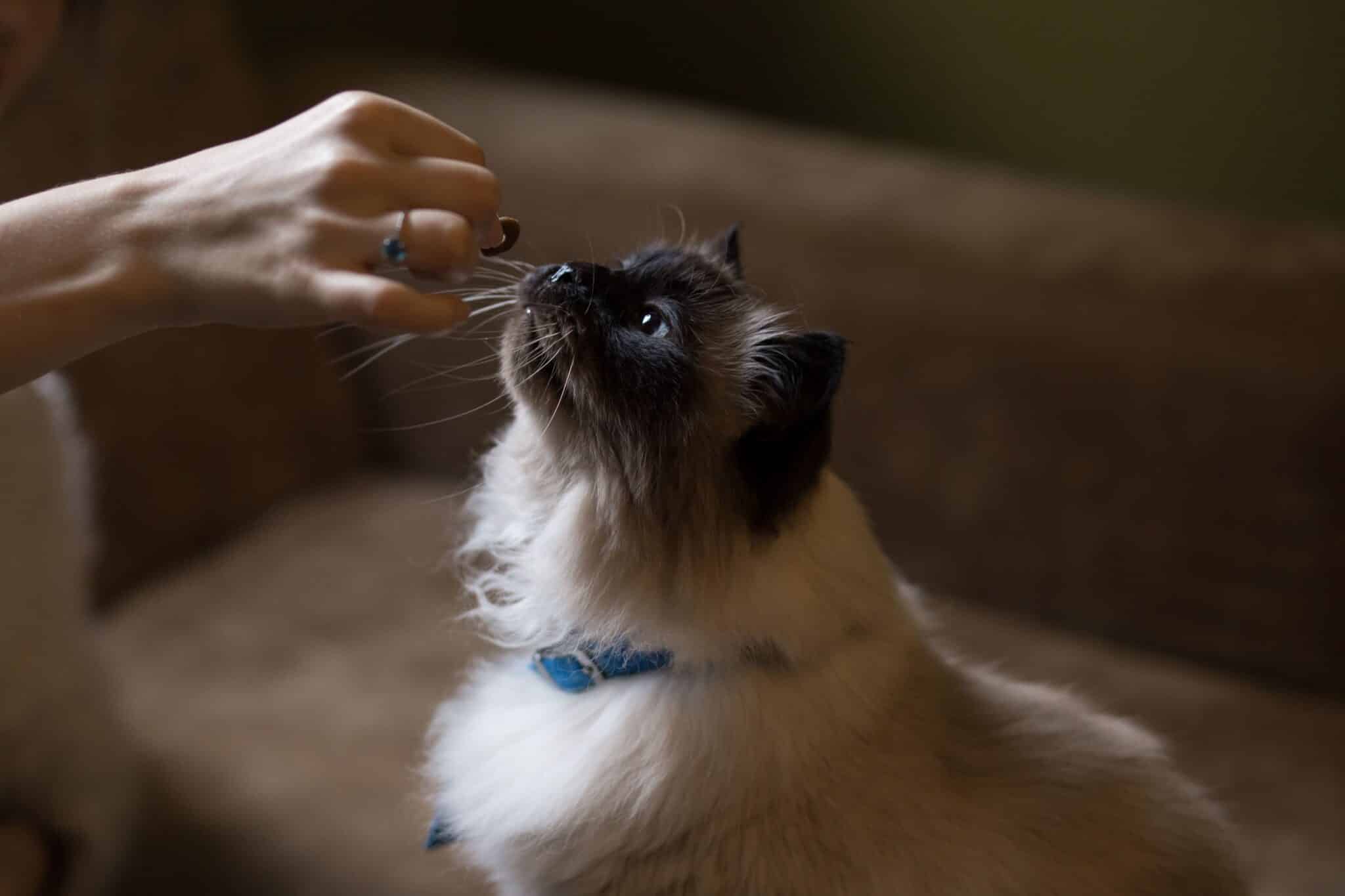
Confidence often develops through small, positive experiences rather than dramatic milestones. A kitten who finally walks into a room, investigates a new toy, approaches a visitor, or accepts gentle petting deserves encouragement. Offering a small treat, engaging in a favorite game, or simply allowing them to continue exploring can reinforce these moments. Rewards should be given calmly so the kitten does not feel pressured to perform. Recognizing progress at their own pace helps create positive associations with unfamiliar situations. What seems like a tiny accomplishment to a human may represent a meaningful step toward feeling comfortable and secure.
Respect Their Boundaries and Body Language
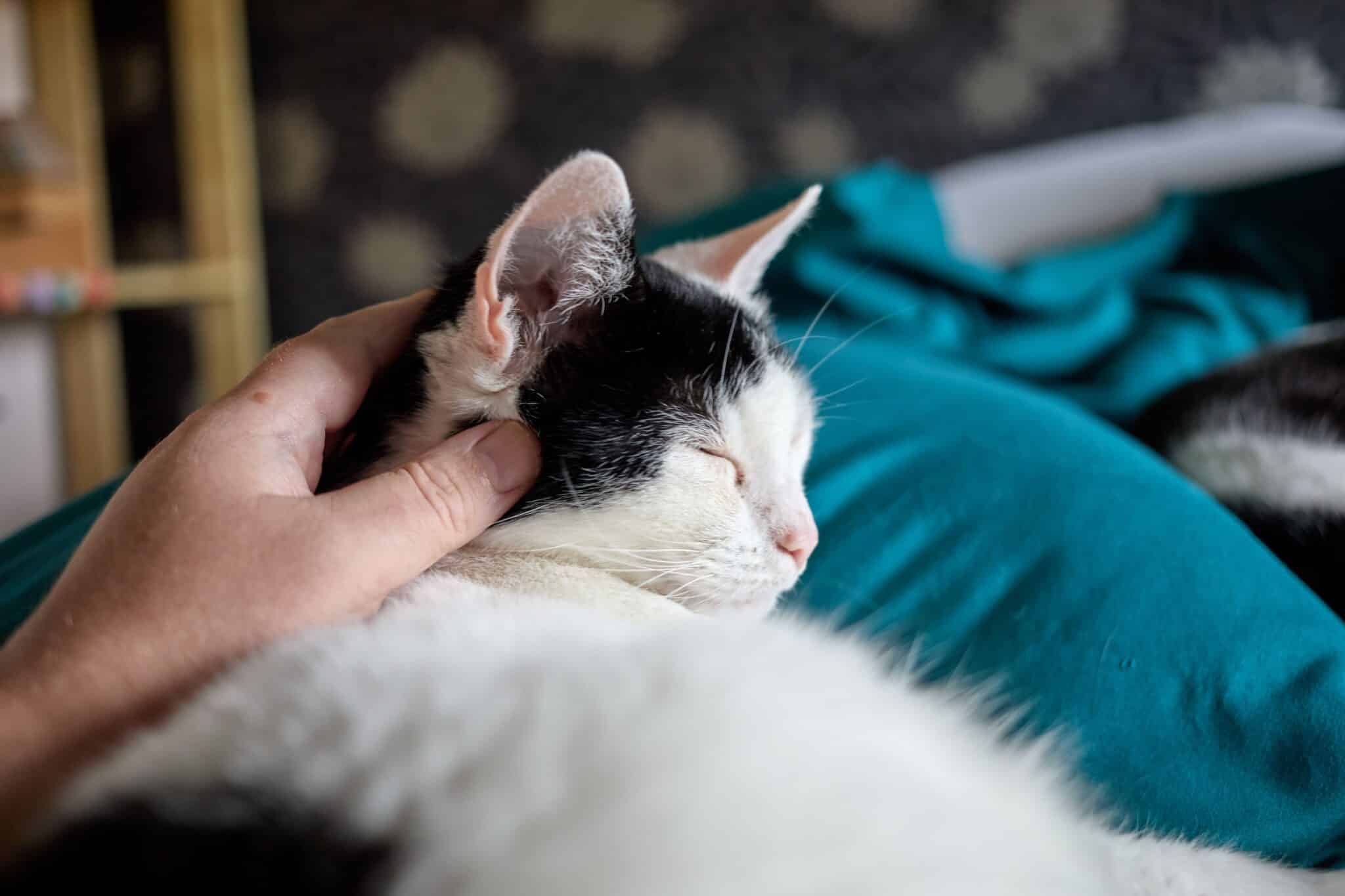
A kitten’s body language provides valuable clues about how comfortable they feel during an interaction. Relaxed ears, soft eyes, gentle movements, and voluntarily approaching someone can indicate that they are receptive to attention. Turning away, crouching, flattening their ears, swishing their tail, or trying to escape may suggest that they need space. Recognizing these signals and stopping when a kitten has had enough helps them learn that their boundaries will be respected. That trust can make future interactions more positive, allowing affection to develop naturally instead of making handling or petting feel like something they must tolerate.
The Little Comforts That Make A Big Difference

Helping a kitten feel safe rarely requires anything fancy. A warm bed, familiar routine, gentle play, and freedom to explore at their own pace can mean more than constant attention. Every kitten has a different personality, and some settle in quickly while others need extra time. Paying attention to their body language and respecting their boundaries helps build trust. With patience and reassurance, a once-timid kitten may develop greater curiosity, playful confidence, and affection, turning an unfamiliar house into a place they happily call home.
This content was created with AI assistance and edited by the iHeartCats team.