
iHeartCats is reader-supported. When you buy via links on our site, we may earn an affiliate commission at no extra cost to you
Cats have a bit of a reputation for not drinking enough water, and there’s actually a good reason why. Domestic cats evolved from desert-dwelling ancestors that got much of their moisture from the prey they ate, so they naturally have a lower thirst drive than dogs. Even today, many cats simply don’t seek out water as often as we’d expect.
That can become a problem, especially for cats that eat primarily dry food. Staying properly hydrated plays an important role in supporting healthy kidneys, urinary tract function, digestion, circulation, and overall wellness. While every cat is different, encouraging more water intake is one of the simplest ways to help support their long-term health.
Fortunately, helping your cat stay hydrated doesn’t have to be difficult. From water fountains and elevated bowls to wet foods, flavorful broths, and hydration supplements, there are plenty of products that can encourage even reluctant drinkers to consume more fluids throughout the day.

Cat Hydration Tips Plus the Best Water Fountains, Wet Foods, and Products to Encourage Drinking
Why Hydration Is So Important for Cats
Water helps nearly every system in your cat’s body function properly. Adequate hydration supports healthy kidneys, keeps the urinary tract functioning normally, aids digestion, regulates body temperature, and helps transport nutrients throughout the body.
Cats that consistently consume too little moisture may be at greater risk for urinary tract problems, constipation, and kidney concerns as they age. While hydration alone won’t prevent medical conditions, ensuring your cat gets enough fluids is an important part of maintaining their overall health.
Because cats often hide illness, paying attention to their drinking habits can also provide valuable clues about their well-being.
Encourage More Drinking
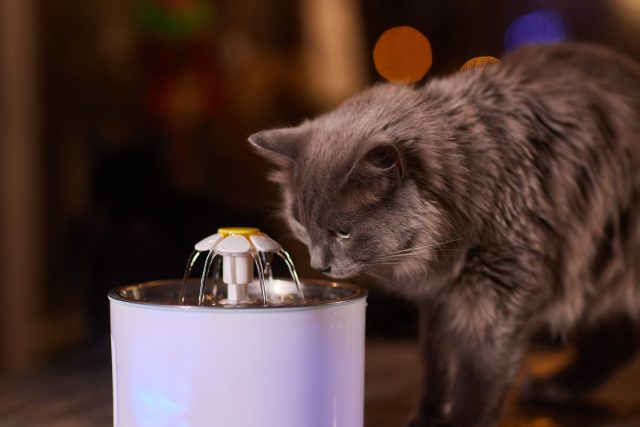
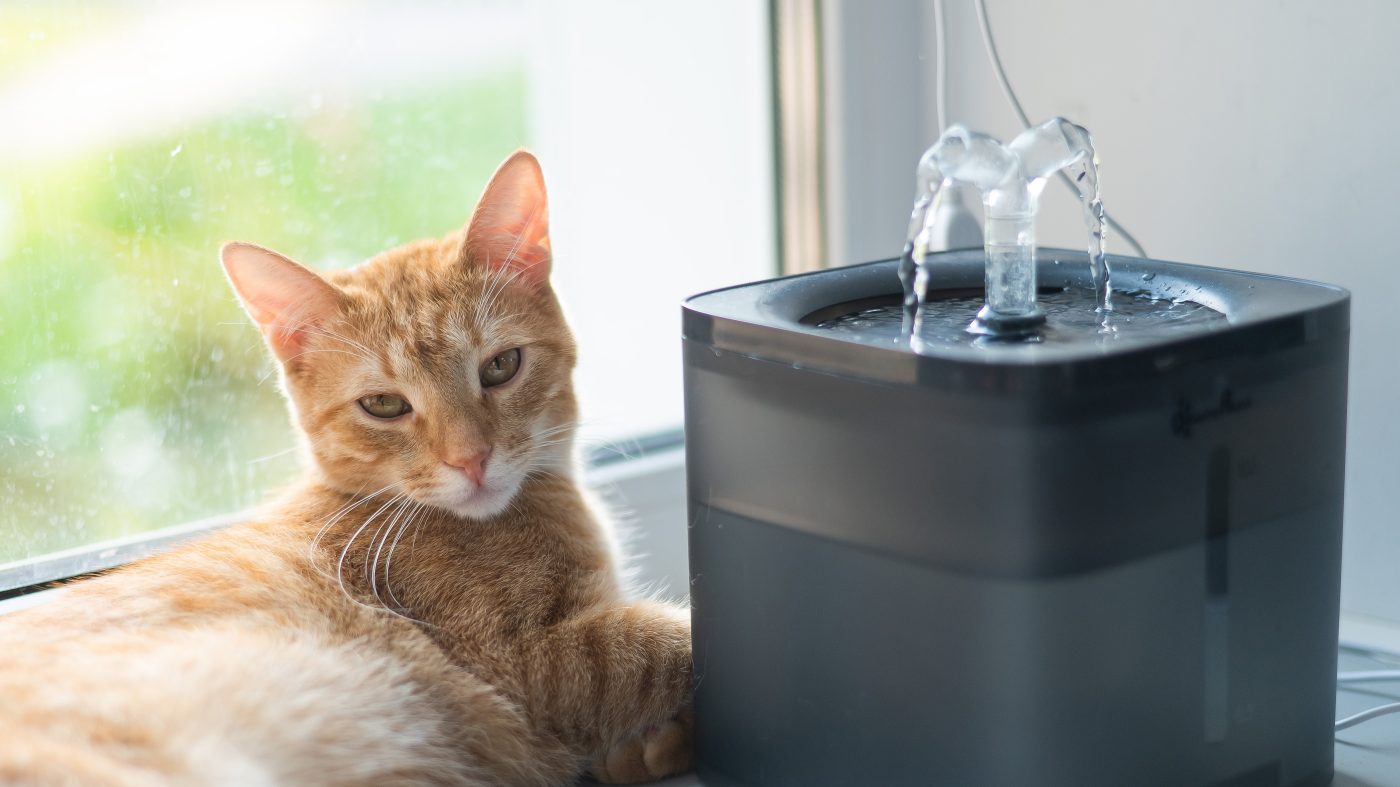
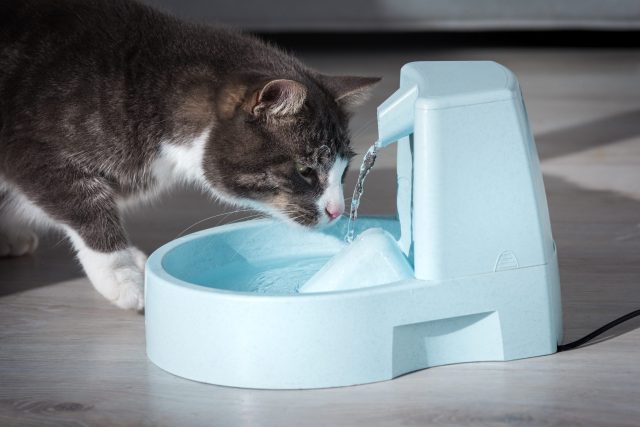
One of the easiest ways to help your cat drink more water is to make drinking more appealing. Many cats prefer running water over still water, while others enjoy drinking from wide, shallow bowls or having multiple water stations throughout the house.
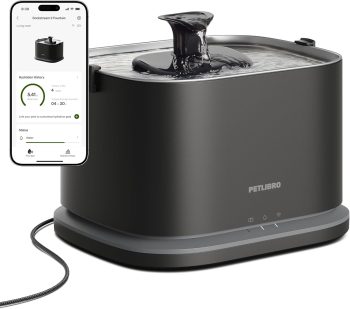
Best Overall Water Fountain
PETLIBRO Dockstream 2 Cat Fountain Indoor
Many cats are naturally attracted to moving water because, in the wild, flowing water is often fresher than stagnant water. The PETLIBRO Dockstream 2 keeps water continuously circulating and filtered, encouraging cats to take more frequent drinks throughout the day. Its stainless steel drinking tray is durable, easy to clean, and resistant to odors, while the cordless pump design makes maintenance much simpler than many traditional fountains. For households trying to encourage better hydration, a quality water fountain can be one of the most effective investments.

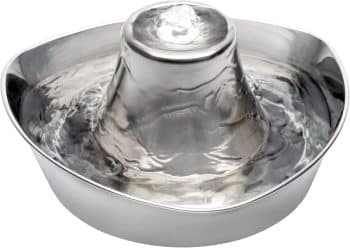
Best Stainless Steel Cat Fountain
PetSafe Seaside Stainless Steel Cat Fountain
Some cats enjoy sipping from a bubbling fountain, while others prefer a gentle stream or shallow pool of moving water. The PetSafe Seaside Fountain accommodates different drinking preferences while continuously filtering and circulating fresh water. Its stainless steel construction helps resist scratches and bacteria buildup, making it a hygienic option for everyday use. If your cat has ignored plastic fountains in the past, switching to stainless steel may make drinking more appealing.

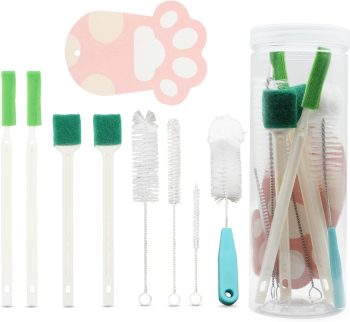
Keep Your Cat’s Fountain Fresh
9-Piece Pet Water Fountain Cleaning Kit
Even the best cat fountain needs regular cleaning. Mineral deposits, saliva, food particles, and biofilm can accumulate inside pumps and tubing over time, affecting both water quality and taste. This cleaning kit includes brushes designed to reach tight spaces inside fountains, helping remove buildup that ordinary sponges can’t reach. Keeping your fountain clean not only helps it last longer but also encourages your cat to keep coming back for fresh, clean water.
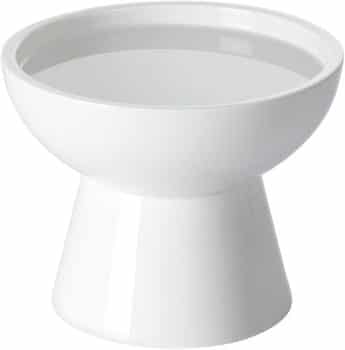
Try an Elevated Water Bowl
Elevated Cat Water Bowl
Not every cat prefers a fountain. Some simply appreciate drinking from a bowl that’s positioned at a more comfortable height. Elevated bowls reduce the need to crouch, making drinking easier for senior cats and those with arthritis or joint stiffness. Many cats also seem to enjoy wide, shallow bowls that don’t put pressure on their whiskers while they drink.
Great for Multi-Cat Homes
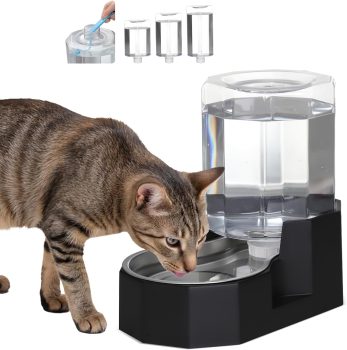
5L Gravity Stainless Steel Cat Water Dispenser
If you share your home with multiple cats—or spend long hours away from home—a large-capacity gravity water dispenser helps ensure clean water is always available. The stainless steel bowl provides a durable drinking surface, while the generous reservoir reduces the need for constant refilling. Having abundant fresh water available can encourage more frequent drinking throughout the day.
Add More Moisture to Every Meal
Cats naturally get much of their hydration from food. That’s why veterinarians often recommend incorporating wet food into a cat’s diet whenever appropriate. Wet foods, broths, and meal toppers all contribute additional moisture while making meals even more enticing.
Add Flavor and Moisture
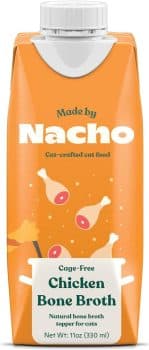
Made by Nacho Bone Broth Cat Food Topper
Bone broth is one of the easiest ways to boost your cat’s moisture intake without changing their entire diet. Simply pour it over kibble or wet food to add extra hydration and savory flavor. This turkey bone broth topper can make meals more exciting for picky eaters while helping cats consume additional fluids with every bite.
Turn Every Meal Into a Special Treat
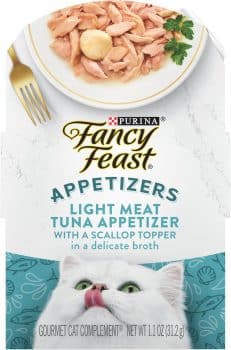
Purina Fancy Feast Appetizers Lickable Wet Cat Food Topper
These lickable toppers combine tender ingredients with plenty of moisture, making them an easy addition to your cat’s regular meals. They’re ideal for cats who need a little encouragement to eat or drink more, and they add variety without replacing a complete and balanced diet.
Feed More Wet Food
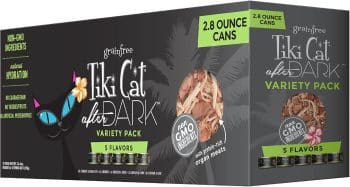
Tiki Cat After Dark Wet Food
One of the simplest ways to increase your cat’s daily water intake is by feeding wet food. Unlike dry kibble, canned food naturally contains a high percentage of moisture, helping support hydration with every meal. Tiki Cat After Dark recipes are rich in animal protein while delivering the extra moisture that many cats need to help support healthy kidneys and urinary tract function.
A Hydrating Snack Cats Love
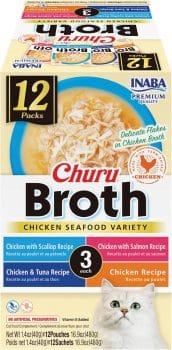
INABA Churu Broth Cups
If your cat enjoys lickable treats, these broth cups are an excellent way to increase moisture between meals. Each cup combines flavorful broth with tender pieces of meat, creating a snack that’s both satisfying and hydrating. They’re especially useful for cats that don’t seem interested in drinking enough water on their own.
Sneak in Daily Nutrition
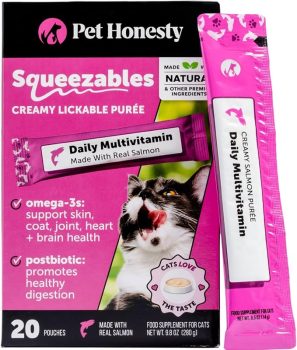
Pet Honesty Cat Multivitamin Lickable Treats
Hydration and nutrition can go hand in hand. These squeezable multivitamin treats provide extra moisture while delivering vitamins and nutrients in a creamy texture that many cats find irresistible. They’re an easy way to reward your cat while supporting their overall wellness.
Veterinary Hydration Support
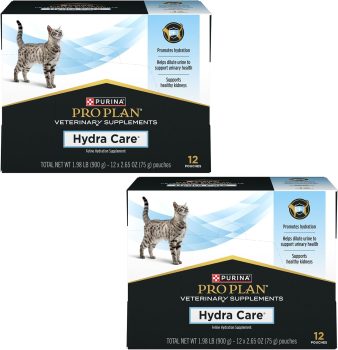
Purina Pro Plan Veterinary Supplements Hydra Care Cat Hydration Supplement
Some cats need extra encouragement to consume enough fluids. Hydra Care is specifically formulated to promote hydration by increasing total liquid intake beyond drinking water alone. It’s frequently recommended by veterinarians for cats that may benefit from additional hydration support and can be especially useful for cats with naturally low water consumption.
Simple Ways to Help Your Cat Drink More Water
Some cats naturally drink more than others, but there are several easy ways to encourage healthy hydration at home. Small changes can make a noticeable difference over time.
- Place multiple water bowls around your home.
- Keep water bowls away from food dishes and litter boxes, as some cats prefer separate locations.
- Refresh water daily so it always tastes clean.
- Wash bowls and fountains regularly to prevent slime and mineral buildup.
- Feed wet food as part of your cat’s daily diet whenever possible.
- Add bone broth or wet food toppers to increase moisture intake.
- Try stainless steel or ceramic bowls if your cat avoids plastic.
- Offer moving water with a fountain if your cat ignores a traditional bowl.
- Keep water stations in quiet areas where your cat feels safe drinking.
Even small improvements can encourage your cat to drink a little more each day.
Signs Your Cat May Not Be Drinking Enough Water
Cats are experts at hiding discomfort, so dehydration isn’t always obvious right away. Knowing what to watch for can help you recognize a problem before it becomes more serious.
Common signs of dehydration include:
- Dry or sticky gums
- Lethargy or unusual tiredness
- Decreased appetite
- Constipation
- Sunken-looking eyes
- Skin that doesn’t quickly return to normal when gently lifted over the shoulders
- Dark or concentrated urine
- Changes in litter box habits
If your cat becomes severely dehydrated, they may appear weak, refuse food, vomit, or collapse. Severe dehydration is a medical emergency and requires immediate veterinary care.
Just as important, pay attention if your cat suddenly starts drinking much more water than usual. Excessive thirst can sometimes be a sign of underlying health conditions such as:
- Chronic kidney disease
- Diabetes mellitus
- Hyperthyroidism
- Urinary tract disease
If you notice a sudden increase or decrease in your cat’s water intake that lasts more than a day or two, schedule an appointment with your veterinarian.
Frequently Asked Questions About Cat Hydration
1. Why don’t cats drink much water?
Cats evolved from desert-dwelling ancestors that obtained much of their moisture from prey rather than standing water. Because of this, many cats naturally have a lower thirst drive than dogs. Feeding moisture-rich foods and encouraging regular drinking can help compensate for this instinct.
2. How much water should a cat drink each day?
The amount varies based on your cat’s size, diet, activity level, and overall health. Cats eating primarily wet food typically drink less water because they are getting moisture from their meals, while cats eating dry kibble often need to drink more. If you are concerned about your cat’s water intake, your veterinarian can help determine what is normal for your pet.
3. Are cat water fountains better than bowls?
For many cats, yes. Moving water is often more appealing than still water, which is why many cats drink more from fountains. Water fountains also help keep water circulating and filtered, making it fresher throughout the day.
4. Is wet food enough to keep my cat hydrated?
Wet food provides significantly more moisture than dry kibble and can contribute substantially to your cat’s daily hydration. However, cats should still have access to fresh, clean drinking water at all times.
5. Can cats drink bone broth?
Yes, as long as it is formulated specifically for cats or pets and does not contain ingredients such as onions, garlic, excessive sodium, or harmful seasonings. Bone broth can be a delicious way to add extra moisture to meals.
6. What are the signs of dehydration in cats?
Common signs include dry gums, lethargy, decreased appetite, constipation, sunken eyes, reduced skin elasticity, and concentrated urine. If your cat appears severely dehydrated or stops eating and drinking, contact your veterinarian immediately.
7. Why is my cat suddenly drinking a lot more water?
A sudden increase in thirst should never be ignored. Excessive drinking can be associated with conditions such as kidney disease, diabetes, hyperthyroidism, or certain urinary tract disorders. If you notice your cat frequently emptying the water bowl or visiting it much more often than usual, schedule a veterinary exam.
8. How can I encourage my cat to drink more water?
Try offering a water fountain, placing several water stations throughout your home, feeding wet food, adding bone broth or wet food toppers to meals, keeping water fresh, and experimenting with different bowl styles and locations until you find what your cat prefers.
9. Are lickable treats good for hydration?
Lickable treats and broth-based snacks can provide additional moisture and are often highly appealing to cats. While they should not replace a balanced diet, they can be a fun way to supplement your cat’s daily fluid intake.
10. When should I talk to my veterinarian about my cat’s drinking habits?
You should contact your veterinarian if your cat suddenly drinks much more or much less than normal, refuses to drink, shows signs of dehydration, has repeated vomiting or diarrhea, or experiences changes in appetite, urination, or energy level. Changes in water consumption are often one of the earliest signs that something may be wrong.
Help Your Cat Stay Hydrated Every Day
Helping your cat stay hydrated is one of the simplest things you can do to support their long-term health. Whether it’s switching to a cat water fountain, adding moisture-rich wet food, pouring bone broth over meals, or offering veterinarian-recommended hydration supplements, every extra sip contributes to healthy kidneys, urinary tract function, digestion, and overall well-being.
Because every cat has different preferences, don’t be afraid to experiment with different fountains, bowls, foods, and hydration boosters until you find what works best. Some cats love running water, while others prefer broth, lickable treats, or simply having several water bowls placed throughout the house.
Most importantly, pay attention to your cat’s drinking habits. A noticeable increase or decrease in water intake can sometimes be an early sign of an underlying health problem. If something doesn’t seem right, your veterinarian can help determine the cause and recommend the best course of action.
With a few thoughtful changes and the right hydration products, you can help your cat drink more, feel better, and stay healthy for years to come.