
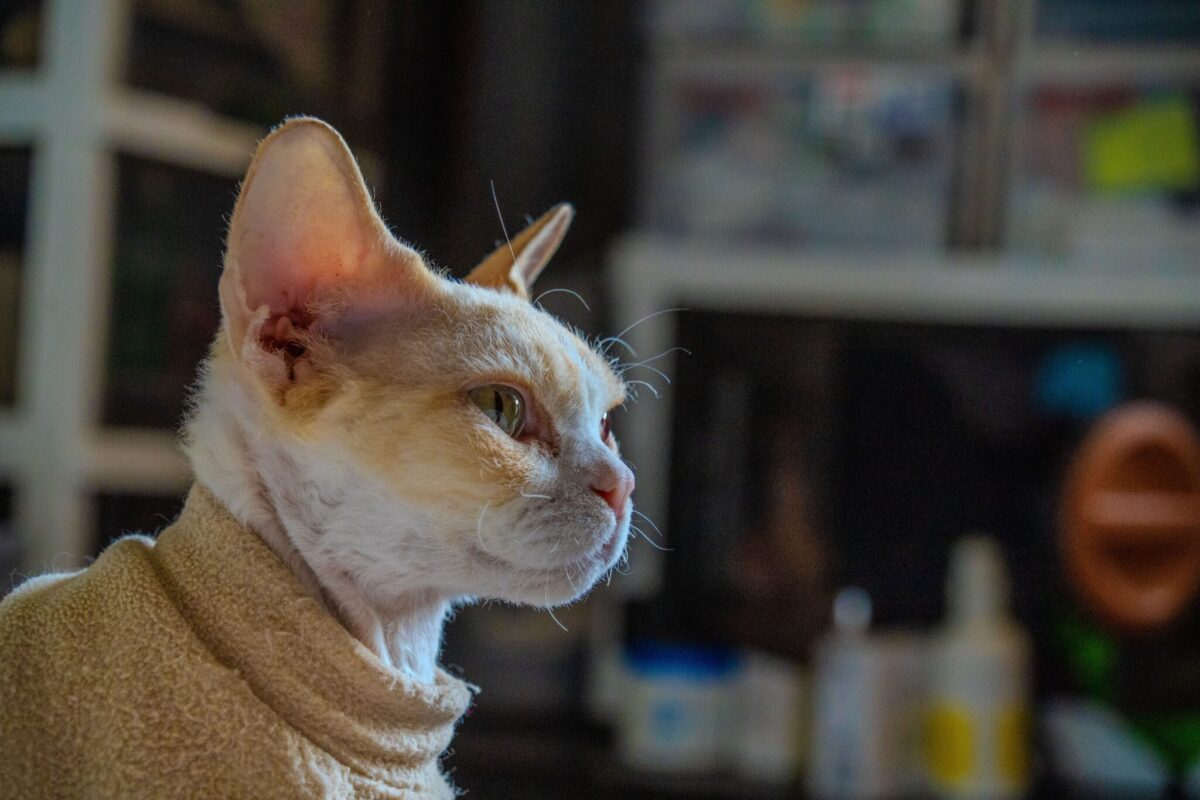
Some cats disappear when the doorbell rings, while others seem ready to greet every visitor who walks through the door. Friendly cat breeds are often known for sociable temperaments, curiosity, confidence, and an interest in spending time around familiar people or newcomers. Genetics can influence personality, but socialization, life experiences, environment, and individual temperament matter greatly. An outgoing cat may approach guests, relax nearby, invite interaction, or supervise household activity. For people seeking an engaged companion, these welcoming breeds can make social interaction feel wonderfully natural at home.
Ragdoll
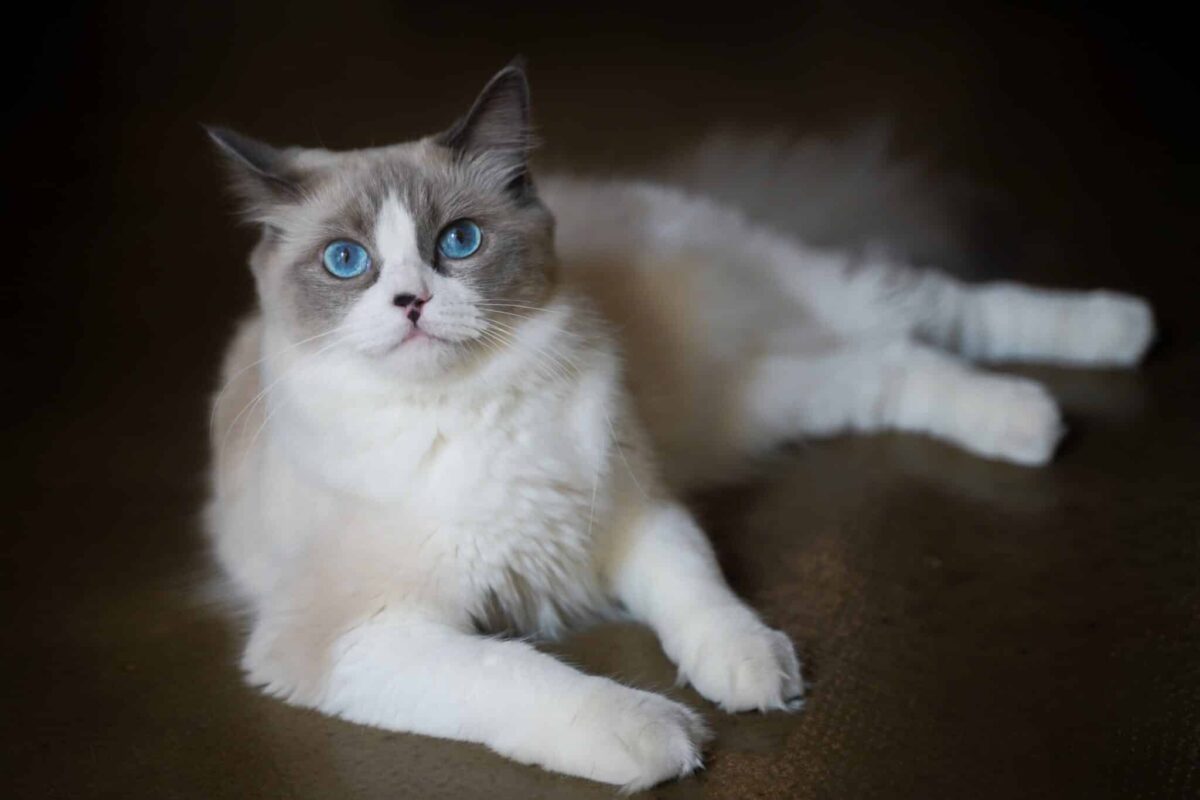
Ragdolls are widely associated with gentle, sociable temperaments and an easygoing approach to household life. Many enjoy staying near people without constantly demanding activity, allowing them to greet visitors and then settle comfortably nearby while conversations continue. Their relaxed personalities can make social situations feel less dramatic than they might for a more cautious or territorial cat. Individual Ragdolls still differ considerably, and some need time before approaching unfamiliar people, especially if they have limited socialization experience. Respectful introductions give them control over how quickly interaction develops. A confident Ragdoll may eventually move between guests, investigate available laps, or simply stretch out nearby, creating the unmistakable impression that everyone who entered the house has already been approved.
Burmese

Burmese cats frequently earn attention for their people-oriented personalities and enthusiasm for participating in household activities. Rather than watching everything from a distant hiding place, many prefer to investigate visitors, follow familiar people between rooms, and remain close to whatever social event is currently unfolding. Their playful intelligence can also make interactive attention especially rewarding, giving guests an easy opportunity to connect through appropriate games. Sociability varies among individuals, so unfamiliar people should still allow the cat to initiate contact rather than immediately reaching for them. Early positive experiences with different people can help develop confident behavior. Once comfortable, a friendly Burmese may behave less like a cautious observer and more like an unofficial host who assumes every gathering could use additional feline participation.
Maine Coon
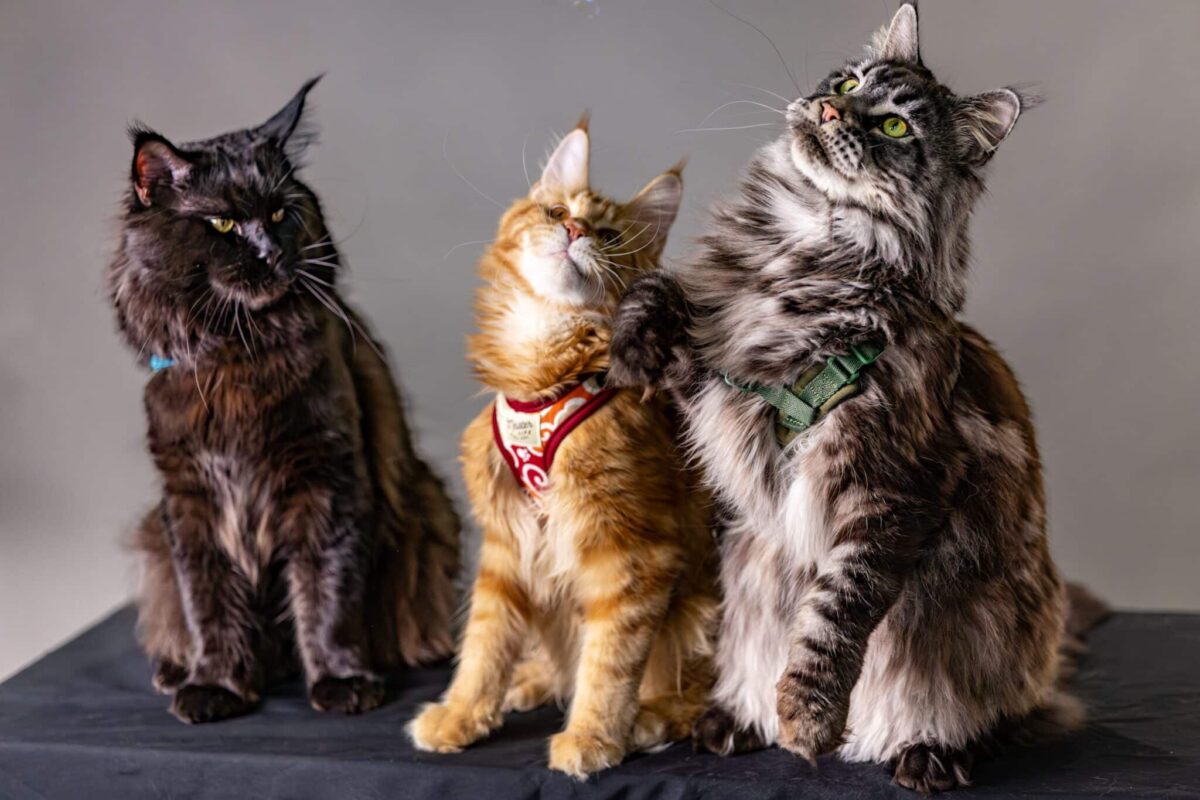
Large size does not prevent the Maine Coon from developing a famously sociable personality. Many enjoy remaining near household activity while maintaining enough independence to avoid demanding constant physical attention. That balance can make social gatherings easier for confident individuals because they can observe newcomers, approach when interested, and retreat whenever they have had enough. Maine Coons are also frequently described as playful and curious, traits that can encourage them to investigate unfamiliar people instead of immediately avoiding them. Breed tendencies never guarantee that every individual will welcome visitors, particularly when early experiences have encouraged caution. Still, a well-socialized Maine Coon may stroll into a gathering with remarkable composure, settle nearby, and make an impressive amount of fluff feel completely at home among the company.
Siamese
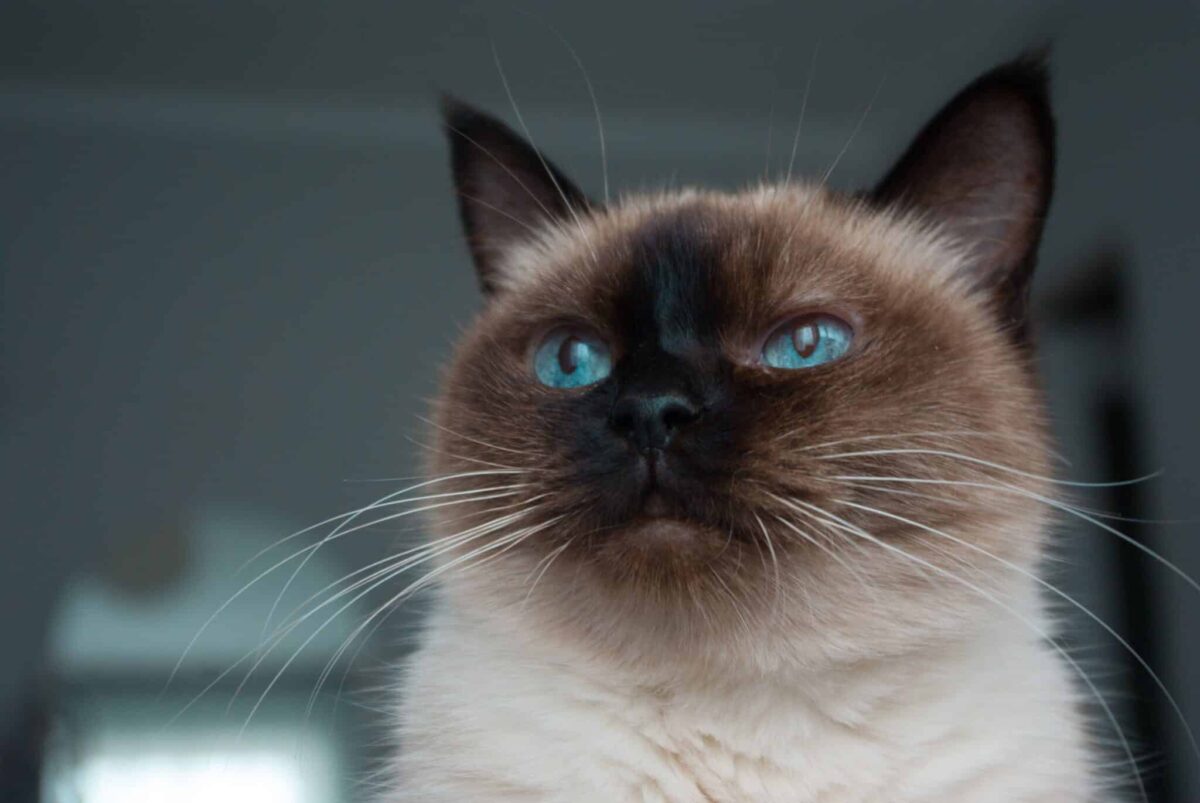
Siamese cats rarely have a reputation for being socially invisible. Intelligent, communicative, and highly engaged with household life, many develop strong relationships with people and show considerable interest in anyone entering their environment. Their famous vocal tendencies can make greetings particularly noticeable, since an outgoing individual may respond to visitors with meows, movement, and persistent observation. Social confidence still depends heavily on temperament and experience, so some Siamese may prefer evaluating newcomers before getting involved. Providing escape routes and allowing voluntary interaction helps prevent social attention from becoming overwhelming. Once comfortable, their curiosity often takes over. A friendly Siamese may inspect the new arrival, participate enthusiastically in conversation, and somehow create the impression that every guest has entered primarily to see them.
Sphynx
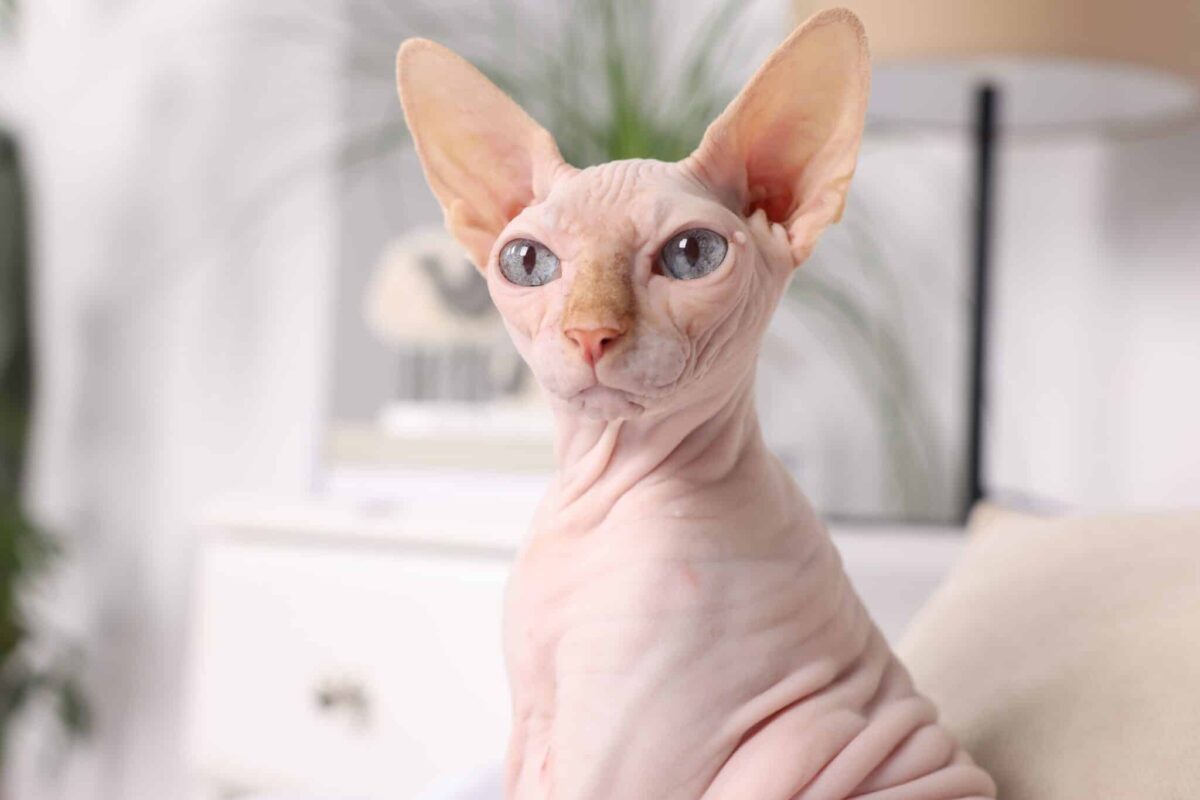
The Sphynx is frequently described as outgoing, affectionate, playful, and strongly interested in human companionship. Many actively seek proximity and interaction, making them difficult to overlook when visitors arrive. Their desire for warmth may encourage physical closeness, but their social reputation extends beyond simply finding a comfortable heat source. Confident individuals often enjoy games, attention, and participating in whatever people around them are doing. Because their lack of a typical fur coat requires specialized skin care and protection from temperature extremes, their social personality comes with some practical care considerations. Individual temperament still matters, and no Sphynx should be expected to accept handling from strangers automatically. Given respectful introductions, however, a sociable one may quickly behave as though a new visitor has been part of the household for years.
Tonkinese

Combining Siamese and Burmese ancestry, the Tonkinese often brings considerable sociability, intelligence, playfulness, and curiosity into the home. Many enjoy being involved with people and may find unfamiliar visitors more intriguing than intimidating when they have been positively socialized. Interactive personalities can make these cats enthusiastic participants in games and household routines, giving guests several opportunities to earn their interest without forcing physical contact. Their social needs also mean that appropriate companionship and enrichment are important when people are unavailable. Temperament naturally differs between individuals, and even an outgoing Tonkinese deserves the freedom to retreat when a gathering becomes noisy or tiring. A confident cat may return repeatedly to investigate newcomers, making it difficult for visitors to forget that the household welcoming committee has whiskers.
Birman

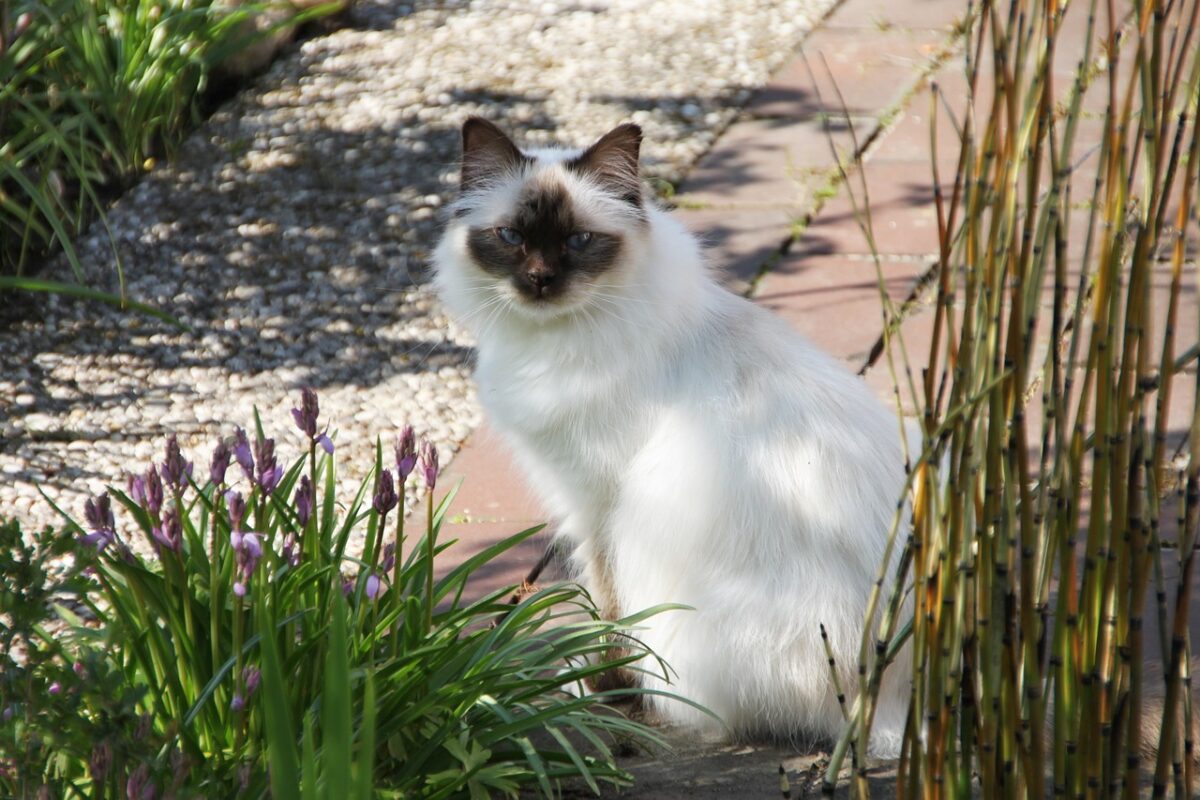
Birmans are commonly associated with affectionate, gentle personalities that can make them pleasant companions in socially active households. Many enjoy being around familiar people without matching the nonstop intensity of highly energetic breeds, giving their friendliness a quieter quality. A well-socialized Birman may approach visitors calmly, observe them nearby, or settle into the room once they determine that nothing concerning is happening. Their willingness to remain close can create a welcoming atmosphere without requiring constant interaction. Naturally, some individuals are more reserved, and unfamiliar guests should avoid assuming that a beautiful, relaxed cat automatically wants to be touched. Giving the cat control over introductions encourages positive experiences. When comfortable, a Birman can make companionship seem effortless simply by choosing to remain peacefully involved.
Devon Rex
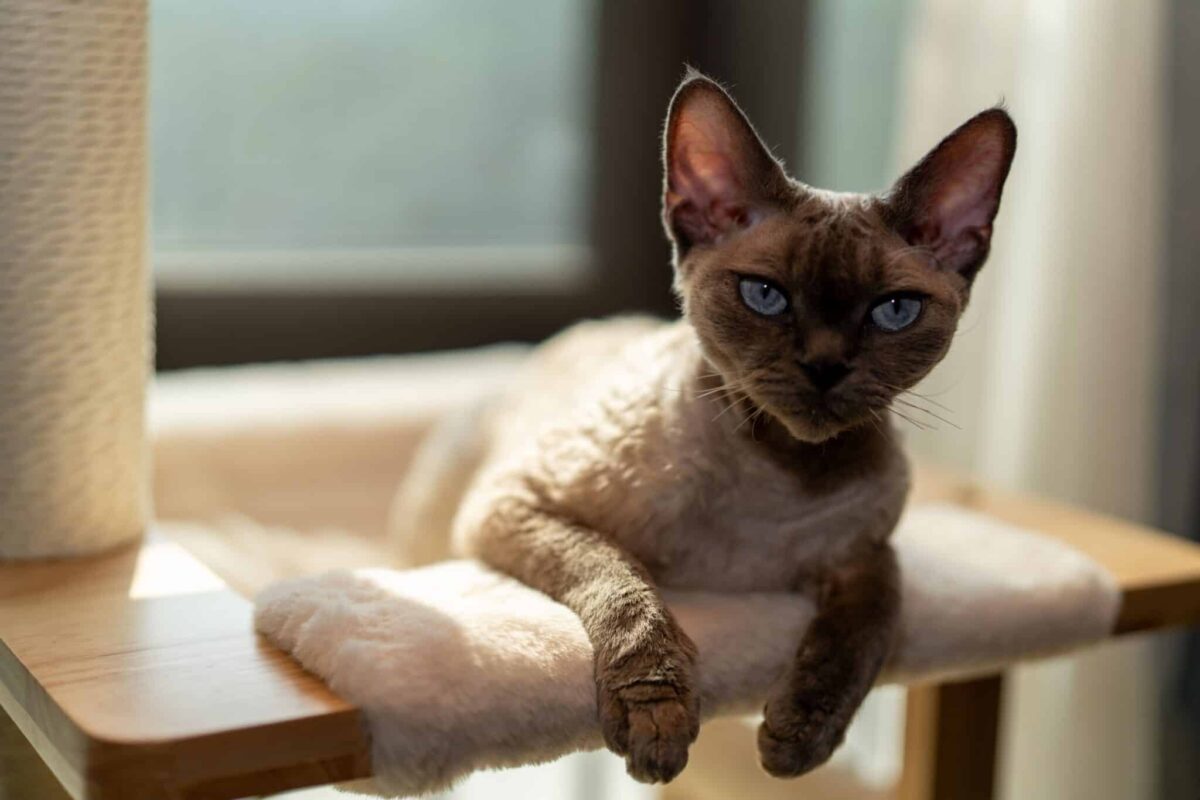
The Devon Rex combines curiosity, playfulness, intelligence, and social interest in a package that often seems determined to participate in household entertainment. Many enjoy climbing, investigating people, and staying involved with whatever happens around them, which can make visitors an immediate source of fascination. Their active personalities may inspire them to approach newcomers, watch from an elevated position, or initiate play once they feel comfortable. Providing appropriate climbing spaces and interactive enrichment helps give that busy mind productive outlets, especially in lively homes. Individual Devon Rex cats still vary in confidence, and visitors should allow them to decide when contact begins. A socially adventurous individual may need very little encouragement, however, before joining the gathering and behaving as though being excluded was never a possibility.
Cornish Rex
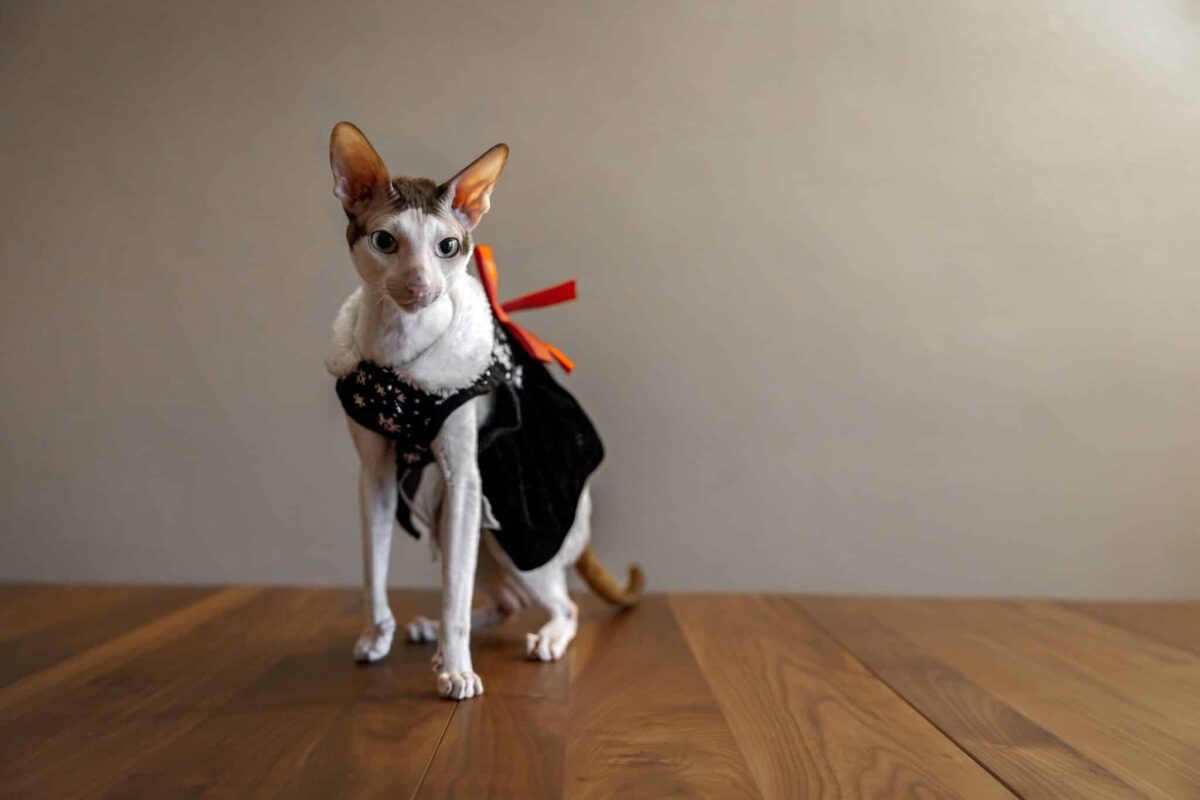
Athletic and playful, the Cornish Rex often approaches social life with the same enthusiasm they bring to exploration. Many enjoy interaction, games, climbing, and involvement with people, traits that can encourage confident individuals to investigate visitors instead of remaining hidden. Their distinctive curly coat gives them an unforgettable appearance, but their engaging personality often becomes the bigger attraction once introductions begin. Active cats need sufficient opportunities for exercise and mental stimulation, and interactive play can offer guests a comfortable way to engage without immediately attempting physical affection. Temperament and previous experiences influence how quickly each cat accepts unfamiliar people. Once a sociable Cornish Rex decides someone is interesting, however, the visitor may discover that personal space has become negotiable and the entertainment schedule has already begun.
Bombay
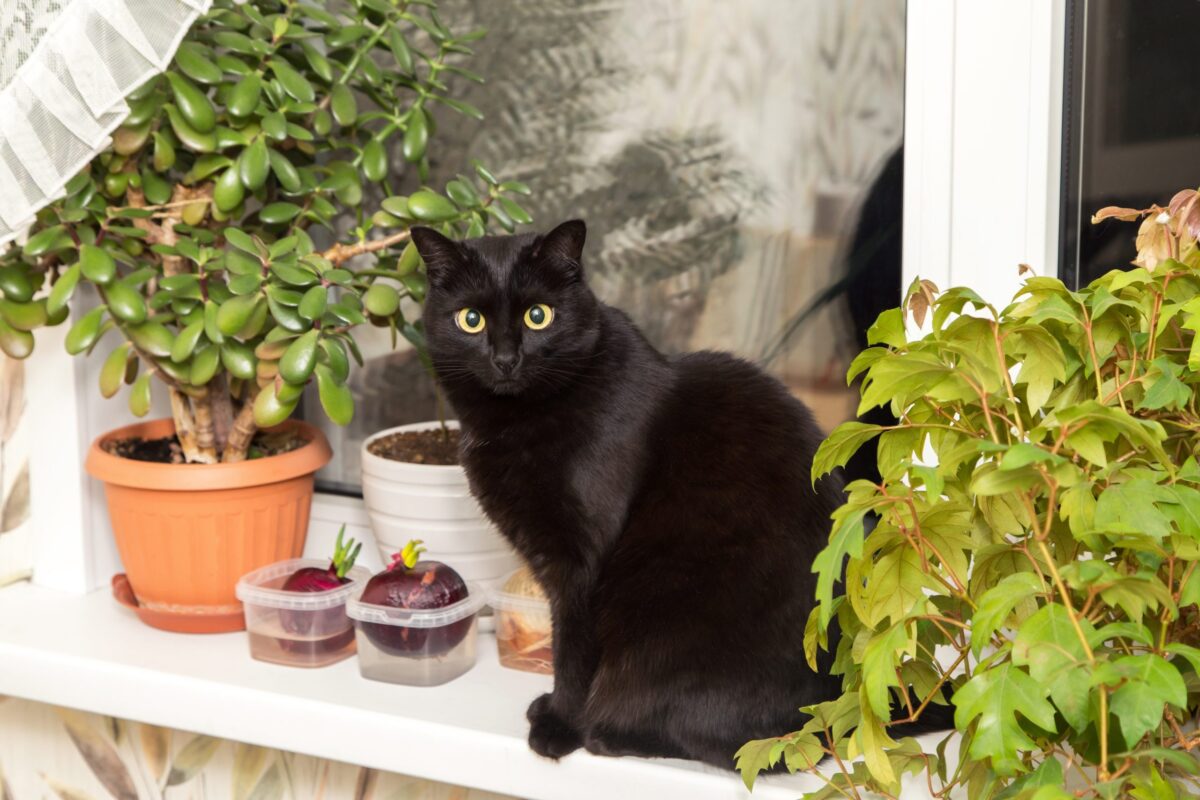
Bombays are often described as affectionate, intelligent, and people-oriented companions that enjoy being involved with household life. Their social interest can extend beyond one favorite person, particularly when they have grown accustomed to positive interactions with different visitors. Rather than immediately retreating when someone arrives, a confident Bombay may observe, approach, or settle close enough to remain part of the activity. Play can provide another useful social bridge because many enjoy interactive entertainment and attention. Their friendliness should never be treated as permission for strangers to pick them up or handle them without invitation. Cats communicate comfort through body language, and respecting those signals keeps interactions positive. A relaxed Bombay can make a gathering feel complete simply by appearing nearby and quietly joining the social circle.
American Shorthair
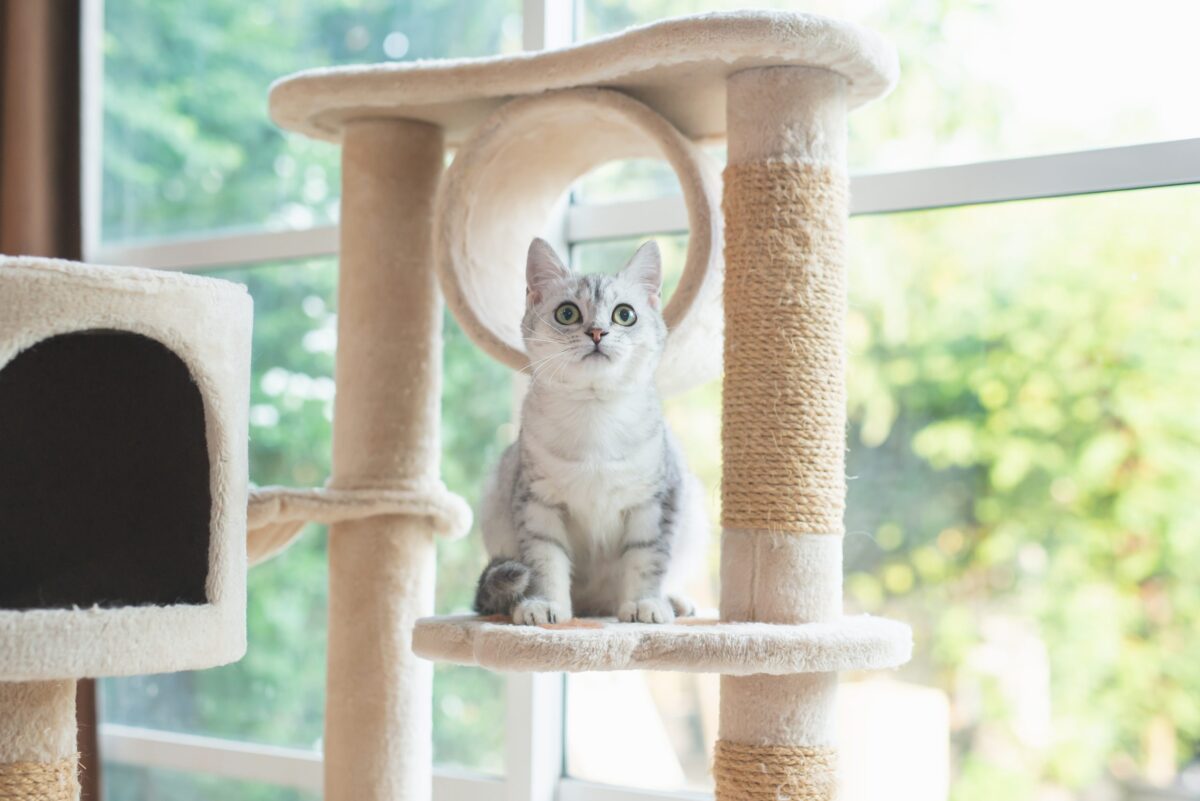
American Shorthairs are often valued for adaptable personalities that can fit comfortably into many household environments. Individual temperaments vary widely, but many are sociable without being excessively demanding, allowing them to enjoy human company while maintaining a healthy degree of independence. That balanced approach can work particularly well around visitors. A confident cat may investigate a newcomer, accept appropriate attention, and then settle nearby instead of requiring continuous interaction. Their playful side also provides opportunities for social engagement through games rather than handling. Positive early experiences with different people remain important because breed alone cannot create confidence. For guests who appreciate a cat that can be friendly without insisting on becoming the entire evening’s agenda, a well-socialized American Shorthair may provide exactly that comfortable middle ground.
Exotic Shorthair
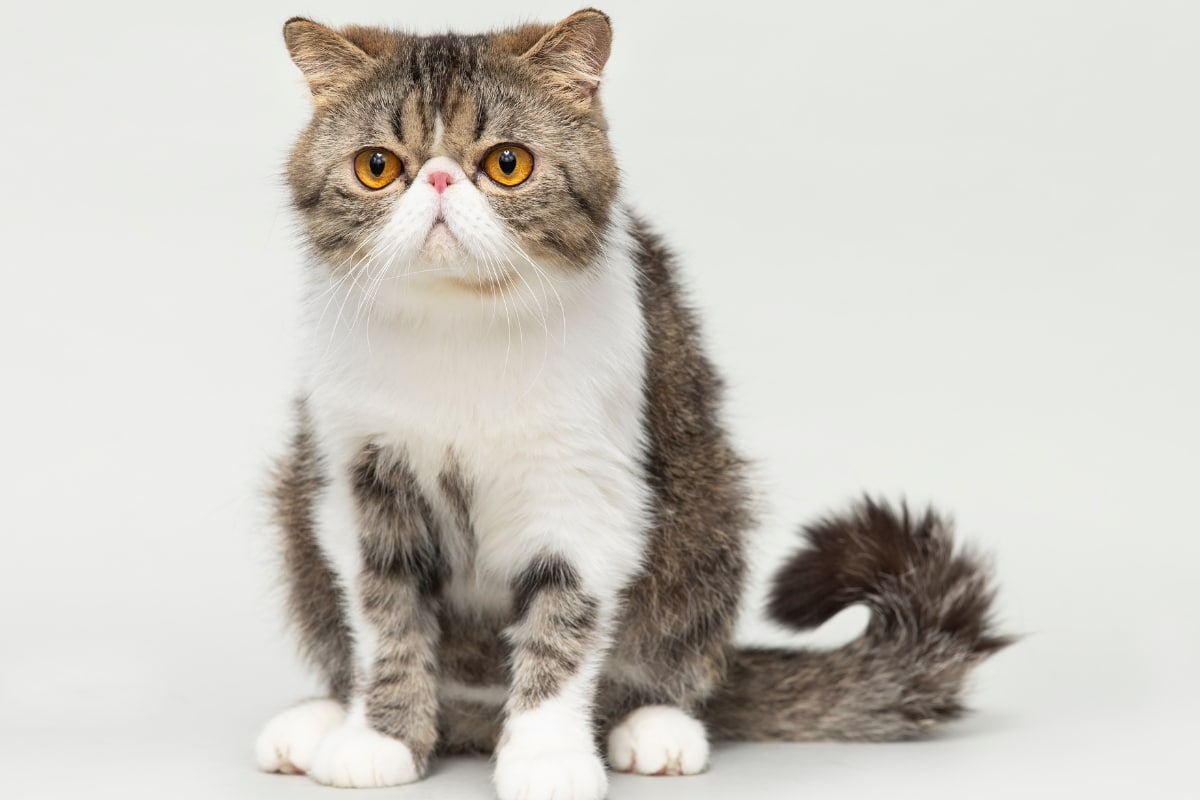
The Exotic Shorthair is often associated with a gentle, affectionate temperament similar to that of the Persian, but many individuals also show a playful streak that makes social interaction enjoyable. Rather than rushing into every gathering, they may prefer a quieter introduction before settling close to people they find comfortable. That calm presence can make them appealing companions in homes where friendliness does not need to mean constant activity. Positive socialization helps unfamiliar people feel less disruptive, while allowing the cat to approach voluntarily protects their sense of security. Their flat facial structure can be associated with breathing, eye, and dental concerns, so responsible veterinary care remains important. A comfortable Exotic Shorthair may welcome company simply by settling nearby and making the room feel noticeably more relaxed.
Scottish Fold
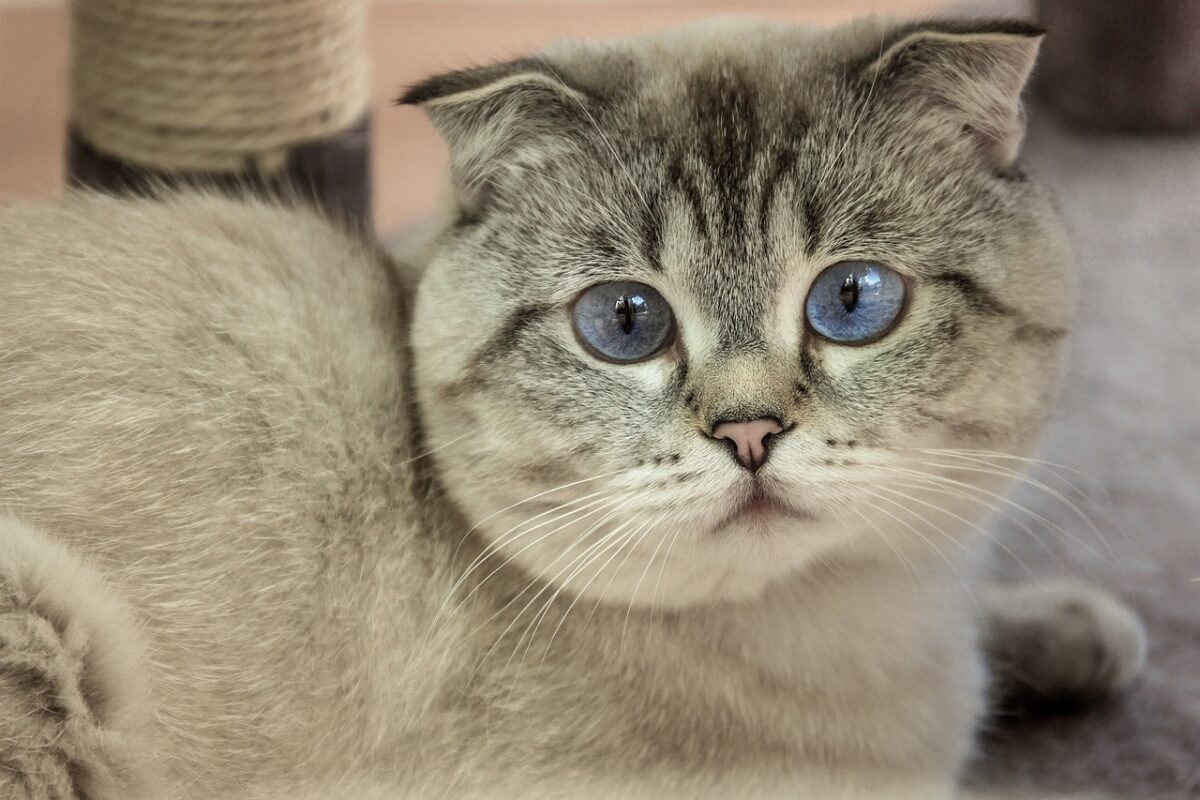
Scottish Folds are often described as gentle, calm, and interested in spending time around people, qualities that can make well-socialized individuals comfortable companions when visitors arrive. Many prefer remaining near household activity rather than demanding constant interaction, allowing them to participate quietly in social settings. Their individual confidence still depends on temperament and experience, so some may take longer to approach unfamiliar people. Importantly, the folded ears result from a genetic cartilage abnormality associated with osteochondrodysplasia, which can cause painful skeletal disease. That serious welfare issue should be considered alongside any discussion of the breed’s appealing temperament or appearance. For cats already in loving homes, thoughtful veterinary care, respectful handling, and attention to mobility can help support comfort while allowing their individual social personalities to shine.
Ragamuffin
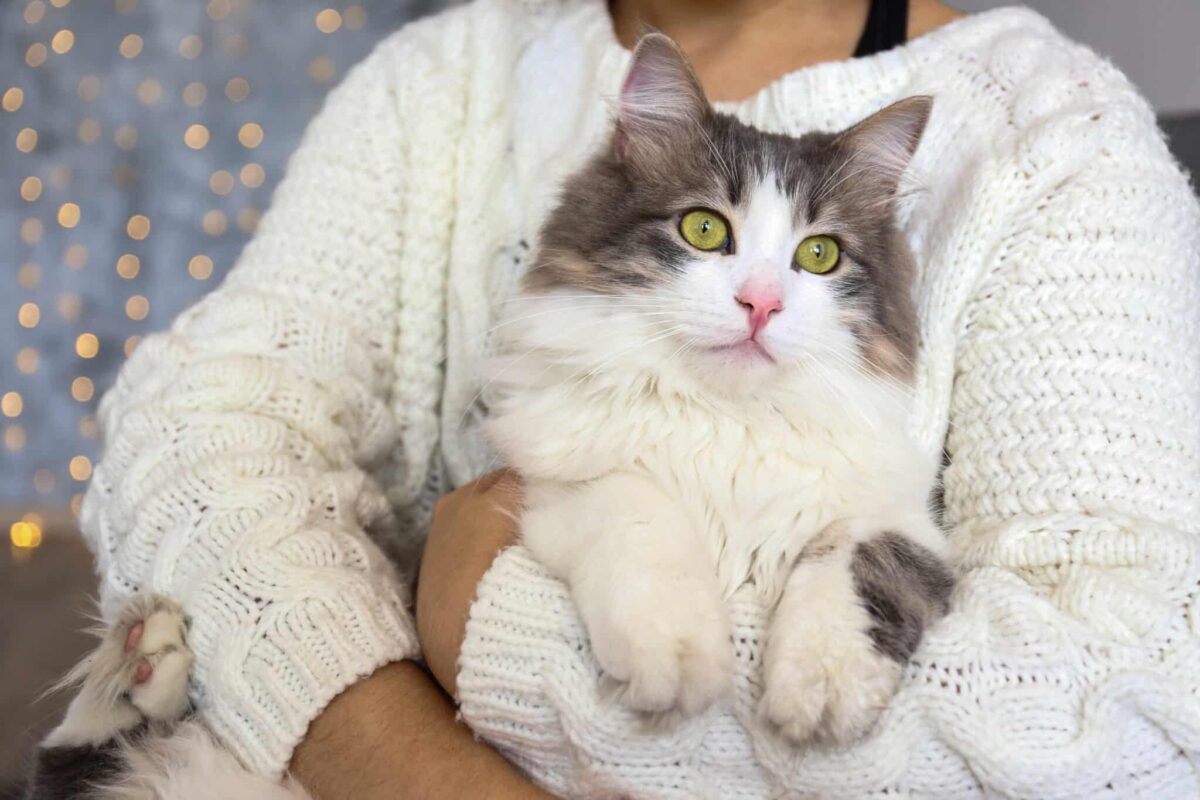
Ragamuffins are commonly associated with gentle, affectionate, people-oriented temperaments that suit the welcoming theme particularly well. Many enjoy companionship and may remain comfortably involved when familiar people gather, especially when early social experiences have helped them feel secure around different humans. Their friendliness can appear through relaxed proximity, voluntary approaches, or a willingness to settle near social activity rather than retreat elsewhere. That reputation should never become an excuse to overwhelm an individual cat with attention. Even exceptionally sociable companions need control over interactions and access to peaceful spaces when they want a break. A confident Ragamuffin can make guests feel surprisingly accepted, not through dramatic antics, but by calmly joining everyone as though an additional person in the room simply means more company.
The Welcome Committee Has Whiskers
Friendly cats can bring warmth to a home, especially when curiosity and social confidence help them feel comfortable around different people. Breed tendencies can suggest personality, but early experiences, respectful interactions, individual temperament, and a secure environment remain important. Even sociable cats deserve the freedom to decide when to approach, accept touch, play, or retreat somewhere quiet. Giving them that choice makes social encounters more comfortable for everyone. When a confident cat strolls into a room of visitors and settles nearby, the household may already have its charming host.
\This content was created with AI assistance and edited by the iHeartCats team.