
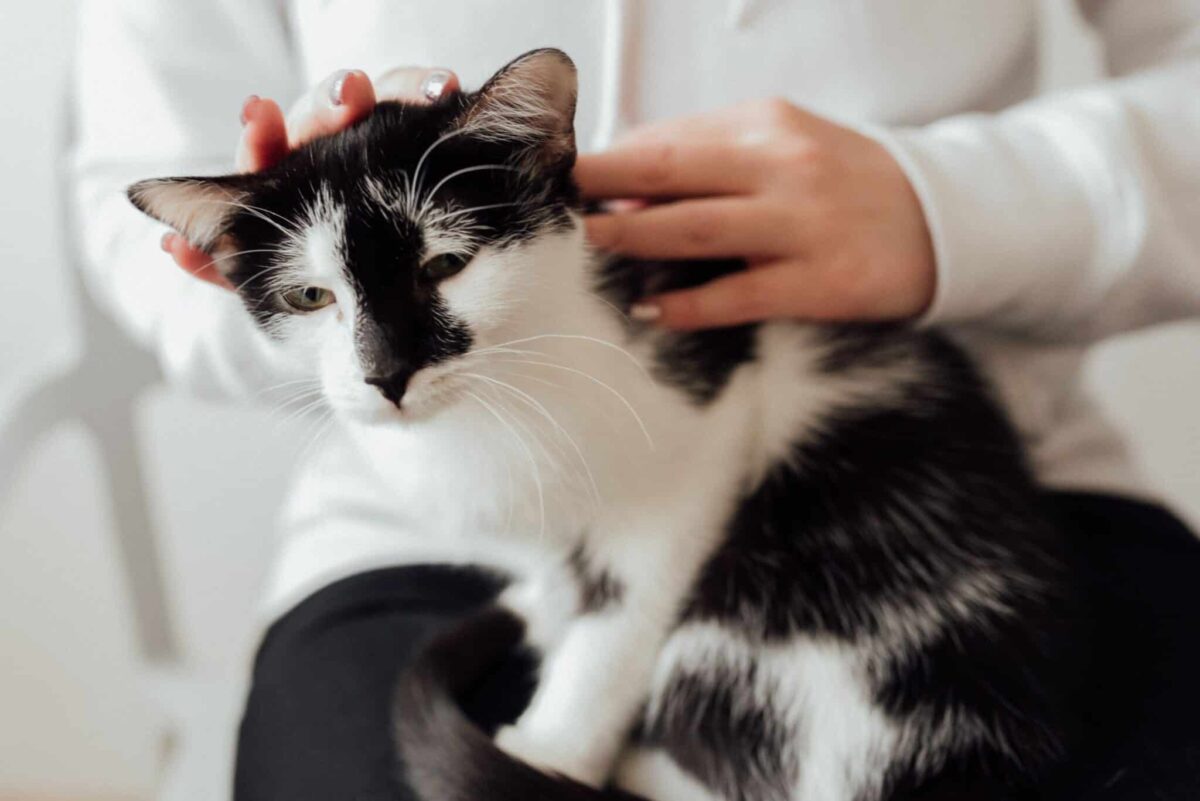
Love can look surprisingly practical to a cat. It may mean breakfast arriving on schedule, a gentle hand waiting for permission before petting, or a familiar voice offering a quiet greeting. Cats build strong relationships through repeated experiences that make their world feel safe, predictable, comfortable, and rewarding. Small daily choices can strengthen that security while respecting their independent nature. Because every cat has unique social preferences, meaningful care often comes from honoring boundaries, providing positive interaction, meeting needs consistently, and giving them space to simply be themselves.
Keep Their Daily Routine Predictable

Cats tend to appreciate knowing what comes next. Meals arriving at roughly consistent times, familiar bedtime rituals, and regular periods of play can make daily life easier to anticipate, which may help a cat feel secure in their environment. Predictability matters because cats naturally pay close attention to patterns surrounding resources, activity, and potential changes in their territory. A dependable routine also teaches them that the humans around them reliably meet important needs. Life cannot always follow a perfect schedule, of course, and most cats can adapt to reasonable changes. Still, maintaining familiar rhythms whenever possible can provide a reassuring foundation that communicates care through something cats understand particularly well: consistency.
Let Them Choose When Affection Happens
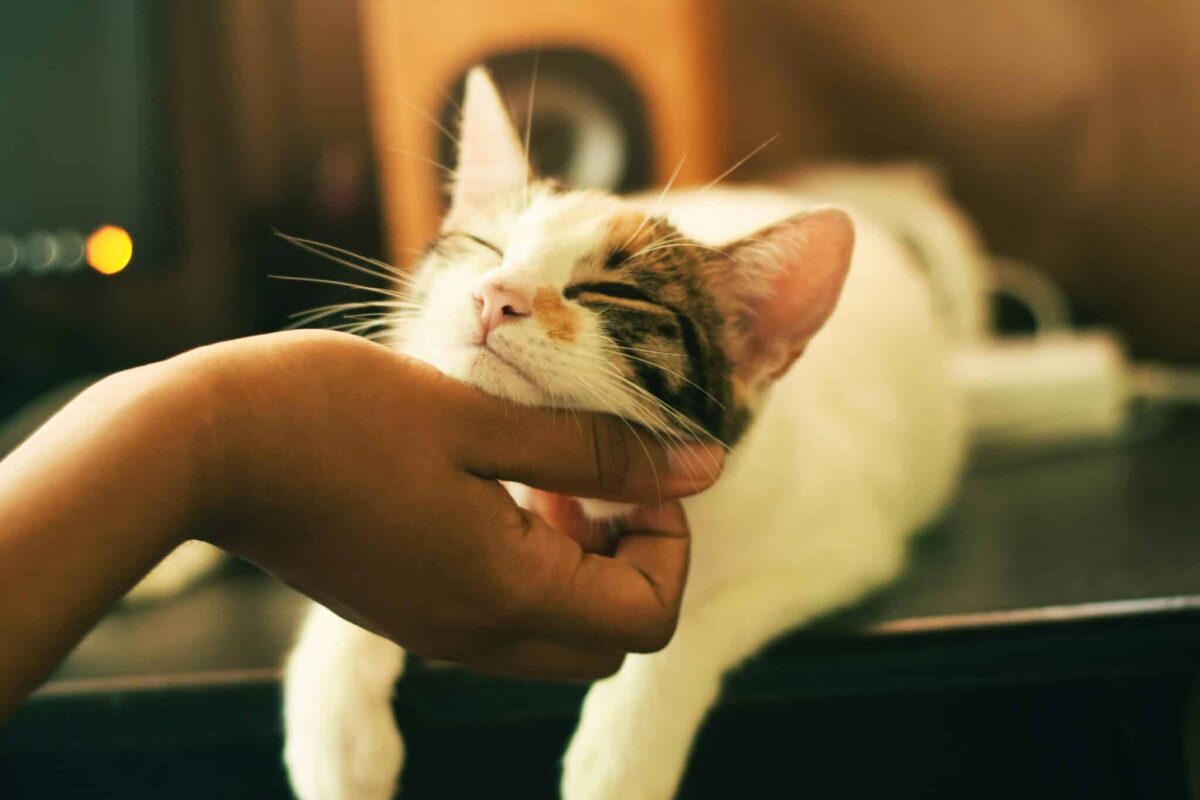
Reaching for an adorable cat can be tempting, but giving them some control over physical contact can make affection more enjoyable. Instead of immediately scooping them up or continuing to pet them after they pull away, offer a hand and watch what happens. A cat that approaches, rubs against the hand, leans into petting, or settles nearby is actively participating in the interaction. Respecting signals such as turning away, flattening the ears, twitching the tail, or moving elsewhere can prevent pleasant attention from becoming overstimulating. Over time, consistently honoring those boundaries may strengthen trust because the cat learns that approaching a human does not mean surrendering control over what happens next.
Make Time for Interactive Play
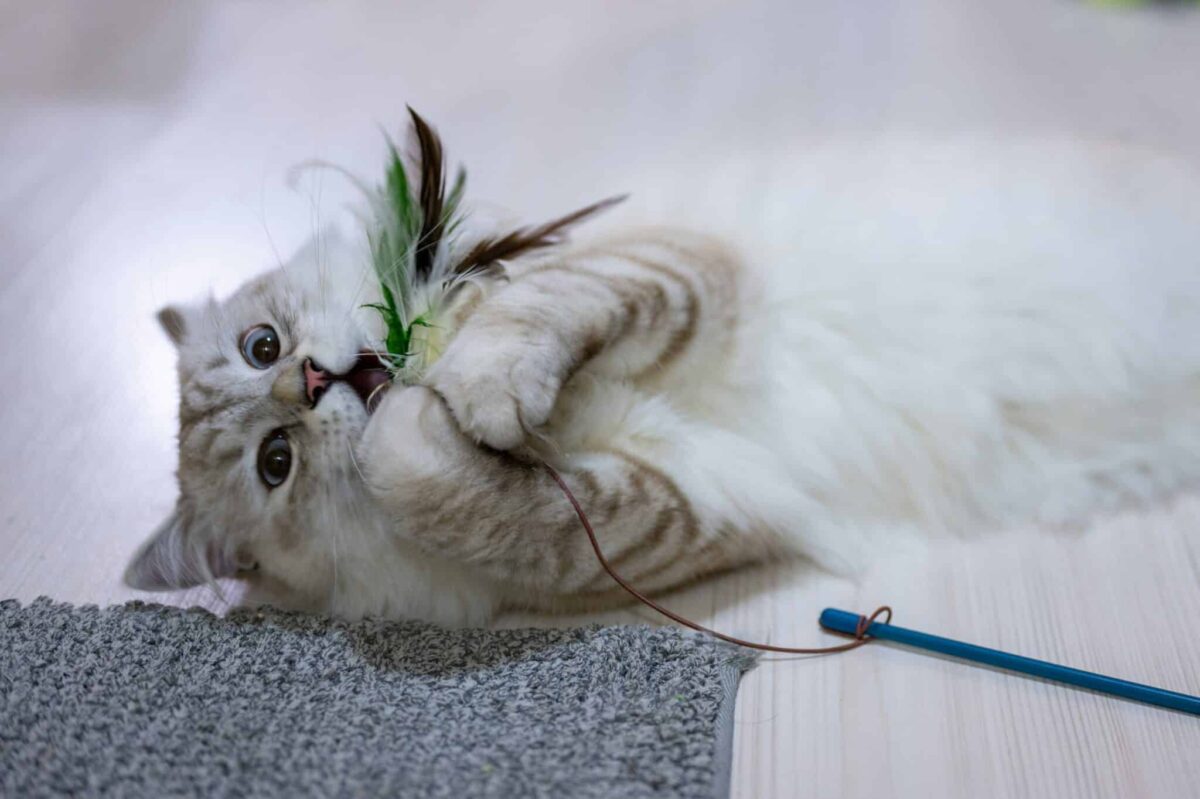
A few minutes spent stalking, chasing, and pouncing can offer far more than entertainment. Interactive play gives cats an appropriate outlet for behaviors connected to hunting, allowing them to practice tracking movement, waiting for an opportunity, pursuing a target, and making a final catch. It also creates a positive shared experience between cat and human without requiring constant physical affection. Different cats prefer different games, so paying attention to favorite movements and play styles matters. Some enjoy fast pursuits across the floor, while others prefer patiently ambushing something that disappears around a corner. Regular play demonstrates care by supporting both mental stimulation and physical activity in a way that respects natural feline instincts.
Learn Where They Actually Like Being Petted
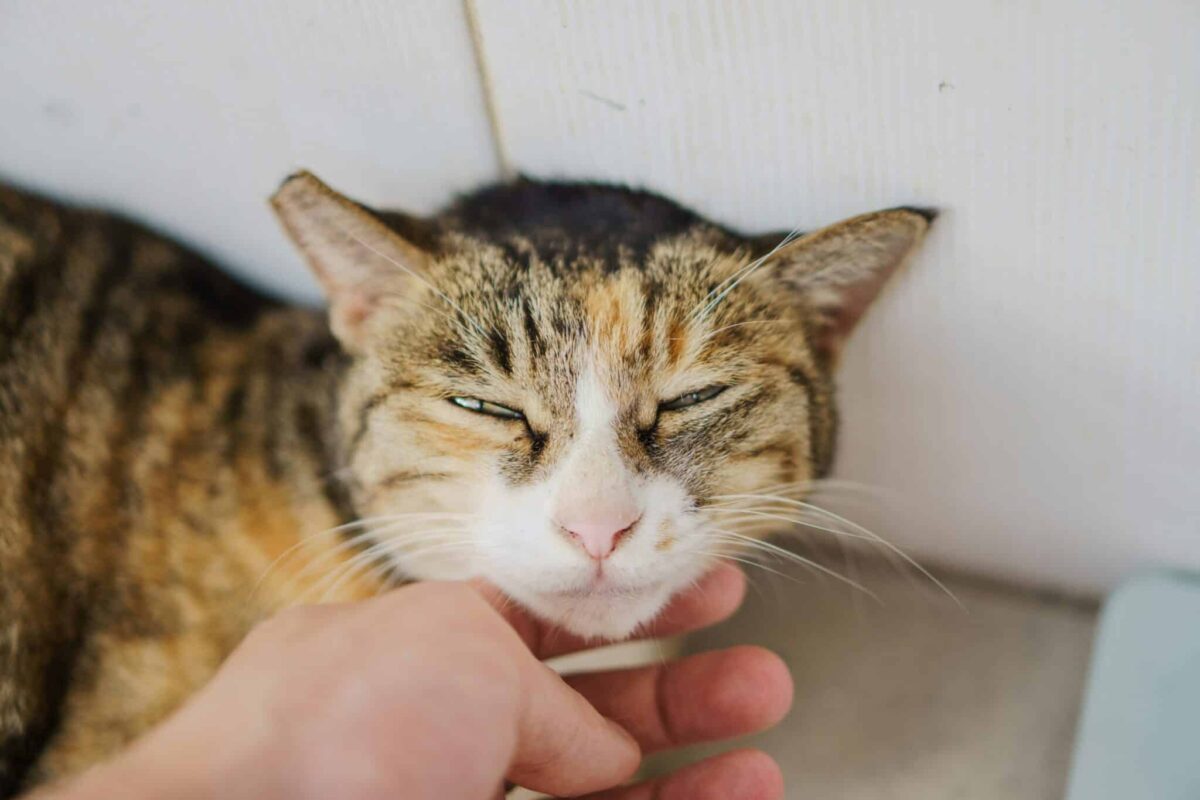
Not every patch of irresistible fluff is an invitation. Many cats enjoy gentle attention around the cheeks, forehead, chin, and base of the ears, while some are less enthusiastic about having their belly, paws, tail, or lower back touched. Individual preferences vary considerably, making body language a better guide than assumptions. Leaning toward the hand, relaxed posture, slow blinking, and remaining voluntarily nearby generally suggest the interaction is welcome. Skin rippling, sudden tail movements, tense muscles, or turning sharply toward the hand can signal that enough is enough. Learning these preferences makes petting more comfortable and shows respect for the cat’s boundaries, which can make future affectionate interactions more inviting rather than something they need to escape.
Give Them Safe Places to Retreat

Feeling loved does not require being surrounded by attention every minute. Cats also benefit from having quiet places where they can rest without being disturbed, especially in busy households or during unfamiliar activity. Covered beds, accessible hiding areas, elevated resting spots, and peaceful rooms can provide choices when a cat wants privacy. The important habit for humans is respecting those retreats instead of repeatedly reaching inside or pulling the cat out for interaction. Having control over where they rest can contribute to a stronger sense of security within the home. When cats know they can withdraw whenever necessary and return when ready, social interaction becomes something they can choose rather than something they must constantly tolerate.
Talk to Them in a Calm Familiar Voice

Cats may not understand conversations word for word, but they can become remarkably familiar with the sounds, tones, and patterns associated with their humans. A gentle greeting when entering the room, a familiar phrase before dinner, or quiet conversation while a cat lounges nearby can become part of the social landscape they recognize. Research suggests cats can distinguish familiar human voices, and many learn to associate particular sounds with routines or outcomes. Tone and context matter more than delivering a dramatic speech about how wonderful they are. Calm vocal interaction can provide attention without demanding touch, making it especially useful for cats that enjoy companionship while preferring a little physical space.
Keep Their Favorite Spaces Comfortable

Cats notice environmental details that humans can easily overlook. A sunny perch, a quiet sleeping area, a sturdy scratching surface, or a comfortable elevated spot may become an important part of a cat’s daily territory. Keeping those valued areas clean, accessible, and relatively undisturbed helps maintain a home that supports their natural preferences. Cats commonly seek places that provide warmth, security, opportunities for observation, or some combination of all three. Suddenly removing a favorite resting location without offering an alternative can therefore matter more than expected. Caring for the spaces a cat repeatedly chooses is a subtle form of attention because it acknowledges what makes that individual comfortable rather than assuming every cat wants the same setup.
Keep Their Litter Box Clean
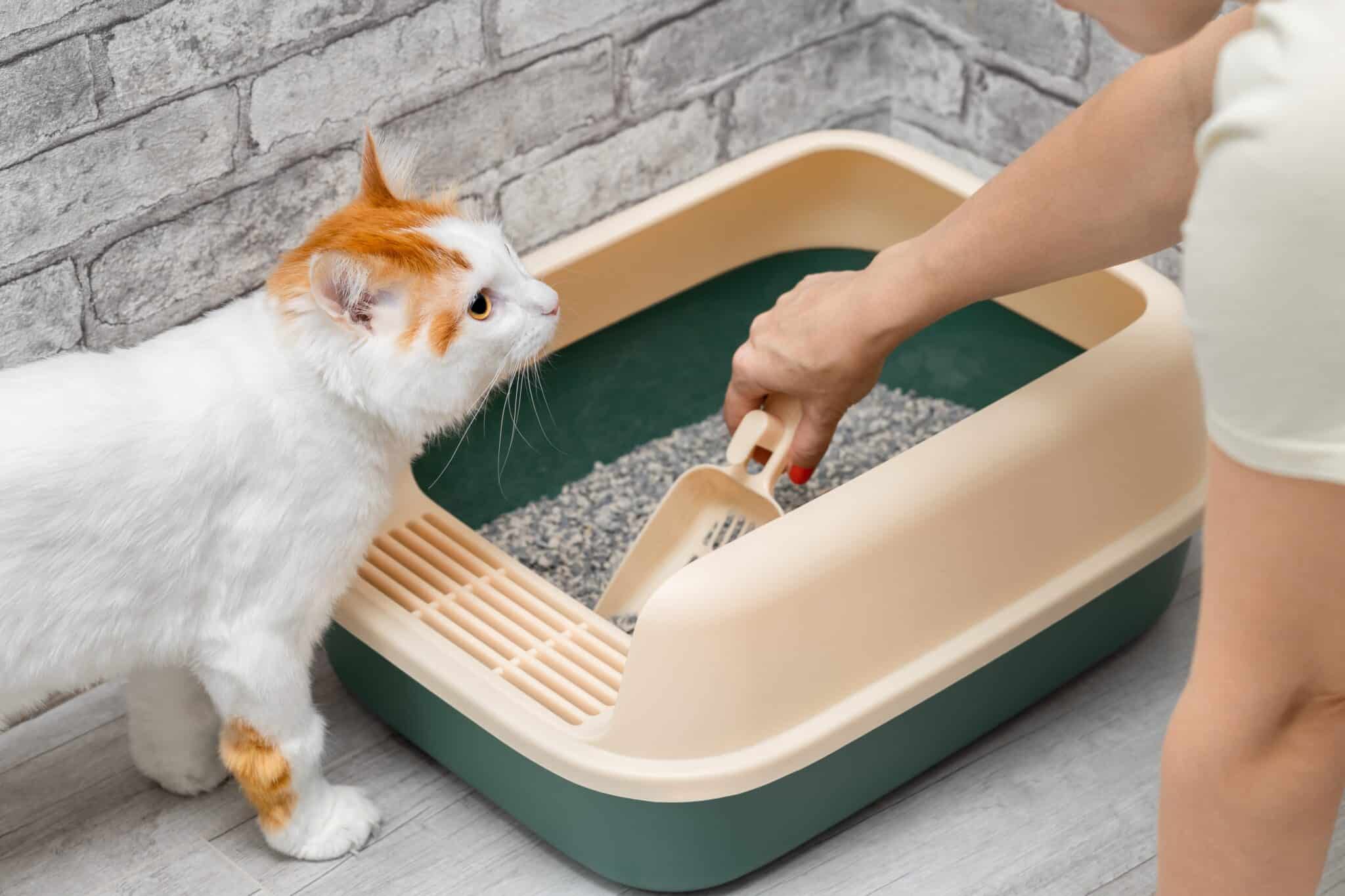
Cleaning a litter box may not look like an affectionate gesture, but cats probably appreciate the result more than a sentimental speech. A clean, accessible box supports normal elimination behavior and gives cats an appropriate place to bury waste, something many naturally prefer to do. Scooping regularly also makes unpleasant odors and soiled litter less likely to interfere with comfortable use. Placement, litter preference, box size, and the number of available boxes can influence how willingly a cat uses them. Sudden litter box avoidance can sometimes signal stress, environmental problems, or medical concerns and deserves attention. Consistently maintaining this essential resource is everyday care in one of its least glamorous but most meaningful forms.
Offer Scratching Spots They Enjoy Using
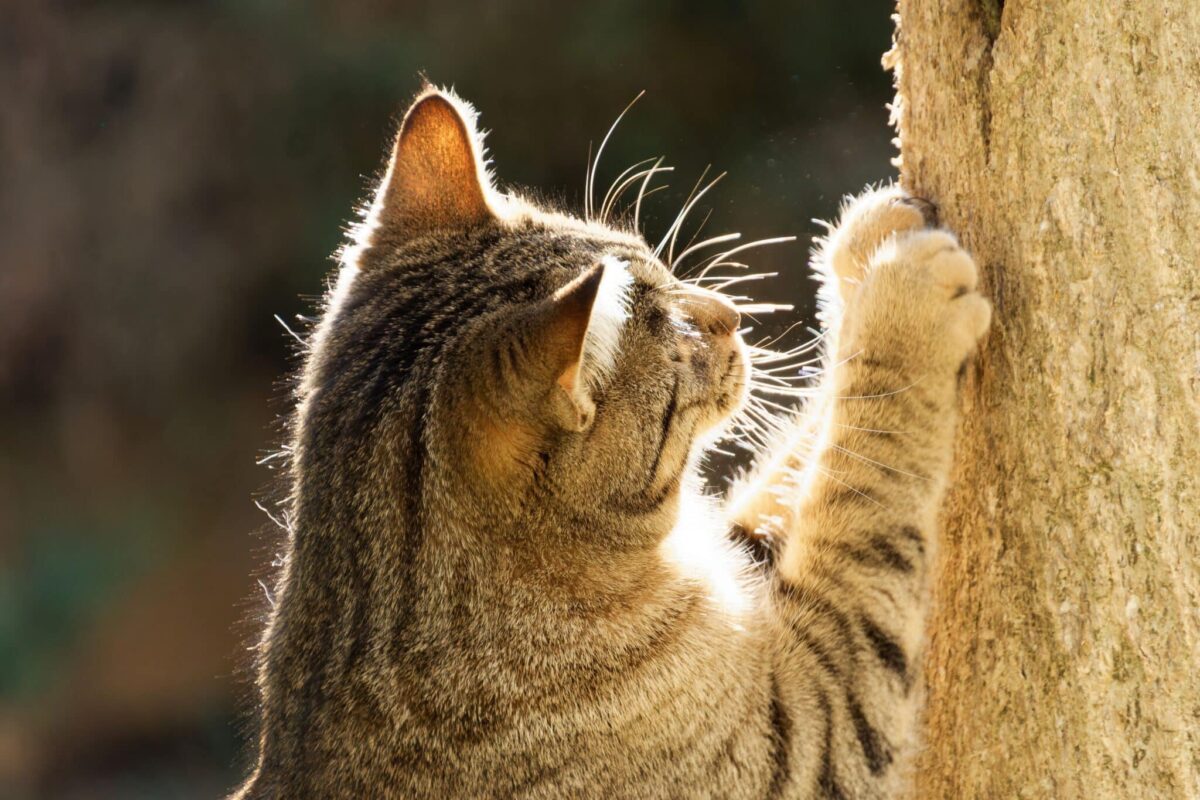
Scratching is not a naughty habit that cats need to abandon for human convenience. It helps maintain their claws, stretches muscles, leaves visual marks, and deposits scent from glands in their paws, making it an important part of normal feline behavior. Providing sturdy scratching surfaces in locations the cat naturally uses gives that instinct an acceptable outlet. Some cats prefer tall vertical posts that allow a full-body stretch, while others enthusiastically attack horizontal cardboard scratchers. Paying attention to orientation, texture, stability, and location can make the difference between a beloved scratcher and an ignored piece of furniture. Supporting this natural behavior helps create a home where cats can act like cats without constantly being corrected.
Notice Their Preferred Style of Companionship

Some cats climb directly into a lap, while others express sociability by occupying the opposite end of the couch. A cat that regularly chooses to nap nearby, follows someone into another room, or quietly watches household activity may be seeking companionship even without requesting physical contact. Recognizing these quieter preferences prevents affection from becoming a one-size-fits-all expectation. Social behavior varies according to personality, early experiences, environment, and the relationship a cat has developed with particular people. Allowing a reserved cat to enjoy proximity without constantly touching them can be just as respectful as cuddling a cat that actively seeks close contact. The goal is not maximum affection, but comfortable interaction on terms the individual cat enjoys.
Give Them Opportunities to Climb and Observe

Vertical space can make an ordinary room much more interesting to a cat. Cat trees, sturdy shelves, window perches, and other safe elevated locations provide opportunities to climb, rest, survey activity, and sometimes avoid unwanted interaction on the floor. Height can be particularly valuable in multi-pet households because it expands usable territory and offers additional choices for navigating shared spaces. A perch overlooking a favorite room also allows a cat to remain involved without sitting directly in the middle of everything. Providing these options demonstrates care by considering how cats naturally experience their surroundings. Humans may think in square footage, but cats often appreciate a home that includes useful territory above ground level, too.
Respond to Their Attempts to Communicate
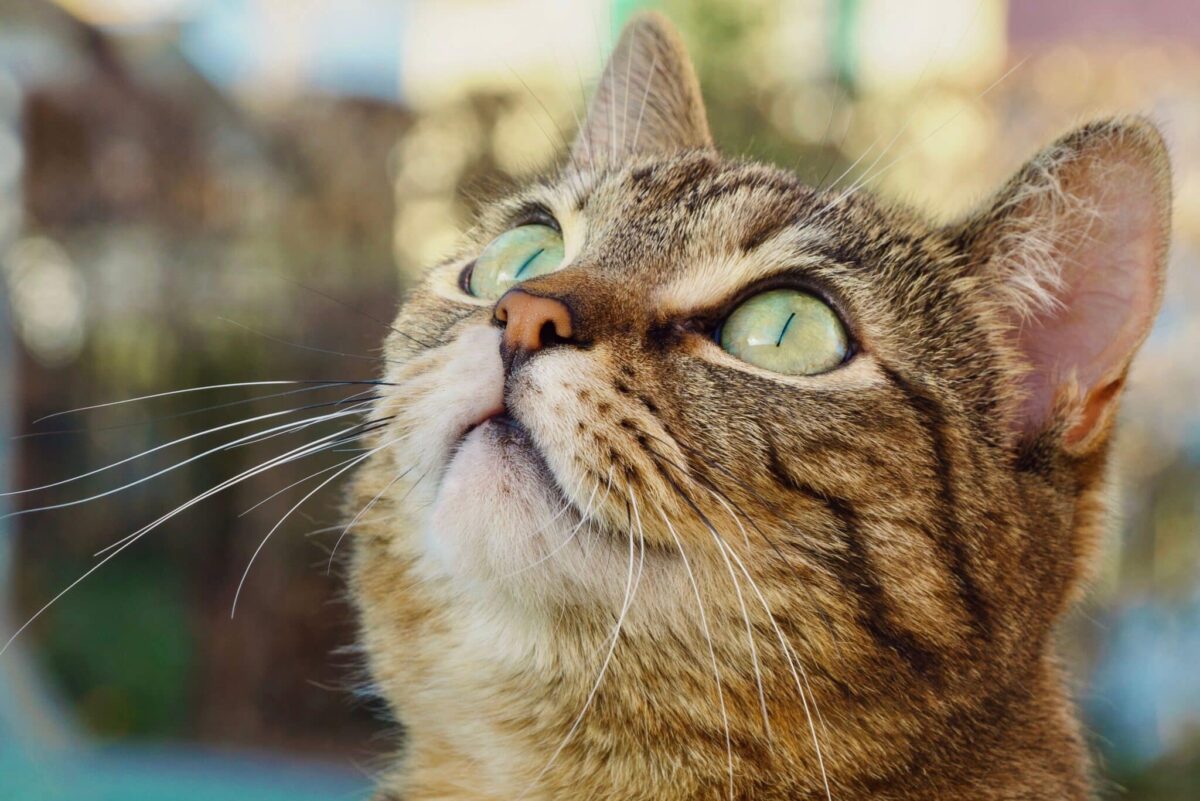
A meow near the kitchen, a deliberate glance toward a closed door, or a gentle paw placed beside someone can become part of an individual cat’s communication system. Domestic cats frequently learn which signals get useful responses from the people around them, and humans often learn the meaning of those signals in return. Paying attention does not mean granting every request, especially when the request involves an extra dinner or access to something unsafe. It means noticing patterns and considering what the cat may need, such as play, food, access, reassurance, or interaction. Responsive communication can strengthen the relationship because daily life becomes a two-way exchange rather than a series of signals that consistently go unanswered.
Give Them Your Undivided Attention

Cats may appear perfectly capable of entertaining themselves, yet many appreciate brief periods when their human is fully engaged with them. Putting aside distractions for a few minutes to play, offer welcomed affection, groom them gently, or simply sit nearby can create a calm and positive social routine. The activity itself matters less than matching it to what the individual cat enjoys. A highly social cat might request a long cuddle, while a more independent companion may prefer a short play session followed by peaceful company. Consistent, attentive interaction also makes subtle changes in behavior easier to notice. Everyday affection becomes most meaningful when it involves paying attention to the cat actually present, rather than an imagined version of how cats should behave.
The Little Things Speak Cat
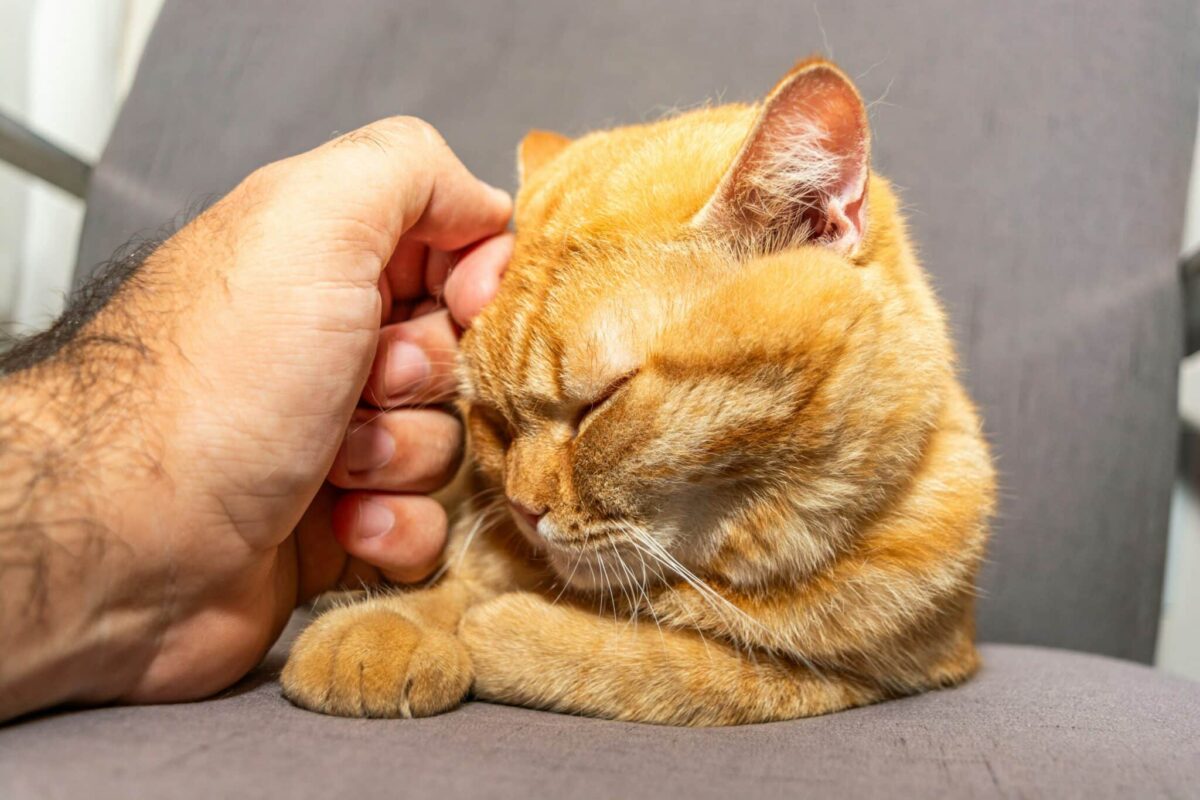
Cats do not need grand displays to build secure, rewarding relationships with their humans. Much of that bond grows through ordinary moments repeated daily, including reliable care, respected boundaries, enjoyable activities, and thoughtful attention to communication. Every cat brings unique preferences, experiences, and social needs into the relationship, so learning their individual patterns matters. When everyday life consistently provides safety, choice, comfort, stimulation, and positive companionship, affection becomes less about proving love through dramatic gestures and more about creating a home where a cat feels understood, valued, and safe.
This content was created with AI assistance and edited by the iHeartCats team.